
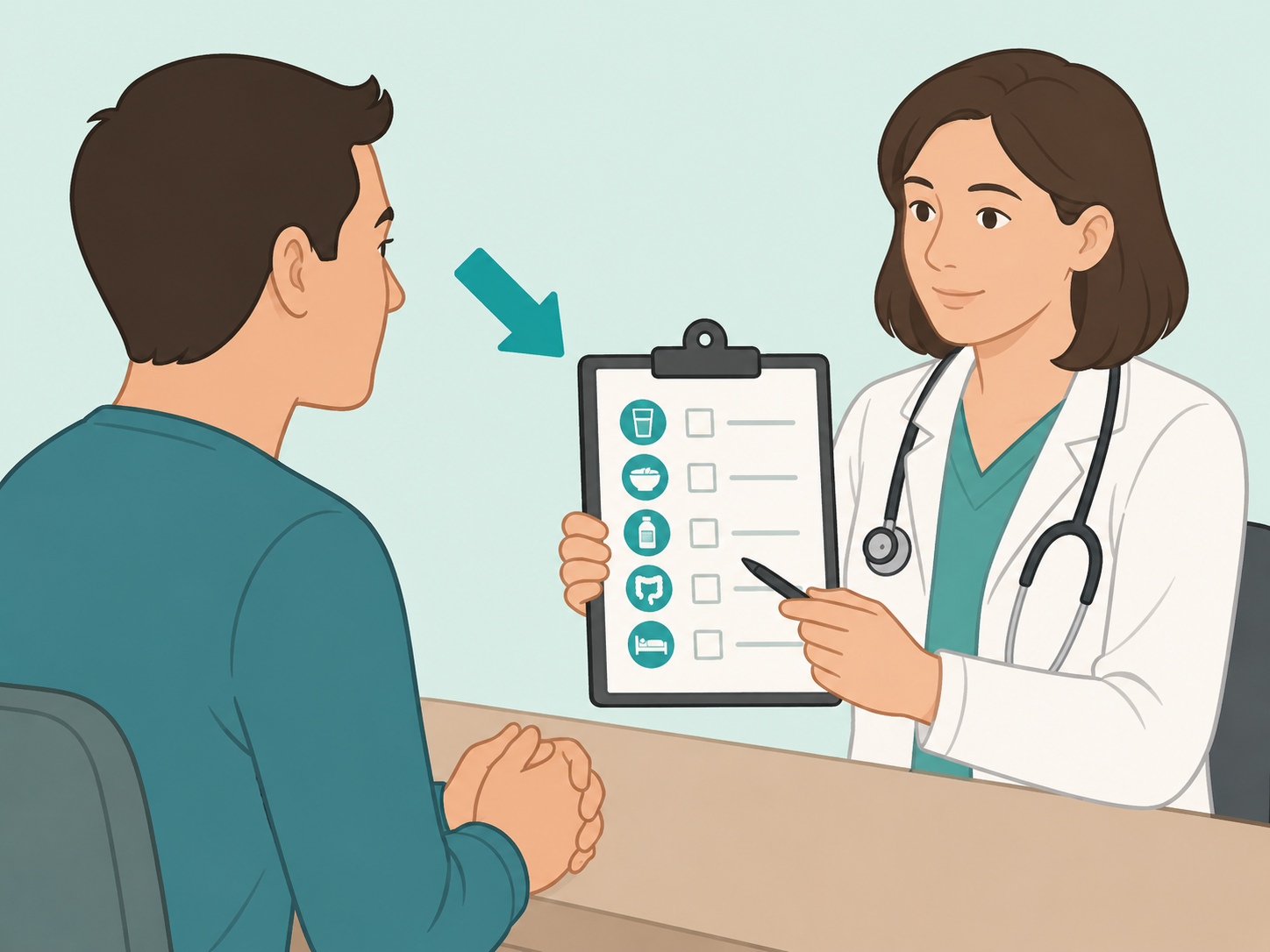
 Pin it
A colonoscopy can feel easier to handle when you know exactly what to ask before the appointment. The key question is broad but practical: What should I do before, during, and after this colonoscopy based on my health, medicines, and risk? This guide turns that question into a simple checklist to review with your doctor or care team.
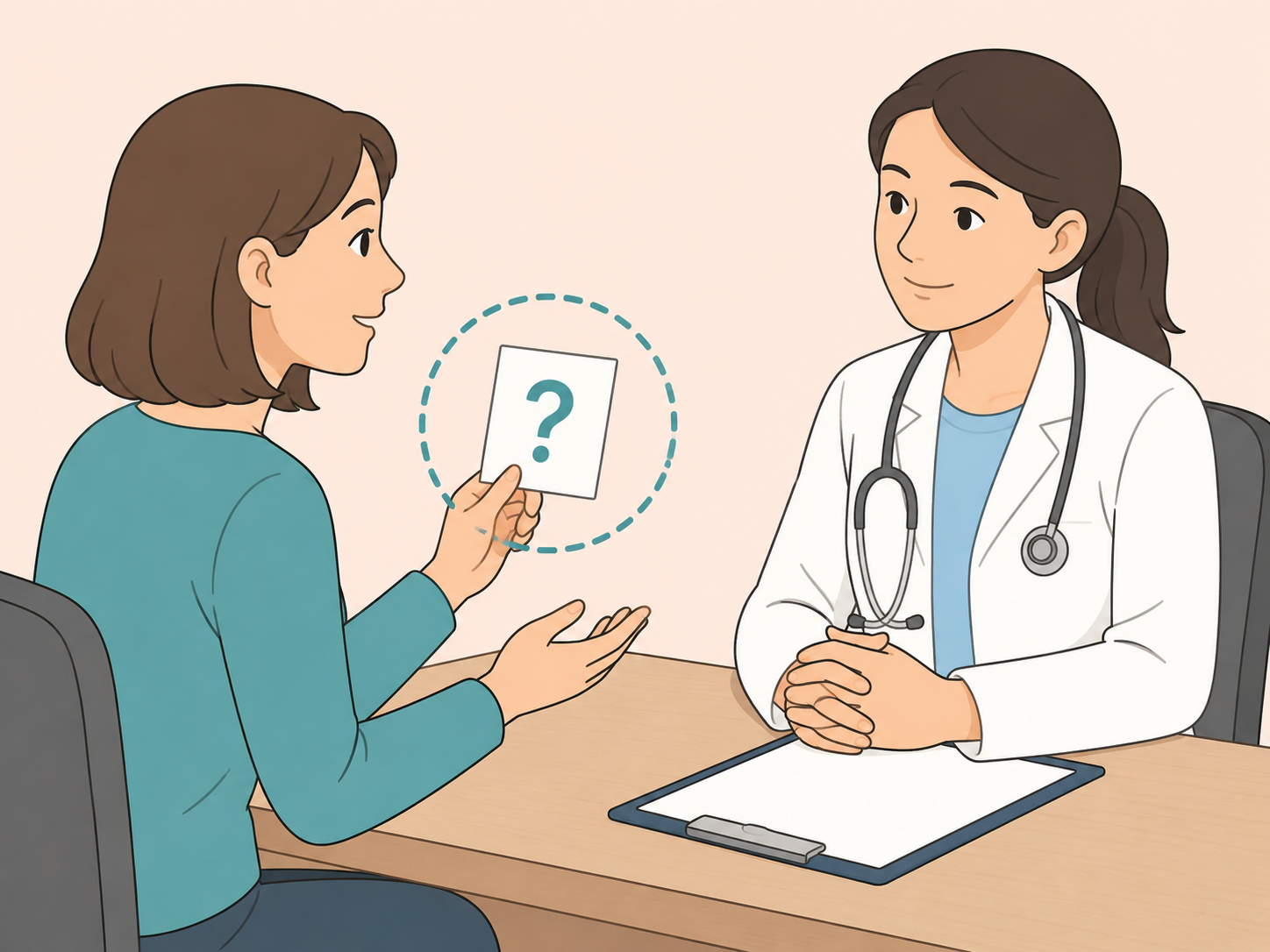
Ask the full key question first
Start with this question: What should I do before, during, and after this colonoscopy based on my health, medicines, and risk? The CDC recommends asking how to prepare, whether usual medicines need changes, what the test involves, and when results will come.
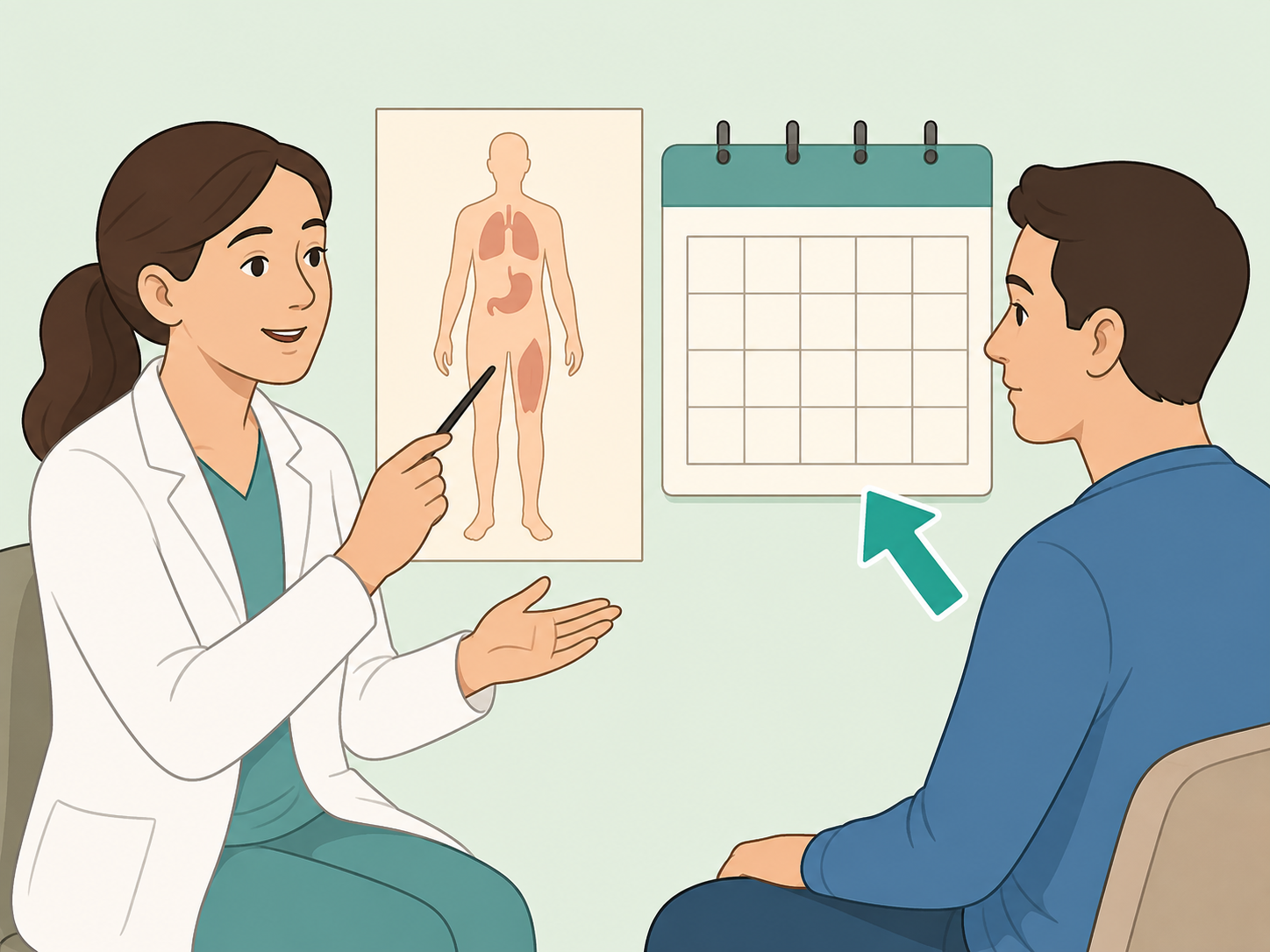
Confirm why you are having the colonoscopy
Ask whether the procedure is for routine screening, follow-up after another test, symptoms, or monitoring a known condition. The CDC says most adults should begin colorectal cancer screening at age 45, but some people need earlier or more frequent screening because of risk factors.
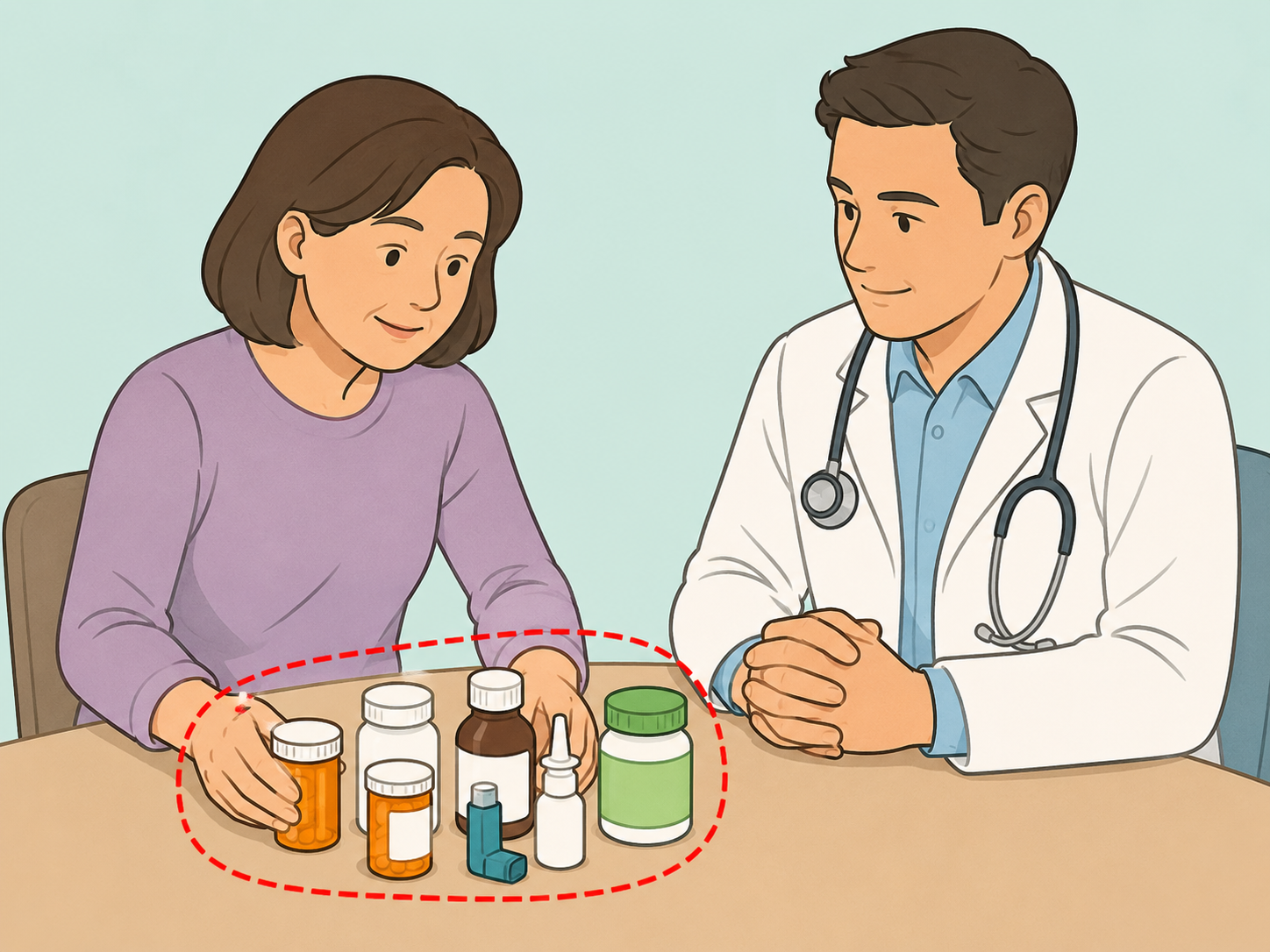
Share your health history and every medicine you take
Tell your doctor about medical conditions, allergies, past reactions to anesthesia, and all prescription medicines, over-the-counter medicines, vitamins, and supplements. The NIDDK advises discussing health problems and all medicines before a colonoscopy, because some instructions may need to be tailored to you.
Review the bowel prep instructions out loud
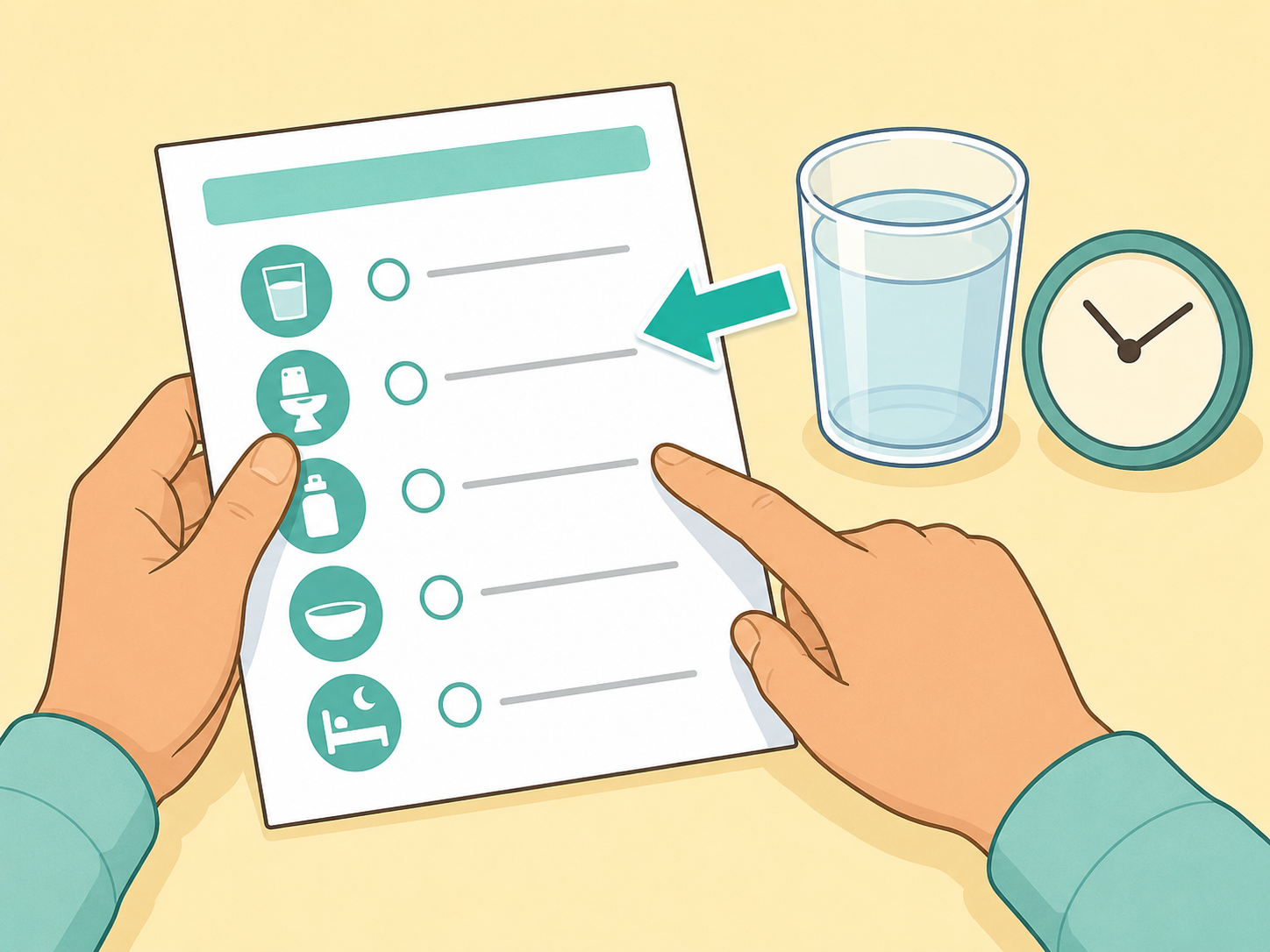
Ask your care team to walk you through the prep schedule, including when to change your diet, when to take the laxative, and when to stop eating or drinking. A complete prep matters because stool left in the colon can keep the doctor from clearly seeing the lining.

Ask what foods and liquids to avoid
Clarify when to start a low-fiber or clear-liquid diet and which drinks are allowed. MedlinePlus notes that people are often told to avoid red or purple drinks or gelatin before the exam, because the color can look like blood in the colon.
Clarify sedation, comfort, and your ride home
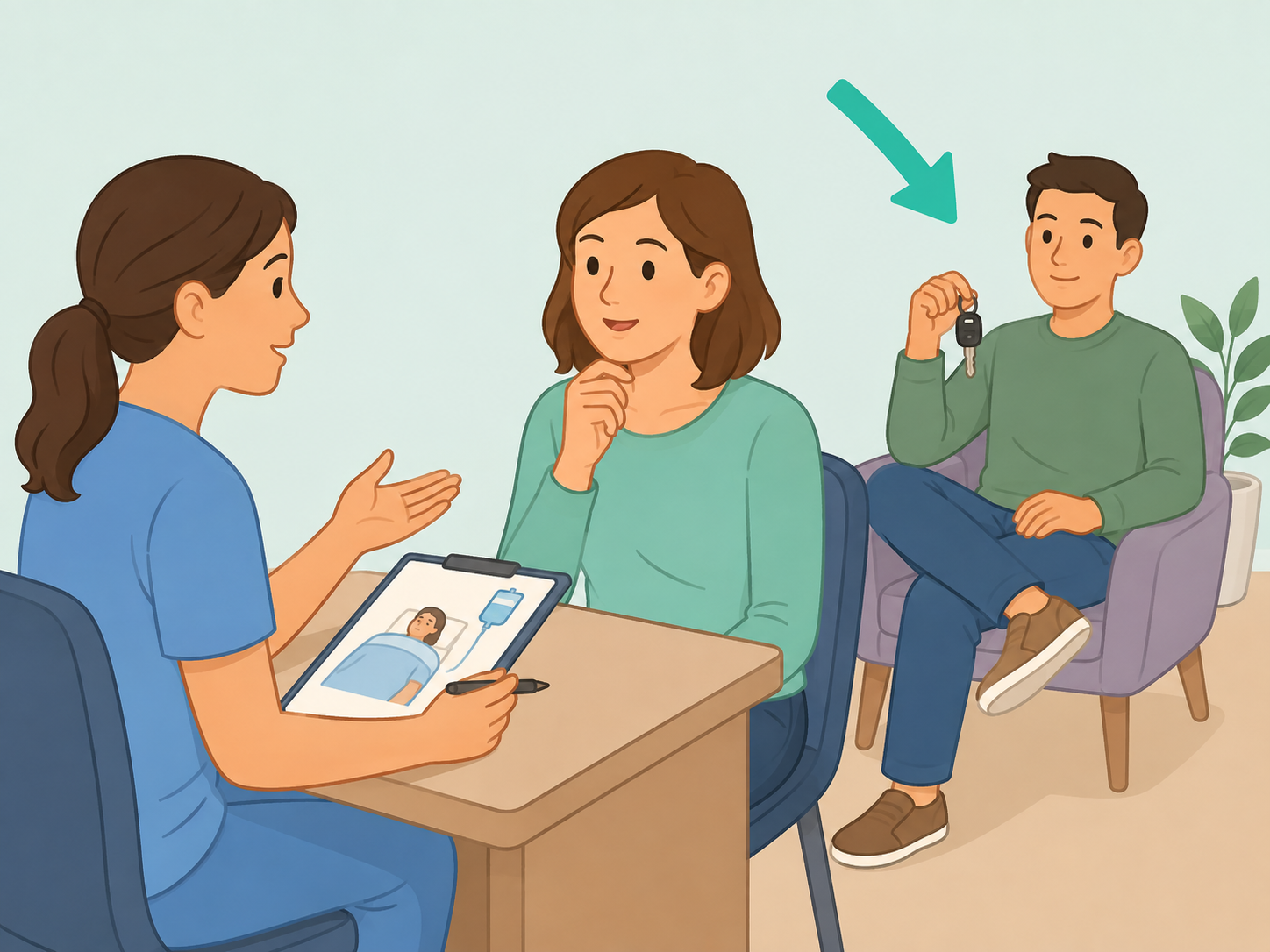
Ask what kind of sedation or anesthesia you will receive, whether you are likely to be awake, and how long you should avoid driving or important decisions afterward. MedlinePlus explains that colonoscopy commonly uses IV sedatives or anesthesia and requires someone to drive you home.
Ask what happens if polyps are found
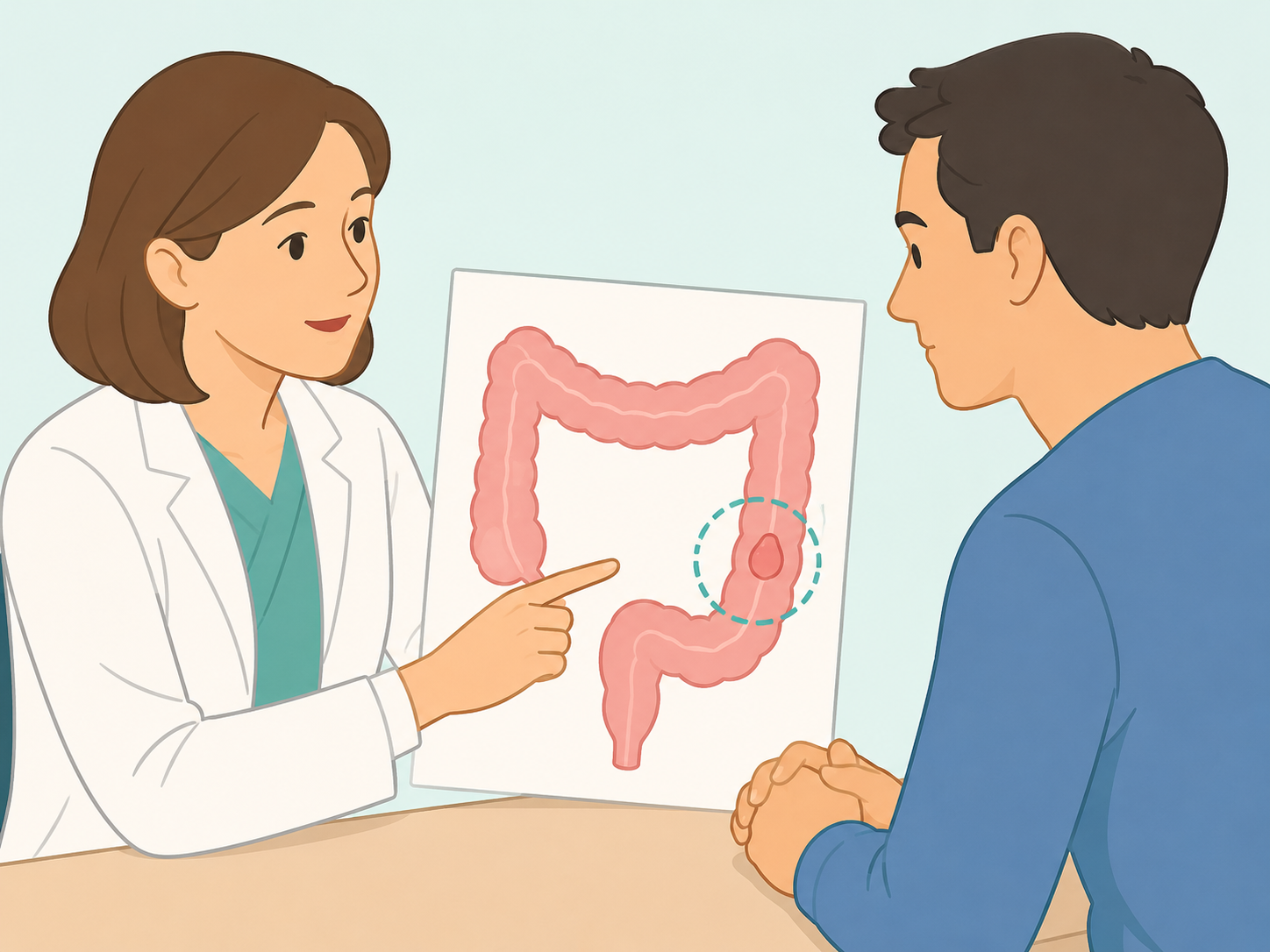
Ask whether your doctor can remove polyps during the procedure and how biopsy results will be reported. The NIDDK explains that during a colonoscopy, doctors may remove polyps or take a biopsy without you feeling it, and lab results may take a few days or longer.
Discuss risks and warning signs calmly
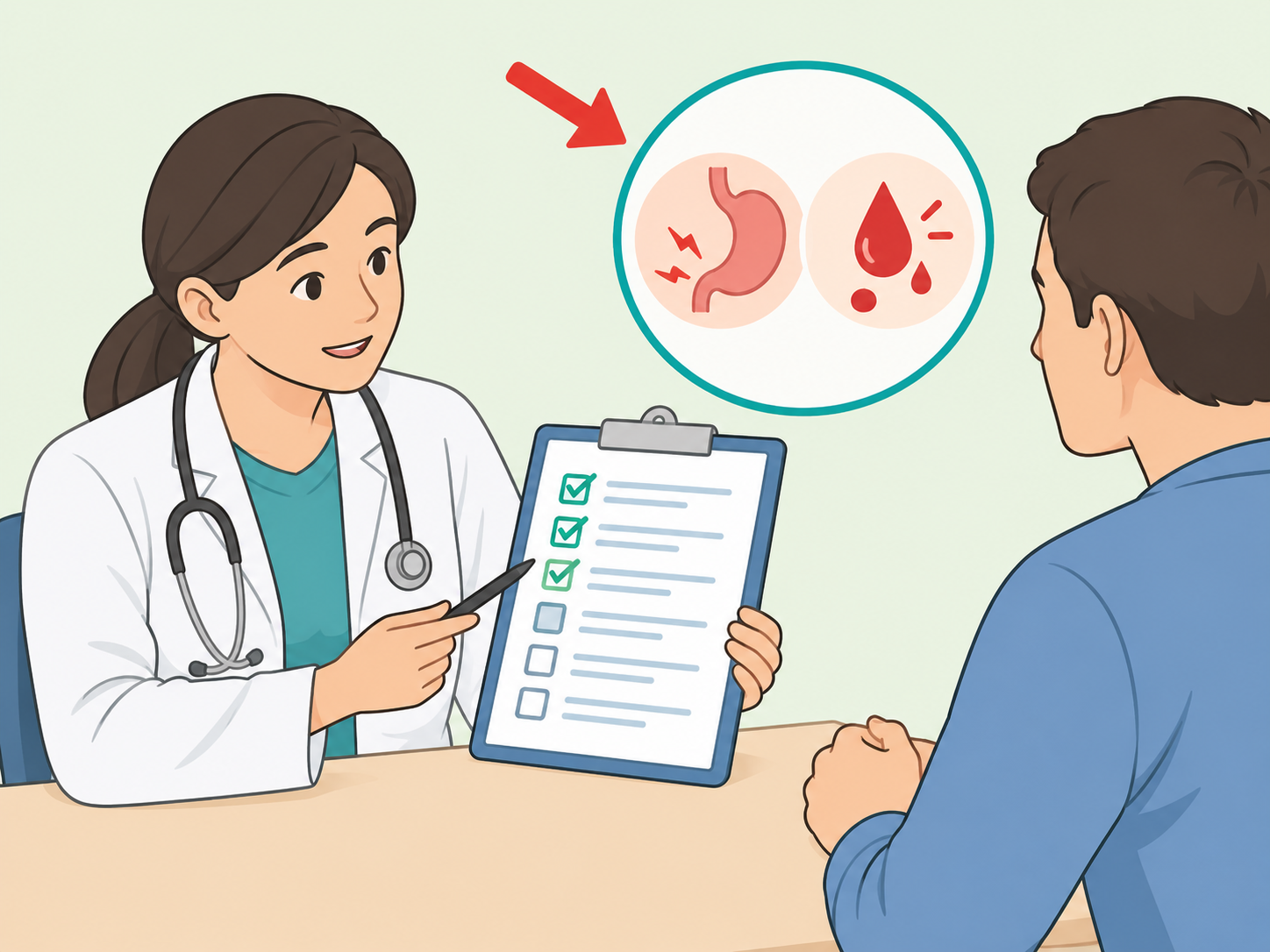
Ask which risks apply to you and which symptoms should prompt urgent help after you go home. Cleveland Clinic notes that colonoscopy risks are rare but can include bleeding, colon wall injury, infection, or anesthesia reactions.
Call your care team if problems come up
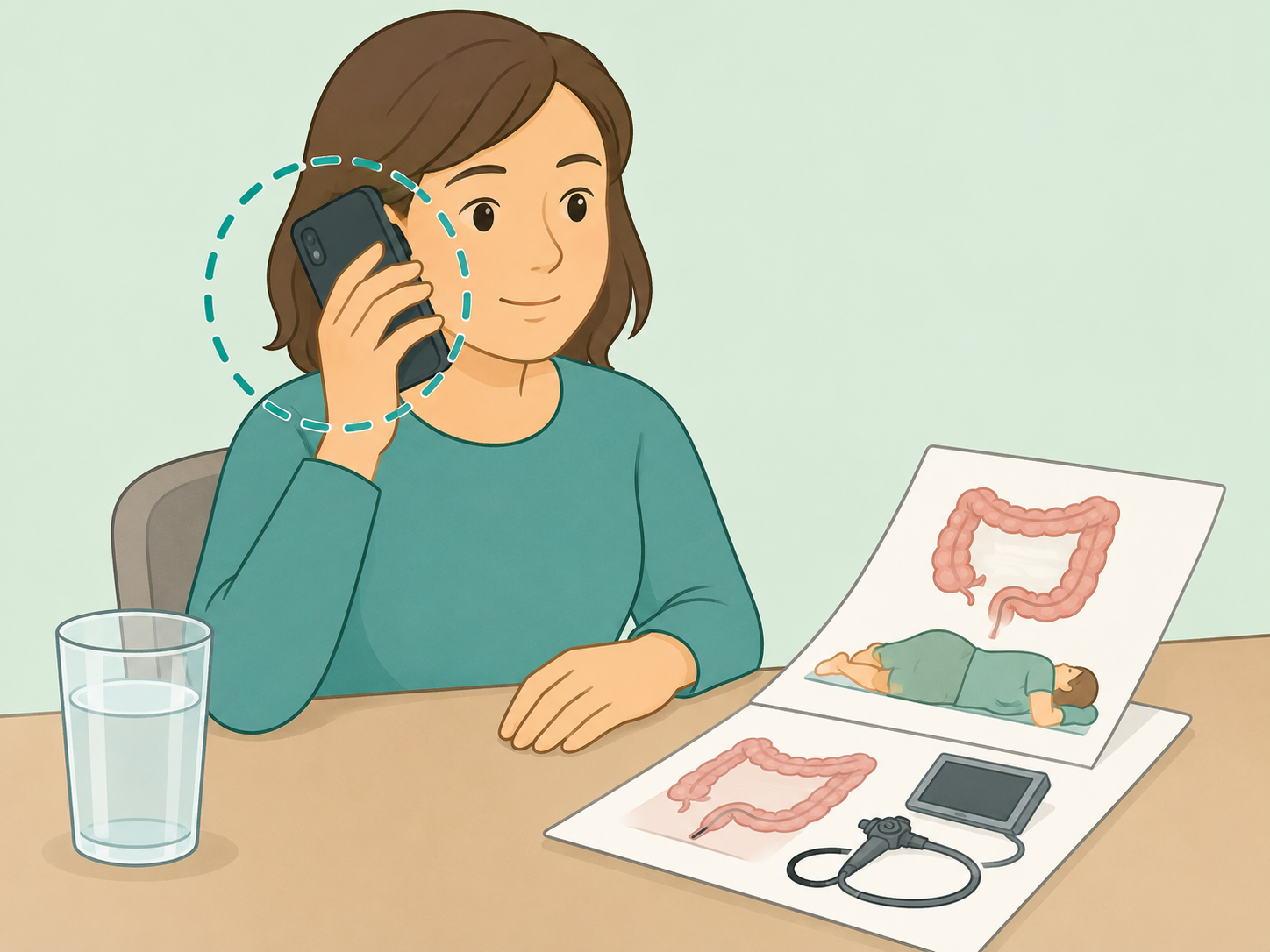
Before the procedure, call if side effects keep you from finishing the prep or if you are unsure about medicine instructions. After the procedure, seek medical care right away for severe abdominal pain, fever, bloody bowel movements that do not improve, bleeding that does not stop, dizziness, or weakness, which the NIDDK lists as symptoms needing prompt care.
Summary
The bottom line: ask one broad question, then make sure it covers your reason for the test, bowel prep, medicines, sedation, risks, ride home, warning signs, and results. Write the answers down so you are not relying on memory on procedure day.
Frequently Asked Questions
- What is the key question to ask before a colonoscopy?
Ask: What should I do before, during, and after this colonoscopy based on my health, medicines, and risk? This opens the door to the practical details that matter most, including bowel prep, medication changes, sedation, transportation, and results.
- Should I ask about my medicines before a colonoscopy?
Yes. Tell your doctor about prescription medicines, over-the-counter medicines, vitamins, and supplements. Do not stop or change a medicine unless your doctor or care team tells you to.
- Why is bowel prep so important?
Bowel prep clears stool from the colon so the doctor can see the lining clearly. If the prep is not complete, the exam may be harder to interpret and may need to be repeated.
- Will I need someone to drive me home?
Usually, yes if you receive sedation or anesthesia. Ask your care team what kind of medicine you will receive and exactly what transportation rules apply for your appointment.
- When will I get colonoscopy results?
Your doctor may discuss what they saw soon after the procedure, once you are awake enough. If a biopsy or polyp sample is sent to a lab, those results can take a few days or longer.
- What should I do if I cannot finish the prep?
Call the office or endoscopy center using the number on your instructions. Your care team can tell you whether to continue, adjust the timing, or reschedule.
References
Reliable references aided in composing and refining this content.
- https://www.cdc.gov/colorectal-cancer/talking-to-doctor/index.html
- https://www.cdc.gov/colorectal-cancer/screening/index.html
- https://www.niddk.nih.gov/health-information/diagnostic-tests/colonoscopy
- https://medlineplus.gov/colonoscopy.html
- https://my.clevelandclinic.org/health/diagnostics/4949-colonoscopy