
 Pin it
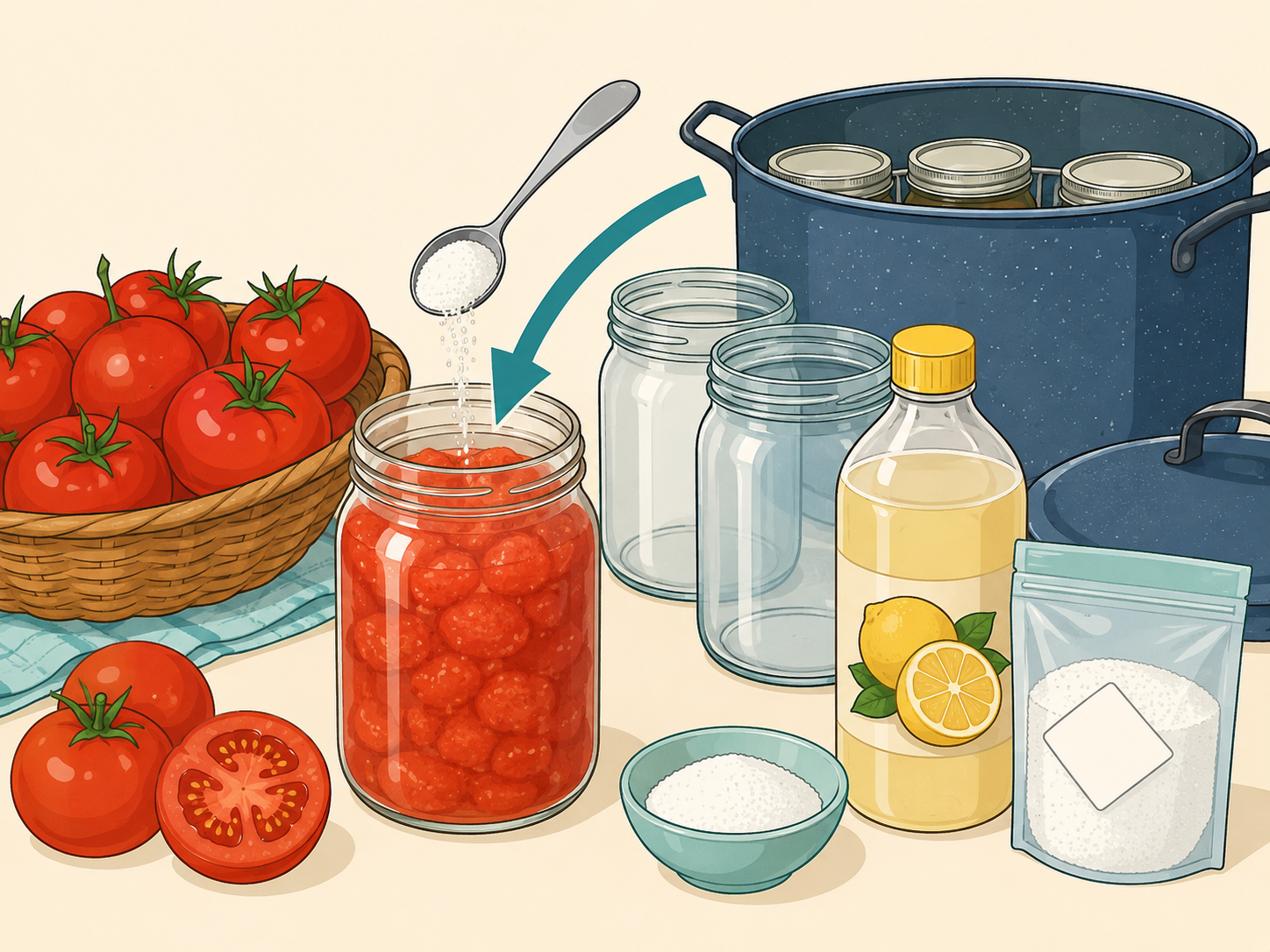
Tomatoes can be preserved for winter without vinegar and without adding water, but the safe version still requires a tested canning method. The key is to pack tomatoes in their own juice and add the recommended acid, such as bottled lemon juice or citric acid. This guide explains the safe, research-based way to do it.
Choose firm, disease-free tomatoes
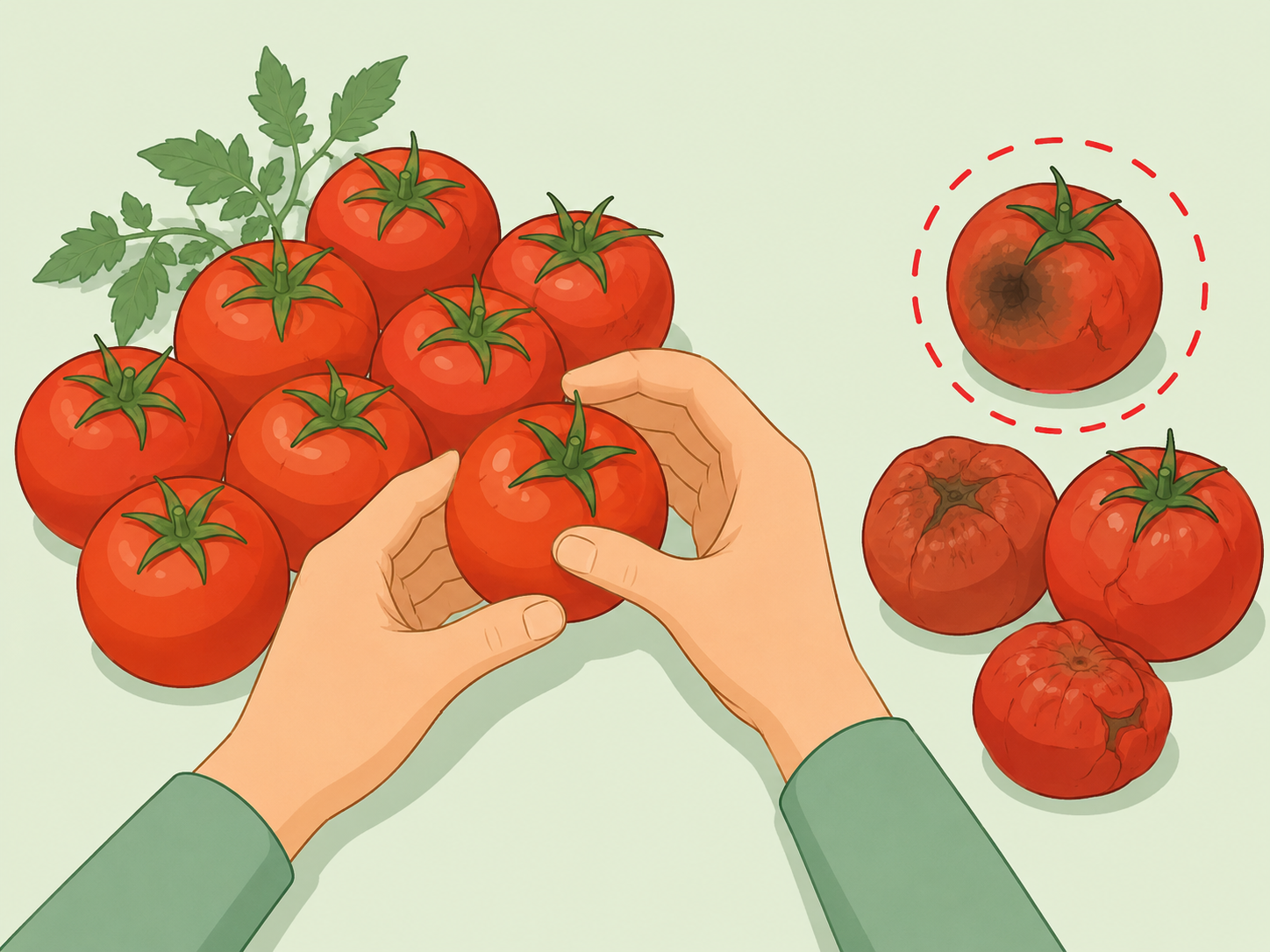
Start with fresh, firm, preferably vine-ripened tomatoes, and avoid fruit from dead or frost-killed vines. The National Center for Home Food Preservation recommends disease-free tomatoes for canning, and University of Minnesota Extension warns that damaged or overripe tomatoes can be less safe for home canning.
Pick a tested no-liquid tomato method
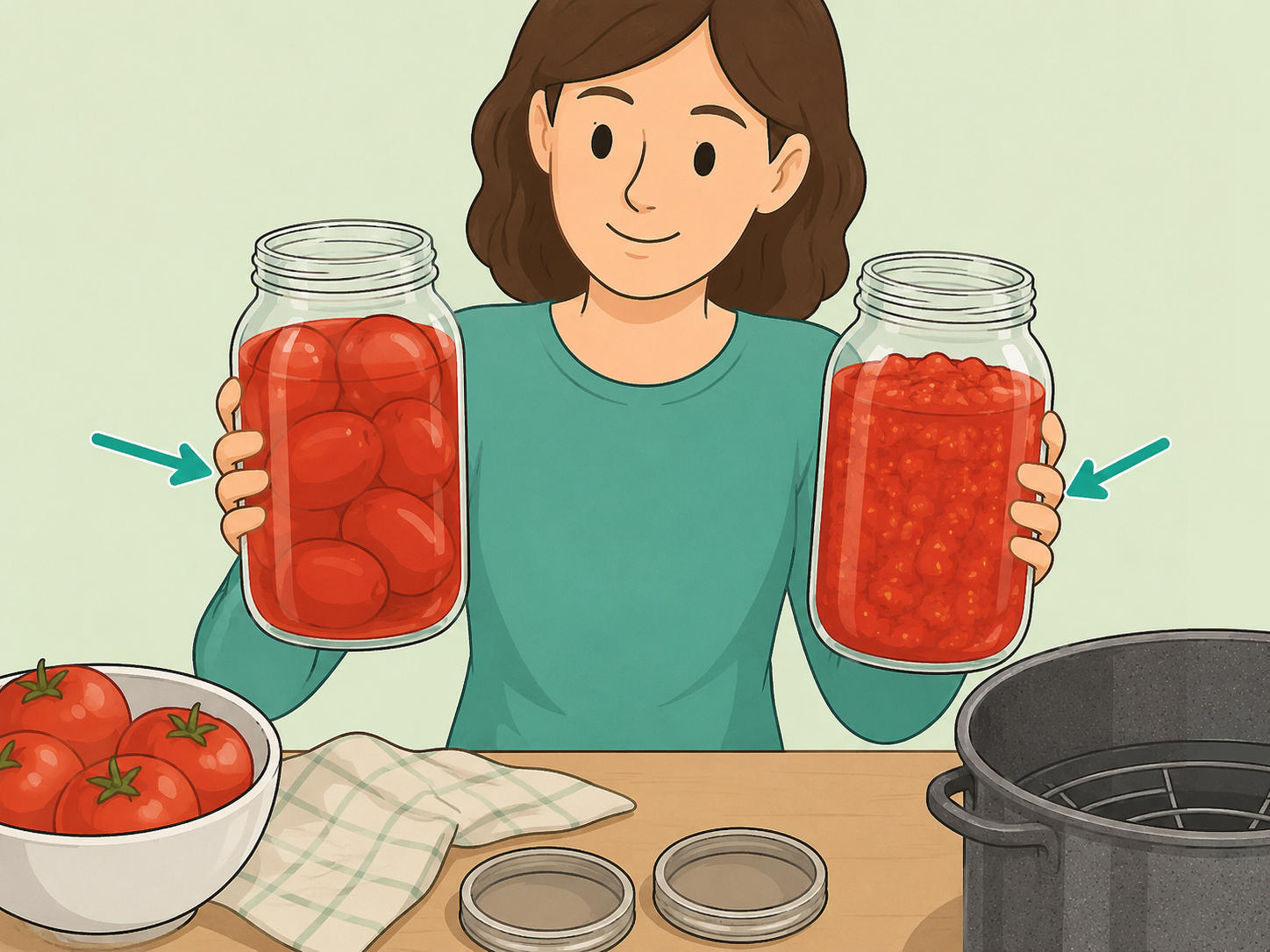
For whole or halved tomatoes, use the tested raw-pack method that fills the jar with tomato juice released from the fruit, not added water. If you want a softer product for soups and sauces, follow the tested crushed tomatoes with no added liquid method instead.
Wash, peel, core, and trim the tomatoes
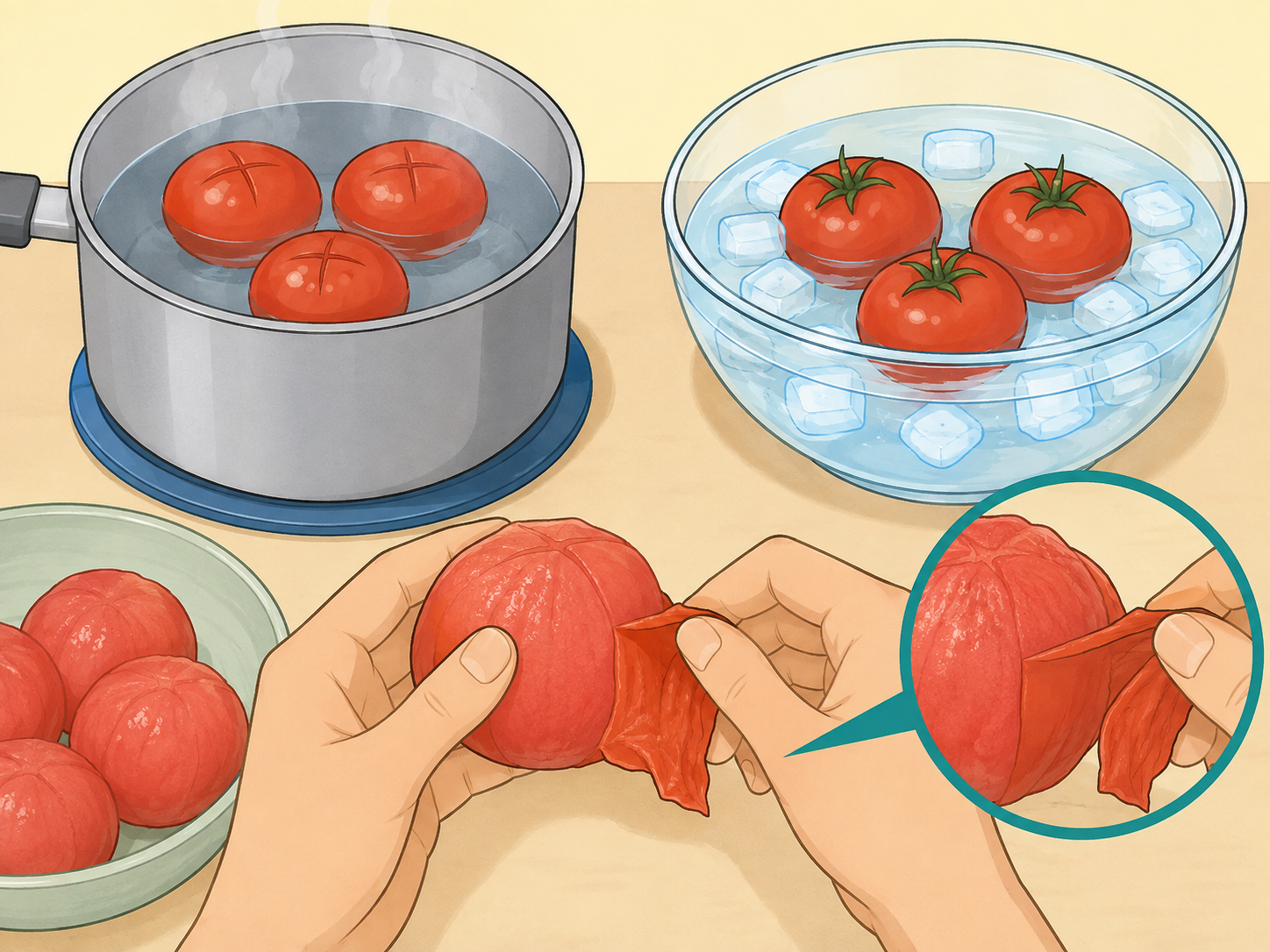
Wash the tomatoes well, dip them in boiling water until the skins split, then move them to cold water so the skins slip off easily. The tested raw-pack no-liquid directions call for removing skins and cores before packing the tomatoes.
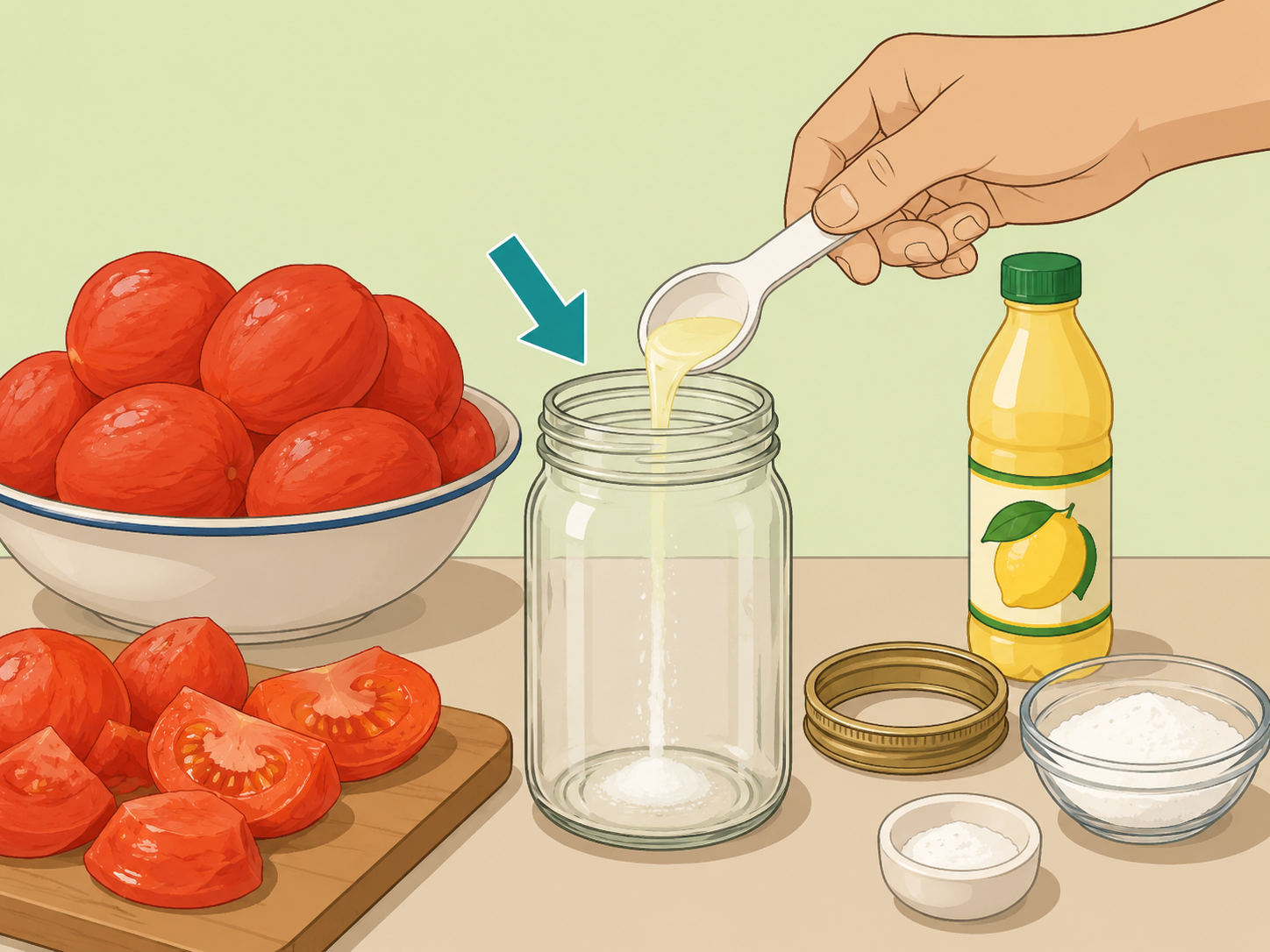
Add bottled lemon juice or citric acid to each jar
No vinegar is needed if you use another approved acid, but you should not skip acid completely. The tomato acidification directions call for 2 tablespoons bottled lemon juice or 1/2 teaspoon citric acid per quart, or 1 tablespoon bottled lemon juice or 1/4 teaspoon citric acid per pint.
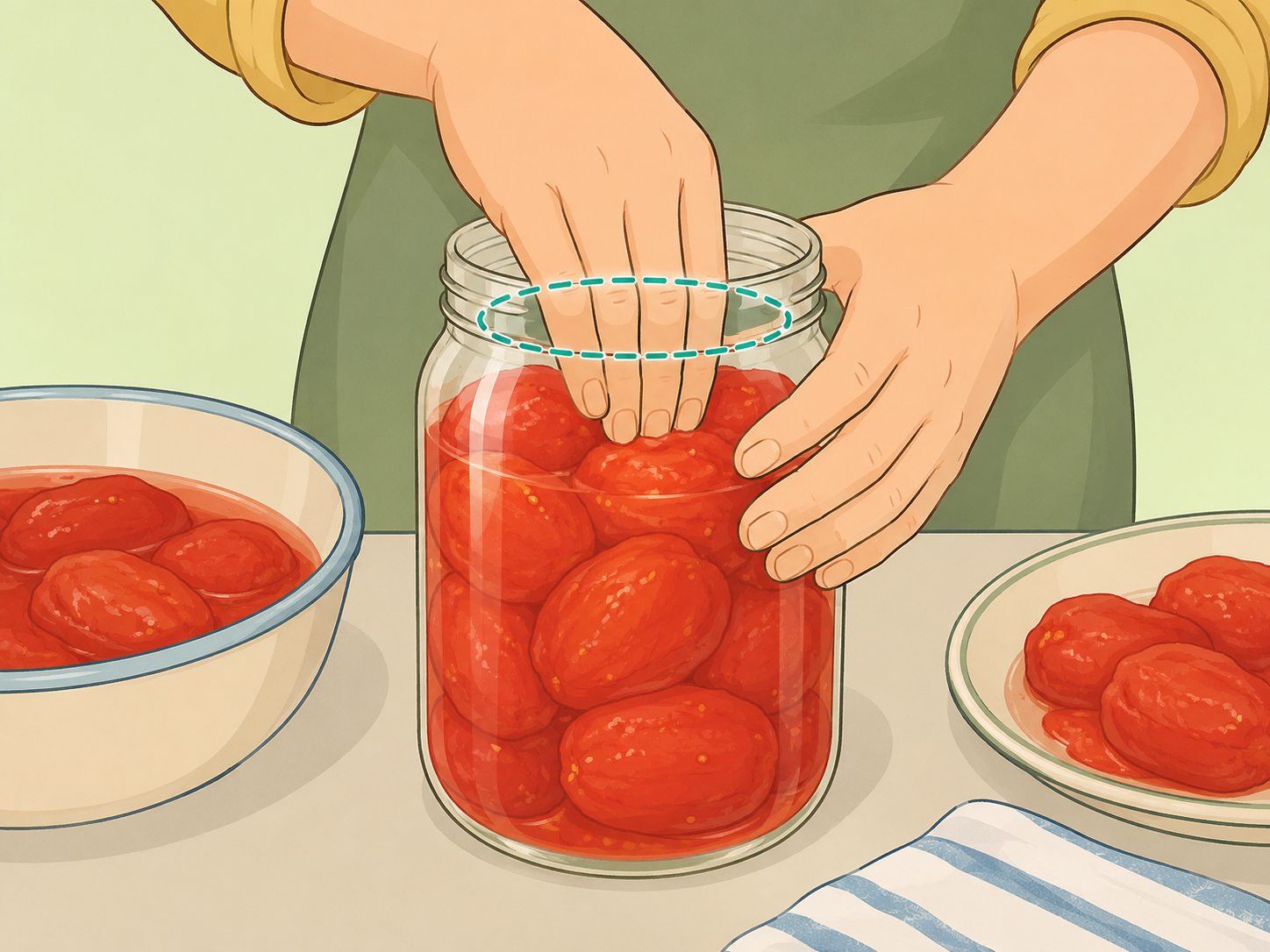
Pack the tomatoes in their own juice
Fill hot jars with prepared tomatoes, pressing gently so the spaces between the tomatoes fill with their own juice. Leave 1/2-inch headspace, as directed by the tested no-added-liquid method.
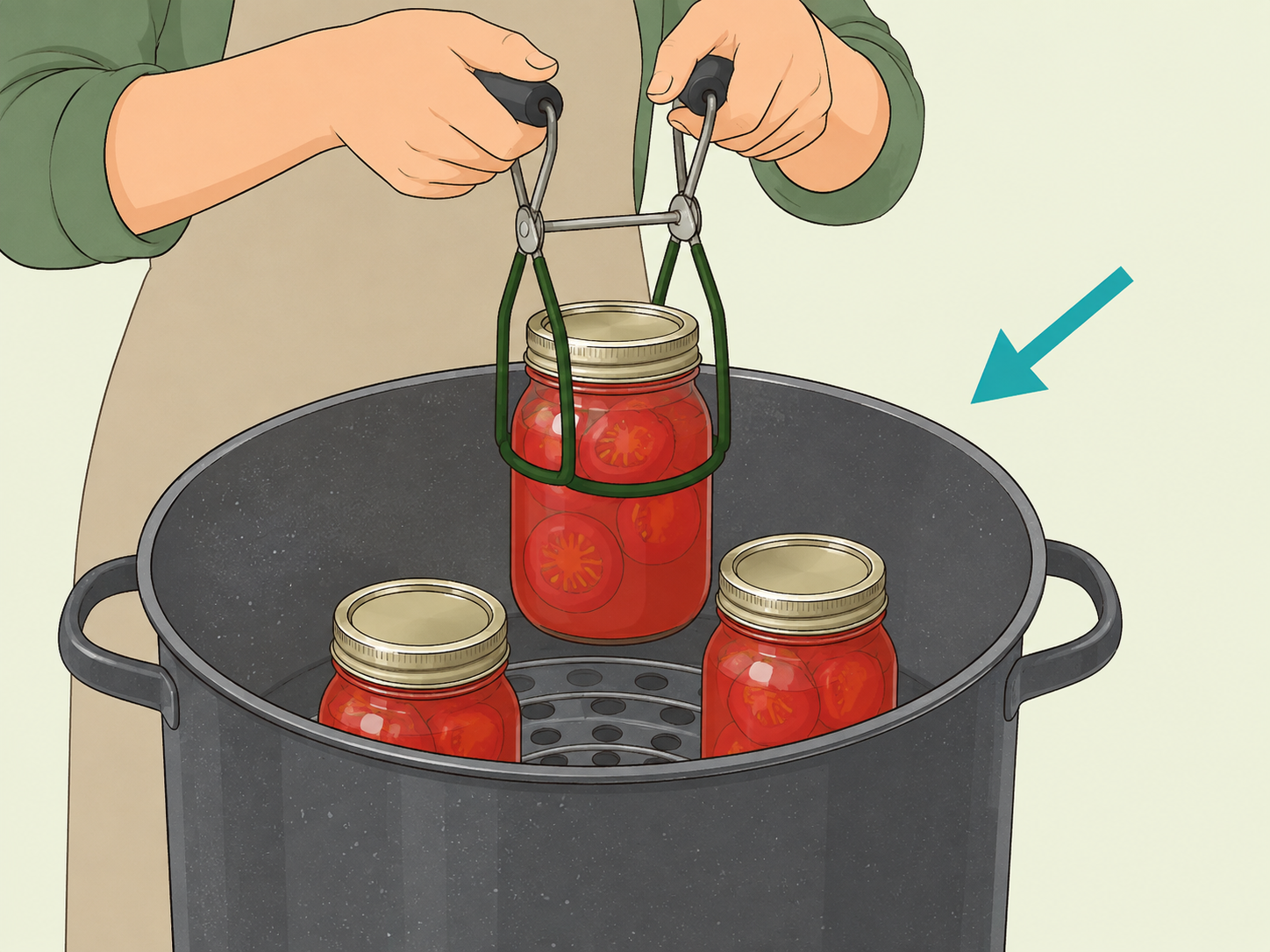
Process the jars for the full tested time
Adjust the lids, then process the jars for the exact time and canner type listed for your method, jar size, and altitude. Tested directions give different times for boiling-water and pressure canning, and the CDC advises using safe canning instructions and the right equipment to reduce botulism risk.
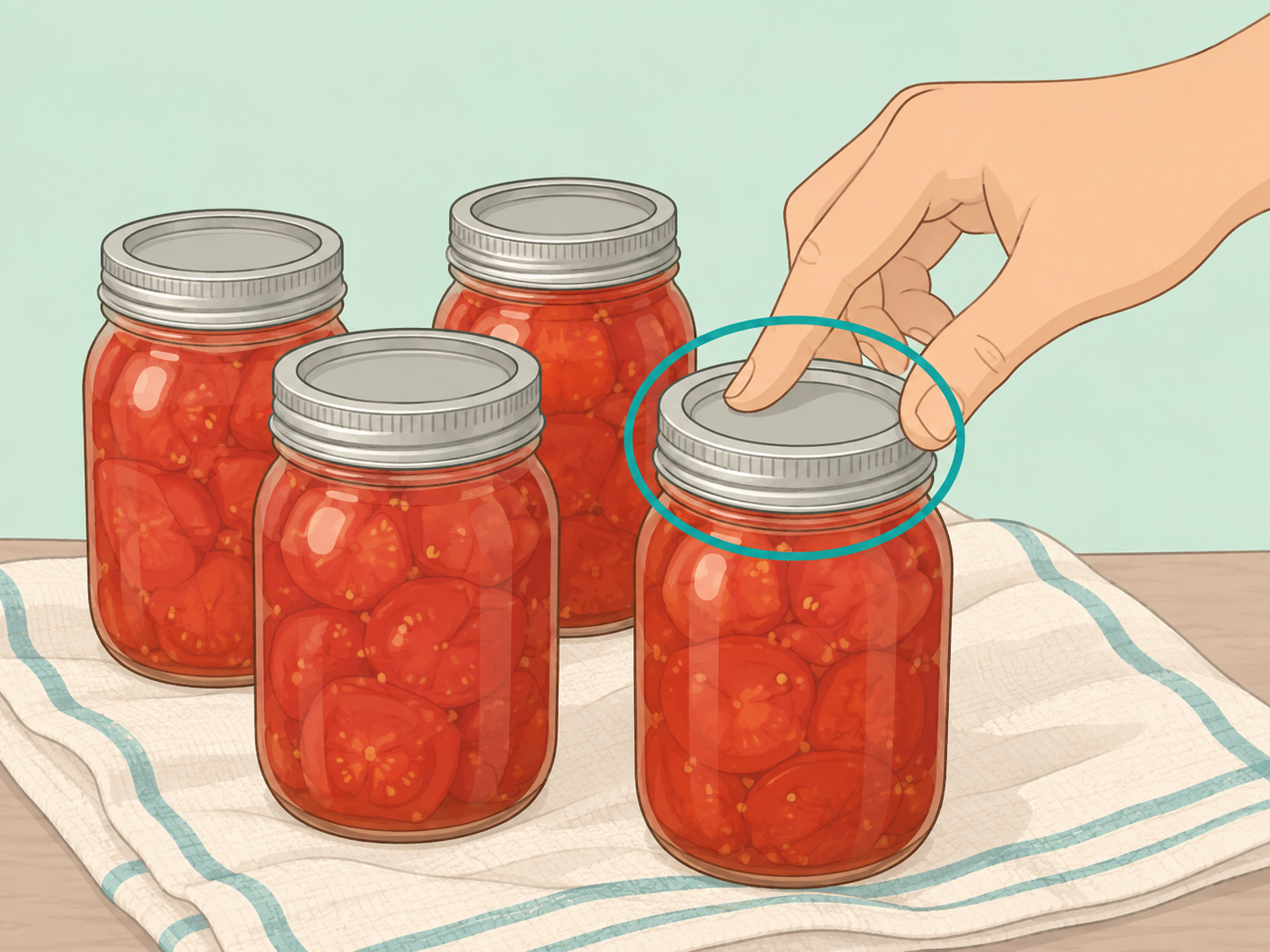
Cool, check seals, and store jars properly
Let jars cool undisturbed, check that each lid has sealed, and label every jar with the contents and date. The CDC storage guidance recommends storing home-canned foods in a clean, cool, dark place and using them within 1 year for best quality.
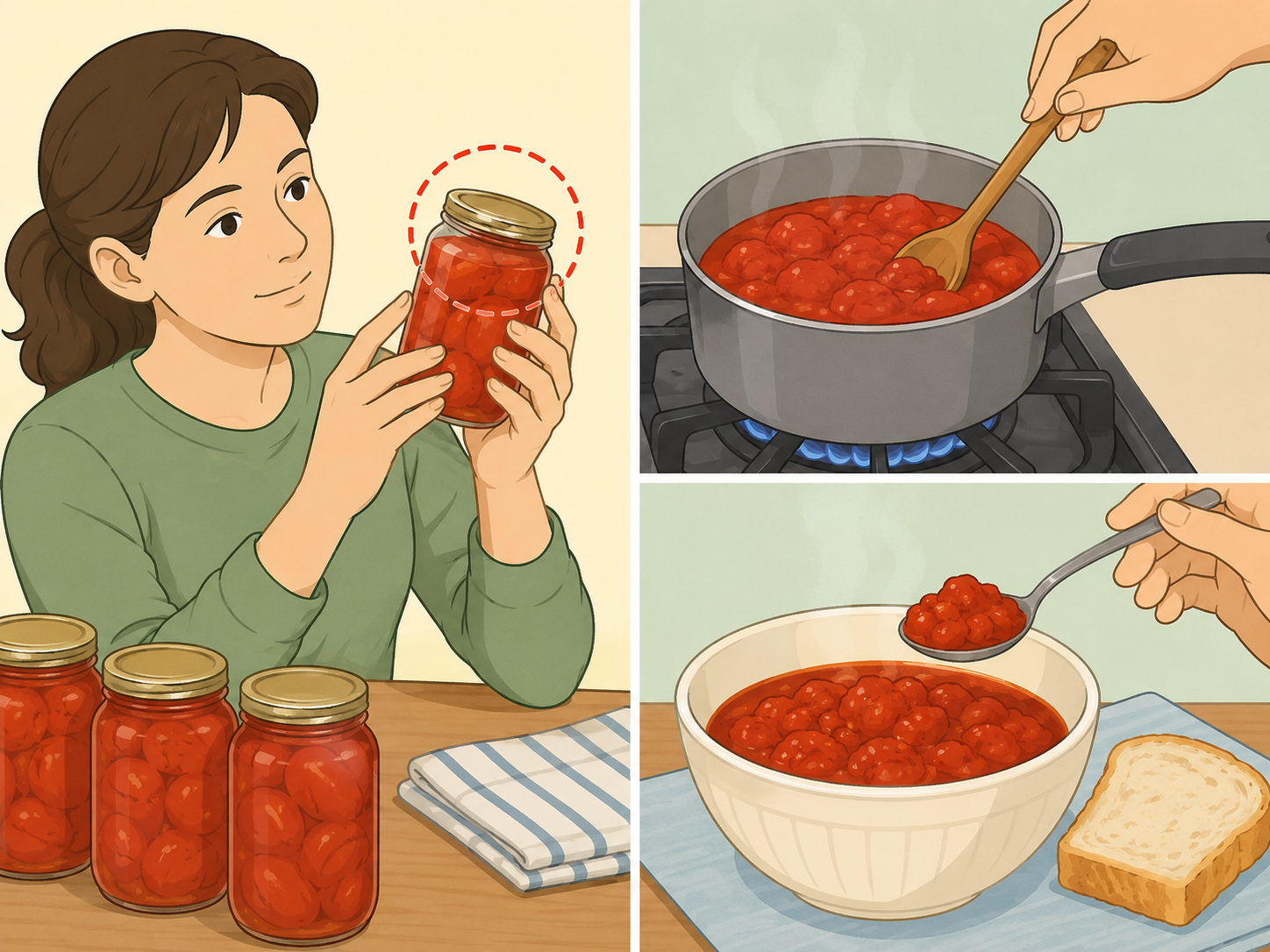
Inspect and boil the tomatoes before eating
Before opening a jar, look for leaking, bulging, spurting liquid, mold, discoloration, or off odors, and throw out anything questionable without tasting it. The CDC also recommends boiling home-canned tomatoes before eating them, using 10 minutes below 1,000 feet and adding 1 minute for each additional 1,000 feet of elevation.
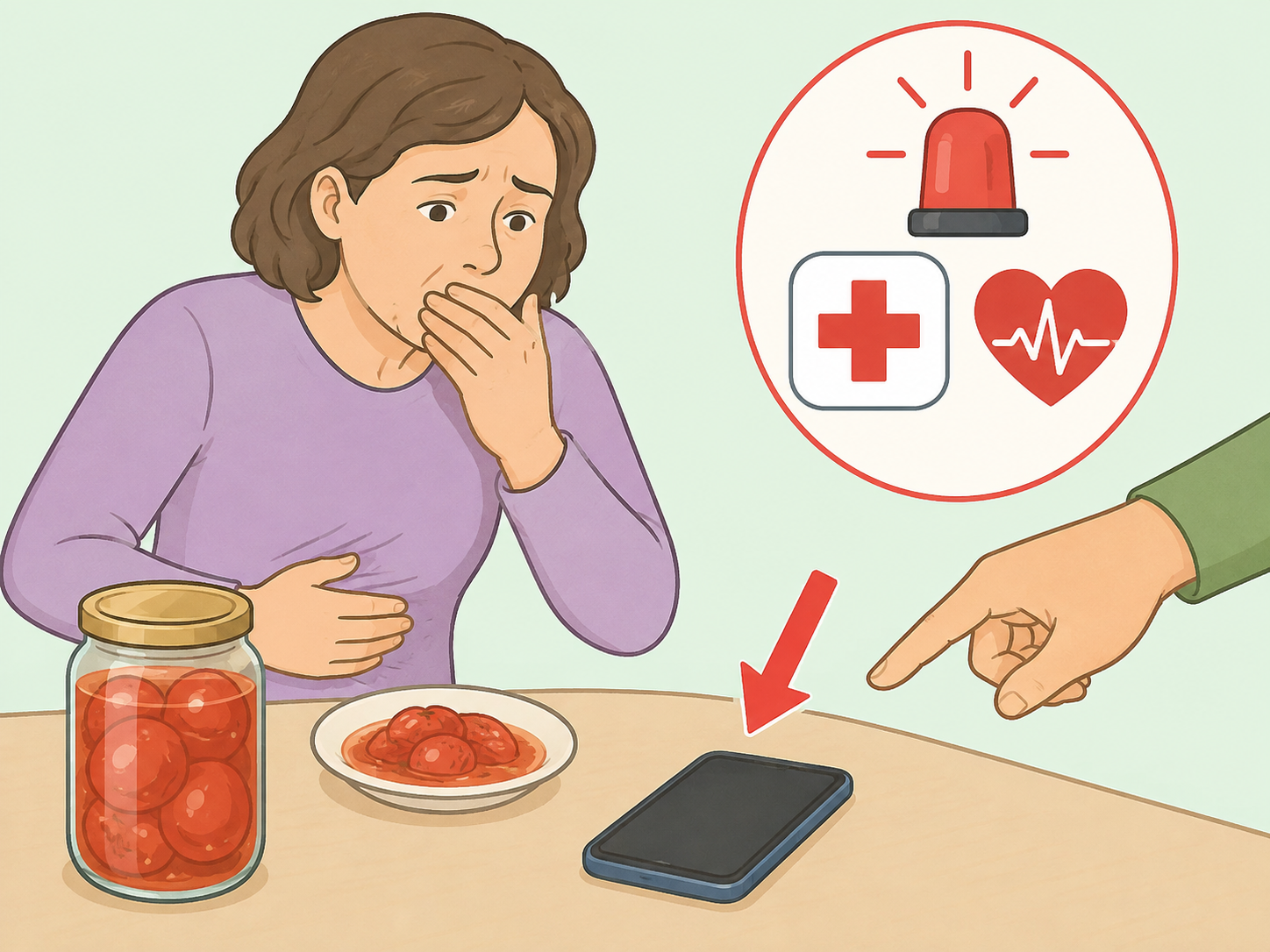
Get urgent help if botulism symptoms appear
Botulism is rare, but it is a medical emergency. If anyone develops symptoms such as trouble swallowing, muscle weakness, double vision, drooping eyelids, slurred speech, or trouble breathing after eating home-canned food, follow the CDC's botulism advice and seek emergency care immediately.
Summary
The bottom line: no added water and no vinegar can work for tomatoes, but skipping acidification or processing time is not safe. Use a tested method, add bottled lemon juice or citric acid, process for your jar size and altitude, and discard any jar that looks questionable.
Frequently Asked Questions
- Can I can tomatoes without vinegar?
- Yes, but you still need a safe acid option. The National Center for Home Food Preservation says bottled lemon juice or citric acid can be used instead of vinegar when canning tomatoes.
- Can I can tomatoes without adding water?
- Yes. Tested methods include whole or halved tomatoes packed raw without added liquid and crushed tomatoes with no added liquid; both use the tomatoes' own juice.
- Can I skip bottled lemon juice or citric acid if the tomatoes taste acidic?
- No. Tomato acidity varies by variety, ripeness, growing conditions, and added ingredients, so research-based guidance recommends acidifying all home-canned tomatoes.
- Is a boiling-water canner or pressure canner better for tomatoes?
- Use the method listed in the tested recipe you are following. Some tested tomato directions include both boiling-water and pressure-canning options, but acidification is still required.
- What should I do if I forgot to add acid before processing?
- Do not store the jars at room temperature as shelf-stable food. Contact your local Extension office for guidance, or refrigerate and use promptly only if the jars were otherwise processed correctly.
- How long should home-canned tomatoes be stored?
- For best quality, plan to use home-canned tomatoes within 1 year, label every jar with the date, and store them in a cool, dark place.
References
Reliable references aided in composing and refining this content.
- https://nchfp.uga.edu/how/can/how-do-i-can-tomatoes/whole-or-halved-tomatoes-packed-raw-without-added-liquid
- https://nchfp.uga.edu/how/can/how-do-i-can-tomatoes/crushed-tomatoes-with-no-added-liquid
- https://nchfp.uga.edu/how/can/how-do-i-can-tomatoes/canning-tomatoes-introduction
- https://extension.umn.edu/food/preparing/cooking-at-home/food-preservation/canning/tomatoes
- https://www.cdc.gov/botulism/prevention/home-canned-foods.html
- https://www.cdc.gov/botulism/signs-symptoms/index.html