
 Pin it
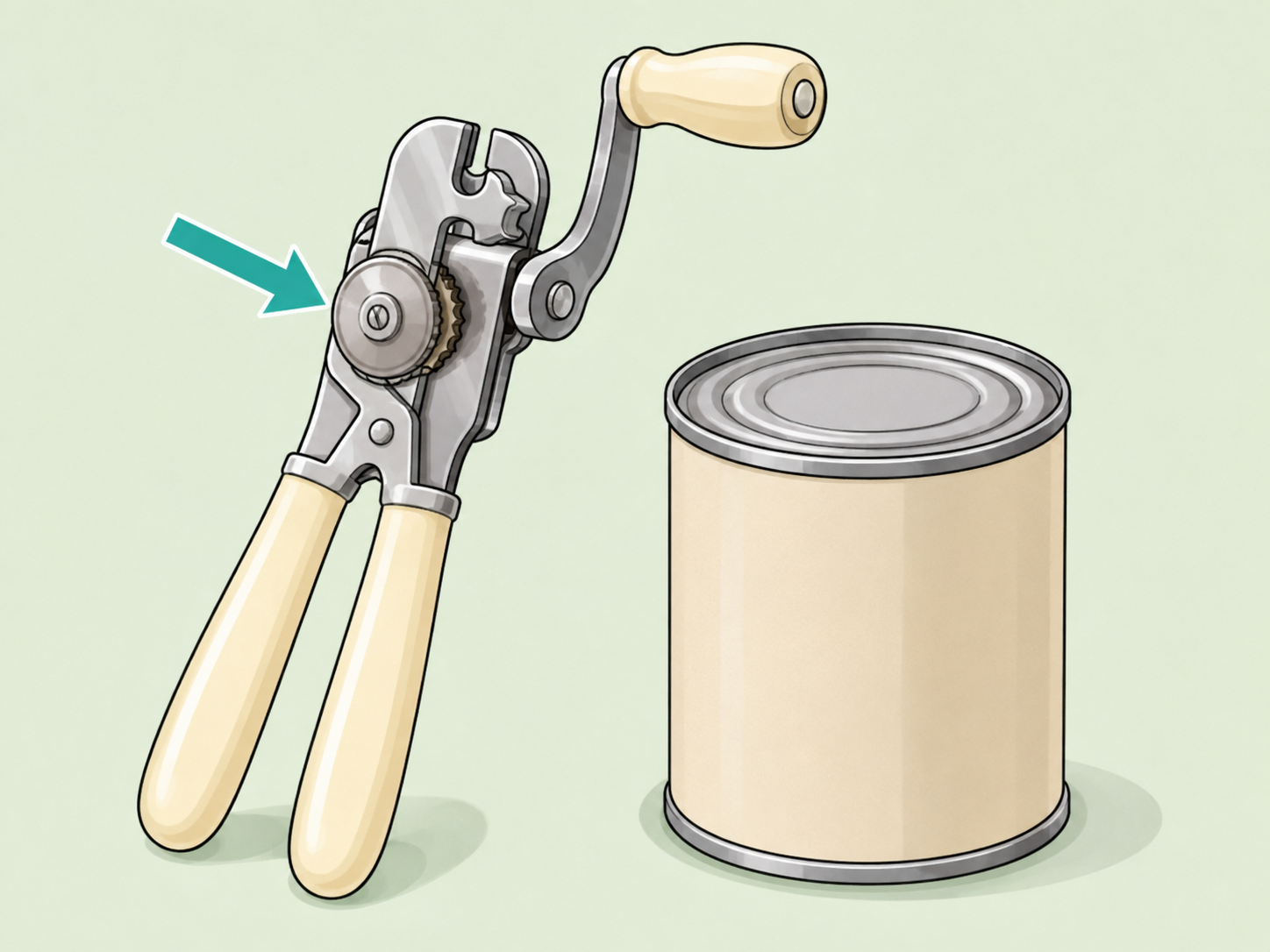
The classic from many childhood kitchens is the can opener, whether it was a small hand-crank tool in a drawer or a countertop electric model. It was ordinary, useful, and often used almost every day. This guide shows you how to recognize one, clean it, use it safely, and decide whether to keep it for practical use or nostalgic display.
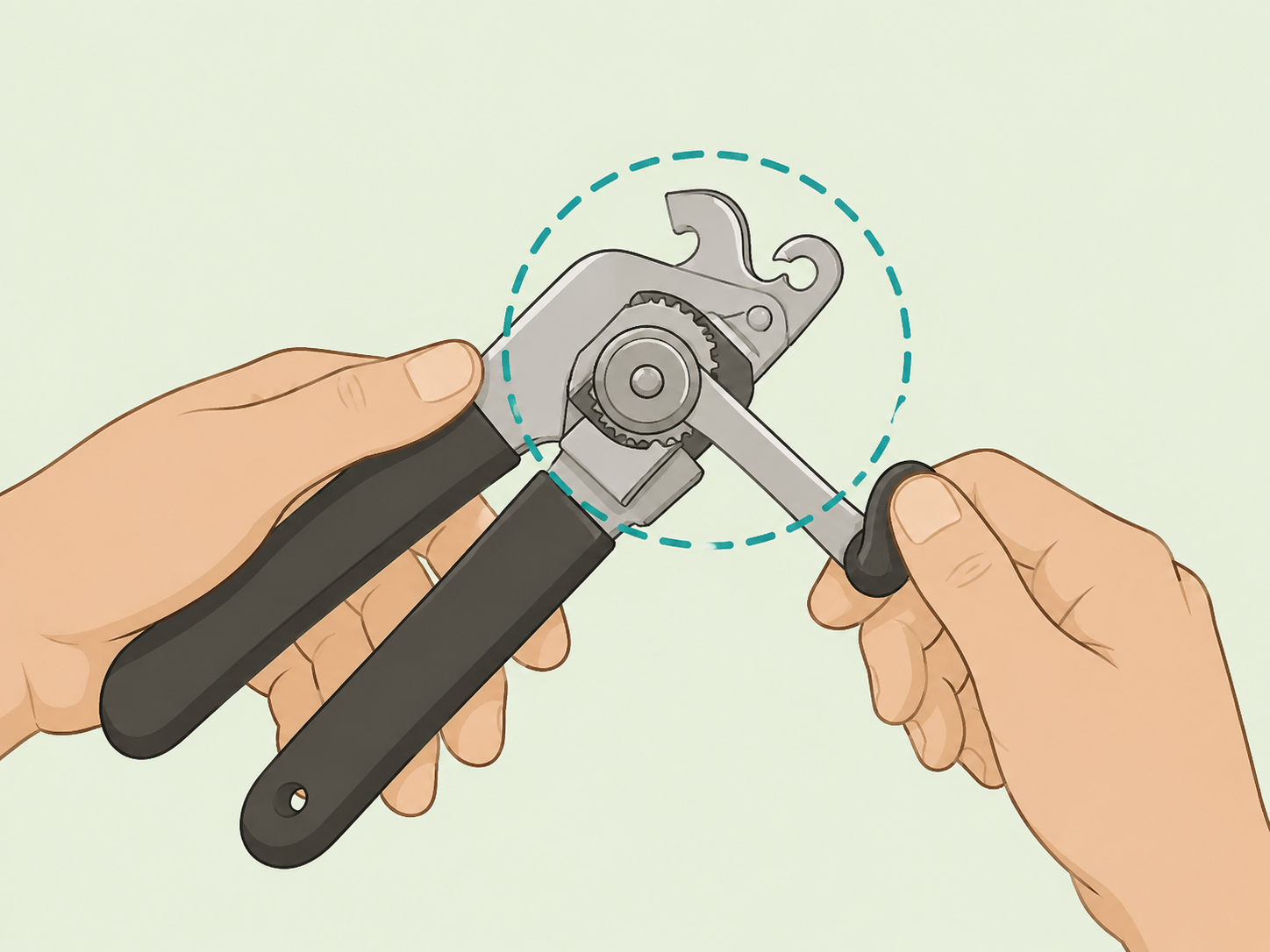
Look for the cutting wheel and turning handle
Start by checking for the small round cutting wheel, the matching gear, and the handle or knob that turns the mechanism. Those parts identify the familiar hand-crank can opener that many people remember from kitchen drawers. Countertop versions became common later, and the Smithsonian notes that the automatic electric can opener was introduced in 1958.
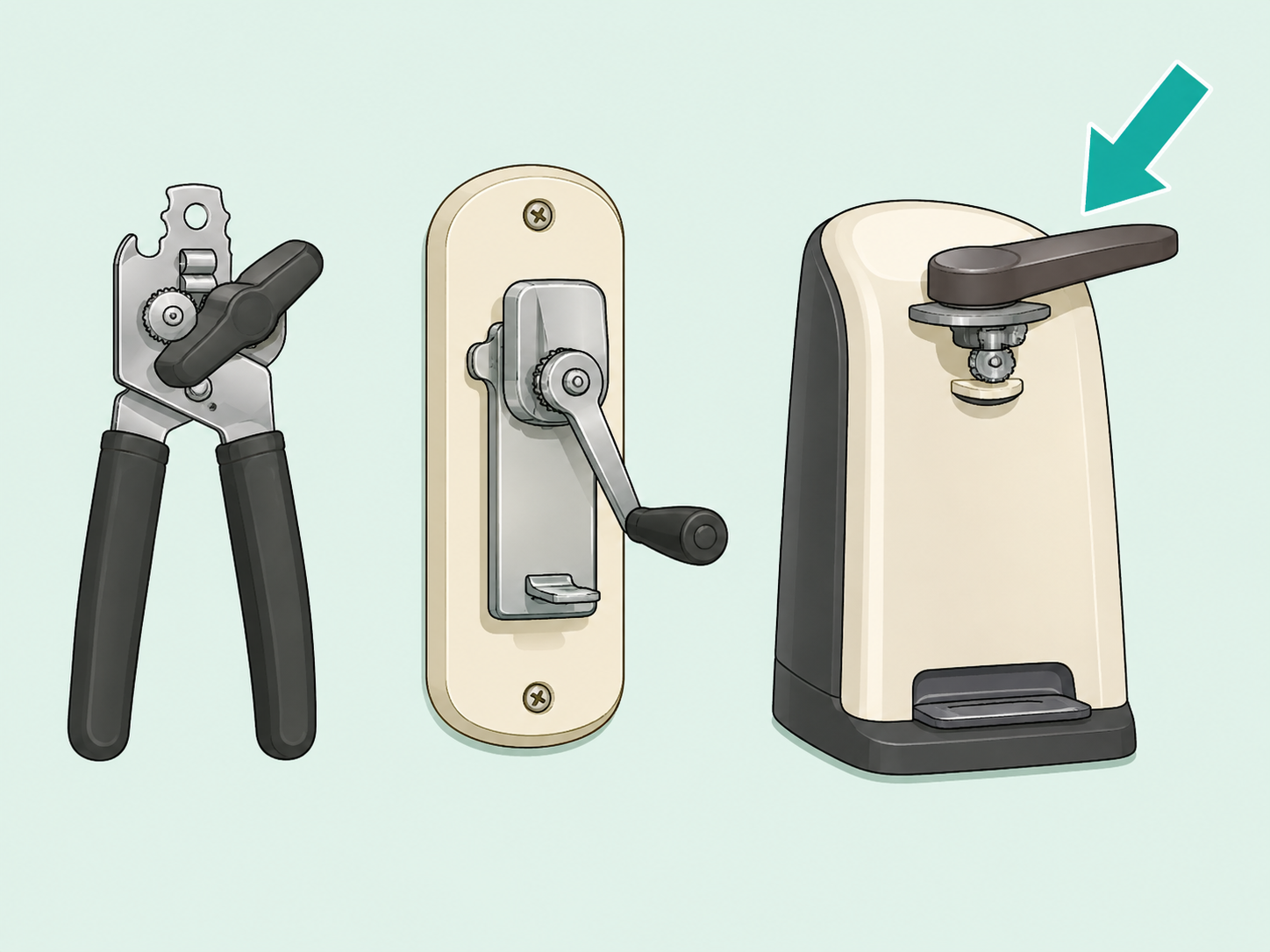
Identify whether it is manual, wall-mounted, or electric
A manual opener fits in one hand, a wall-mounted opener stays fixed to a cabinet or wall, and an electric opener usually has a lever, magnet, and motorized cutting action. The Smithsonian describes a 1970-era Dazey model with a removable cleaning lever, magnetic lid lifter, and knife-sharpening groove, which shows how electric openers became kitchen convenience tools. Knowing the type helps you decide how carefully to clean, test, and store it.
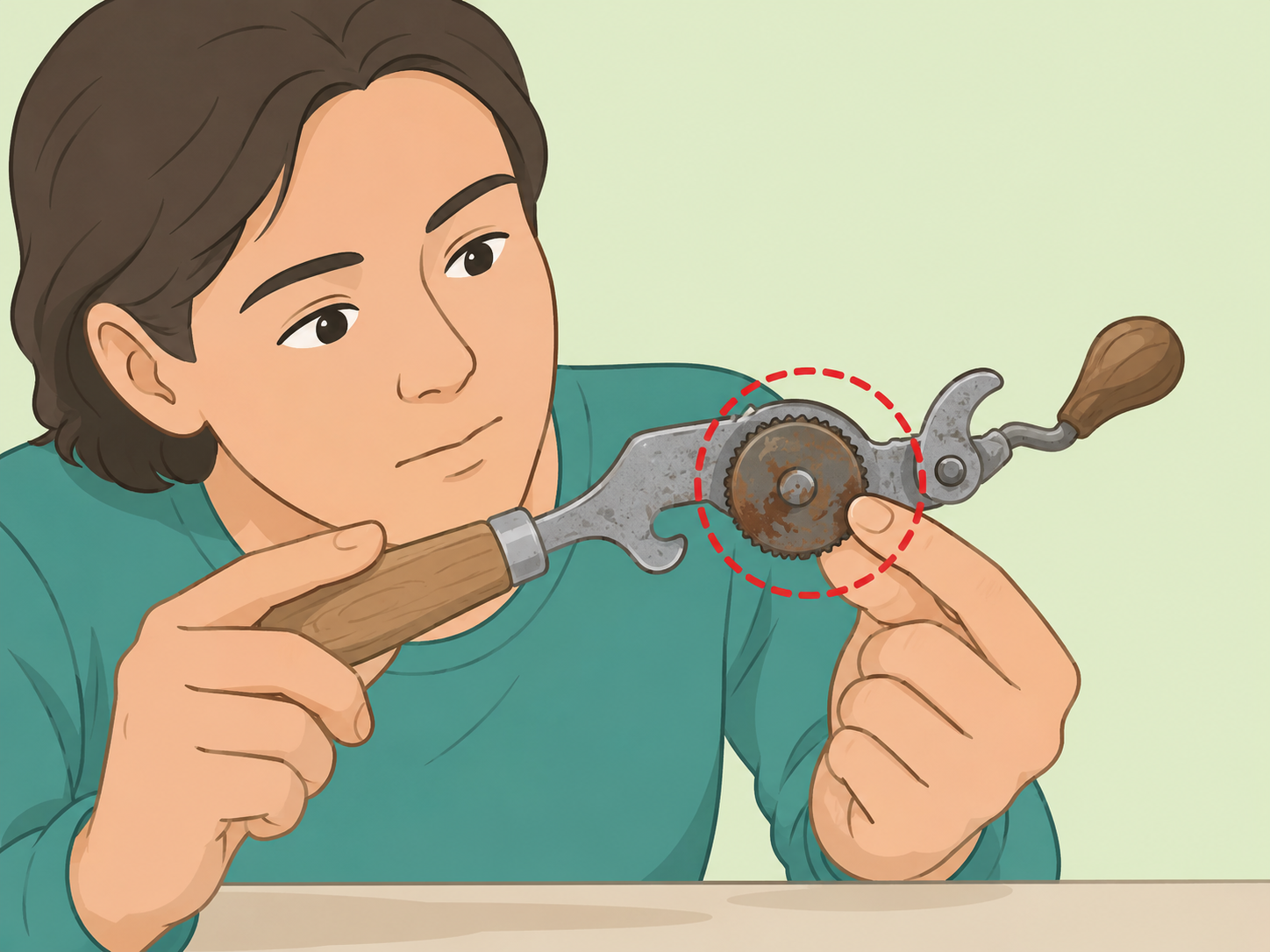
Inspect it before using it on food
Check the cutting wheel, gear teeth, hinge, handles, and any cord before using an older opener. Do not use it if the wheel is rusty, wobbly, cracked, or shedding metal flakes. For electric models, skip use if the cord is frayed, the plug is damaged, or the appliance smells hot when powered.
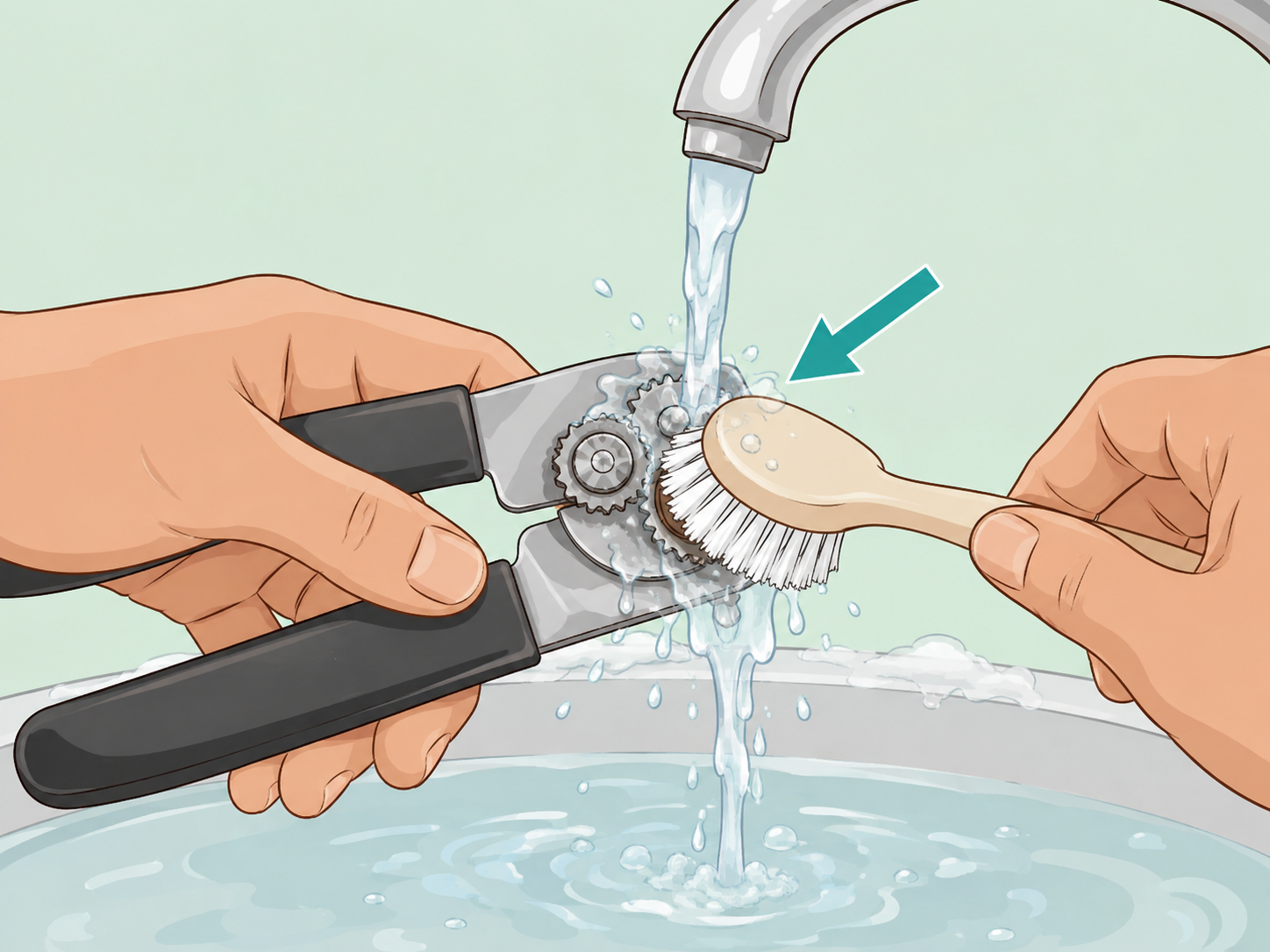
Wash the food-contact parts thoroughly
Scrub the cutting wheel and gear with dish soap, hot water, and a firm brush, then rinse away loosened food residue. The CDC advises washing utensils, cutting boards, and countertops with hot, soapy water as part of basic kitchen food safety. Dry the opener completely so moisture does not sit in the hinge or gear.
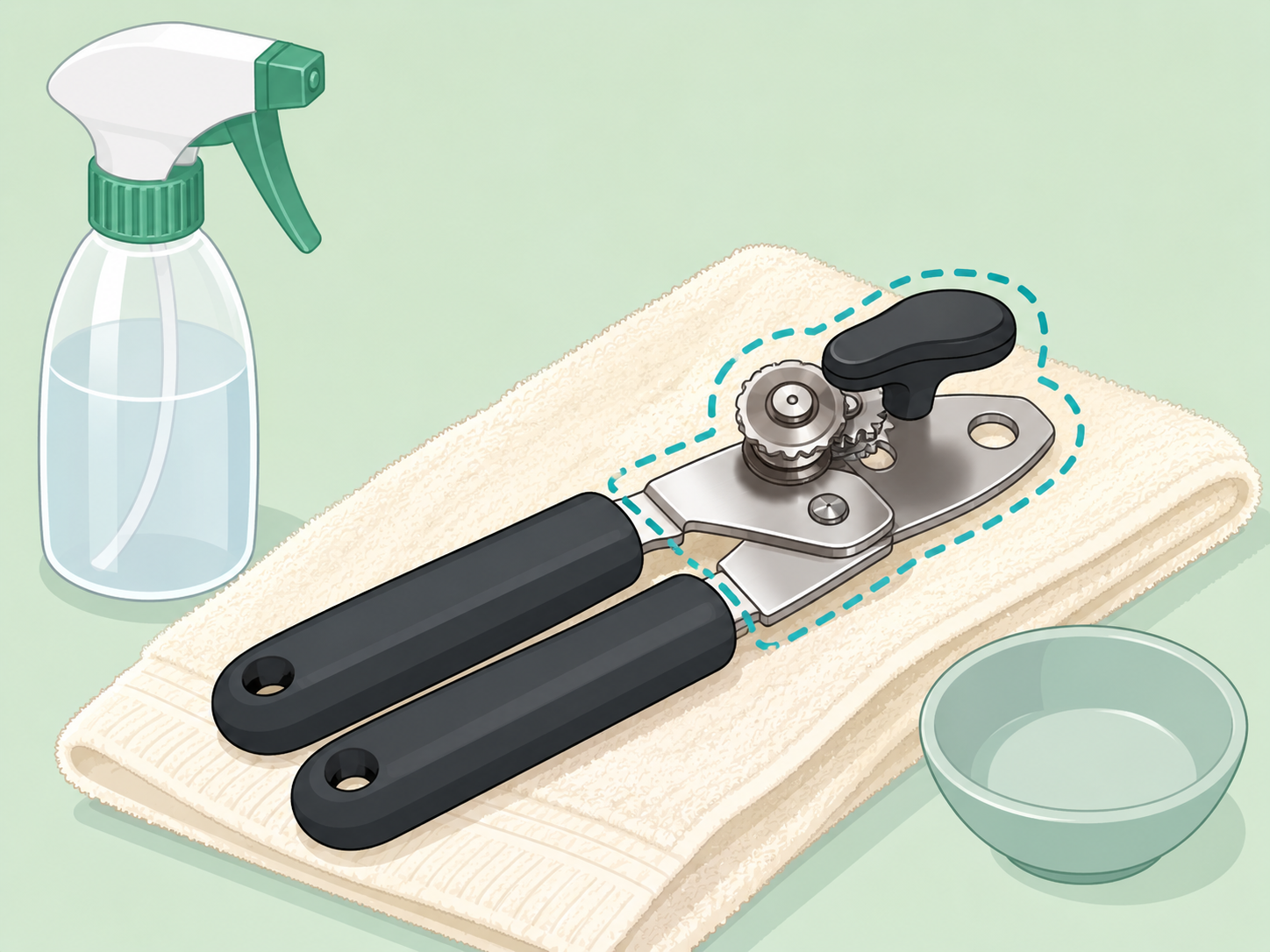
Sanitize it when residue has built up
If the opener has sticky buildup or touched leaking food, clean it first and then sanitize the food-contact area according to a food-safe product label. Cleaning removes debris, while sanitizing lowers germs after the surface is already clean; University of Minnesota Extension explains that cleaning and sanitizing are different steps. Let the tool air-dry fully before storing it.
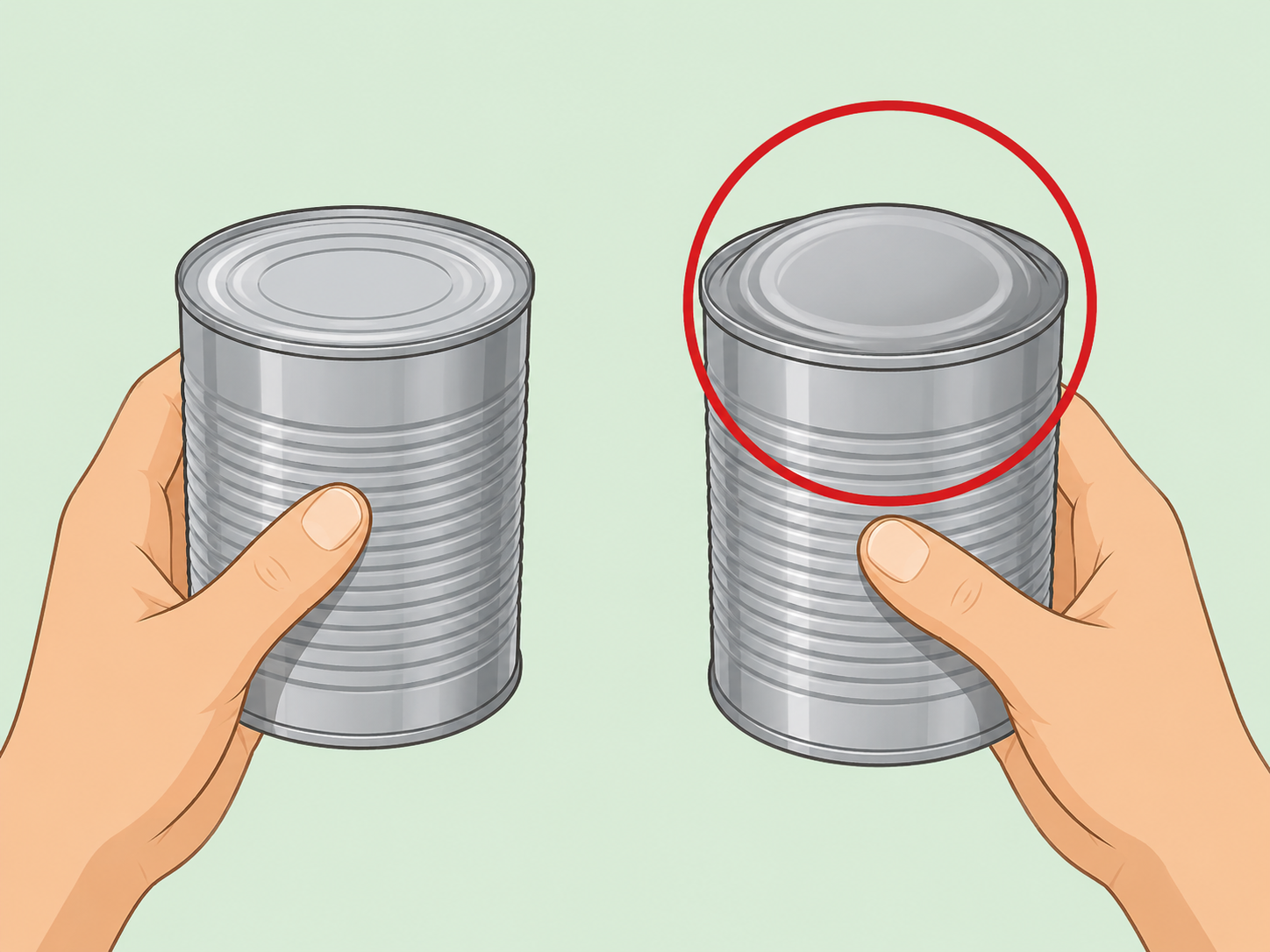
Check the can before opening it
Before you use the opener, look at the can itself. The USDA says to avoid cans that are bulging, leaking, heavily rusted, or deeply dented because damage can affect food safety; its guidance on shelf-stable food safety also recommends storing canned goods in a cool, dry place. If the can spurts, smells abnormal, or looks unsafe after opening, do not taste the food.
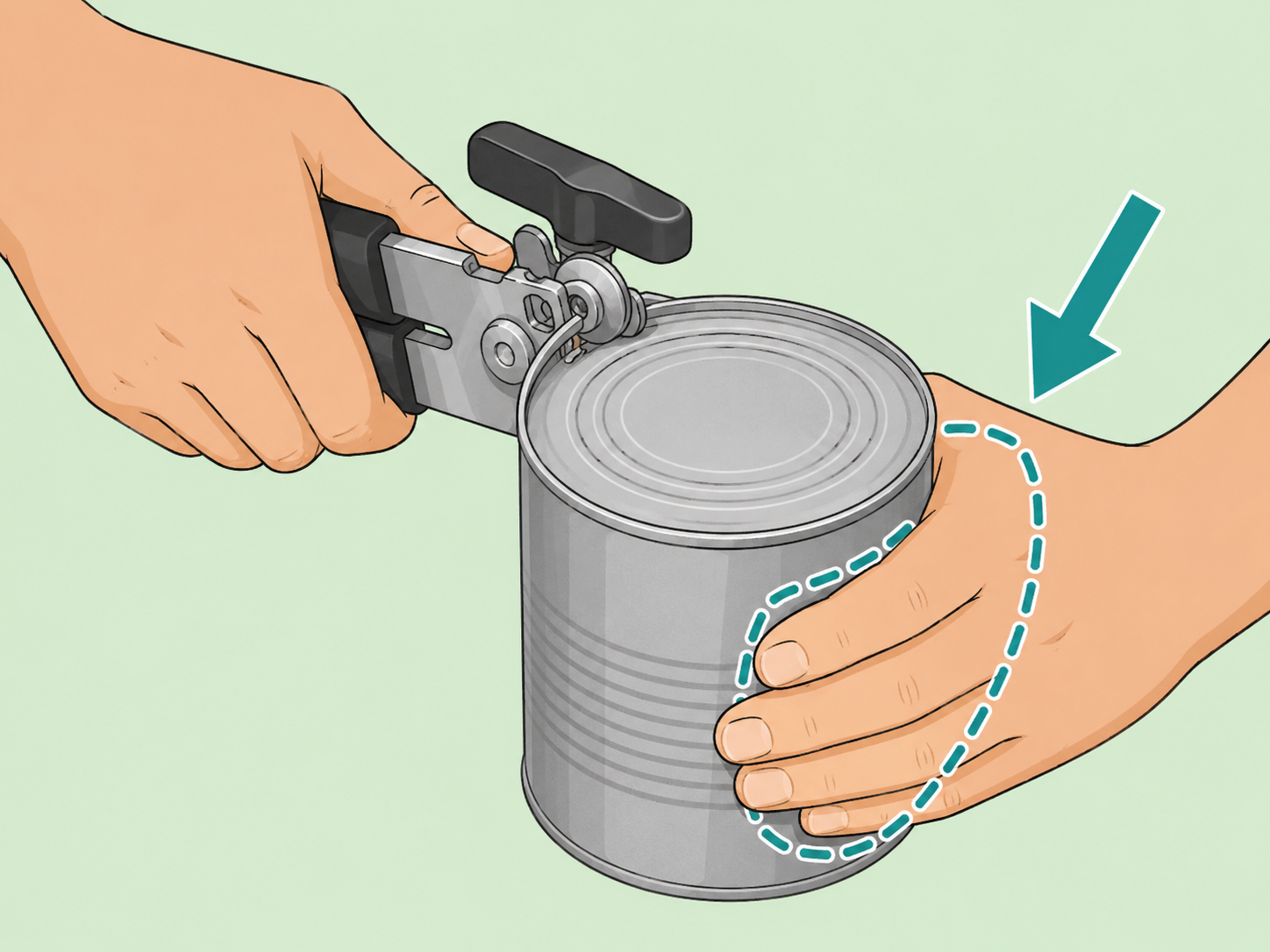
Open the can slowly and keep fingers clear
Clamp the opener evenly on the rim, turn the handle at a steady pace, and keep your fingers away from the lid edge. If the opener slips or starts tearing the metal, stop and use a safer opener. Lift the lid carefully because both the lid and the cut rim can be sharp.
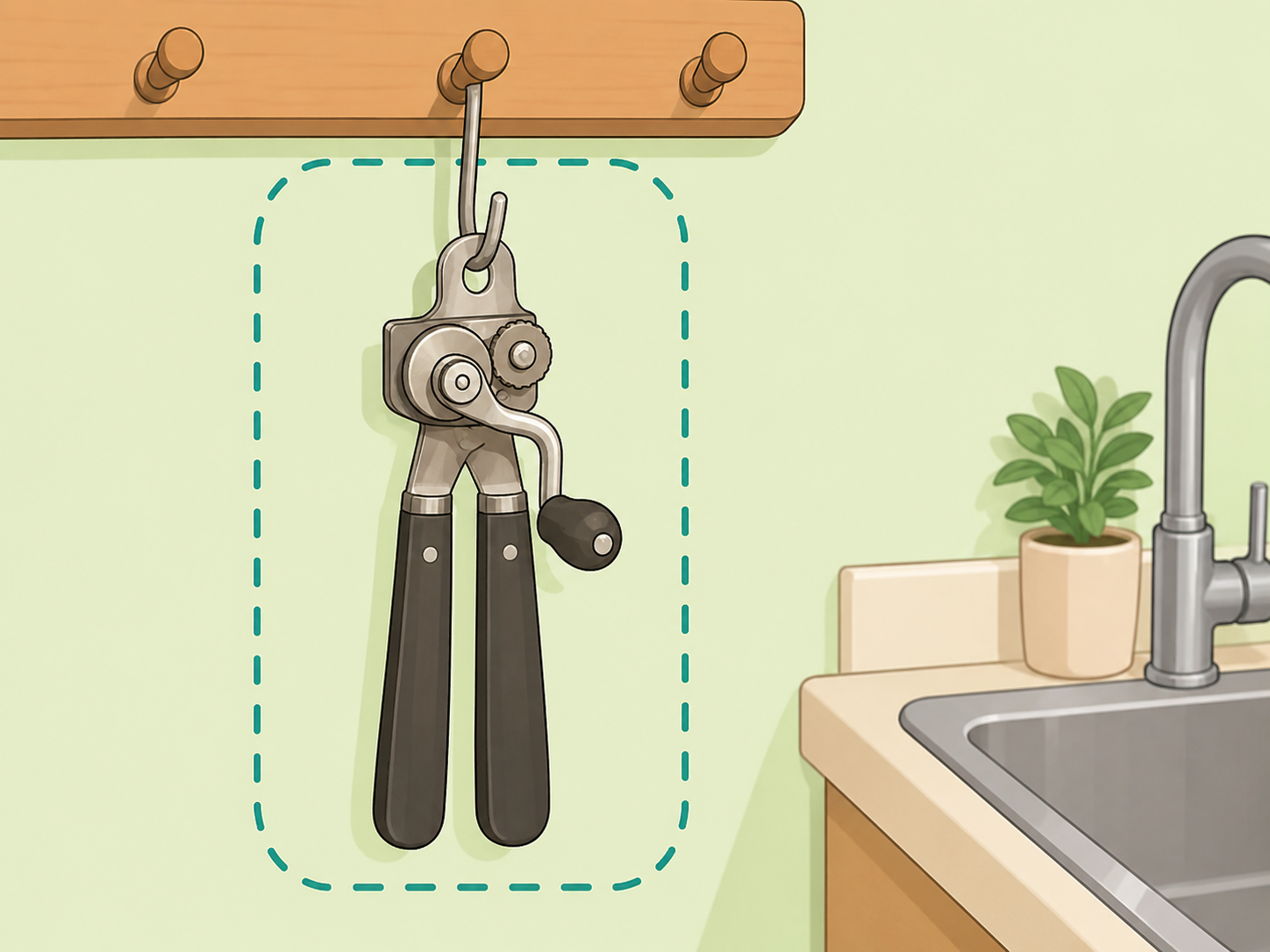
Store or display it where it stays dry
Once the opener is clean and dry, store it in a drawer, hang it on a hook, or place a vintage one on display away from the sink. Moisture encourages rust, especially around the cutting wheel and hinge. If you keep it for nostalgia only, label it in your own storage system as decorative so no one accidentally uses a worn tool on food.
Summary
The bottom line: a classic can opener is worth keeping when it is clean, sturdy, and sharp enough to open cans smoothly. If the cutting wheel is rusty, loose, or leaving jagged edges, retire it or display it instead of using it with food.
Frequently Asked Questions
- What is the classic childhood kitchen item in this guide?
It is the can opener. Many homes had a handheld rotary can opener in a drawer, a wall-mounted version, or an electric countertop opener.
- Can I still use an old can opener?
Yes, if it is clean, rust-free on food-contact parts, sturdy, and opens cans smoothly without leaving sharp, ragged metal. If it slips, grinds, or has loose parts, replace it or keep it only as a display piece.
- How often should I clean a can opener?
Clean it after each use, especially around the cutting wheel and gear where food residue can collect. Let it dry fully before putting it away.
- Why does my can opener leave jagged edges?
The cutting wheel may be dull, misaligned, dirty, or loose. Clean it first, then test it on a clean can; if it still tears the lid, it is safer to replace the opener.
- Are dented cans safe to open?
Small dents may be acceptable if the can is otherwise sound, but discard cans that are deeply dented, bulging, leaking, rusted through, or spurting when opened.
- Should I display a vintage can opener in the kitchen?
Yes, if you like the nostalgic look. Clean and dry it first, then hang it or place it away from wet sink areas so it does not rust.
References
Reliable references aided in composing and refining this content.
- https://www.si.edu/object/dazey-electric-can-opener-and-knife-sharpener%3Anmah_1409027
- https://americanhistory.si.edu/explore/exhibitions/food/online/new-and-improved/new-materials-new-tools
- https://www.fsis.usda.gov/food-safety/safe-food-handling-and-preparation/food-safety-basics/shelf-stable-food
- https://www.cdc.gov/food-safety/prevention
- https://extension.umn.edu/about/our-stories/news/cottage-food-connection/sink-essentials-for-your-home-kitchen