
 Pin it
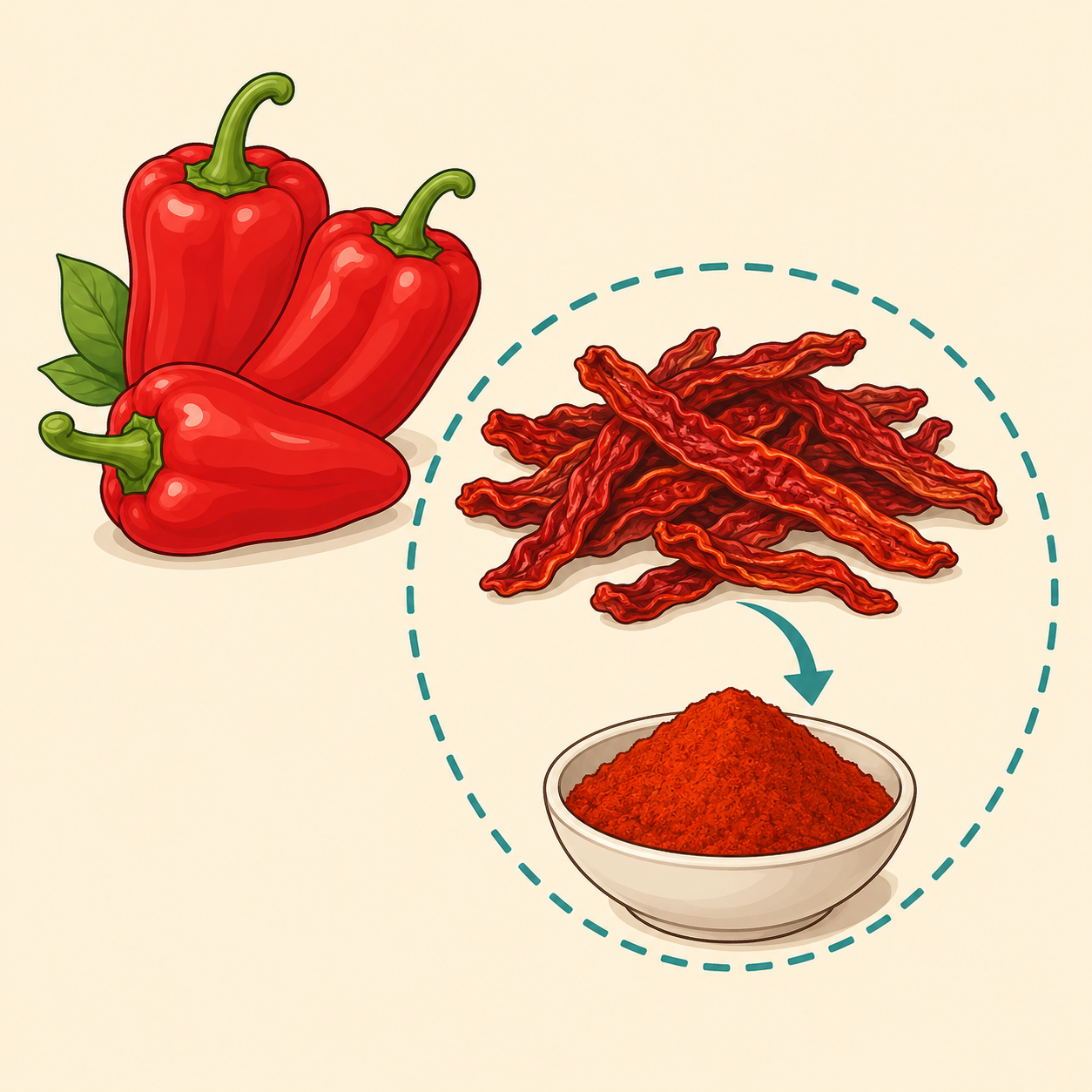
Paprika looks simple, but the jar can mean a few different things depending on the peppers and processing used. This guide explains what paprika is made of, why some types are sweet while others are smoky or hot, and how to read a label with more confidence. You will also learn how to store paprika so its color and flavor last longer.
Identify paprika as a spice from pepper fruit
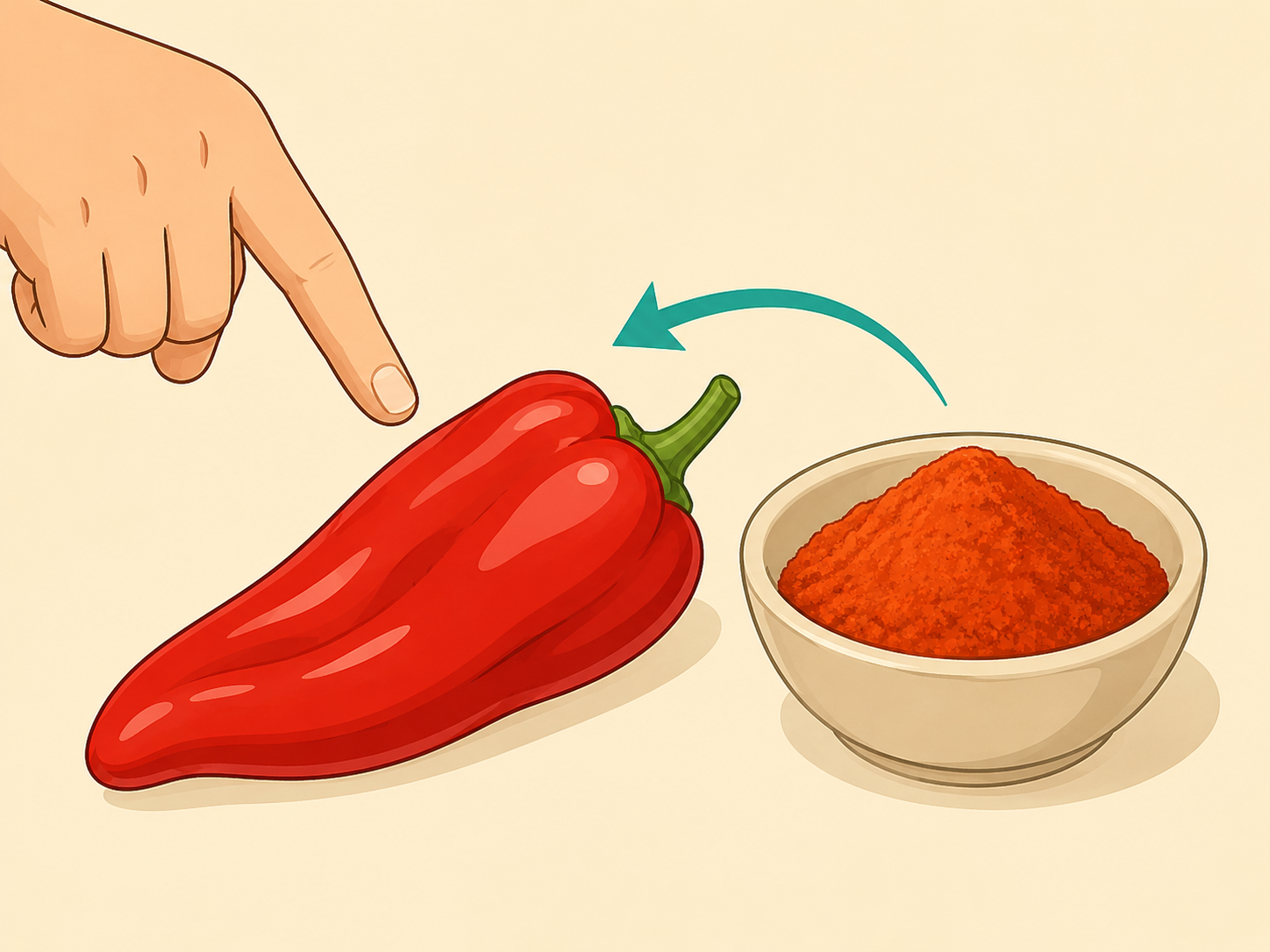
Start with the basic ingredient: paprika is made from the fruit of pepper plants, not from leaves, bark, or roots. University extension guides classify spices as plant parts such as fruits, seeds, roots, bark, or flowers, and UF/IFAS Extension lists paprika as the dried and ground fruit of a sweet pepper plant.
Look for Capsicum annuum as the source plant
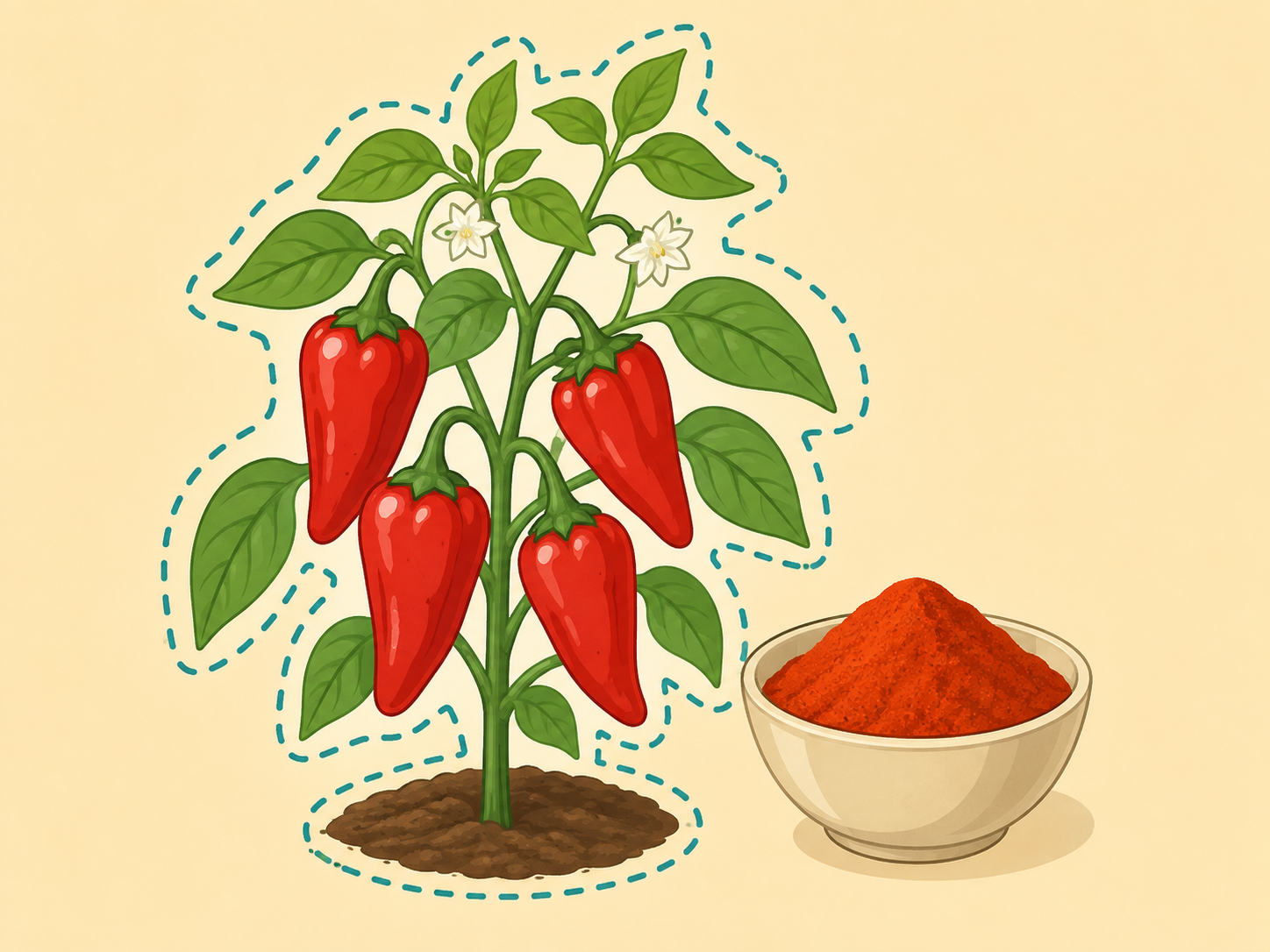
Most paprika comes from ripe peppers in the Capsicum annuum species, the same broad species that includes many sweet and hot pepper types. McCormick Science Institute describes paprika as dried, ground ripe pepper pods from less pungent Capsicum annuum varieties.
Understand that the peppers are dried and ground
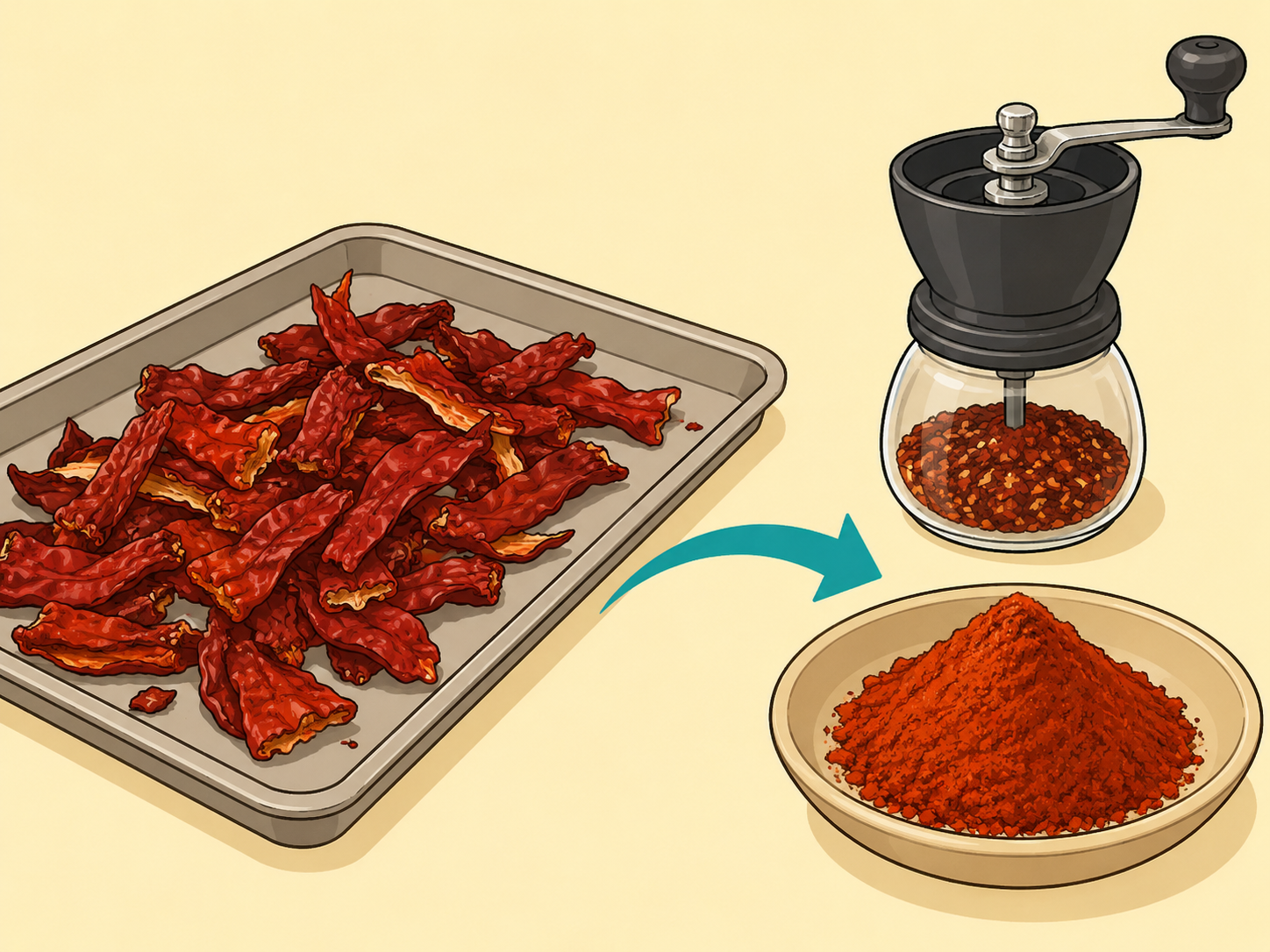
Paprika becomes a powder after mature peppers are dried and then ground. Iowa State University Extension explains that mature peppers can be dried and ground as needed, which is the same basic process behind a jar of ground paprika.
Check whether the paprika is sweet, hot, or smoked
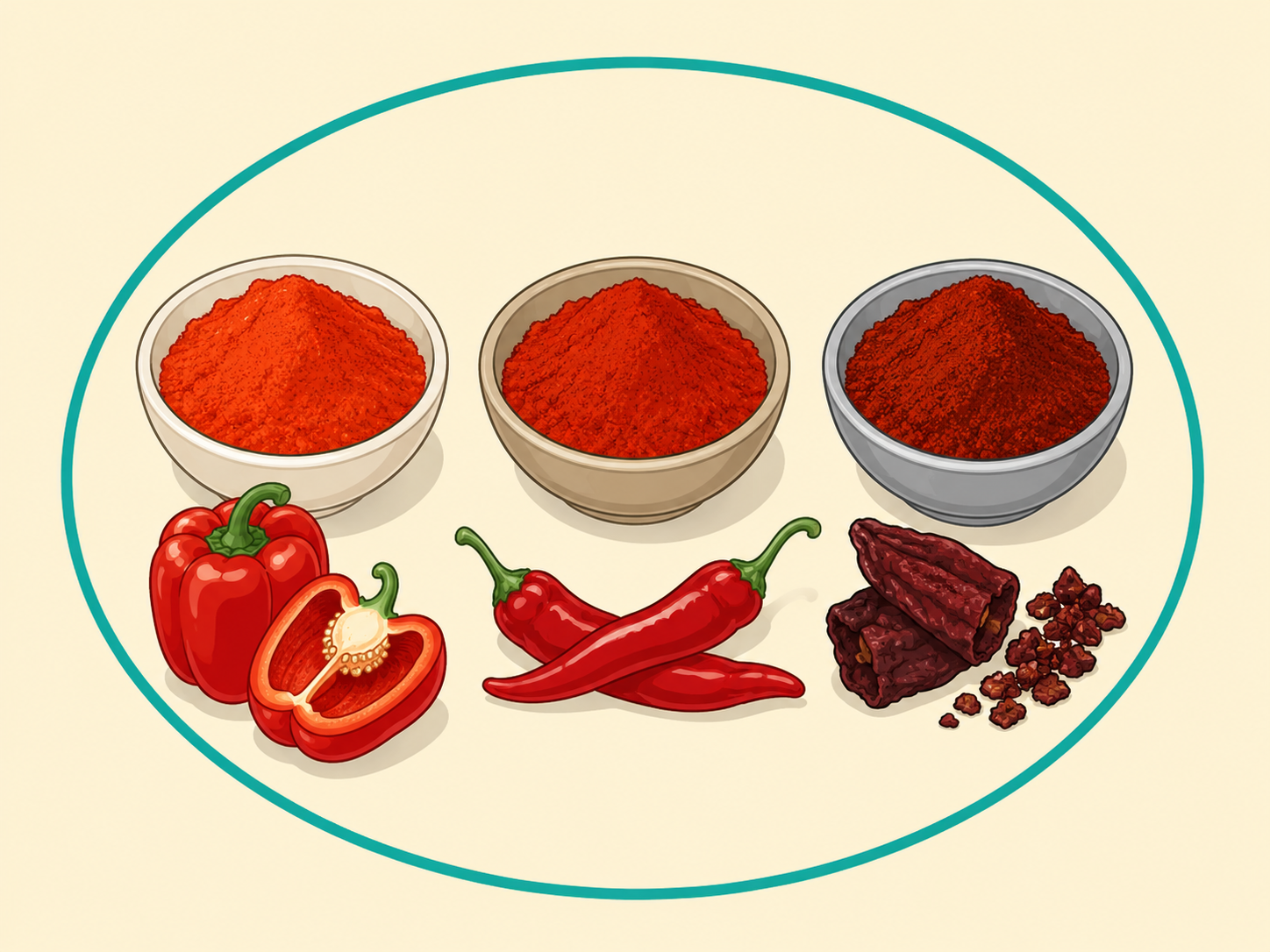
Use the front label to tell what style you have. Sweet paprika is mild, hot paprika uses peppers with more pungency, and smoked paprika gets its smoky character from smoking during drying; Iowa State University Extension's Spend Smart. Eat Smart. notes that unsmoked paprika adds color and subtle depth while smoked paprika adds smokiness.
Read the ingredient list for blends or additives
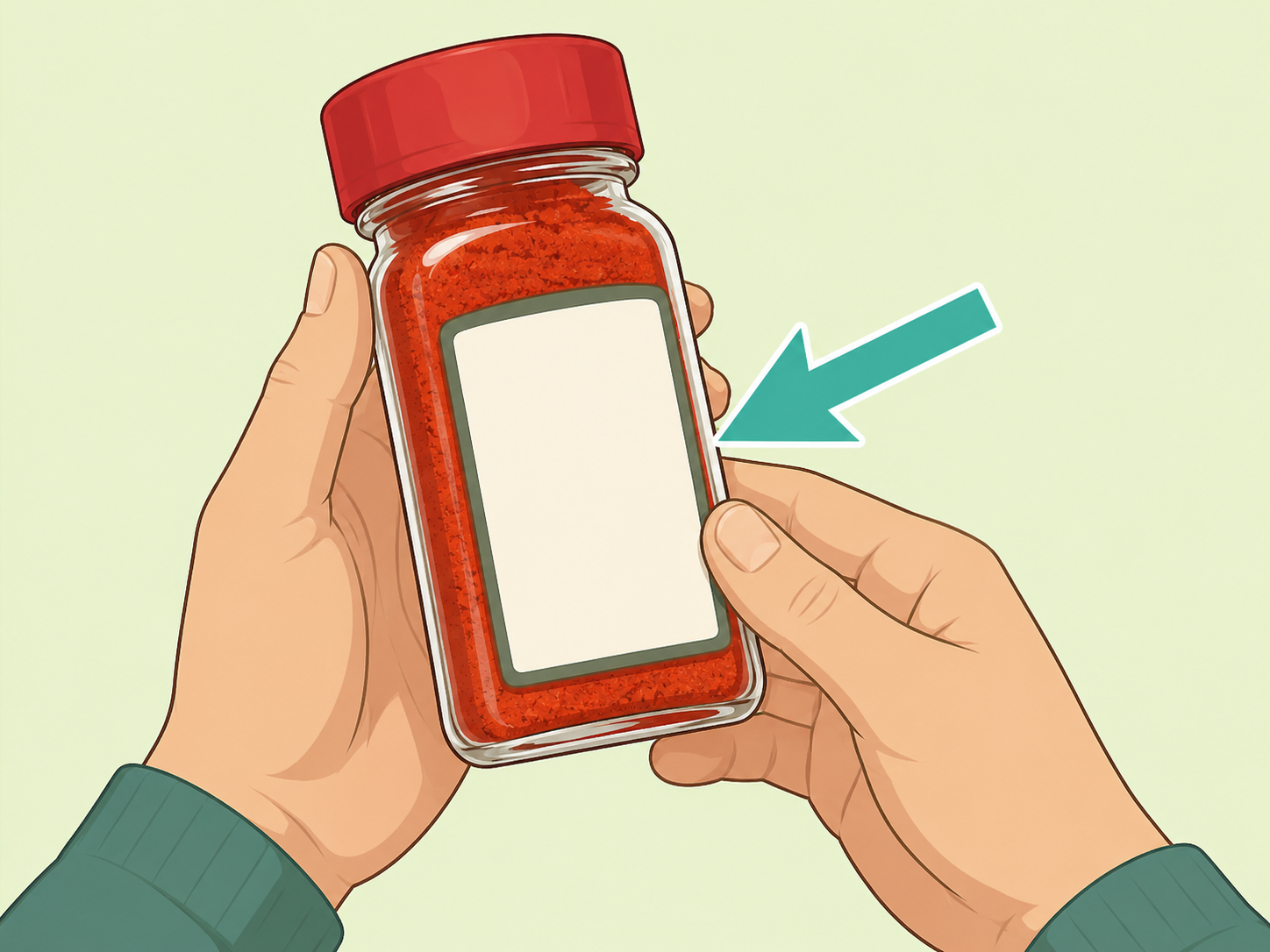
Turn the jar around and check whether the ingredient list says only paprika or includes other seasonings. Pure paprika is ground pepper, but a spice blend may add salt, garlic, cumin, sugar, anti-caking ingredients, or other flavors. If you need plain paprika for a recipe, choose the jar with the shortest matching ingredient list.
Use the color as a clue, not a guarantee
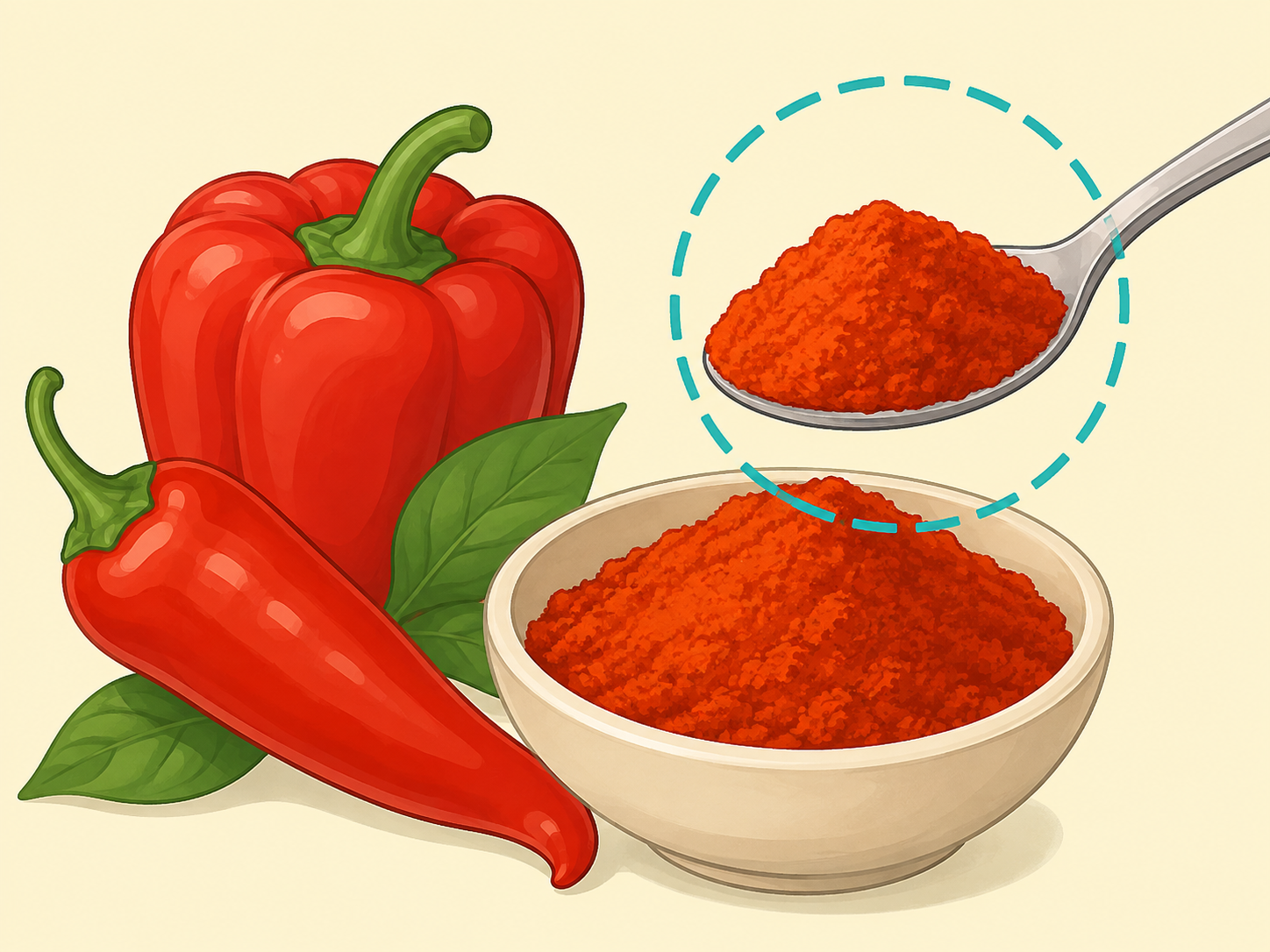
Bright red-orange color usually points to ripe red peppers, but color alone does not tell you the heat level or quality. Paprika's red color comes largely from carotenoid pigments in ripe pepper fruit, and a PubMed-indexed study found multiple carotenoids in red paprika during ripening.
Cook paprika gently to protect its flavor
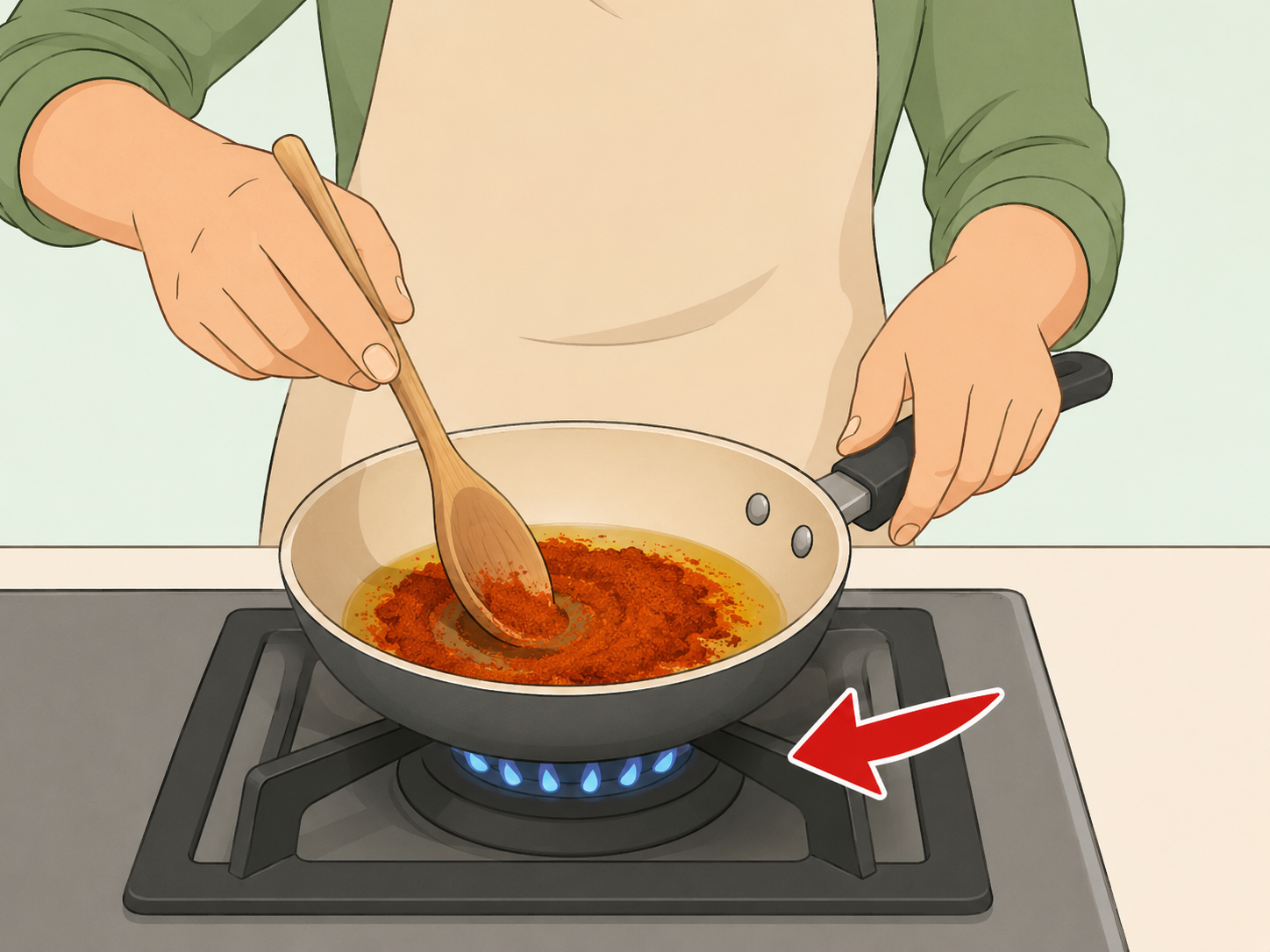
Add paprika with care when using heat, especially in oil. McCormick Science Institute notes that heat can reduce paprika's color and flavor, and paprika can burn quickly because it contains natural sugars.
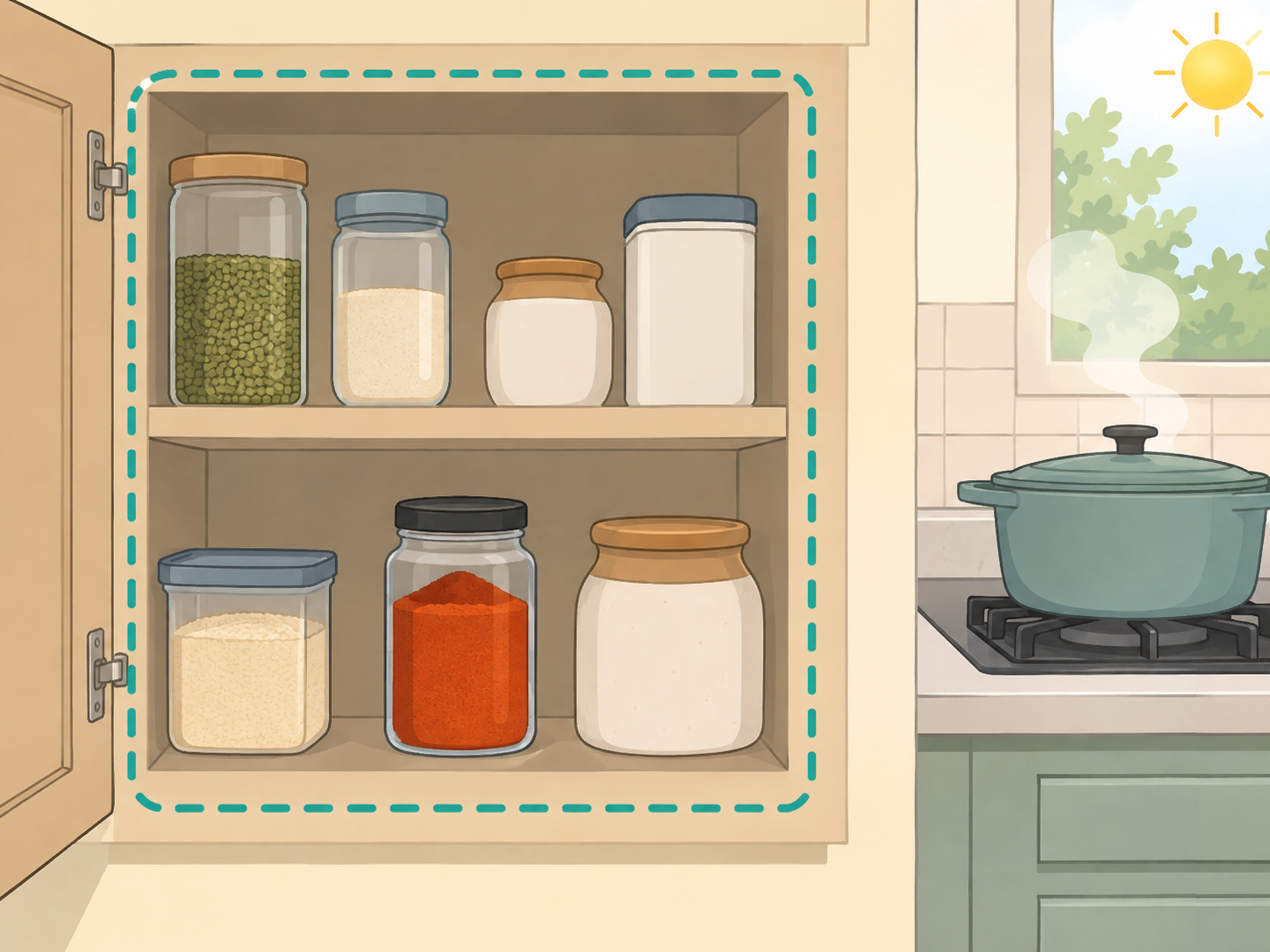
Store paprika away from heat and moisture
Keep paprika in a tightly closed container in a cool, dry, dark cabinet. UF/IFAS Extension advises storing dried herbs and spices away from heat and moisture and notes that ground spices such as paprika are best within about 2 to 3 years.
Summary
The bottom line: paprika is dried, ground pepper fruit, usually from ripe red Capsicum annuum peppers. Sweet, hot, and smoked versions come from different pepper choices and drying methods, so check the label and keep the jar cool, dry, and fresh.
Frequently Asked Questions
- Is paprika just dried bell pepper?
Sometimes it is close to that, but not always. Paprika is usually made from dried, ground ripe pepper fruit, and some varieties come from mild sweet peppers while others come from peppers with more heat.
- Is paprika spicy?
It depends on the type. Sweet paprika is usually mild, while hot paprika is made to bring more pepper heat; pepper heat comes from capsaicinoids, according to Iowa State University Extension.
- Is smoked paprika made from different ingredients?
Smoked paprika is still made from peppers, but the peppers are smoked during processing, which gives the spice its deeper smoky flavor. Check the label for words like smoked paprika or pimenton.
- Is paprika the same as chili powder?
No. Paprika is generally a single ground pepper spice, while chili powder is often a seasoning blend that may include dried chiles, garlic, cumin, oregano, and other spices.
- Why does paprika lose its flavor?
Paprika is a ground spice, and ground spices gradually lose aroma and flavor during storage. UF/IFAS Extension recommends storing dried spices in tight containers away from heat and moisture.
- Can I make paprika at home?
Yes, if you dry mature red peppers completely and grind them into a fine powder. Use food-safe drying practices, and be careful with hot peppers because capsaicin can irritate skin and eyes.
References
Reliable references aided in composing and refining this content.
- https://ask.ifas.ufl.edu/publication/FS225
- https://www.mccormickscienceinstitute.com/resources/culinary-spices/herbs-spices/paprika
- https://extension.illinois.edu/blogs/ilriverhort/2015-11-01-herbs-and-spices
- https://yardandgarden.extension.iastate.edu/faq/what-difference-between-herb-and-spice
- https://yardandgarden.extension.iastate.edu/how-to/growing-peppers-home-garden
- https://spendsmart.extension.iastate.edu/spendsmart/2024/02/19/stock-multi-purpose-spices
- https://pubmed.ncbi.nlm.nih.gov/11312889