
 Pin it
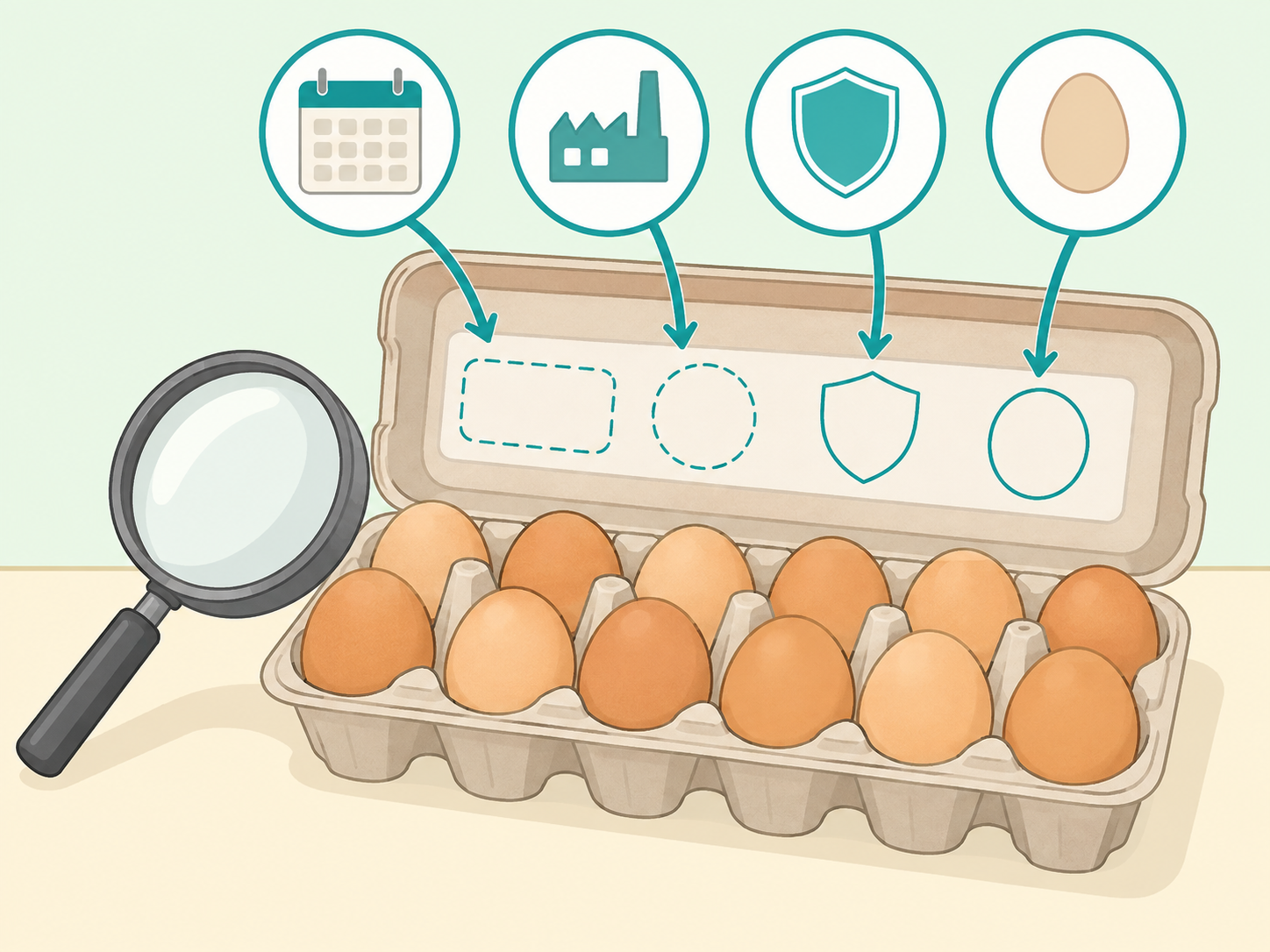
Egg carton codes can look like random numbers, but they are useful once you know where to look. This guide explains the pack date, plant number, grade shield, size label, date wording, and safety statements in plain language. Use these clues to compare cartons, check freshness, and follow recall notices more confidently.
Find the code panel on the carton first
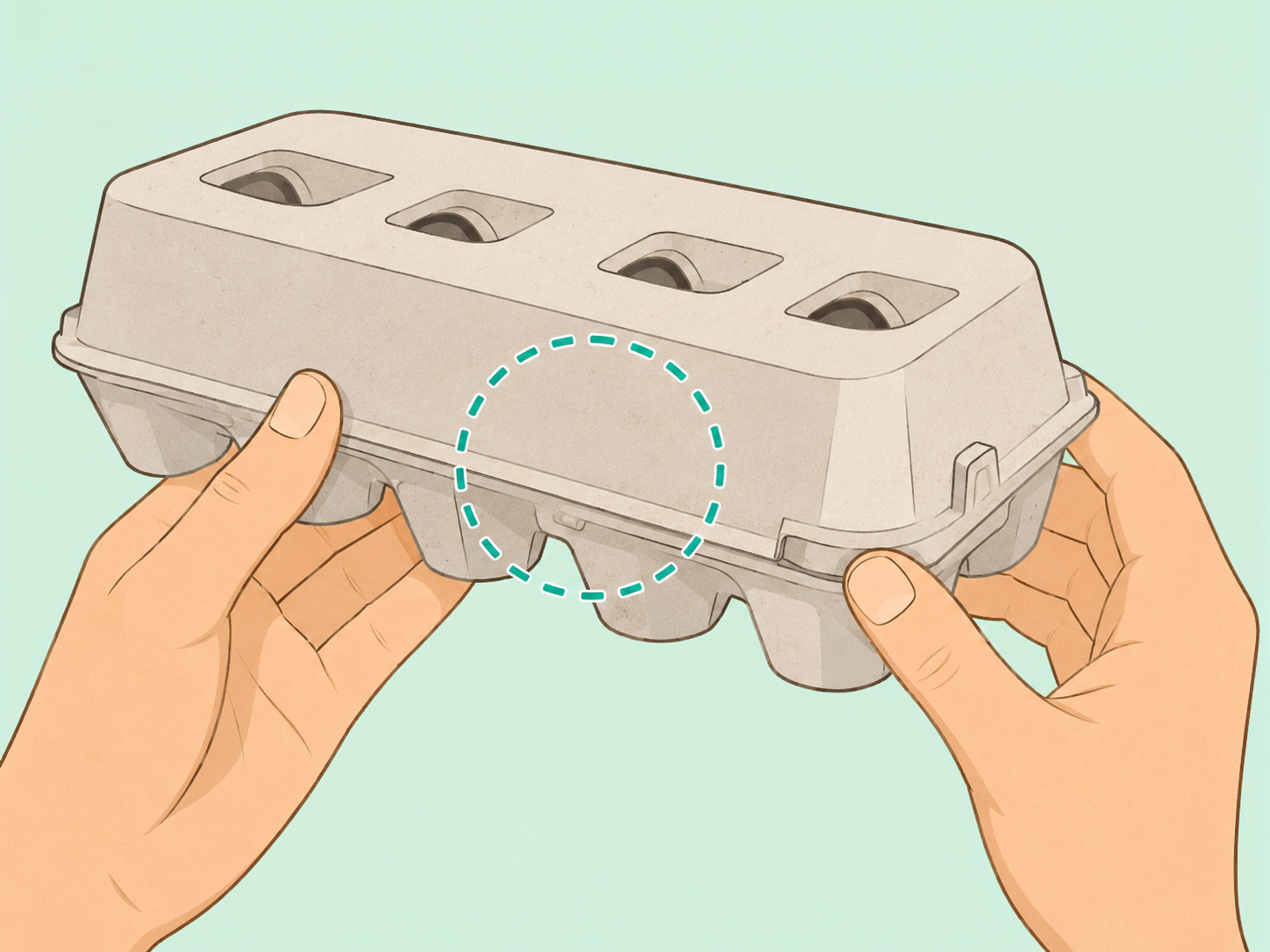
Look along the short end, side flap, or top panel for a cluster of printed dates, letters, and numbers. On cartons with the USDA grademark, the USDA requires legible lot numbering and a plant number, but cartons without that shield may use different state or company markings. Treat the code panel as the place to compare cartons, not just the front label.
Decode the three-digit pack date
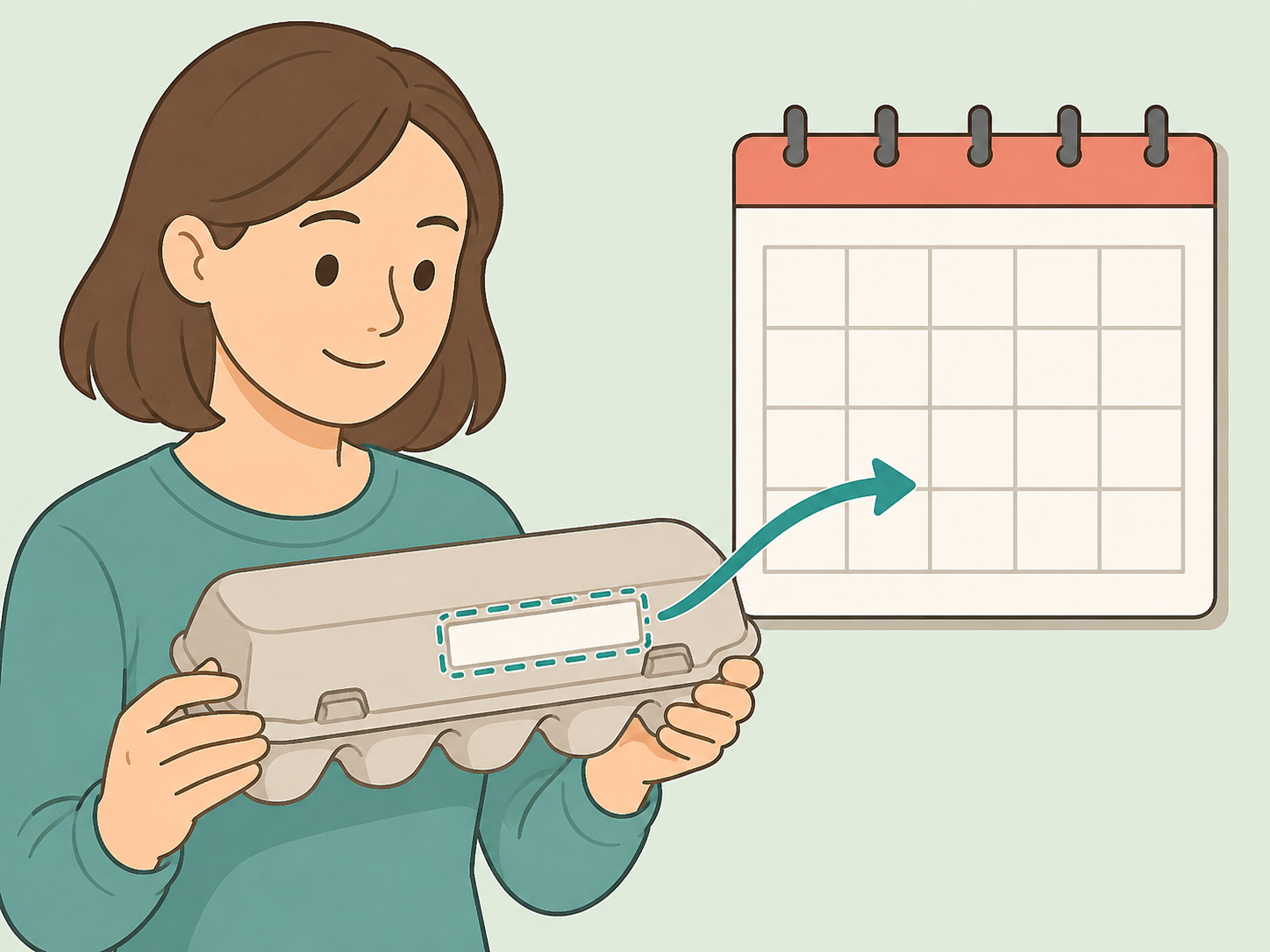
Find the three-digit number that looks like 001, 042, 155, or 267. This is the day of the year the eggs were packed into the carton on USDA-graded packaging, and the USDA day-of-year chart shows examples such as 001 for January 1 and 198 for July 17. A lower or higher number is not automatically better unless you compare it to the current date and the carton date wording.
Read the P code as the packing plant
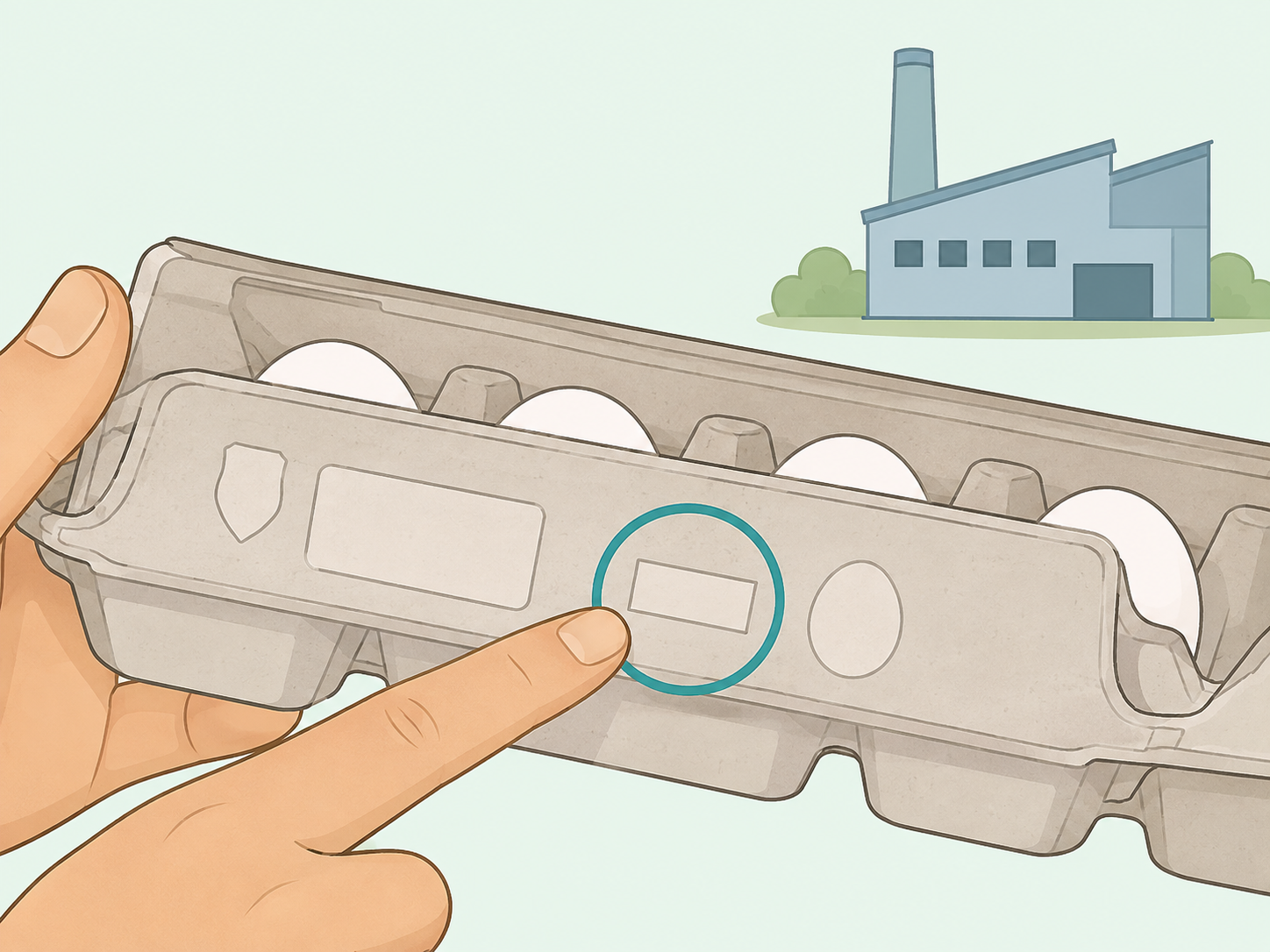
Look for a code that starts with P followed by three or four digits, such as a P code near the pack date. The USDA identifies this as the facility or plant number for USDA-graded egg cartons. Save this code if you are checking a recall, because recall notices often identify affected eggs by plant code, date range, brand, and package details.
Compare sell-by, use-by, and expiration wording carefully
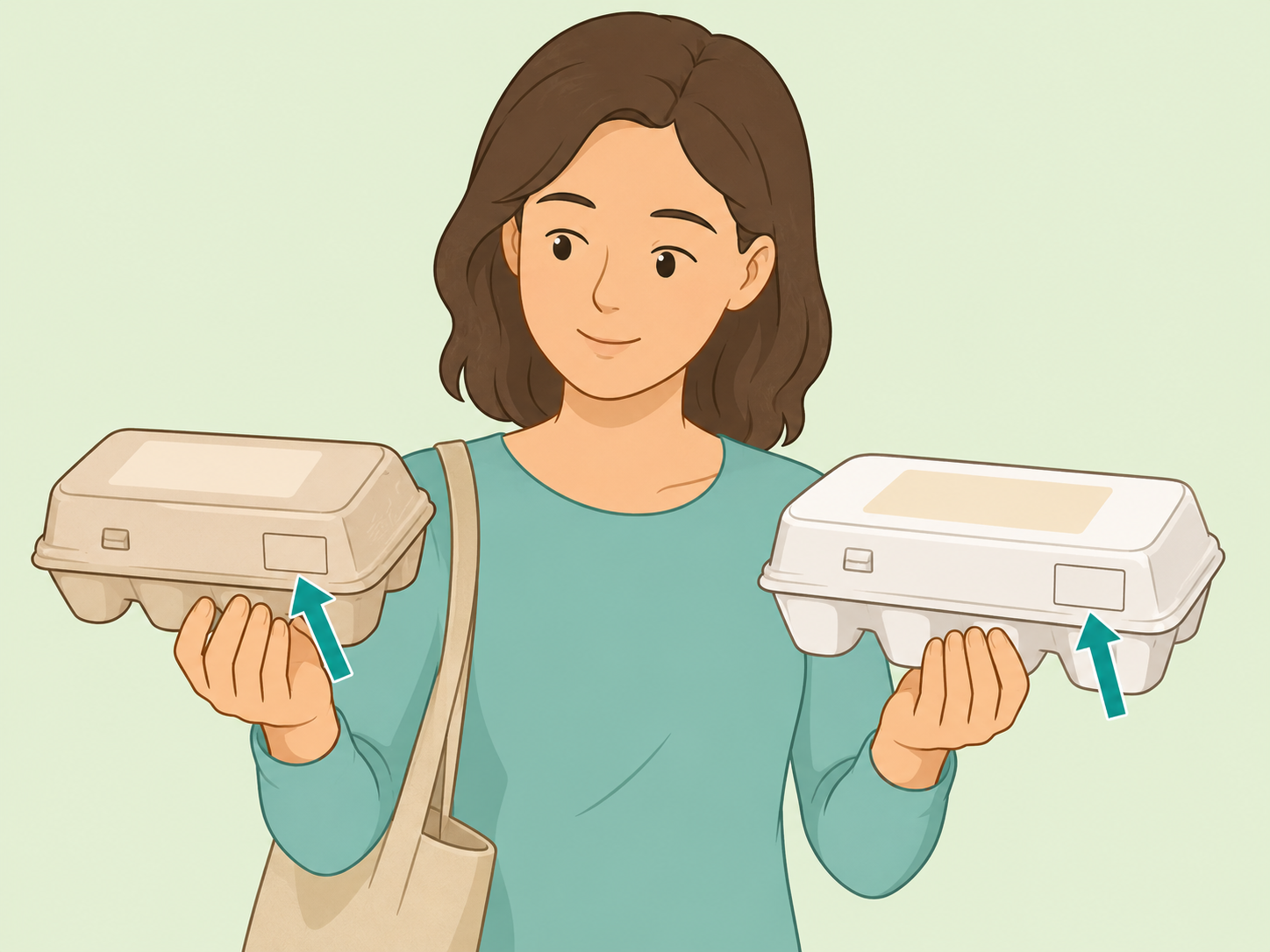
Do not confuse the pack date with wording such as sell-by, use-by, best-by, or EXP. The USDA explains that sell-by or use-by dating is not required on every egg carton and is commonly tied to optimum quality or store rotation. For the clearest freshness picture, read the pack date and the printed date wording together.
Use the USDA grade shield to understand quality
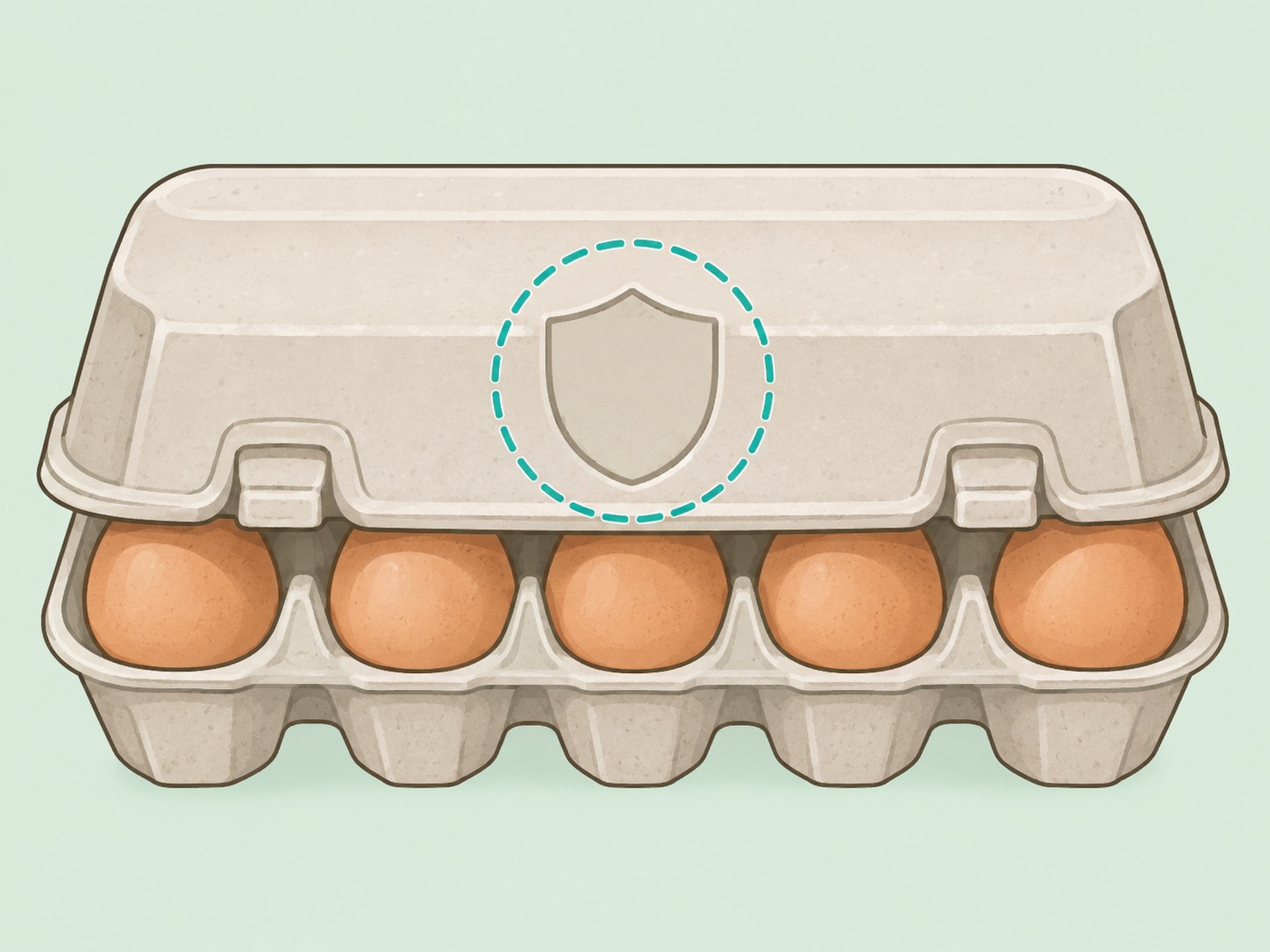
Check whether the carton carries a USDA Grade AA, A, or B shield. The USDA says shell egg grading is voluntary and that only officially graded shell eggs are eligible to carry the USDA grademark. Grade AA and Grade A are the grades most shoppers see for table eggs, while Grade B is more often used for breaking stock and baking products.
Read the size as a weight class
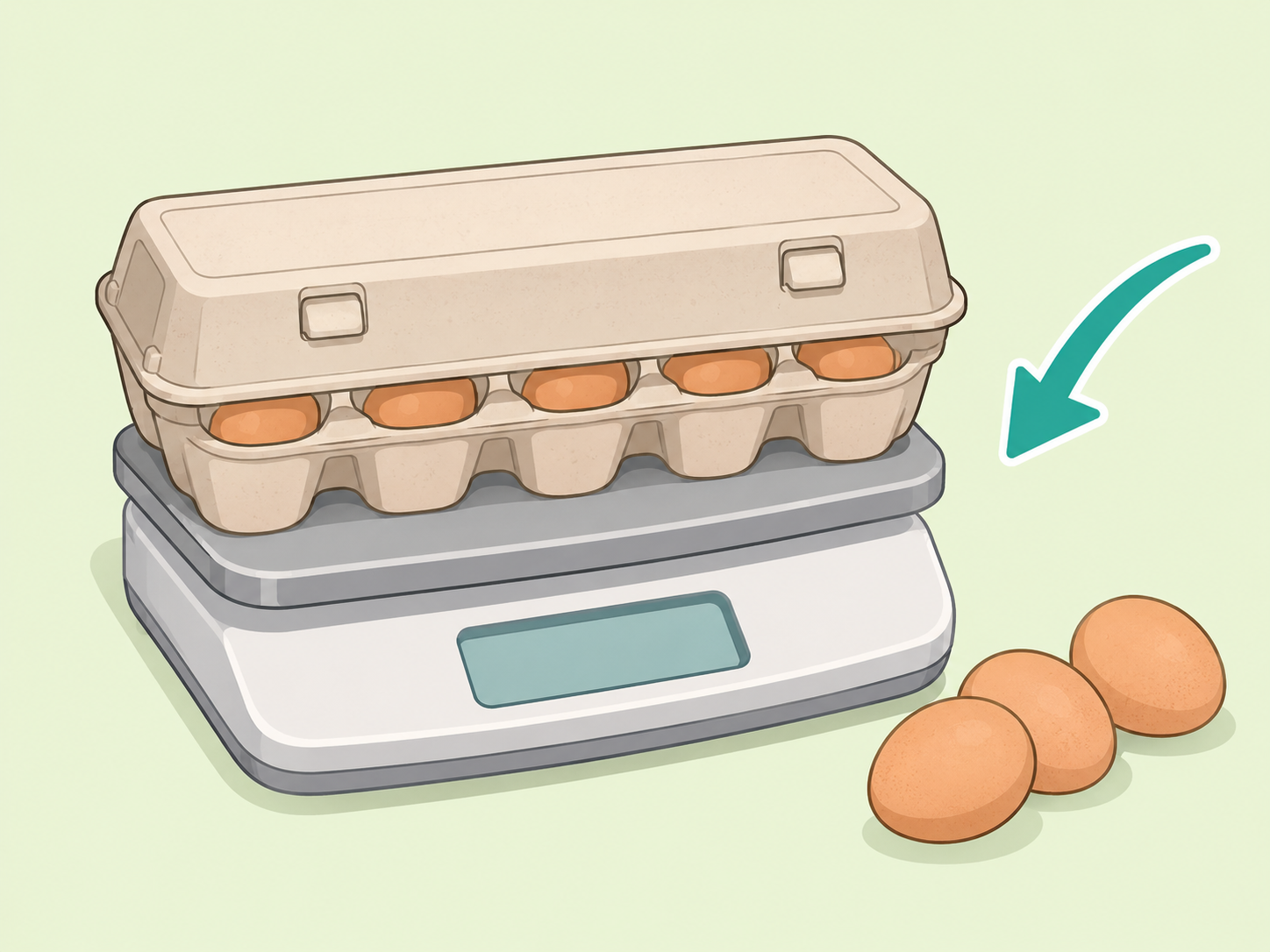
Large, extra large, jumbo, and medium are weight classes, not promises that every egg in the carton will look identical. USDA market terms list shell egg sizes by minimum net weight per dozen, including large eggs at 24 ounces per dozen and extra large at 27 ounces per dozen. Choose the size your recipe expects, especially for baking.
Check animal-care and organic claims separately
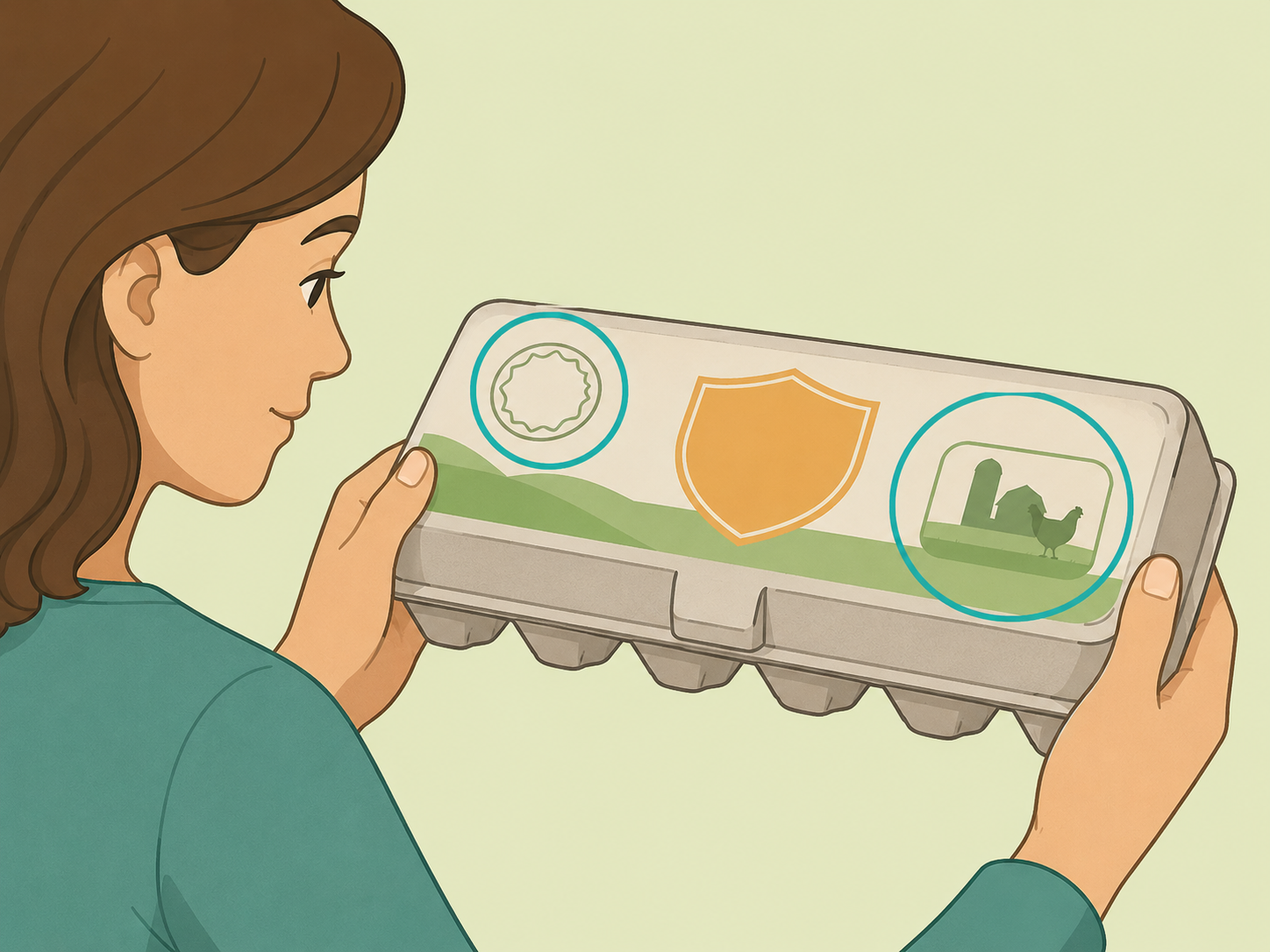
Words such as cage-free, free range, and organic are separate from the pack date and plant code. For USDA grademarked cartons, USDA describes cage-free and free range as housing-related terms, and it says it does not have definitive data showing a nutrition difference from hen housing alone. If a carton uses the USDA organic seal, the product must follow USDA organic labeling rules and be overseen by an authorized certifying agent.
Use the safety statement before storing eggs
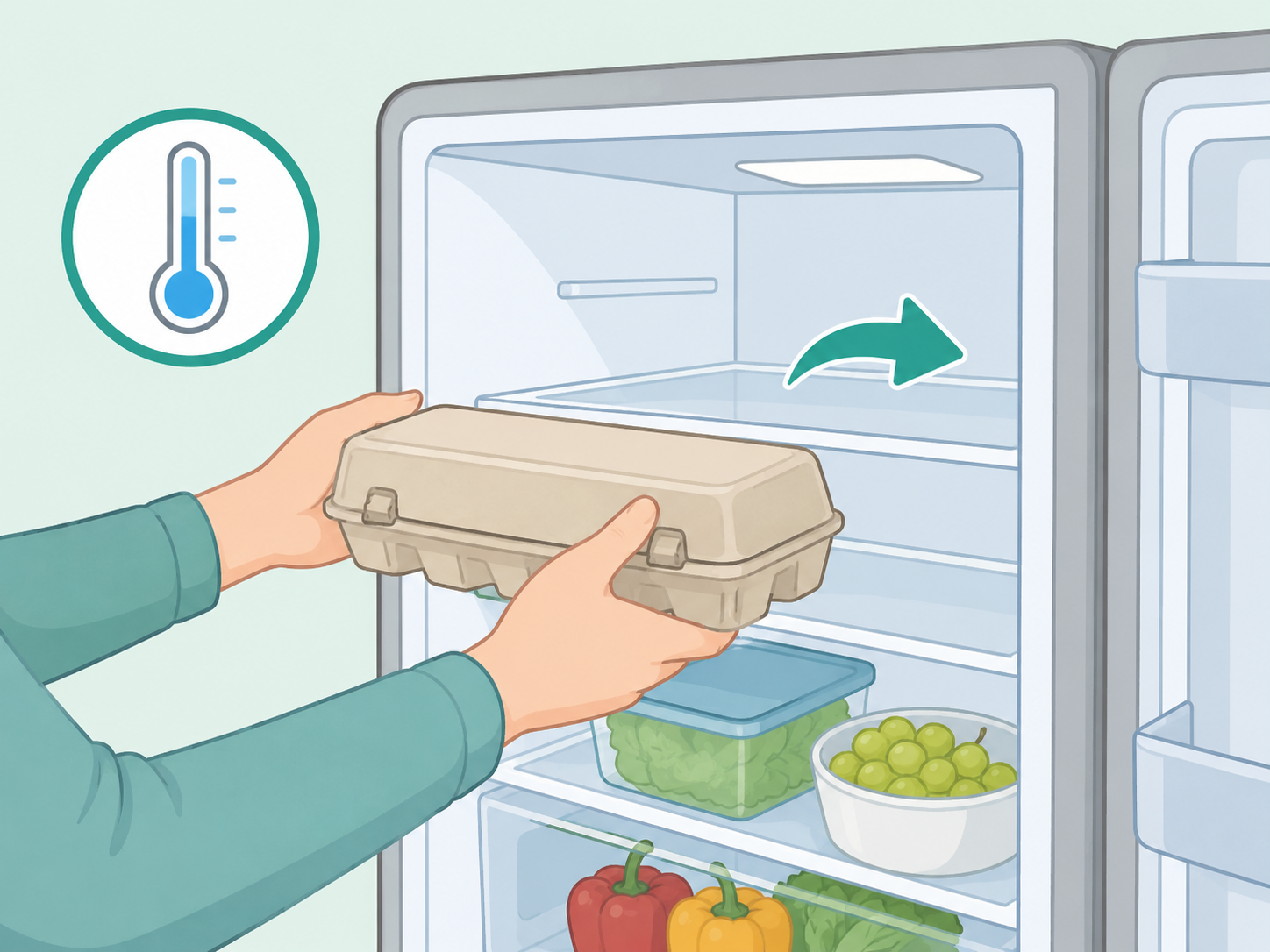
Before buying, choose eggs from a refrigerated case and avoid cartons with cracked or dirty eggs, as the FDA recommends. At home, store eggs in their original carton in a refrigerator at 40 degrees F or below and use them within 3 weeks for best quality. FDA labeling guidance also says untreated shell eggs must carry safe handling instructions telling consumers to refrigerate eggs and cook them thoroughly.
Summary
The bottom line: the most useful egg carton clues are the three-digit pack date, the P plant code, the USDA grade shield, the size label, and the safe handling instructions. Together, they tell you when the eggs were packed, where they were processed, what quality standard they meet, and how to store them safely.
Frequently Asked Questions
- What is the three-digit number on an egg carton?
On USDA-graded cartons, the three-digit number is the pack date, also called the day-of-year or Julian date. The USDA day-of-year chart shows that 001 means January 1 and later numbers count forward through the year.
- Is the sell-by date the same as the pack date?
No. The pack date tells when the eggs were processed and placed in the carton, while sell-by, use-by, and expiration wording is used for quality, inventory, or dating rules. The USDA shell egg grading Q&A notes that some cartons may not list those optional date phrases.
- What does the P code on an egg carton mean?
The P code is the packing facility or plant number on USDA-graded egg cartons. The USDA says this plant number is preceded by P and followed by three or four digits.
- Are Grade AA eggs safer than Grade A eggs?
The grade mainly describes quality characteristics, not a promise that one grade is safer for home handling. The USDA grade shield page describes AA, A, and B as consumer quality grades.
- Do brown eggs have a different code meaning than white eggs?
No. The carton codes are read the same way. The USDA explains that shell color does not affect egg quality and is not part of the U.S. grade standards.
- How long should I keep eggs after buying them?
The FDA recommends storing eggs in their original carton in a refrigerator at 40 degrees F or below and using them within 3 weeks for best quality.
References
Reliable references aided in composing and refining this content.
- https://www.ams.usda.gov/publications/qa-shell-eggs
- https://www.ams.usda.gov/grades-standards/shell-egg-day-year-chart
- https://www.ams.usda.gov/grades-standards/egg/grade-shields
- https://www.ams.usda.gov/market-news/livestock-poultry-and-grain-poultry-and-egg-terms
- https://www.ams.usda.gov/rules-regulations/organic/labeling
- https://www.fda.gov/food/buy-store-serve-safe-food/what-you-need-know-about-egg-safety
- https://www.fda.gov/regulatory-information/search-fda-guidance-documents/small-entity-compliance-guide-safe-handling-statements-labeling-shell-eggs-and-refrigeration-shell