
 Pin it
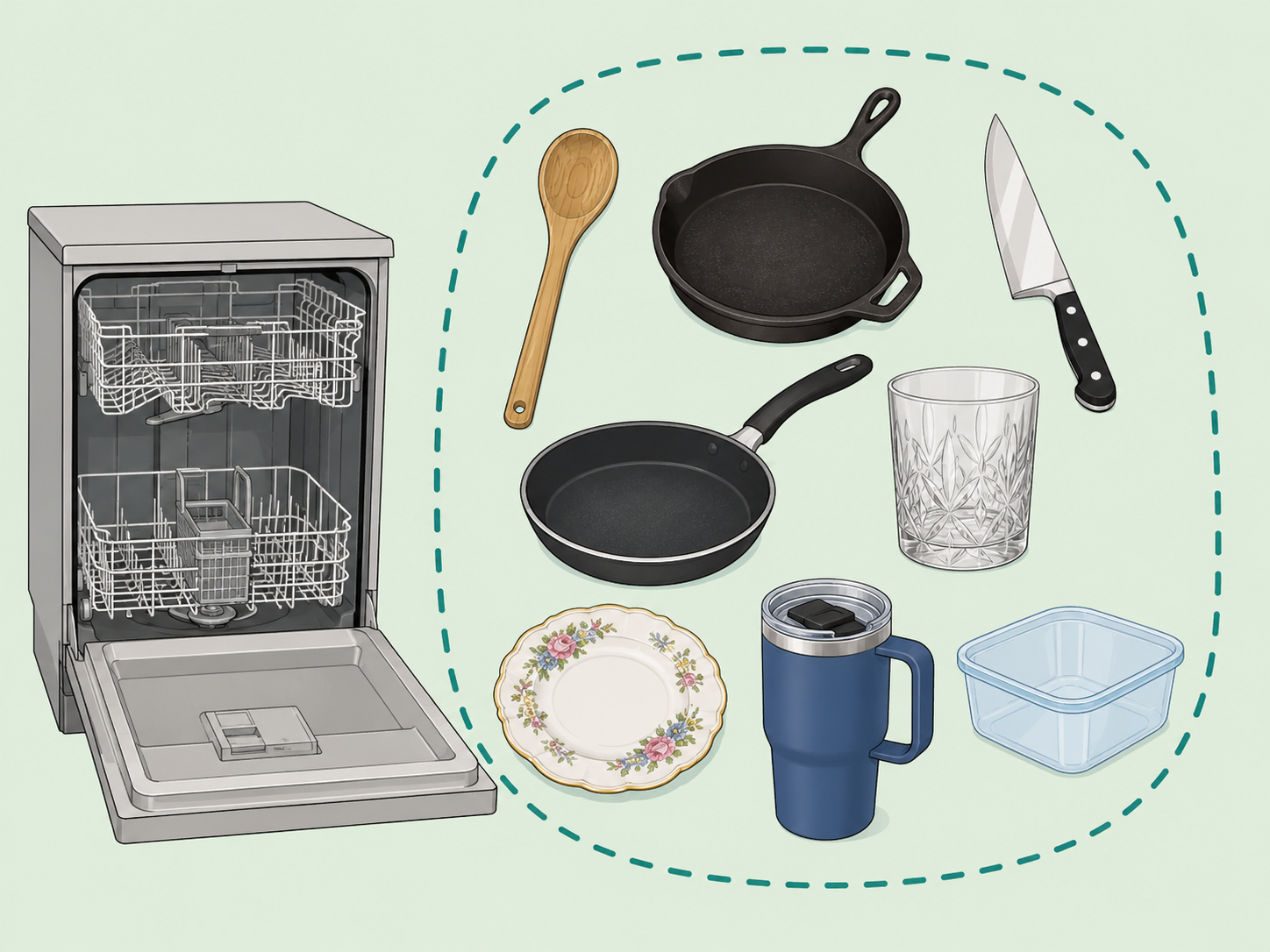
Dishwashers save time, but the heat, detergent, water pressure, and long wash cycles can damage some kitchen items. A quick label check and a few hand-washing habits can help prevent warping, rust, dull blades, cracked finishes, and ruined seals. Here are 8 things you should usually keep out of the dishwasher and why.
Keep wooden utensils and boards out
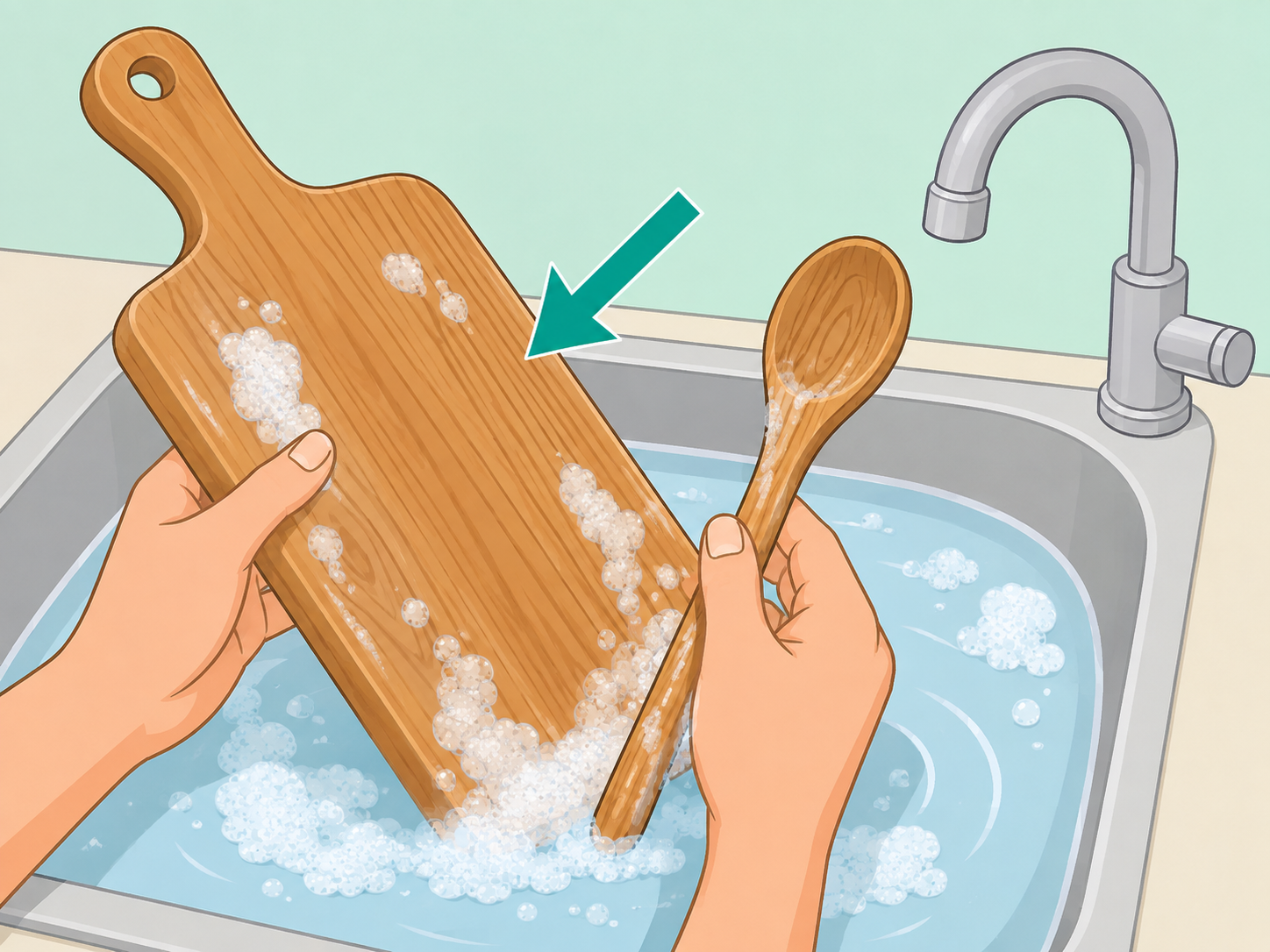
Hand-wash wooden spoons, bowls, rolling pins, and most wooden or laminated cutting boards because dishwasher heat and moisture can make wood swell, warp, crack, or split. The USDA says some solid wood boards can be dishwasher safe, but laminated boards may crack and split, and University of Maine Extension recommends avoiding dishwashers for many wood and bamboo boards unless the maker says otherwise. Wash with hot, soapy water, rinse, and dry upright.
Wash cast iron by hand
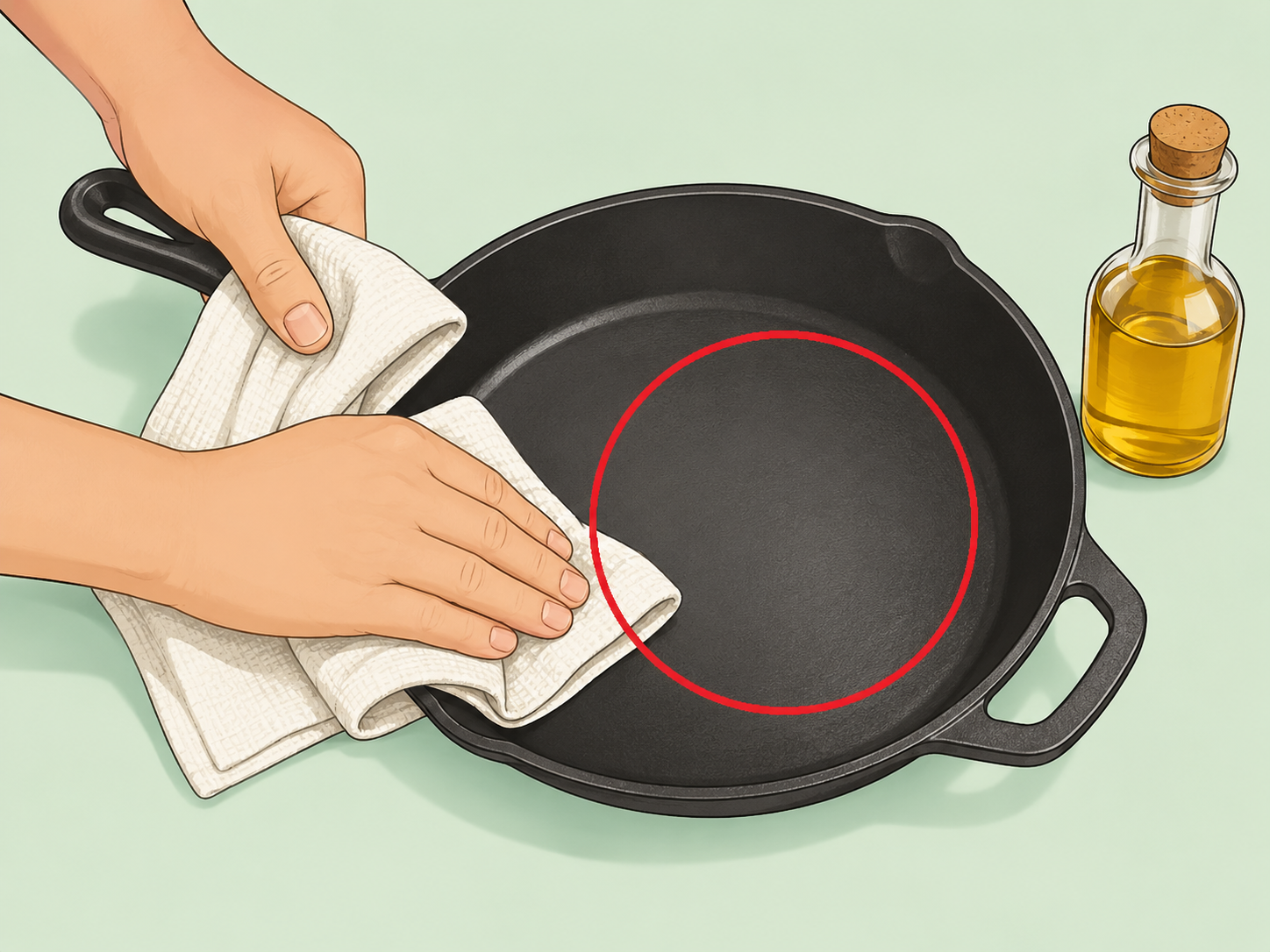
Do not put seasoned cast iron in the dishwasher because detergent and moisture can strip seasoning and encourage rust. Lodge, a cast iron maker, says a dishwasher will remove seasoning and likely cause rust. Clean cast iron with warm water, dry it completely, and apply a thin layer of oil when needed.
Protect sharp kitchen knives
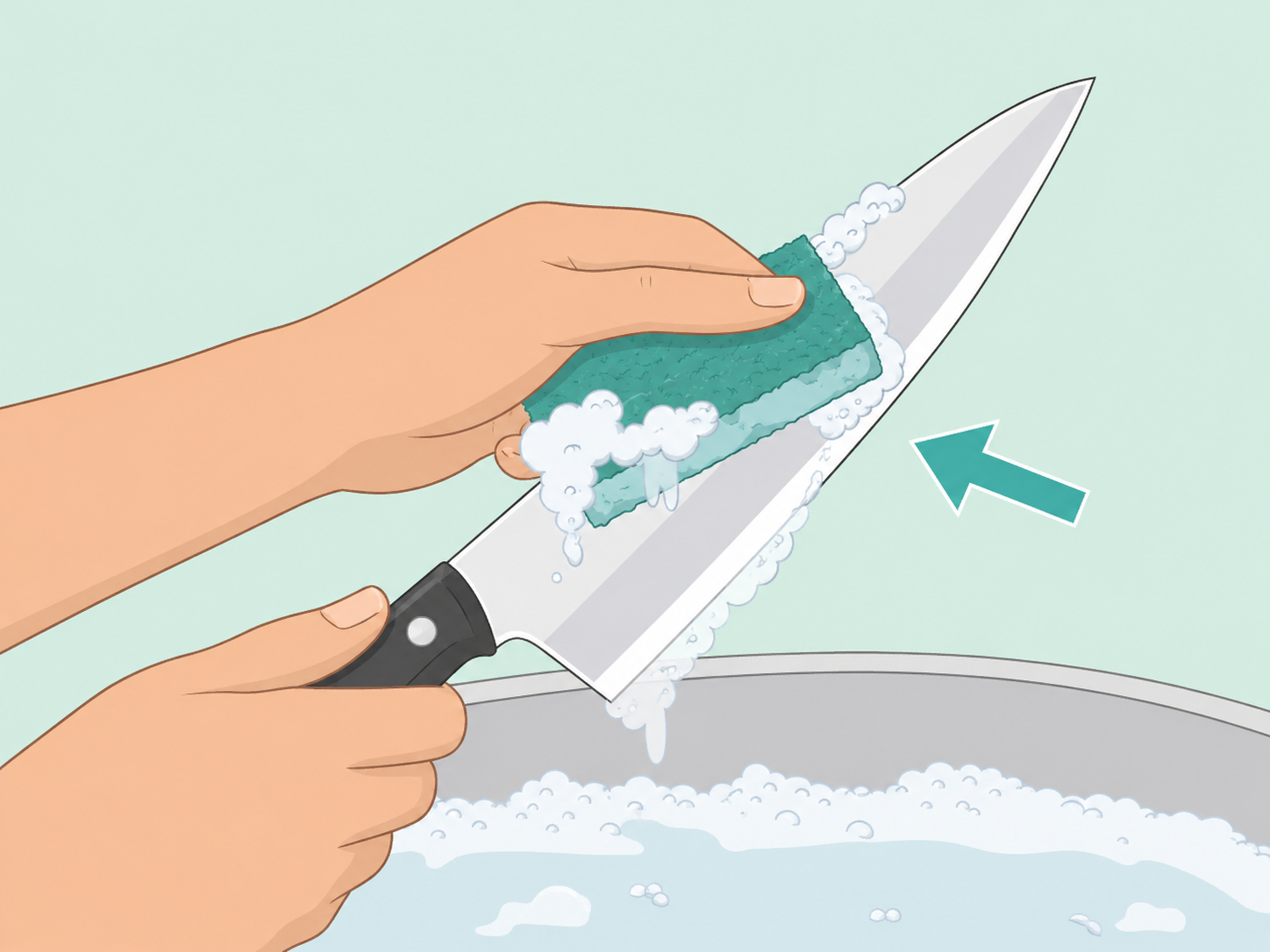
Keep chef's knives, paring knives, and other sharp prep knives out of the dishwasher unless you are following a specific maker's instructions. Wusthof recommends hand washing because high temperature and rubbing during the wash cycle can damage knives, while Whirlpool notes dishwasher loading can nick or dull sharp blades. Wash one knife at a time, dry it right away, and store it safely.
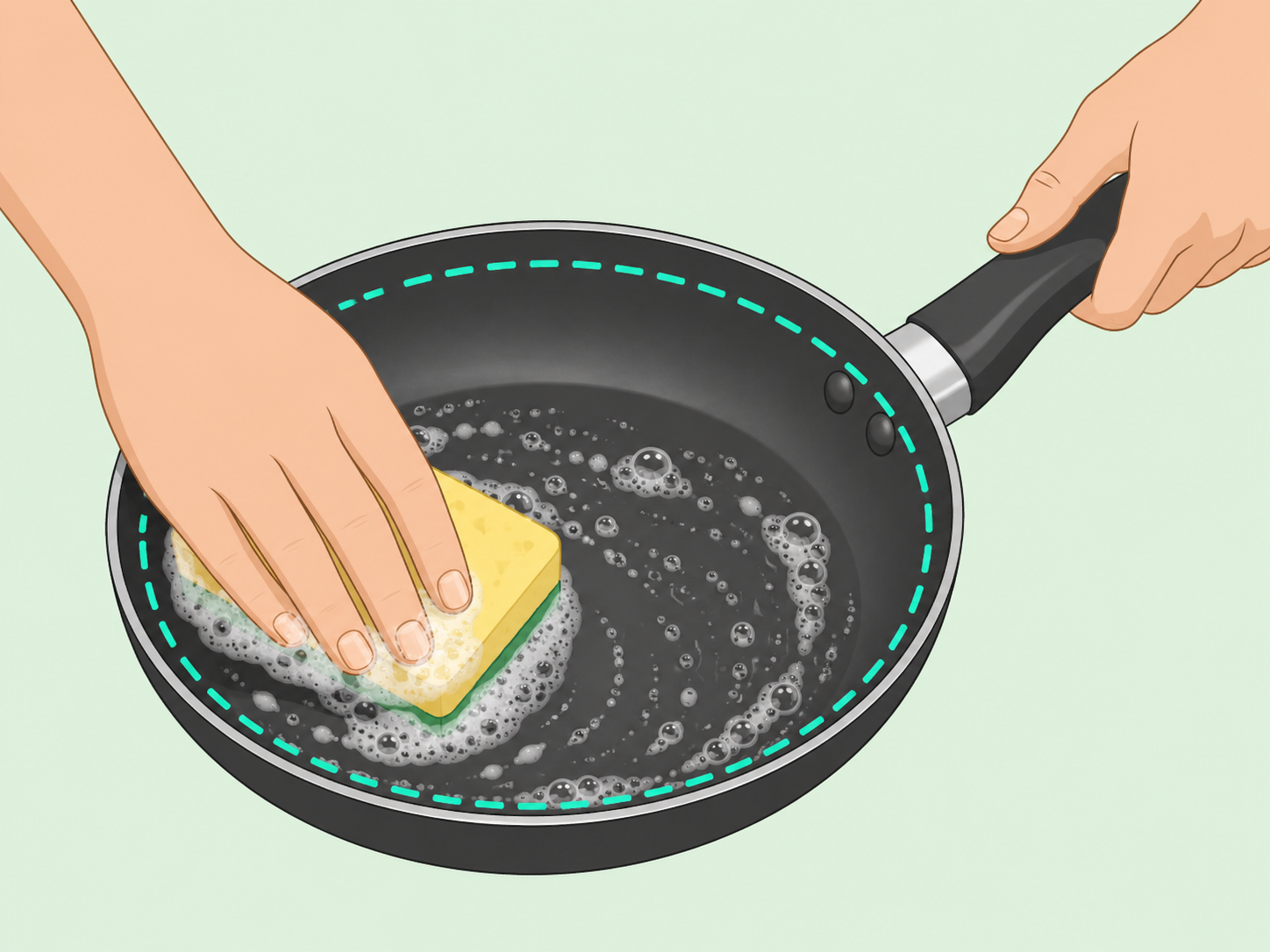
Hand-wash nonstick cookware
Most nonstick pots and pans last longer when washed by hand, even if some labels say dishwasher safe. Maytag says many nonstick finishes are fragile and that hand washing can help protect the coating for future use. Use a soft sponge, mild dish soap, and avoid abrasive scrubbers that can scratch the surface.
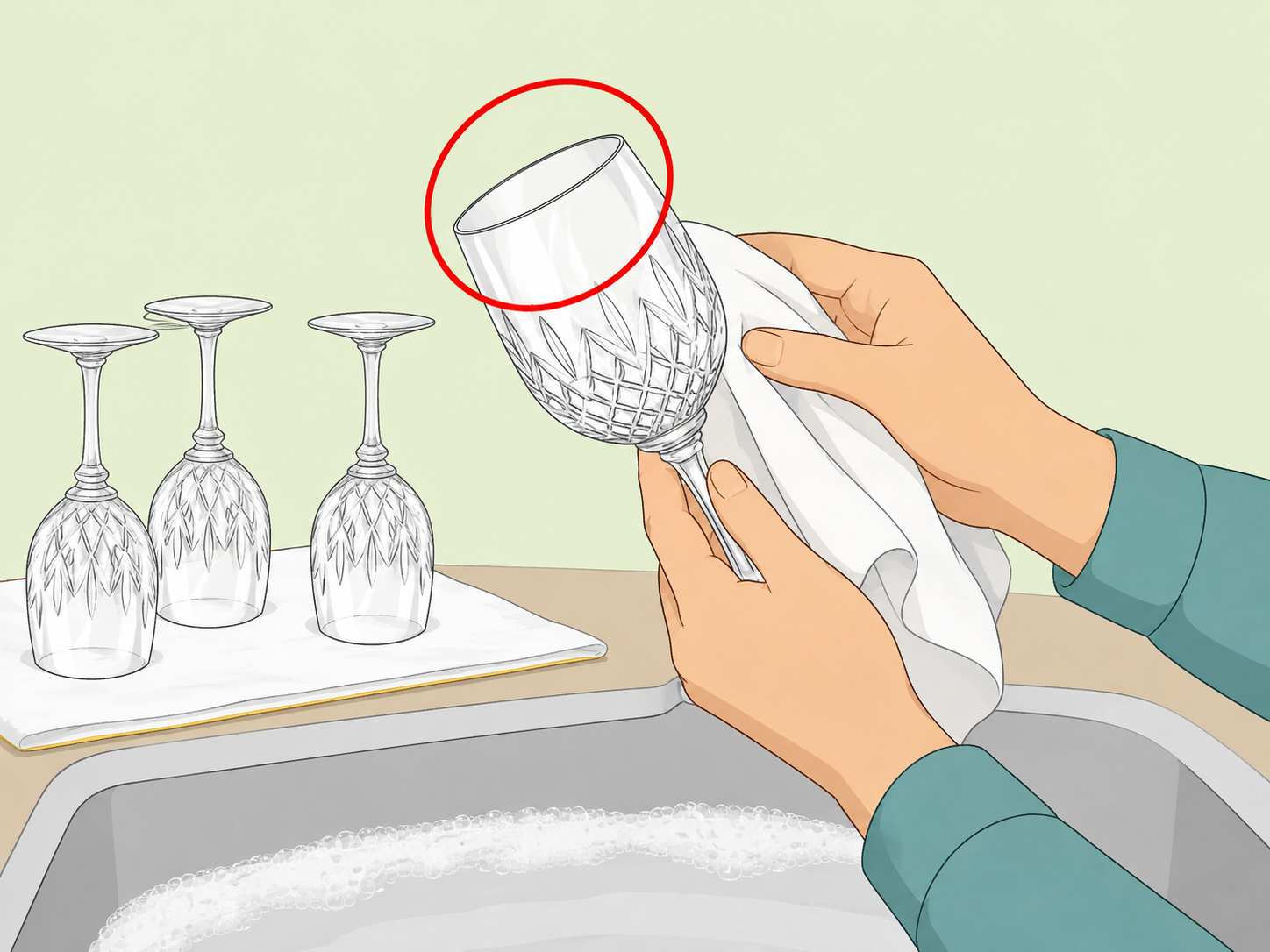
Set aside crystal and delicate glassware
Crystal, hand-blown glass, painted glass, milk glass, and very thin wine glasses are better washed by hand. Whirlpool explains that delicate glassware can break, yellow, or develop etching that looks like cloudiness or pitting from harsh detergent. Wash these pieces gently, rinse well, and dry with a lint-free towel.
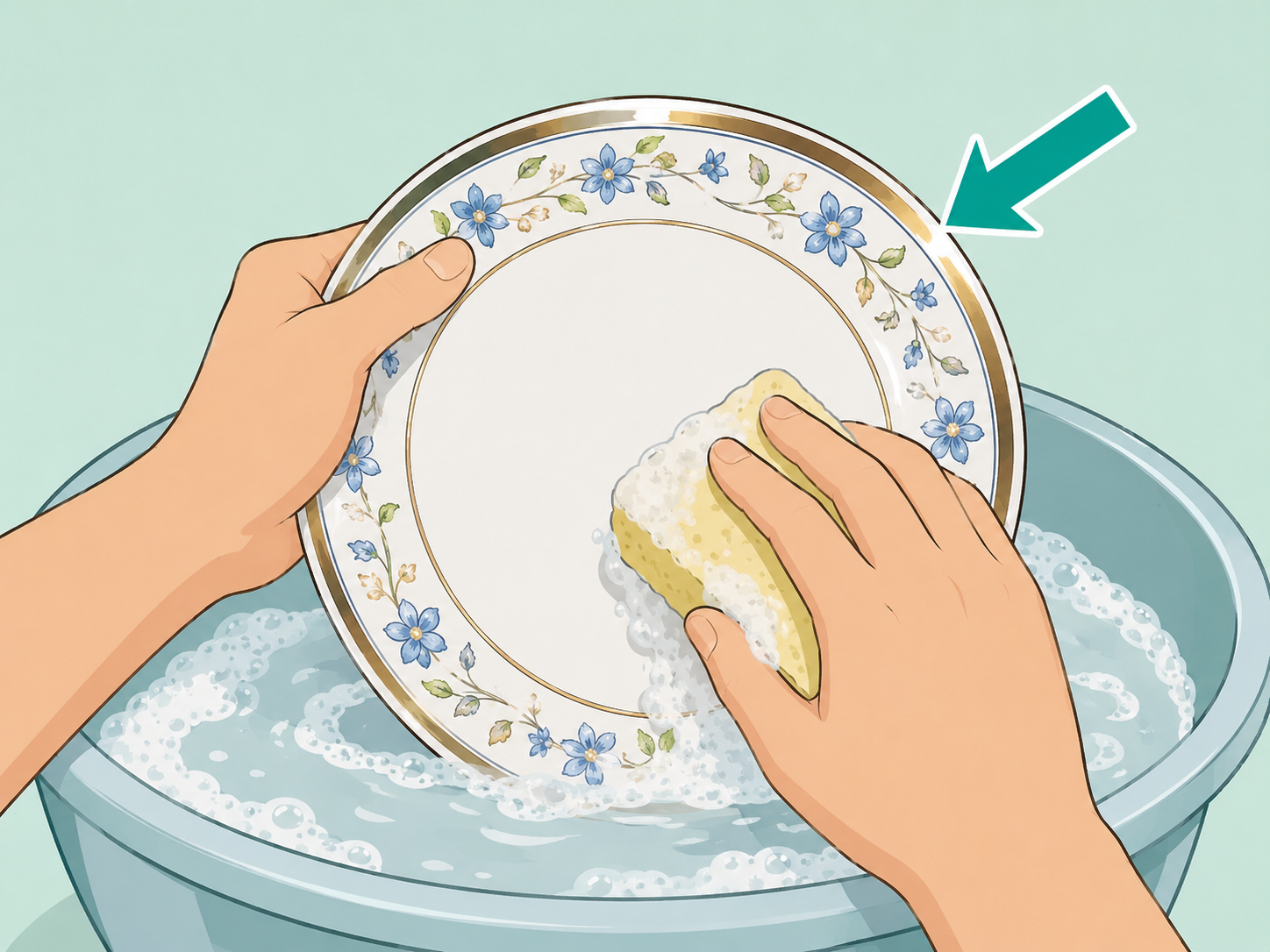
Skip antique, hand-painted, and metal-rimmed china
Do not risk heirloom plates, hand-painted ceramics, gold-rimmed cups, or antique china in a regular dishwasher cycle. Whirlpool says antique, hand-painted, and metal-rimmed china should be hand washed because high temperatures, detergent abrasion, and water pressure can cause breakage or fading. Treat sentimental or valuable pieces as hand-wash only.
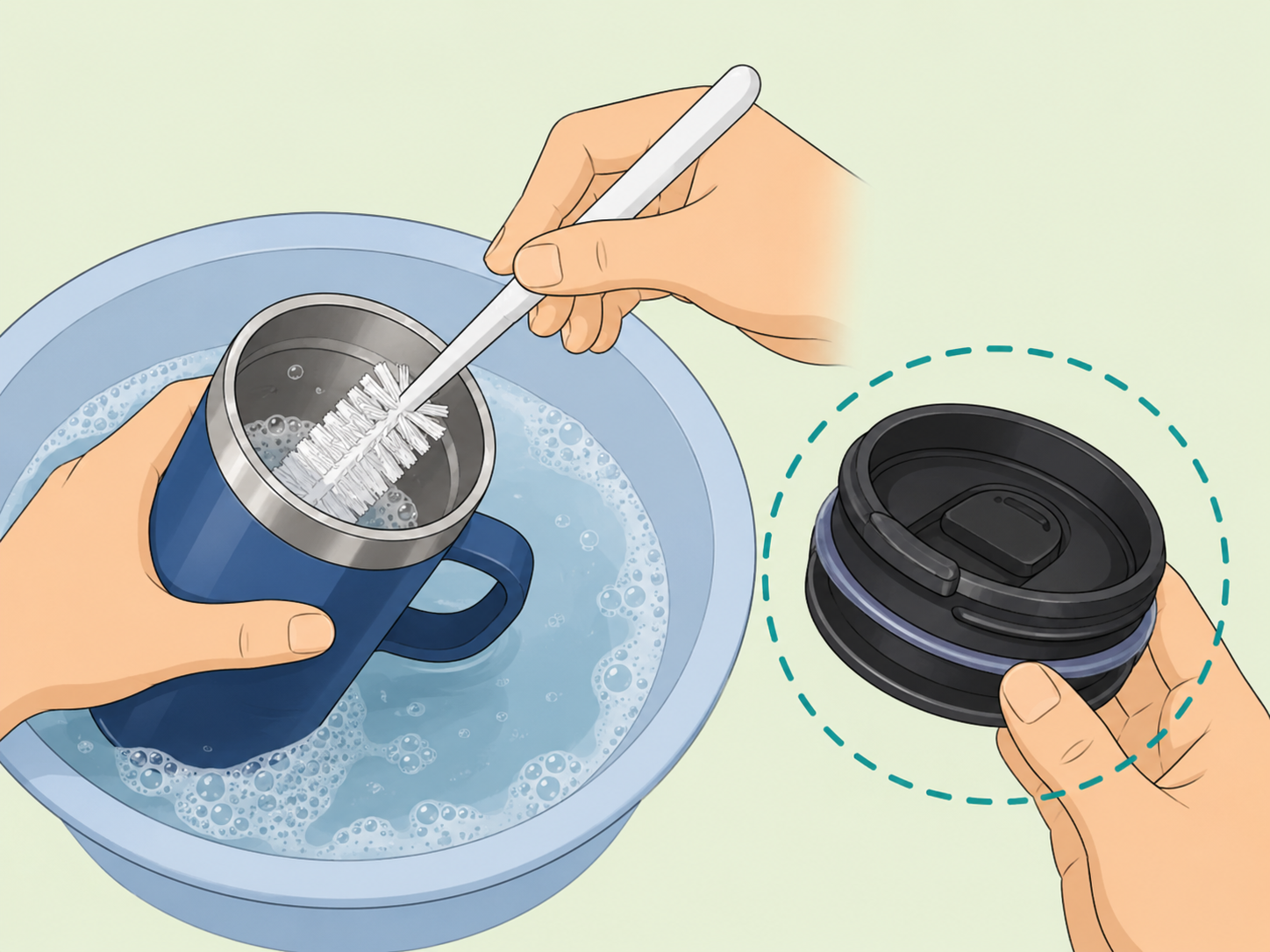
Keep insulated mugs and containers out
Travel mugs, thermoses, and vacuum-insulated food jars can lose performance if heat and water damage the seal or insulation. Whirlpool lists insulated mugs and containers as not dishwasher safe because water and heat could damage the seal and insulation. Wash the inside with warm, soapy water and clean lids according to the maker's directions.
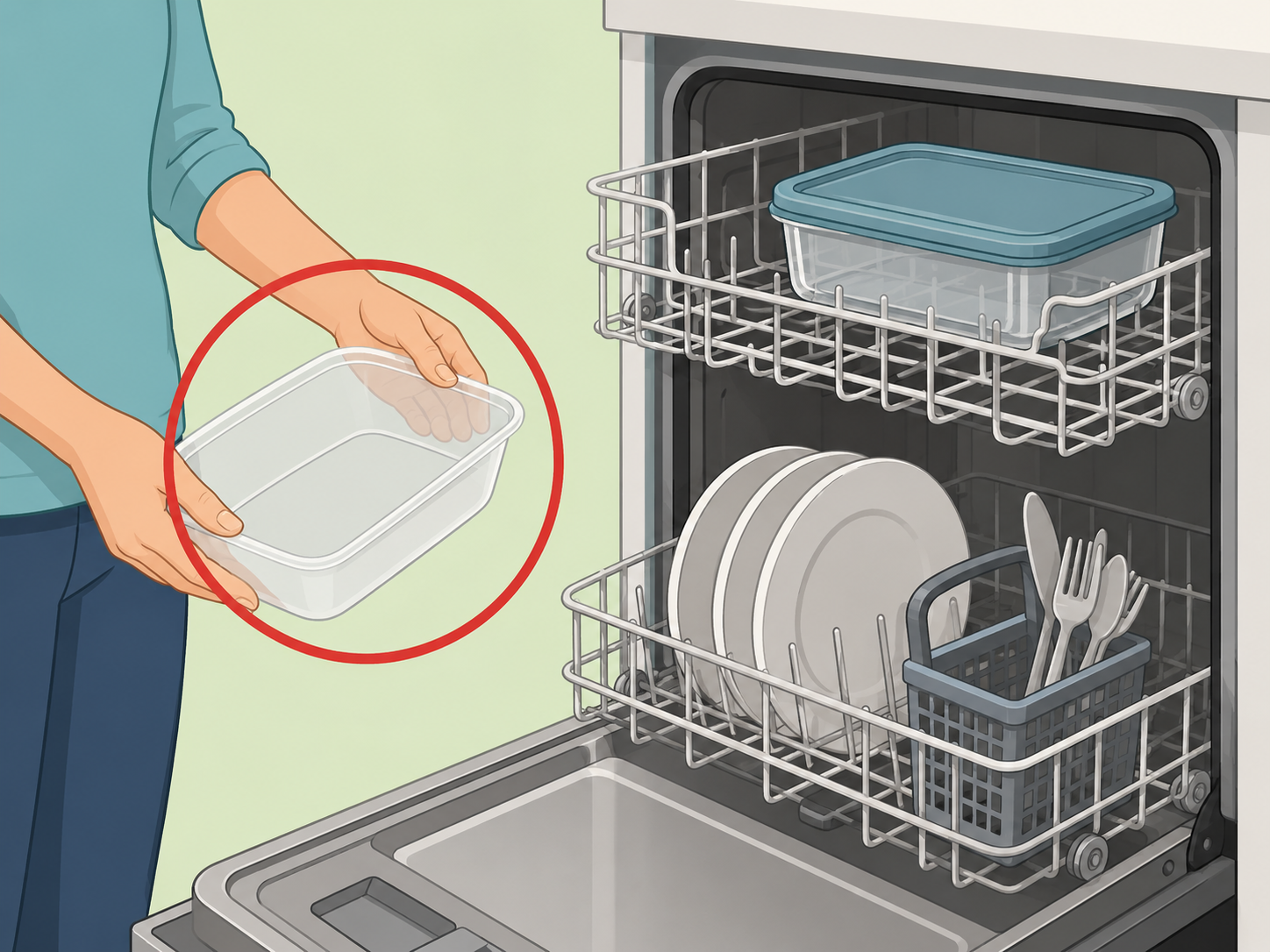
Leave thin or unlabeled plastic out
Only load plastic that is clearly marked dishwasher safe, and place heat-tolerant pieces on the top rack if the label says to. Maytag explains that tableware symbols are not universal and that you should check the care symbols before running an item through a wash cycle. Thin takeout containers, disposable lids, acrylic, and many unlabeled plastics can warp, melt, crack, or fade.
Summary
The bottom line: use the dishwasher for sturdy, clearly labeled dishwasher-safe items, and hand-wash anything delicate, coated, sharp, insulated, wooden, or valuable. When the label is missing or unclear, hand washing is the safer choice.
Frequently Asked Questions
- How do I know if something is dishwasher safe?
Look for a dishwasher-safe marking on the item, its packaging, or the maker's care instructions. If you cannot confirm it is dishwasher safe, hand-wash it.
- Is the top rack always safe for plastic?
No. The top rack keeps items farther from the heating element, but thin or unlabeled plastic can still warp or crack. Only load plastic that is clearly marked dishwasher safe.
- Can cast iron be fixed after going through the dishwasher?
Often, yes. Dry it completely, remove any rust, and reseason it according to the cookware maker's instructions, but avoid repeating the dishwasher cycle.
- Why do glasses get cloudy in the dishwasher?
Cloudiness may come from hard-water minerals or permanent etching caused by heat and detergent. Delicate glassware and crystal are safer when washed by hand.
- Are dishwasher-safe knives really okay in the dishwasher?
Some brands label certain knives dishwasher safe, but hand washing is still gentler. It reduces blade contact with other items and helps preserve sharpness and finish.
- What should I do when I am unsure about an item?
Hand-wash it with mild dish soap, rinse well, and dry it promptly. That is usually safer than risking heat, detergent, pressure, or moisture damage.
References
Reliable references aided in composing and refining this content.
- https://www.whirlpool.com/blog/kitchen/what-is-and-is-not-dishwasher-safe.html
- https://www.maytag.com/blog/kitchen/dishwasher-safe-and-tableware-symbols.html
- https://www.fsis.usda.gov/food-safety/safe-food-handling-and-preparation/food-safety-basics/cutting-boards
- https://extension.umaine.edu/publications/3108e
- https://www.lodgecastiron.com/pages/how-to-clean
- https://wusthof.com/blogs/the-chefs-table/how-to-clean-your-wusthof-knives
- https://www.maytag.com/blog/kitchen/can-pots-pans-go-in-dishwasher.html