
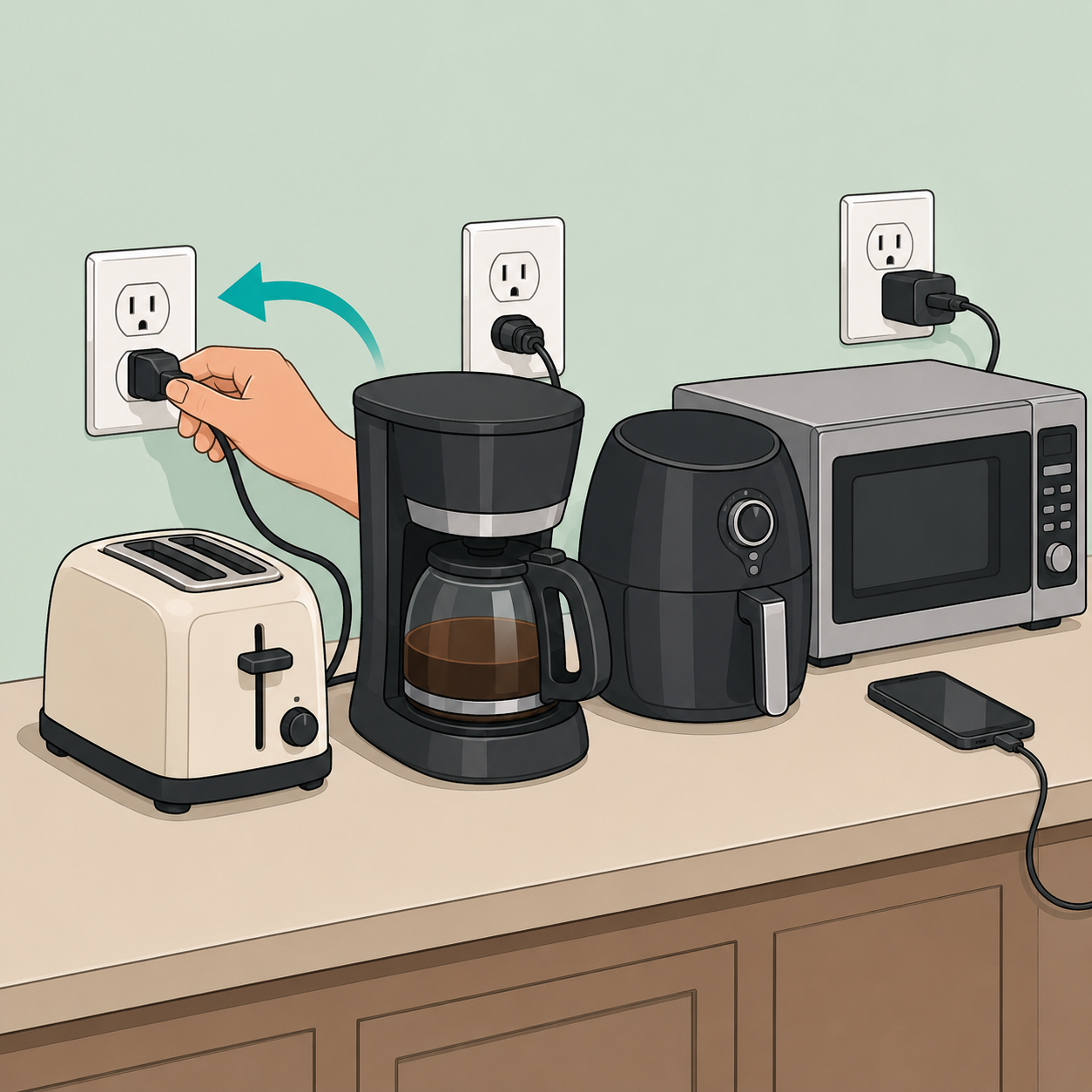
 Pin it
Many kitchen appliances use little or no electricity when unplugged, but some still draw standby power while they are switched off. The biggest wins usually come from small countertop appliances with lights, clocks, chargers, or electronic controls. This guide shows which items to unplug, which ones to leave alone, and how to make the habit practical and safe.
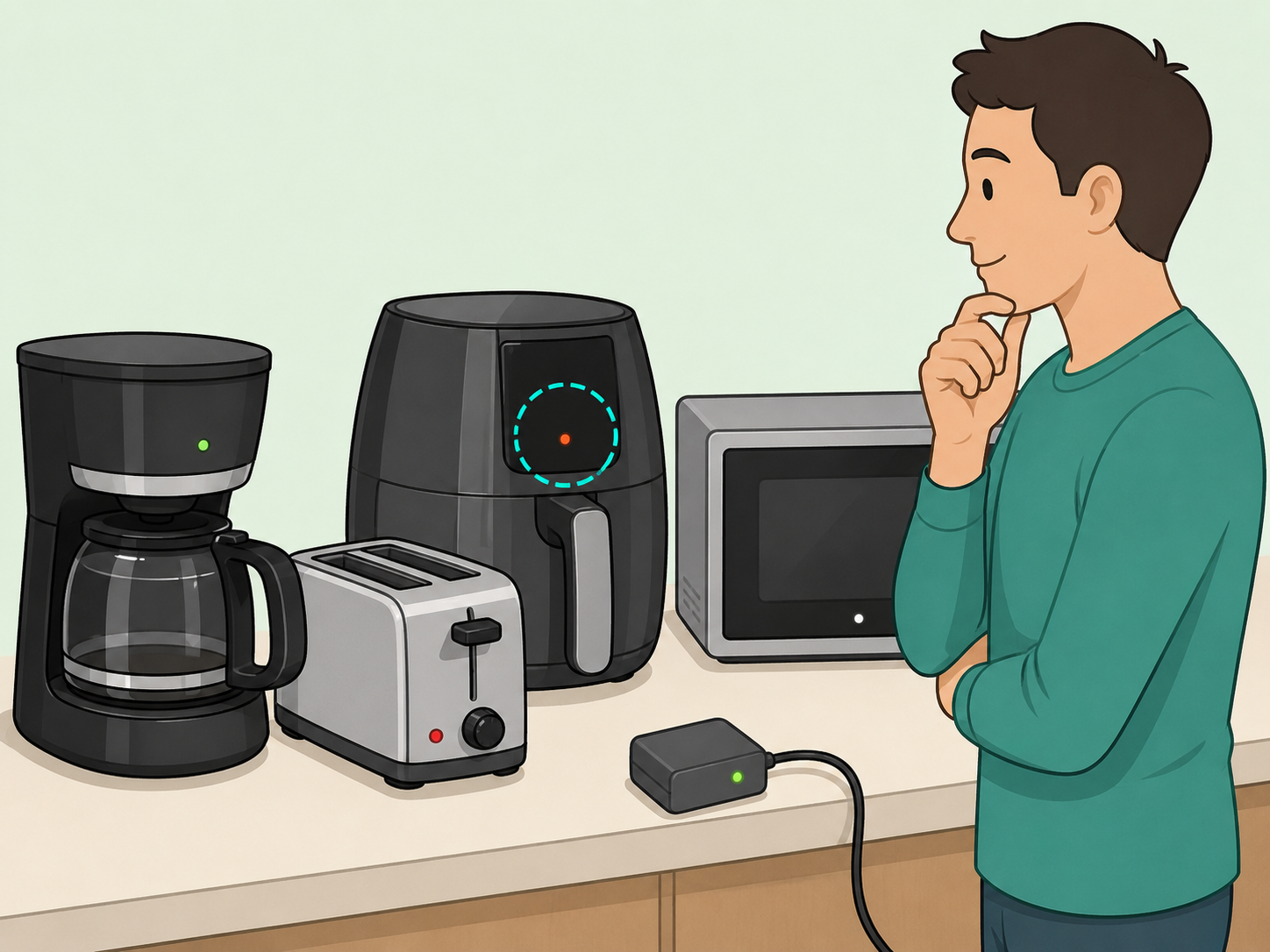
Identify appliances with standby draw
Look first for appliances with clocks, indicator lights, remote controls, Wi-Fi features, chargers, or touch panels. The U.S. Department of Energy explains that standby power is electricity used while a product is plugged in but not doing its main job, and Berkeley Lab notes that many homes have several products drawing power all day.
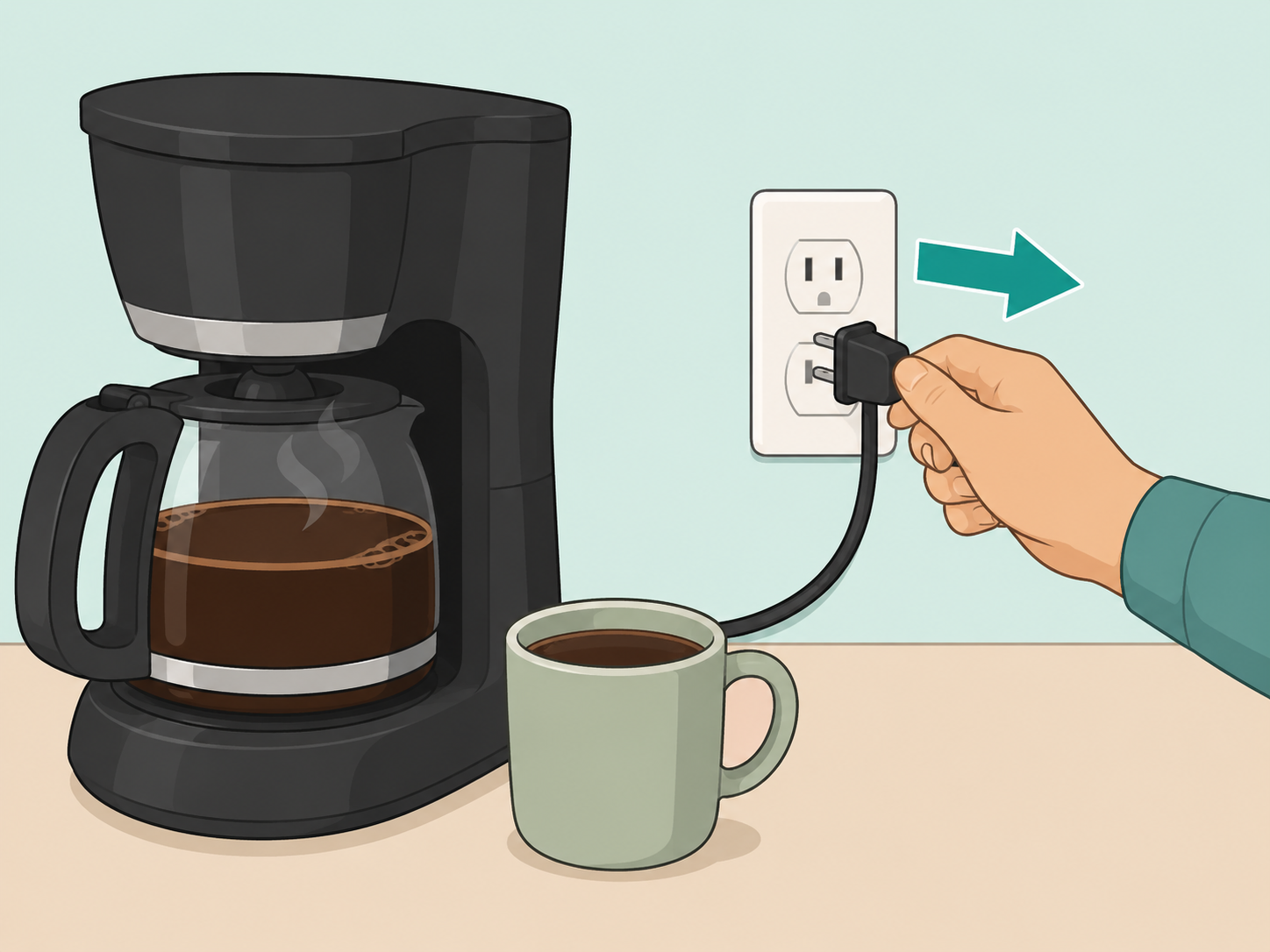
Unplug coffee makers after brewing
Once the coffee is made and the warming plate is off, unplug the coffee maker instead of leaving the display or ready light powered all day. The Department of Energy specifically lists coffeemakers among equipment to unplug when they are not in use.
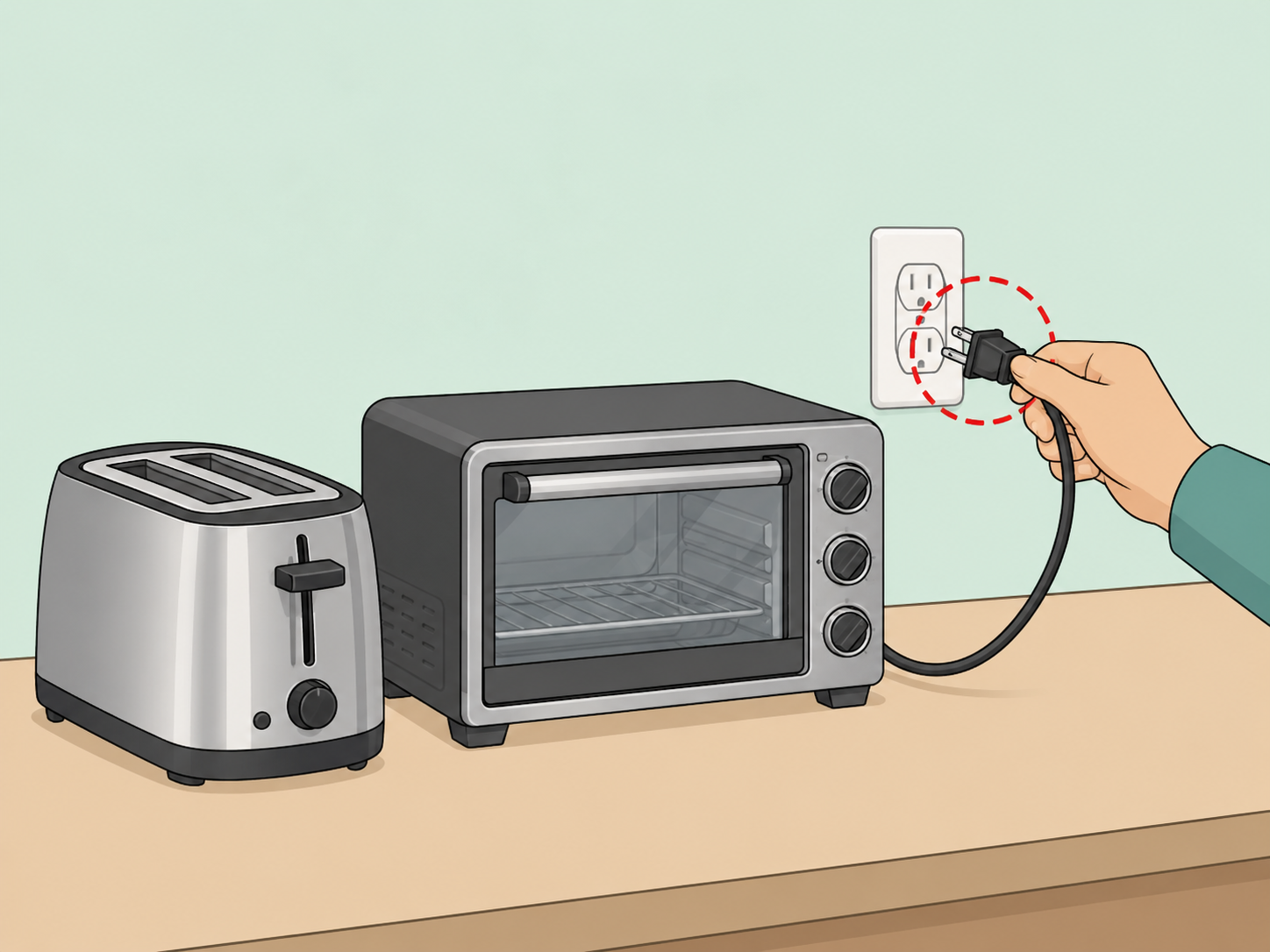
Disconnect toasters and toaster ovens after they cool
Let the appliance cool completely, shake out crumbs as the manual allows, and then unplug it. The U.S. Fire Administration advises people to unplug small appliances when they are not being used, and this habit fits toasters especially well because they are brief-use, heat-producing appliances.
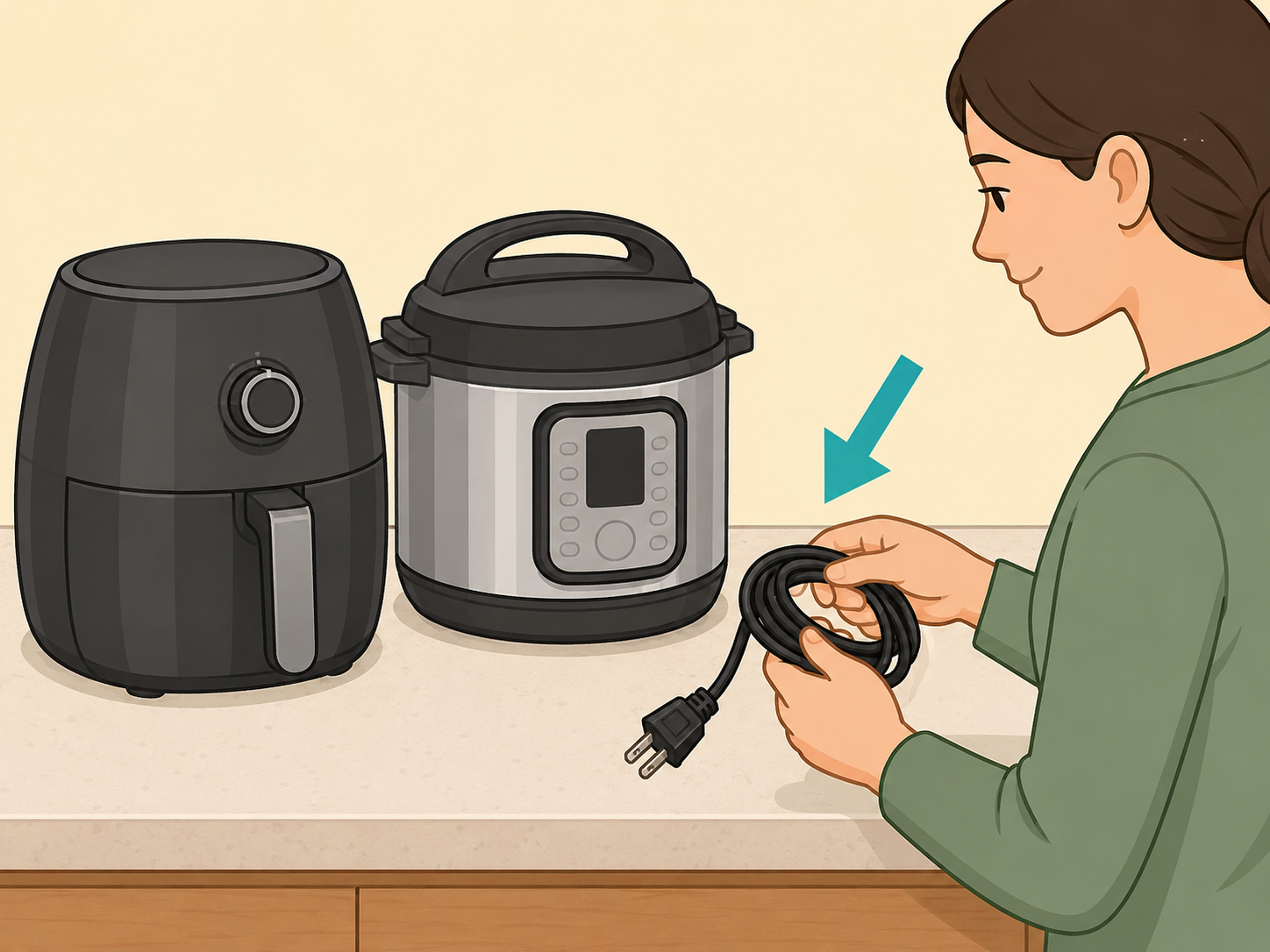
Pull the plug on air fryers and multi-cookers between uses
Air fryers, electric pressure cookers, slow cookers, and rice cookers often have electronic controls that stay ready while plugged in. After the cooking cycle ends, the appliance is off, and the unit has cooled, unplug it and store the cord neatly so it stays away from hot surfaces and water.
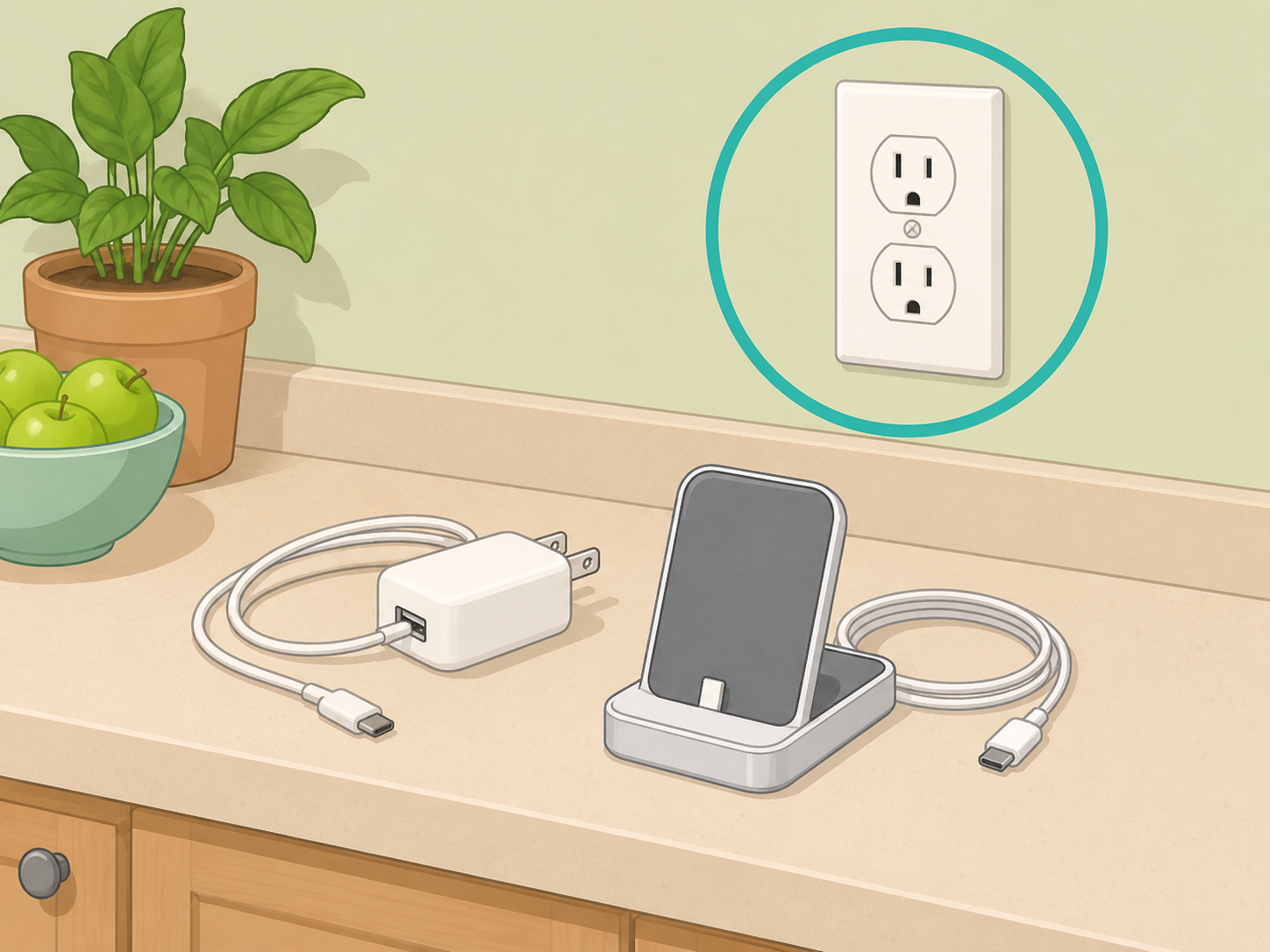
Remove idle chargers and small gadget docks from the counter
Unplug chargers for phones, rechargeable milk frothers, mini vacuums, scales, or other kitchen gadgets when nothing is charging. ENERGY STAR recommends using a central turn-off point for electronics because devices can use small amounts of electricity even when they appear to be off.
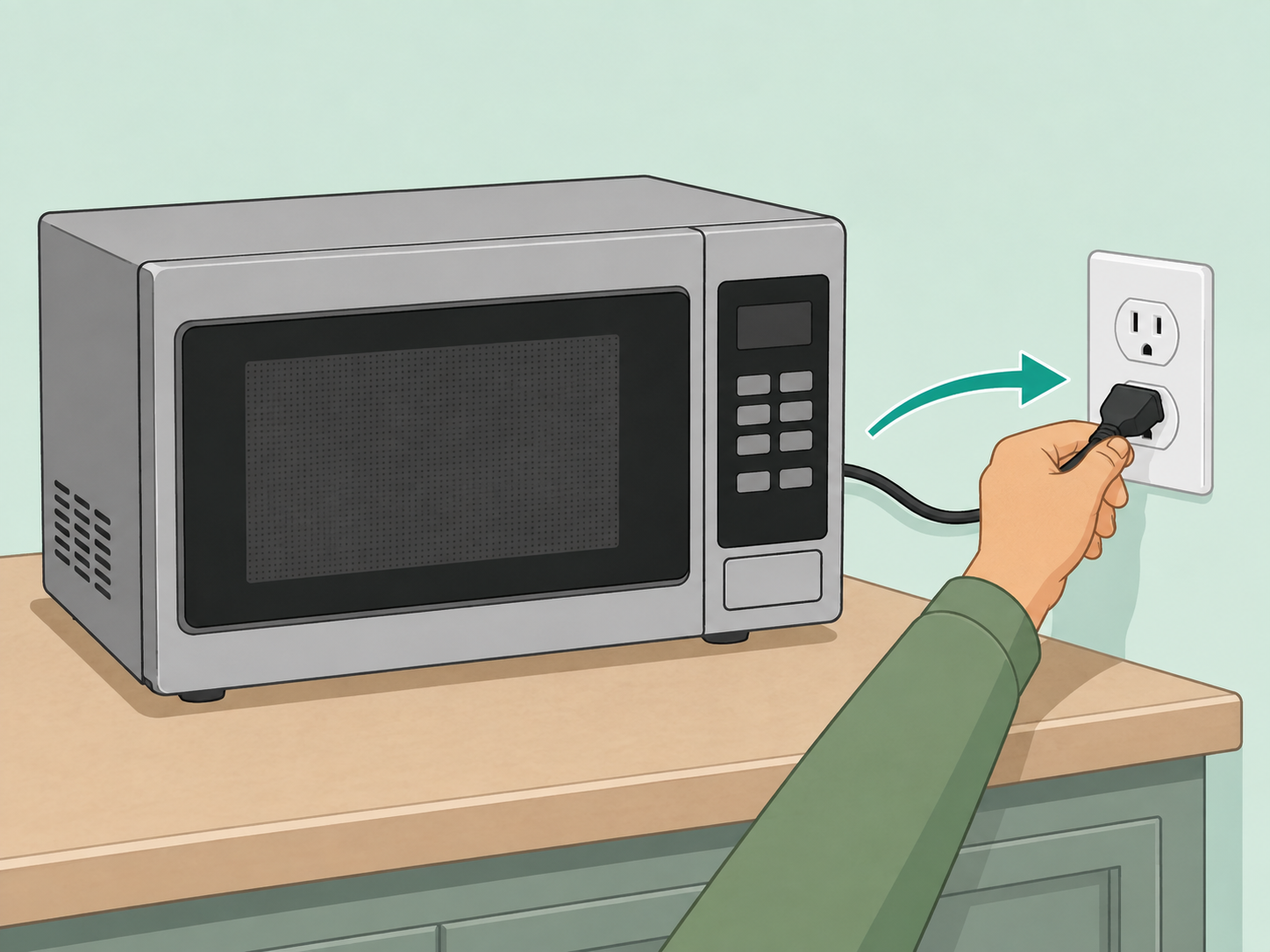
Unplug the microwave only if the lost clock and presets will not bother you
A countertop microwave with a clock or display can draw standby power, and Berkeley Lab includes microwave ovens among products that may use power around the clock. If the outlet is easy to reach and you do not rely on the clock, unplugging it between uses can make sense.
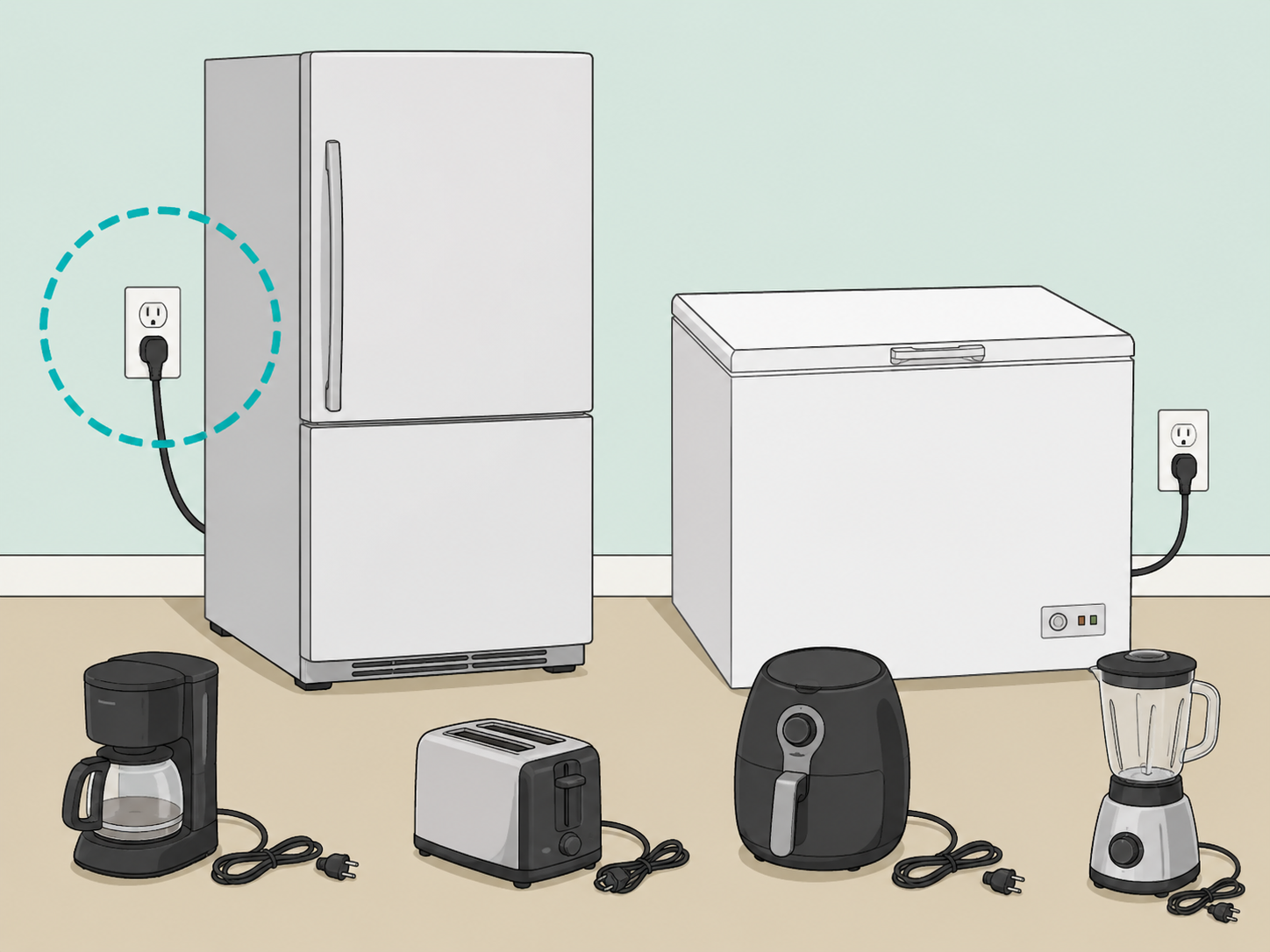
Leave refrigerators, freezers, and other major appliances plugged in
Do not unplug a refrigerator or freezer that contains food just to save electricity. FoodSafety.gov says refrigerators should stay at 40 F or below and freezers at 0 F or below, and the U.S. Fire Administration says major appliances should be plugged directly into wall outlets rather than extension cords.
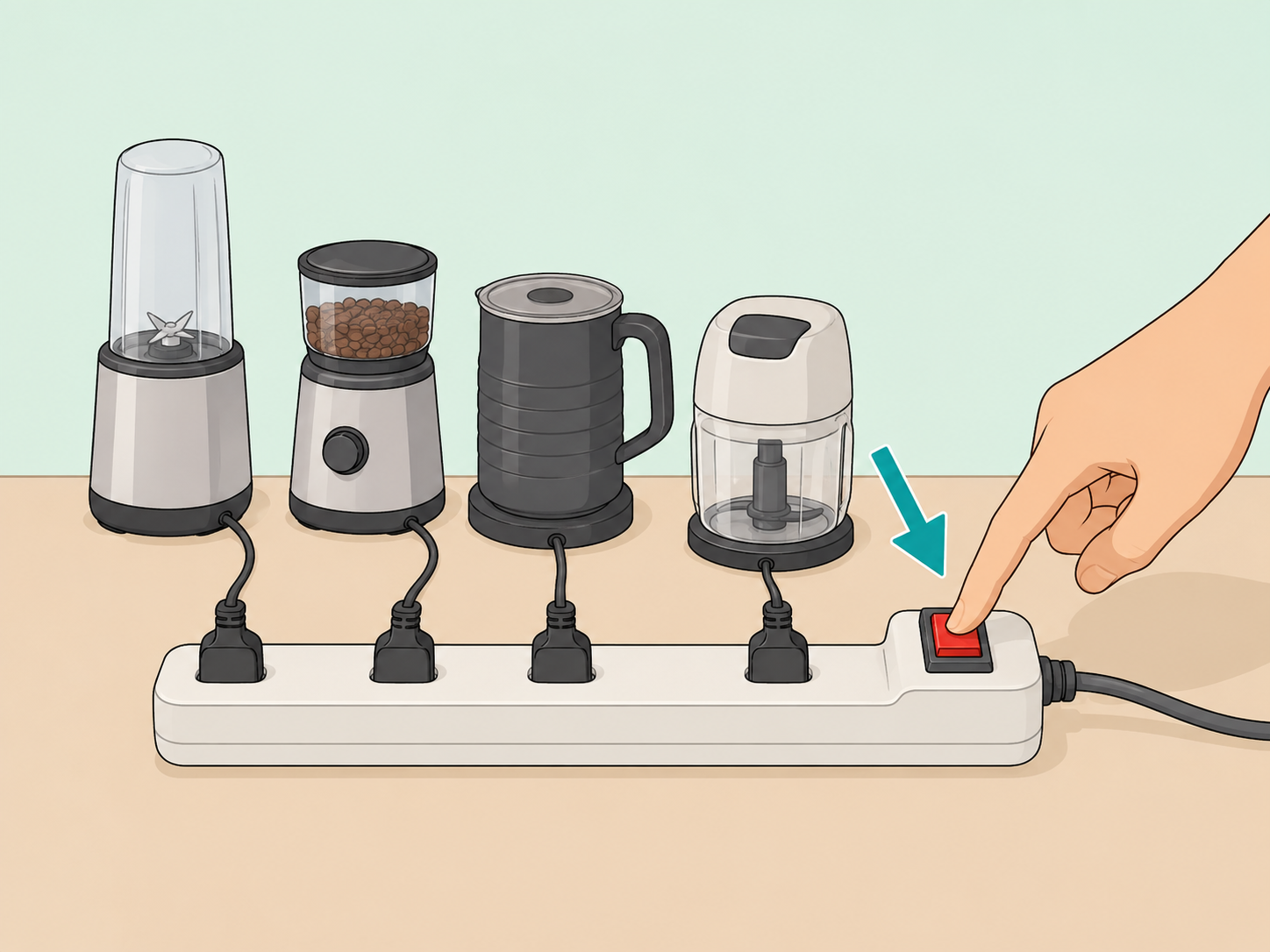
Use a switched power strip only for low-power items
A switched strip can be useful for low-power kitchen electronics, such as chargers or a smart speaker, because one switch cuts power to the group. Do not overload power strips, and remember that Berkeley Lab warns most consumer meters are not suited for measuring high-watt heat appliances above about 1300 watts.
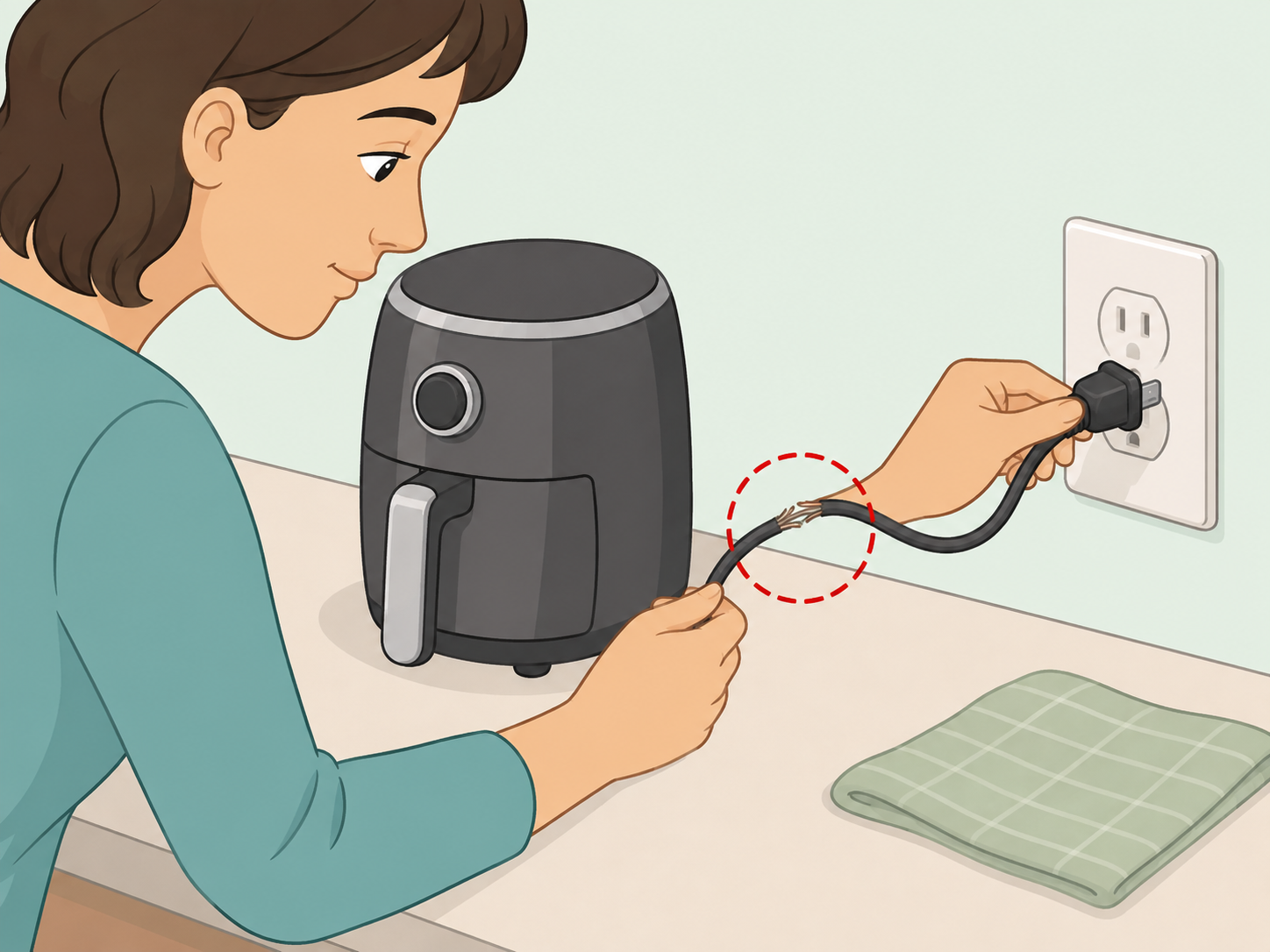
Check cords and outlets before you make it a habit
Before adding any unplugging routine, inspect plugs, cords, and outlets for looseness, fraying, heat marks, or cracking. Health Canada advises keeping cords away from heat and water, checking them for damage, and not leaving heat-producing electrical products plugged in when they are not in use.
Summary
The bottom line: unplug small kitchen appliances that sit idle most of the day, especially ones with displays, chargers, or heat elements. Keep refrigerators, freezers, and other major appliances plugged in, and use safe outlets, undamaged cords, and common-sense routines.
Frequently Asked Questions
- Do unplugged appliances really save electricity?
Yes, if the appliance draws standby power while plugged in. The savings from one device may be small, but several always-on appliances can add up over time.
- Which kitchen appliance should I unplug first?
Start with small countertop appliances you use briefly and then leave idle, such as coffee makers, toasters, toaster ovens, air fryers, electric kettles, and chargers.
- Should I unplug my microwave?
You can unplug a countertop microwave if you do not mind resetting the clock or presets. Do not move heavy or built-in units just to reach a hard-to-access outlet.
- Should I unplug my refrigerator to save energy?
No. Keep refrigerators and freezers plugged in unless they are empty, cleaned, and intentionally being taken out of service. Food safety depends on steady cold temperatures.
- Is it safe to use a power strip in the kitchen?
Use a power strip only for low-power items if the strip is rated for the load and kept away from water. Heat-producing appliances and major appliances should usually plug directly into a wall outlet.
- Can a smart plug help me save energy?
A smart plug or energy meter can help you see whether an appliance draws power while idle. Check the plug rating first and do not use it with appliances that exceed its listed load.
References
Reliable references aided in composing and refining this content.
- https://www.energy.gov/cmei/femp/home-energy-checklist?linkId=238247874
- https://www.energy.gov/cmei/femp/measuring-standby-power
- https://www.energystar.gov/products/recent_program_updates/low-no-cost-tips
- https://standby.lbl.gov
- https://standby.lbl.gov/meters-to-measure-standby-power
- https://www.usfa.fema.gov/prevention/home-fires/prevent-fires/appliance-and-electrical/index.html
- https://www.foodsafety.gov/blog/avoid-foodborne-illness-during-temporary-power-outages
- https://www.canada.ca/en/health-canada/services/home-safety/electrical-products.html