
 Pin it
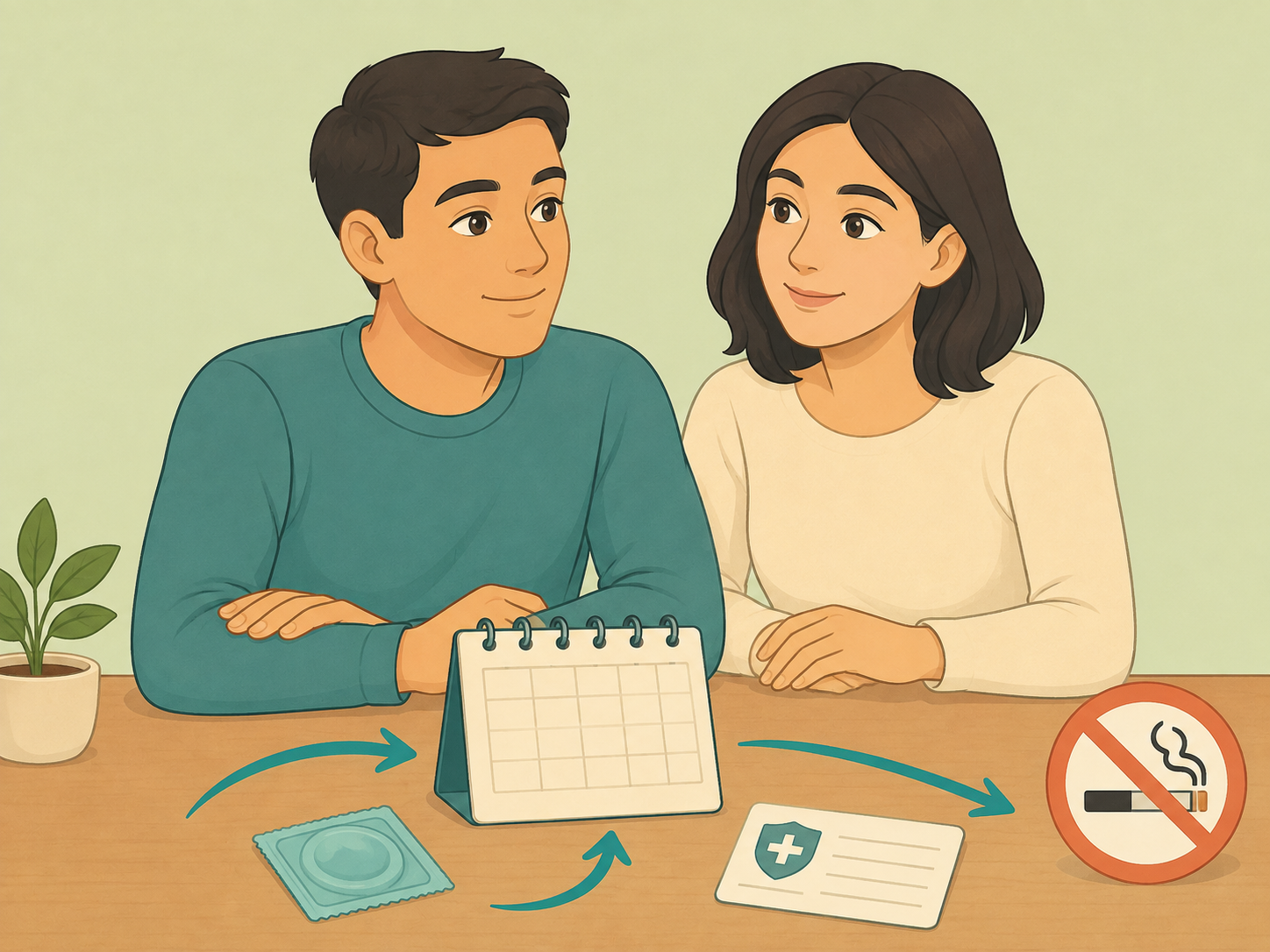
Cervical health is personal, but some risks are shared in a relationship. This guide explains how a husband's sexual health habits, tobacco exposure, vaccination status, and support for medical care can affect a wife's cervical health. It is meant to reduce blame and make prevention easier to discuss.

Start with HPV, not blame
Most cervical cancers are linked to high-risk HPV, a common virus passed through sexual contact, but an HPV result does not show when the infection started or which partner it came from. The CDC explains that HPV infections are often shared between partners and can be detected years after exposure. Treat the issue as a shared health topic, not as proof of wrongdoing.

Talk honestly about sexual history and current risk
A husband's number of partners, past partners, and any new sexual exposure can affect his wife's chance of exposure to HPV and other STIs. Mayo Clinic lists a person's partner having multiple sex partners as a risk factor for HPV exposure. Have the conversation calmly and focus on what both of you can do next.
Use condoms or barriers consistently
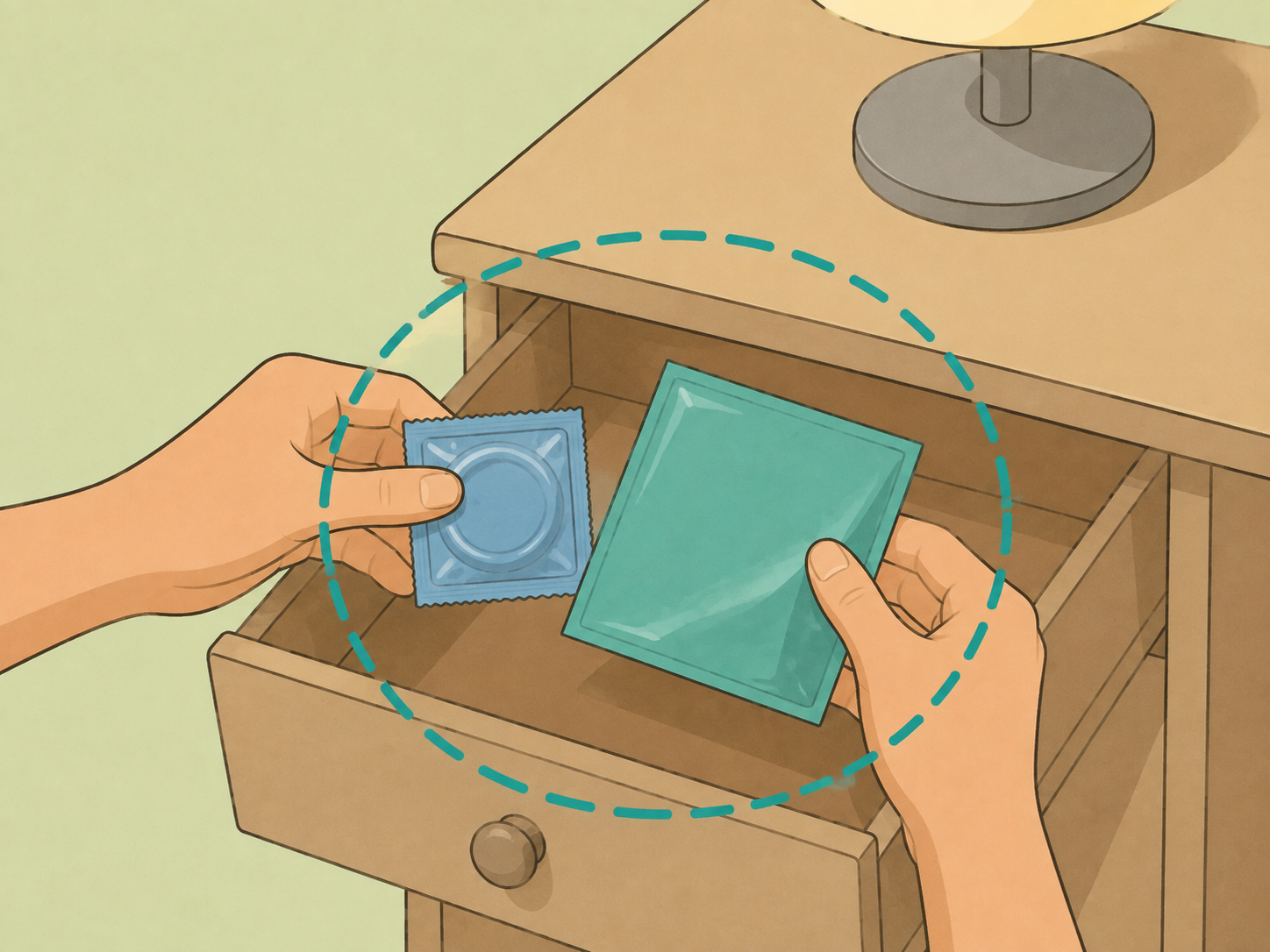
Condoms do not remove all HPV risk, but they can lower exposure when used correctly every time. CDC cervical cancer prevention guidance notes that condom use has been linked with lower cervical cancer rates, even though HPV can affect uncovered skin. Barriers also help reduce exposure to several other STIs.

Make STI testing a shared routine
Many STIs have no symptoms, so neither partner should rely on how they feel to judge risk. The CDC says testing is important for sexually active people and that the right tests depend on age, sexual history, practices, and symptoms. If either partner tests positive for an STI, ask a clinician whether both partners need treatment before sex resumes.
Ask about HPV vaccination for both partners
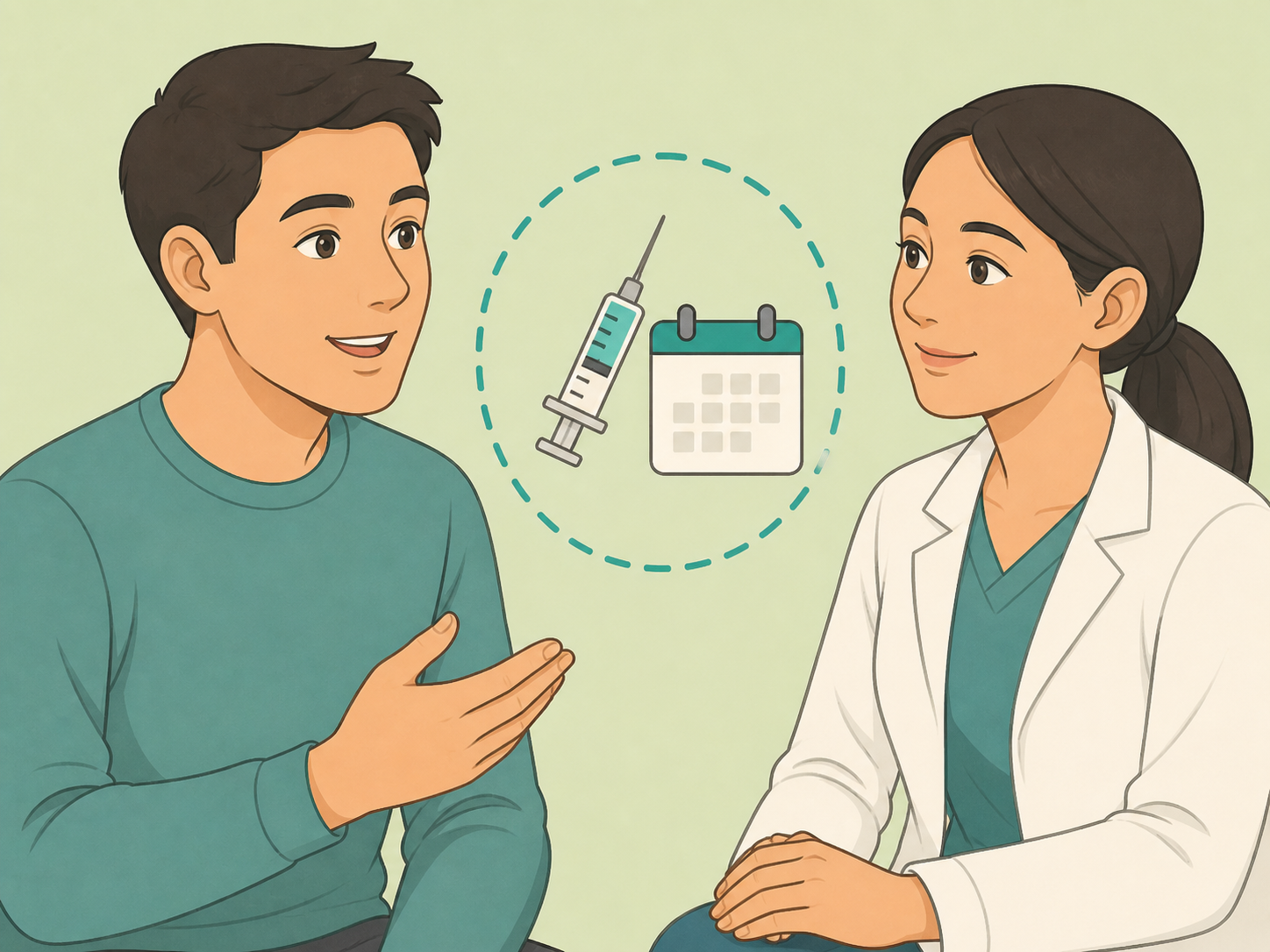
HPV vaccination helps prevent infection with HPV types linked to cervical cancer and other HPV-related diseases. CDC guidance says vaccination is routinely recommended at ages 11 to 12, catch-up vaccination is recommended through age 26, and some adults ages 27 through 45 may discuss vaccination with a clinician. A husband who is eligible can protect his own health and may reduce future shared exposure.
Keep tobacco smoke away from shared spaces
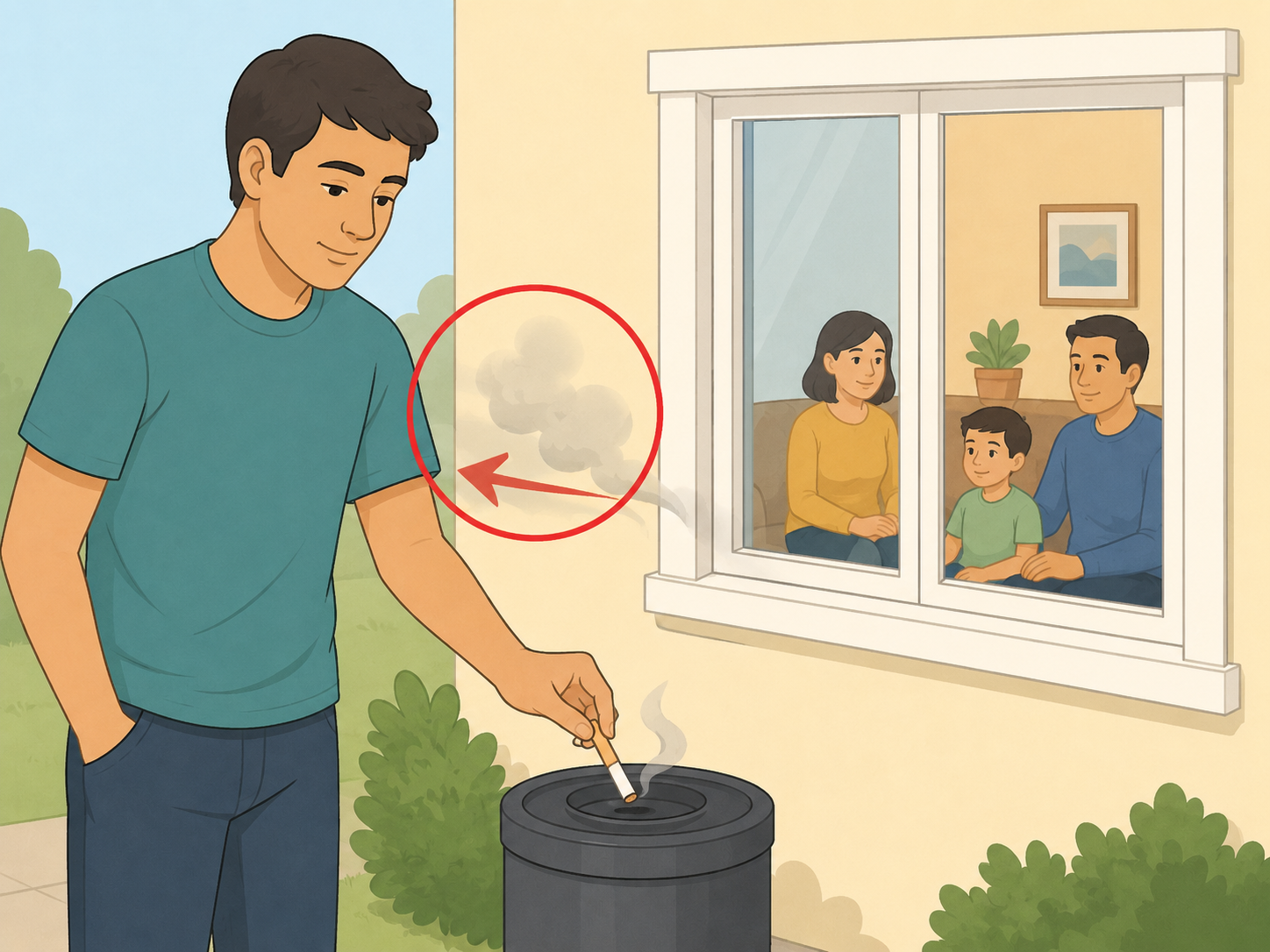
Smoking is linked with a higher risk of cervical cancer, and secondhand smoke matters too. The National Cancer Institute lists smoking or breathing secondhand smoke among factors that can increase cervical cancer risk. If a husband smokes, keeping the home and car smoke-free and seeking help to quit are practical protective steps.

Support regular cervical screening and follow-up
Cervical screening can find HPV-related cell changes before they become cancer. CDC STI guidance says average-risk people with a cervix generally start screening at age 21, with intervals based on age and test type, and that annual cervical cancer screening is not recommended for average-risk people. A supportive husband can help by respecting appointments, follow-up visits, and any anxiety around results.
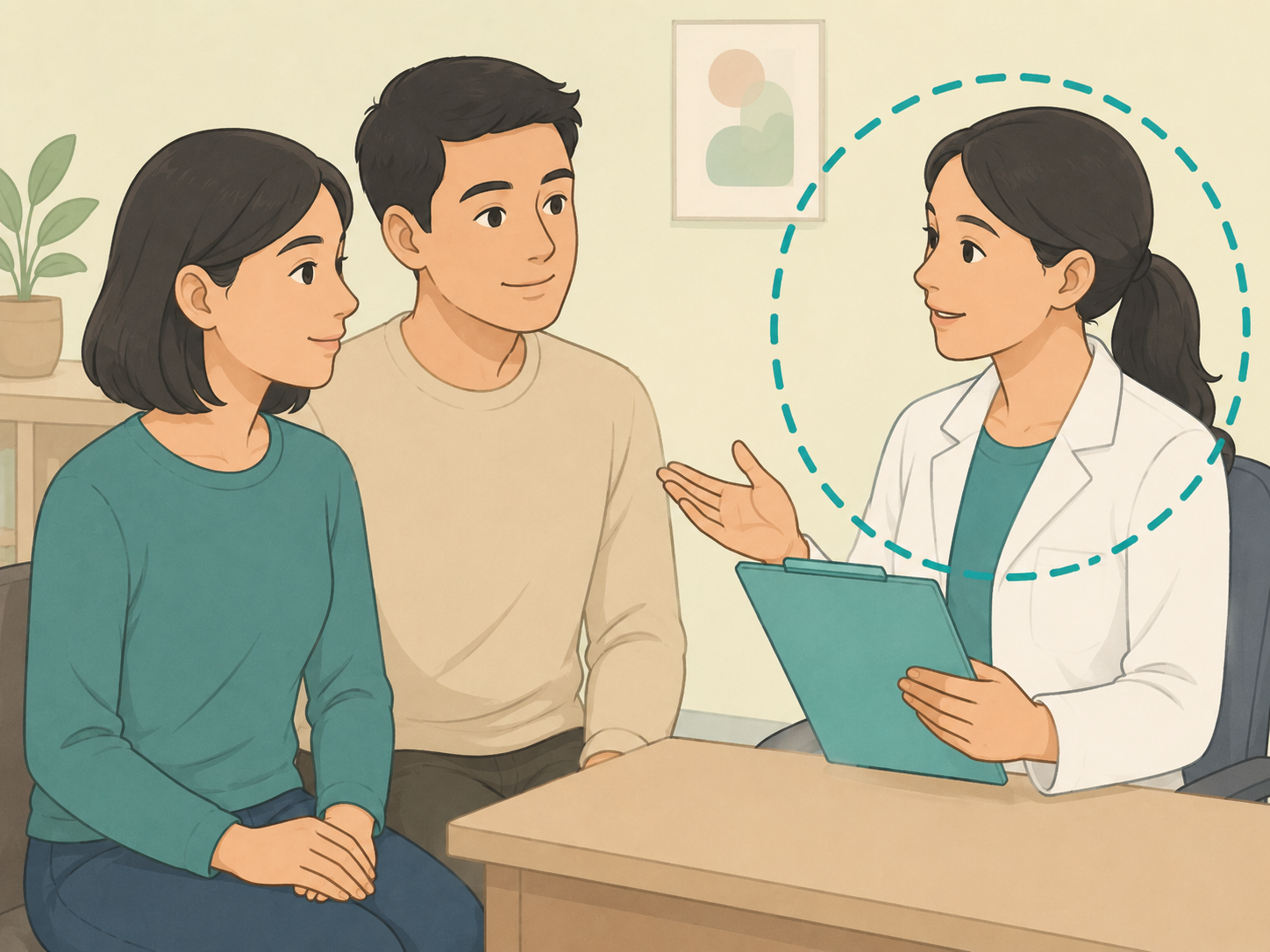
Seek medical care for symptoms or abnormal results
Do not wait for symptoms if a screening test is abnormal or follow-up is recommended. Mayo Clinic advises making an appointment for worrying symptoms such as unusual vaginal bleeding, watery or bloody discharge, pelvic pain, or pain during sex. A husband can help by taking symptoms seriously and supporting timely care.
Summary
The bottom line: a husband cannot control his wife's cervical health, but his habits can help lower shared risks. Honest sexual health conversations, condoms, STI testing, HPV vaccination when appropriate, smoke-free spaces, and regular cervical screening are practical ways to protect health together.
Frequently Asked Questions
- Can a husband give his wife HPV?
- Yes, HPV can be shared through sexual contact, including genital skin-to-skin contact. A positive HPV test does not prove when or from whom the infection came, because HPV can be present for years before it is found.
- Does a husband need an HPV test if his wife has HPV?
- Usually no. CDC guidance says sex partners do not need HPV testing, and HPV tests are used mainly as part of cervical cancer screening and follow-up, not as a general test for male partners.
- Do condoms completely prevent HPV?
- No. Condoms can lower the risk of HPV and other STIs when used correctly and consistently, but HPV can affect skin that a condom does not cover.
- Should a husband get the HPV vaccine?
- He should ask a healthcare professional if vaccination is appropriate. CDC recommends routine HPV vaccination for adolescents, catch-up vaccination through age 26, and shared decision-making for some adults ages 27 through 45.
- Can a husband's smoking affect cervical health?
- It can contribute to risk if it exposes his wife to secondhand smoke. The National Cancer Institute lists smoking or breathing secondhand smoke as a factor that can increase cervical cancer risk.
- Should an HPV result be treated as proof of cheating?
- No. HPV is common, often has no symptoms, and may be detected long after exposure. It is more helpful to focus on follow-up care, prevention, and honest communication than on blame.
References
Reliable references aided in composing and refining this content.
- https://www.cdc.gov/std/treatment-guidelines/hpv-cancer.htm
- https://www.cdc.gov/cervical-cancer/prevention/index.html
- https://www.cancer.gov/types/cervical/causes-risk-prevention
- https://www.cdc.gov/hpv/hcp/vaccination-considerations
- https://www.cdc.gov/sti/prevention/index.html
- https://www.cdc.gov/sti/testing/index.html
- https://www.mayoclinic.org/diseases-conditions/cervical-cancer/symptoms-causes/syc-20352501