
 Pin it
Honey and cinnamon are popular in home beauty and wellness routines, but the evidence does not support calling them a proven cure for many diseases. This guide explains how to use them safely, what limited benefits may be reasonable, and when to choose medical care instead. The goal is simple: enjoy them without letting internet claims replace evidence-based treatment.
Treat cure claims as unproven
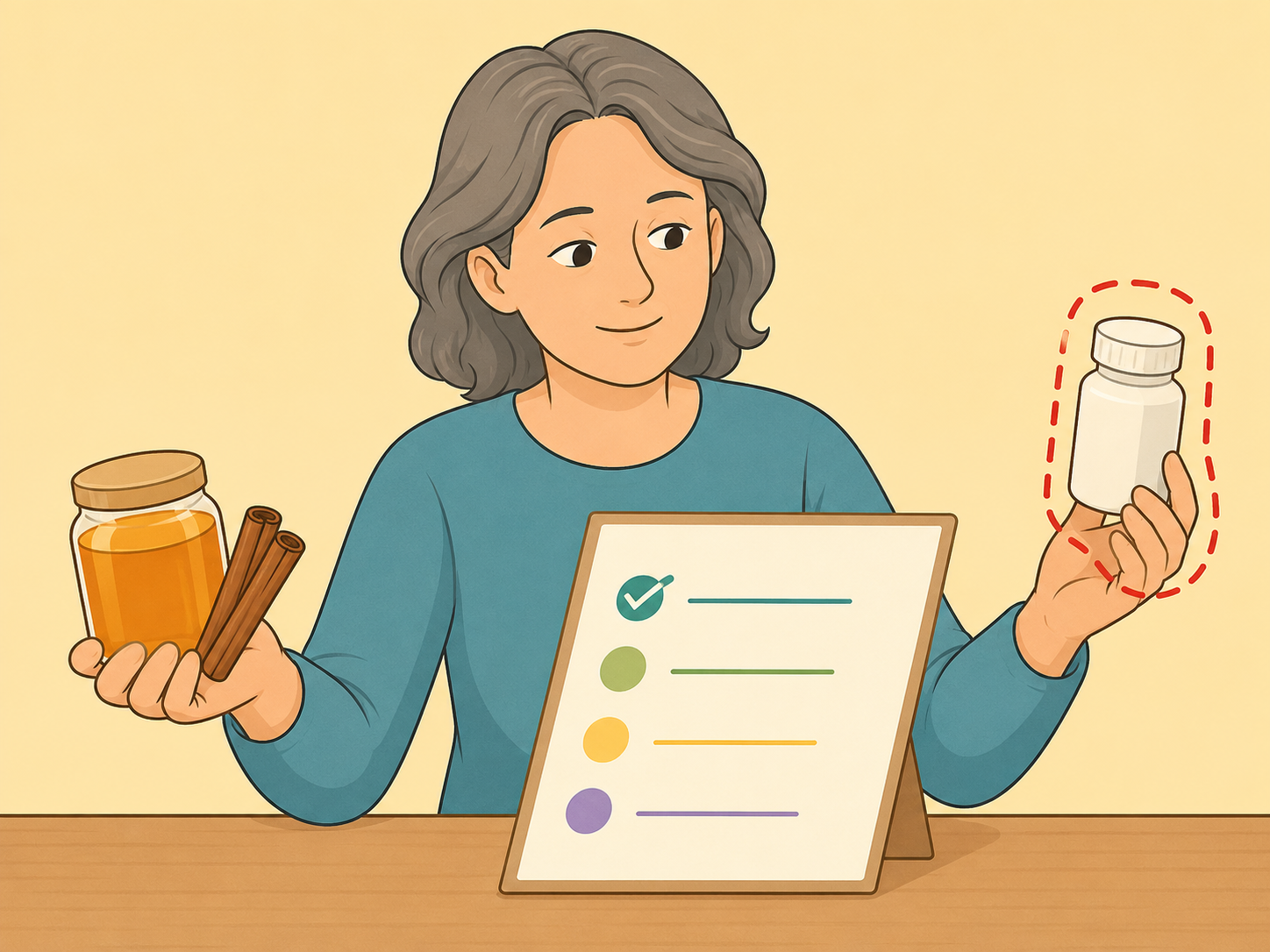
Do not use honey and cinnamon as a treatment for diabetes, heart disease, infections, weight loss, cancer, or any other medical condition. The National Center for Complementary and Integrative Health says research does not clearly support cinnamon for any health condition, and combining it with honey has not been proven to create a cure. Keep them as food ingredients or simple comfort measures, not as replacements for medical care.
Use food amounts instead of medicinal doses
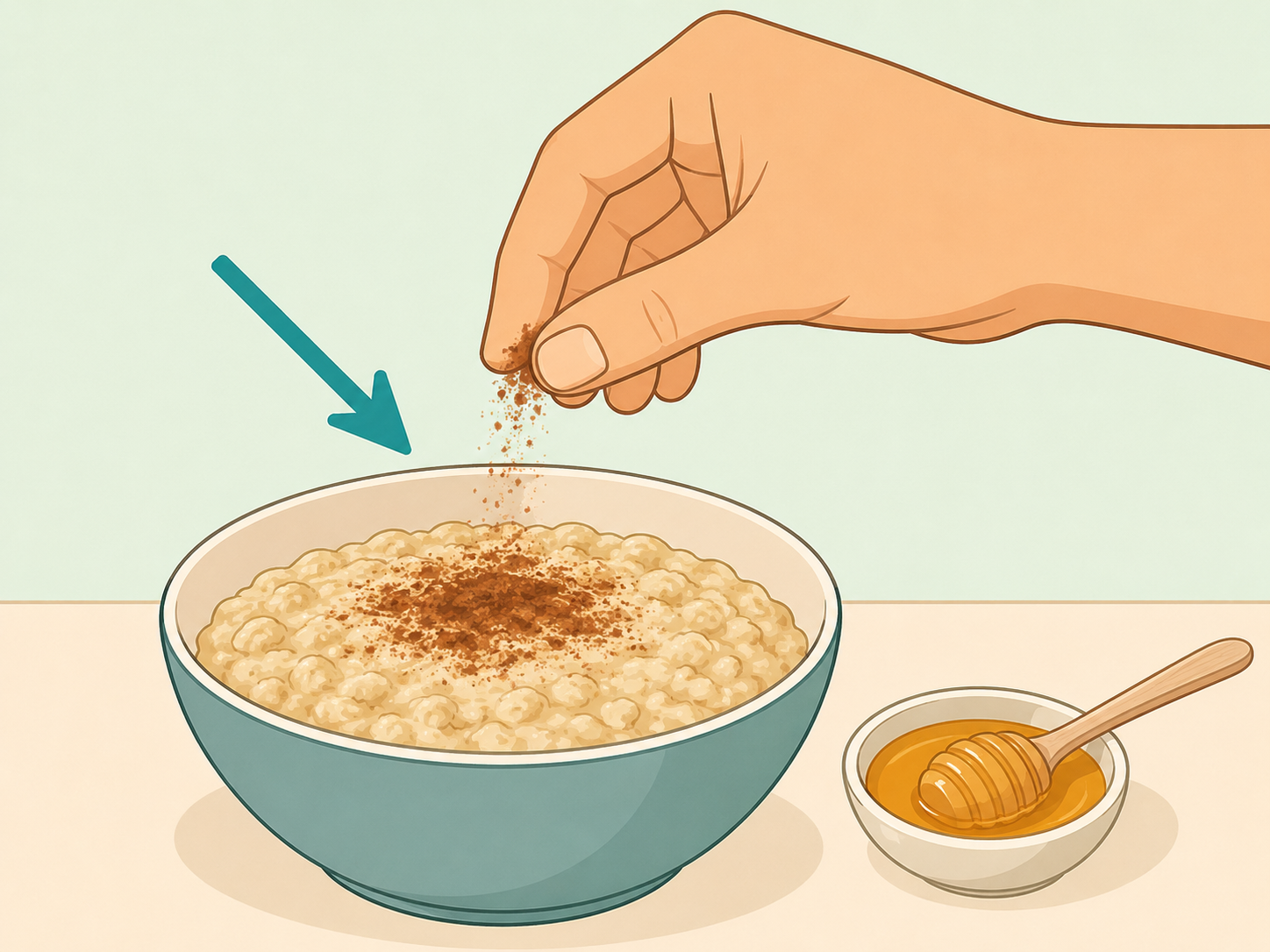
Sprinkling cinnamon on oatmeal or stirring a little honey into tea is very different from taking large amounts daily. Cinnamon is generally considered safe in typical food amounts, but larger or long-term cinnamon use can be linked with digestive issues, allergic reactions, and coumarin concerns from cassia cinnamon. Honey is also a sugar, so use it modestly.
Try honey only for a mild cough if appropriate
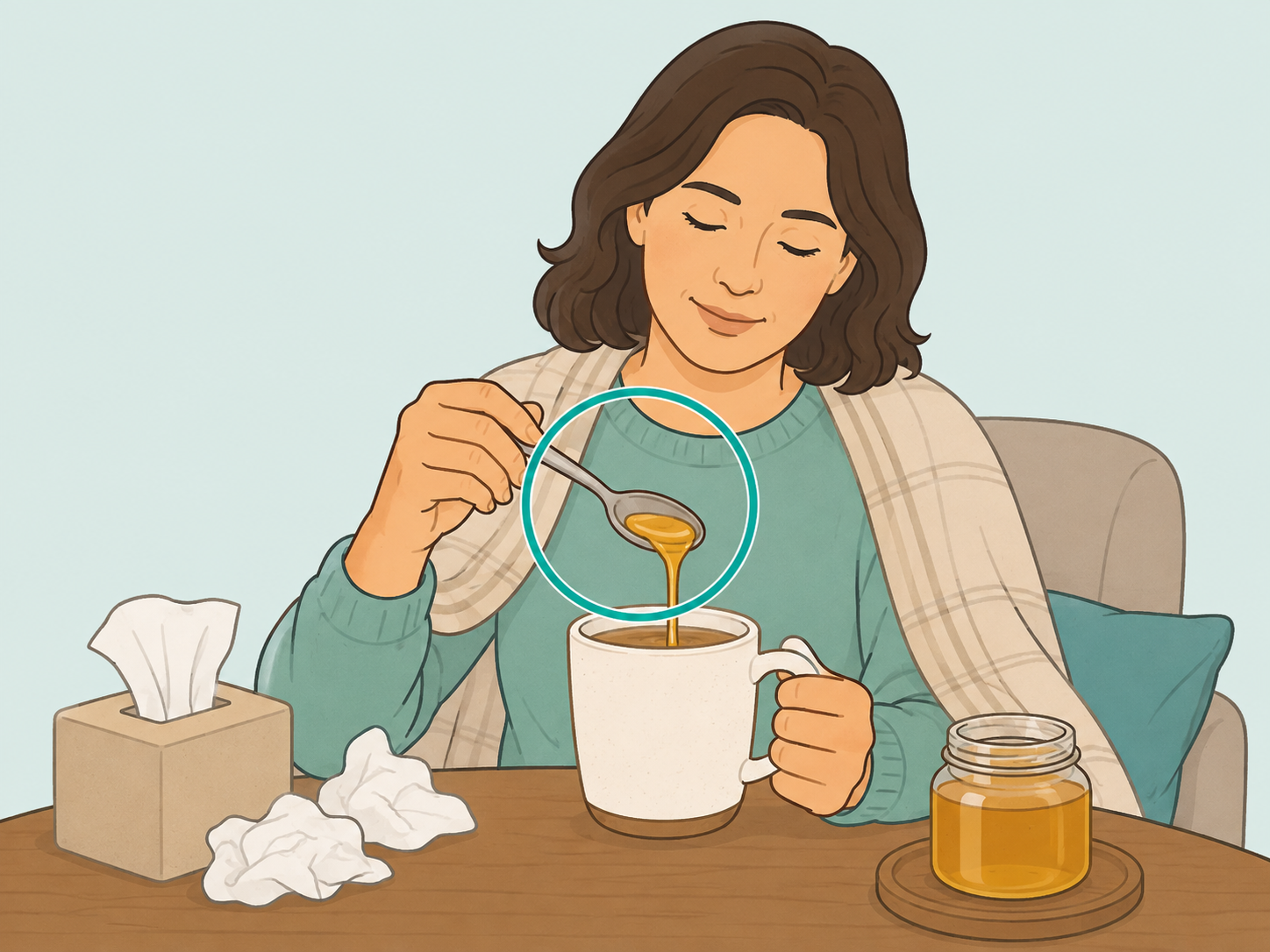
For adults and children over age 1, honey may help calm a mild cough from an upper respiratory infection and improve sleep, according to Mayo Clinic. Use it as a soothing option, not as a cure for the cause of the cough. If symptoms are severe, lasting, or unusual, get medical advice instead of repeating home remedies.
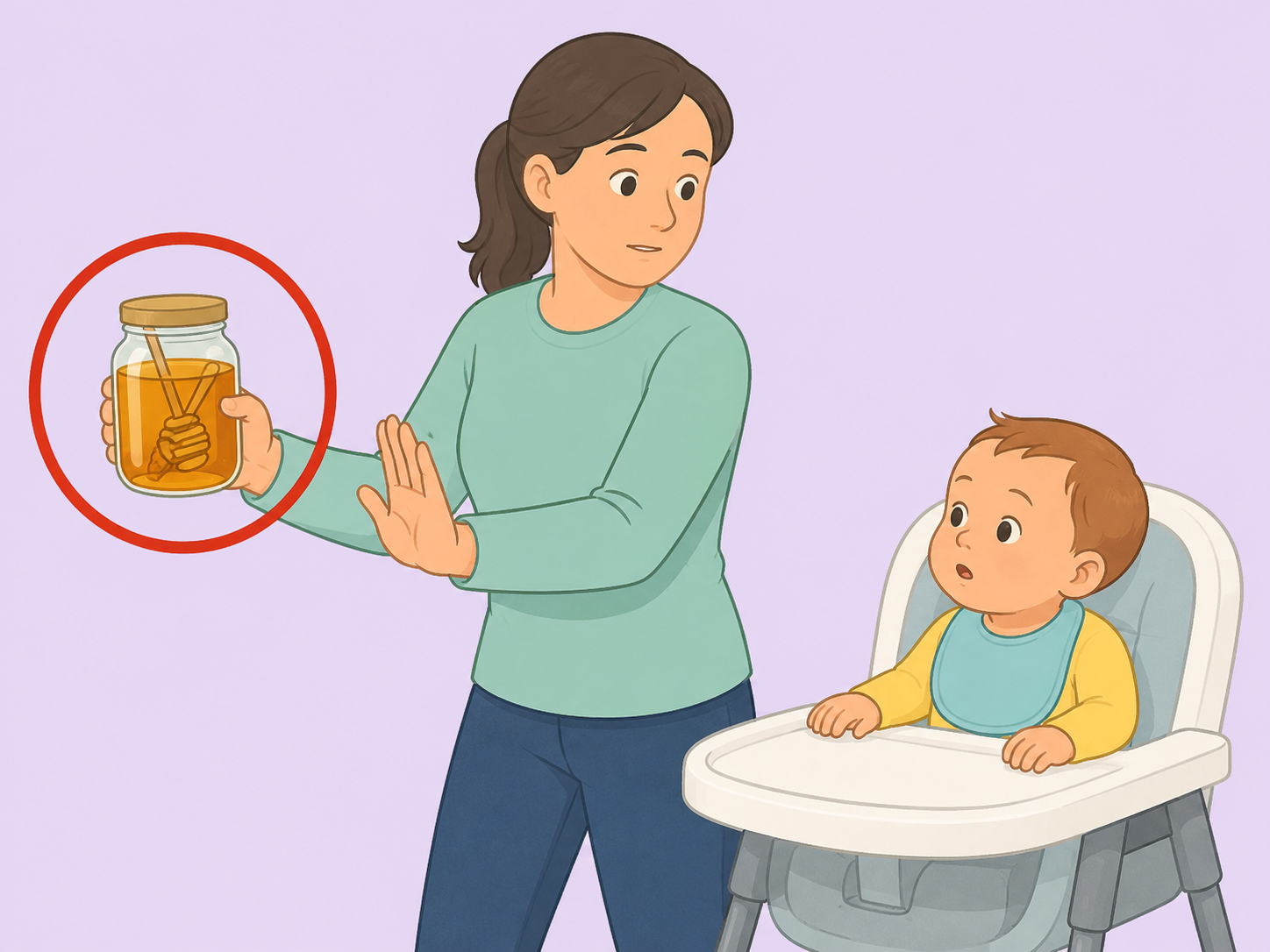
Keep honey away from babies under 12 months
Never give honey to a baby younger than 12 months, even mixed into water, food, or a pacifier. The CDC warns that honey can cause infant botulism, a rare but serious food poisoning. This safety rule applies to raw honey, pasteurized honey, and foods made with honey.
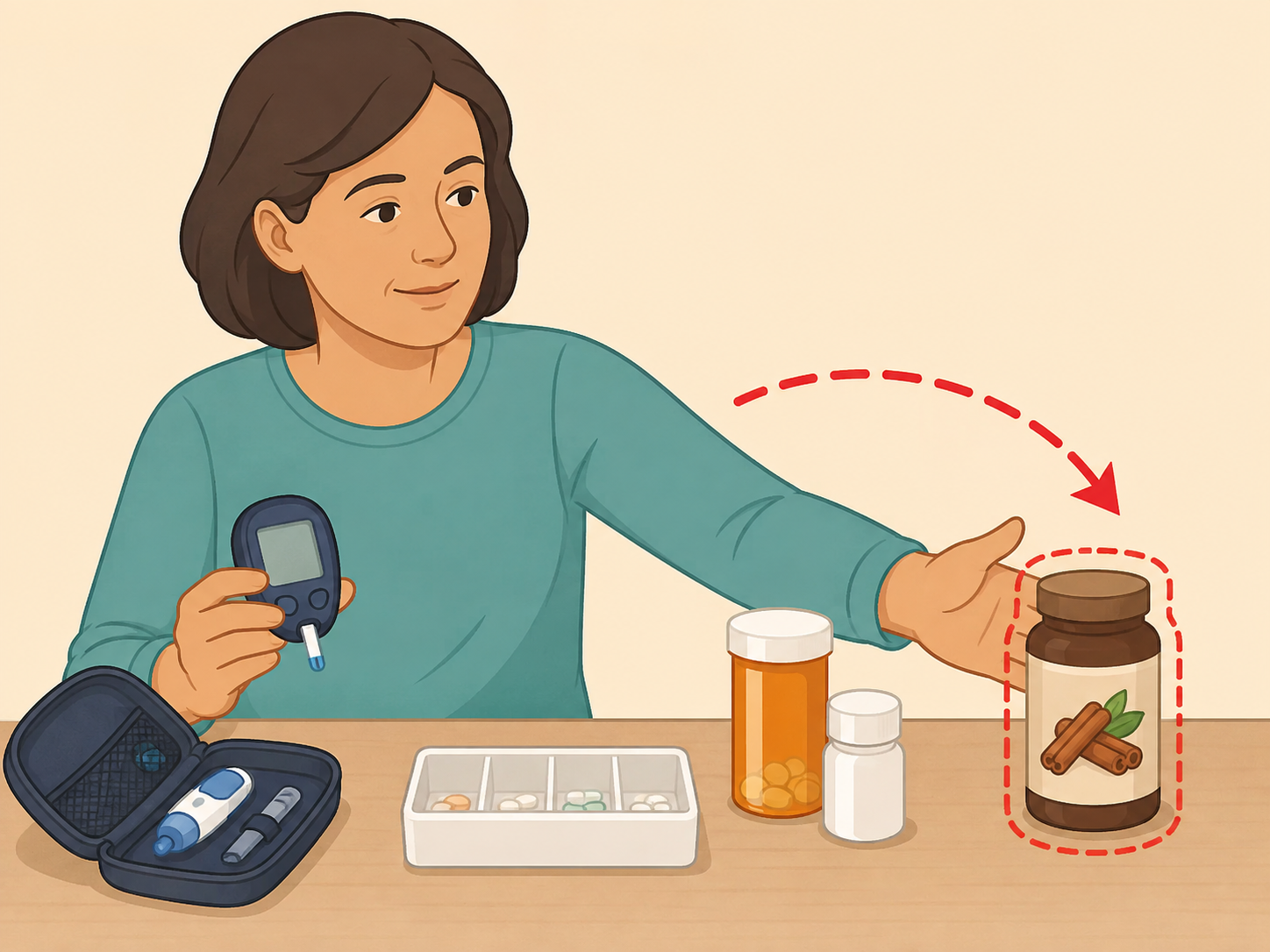
Avoid using cinnamon supplements to manage blood sugar
Some studies have looked at cinnamon and blood sugar, but the evidence is not strong enough to replace diabetes care. NCCIH notes that herbal supplements have not been proven to control diabetes or its complications, and cinnamon may interact with diabetes medications. Do not change medication, insulin, diet plans, or monitoring routines because of a honey-and-cinnamon claim.
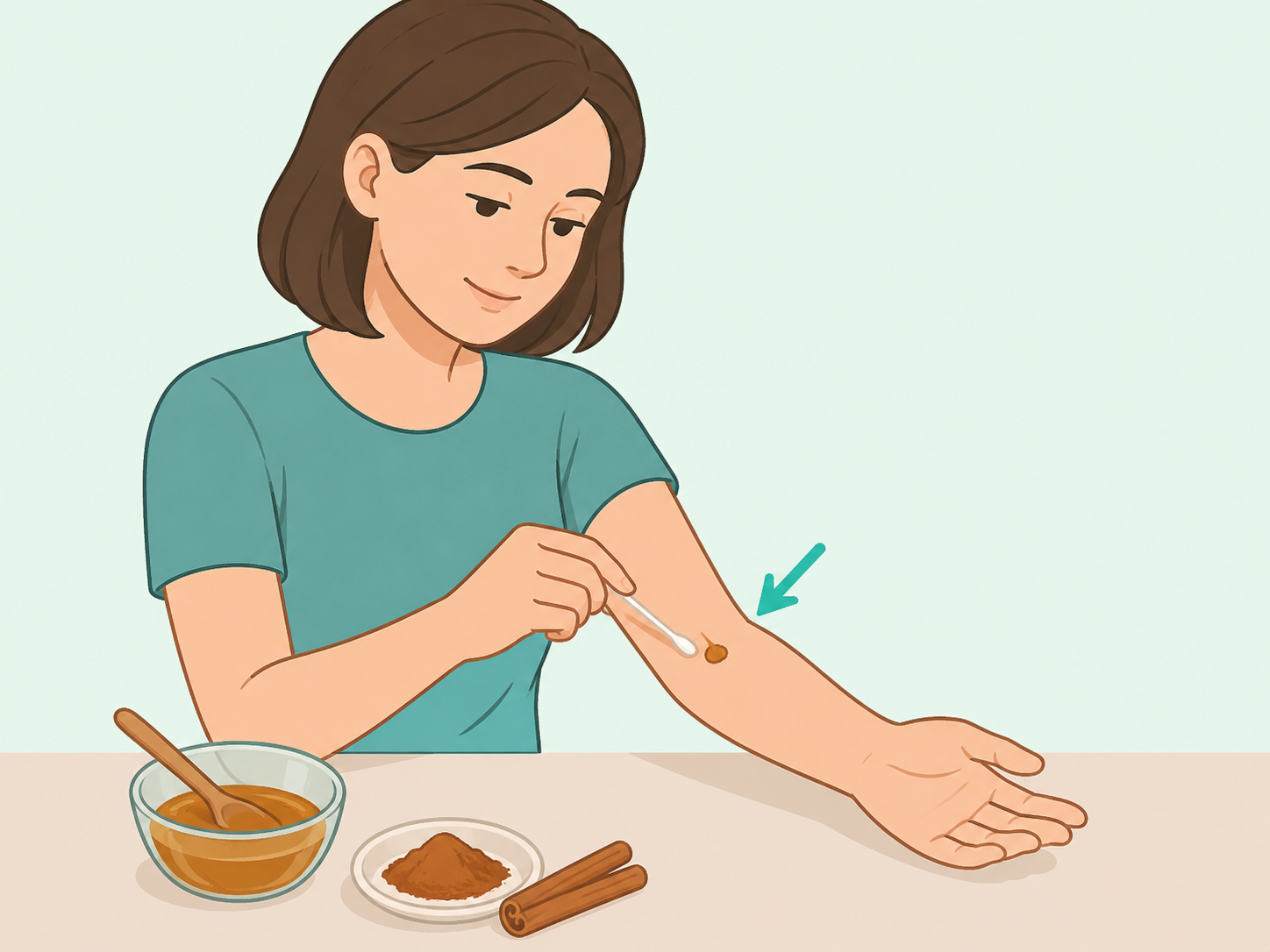
Patch test before putting either ingredient on your skin
If you want to try a honey-and-cinnamon mask, test a tiny amount on the inner arm first and wait at least 24 hours. Cinnamon and other skin-contact substances can trigger irritant or allergic contact dermatitis, which Cleveland Clinic describes as an itchy rash caused by an irritant or allergen. Do not use the mixture on broken, burned, infected, or freshly shaved skin.
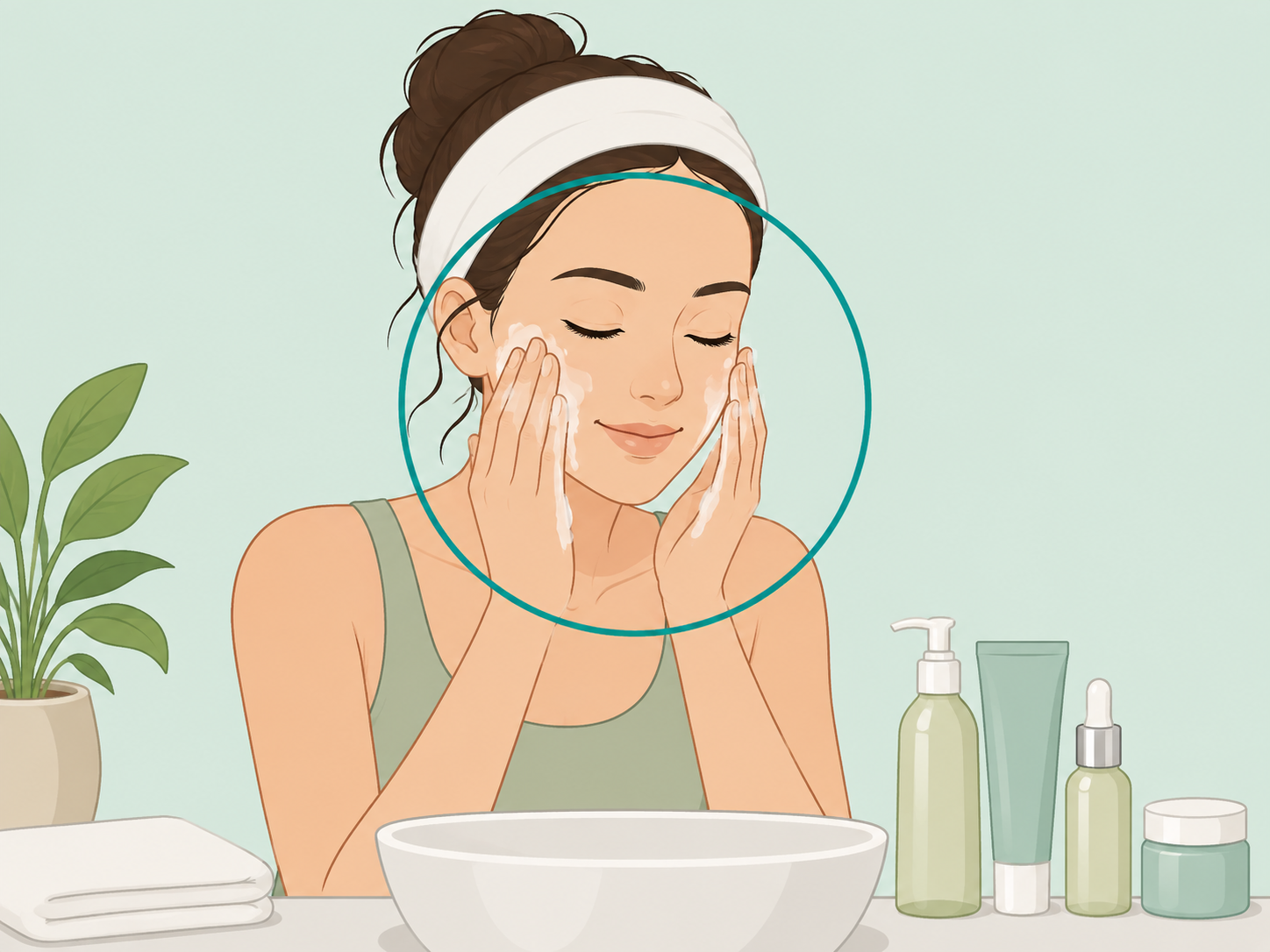
Follow a gentle acne routine instead of harsh scrubs
For acne-prone skin, focus on gentle cleansing, non-comedogenic products, and avoiding scrubbing or picking. The American Academy of Dermatology recommends washing gently up to twice daily and using acne treatments consistently rather than frequently switching products. Honey and cinnamon should not replace dermatologist-backed acne care, especially if acne is painful, deep, or scarring.
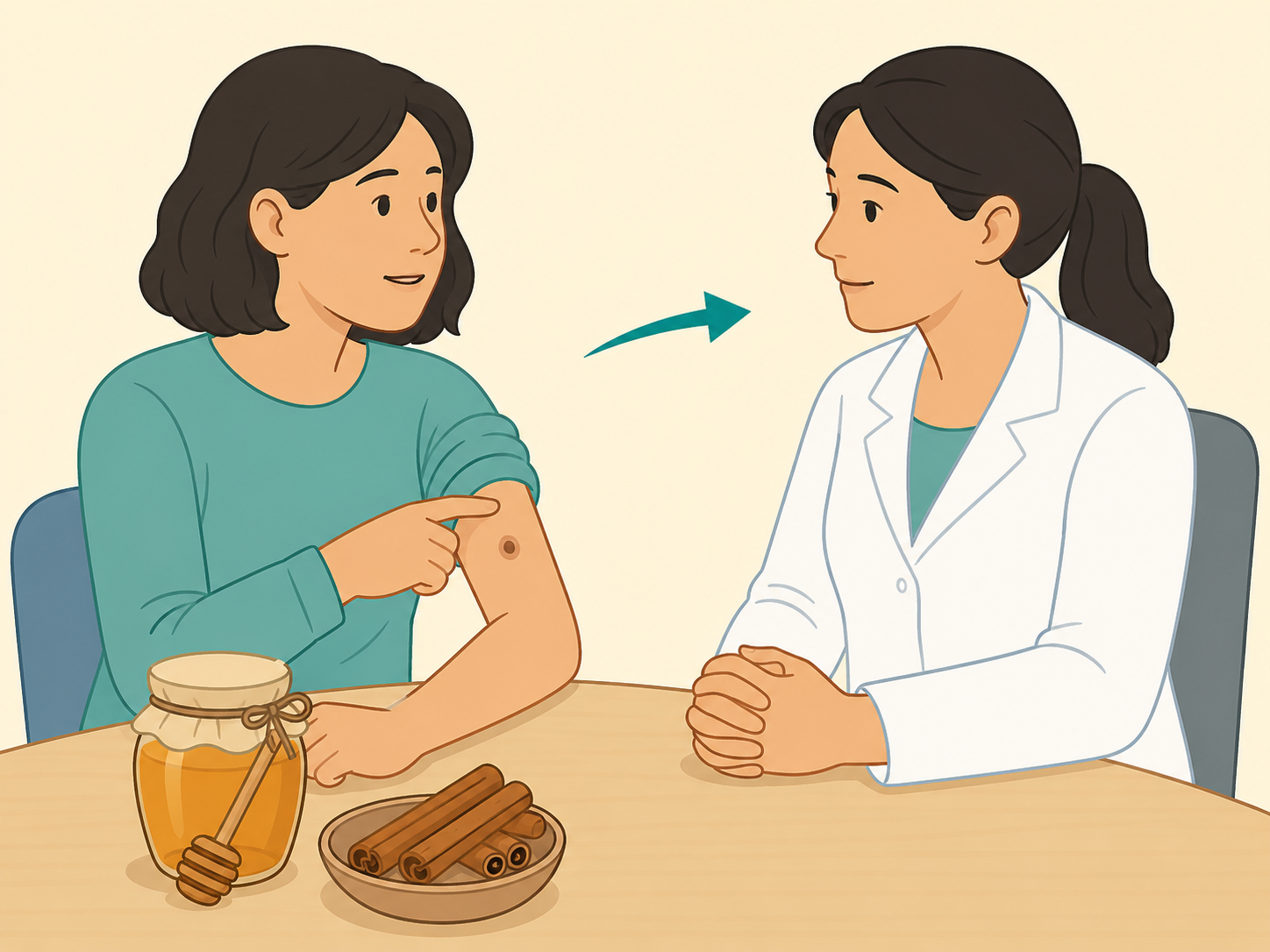
See a doctor for persistent symptoms or open wounds
Get medical care if a cough lasts more than several days with fever, shortness of breath, chest pain, dehydration, or worsening symptoms. Also see a clinician for burns, deep cuts, spreading redness, pus, diabetes-related foot sores, or slow-healing wounds; evidence reviews on medical honey for wounds do not mean pantry honey is safe for self-treating serious skin injuries. Natural ingredients can delay needed care if they are treated like medicine.
Summary
The bottom line: honey and cinnamon can be pleasant, useful ingredients, but they are not a cure-all. Keep them in the role of food, gentle comfort, or cautious skin experimentation, and talk to a health professional about symptoms, chronic conditions, medications, or skin problems that do not improve.
Frequently Asked Questions
- Are honey and cinnamon a proven cure for diseases?
No. Cinnamon has been studied for some conditions, but the National Center for Complementary and Integrative Health says research does not clearly support using cinnamon for any health condition. Honey may help soothe some coughs, but that is not the same as curing an illness.
- Can I use honey and cinnamon for acne?
Be cautious. Honey and cinnamon are not standard acne treatments, and cinnamon can irritate skin. Dermatologists recommend gentle cleansing and proven acne ingredients for mild acne, and a dermatologist visit for painful, deep, scarring, or persistent acne.
- Is it safe to drink honey and cinnamon every day?
Small food amounts are usually fine for many adults, but honey is still added sugar and cinnamon can cause problems in larger or long-term medicinal amounts. People with diabetes, liver disease, pregnancy, breastfeeding, allergies, or regular medications should ask a clinician first.
- Which cinnamon is safer, Ceylon or cassia?
Ceylon cinnamon generally contains only trace coumarin, while cassia cinnamon can contain more. Since cassia is common in North America, avoid using large amounts as a supplement unless your health professional says it is appropriate.
- Can honey be used on wounds?
Do not put grocery-store honey on open wounds. Medical-grade honey dressings are different from pantry honey, and evidence for wound use depends on the wound type. Get professional care for burns, deep cuts, infected wounds, diabetic foot wounds, or slow-healing skin.
- Who should avoid honey?
Never give honey to a child under 12 months old because of the risk of infant botulism. Anyone with a honey, pollen, bee-product, or cinnamon allergy should avoid using those ingredients by mouth or on the skin.
References
Reliable references aided in composing and refining this content.
- https://www.nccih.nih.gov/health/cinnamon?nav=insta
- https://www.nccih.nih.gov/health/diabetes-and-dietary-supplements-what-you-need-to-know
- https://www.mayoclinic.org/symptoms/cough/expert-answers/honey/faq-20058031
- https://www.cdc.gov/infant-toddler-nutrition/foods-and-drinks/foods-and-drinks-to-avoid-or-limit.html
- https://www.aad.org/public/diseases/acne/skin-care/tips
- https://my.clevelandclinic.org/health/diseases/6173-contact-dermatitis
- https://www.ncbi.nlm.nih.gov/books/NBK538361