
 Pin it
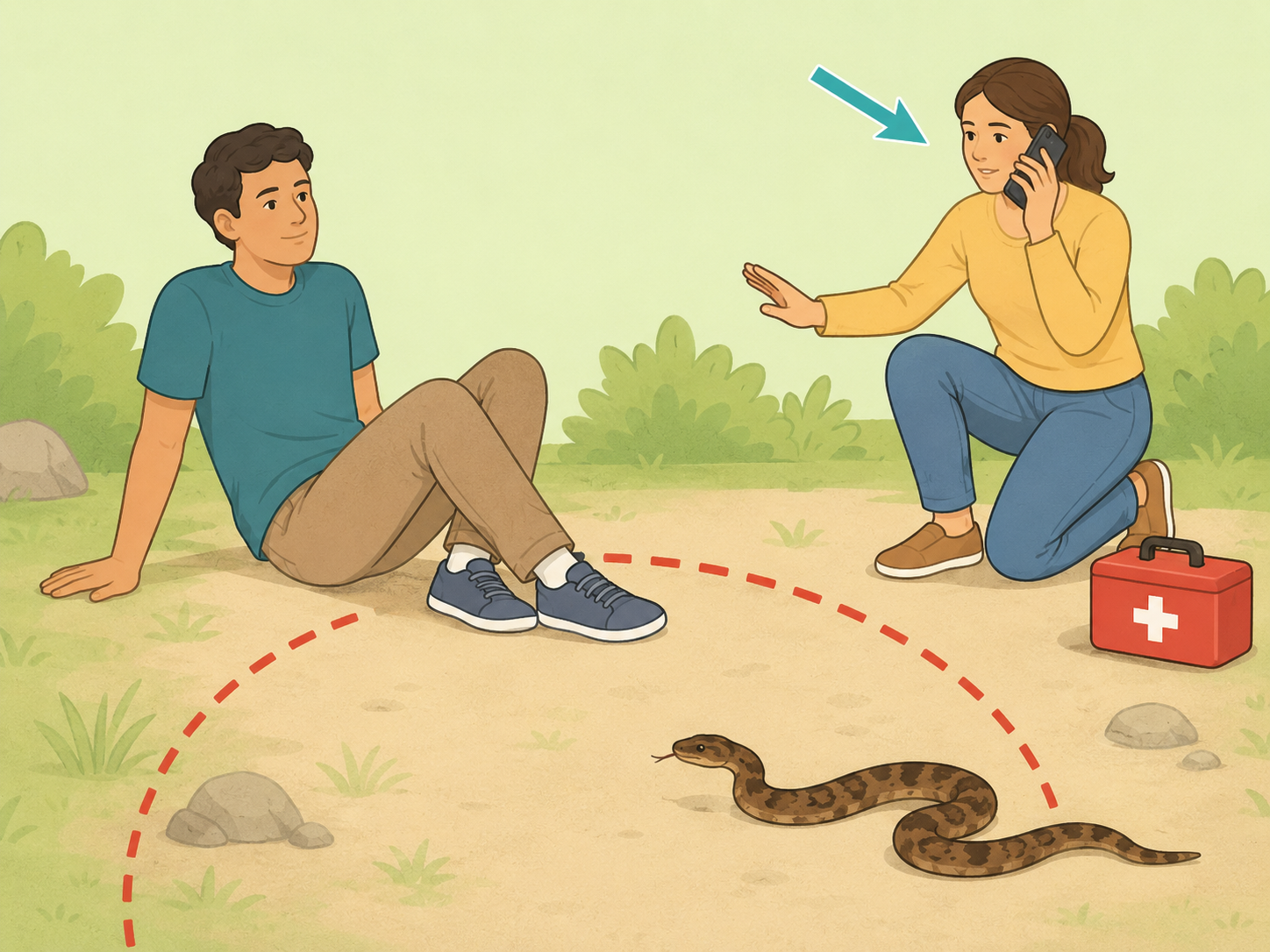
A snake bite can be frightening, but the first few minutes are about staying safe and getting medical help. Treat any unknown snake bite as potentially serious, even if pain or swelling seems mild at first. This guide explains what to do first while you wait for professional care.
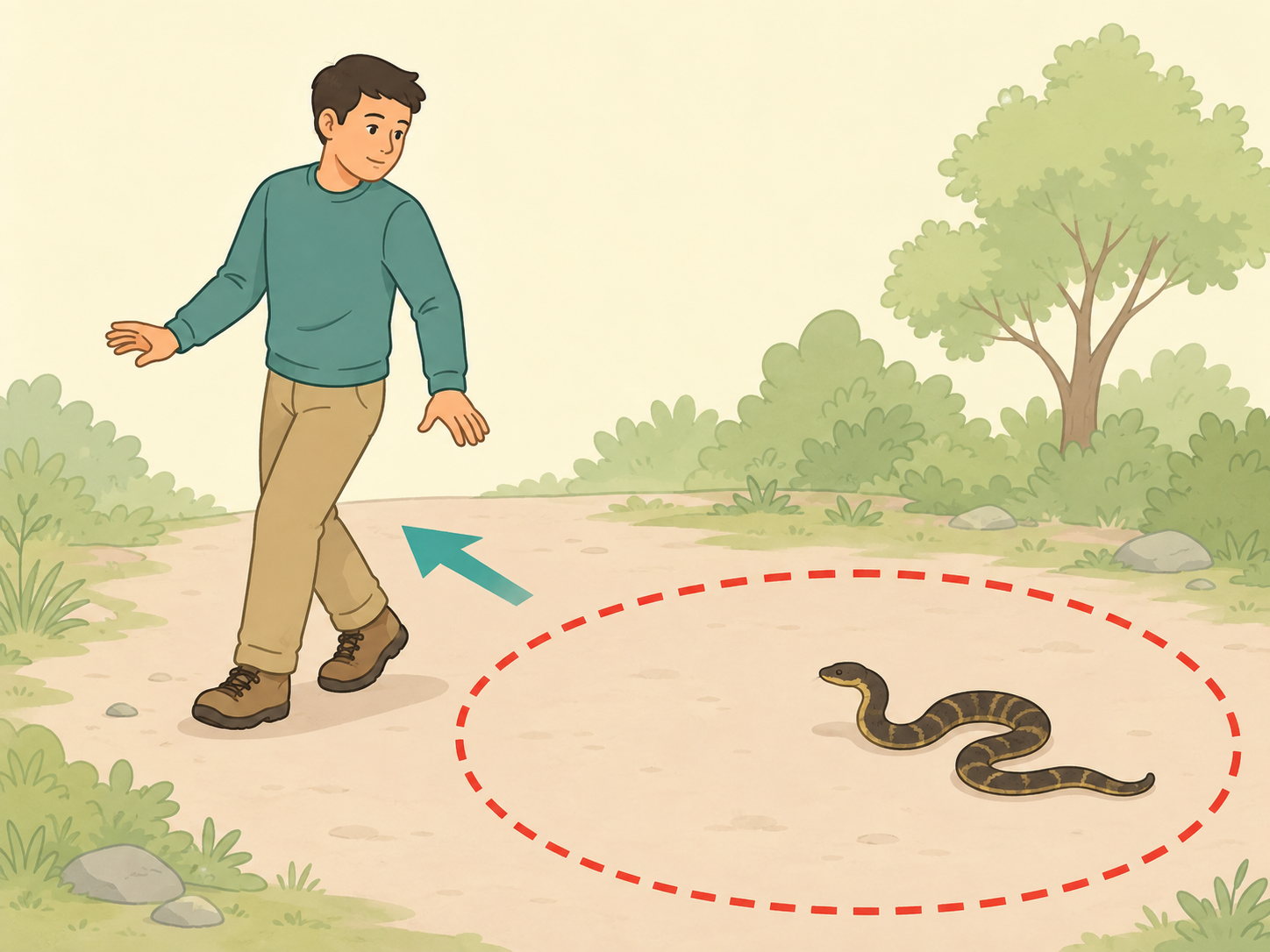
Move away from the snake
Put distance between you and the snake right away so it cannot bite again. The Mayo Clinic first-aid guidance recommends moving far away from the snake before starting other care.
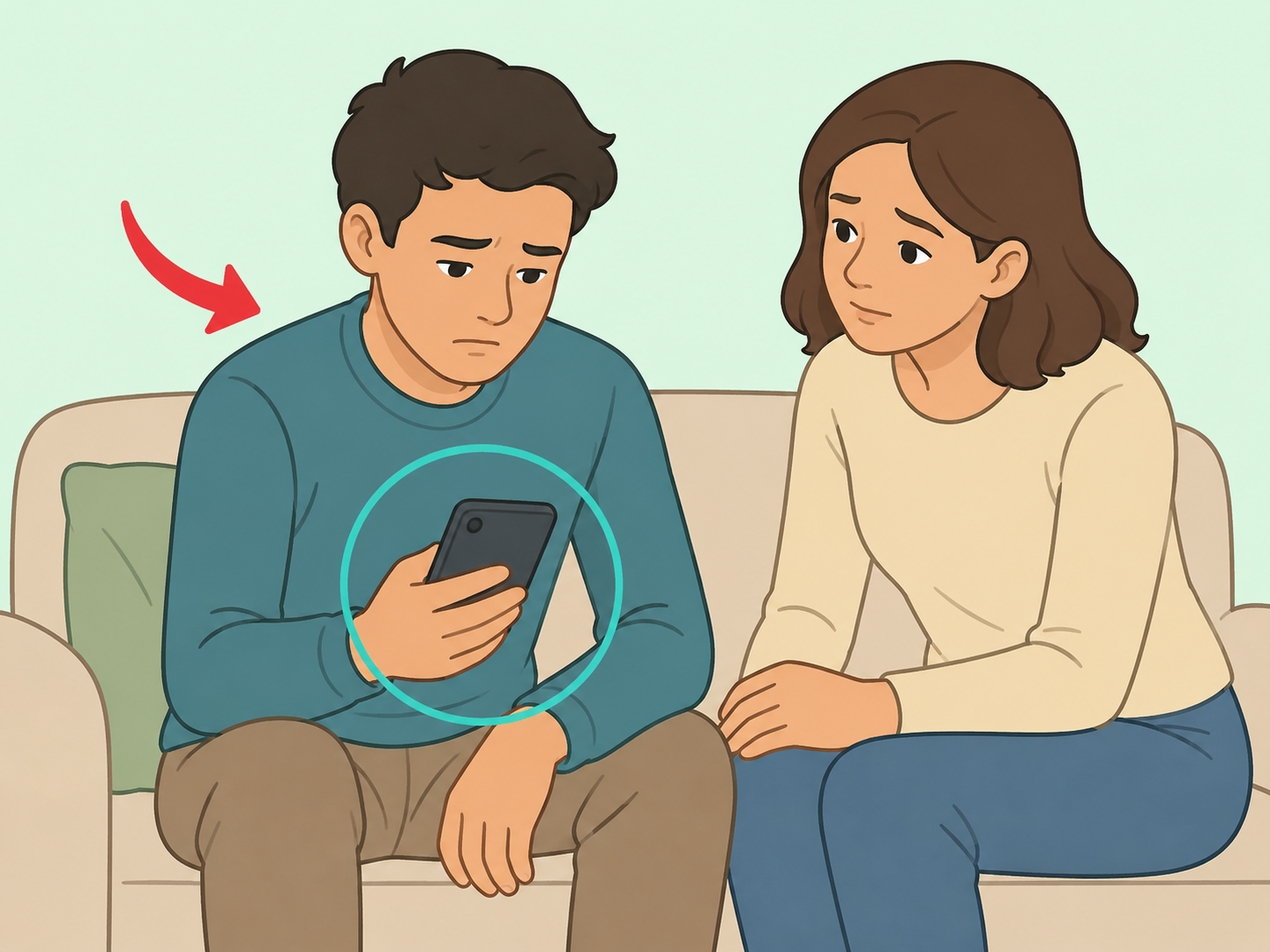
Call emergency help immediately
Call 911 or your local emergency number as soon as you are safely away. MedlinePlus explains that venomous snake bites are medical emergencies, and prompt emergency care is the safest way to get antivenom if it is needed.
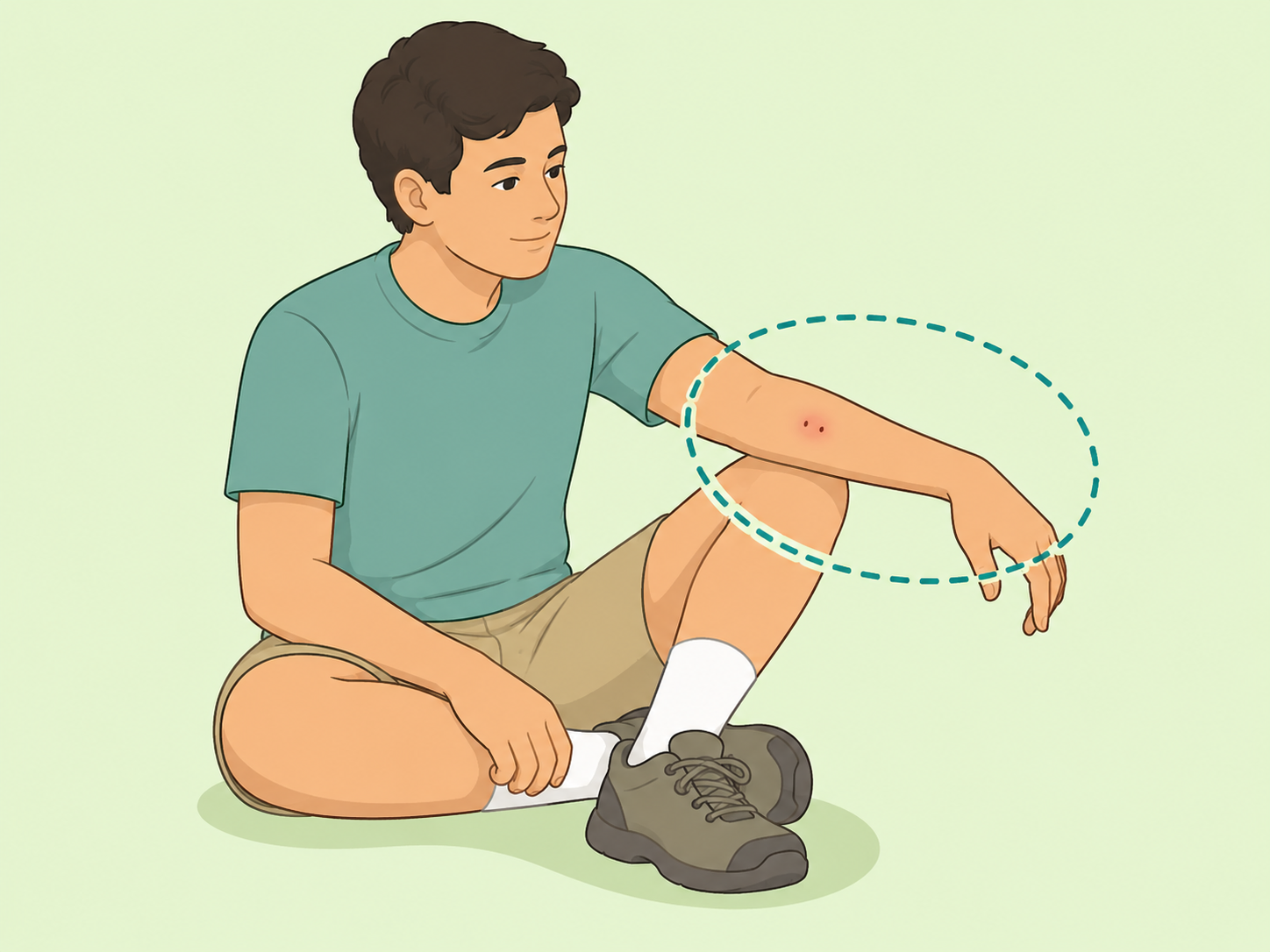
Stay still and keep calm
Sit or lie down and limit movement while you wait for help. The CDC advises staying calm and keeping the bitten area in a neutral position of comfort, because unnecessary movement may make symptoms harder to manage.
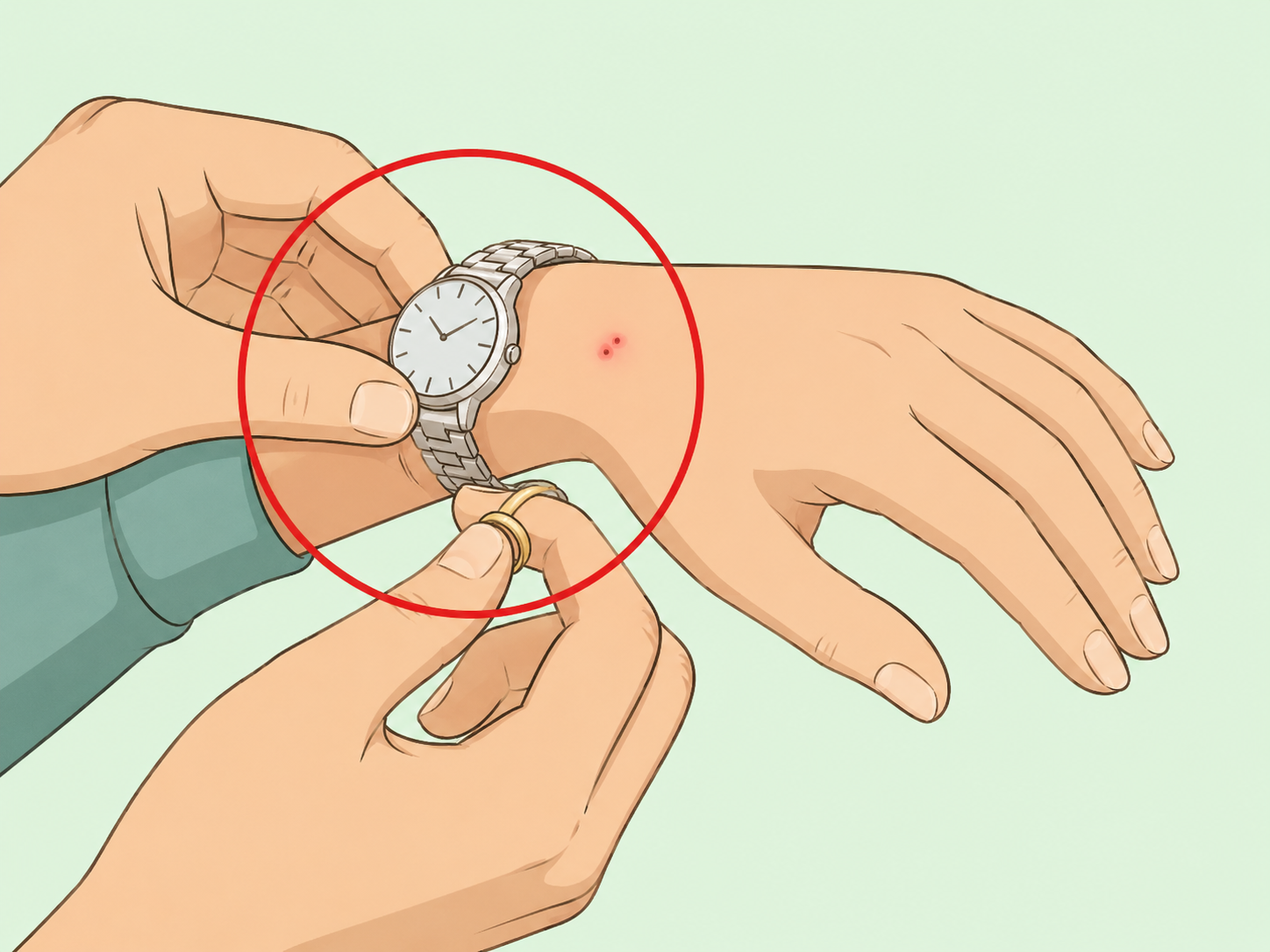
Remove jewelry and tight clothing
Take off rings, watches, bracelets, shoes, or tight clothing near the bite before swelling starts. The Mayo Clinic notes that swelling can develop after a venomous bite, so removing tight items early helps prevent constriction.
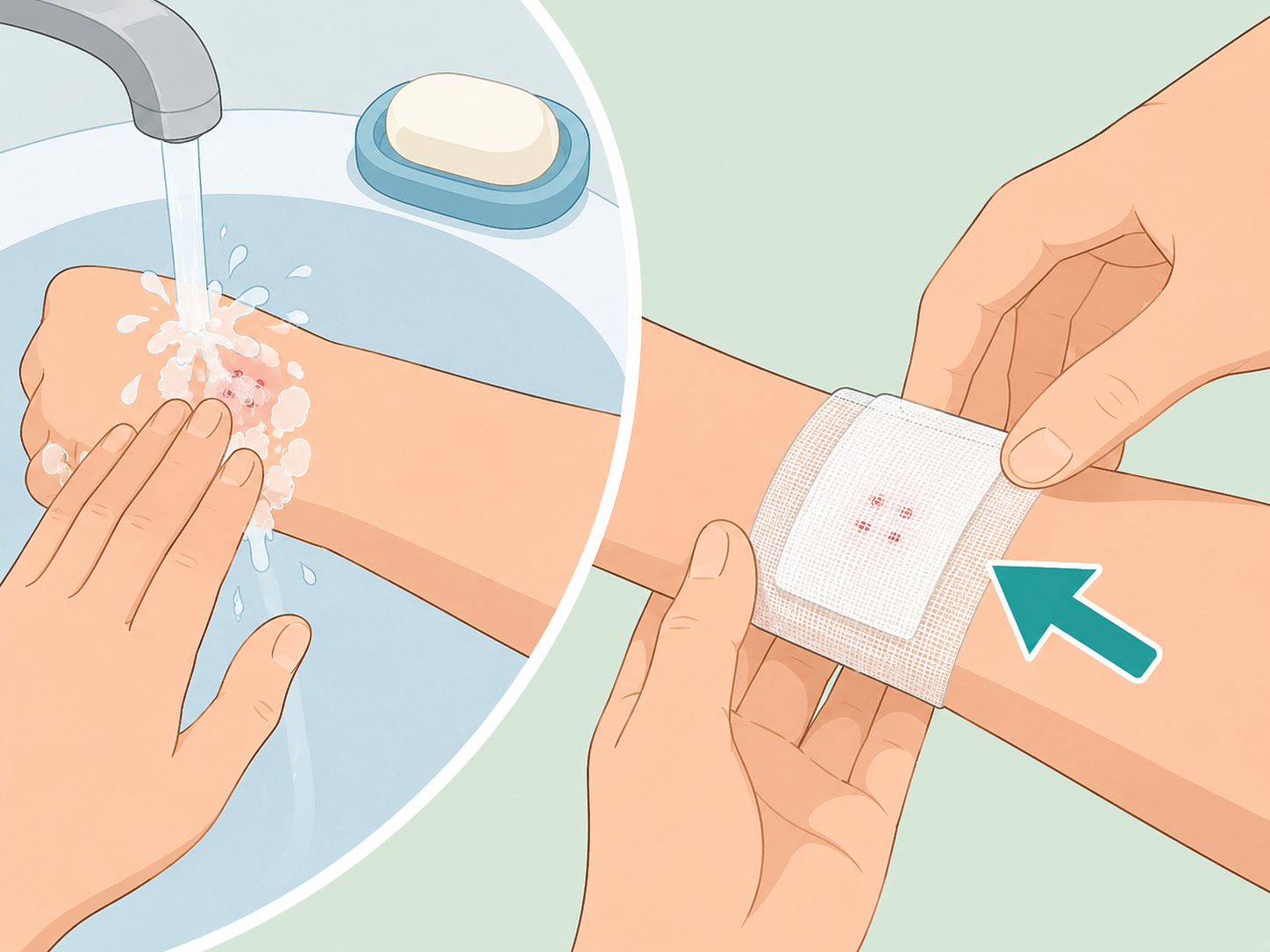
Clean and loosely cover the bite
If you can do it without delaying emergency care, gently wash the bite with soap and water. Then cover it with a clean, dry dressing, following CDC first-aid advice for snake bites.
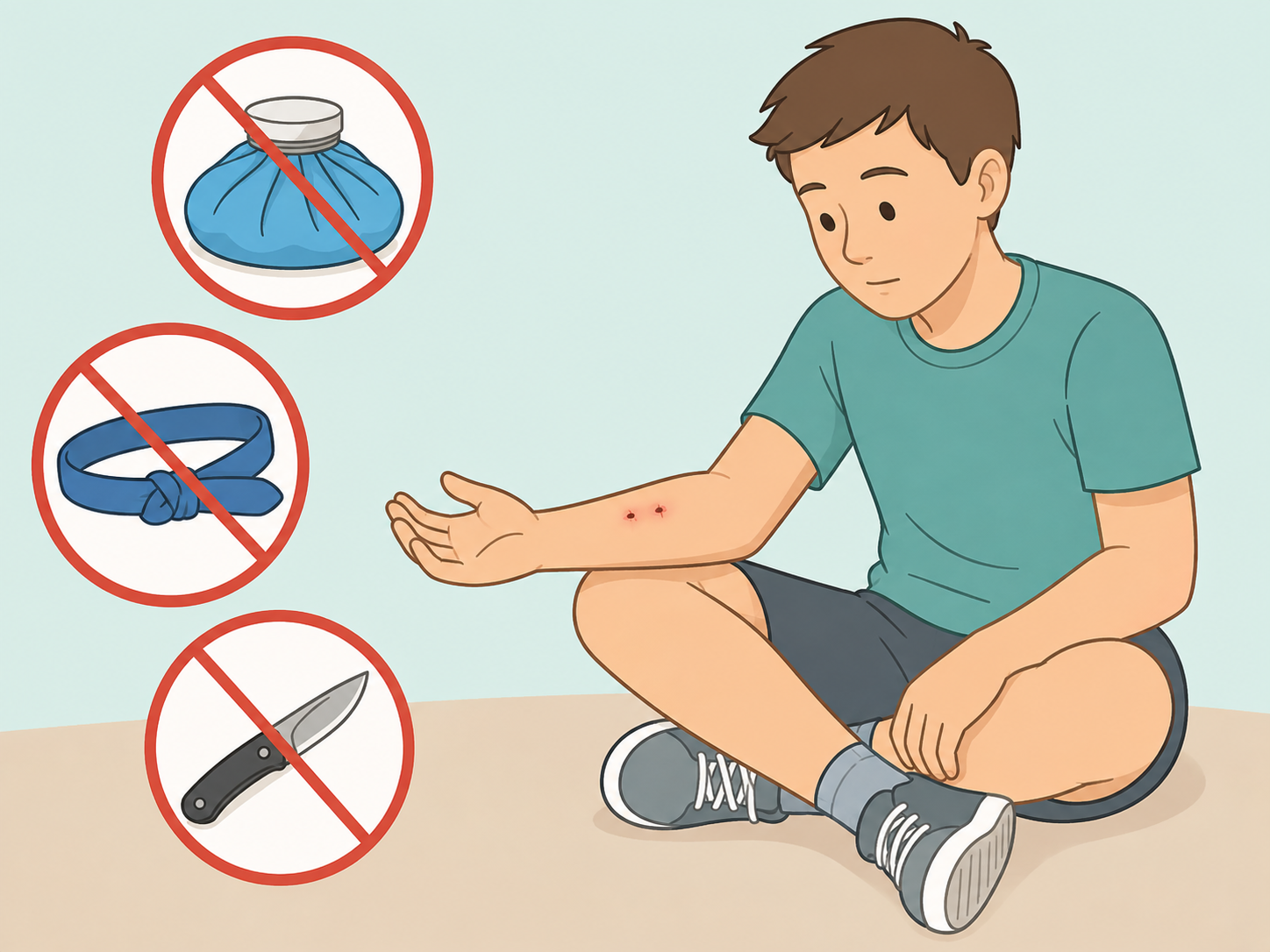
Avoid unsafe first-aid remedies
Do not use a tourniquet, cut the bite, suck out venom, apply ice, drink alcohol, or use folk remedies. The CDC Yellow Book says cutting, suction, tourniquets, topical treatments, herbs, and other folk remedies are not recommended.
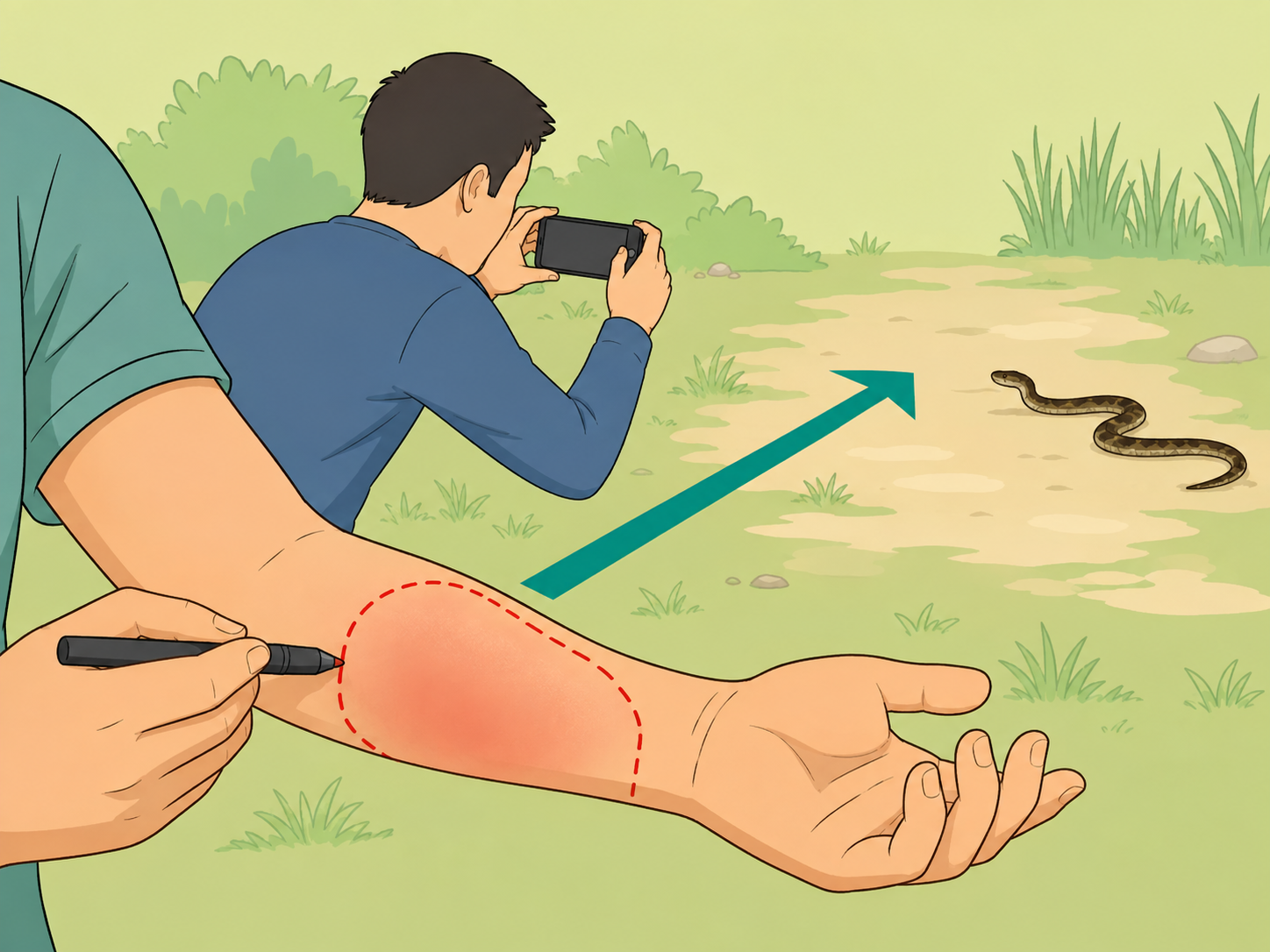
Note the snake and track swelling safely
If you can remember the snake's color, size, or shape, share that with emergency responders. If it is safe and does not delay care, take a photo from a distance; the CDC says a safe photo may help identify the snake, and marking swelling with the time can help clinicians assess changes.
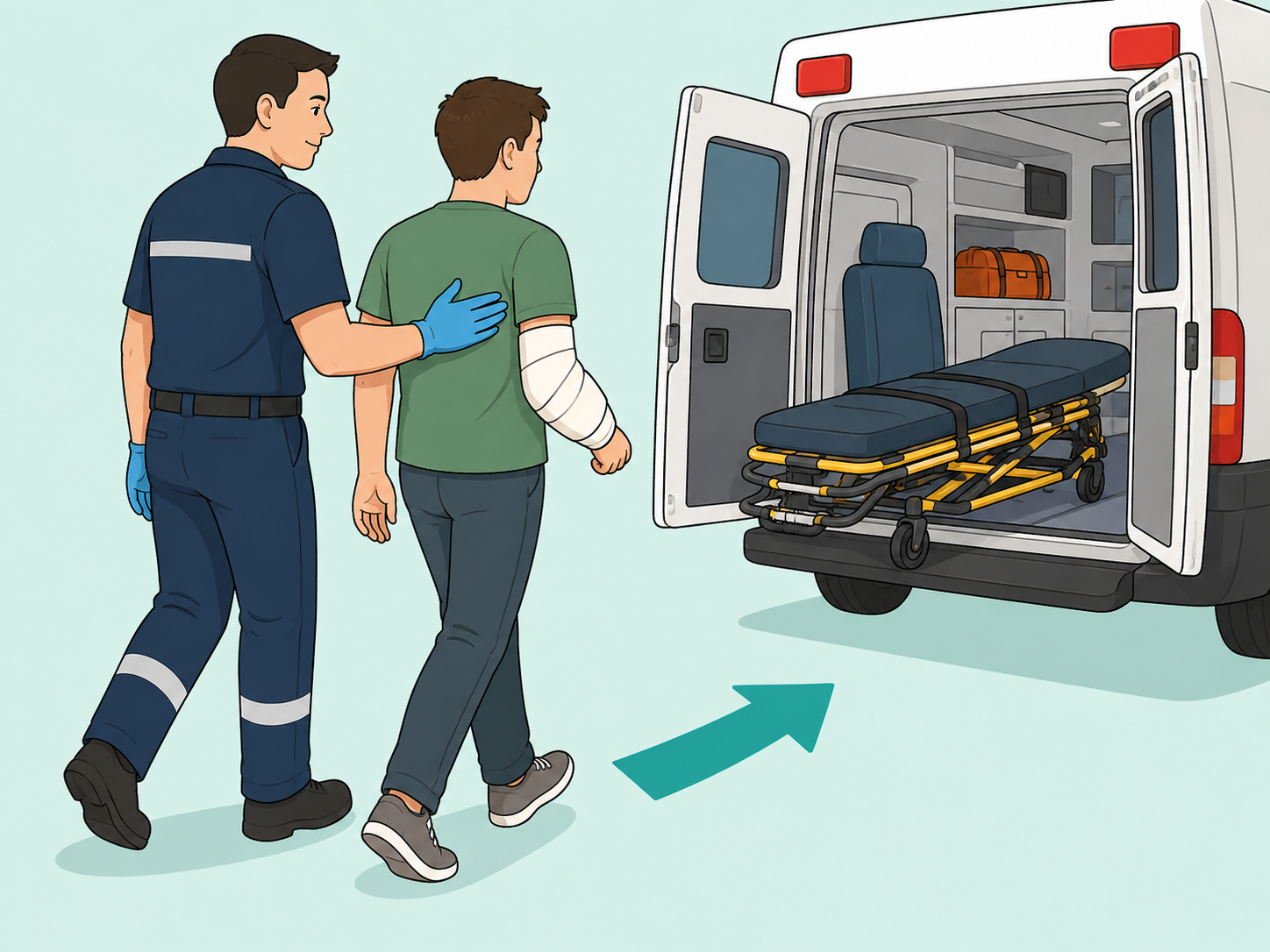
Get medical care even if symptoms seem mild
Go to emergency care or follow emergency dispatch instructions even if the bite looks small or symptoms are delayed. In the U.S., the Poison Help line at 1-800-222-1222 connects callers to a local poison center, but severe symptoms such as trouble breathing, fainting, chest pain, facial swelling, or seizure need 911 immediately.
Summary
The bottom line: get away from the snake, call emergency help, keep the bitten area still, remove anything tight, and avoid old remedies that can make the injury worse. Prompt medical care is the most important step after a snake bite.
Frequently Asked Questions
- Should I call 911 for every snake bite?
Call 911 or your local emergency number right away if the snake may be venomous, you are not sure what kind it was, symptoms are developing, or the person is a child, older adult, pregnant, or medically fragile. When in doubt, treat the bite as urgent.
- Should I try to suck out the venom?
No. Do not cut the bite, suck the wound, or use a suction device. These methods do not reliably remove venom and can worsen tissue injury or infection risk.
- Can I put ice on a snake bite?
No. Trusted first-aid sources advise against ice, cold compresses, and soaking the bite in water because they can worsen tissue damage.
- What if the bite does not hurt much?
Do not assume you are safe just because the bite looks mild. Some venomous bites may have delayed symptoms, so seek medical care promptly after any unknown or possibly venomous snake bite.
- Should I bring the snake to the hospital?
No. Do not try to catch, kill, or handle the snake. If you can safely take a photo from far away, it may help with identification, but medical care should not be delayed for a picture.
- Can I drive myself after a snake bite?
Avoid driving yourself if possible. Snake bites can cause dizziness, weakness, fainting, or other symptoms, so call emergency services or have someone else take you to care.
References
Reliable references aided in composing and refining this content.
- https://www.mayoclinic.org/first-aid/first-aid-snake-bites/basics/art-20056681
- https://medlineplus.gov/ency/article/000031.htm
- https://www.cdc.gov/niosh/outdoor-workers/about/venomous-snakes.html
- https://www.cdc.gov/yellow-book/hcp/environmental-hazards-risks/poisonings-envenomations-and-toxic-exposures-during-travel.html
- https://poisonhelp.hrsa.gov/poison-centers/find-poison-center