
 Pin it
The slightly damp sheets trick is mainly about smoothing wrinkles: a little moisture helps cotton or linen relax, then the sheet dries flat after you pull it tight. The safe version is barely damp, well ventilated, and fully dry before you sleep under heavy bedding. This guide explains why people do it and how to avoid turning a wrinkle trick into a moisture problem.
Start with the reason people do it
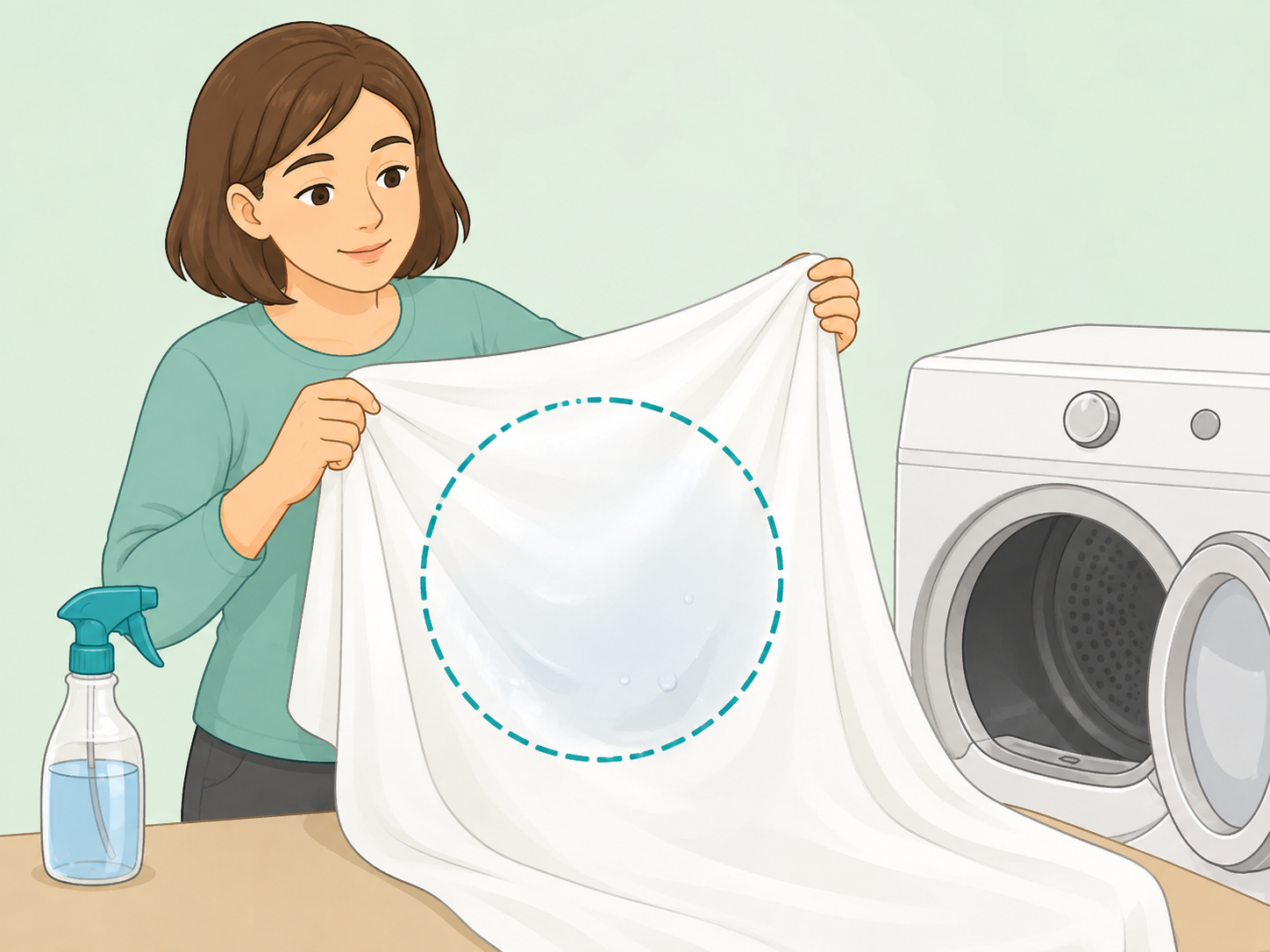
People use the damp-sheet trick because moisture can help relax wrinkles in natural fabrics before the sheet dries smooth. Textile guidance from New Mexico State University Extension notes that cotton can be pressed with steam or light dampening, and ENERGY STAR explains that steam cycles can help prevent wrinkles in dryers. Think of this as a light smoothing method, not a reason to put wet bedding on the mattress.
Wash the sheets before trying it
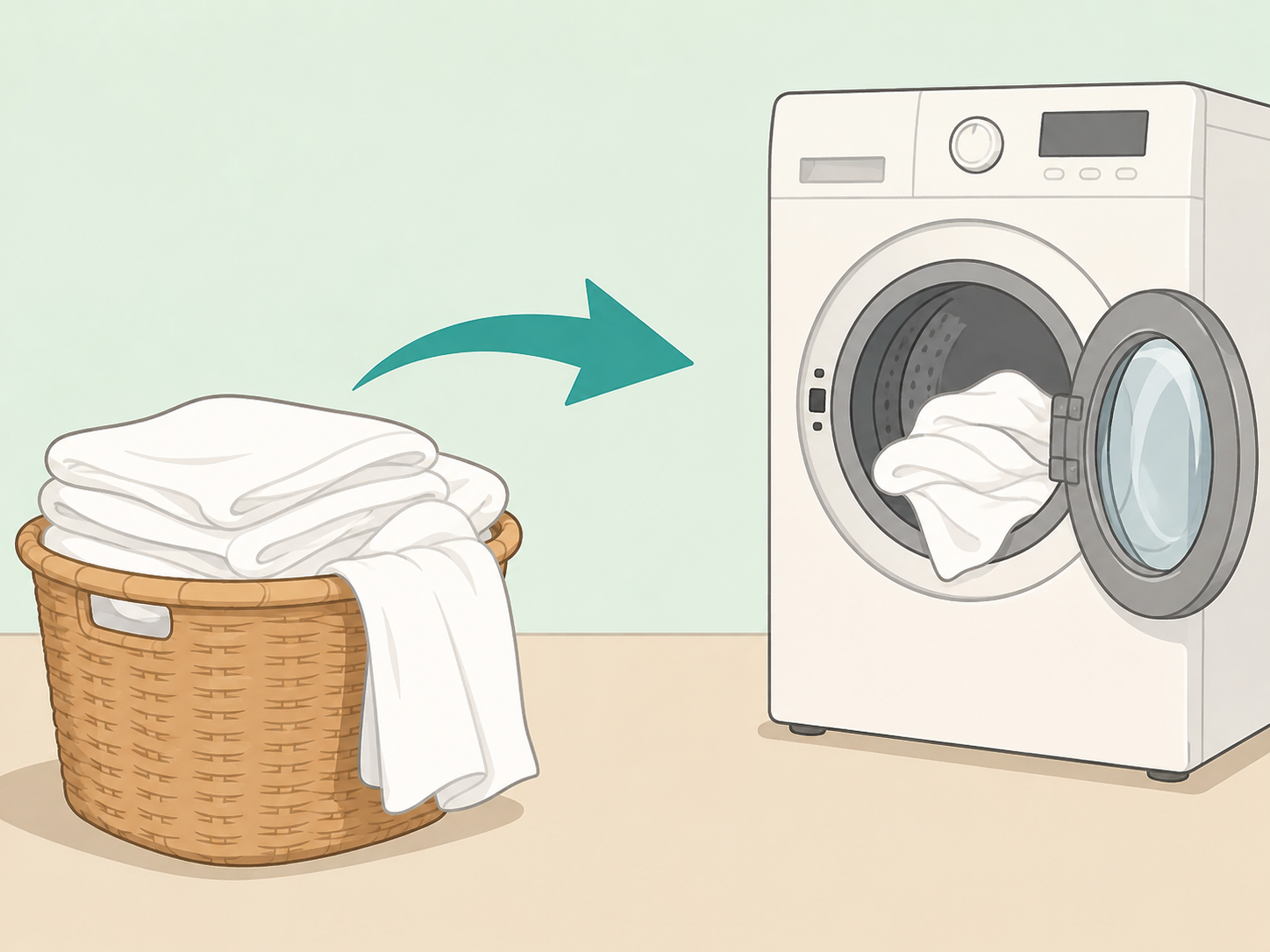
Use clean sheets, not sheets that are already on the bed and misted over soil, sweat, or dust. If dust mites are a concern, Mayo Clinic recommends washing bedding weekly and using hot water when the fabric can safely handle it. Always follow the care label so you do not shrink, fade, or damage the fabric.
Leave only a trace of dampness
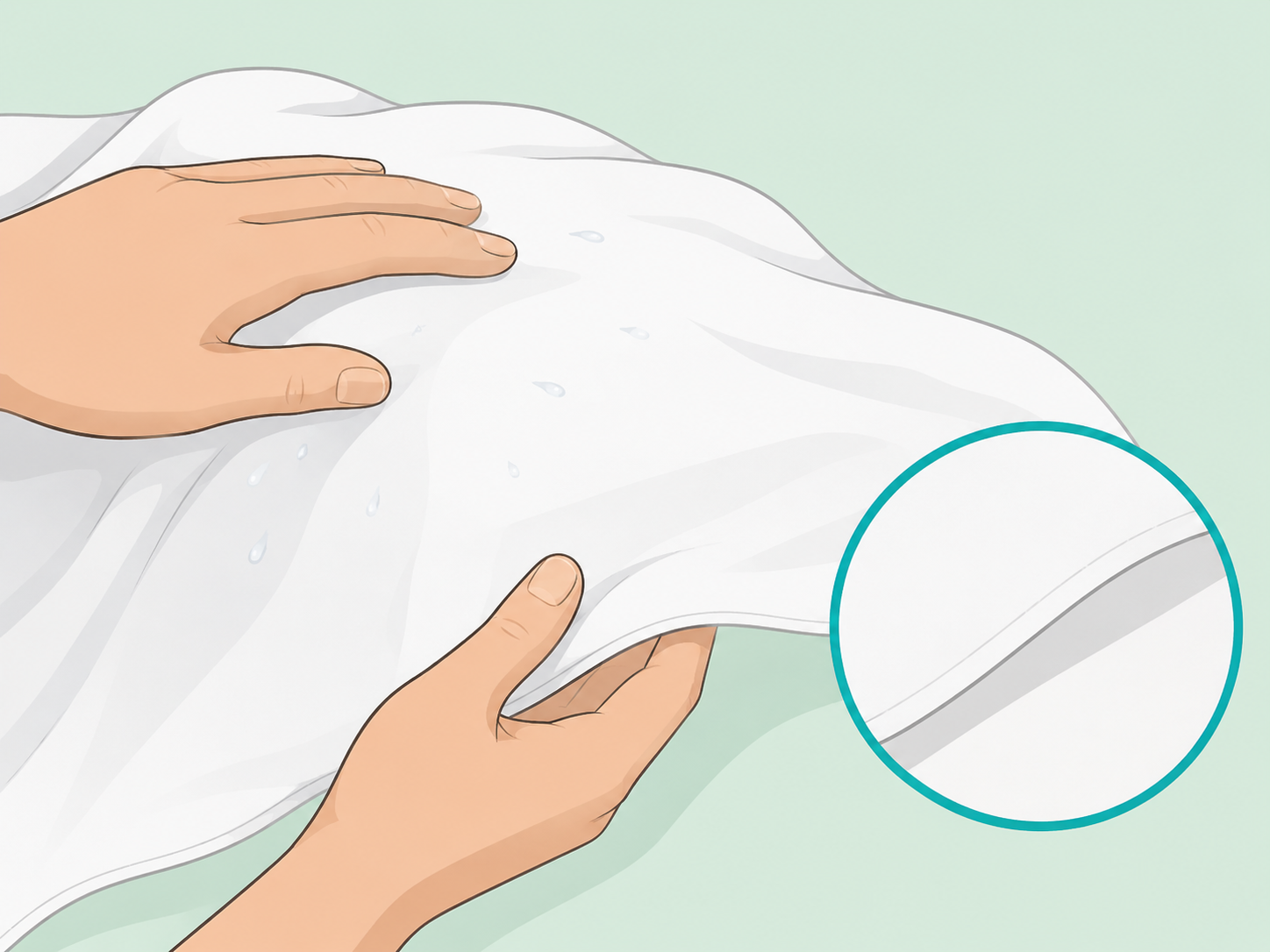
Remove the sheets when they feel barely damp, or mist dry sheets very lightly with clean water. The fabric should not drip, leave wet marks, or make the mattress surface damp. Because pressing guidance ties good results to controlled moisture, heat, and pressure, keep the moisture level small and even.
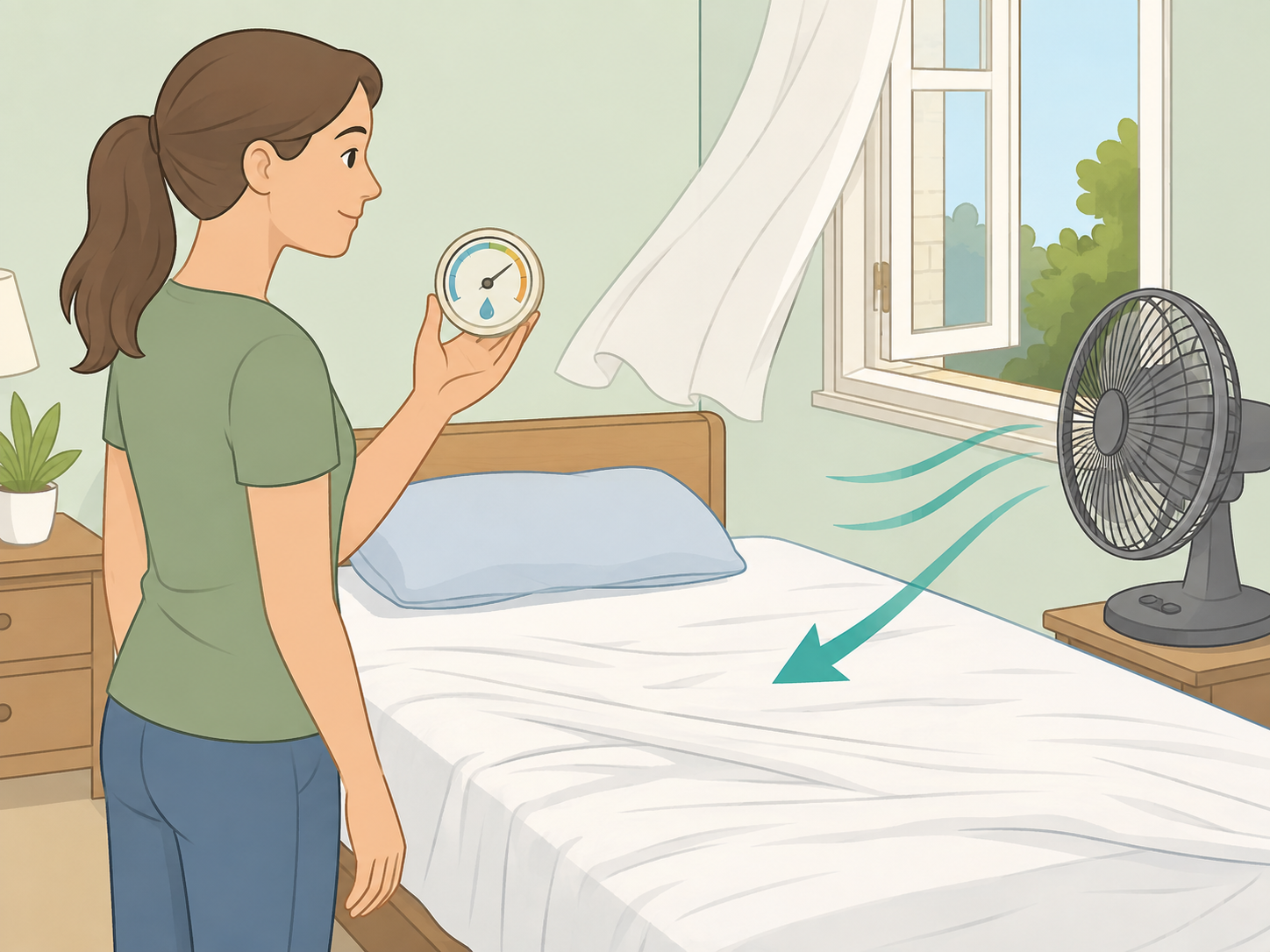
Check the room before making the bed
Use this trick only in a room where bedding can dry quickly. The EPA recommends keeping indoor humidity below 60 percent, ideally between 30 and 50 percent, to help control mold. If the room is humid, closed up, or already smells musty, skip the damp method.
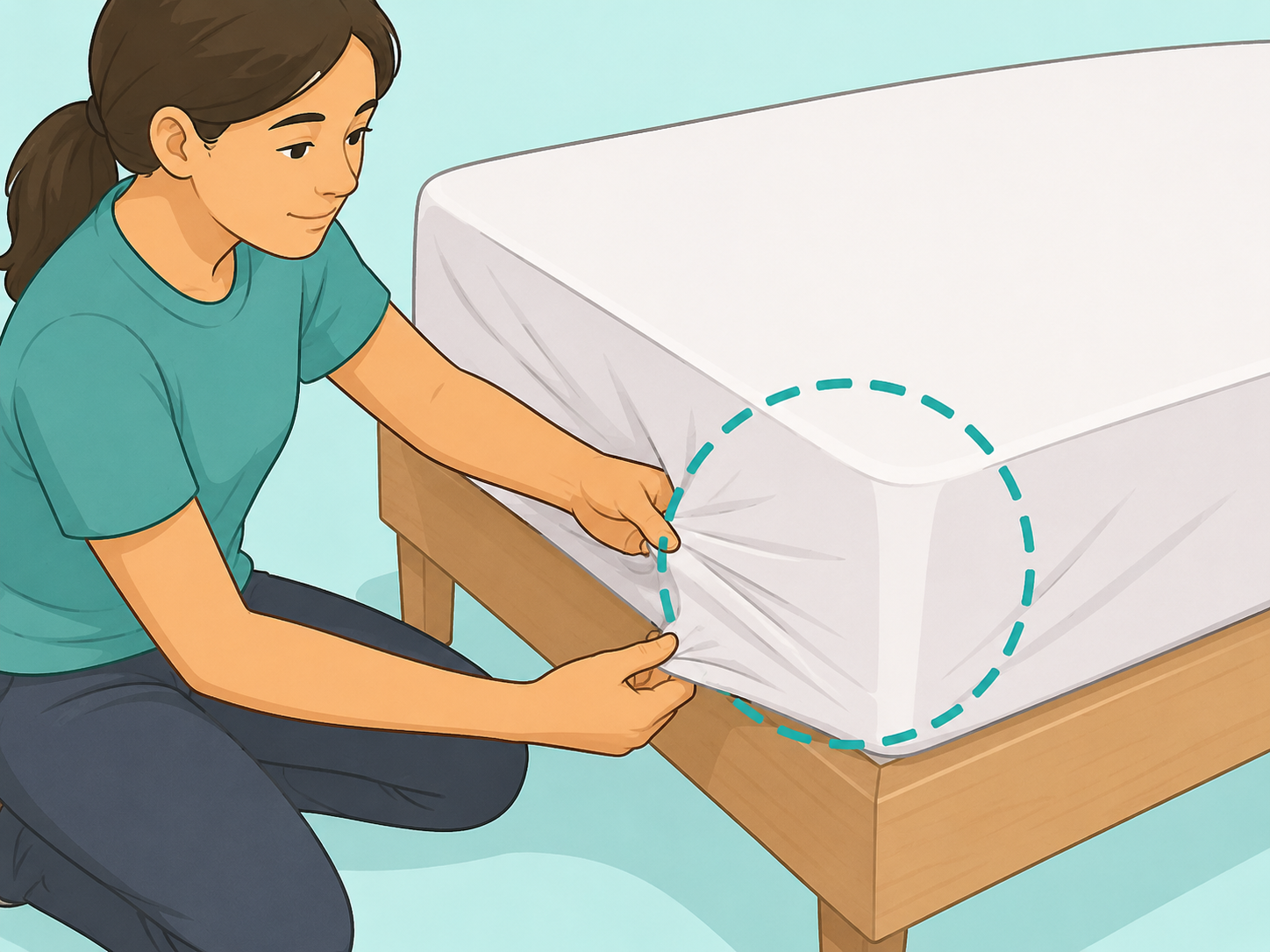
Stretch the fitted sheet smooth
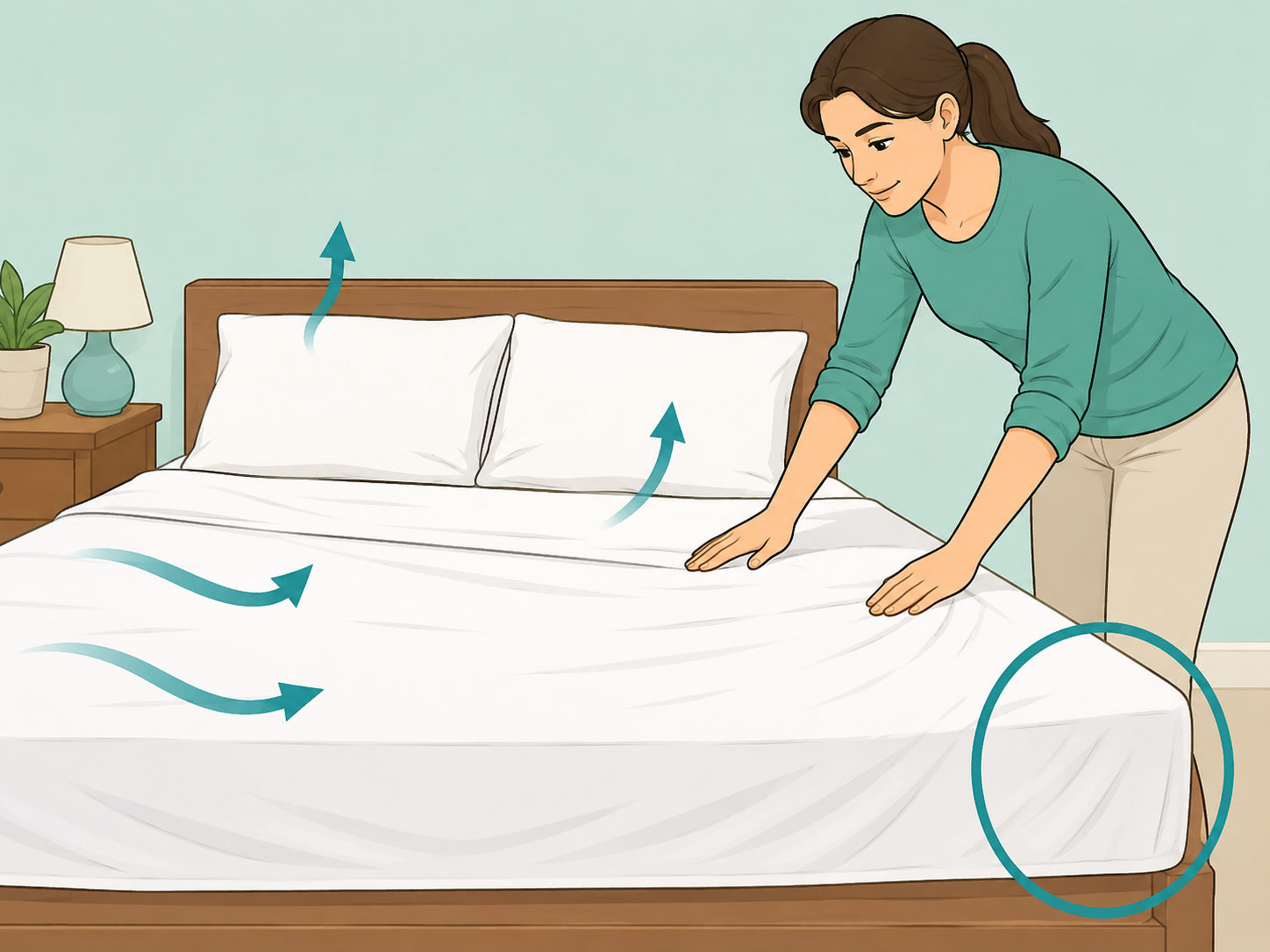
Put the fitted sheet on the mattress and pull each corner firmly into place. Smooth from the center outward with flat hands so the fabric dries under gentle tension. If you see a wet patch, pause and let that area air out before adding more bedding.
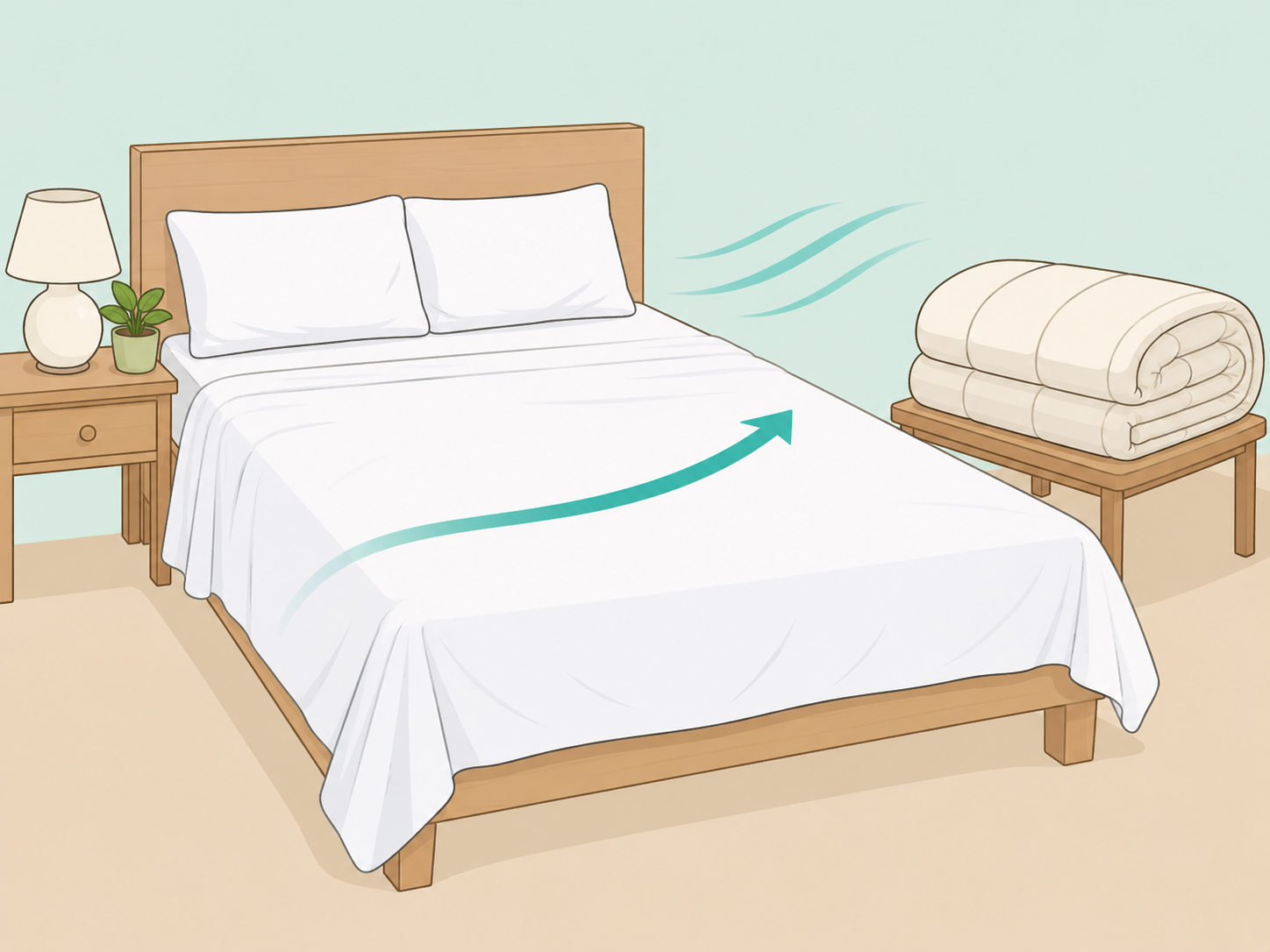
Let the top sheet dry before layering
Add the top sheet, pull it flat, and leave the comforter or duvet off until the sheet is dry to the touch. The EPA says moisture control is the key to mold control and that wet or damp materials should be dried quickly. Use a fan, open window, or dehumidifier if the room needs more airflow.
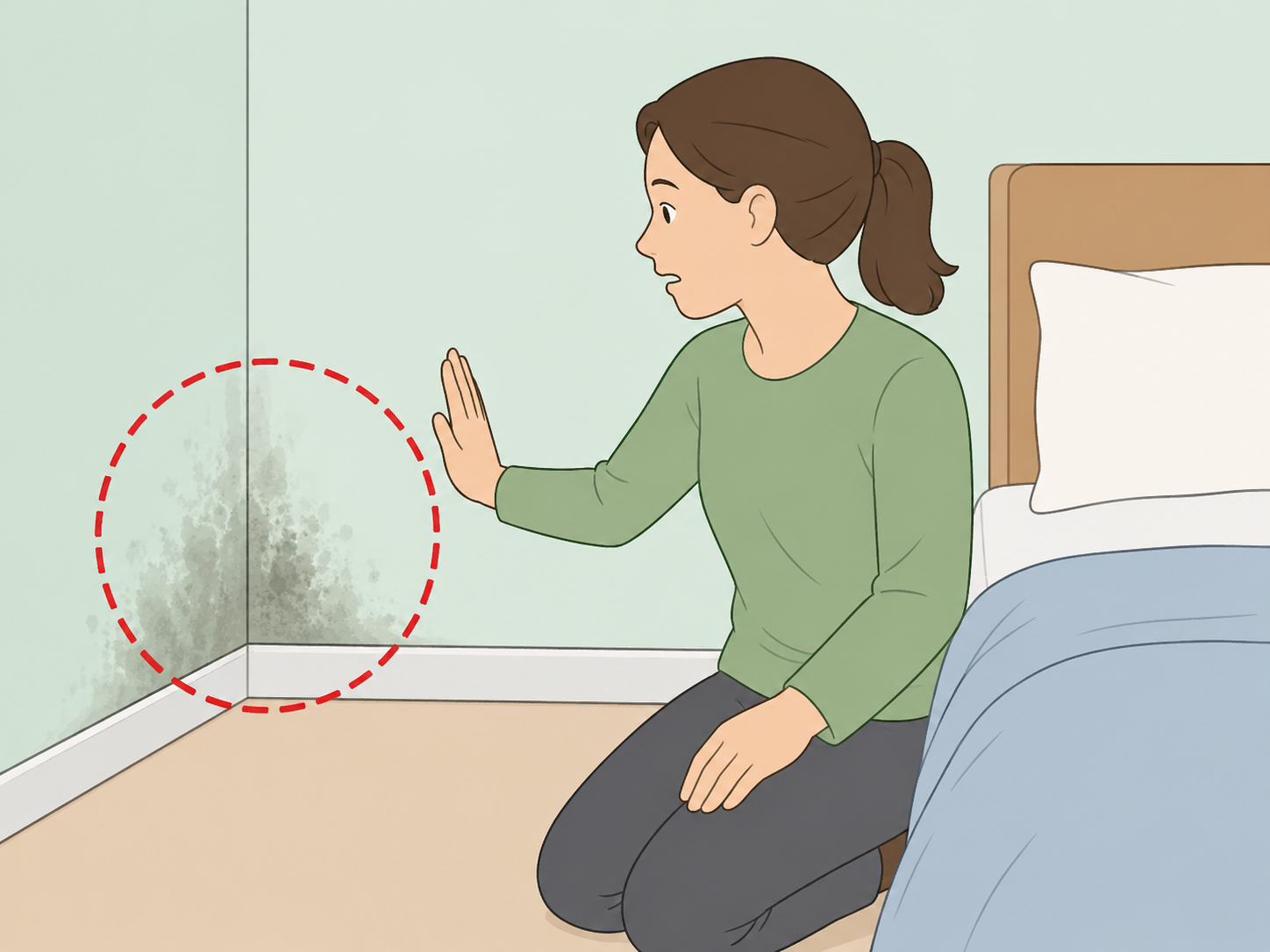
Skip the trick when moisture is already a problem
Do not use damp sheets on a damp mattress pad, in a basement bedroom, near condensation, or in any bed that has a musty smell. The CDC explains that mold grows where moisture is present and can grow on fabric and upholstery. In those situations, dry the sheets completely and fix the moisture issue first.
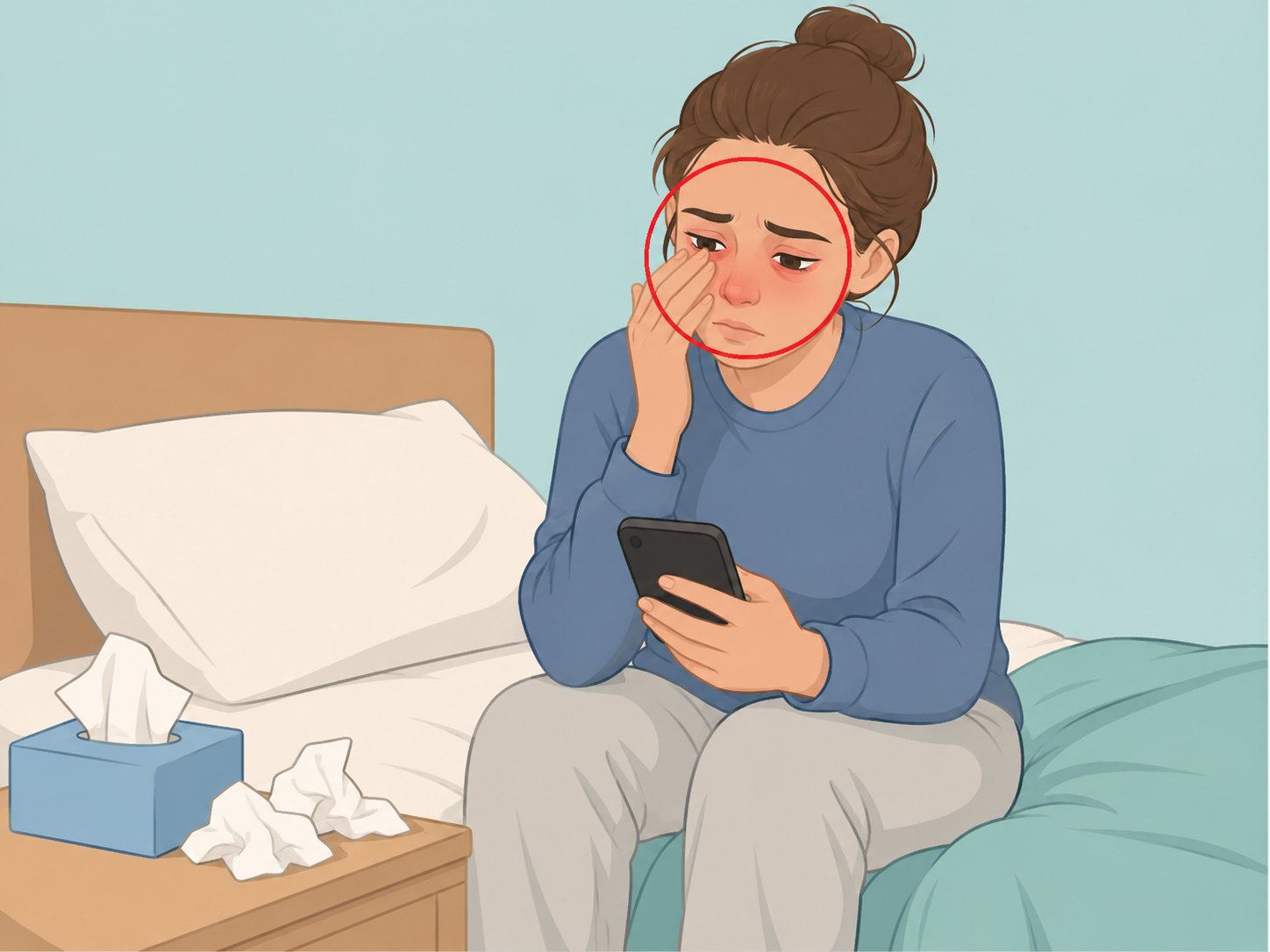
Ask for medical advice if symptoms appear
Stop using the damp-sheet method if anyone notices coughing, wheezing, stuffy nose, itchy eyes, or skin irritation after exposure to damp or musty bedding. The CDC says damp and moldy environments can cause symptoms in some people, especially people with asthma or mold allergy. Talk with a qualified health professional if symptoms are persistent, severe, or linked to the sleeping area.
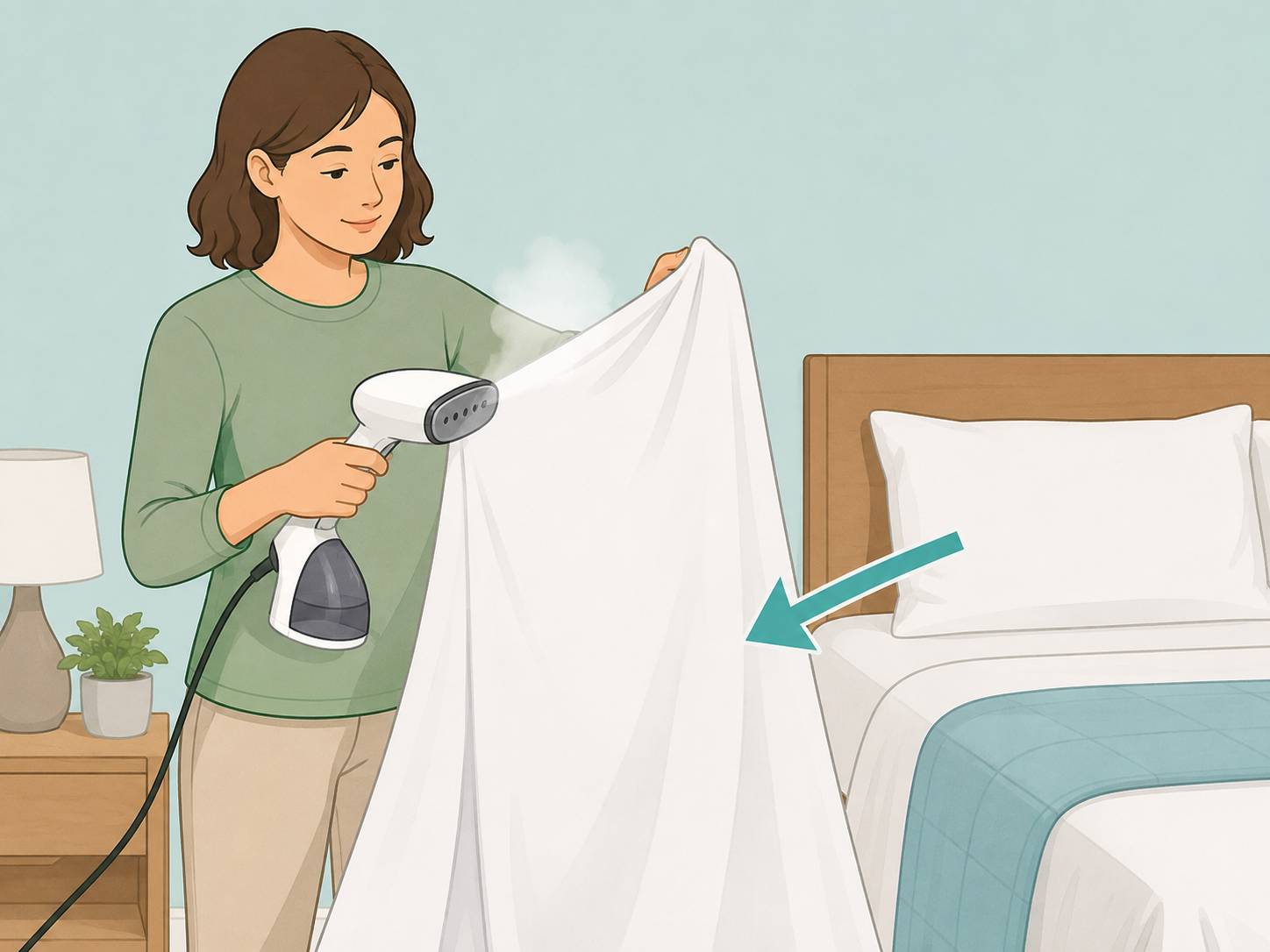
Use a dry wrinkle method when needed
If the damp trick is not a good fit, use a steam iron, garment steamer, wrinkle-release product, or dryer refresh cycle if the care label allows it. Keep the mattress dry, fold sheets promptly after drying, and store them where air can circulate. A fully dry method is safer in humid homes and still gives bedding a clean, smooth look.
Summary
The bottom line: slightly damp sheets can look smoother because moisture helps relax fabric, but they should be only barely damp and must dry quickly. If the room is humid, the bed smells musty, or anyone has mold-sensitive symptoms, use a dryer, steamer, or iron instead.
Frequently Asked Questions
- Why do some people make the bed with slightly damp sheets?
- They do it to help smooth wrinkles and create a tighter-looking bed without fully ironing the sheets. The key is slight dampness, not wet bedding.
- Is it safe to sleep on damp sheets?
- It is better to let sheets dry fully before sleeping in the bed, especially before adding a comforter or blanket that can trap moisture.
- Which sheets work best for this trick?
- Cotton and linen sheets are the best candidates because they respond well to moisture and smoothing. Avoid using this trick on delicate fabrics unless the care label says moisture and heat are safe.
- How damp should the sheets be?
- They should feel cool and barely damp, with no wet patches and no water transferring to your hand. If they feel wet, put them back in the dryer or hang them until they are only slightly damp.
- Can this cause mold or mildew?
- It can if bedding stays damp, the room is humid, or moisture gets trapped under blankets. Skip the trick if the room smells musty or has condensation.
- What can I do instead if my room is humid?
- Dry the sheets completely, then use a steamer, iron, wrinkle-release spray, or a quick dryer refresh cycle if the care label allows it.
References
Reliable references aided in composing and refining this content.