
 Pin it
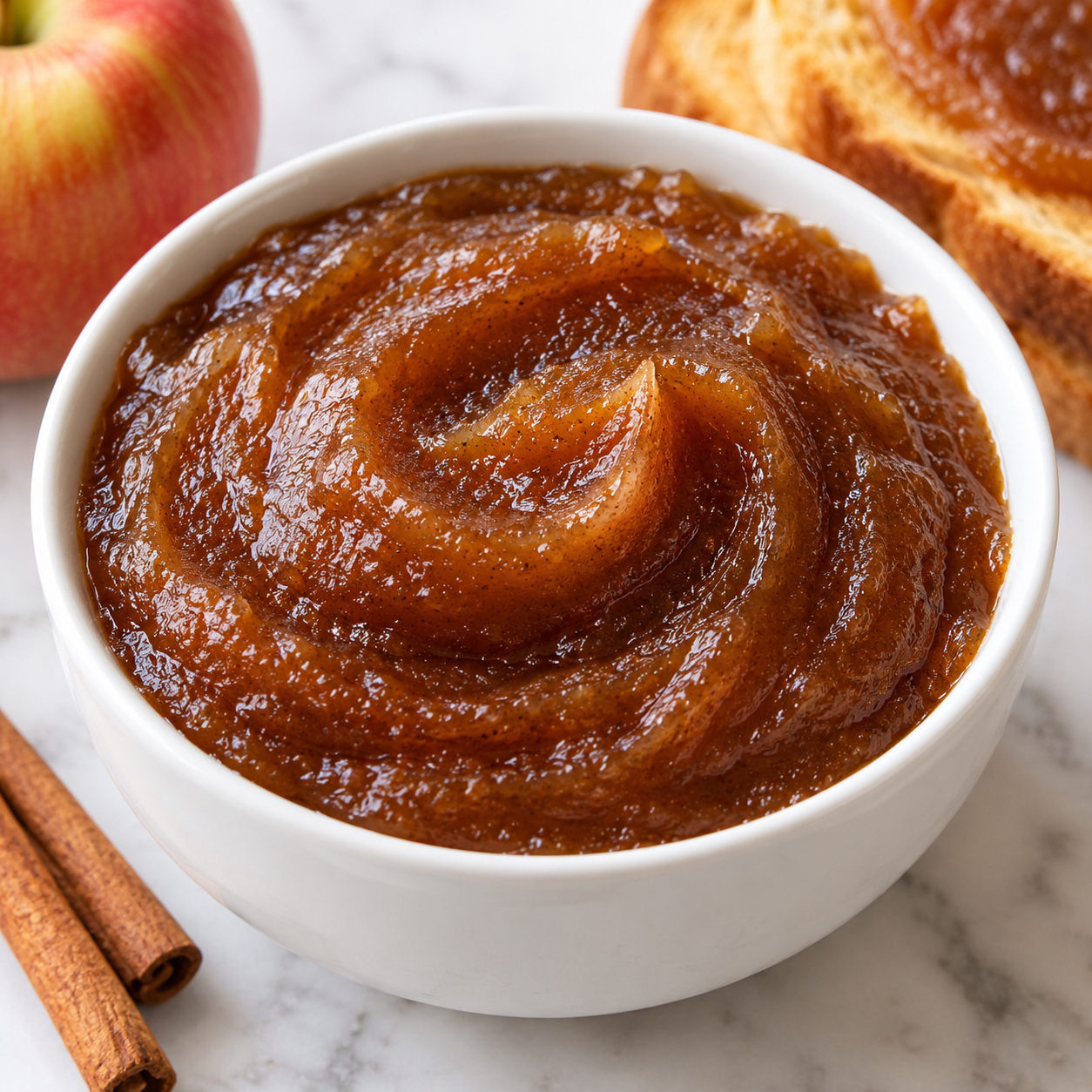
Apple Butter is one of those recipes that makes the kitchen smell busy even when the slow cooker is doing nearly all the work. The apples collapse slowly, the cinnamon warms up, and the whole batch turns dark, glossy, and spoonable.
There is no butter in it. The name comes from the texture. It should spread like soft jam, with a richer apple flavor than applesauce and enough spice to make toast taste like fall.
I like a mix of sweet and tart apples here. The sweet ones melt down easily, while the tart ones keep the finished spread from tasting flat.
Apples Worth Cooking Down
Choose apples with flavor before you worry about looks. Bruised orchard apples are fine once trimmed, but mealy or bland apples will make a dull spread.
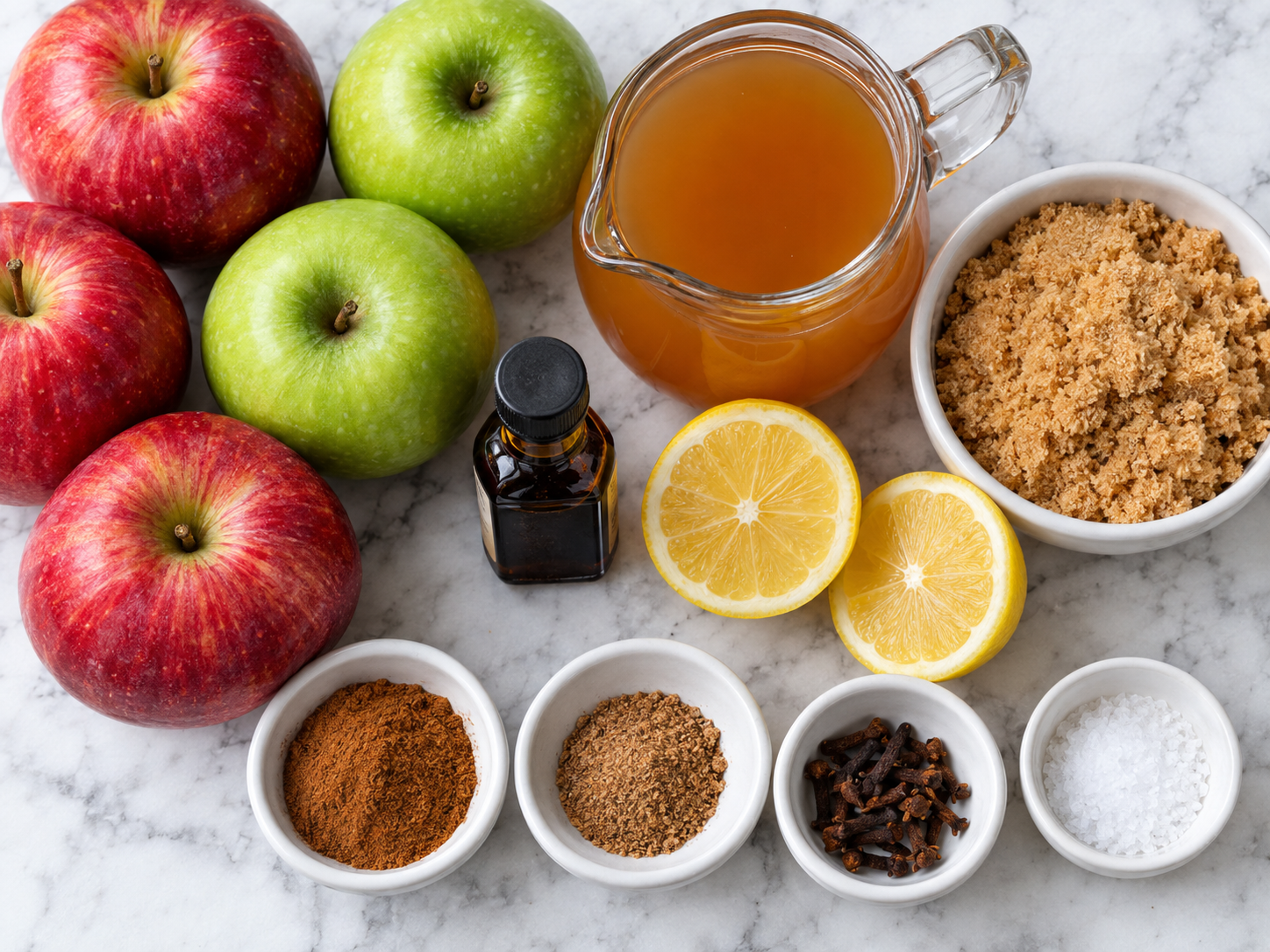
- Mixed apples. They give the apple butter body, sweetness, and natural pectin for a spoonable finish.
- Brown sugar. Adds molasses warmth and helps the apple flavor taste rounded.
- Apple cider. Starts the apples cooking without watering down the flavor.
- Lemon juice. Sharpens the sweetness and keeps the spread from tasting heavy.
- Cinnamon. Brings the cozy flavor most people expect from apple butter.
- Nutmeg and cloves. A small amount gives depth without making the batch taste dusty.
- Vanilla. Goes in near the end so its aroma stays soft and noticeable.
- Salt. Makes the fruit taste brighter and less sugary.
Slow Cooker Path To Glossy
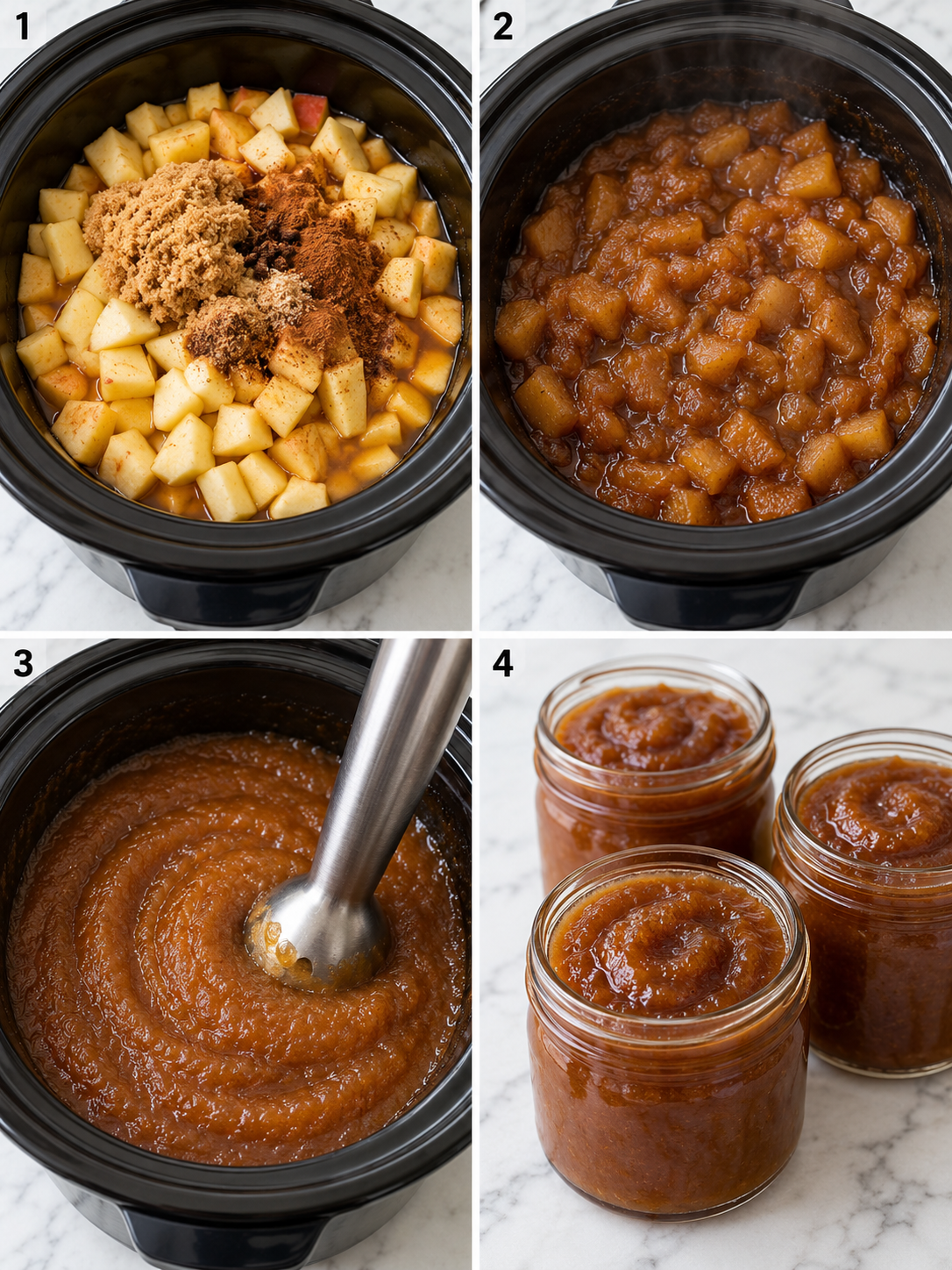
- Prep the apples. Peel if you want a very smooth spread, then core and chop the apples into small chunks so they soften evenly.
- Season the pot. Add the apples, brown sugar, cider, lemon juice, cinnamon, nutmeg, cloves, and salt to a 5- or 6-quart slow cooker. Stir until the apples are coated.
- Cook until soft. Cover and cook on low for 8-9 hours, stirring once or twice if you are nearby. The apples should be very tender and dark around the edges.
- Blend it smooth. Use an immersion blender right in the slow cooker, or cool the mixture slightly and blend in batches. Aim for a silky puree.
- Reduce uncovered. Stir in the vanilla, set the lid slightly ajar, and cook on high for 1-2 hours. Stir every 20-30 minutes until the apple butter is thick and glossy.
- Cool and store. Let it cool, then spoon into clean jars or freezer-safe containers. The texture firms up more after chilling.
Apple Butter Texture Check
The difference between applesauce and Apple Butter is patience. Applesauce is done when the fruit is soft. Apple butter keeps cooking until excess moisture leaves and the flavor turns deeper. The color should move from pale tan to a warm chestnut brown. If it still looks loose after blending, keep the lid cracked and give it more time. The National Center for Home Food Preservation describes a good doneness check as a spoonful that stays mounded after it sits away from steam.
Choosing The Apple Mix
One apple variety can work, but a mix makes better apple butter. Golden Delicious and McIntosh break down nicely. Honeycrisp and Braeburn bring fragrance. Granny Smith adds tartness that keeps the brown sugar in check. Cut the apples small enough to cook at the same pace. If you leave big wedges in the pot, the edges may darken before the centers soften. This same apple-friendly thinking helps in bakes like moist peanut butter chocolate chip banana bread, where ripe fruit adds both sweetness and moisture.
Balancing Spice And Sweetness
Apple butter should taste like apples first. Cinnamon can take over fast, and cloves are even stronger. Start modestly, then adjust after blending. The mixture tastes brighter while hot and sweeter once chilled, so avoid loading in extra sugar too early. Lemon juice does not make the spread sour. It sharpens the fruit and makes the final spoonful cleaner. If you like warm baking spice, try a spoonful stirred into the filling for cinnamon roll bliss bars or spread a thin layer under a crumb topping.
Storing It Without Guesswork
This recipe is written for the refrigerator or freezer, not shelf-stable pantry storage. Spoon cooled apple butter into clean jars and refrigerate for up to 2 weeks. For longer storage, freeze small portions so you can thaw only what you need. If you want to can apple butter, follow a tested canning formula and processing time. The tested apple butter canning guide gives jar sizes, headspace, and boiling-water processing times by elevation.
Ways To Use The Jar
Toast is the obvious move, but apple butter does more than sit on bread. Swirl it into oatmeal, spoon it over yogurt, brush it on pork chops near the end of cooking, or use it as a thin layer in a cheese board. It is also good with creamy desserts. Try a spoonful beside New York cheesecake for a simple fall plate. The slow cooker method is similar to the tested timing used by Pillsbury Kitchens, but this version leans a little brighter with lemon and cider.
Frequently Asked Questions
- Is there butter in apple butter?
-
No. Apple butter is made from cooked apples, sugar or sweetener, spices, and sometimes cider or lemon juice. The word butter describes the smooth, spreadable texture.
- What apples make the best apple butter?
-
A mix works best. Use sweet-tart apples like Honeycrisp, Golden Delicious, Braeburn, Jonathan, or McIntosh, and add a few Granny Smith apples for brightness. Avoid using only bland apples because the flavor dulls as the mixture cooks down.
- Can I make apple butter without peeling the apples?
-
Yes, if you plan to blend it very smooth. The peels add color and flavor, but they can leave tiny bits if your blender is weak. For the silkiest texture, peel the apples first.
- How do I know when apple butter is thick enough?
-
Spoon a little onto a cold plate. If liquid seeps around the edge, cook it longer uncovered. It should mound softly on a spoon and leave a slow trail when stirred.
- Can I reduce the sugar?
-
Yes, for a refrigerator or freezer batch. Start with half the brown sugar, then taste after blending. If you plan to can apple butter for shelf storage, use a tested canning recipe instead of changing the formula.
- How long does homemade apple butter last?
-
Keep it in clean airtight jars in the refrigerator for up to 2 weeks. For longer storage, freeze it in small containers for up to 3 months. Leave a little space at the top because it expands as it freezes.
