
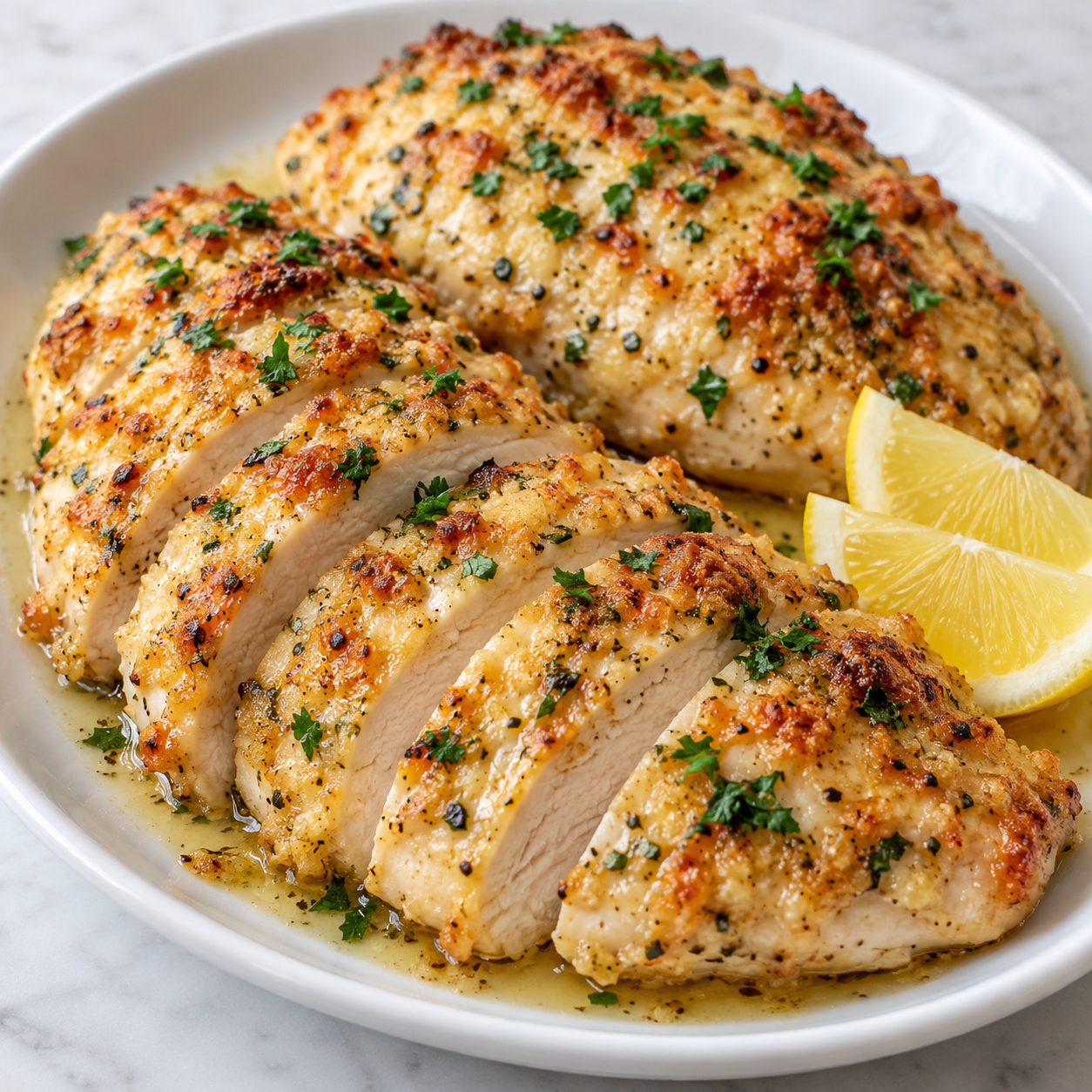
 Pin it
Tender Chicken Delight is the kind of chicken dinner that earns its name without much fuss. The meat soaks in buttermilk, lemon, garlic, oregano, and paprika, then bakes until juicy with a light golden top.
I like this for nights when plain chicken breasts feel a little tired. The marinade does most of the work, and the finished chicken slices cleanly for plates, salads, rice bowls, or leftovers the next day.
Tender Chicken Delight Lineup
Use chicken breasts that are close in size so they finish together. Full-fat buttermilk gives the best texture, and fresh lemon keeps the marinade bright instead of flat.
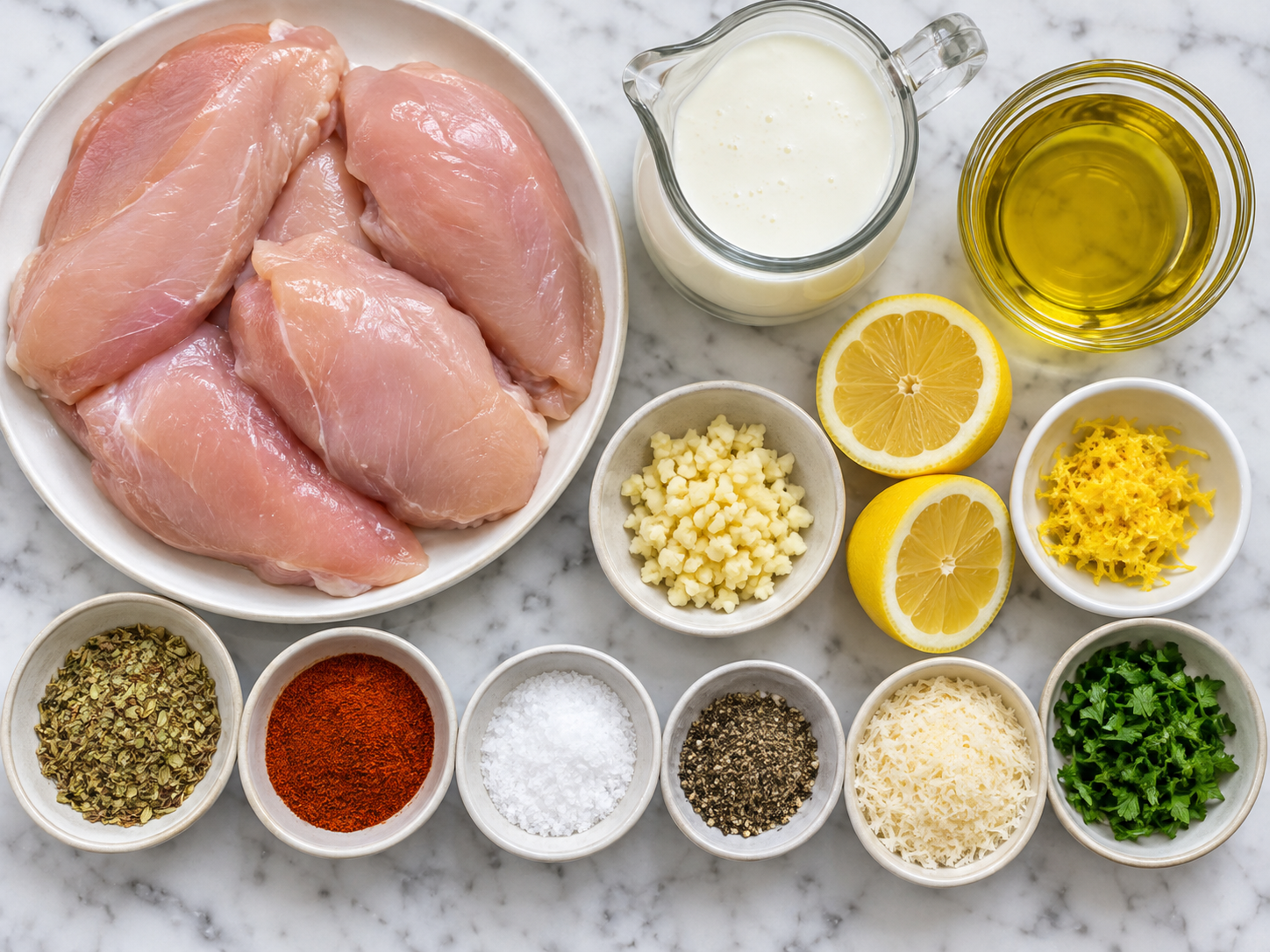
- Chicken breasts. Lean, mild meat that turns tender when pounded evenly and marinated.
- Buttermilk. Adds tang and helps the chicken stay moist as it bakes.
- Olive oil. Rounds out the marinade and helps the surface brown.
- Lemon juice and zest. Bring clean brightness without making the dish sharp.
- Garlic. Gives the chicken a savory backbone that tastes cooked-in, not sprinkled on.
- Oregano and paprika. Add warmth, color, and a little roasted depth.
- Parmesan. Melts lightly over the top for a salty finish.
- Parsley. Freshens the plate right before serving.
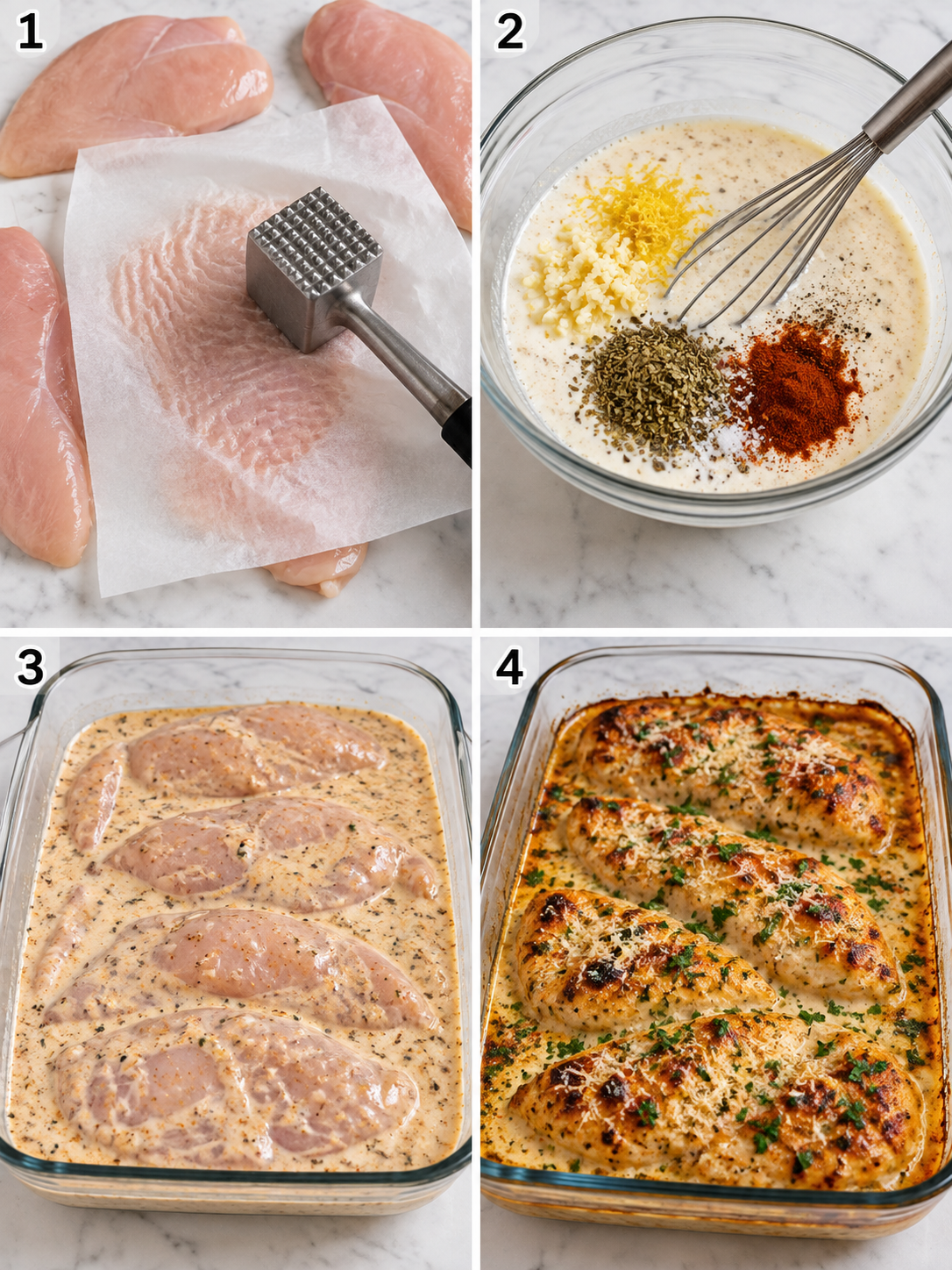
How To Bake It Juicy
- Even the chicken. Pat the breasts dry, then pound the thick ends to about 3/4 inch so the edges do not overcook first.
- Mix the marinade. Whisk buttermilk, olive oil, lemon juice, zest, garlic, oregano, paprika, salt, and pepper until smooth.
- Marinate cold. Add the chicken, turn to coat, cover, and refrigerate for at least 1 hour or up to 8 hours.
- Set up the pan. Heat the oven to 375 F. Lift the chicken from the marinade, let excess drip off, and place it in a lightly oiled baking dish.
- Bake and finish. Sprinkle with Parmesan and bake for 24-30 minutes until the thickest part reaches 165 F.
- Rest before slicing. Let the chicken sit for 5 minutes, then add parsley and serve while warm.
Why Buttermilk Helps
Buttermilk is gentle. It seasons the surface, brings a small amount of acidity, and helps the chicken bake up softer than a plain oil marinade. The USDA describes marinades as acidic mixtures that can add flavor and tenderness, and recommends keeping poultry covered in the refrigerator while it marinates. You can read their poultry guidance on safe marinating and brining.
The key is restraint. More time is not always better. For chicken breasts, 1-8 hours gives good flavor without turning the outside mealy.
Even Thickness Matters
Chicken breasts are rarely the same thickness from end to end. If you bake them as-is, the skinny side dries out while the center catches up. A few firm taps with a mallet fixes that. You are not trying to make cutlets. You only want the thick end closer to the thin end.
Use a thermometer instead of guessing by color. FoodSafety.gov lists 165 F as the safe minimum temperature for poultry. Pull the chicken as soon as it gets there, then let the rest finish the job.
Handle Marinade Cleanly
Once raw chicken has touched the marinade, treat that liquid as raw poultry. Do not spoon it over the cooked chicken unless you boil it first. For this recipe, the easiest move is to discard the used marinade and rely on the Parmesan, parsley, and pan juices for the finish.
If you like chicken dinners with built-in vegetables, try Baked Chicken With Vegetables or One-Pan Lemon Herb Chicken and Vegetables next.
Good Swaps For Dinner
Plain yogurt works in place of buttermilk, especially if you thin it so it coats the chicken instead of clinging in heavy patches. Smoked paprika can replace sweet paprika for a deeper flavor. Romano works instead of Parmesan if you like a sharper finish.
For a brighter plate, serve Tender Chicken Delight with rice and pineapple salsa. For a creamy comfort meal, pair it with potatoes or tuck sliced leftovers into wraps the next day.
Store It Without Drying
Let leftovers cool, then refrigerate them in a shallow airtight container. Sliced chicken reheats faster, but whole pieces stay juicier. Add a spoonful of water or broth before reheating, cover loosely, and warm gently.
For more detail on timing and containers, use this guide to store cooked chicken safely. The short version is simple. Keep it cold, reheat only what you need, and do not blast it until it turns tough.
Summary
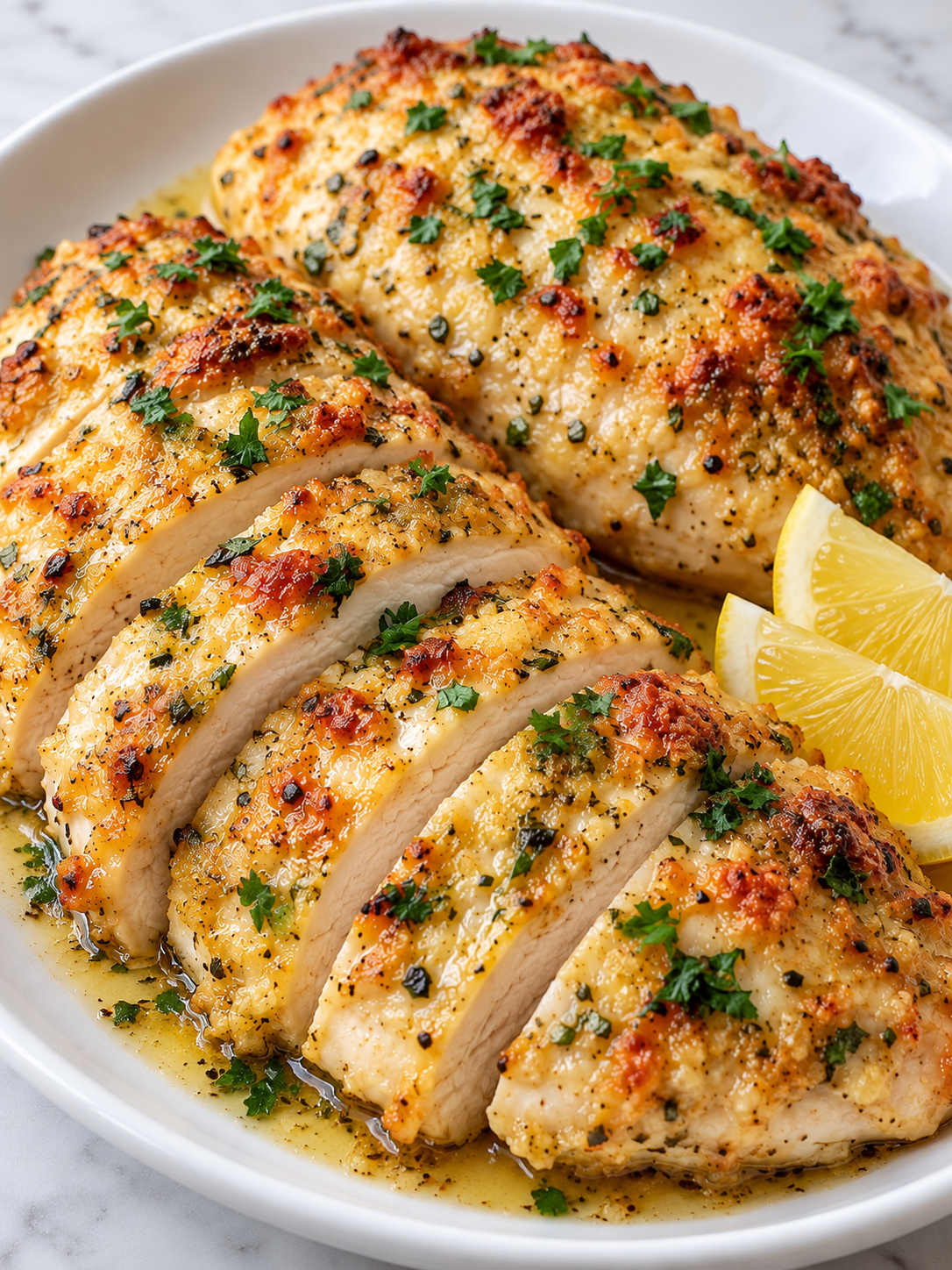
This version keeps the spirit of the classic Tender Chicken Delight recipe while adding clearer timing, safer marinade handling, and a few small technique upgrades for juicier chicken.
Frequently Asked Questions
- Can I use chicken thighs instead of breasts?
-
Yes. Boneless, skinless thighs work well and stay juicy. Bake them until they reach 165 F in the thickest part, which may take a few extra minutes depending on size.
- What can I use instead of buttermilk?
-
Plain whole-milk yogurt thinned with a splash of water is the best swap. You can also stir 1 tablespoon lemon juice into 1/2 cup milk and let it sit for 5 minutes before using.
- How long should Tender Chicken Delight marinate?
-
Give it at least 1 hour for good flavor. Four to 8 hours is better. I would not go past 24 hours because the texture can turn too soft.
- Can I grill this instead of baking it?
-
Yes. Wipe off excess marinade, oil the grill grates, and cook over medium heat for about 5-7 minutes per side. Use a thermometer and pull the chicken when it reaches 165 F.
- How do I keep baked chicken breast from drying out?
-
Pound the thick end so each breast is even. Bake just until done, then rest the chicken for 5 minutes before slicing. Cutting right away lets too much juice run out.
- What should I serve with this chicken?
-
Mashed potatoes, rice, roasted vegetables, or a crisp salad all fit. The lemon and garlic make it flexible enough for a simple weeknight plate or a bigger family meal.
References
Reliable references aided in composing and refining this content.
- https://marorecipes.com/tender-chicken-delight/2
- https://www.foodfromportugal.com/recipes/chicken-delight
- https://www.fsis.usda.gov/food-safety/safe-food-handling-and-preparation/poultry/poultry-basting-brining-and-marinating
- https://www.foodsafety.gov/food-safety-charts/safe-minimum-internal-temperatures
