 Pin it
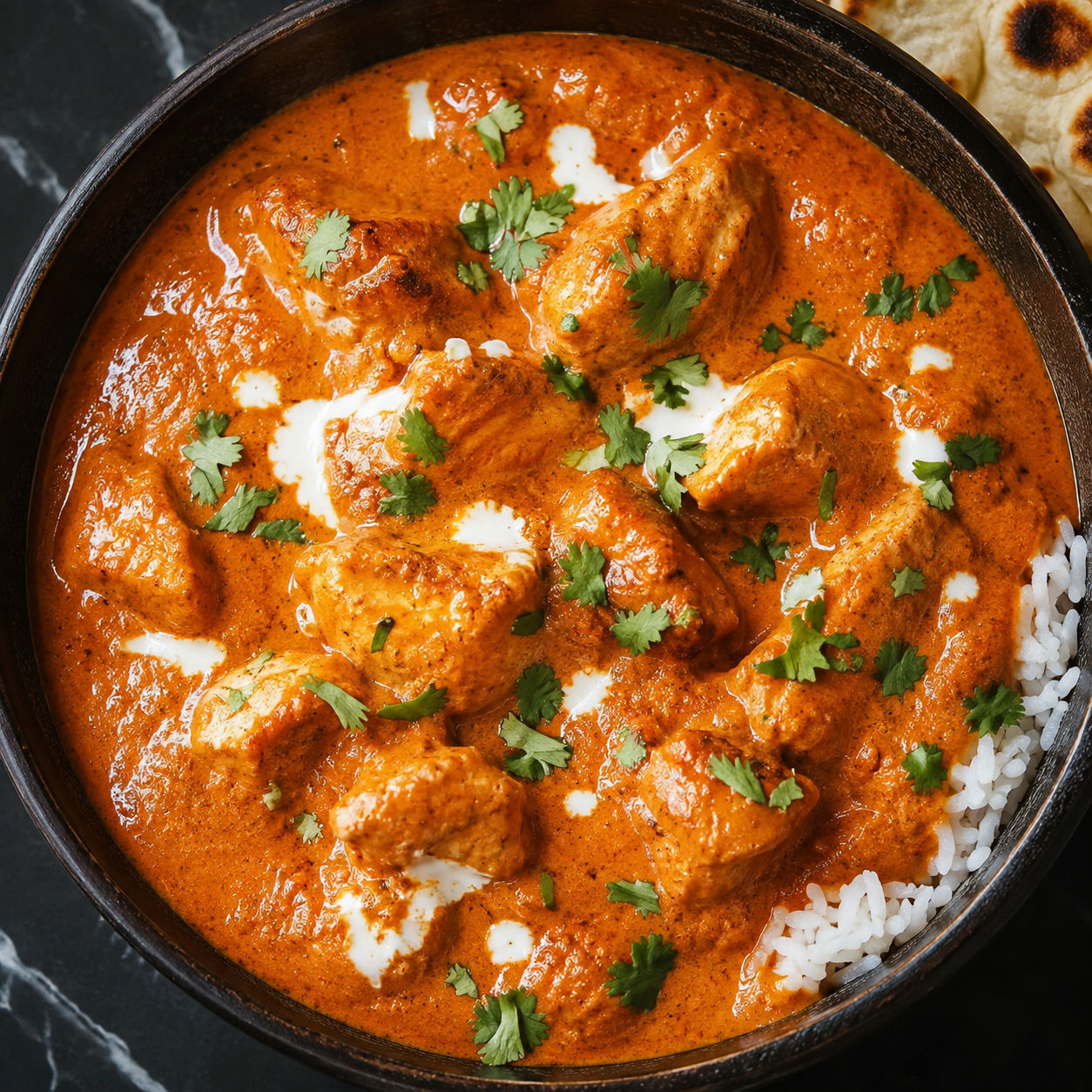
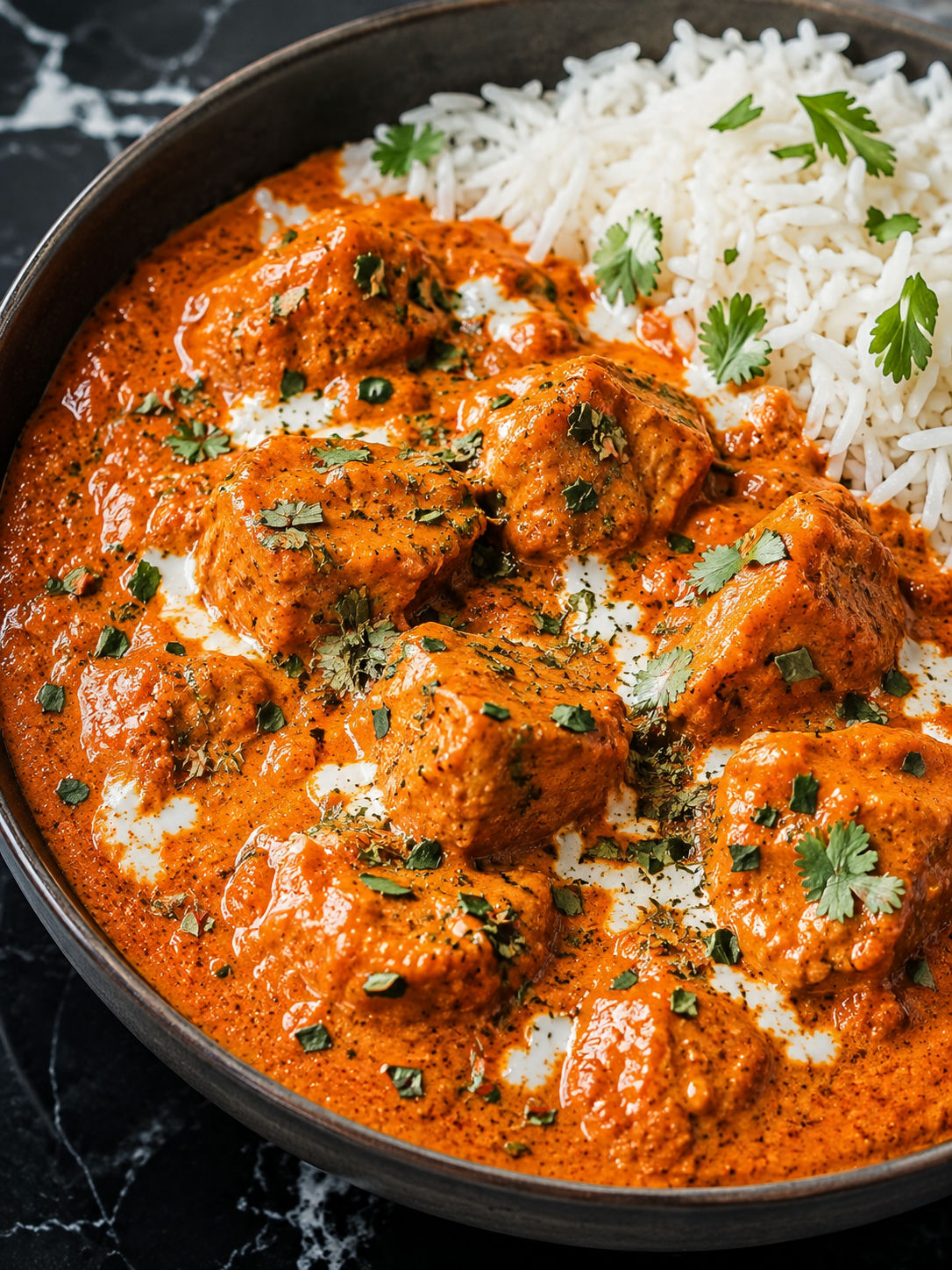
Butter Chicken is the kind of dinner that makes the kitchen smell warm before the sauce even turns creamy. The chicken gets a quick yogurt marinade with garlic, ginger, lemon, and spices, then it finishes in a tomato sauce glossy with butter and cream.
This version keeps the method friendly for a home stovetop. No tandoor needed. The important parts are simple. Use chicken thighs, let the tomato base simmer until it darkens, and add the cream at the end so the sauce stays smooth.
Butter Chicken Pantry
The sauce depends on a few ingredients doing their job well. Use plain thick yogurt for the marinade, ripe canned tomato puree or passata for the base, and fresh garlic and ginger for the cleanest flavor.
Cashews are optional, but they give the sauce a soft body that cream alone cannot quite match. If you skip them, use a little less stock so the sauce stays lush.
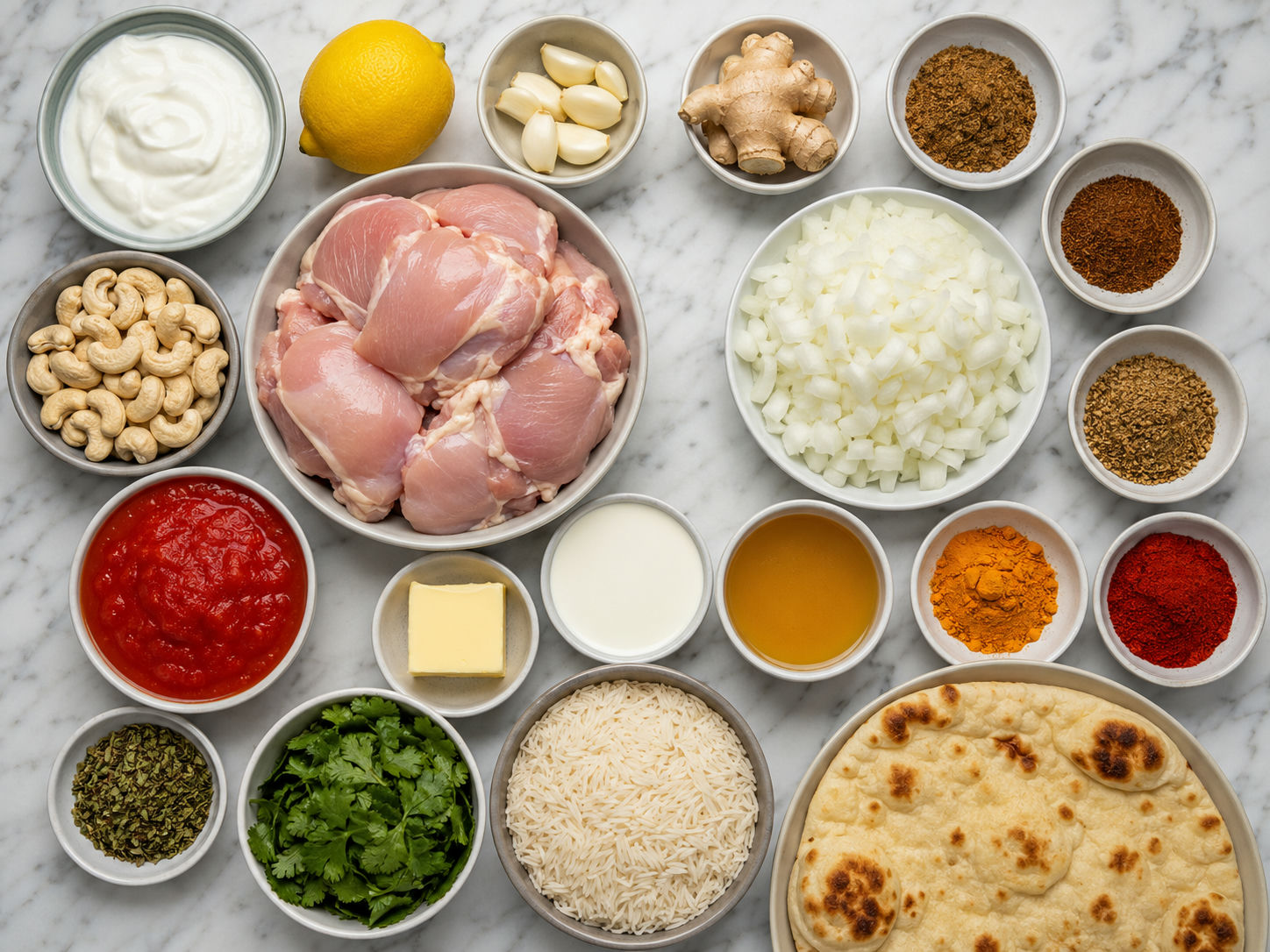
- Chicken thighs. They stay tender through browning and simmering, which makes them ideal for this saucy curry.
- Plain Greek yogurt. It coats the chicken and helps the spices cling while the meat marinates.
- Lemon juice. A small amount brightens the marinade and balances the richness later.
- Garlic and ginger. Fresh grated aromatics give the sauce its backbone.
- Garam masala. This warm spice blend gives Butter Chicken its deep, cozy aroma.
- Kashmiri chili powder. It adds red color and gentle heat. Sweet paprika with a pinch of cayenne works in a pinch.
- Tomato puree. The main sauce base. Simmering it well removes the raw edge.
- Cashews. Soaked and blended cashews thicken the sauce and make it silky.
- Butter and cream. These soften the tomato and give the sauce its signature glossy finish.
- Kasuri methi. Dried fenugreek leaves add the restaurant-style aroma. Crush them between your fingers before adding.
Butter Chicken Method
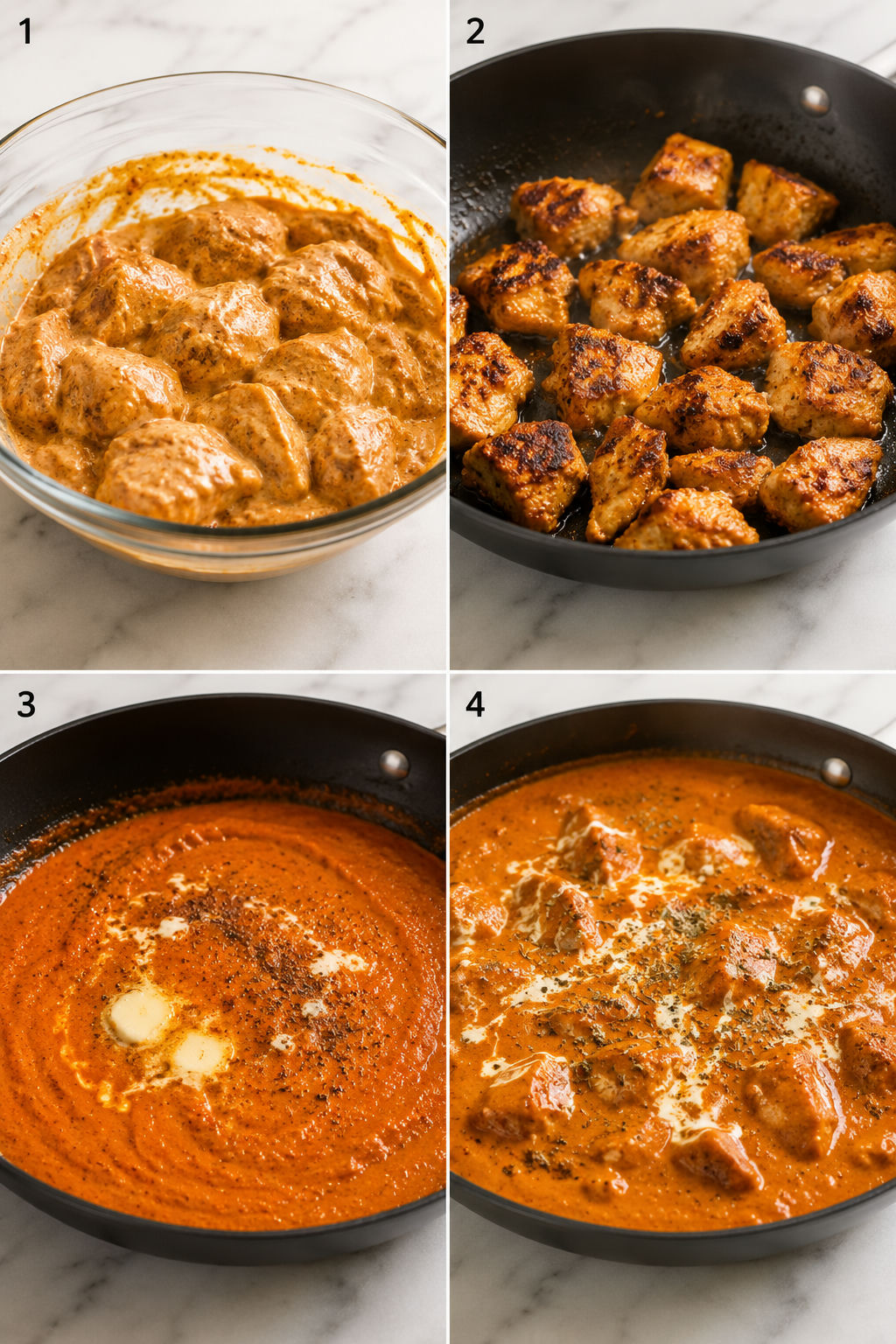
- Marinate the chicken. Stir yogurt, lemon, garlic, ginger, oil, salt, and spices in a bowl. Add the chicken and coat every piece well, then rest for at least 30 minutes.
- Blend the sauce base. Blend tomato puree, soaked cashews, and a splash of stock until very smooth. A high-speed blender gives the cleanest texture.
- Brown the chicken. Heat oil in a wide skillet and brown the chicken in batches. It should pick up color on the outside but does not need to cook through yet.
- Cook the aromatics. Melt butter in the same pan. Add onion and cook until soft, then stir in garlic, ginger, garam masala, cumin, coriander, turmeric, and chili powder until fragrant.
- Simmer the tomato sauce. Pour in the blended tomato mixture and cook until it thickens and darkens slightly. Stir often because tomato sauce can splatter.
- Finish the curry. Add stock and the browned chicken, then simmer until tender and cooked through. Stir in cream, crushed kasuri methi, and cilantro off the heat.
Why The Sauce Turns Silky
Butter Chicken is not meant to taste like plain tomato soup with cream stirred in. The tomato base needs time in the pan first. Let it bubble until it looks thicker and slightly darker, and until the butter starts to show at the edges. That little patience rounds off the acidity.
The smooth texture comes from blending cashews with tomato, then finishing with cream at a lower heat. Classic Butter Chicken, also called murgh makhani, is tied to North Indian restaurant cooking and the tandoori chicken tradition described by National Geographic's history of the dish. At home, the skillet browning gives you some of that roasted flavor without needing a clay oven. If you like one-pan chicken dinners, the same browning habit makes one-pan lemon herb chicken and vegetables taste fuller too.
Marinating Without Drying
The yogurt marinade should be thick, not watery. Thin yogurt runs off the chicken and makes the pan steam. Greek yogurt works well because it clings to the meat and carries the spices into every browned edge.
For deeper flavor, marinate the chicken for 4 to 12 hours. For a fast dinner, 30 minutes still helps. Do not crowd the skillet when browning. Give the pieces space so the marinade chars lightly instead of pooling. The USDA lists 165 F as the safe minimum internal temperature for poultry, so use an instant-read thermometer if the pieces vary in size and check the USDA safe temperature chart when in doubt.
Heat, Sweetness, And Balance
Butter Chicken should be warm and aromatic, not aggressively hot. Kashmiri chili powder is useful because it brings color and a gentle pepper flavor. If your only option is regular chili powder, start with less. You can always add more near the end.
A pinch of sugar is not there to make the sauce sweet. It rounds out canned tomatoes and lets the butter taste buttery. Kasuri methi is the quiet ingredient that makes the sauce smell like a restaurant curry. Crush it between your palms before adding it so the aroma wakes up. For a spicier chicken night, keep this recipe mild and serve something bolder on another day, like spicy chicken quesadillas or buffalo chicken egg rolls.
Make-Ahead Sauce Plan
The sauce is very make-ahead friendly. Cook it through the tomato simmer, then cool and refrigerate it for up to 2 days. When dinner time comes, brown the marinated chicken, warm the sauce, and simmer them together until the chicken is done.
Leftovers keep well because the sauce protects the chicken. Reheat slowly with a splash of stock or water. Do not blast it in a dry pan. The butter and cream need gentle heat to come back together. If the sauce looks too thick after chilling, loosen it a spoonful at a time. If it tastes flat, add a squeeze of lemon and a little more crushed fenugreek right before serving.
Rice, Bread, And Fresh Sides
Basmati rice is the easy choice because it catches every bit of sauce. Naan or roti is even better for scooping. If you want a simple side already on the site, fluffy yellow rice fits the warm spices without fighting them.
Because the sauce is rich, add something fresh. Cucumber, red onion, lemon, and cilantro make a quick salad. A spoonful of pineapple salsa is not traditional, but the sweet acidity works well with the creamy tomato sauce. Keep the rest of the plate simple. Butter Chicken already has plenty going on.
Summary
This Butter Chicken recipe uses a practical skillet method, a tender yogurt marinade, and a blended tomato cashew sauce for restaurant-style richness at home.
Frequently Asked Questions
- Can I use chicken breast instead of thighs?
-
Yes, but thighs are more forgiving and stay juicier in the sauce. If you use breast meat, cut it into larger pieces and stop cooking as soon as it reaches 165 F.
- Can I make Butter Chicken without heavy cream?
-
You can use full-fat coconut milk for a dairy-light version, but the flavor will be different. For the closest texture without much cream, add extra soaked cashews to the blender and finish with only a small splash of cream.
- How long should the chicken marinate?
-
Thirty minutes is enough for a weeknight. Four hours gives better flavor. Overnight is excellent, especially if your chicken pieces are large.
- Why did my sauce taste sharp?
-
The tomato base probably needed more time. Simmer it until it thickens and turns a deeper orange-red before adding stock and cream. A small pinch of sugar also helps balance canned tomatoes.
- How do I store and reheat leftovers?
-
Store leftovers in an airtight container in the fridge for up to 3 days. Reheat gently on the stovetop with a splash of water or stock. High heat can make the cream look oily.
- What should I serve with Butter Chicken?
-
Basmati rice, naan, roti, or simple flatbread all work well. A crisp cucumber salad or a bright fruit salsa is good beside the rich sauce.