 Pin it
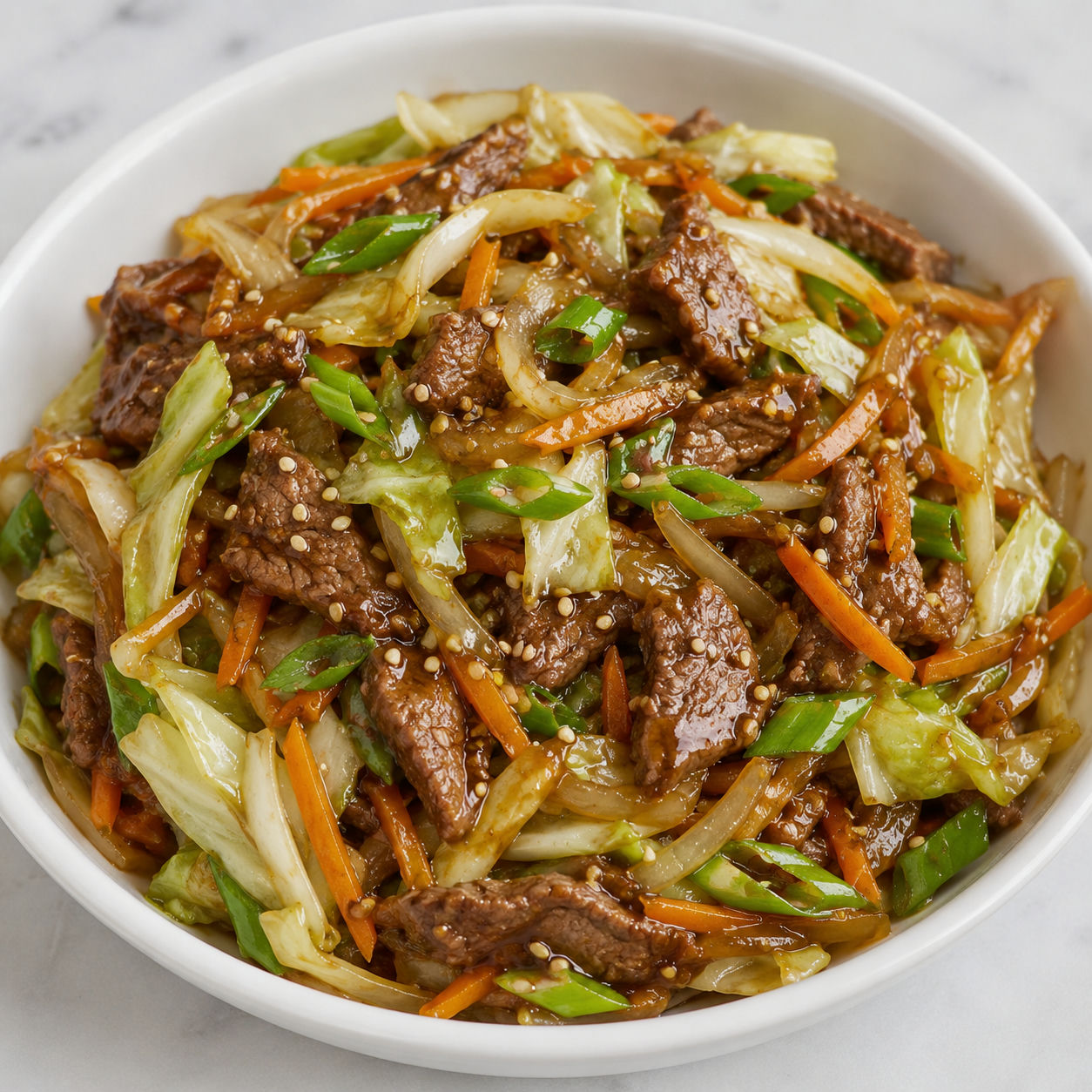
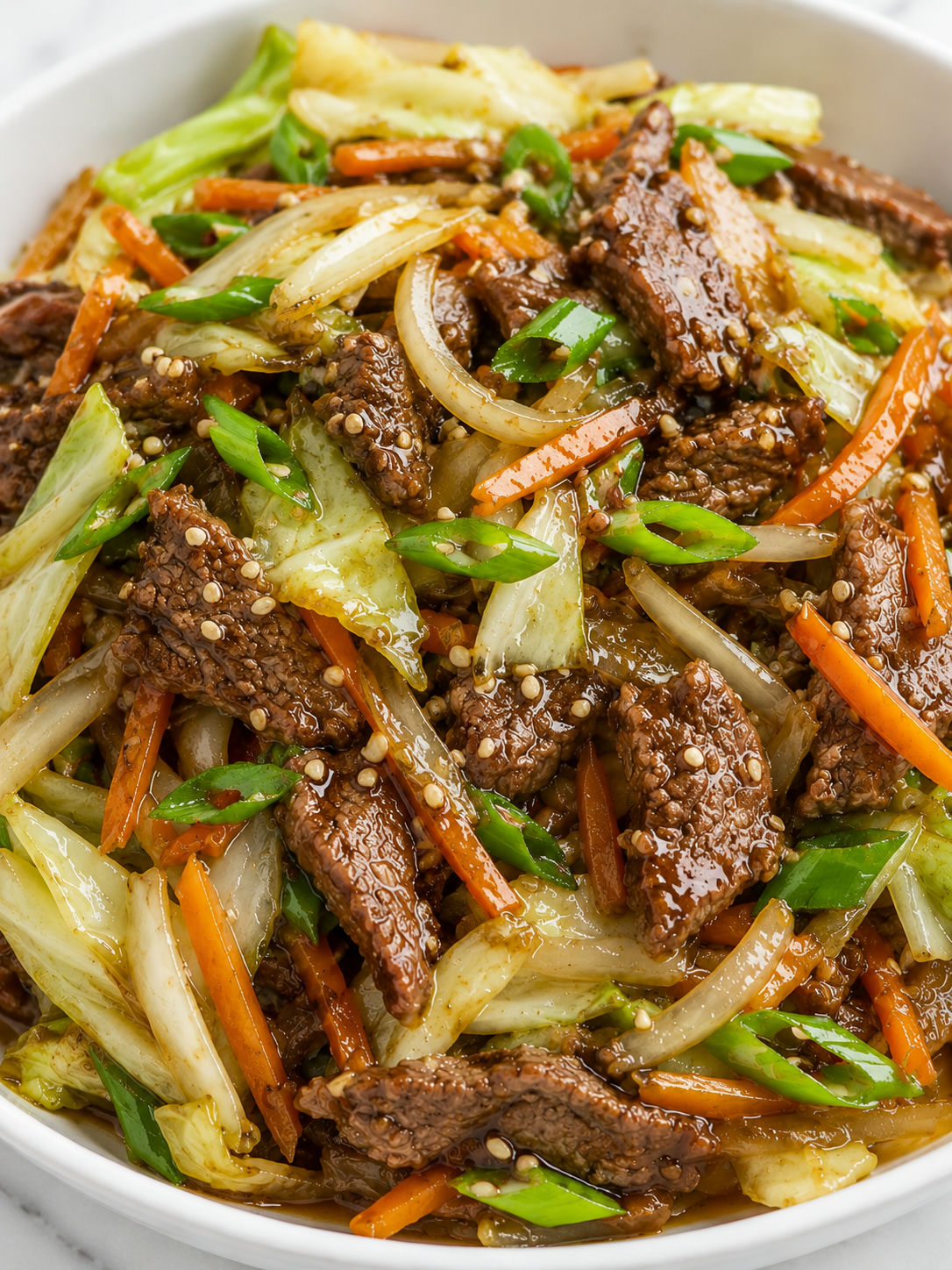
Easy Beef Cabbage Stir-Fry is the kind of dinner that feels bigger than the effort behind it. You get tender strips of beef, sweet cabbage edges, a little heat, and a sauce that clings instead of pooling in the bottom of the pan.
I like this on nights when I want protein and vegetables without juggling three pans. The main trick is simple. Slice the beef thin, cook it hard and fast, then let the cabbage stay a little crisp.
The Saucy Cabbage Lineup
Choose cabbage with firm, pale leaves and beef with visible grain so you can slice across it. Have the sauce ready before you turn on the heat because stir-fry does not wait politely.
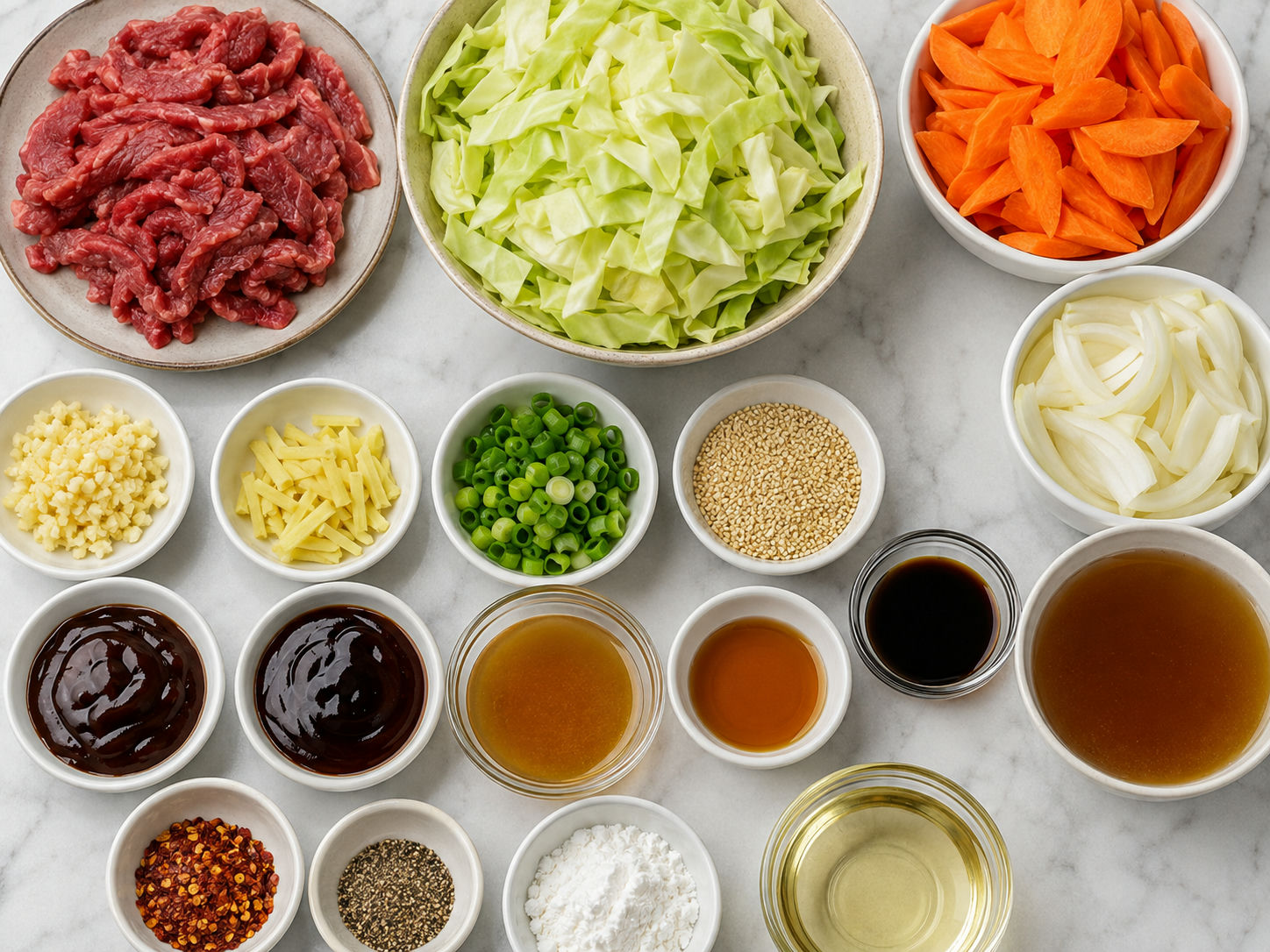
- Thinly sliced beef. Gives the dish its savory bite and cooks in minutes when cut across the grain.
- Green cabbage. Softens at the edges while keeping a fresh crunch in the center.
- Carrot. Adds color and a light sweetness that balances the salty sauce.
- Onion. Browns quickly and gives the skillet a sweet base note.
- Garlic and ginger. Bring sharp, warm aroma so the sauce tastes cooked, not flat.
- Soy sauce, oyster sauce, and hoisin. Build a glossy sweet-savory coating for the beef and vegetables.
- Cornstarch. Helps the marinade cling to the beef and lightly thickens the pan sauce.
- Sesame oil. Goes in at the end for a toasted finish.
Cook It Hot And Fast
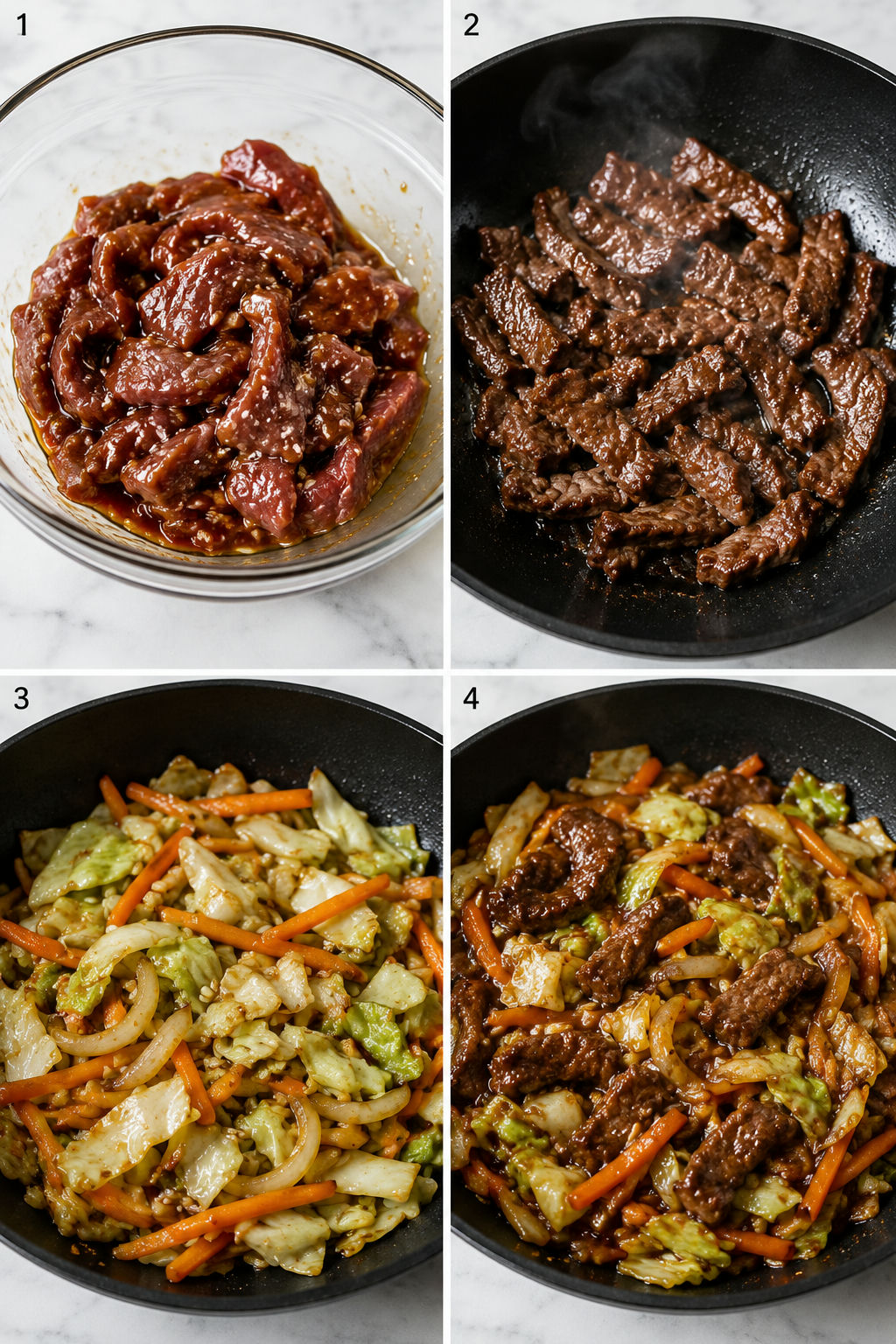
- Slice and marinate. Cut the beef thinly across the grain, then toss it with soy sauce, cornstarch, oil, and a small pinch of baking soda if using a tougher cut. Let it sit while you prep the vegetables.
- Mix the sauce. Whisk broth, soy sauce, oyster sauce, hoisin, sesame oil, pepper, and chili flakes in a small bowl so it is ready to pour.
- Sear the beef. Heat a large skillet or wok until very hot. Spread the beef in one layer and cook just until browned on both sides, then move it to a plate.
- Start the vegetables. Add onion first, then garlic and ginger. Stir in carrots for a minute before the cabbage goes in.
- Keep cabbage crisp. Stir-fry the cabbage until glossy and tender-crisp, about 2-3 minutes. Do not cook it until limp.
- Finish in the sauce. Return the beef, pour in the sauce, and toss for 1-2 minutes until everything is shiny and hot.
Why Thin Beef Matters
The difference between tender stir-fry beef and chewy beef is usually the knife work. Look at the meat and find the long muscle fibers, then cut across them into thin pieces. A 15-minute rest with soy sauce, cornstarch, and oil helps the slices stay juicy in a very hot pan. Chinese cooks often use velveting for stir-fries, and The Woks of Life explains the technique in detail.
If you are cooking a tougher cut, use the tiny pinch of baking soda listed in the recipe card. More is not better. Too much can make the beef taste odd and feel springy.
A Pan That Can Keep Up
A wok is useful, but a wide skillet is fine. What matters is surface area and heat. If the beef is piled up, it steams and leaks juice before it browns. Cook it in two batches if your pan is small.
This recipe has the same practical weeknight spirit as Easy High-Protein Meal in One Pan. Keep the pan hot, keep the ingredients moving, and do not add the sauce until the vegetables have had a chance to sear. The USDA lists 145°F for whole beef cuts with a rest time on its safe temperature chart. Thin stir-fry slices cook so quickly that visual cues matter too. They should be browned outside and hot throughout.
Easy Swaps For Busy Nights
Bagged coleslaw mix is the shortcut I actually use when the evening is tight. It gives you cabbage and carrots with no cutting board pile. Napa cabbage is softer and cooks faster. Green cabbage is sturdier and holds up better for leftovers.
For heat, use chili flakes, sriracha, chili crisp, or a sliced fresh chile. For a lighter bowl, serve it as is or over cauliflower rice. For a fuller dinner, spoon it over jasmine rice or noodles. A bright side helps too. Try it with Quick Refrigerator-Pickled Red Onions or next to a crunchy bowl like Fresh, Colorful, and Loaded with Flavor Taco Salad Bowl when you want more vegetables on the table.
Storing Without Losing Texture
Leftovers are good, but the cabbage softens as it sits. Cool the stir-fry quickly, then refrigerate it in a shallow airtight container. FoodSafety.gov lists cooked meat leftovers at 3-4 days in the refrigerator on its cold storage chart.
Reheat in a skillet, not a covered microwave bowl if you can help it. A splash of broth wakes the sauce back up and the direct heat brings back a little texture. If you plan to meal prep, cook the cabbage a touch less on day one. It will finish softening when reheated.
Summary
This beef and cabbage stir-fry is quick, saucy, flexible, and best served hot from the skillet.
Frequently Asked Questions
- What cut of beef is best for Easy Beef Cabbage Stir-Fry?
-
Flank steak and sirloin are both good choices because they cook quickly and slice neatly. Chuck steak can work if you cut it very thin and give it a little extra time in the marinade.
- Can I use ground beef instead of sliced beef?
-
Yes. Brown 1 lb (450 g) ground beef until no pink remains, then drain excess fat if needed. Add the aromatics, vegetables, and sauce as written.
- How do I keep the cabbage from getting soggy?
-
Use high heat and a wide pan so moisture can cook off quickly. Add the cabbage after the carrots and stir-fry only until the thick pieces bend but still have bite.
- Can I make this gluten-free?
-
Use gluten-free tamari instead of soy sauce and choose gluten-free oyster sauce and hoisin sauce. Check every bottle because many bottled sauces contain wheat.
- How long do leftovers keep?
-
Store leftovers in an airtight container in the refrigerator for 3-4 days. Reheat in a skillet over medium heat with a splash of water or broth to loosen the sauce.
- What should I serve with beef cabbage stir-fry?
-
Steamed jasmine rice is the easiest base. Rice noodles, cauliflower rice, or a crisp side like pickled onions also work well when you want a sharper contrast.