
 Pin it
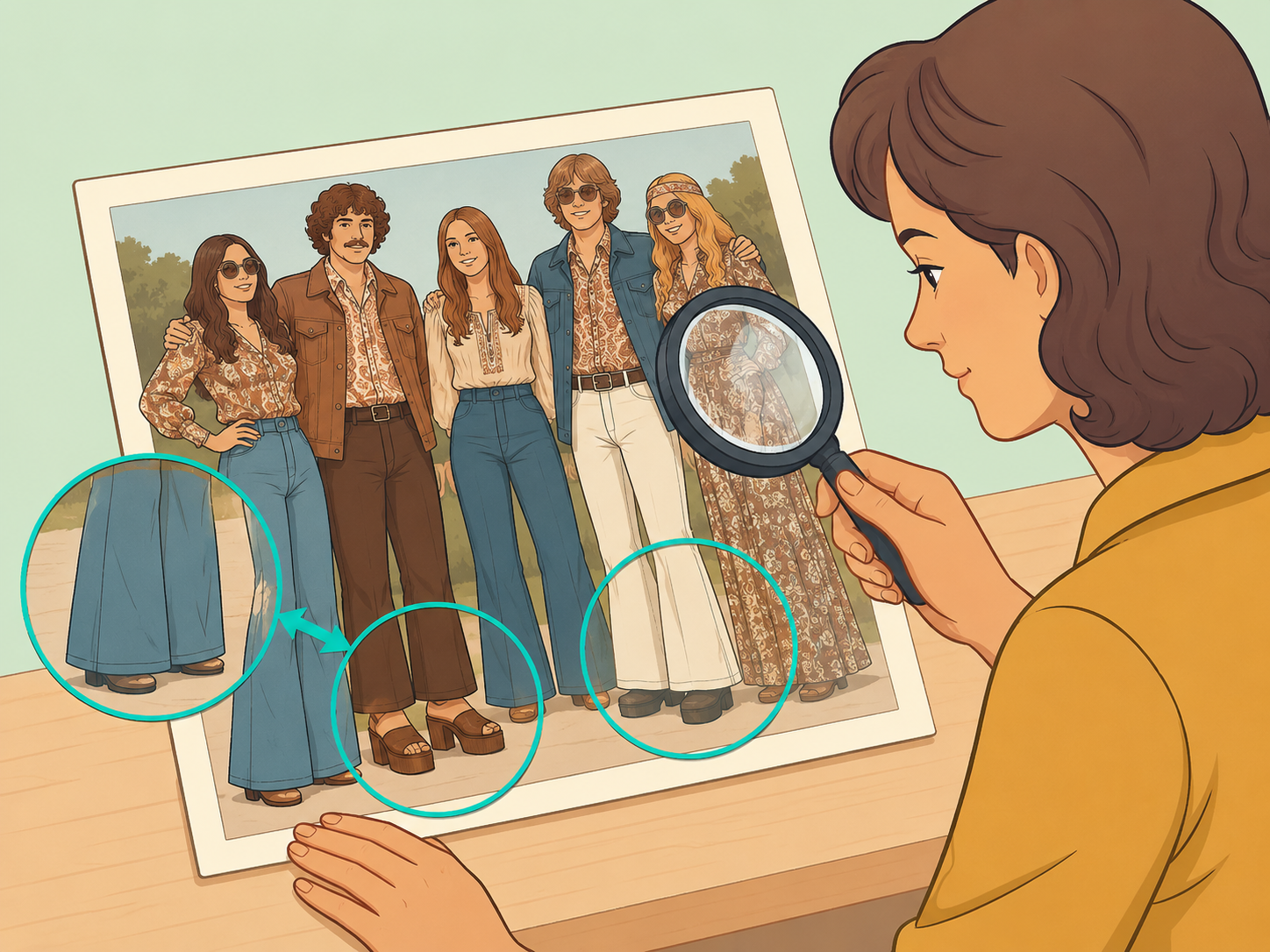
Old photos can be fascinating, especially when a viral caption asks what detail you notice first. This guide shows you how to look at a 1970s girls photo carefully, spot period clues, and avoid being pushed into a misleading comment thread. The goal is simple: enjoy the image while checking what is actually supported by evidence.
Start with what you can actually see
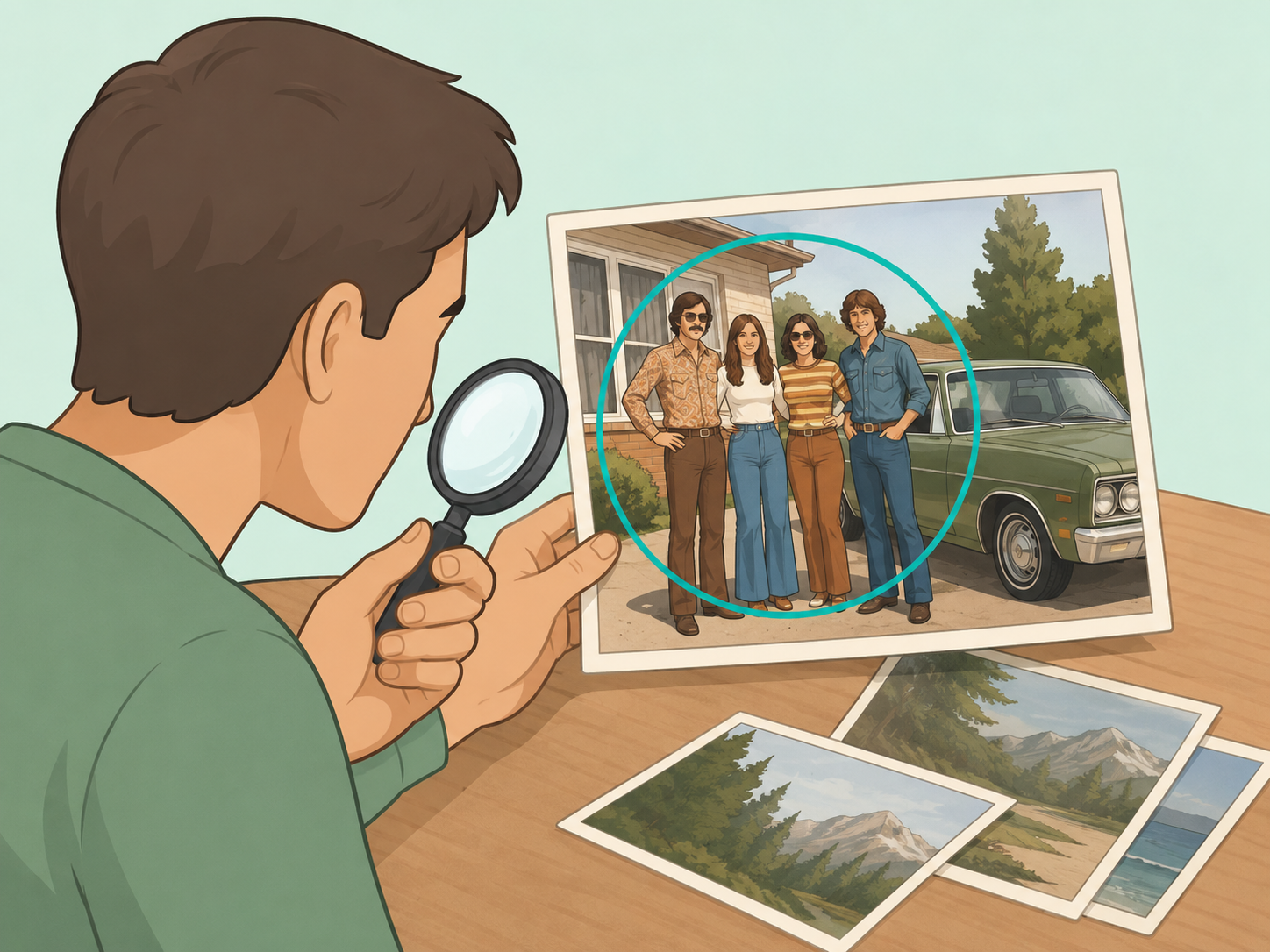
Look at the photo for a few seconds before reading the comments or accepting the caption. The National Archives photo analysis worksheet starts with simple observations like people, objects, actions, color, and captions because those details keep you grounded in evidence.
Separate observations from guesses
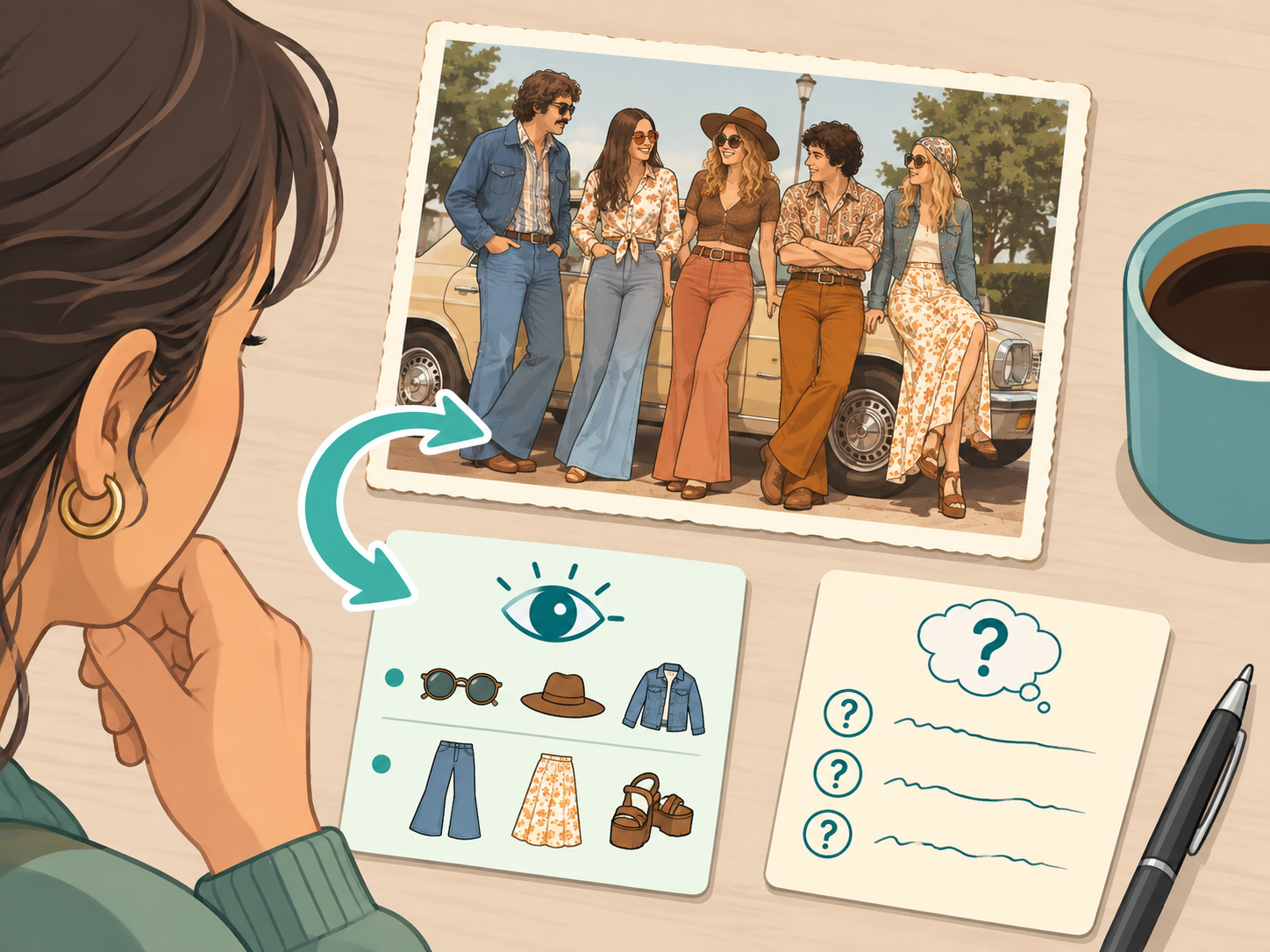
Write down details such as clothes, shoes, hairstyles, furniture, cars, signs, or the type of photo. Then label any bigger idea, such as the decade, location, or social meaning, as a guess until you have support. The Library of Congress primary source guides use an observe, reflect, and question approach for exactly this reason.
Check the clothes without overclaiming
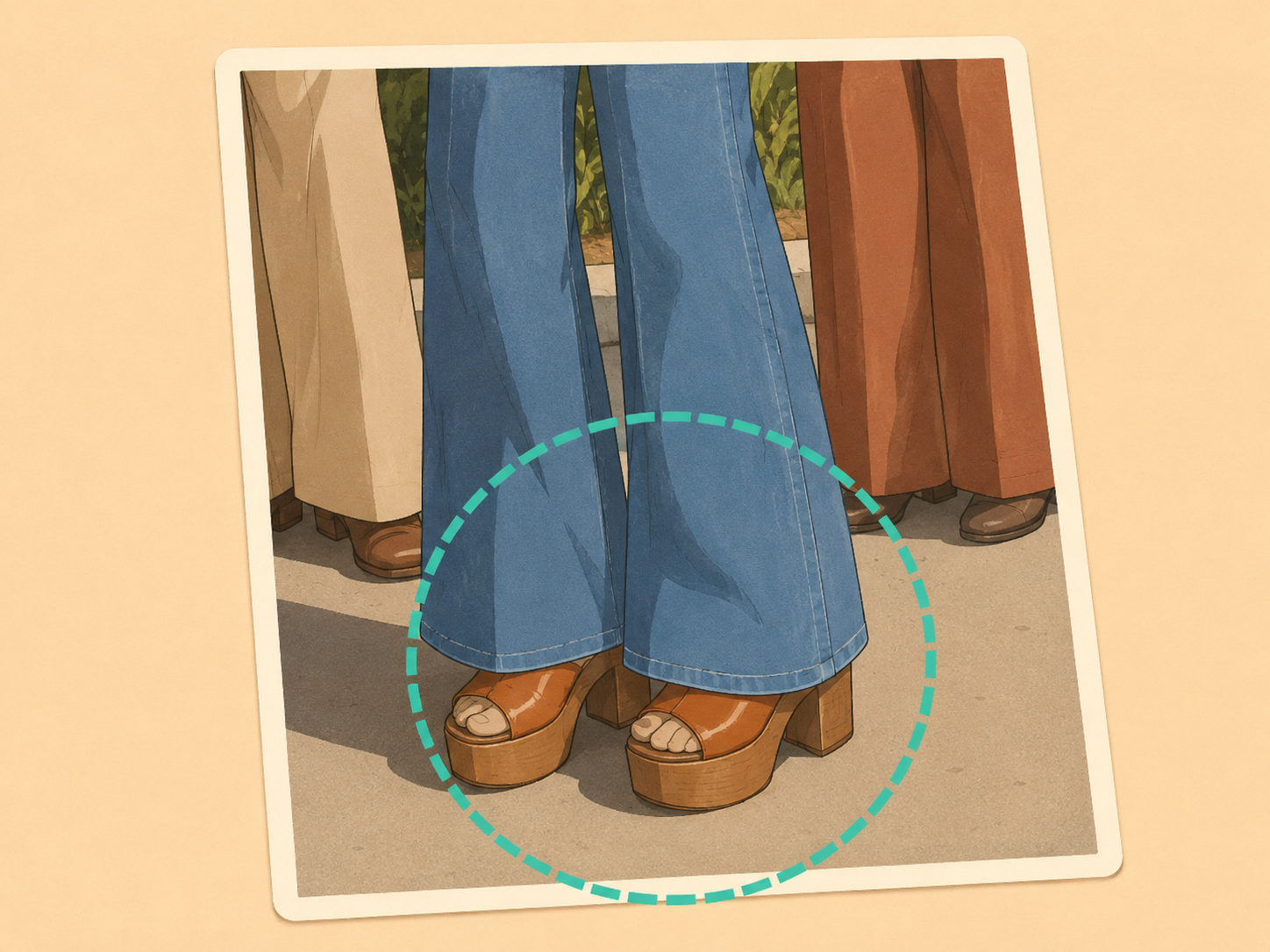
Clothing can offer helpful period clues, but it should not be treated as proof on its own. For example, the Smithsonian notes that platform shoes gained popularity in the late 1960s and stayed fashionable into the next decade, so platforms may fit a 1970s image while still needing other context.
Look for setting clues around the people
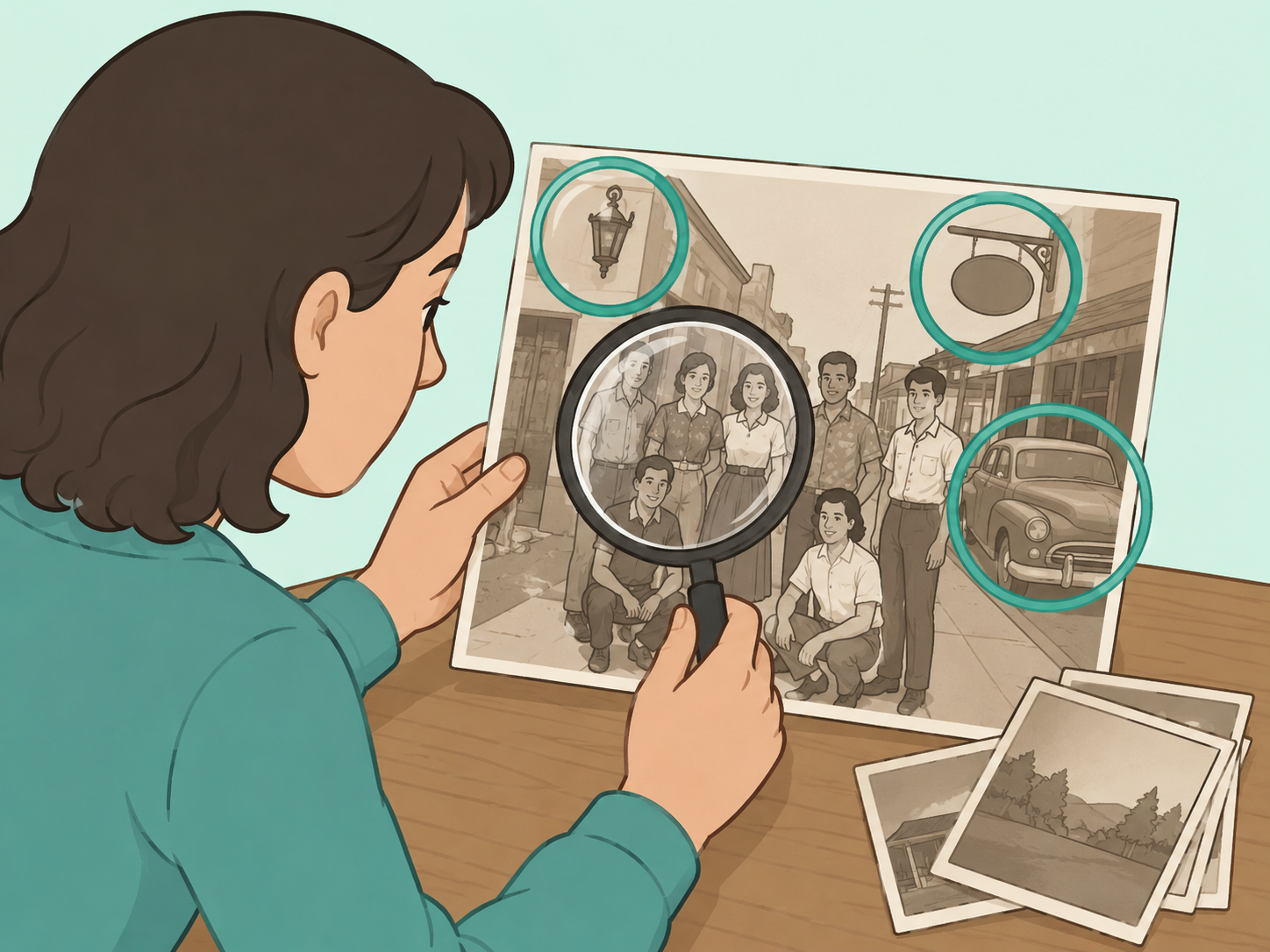
Scan the background for shop signs, school lockers, room decor, cars, appliances, street markings, or printed material. These details often say more than a pose does. Archival collections, such as the Library of Congress guide to American women in photojournalism collections, show how dates, locations, and collection notes help explain what a photo records.

Read the caption as a claim, not a fact
A caption like "Girls in the '70s" may be correct, partly correct, or simply written to attract attention. Check whether it names a photographer, publication, archive, date, or place. If it only says the answer is in the first comment, treat that as a prompt to verify rather than a reason to click.
Search for the original source
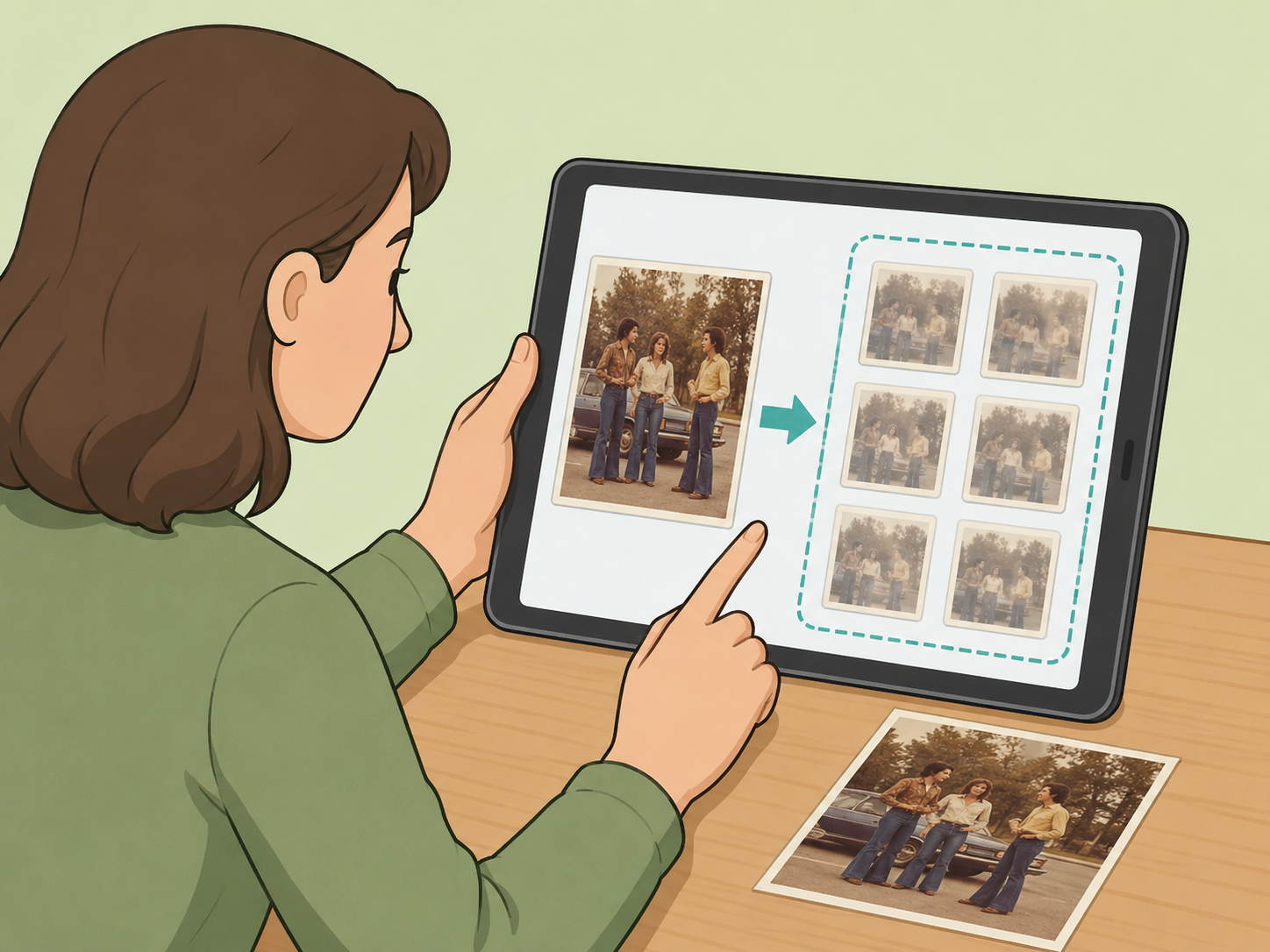
Use a reverse image search or search for a plain description of the photo, such as visible clothing, location, and any signs. The UK House of Commons Library explains that checking the original source can reveal whether an image is real, reused, altered, or placed in the wrong context. Use the earliest reliable version you can find, not the loudest repost.

Watch for engagement-bait and scam patterns
Posts that push urgency, prizes, hidden answers, or outside links deserve extra caution. The FTC warns that scams can start on social media and that people should check out posts and offers before acting. Its general scam guidance also says to resist pressure to act immediately.
Share only what you can support
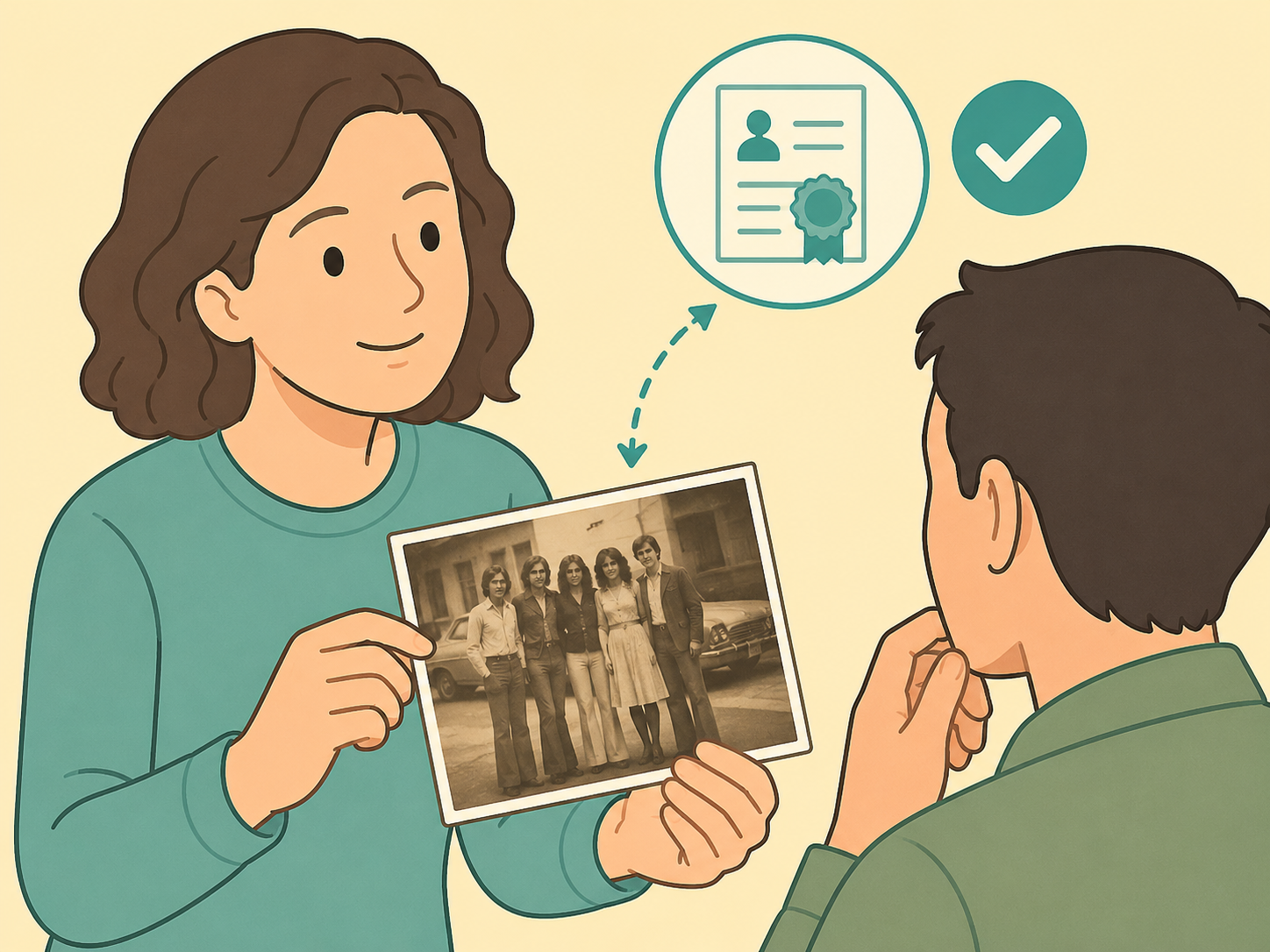
When you comment or share, stick to careful wording such as "This looks like 1970s fashion" or "The platform shoes stand out," instead of claiming a precise story you have not verified. If you find a reliable source, include it so others can check it too. That keeps the nostalgia fun without turning a photo into misinformation.
Summary
The bottom line: start with visible details, then move to context. Clothing, setting, caption, and source all matter, but a viral post is not proof by itself.
Frequently Asked Questions
- What is usually the first detail people notice in 1970s photos?
Many people notice clothing first, such as wide-leg pants, platform shoes, bold colors, or relaxed hair. The best first detail is the one you can actually point to in the image, not the one suggested by the caption.
- Can clothing prove a photo is from the 1970s?
Clothing can be a useful clue, but it does not prove the date by itself. Styles come back, photos can be staged, and captions can be wrong, so compare the clothing with the source record, setting, and other visible details.
- Why do posts say the answer is in the first comment?
That wording is often used to increase clicks and comments. It does not automatically mean the post is false, but it is a good reason to slow down and check the source before engaging.
- How can I check whether an old photo is real?
Search for the image or a detailed description of it, look for an original archive or publication record, and compare dates, captions, and photographer information. A reverse image search can also show whether the same photo has appeared with different claims.
- Are all viral vintage photos misleading?
No. Many are real and simply shared for nostalgia. The risk is that a real photo can still be given the wrong date, place, or story, so it helps to verify context before treating it as history.
- What should I do if I cannot verify the photo?
Enjoy it as an interesting image, but avoid repeating specific claims about who, where, or when unless you can support them. You can also comment with a neutral question asking for the original source.
References
Reliable references aided in composing and refining this content.
- https://www.archives.gov/education/lessons/worksheets/analyze-a-photograph-novice
- https://www.loc.gov/programs/teachers/getting-started-with-primary-sources/guides/?reload=no
- https://www.si.edu/object/womens-plateau-clogs%3Aacm_1996.0007.0001
- https://guides.loc.gov/american-women-prints-photographs/photojournalism/us-news-collection
- https://consumer.ftc.gov/articles/how-avoid-scam
- https://consumer.ftc.gov/consumer-alerts/2020/10/scams-start-social-media
- https://commonslibrary.parliament.uk/research-briefings/cbp-10816