
 Pin it
This geometry challenge looks tricky because it gives areas but asks for perimeters. The key is to notice the likely hidden shape: each area is meant to be a square region. Once you turn each square area into a side length, the perimeter is quick to find.
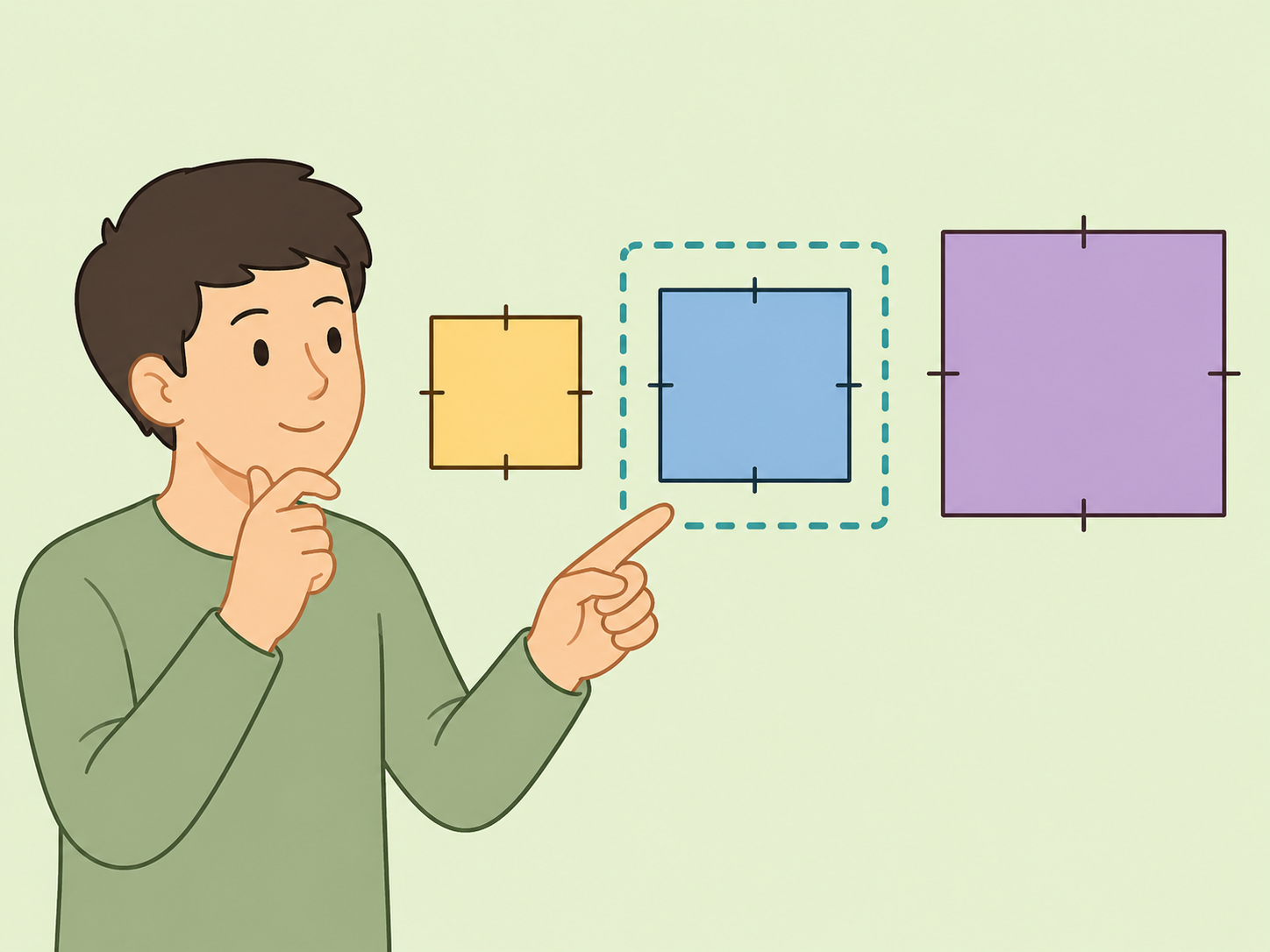
Confirm the challenge is using squares
Start by checking what the problem is really asking. Area by itself does not always determine a single perimeter, because area counts square units while perimeter surrounds a shape. This challenge becomes solvable when the 4 m2, 9 m2, and 16 m2 areas are treated as squares.
Separate area units from perimeter units
Keep the units straight before calculating. Perimeter is the distance around a two-dimensional shape, so the final answers will be in meters, not square meters. The given m2 values describe area only.
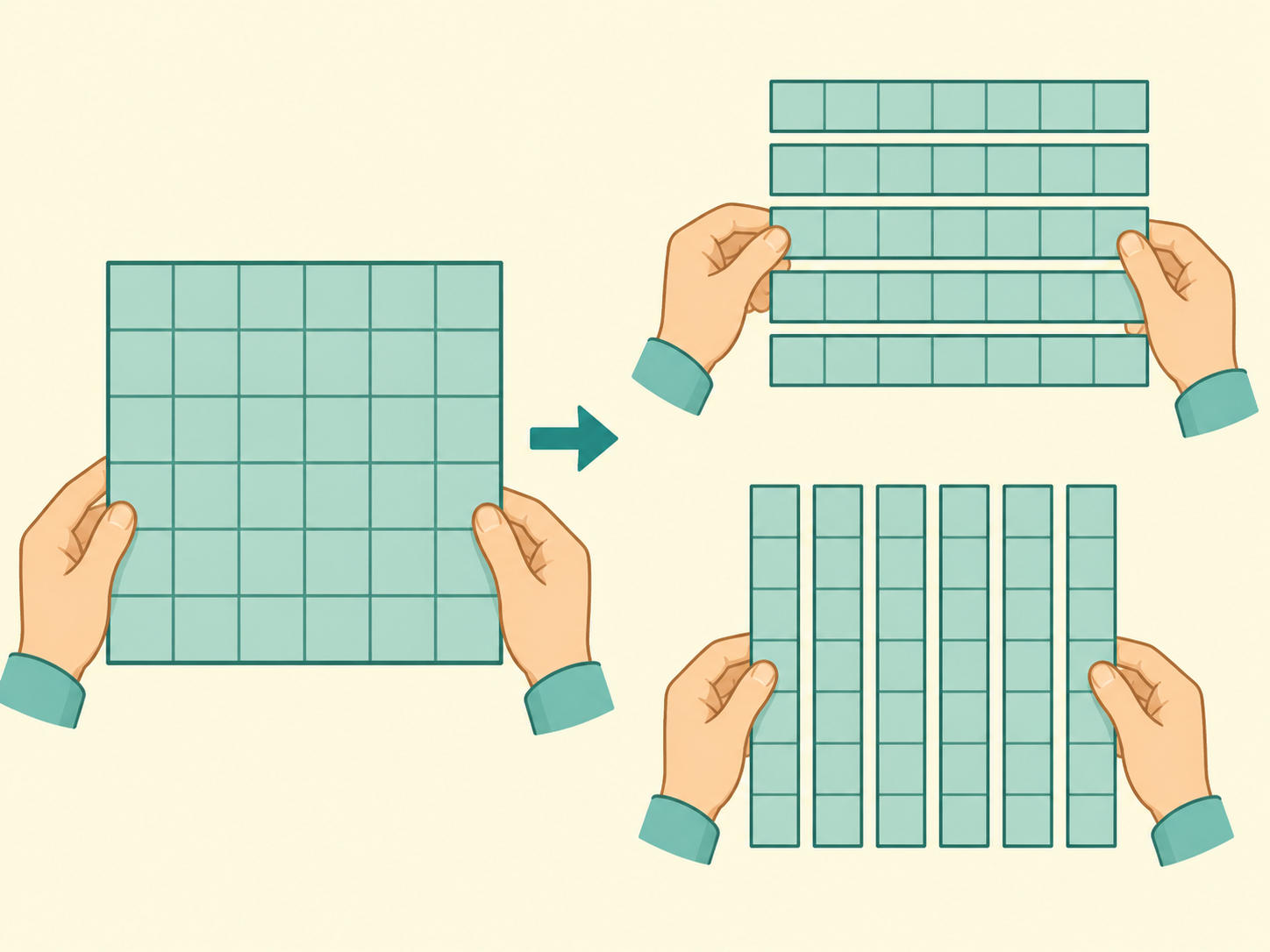
Turn each area into a side length
For a square, the area is side times side, so the side length is the square root of the area. This follows from the rectangle area idea that area is length times width, with a square using the same length in both directions. In formula form, if A = s x s, then s = square root of A.
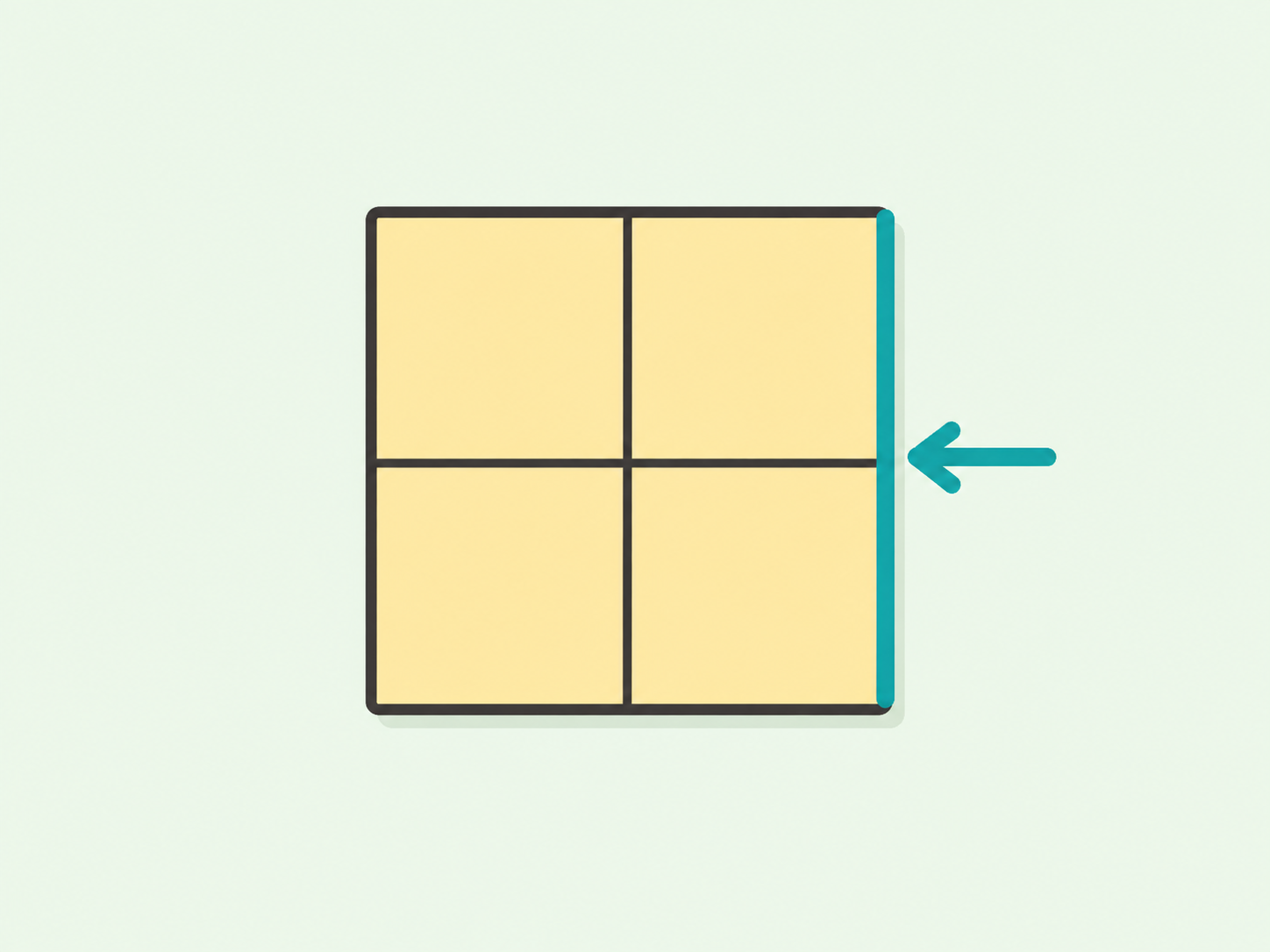
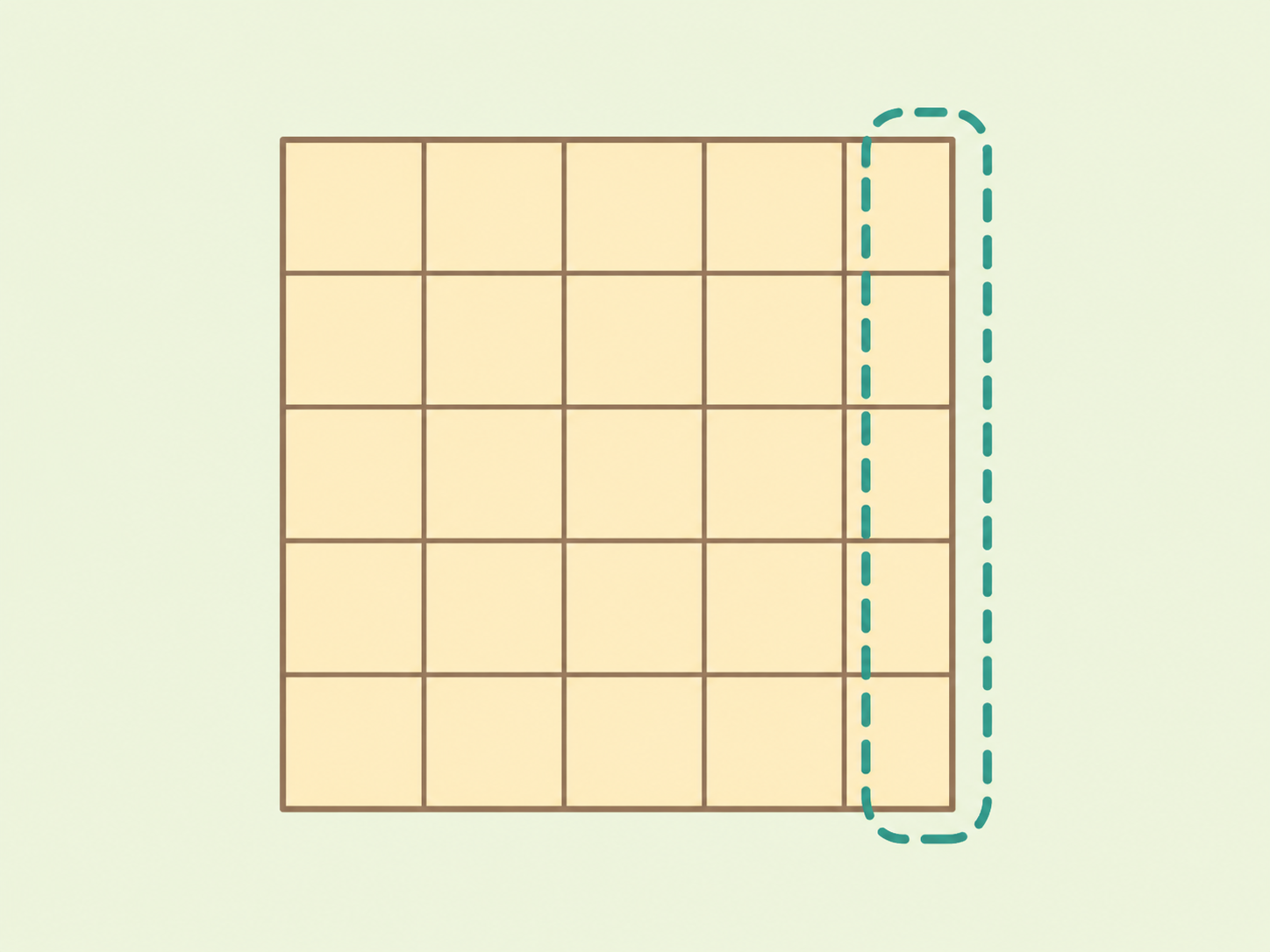
Solve the 4 m² square
Find the number that multiplies by itself to make 4. Since 2 x 2 = 4, the side length is 2 m; square roots undo squaring. Hold that side length for the perimeter step.
Solve the 9 m² square
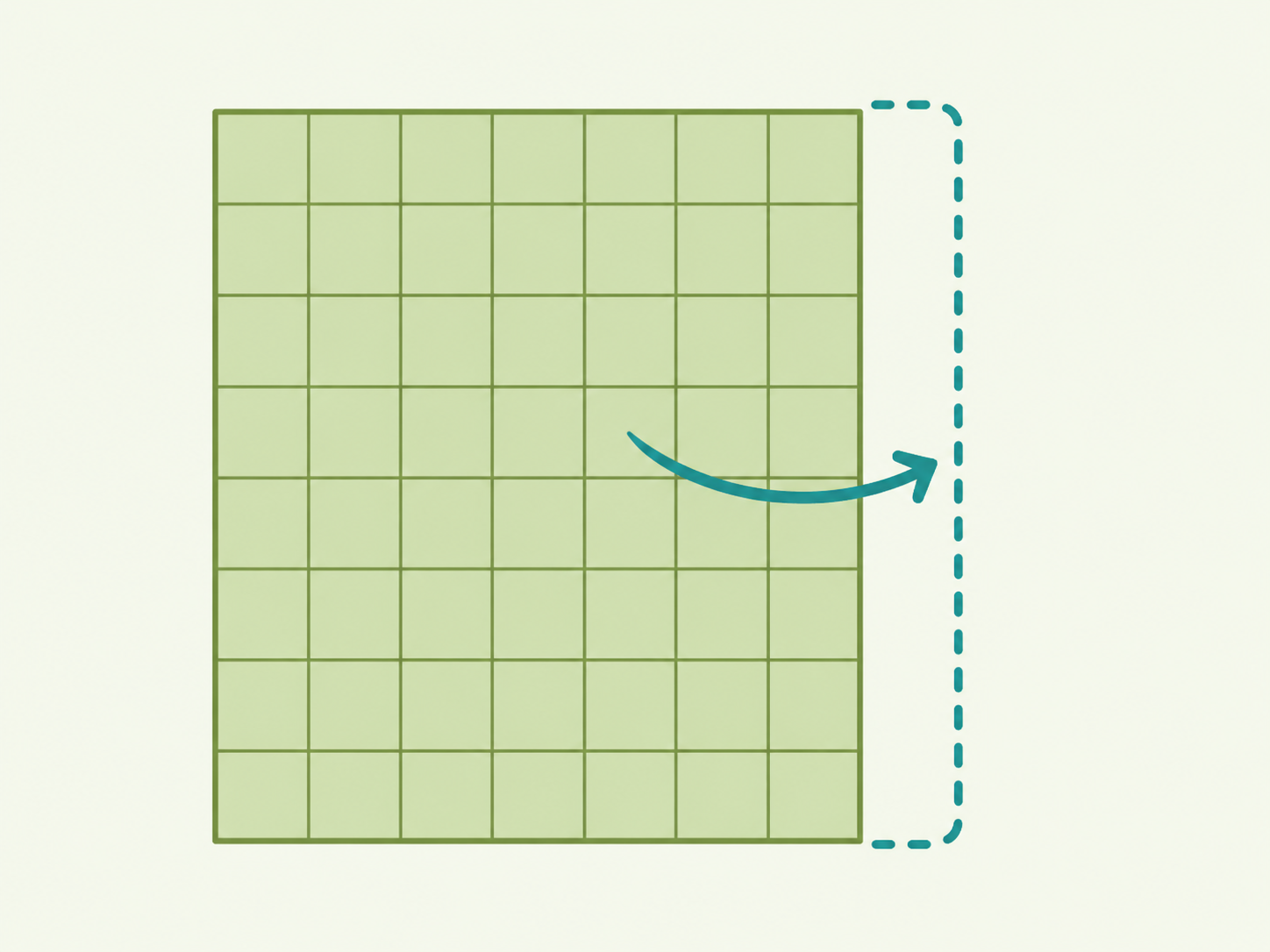
Now do the same thing for 9 m2. Since 3 x 3 = 9, the square has a side length of 3 m. The square-meter unit becomes meters because you are finding one side, not the covered area.
Solve the 16 m² square
Repeat the pattern for 16 m2. Since 4 x 4 = 16, the side length is 4 m. The areas 4, 9, and 16 are all perfect squares, which is why the side lengths come out as whole numbers.
Multiply each side length by 4
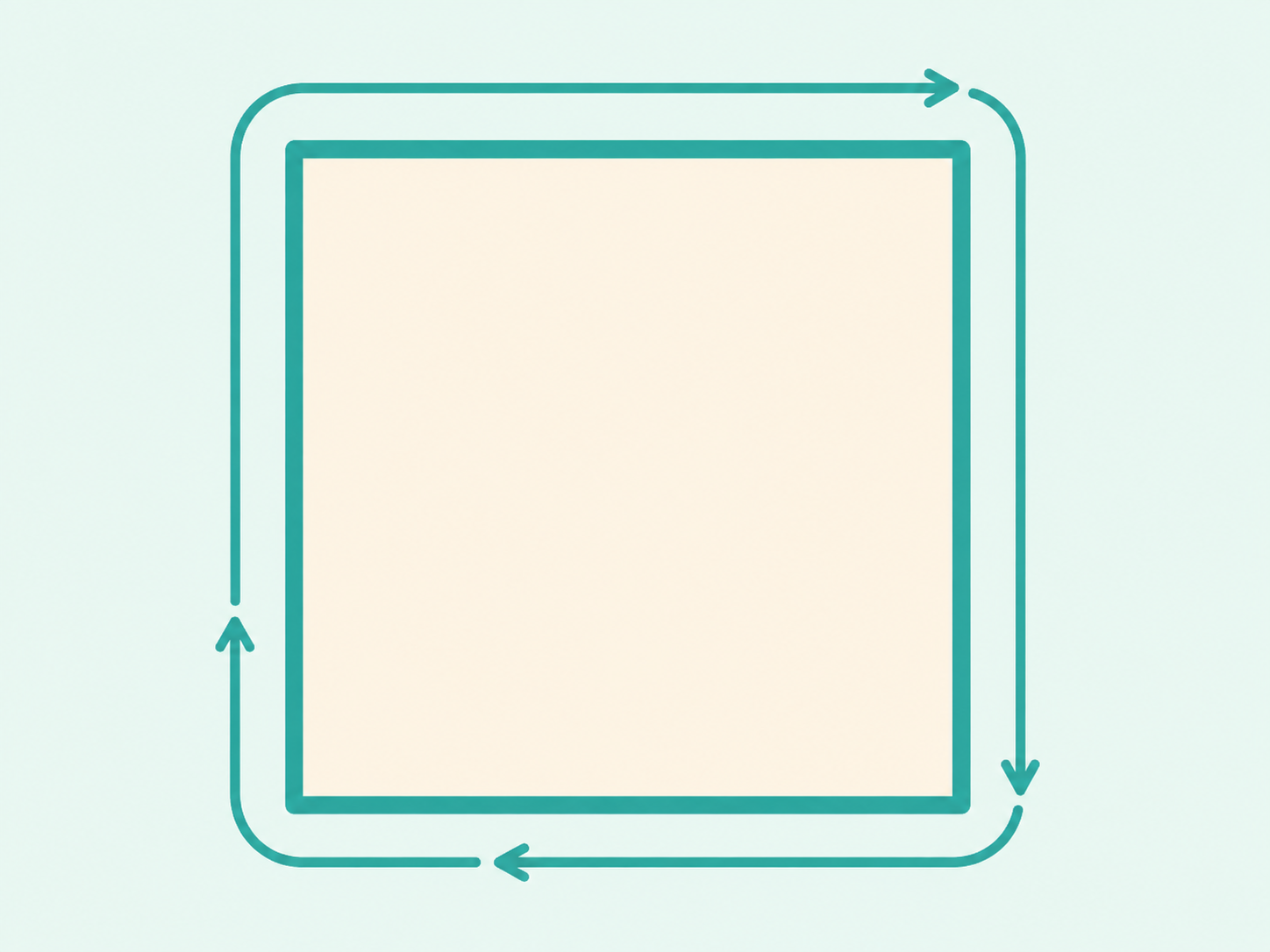
A square has four equal sides, so its perimeter is four times one side length. A square perimeter can be written as side + side + side + side, or 4 times the side. That gives 4 x 2 = 8 m, 4 x 3 = 12 m, and 4 x 4 = 16 m.

State the answer and the assumption
Write the result clearly: the perimeters are 8 m, 12 m, and 16 m for the square areas 4 m2, 9 m2, and 16 m2. If the challenge asks for the combined perimeter, add 8 + 12 + 16 to get 36 m. If the shapes are not squares, the problem needs more information before one exact perimeter can be found.
Summary
The bottom line: for square regions, take the square root of each area to get the side length, then multiply by 4. For 4 m2, 9 m2, and 16 m2, the perimeters are 8 m, 12 m, and 16 m; together they total 36 m.
Frequently Asked Questions
- What is the answer to the 4 m², 9 m², and 16 m² perimeter challenge?
If each area is a square, the perimeters are 8 m, 12 m, and 16 m. If the question asks for the total perimeter of all three squares, add them to get 36 m.
- Why do you take the square root of the area?
A square has equal side lengths, so its area is side times side. Taking the square root reverses that multiplication and gives the side length.
- Can you find a perimeter from area alone?
Not always. Many rectangles can have the same area but different perimeters, so the problem needs a shape or an assumption. This challenge works cleanly when the regions are squares.
- Why are the area units and perimeter units different?
Area measures covering space, so it uses square units such as m2. Perimeter measures distance around the edge, so it uses linear units such as meters.
- What is the shortcut formula for a square?
For a square with area A, the side length is the square root of A, and the perimeter is 4 times that side length. In short: perimeter = 4 x square root of area.
- What if the shapes are not squares?
Then the given areas are not enough to produce one definite perimeter. You would need the side lengths, a diagram, or another condition about the shape.
References
Reliable references aided in composing and refining this content.
- https://connectedmath.msu.edu/families/helping-with-math/6-4-covering-and-surrounding.aspx
- https://spot.pcc.edu/math/orcca/ed2/html-bak/section-geometry-formulas.html
- https://ximera.osu.edu/m4t/elementaryTeachersTwo/elementaryReading/Measurement/Formulas
- https://content.byui.edu/file/b8b83119-9acc-4a7b-bc84-efacf9043998/1/Math-2-4-2.html
- https://spot.pcc.edu/math/orcca/ed1/html/section-square-root-properties.html