
 Pin it
Disrespecting a judge can make a stressful court situation much worse. Courts expect calm, orderly behavior from parties, witnesses, lawyers, and spectators. This guide explains how to regain composure, show respect, and avoid making the problem bigger.
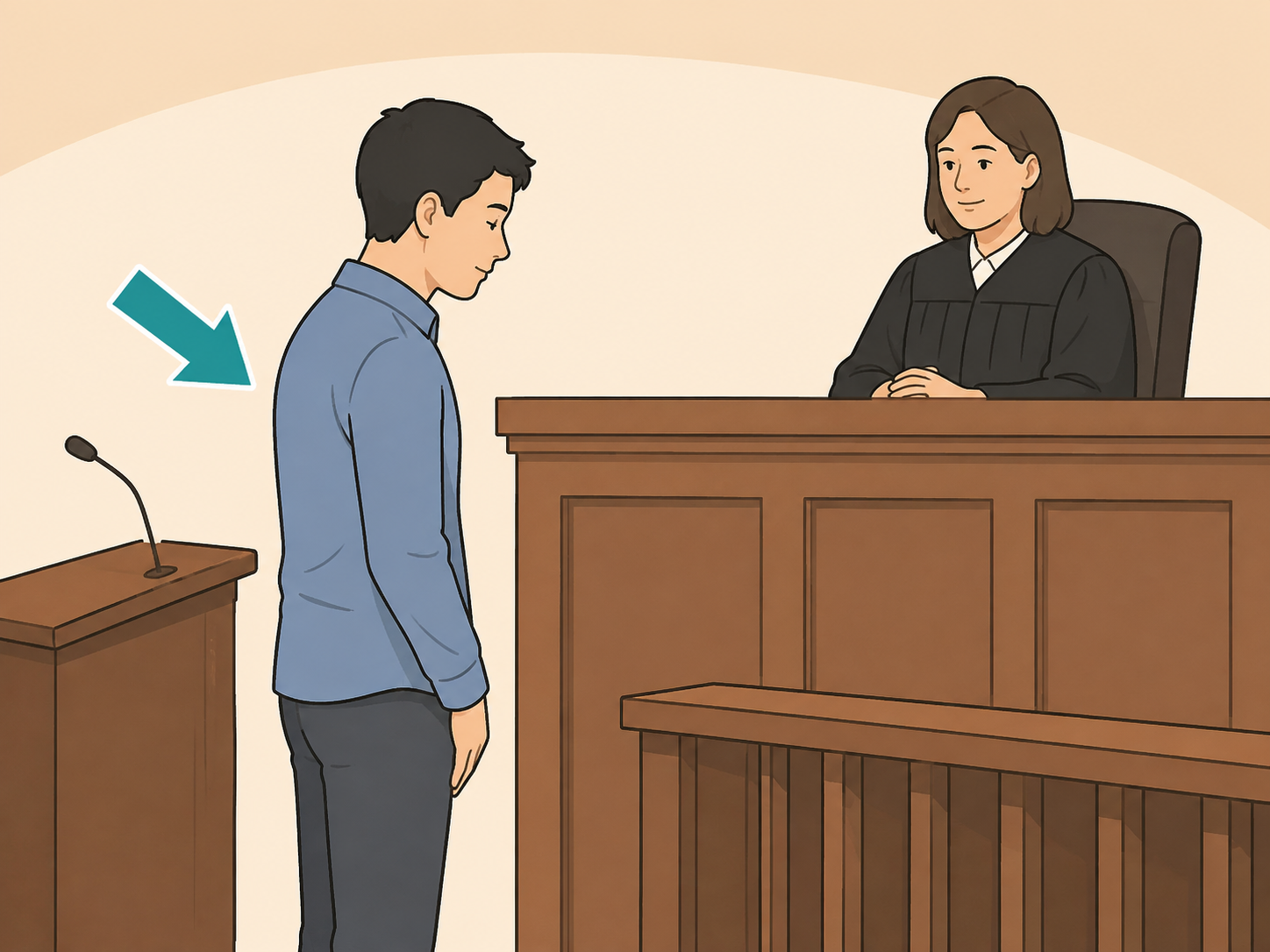
Stop the disrespectful behavior immediately
As soon as you realize you mocked, interrupted, laughed at, or challenged the judge in a disrespectful way, stop talking and regain a neutral posture. Federal courtroom rules commonly require people to avoid gestures, comments, noises, and expressions that show approval or disapproval during proceedings, as described in this courtroom decorum rule. Continuing after a warning can make the incident look intentional instead of impulsive.
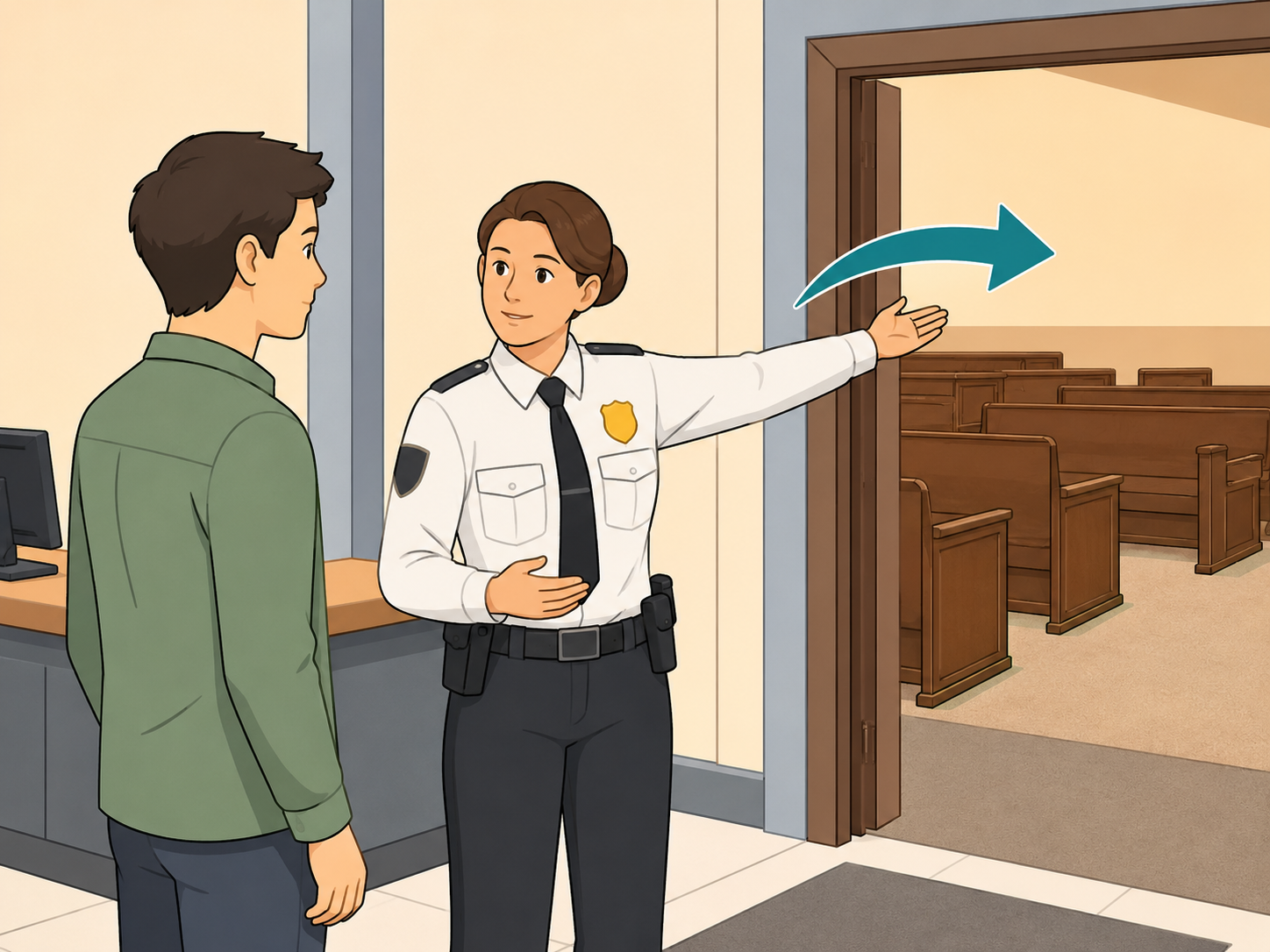
Follow every direction from the judge or court staff
Listen carefully for instructions about where to stand, whether to sit, when to speak, and whether to leave the courtroom. Court security officers and staff may control access, inspect items, and enforce courtroom rules under published courtroom decorum policies. If you do not understand an instruction, ask one short procedural question instead of debating it.
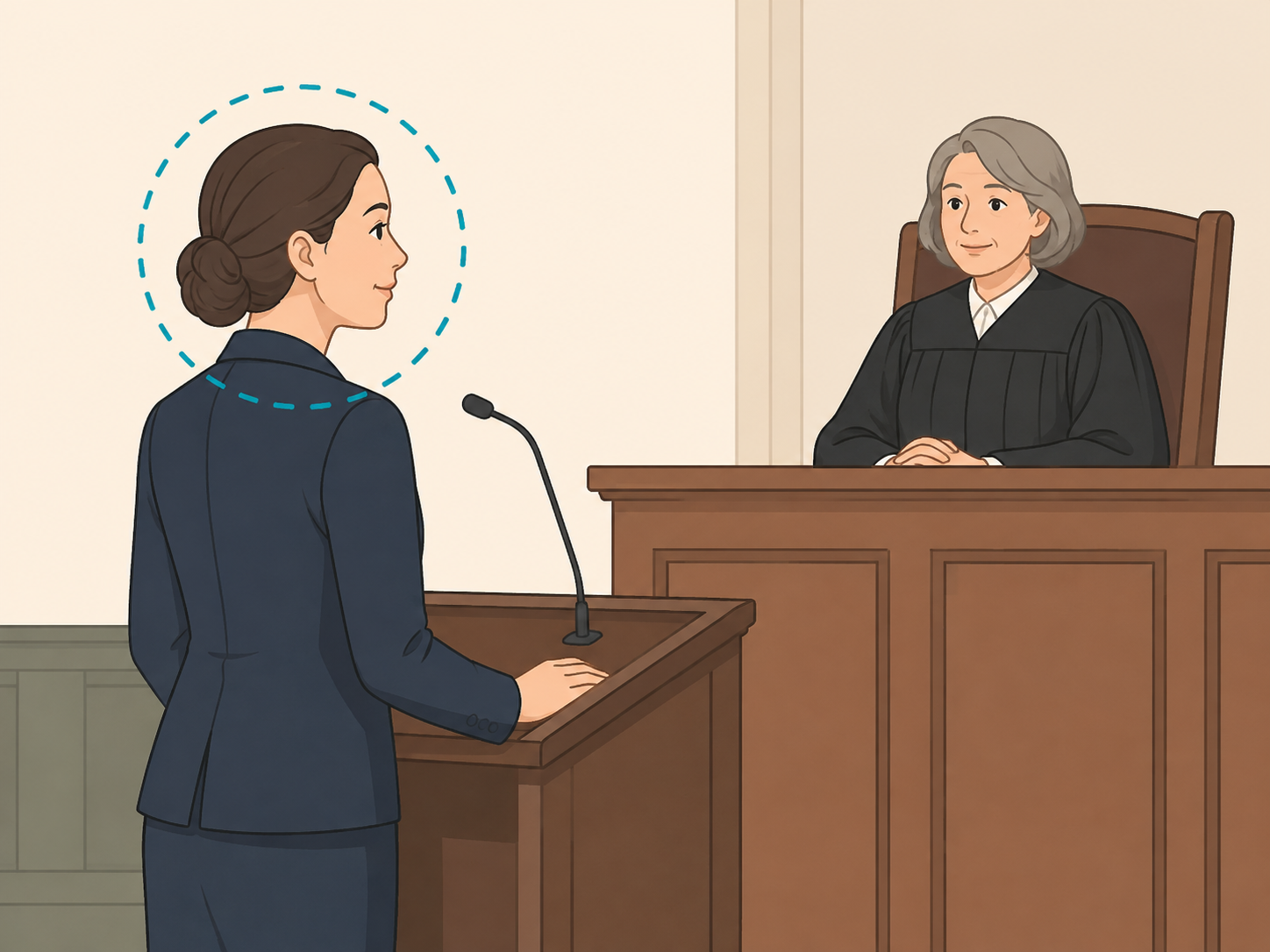
Use formal courtroom language
Address the judge respectfully and keep your tone even. Many court rules direct lawyers and self-represented parties to call the judge "Judge" or "Your Honor," and to refer to others by title, surname, or case role. Simple formal language helps shift attention back to the issue before the court instead of your behavior.
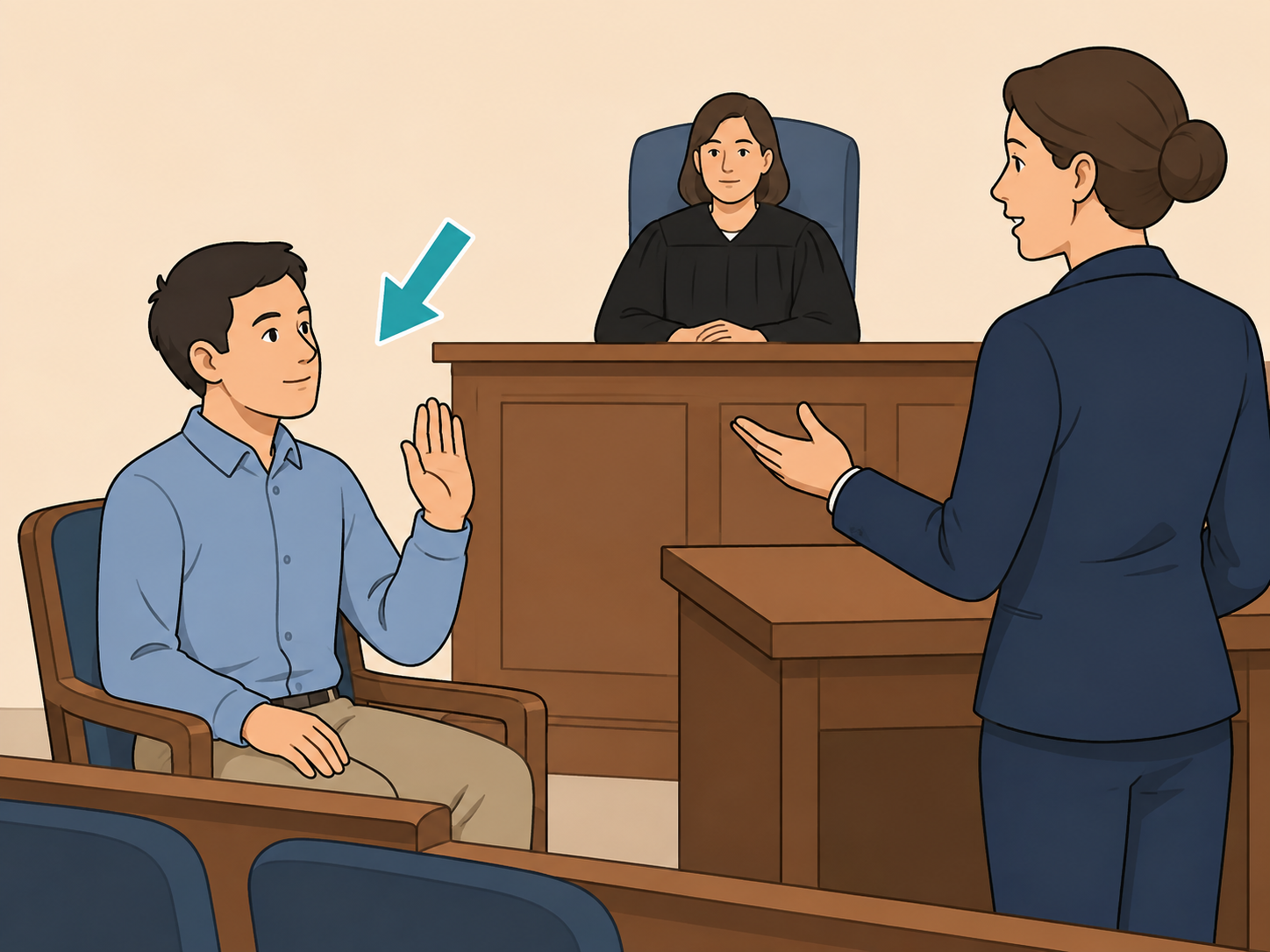
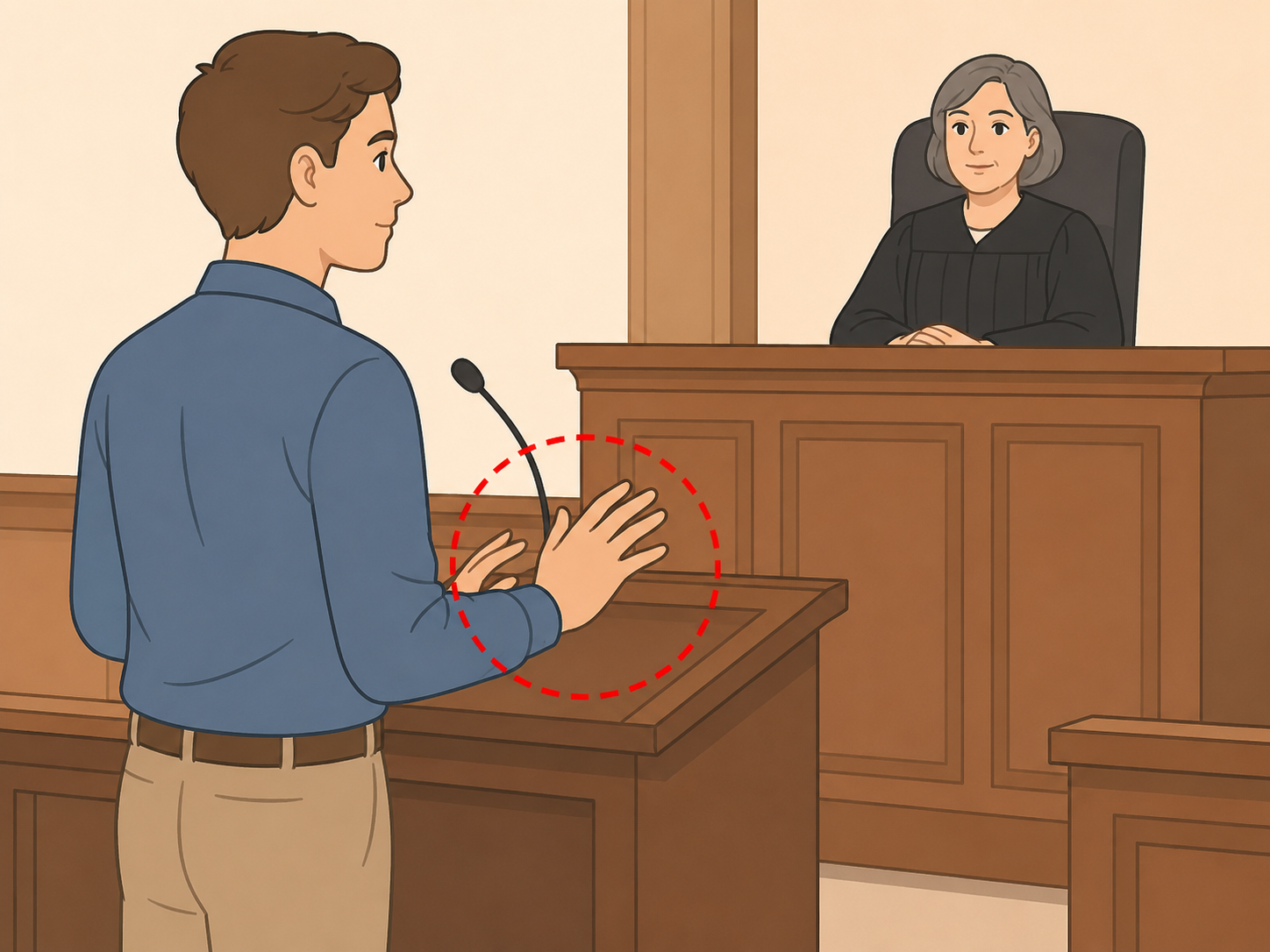
Wait until you are recognized before speaking
Do not talk over the judge, opposing counsel, witnesses, or court staff. U.S. Courts civil discussion guidance emphasizes waiting to be recognized, avoiding interruptions, and listening even when you disagree, which also fits the courtroom setting. If emotion is rising, pause, breathe once, and write down the point you want to raise later.
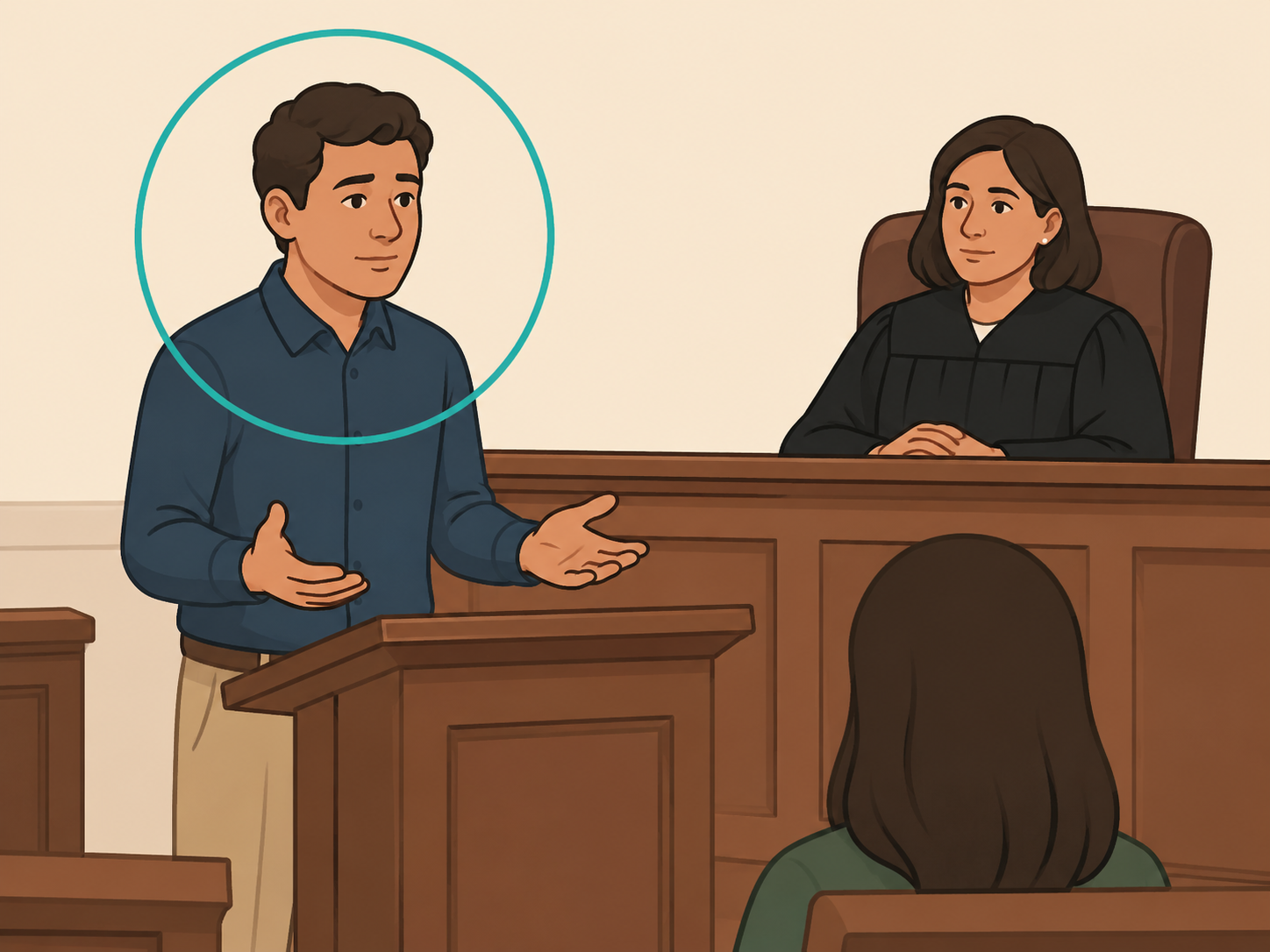
Give a brief apology if the court allows it
If the judge gives you a chance to respond, keep the apology short: acknowledge the behavior, say it will not continue, and stop there. Do not blame stress, another person, money, status, or the court for what happened. A long explanation can sound like an excuse and may reopen the disruption.
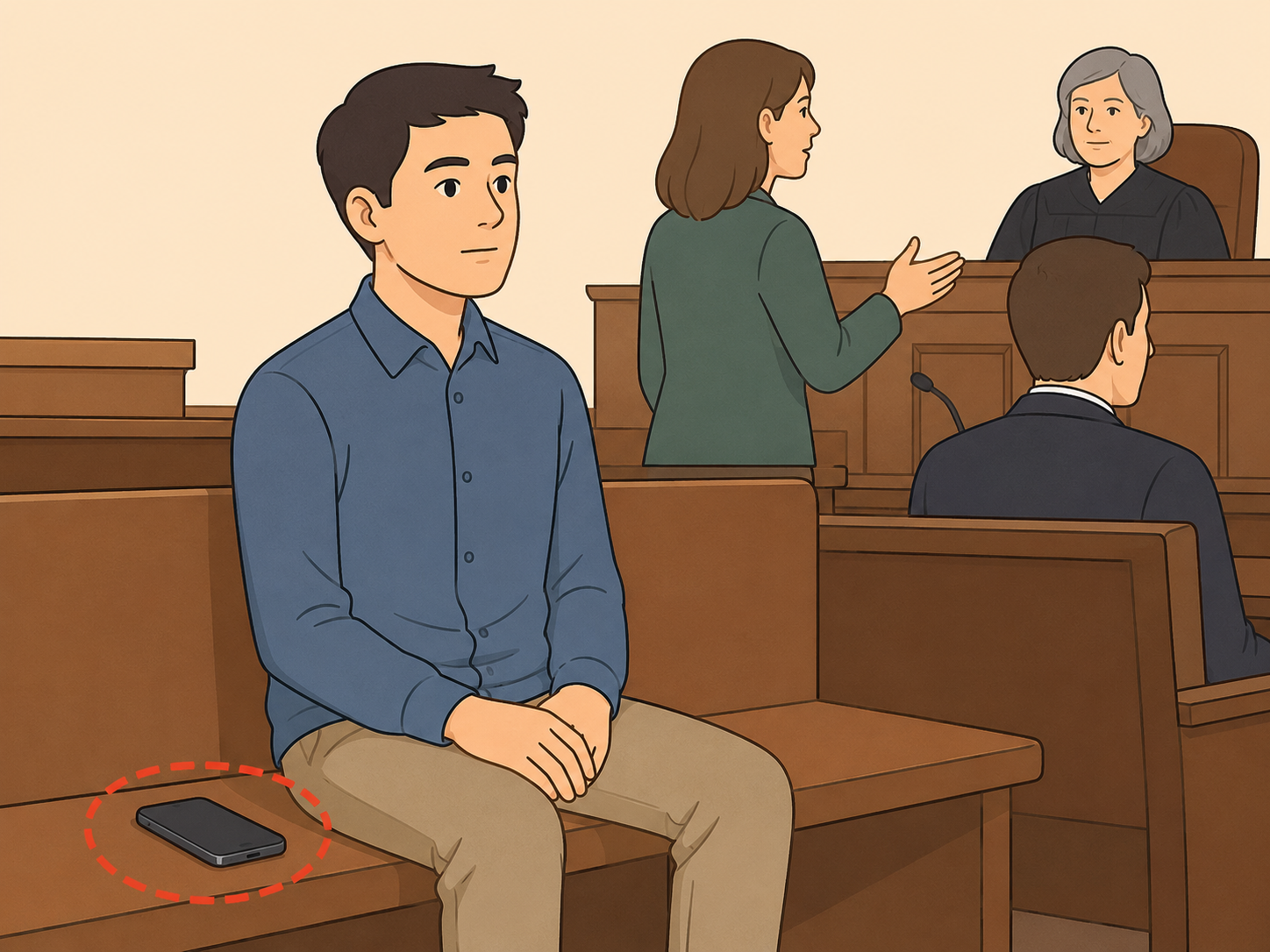
Avoid side comments, reactions, and phone use
Keep your face, hands, and voice controlled while others speak. Published courtroom rules often require devices to be silent and restrict comments, noises, food, recording, and distracting conduct. Even whispered remarks may be picked up by courtroom microphones, according to the U.S. Court of Federal Claims decorum guidance.
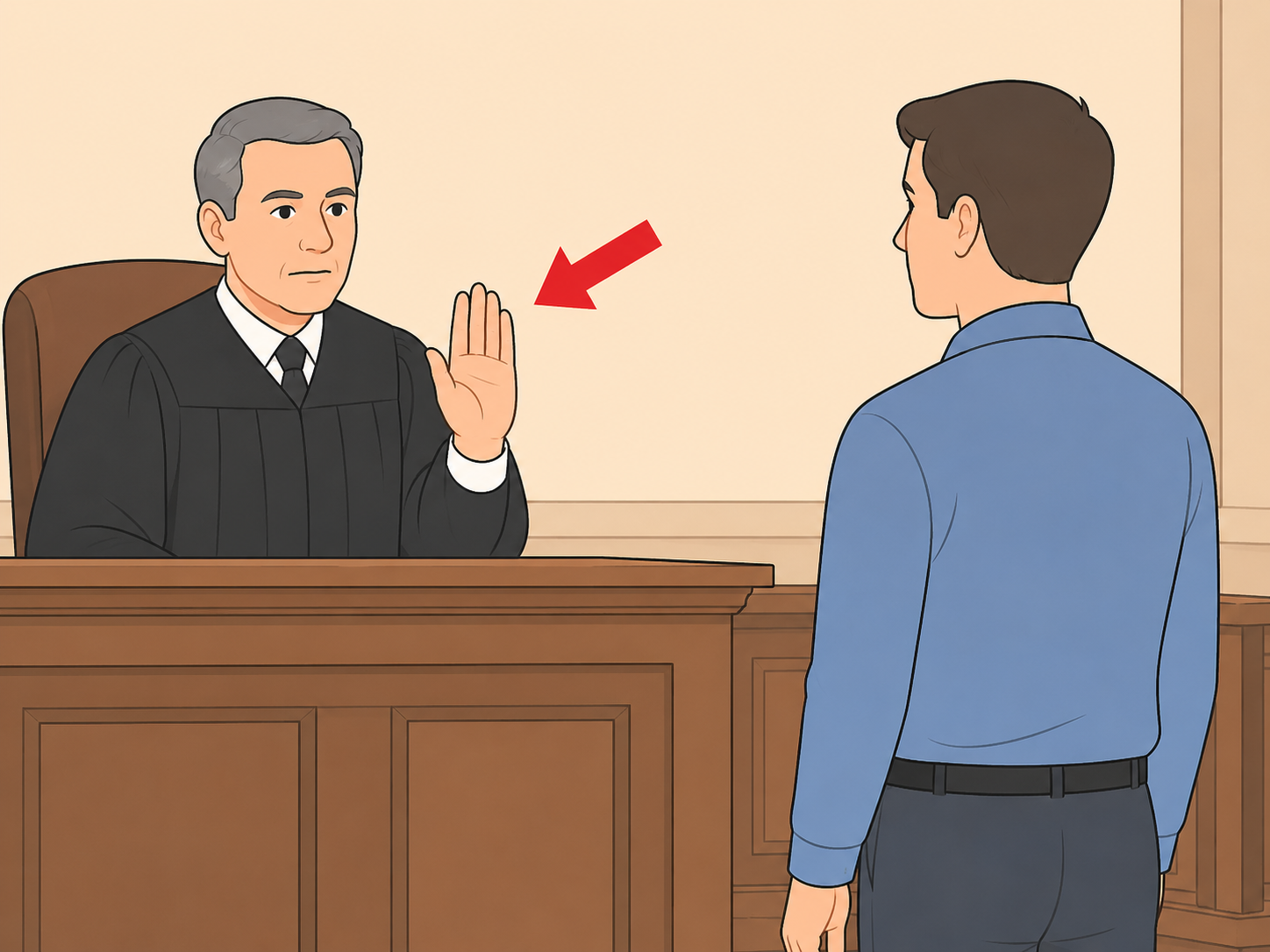
Understand why contempt is serious
Disrespect in court is not just bad manners; it can interfere with the judge's duty to maintain order. Cornell Law School's Legal Information Institute explains that direct contempt of court can involve disobeying a court order or conduct that shows disrespect in the court's presence. Consequences depend on the court and the facts, so treat any warning seriously.
Ask a lawyer for case-specific help
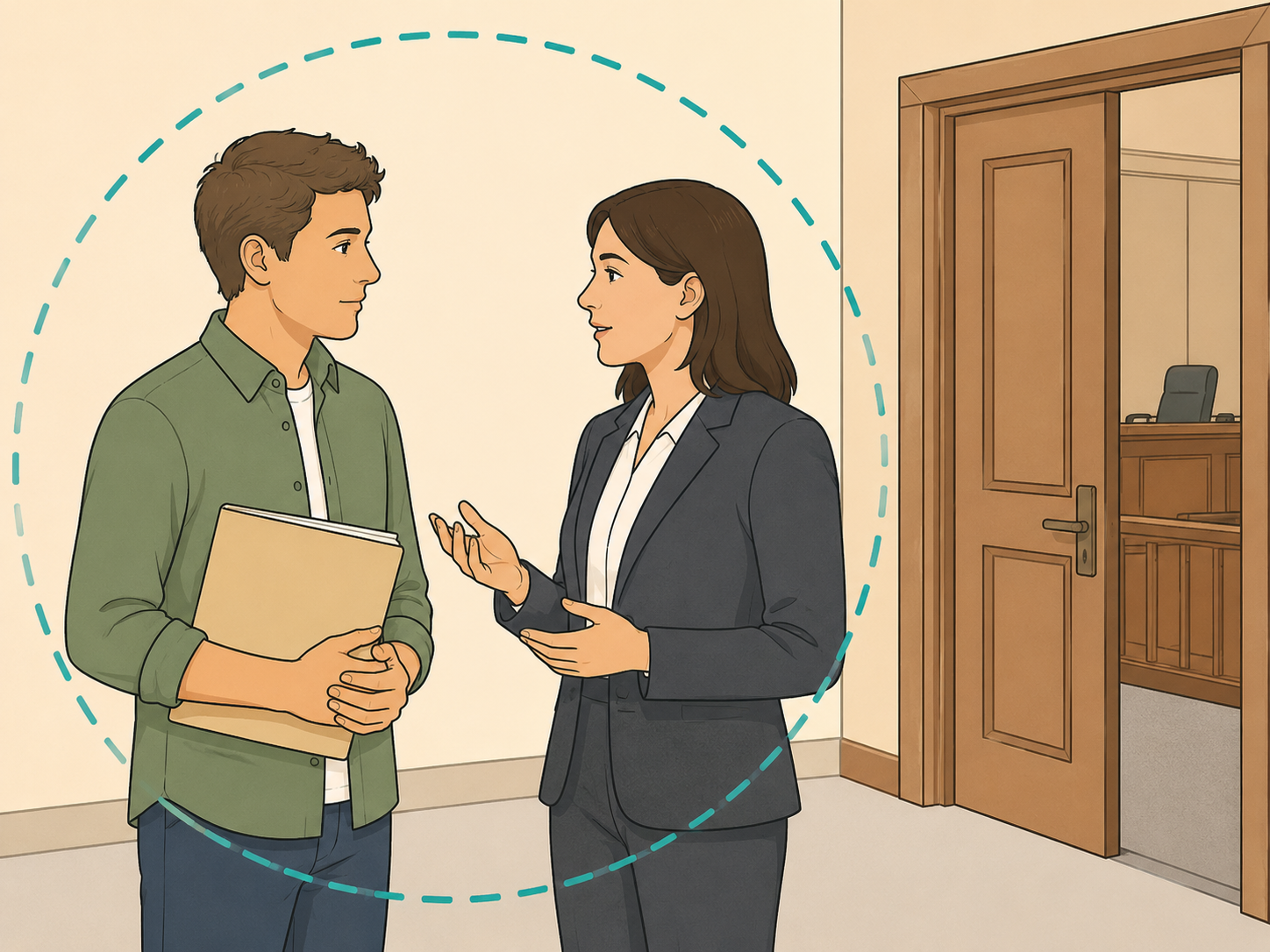
If the incident could affect your case, speak with a licensed lawyer as soon as you can. Court staff may provide basic procedural information, but they generally cannot give legal advice, interpret rules for your situation, or tell you what to say, as this federal court legal advice FAQ explains. If you cannot afford a lawyer, ask the clerk's office or local bar association about self-help and legal aid resources.
Summary
The bottom line: stop the disrespectful behavior, follow the judge's directions, speak only when allowed, and get legal advice if the incident could affect your case. A calm correction is usually better than arguing, explaining too much, or trying to impress the courtroom.
Frequently Asked Questions
- Can a judge punish someone for disrespectful behavior?
- Yes. Depending on the court and the conduct, disrespectful or disruptive behavior can lead to removal from the courtroom, contempt proceedings, fines, or other consequences.
- Should I apologize to the judge right away?
- If the judge gives you a chance to speak, a brief and sincere apology is usually better than arguing. If you have a lawyer, let your lawyer guide what you say.
- What should I call a judge in court?
- Use respectful formal address, such as "Your Honor" or the form required by that court. Avoid first names, jokes, sarcasm, or casual remarks.
- Can court staff tell me how to fix what happened?
- Court staff can often answer basic procedural questions, but they cannot give legal advice or tell you what strategy to use. Ask a licensed attorney for advice about your case.
- What if I think the judge is wrong?
- Stay calm and follow court procedure. Disagreement should be handled through proper motions, objections, appeals, or legal advice, not through insults or interruptions.
- Do the same manners apply in a virtual hearing?
- Yes. Treat a video or phone hearing like a courtroom: dress appropriately, mute when not speaking, avoid distractions, and wait until the judge or court calls on you.
References
Reliable references aided in composing and refining this content.
- https://www.flmd.uscourts.gov/local-rules/rule-503-courtroom-decorum-0
- https://www.cfc.uscourts.gov/courtroom-decorum
- https://www.law.cornell.edu/wex/contempt_of_court_direct
- https://www.uscourts.gov/about-federal-courts/educational-resources/about-educational-outreach/activity-resources/guidelines-a-civil-discussion
- https://www.cadc.uscourts.gov/courthouse-decorum-policy-us-courts-dc-circuit
- https://www.flmd.uscourts.gov/node/369