 Pin it
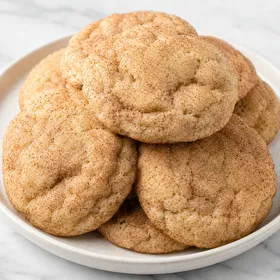
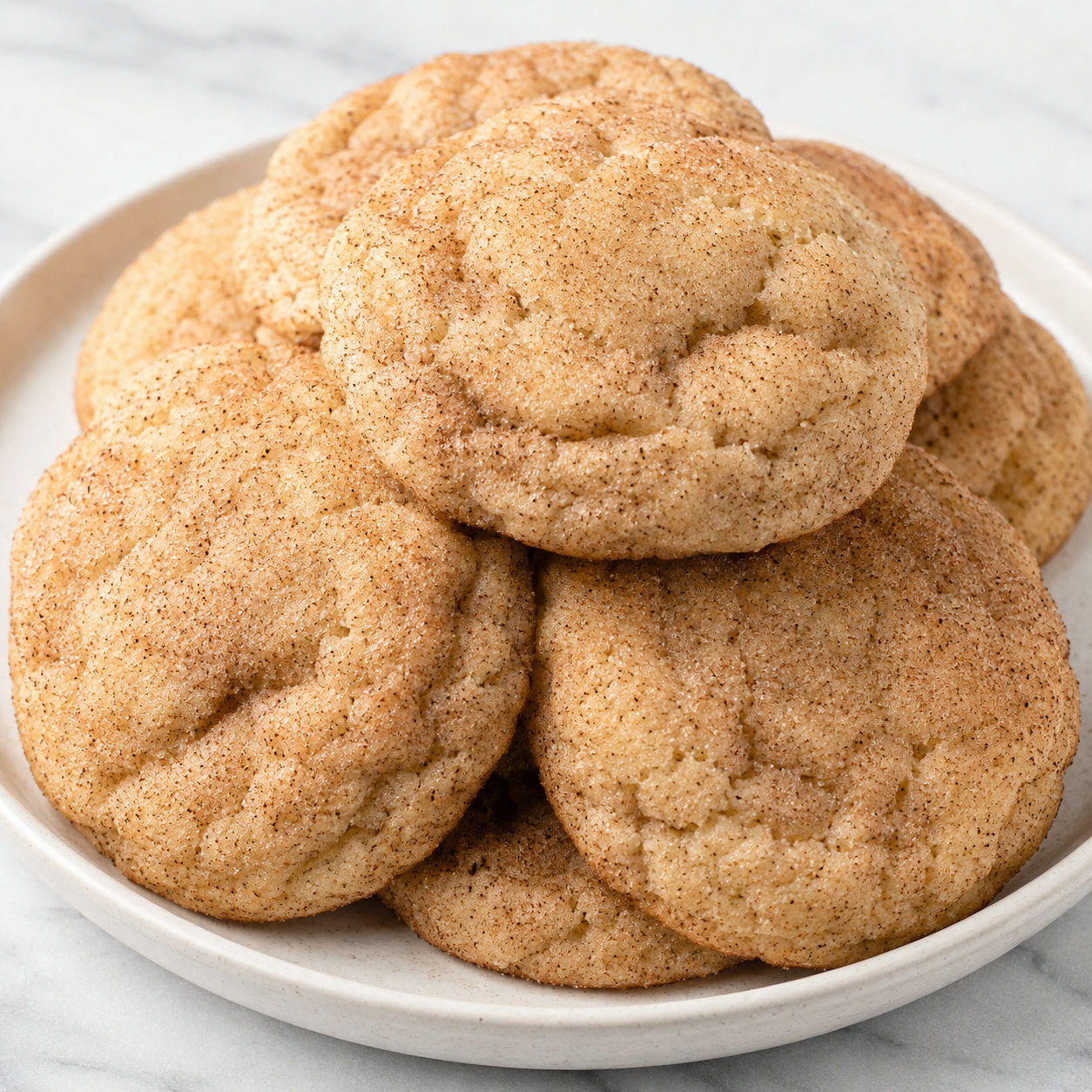
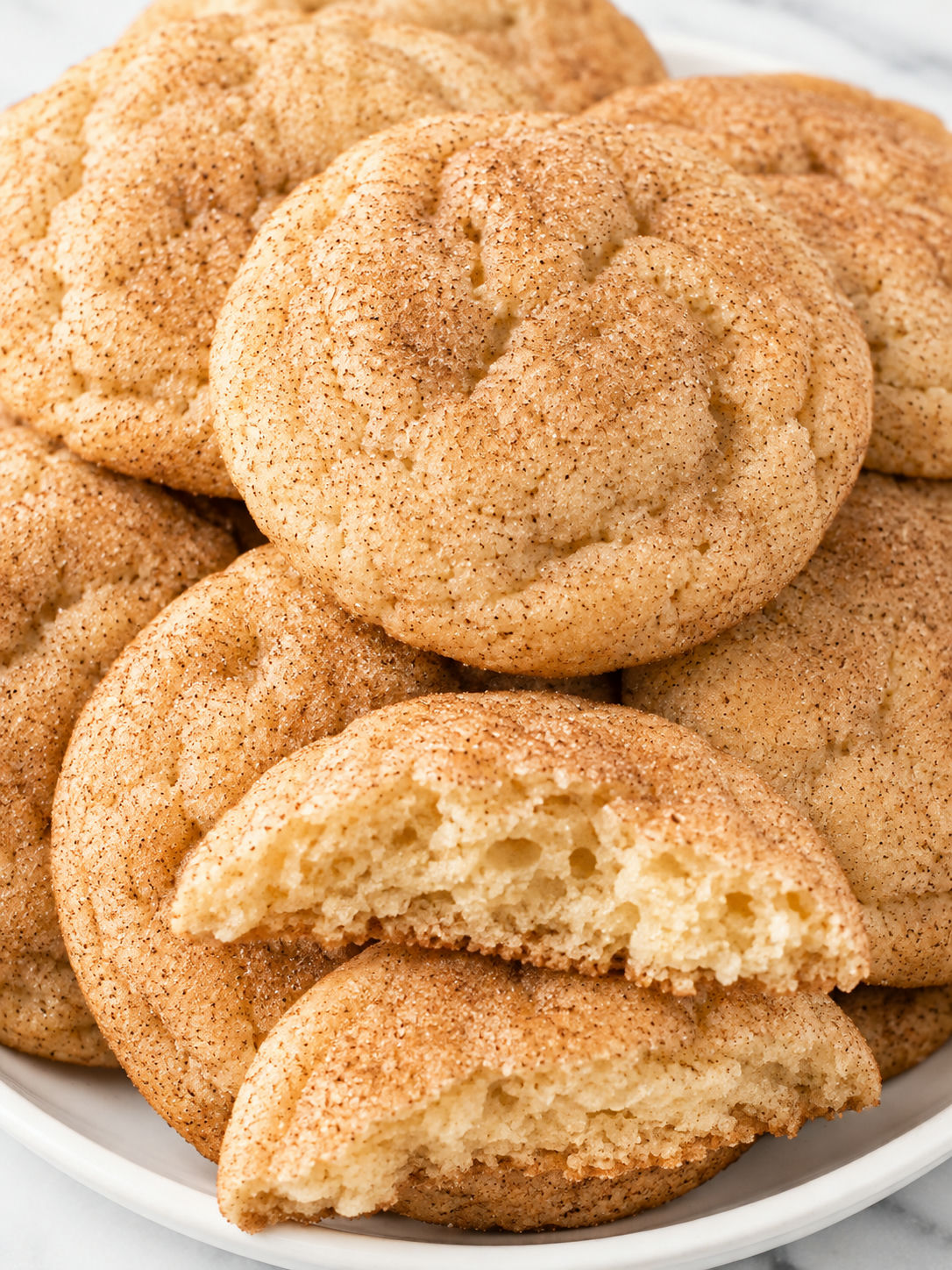
Cinnamon Cream Cheese Cookies are the kind of small, cozy bake that makes the kitchen smell like butter, vanilla, and warm spice before the first tray is done. They are softer than a snickerdoodle, richer than a plain sugar cookie, and just sturdy enough to pack into a cookie tin.
The cream cheese gives the dough a gentle tang and a plush bite. A short chill matters here because the dough is soft. It makes rolling easier and keeps the cookies from spreading thin.
Cinnamon Cream Cheese Cookies Lineup
Use block cream cheese and real butter for the best flavor and structure. Let both soften until they press easily, but do not let them turn greasy or shiny.
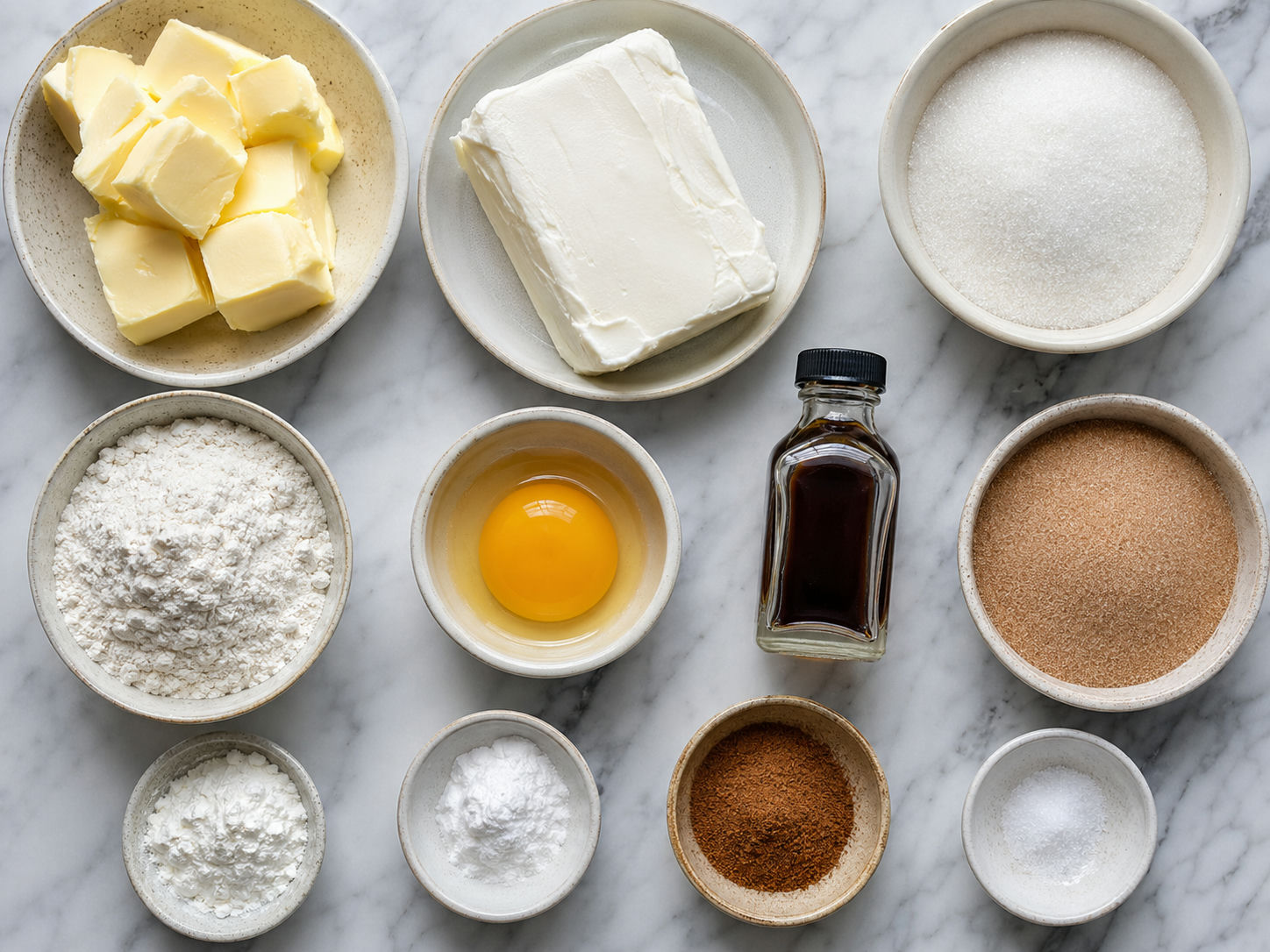
- Unsalted butter. Gives the cookies their rich flavor and helps the cinnamon sugar cling.
- Block cream cheese. Adds a gentle tang and keeps the centers soft after baking.
- Granulated sugar. Sweetens the dough and helps the edges set lightly.
- Egg yolk. Adds richness without making the cookies cakey.
- Vanilla extract. Rounds out the butter and cinnamon.
- All-purpose flour. Gives the dough enough structure to scoop and roll.
- Cornstarch. Keeps the crumb tender and delicate.
- Baking powder. Gives a small lift so the cookies do not bake dense.
- Ground cinnamon. Warms both the dough and the outer sugar coat.
- Fine salt. Balances the sweetness and makes the butter taste fuller.
Roll, Chill, Bake Soft
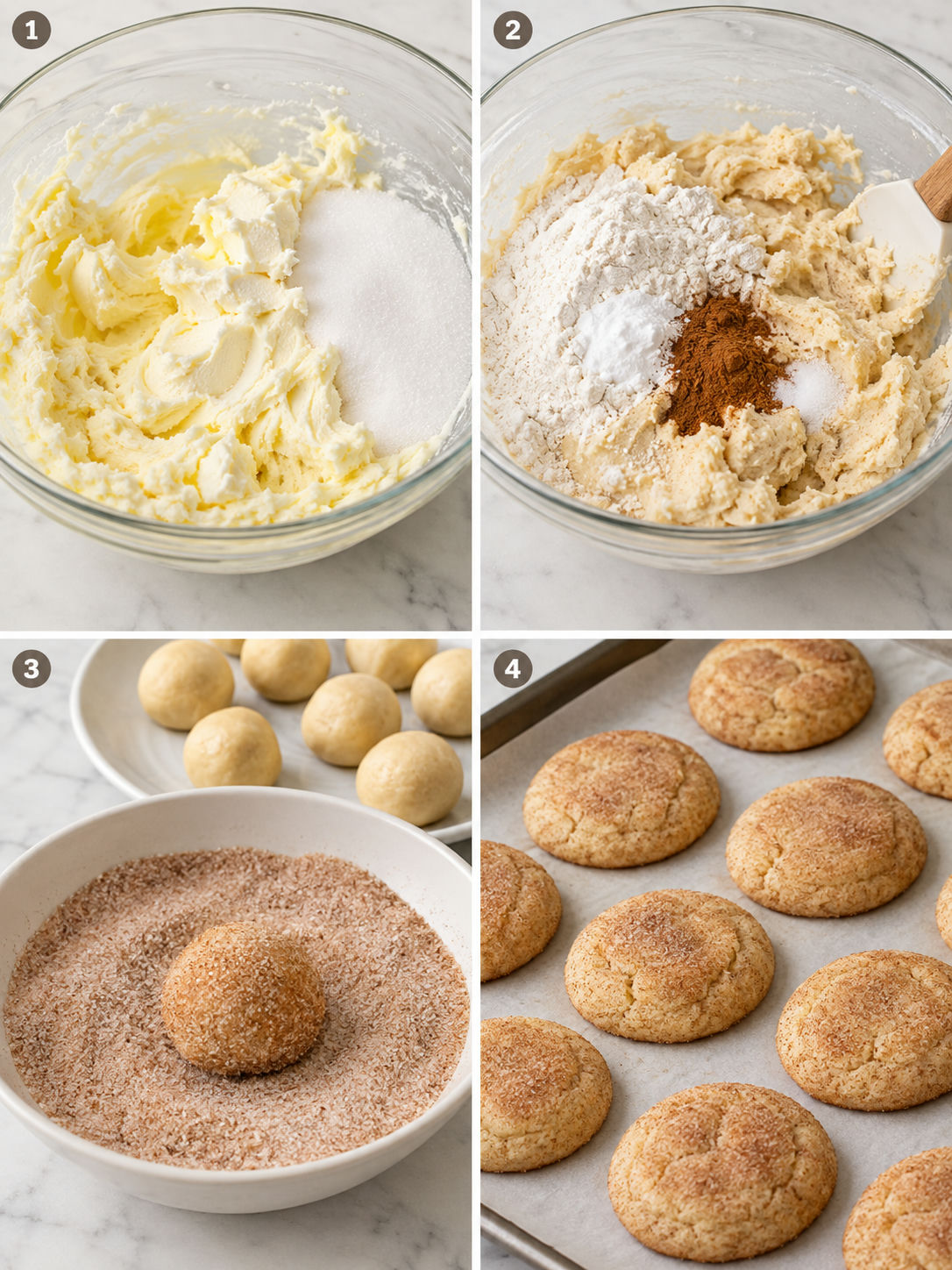
- Cream the fats. Beat the butter, cream cheese, and sugar until pale and smooth. This should take about 2 minutes with a hand mixer.
- Add the yolk and vanilla. Mix just until glossy and blended. Scrape the bowl so no plain cream cheese hides at the bottom.
- Mix the dry ingredients. Whisk the flour, cornstarch, baking powder, cinnamon, and salt in a separate bowl. Add them to the butter mixture and mix on low until a soft dough forms.
- Chill the dough. Cover and refrigerate for 45 minutes, or until the dough feels firm enough to scoop without sticking badly.
- Coat the dough balls. Stir sugar and cinnamon in a small bowl. Scoop 1 tablespoon portions, roll into balls, and coat each one generously.
- Bake gently. Bake at 350°F until the edges look set and the tops look dry, about 10-12 minutes. Cool on the pan for 5 minutes before moving to a rack.
Why cream cheese works
Cream cheese changes the cookie in a quiet way. It adds fat, moisture, and a tiny bit of tang, so the cookie tastes rich without feeling heavy. The texture lands somewhere between a soft sugar cookie and a tender shortbread.
The dough should feel plush and a little sticky before chilling. That is normal. If you add extra flour too quickly, the baked cookies can turn dry instead of soft. For more cream cheese dessert ideas, the same cozy richness shows up in Biscoff Cheesecake Lasagna.
Measure flour with care
Too much flour is the fastest way to lose the soft texture. If you have a scale, use 200 g for this recipe. If you use cups, fluff the flour first, spoon it into the cup, and level it off. King Arthur Baking explains why flour can vary so much by volume in its flour measuring guide.
The dough should not be dry or crumbly. After mixing, it should gather into a soft mass and leave light streaks on the bowl. If your kitchen is warm, chill the dough longer instead of adding flour.
Do not overbake them
Pull the cookies when the edges are set and just barely golden. The centers may look slightly puffy and pale. That is what you want. They will finish setting on the hot baking sheet.
If you bake until the whole cookie is firm in the oven, the cooled cookie will be drier. A light bottom color is enough. For another soft bake that rewards gentle timing, try Soft, Warm, and Made from Scratch Flatbreads.
Swaps that still bake well
You can make the cinnamon flavor deeper by adding a pinch of nutmeg to the coating. For a brighter cookie, add 1 teaspoon of orange zest with the sugar. Almond extract also works, but use only 1/4 teaspoon so it does not take over.
For a slightly crisper edge, press each dough ball very gently before baking. For thicker cookies, leave them round. Do not swap tub cream cheese for block cream cheese because the extra moisture can make the dough loose.
Storage and make-ahead notes
Cool the cookies completely before storing so steam does not soften the sugar coating too much. Keep them airtight at room temperature for 3 days, or freeze baked cookies for up to 2 months.
Unbaked dough needs food-safety care because it contains dairy and egg. The USDA notes that perishable foods should be refrigerated promptly in its food safety basics. If the dough has been sitting out for more than 2 hours, do not save it.
Serve them cozy
These cookies are best when the centers have fully cooled but still taste soft and buttery. I like them with coffee because the cinnamon sugar edge feels a little crisp against the tender middle.
For a small dessert plate, pair them with something creamy or spiced rather than another plain sugar cookie. Soft, Rich, and Stuffed with Creamy Goodness keeps the same comforting mood while giving the tray a different texture.
Summary
Keep the dough cool, bake just until the edges set, and let the cookies finish on the warm pan for the softest centers.
Frequently Asked Questions
- Can I make Cinnamon Cream Cheese Cookies without chilling the dough?
-
I do not recommend skipping the chill. The dough is soft because of the butter and cream cheese, so chilling helps the cookies hold their shape. Even 30 minutes makes scooping and rolling much cleaner.
- Can I use low-fat cream cheese?
-
Full-fat block cream cheese gives the best texture. Low-fat cream cheese has more moisture and can make the dough sticky. Avoid whipped cream cheese because the measurements and structure will not behave the same way.
- Why did my cookies spread too much?
-
The dough may have been too warm, or the butter and cream cheese may have been overly soft. Chill the dough until firm and bake on a cool baking sheet. Too little flour can also cause spreading, so spoon and level or weigh it.
- How should I store cream cheese cookies?
-
Once baked and cooled, store them in an airtight container at room temperature for 3 days. For longer storage, freeze them in a sealed bag or container for up to 2 months. Let frozen cookies thaw at room temperature before serving.
- Can I freeze the dough balls?
-
Yes. Scoop the dough, roll it into balls, and freeze on a lined tray until firm. Store in a freezer bag, then roll in cinnamon sugar right before baking. Add 1-2 minutes to the bake time from frozen.
- What can I serve with these cookies?
-
Coffee, black tea, chai, and hot chocolate all work well because the cookies are buttery and gently spiced. They also fit nicely on a dessert tray with 3-Ingredient Biscoff Cookies or Soft Honey Oat Muffins.