
 Pin it
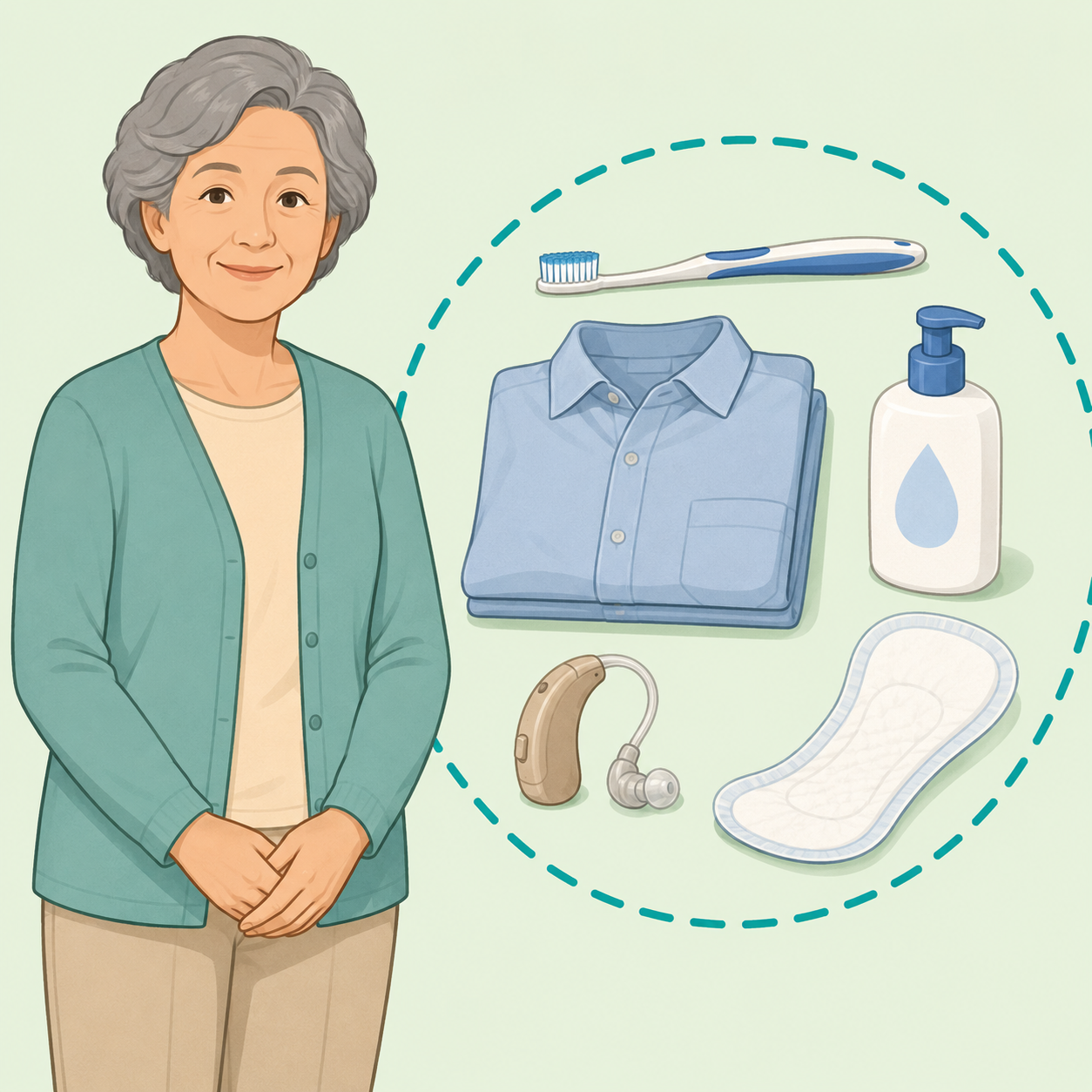
Small changes in hygiene, hearing, bladder habits, and social routines can become noticeable with age, even when no one says anything. This guide turns an uncomfortable topic into a calm checklist for staying fresh, considerate, and confident. It is not about shame; it is about noticing fixable signals early.
Check the changes people may avoid mentioning
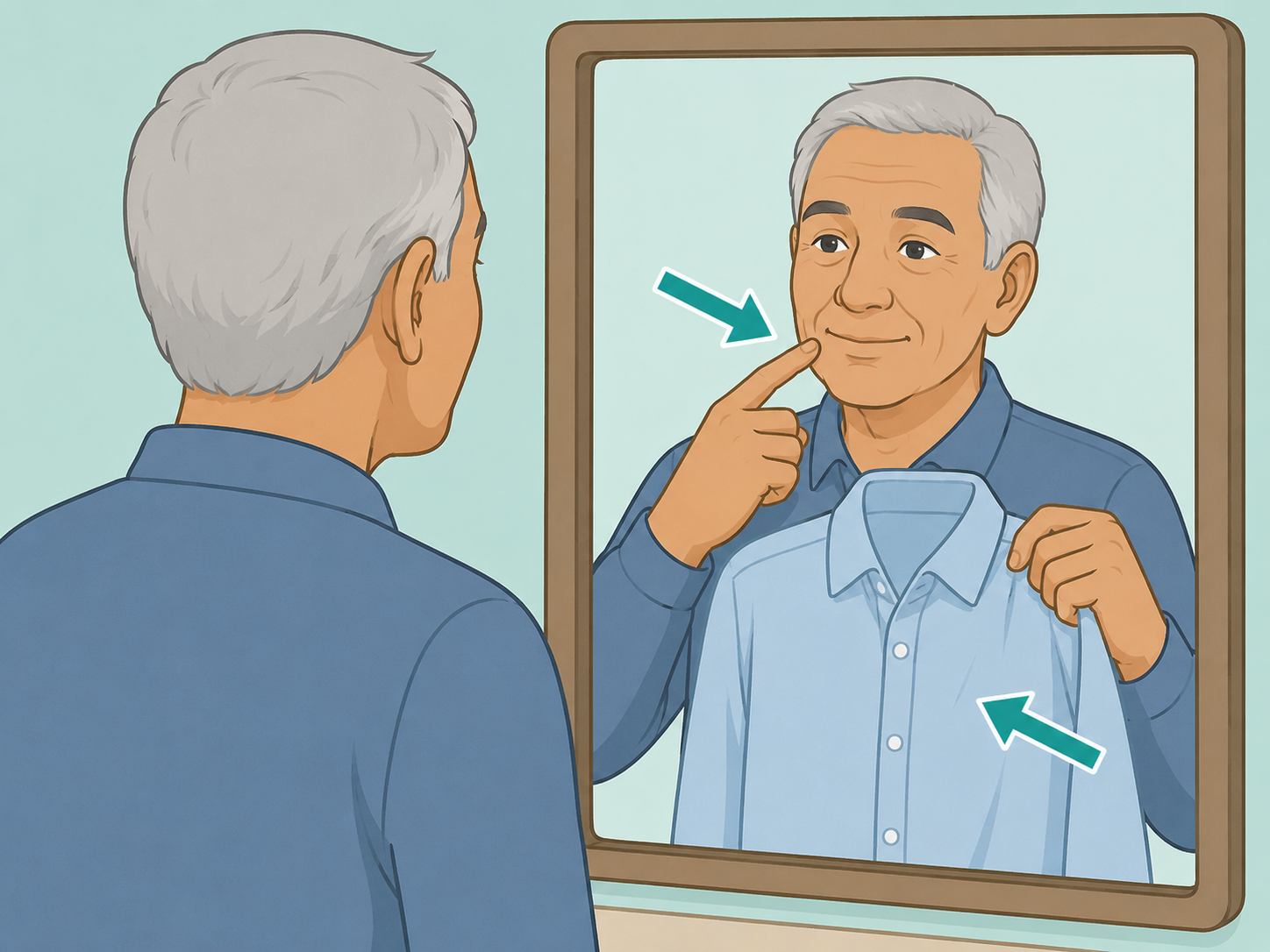
Pick one private time each week to check the things other people may avoid mentioning: breath, body odor, clothing stains, loud TV volume, repeated interruptions, bathroom urgency, and stale odors at home. Aging can affect skin comfort and injury risk, while hearing changes and bladder changes can quietly affect daily routines. Write down what you notice so you can fix one pattern at a time.
Build a simple daily washing routine
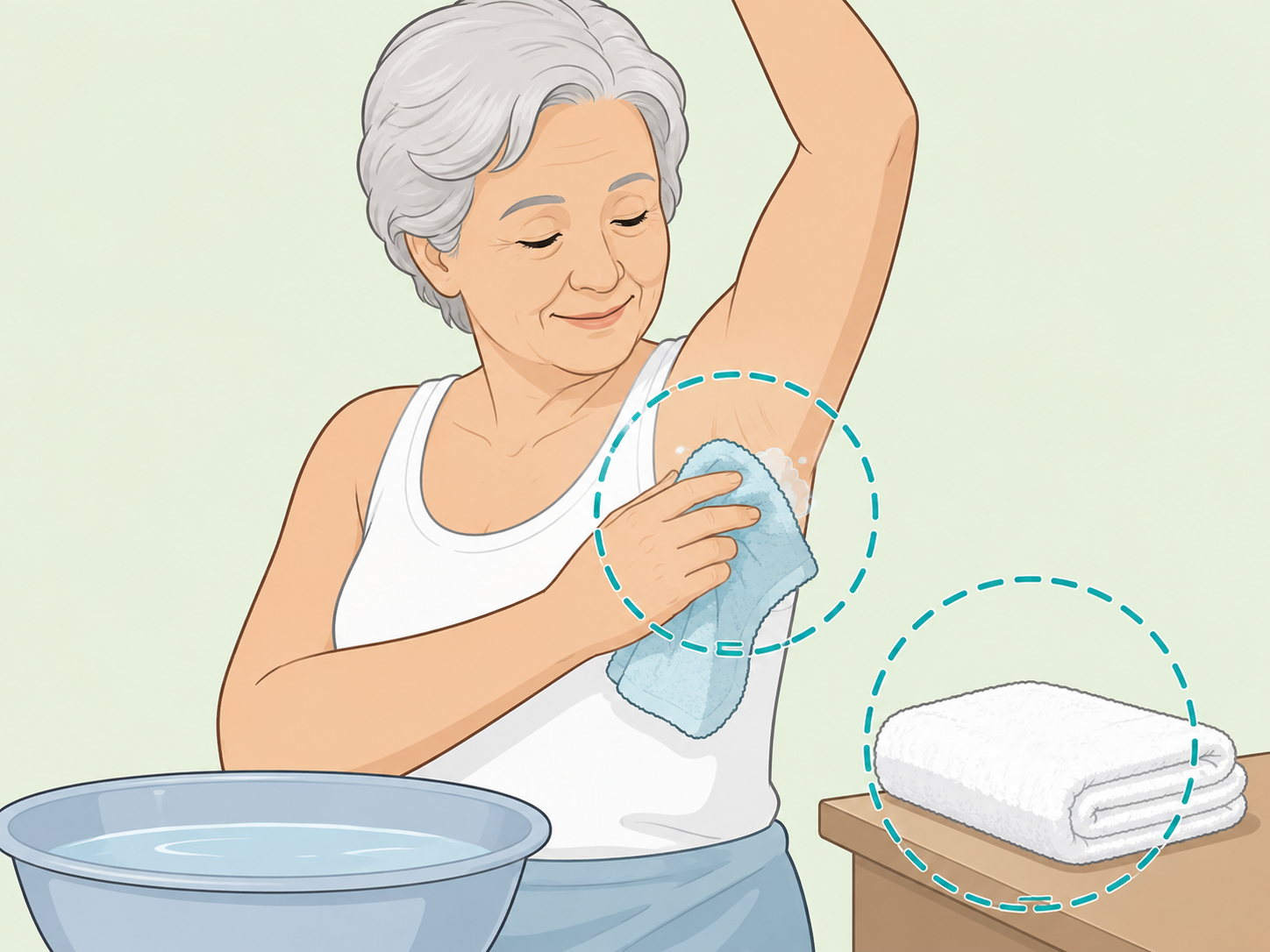
Set an easy routine: wash your face, hands, underarms, groin, feet, and skin folds; put on clean underwear; and use deodorant if you tolerate it. If a full shower is tiring or unsafe, a basin bath or no-rinse cloth can still help keep skin healthy, control odor, and increase comfort, according to MedlinePlus guidance on bathing. Pat skin dry, especially in folds, before dressing.
Care for your teeth, tongue, and dentures
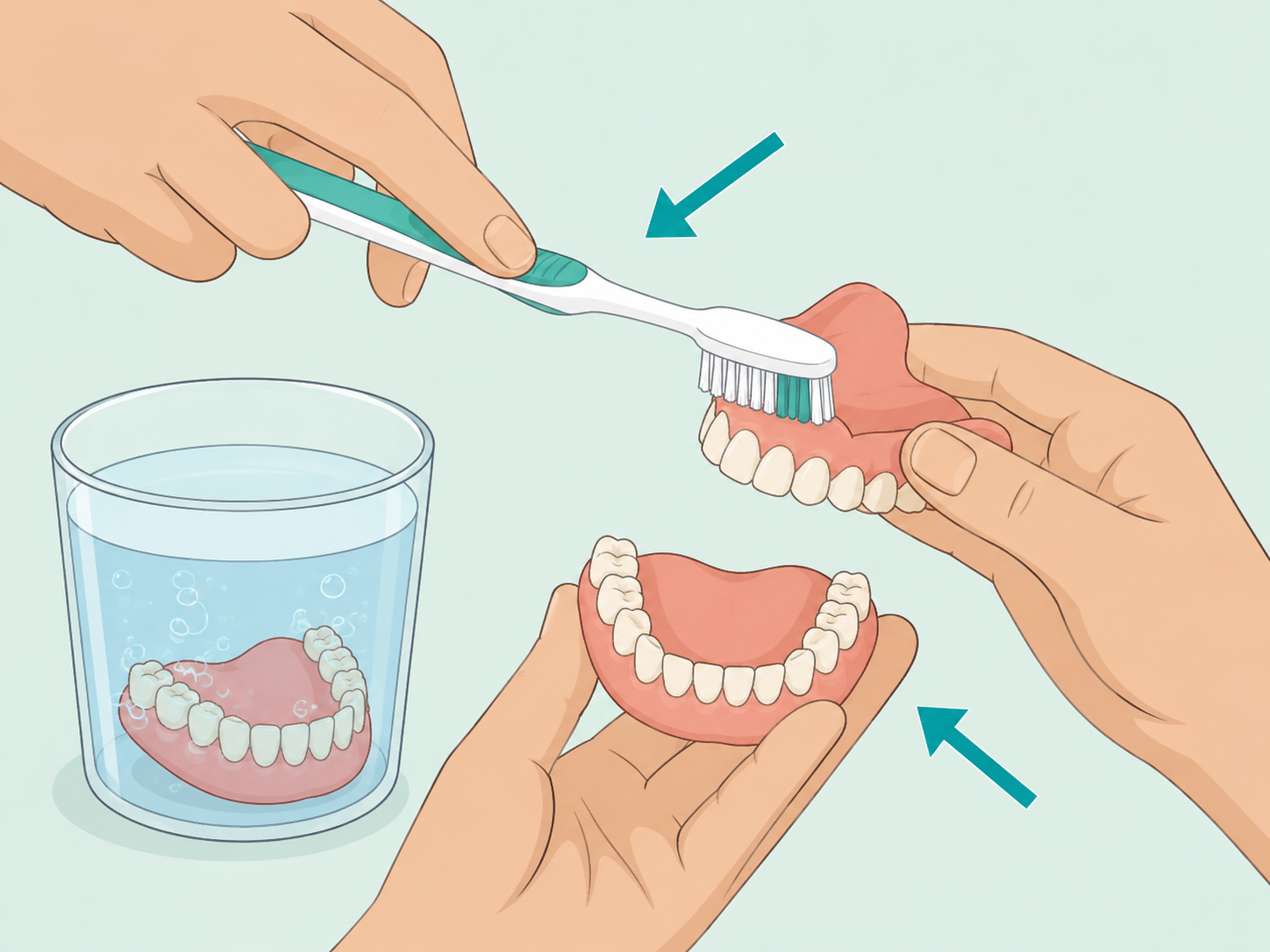
Brush with fluoride toothpaste, clean between teeth, and gently clean your tongue every day. If you wear dentures, brush them daily and follow your dentist's instructions for soaking or leaving them out at night because food trapped on dentures can cause stains or bad breath; the National Institute on Aging explains older adult mouth and denture care. Use a larger-handled or electric toothbrush if grip strength makes brushing difficult.
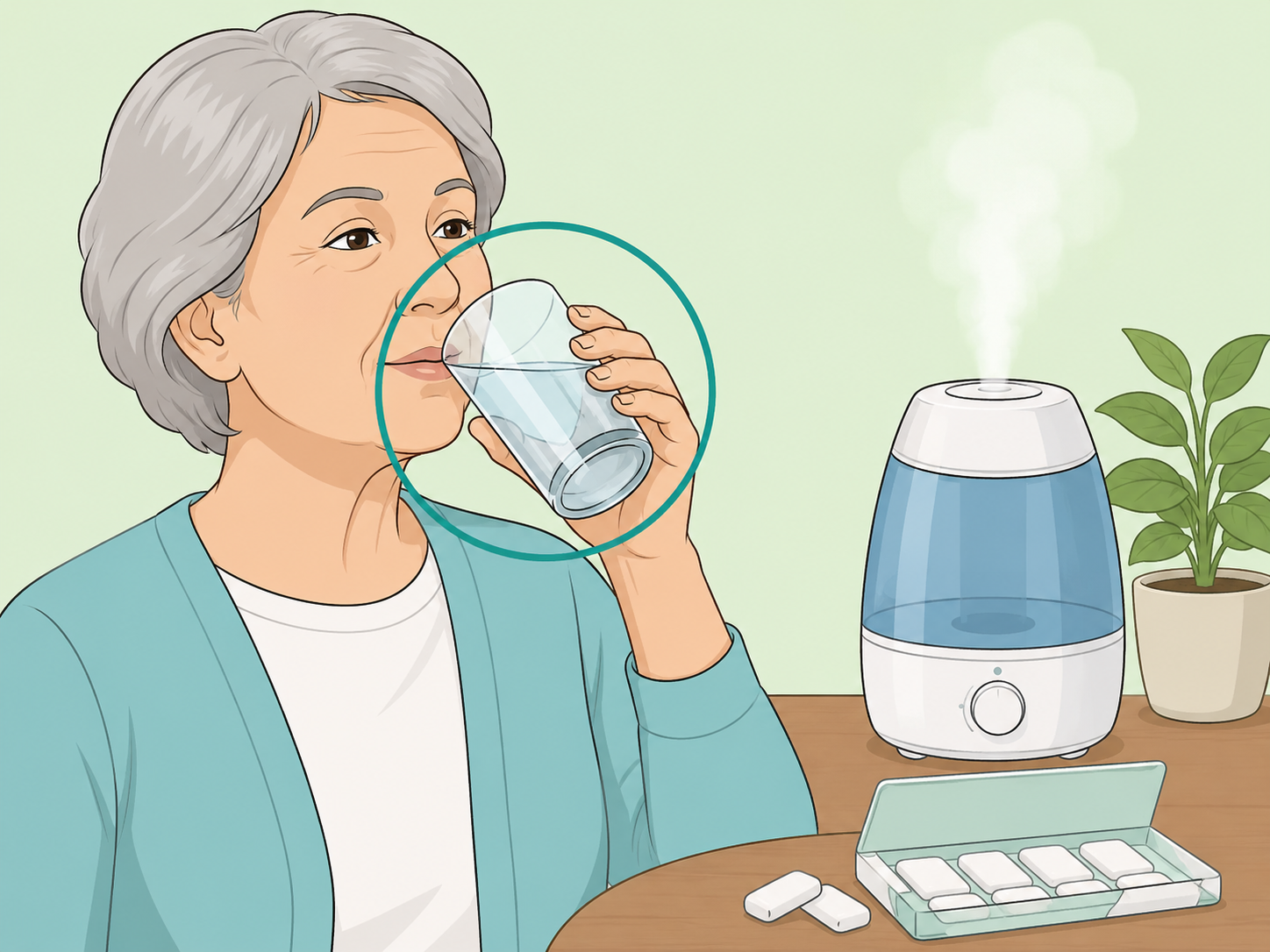
Treat dry mouth as a fixable problem
Do not write off sticky mouth, cracked lips, mouth sores, or bad breath as just age. NIDCR says dry mouth is not a normal part of aging and can raise the risk of tooth decay or mouth infections, especially when it persists. Sip water, avoid tobacco and heavy alcohol use, and ask a dentist or doctor whether medicines or a health condition could be contributing.
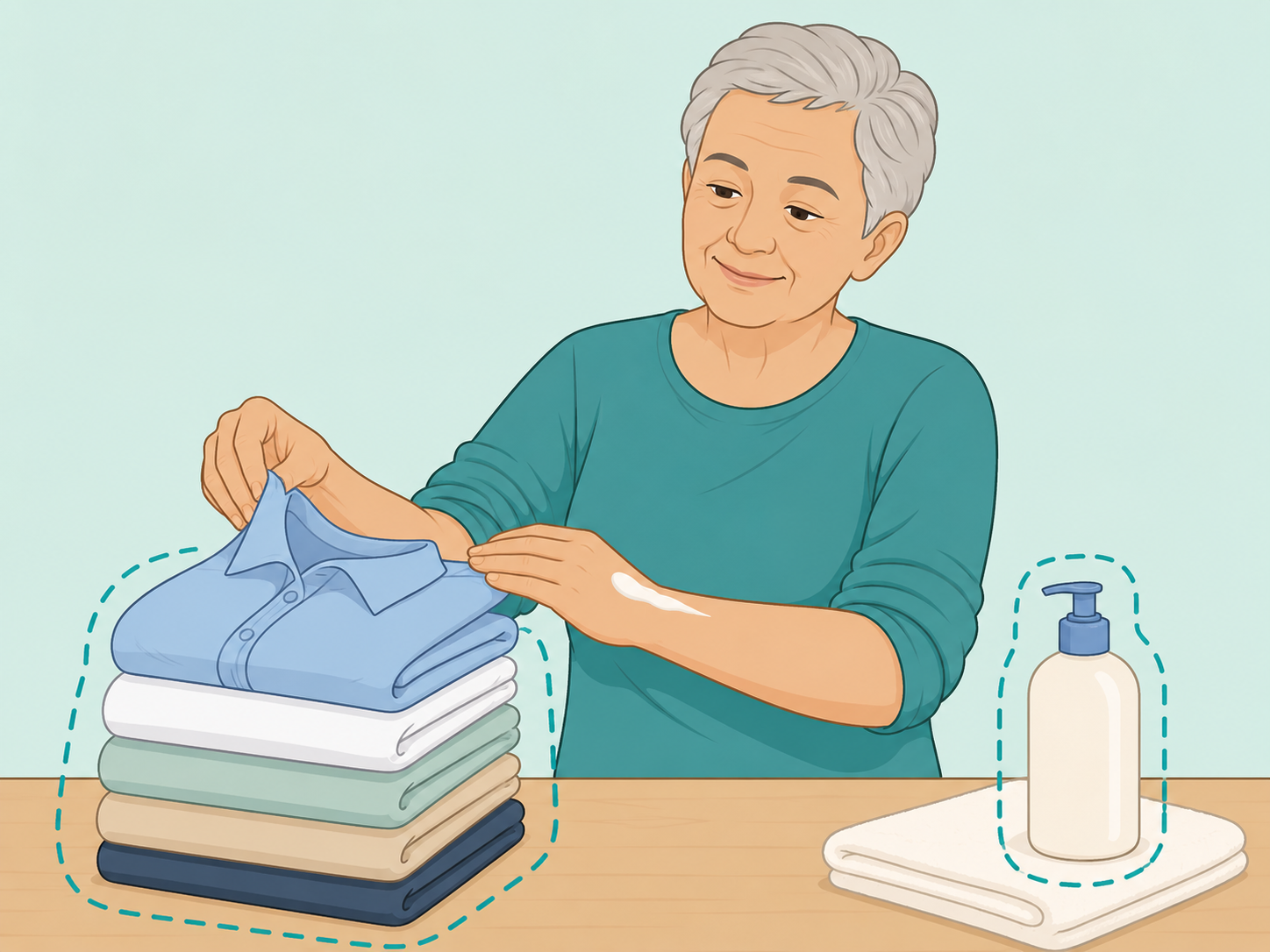
Wear clean clothes that protect your skin
Wear fresh, well-fitting clothes and change anything that holds sweat, urine, food spills, smoke, or cooking odors. Older skin often becomes drier and more fragile, so use mild soap, moisturize, avoid heavily perfumed or strongly drying products, and skip bath oils that can make tubs slippery, as MedlinePlus notes about aging skin. Keep a small stain remover, lint roller, and spare shirt ready if spills have become common.
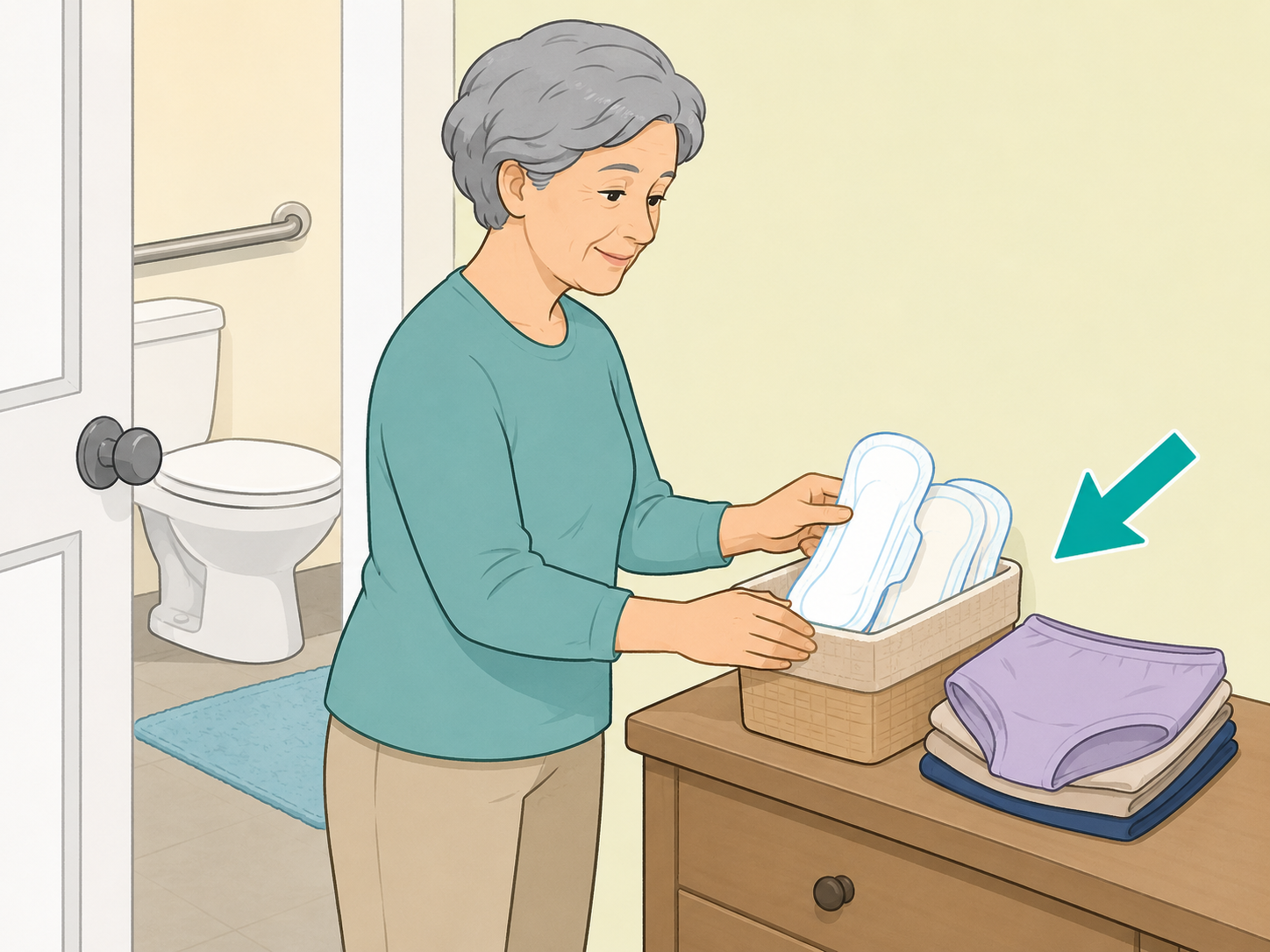
Handle leaks and bathroom urgency early
Handle urine leaks, urgency, constipation, or bathroom accidents with practical tools instead of hiding them. Urinary incontinence is not something you have to simply accept with age, and Cleveland Clinic lists options such as timed bathroom trips, pelvic floor exercises, absorbent products, lifestyle changes, and medical treatment for bladder leakage. If leaks, constipation, diarrhea, or odor are new or worsening, track when they happen and bring the notes to a health professional.
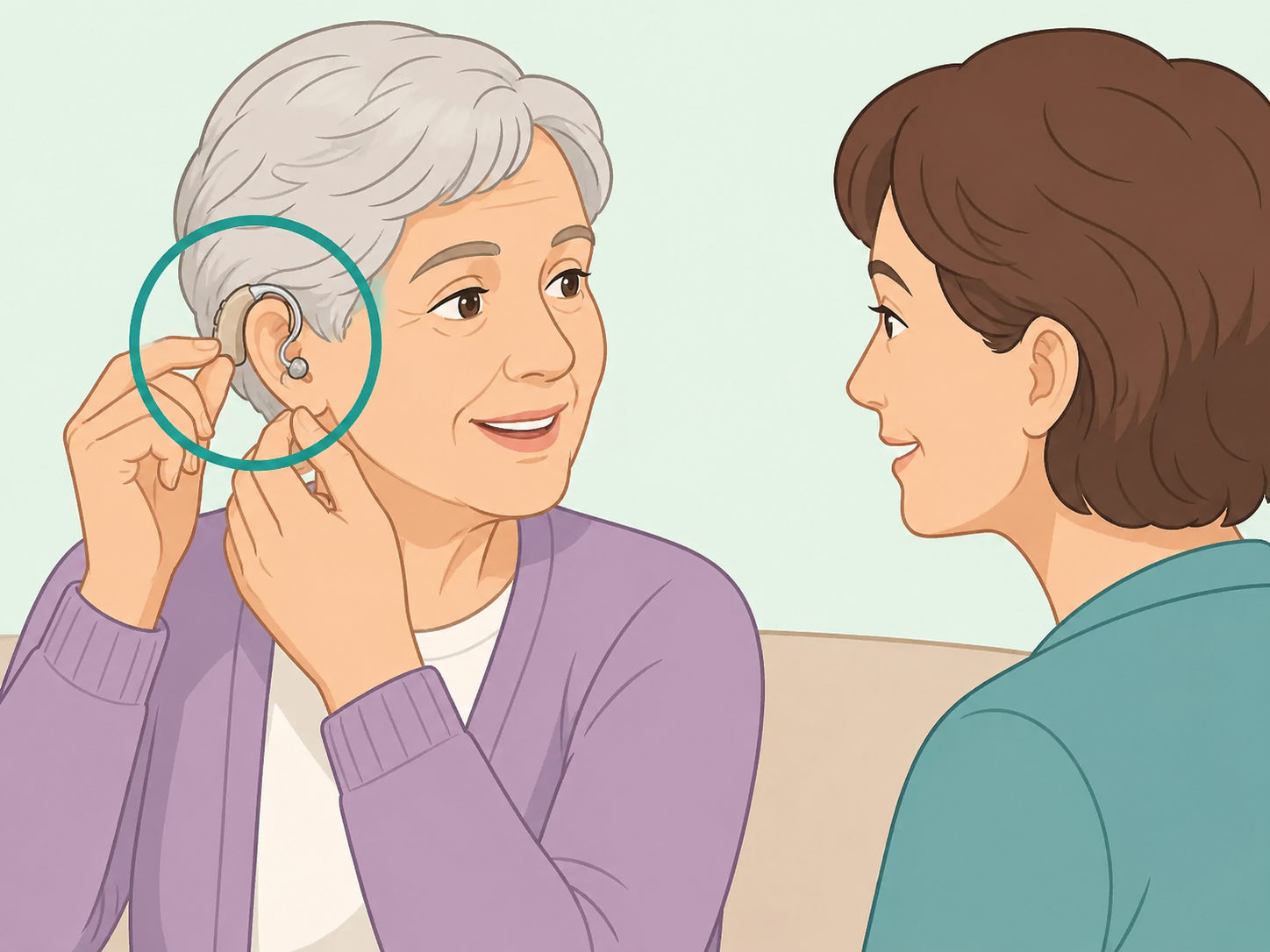
Make conversations easier if hearing is slipping
If people seem to mumble, you often ask them to repeat themselves, or the TV volume bothers others, have your hearing checked. The National Institute on Aging lists these as common signs of hearing loss and suggests choosing quieter places, facing the speaker, and telling people when you did not understand. Better hearing support can also reduce the chance that you seem distracted, argumentative, or rude when you actually missed part of the conversation.

Ask for feedback and see a professional when needed
Ask one trusted person for direct but kind feedback about breath, body odor, clothing, volume, repeated stories, home odors, and bathroom issues. Social connection matters for health, and CDC notes that loneliness and isolation carry real health risks, so choose help that keeps you connected rather than embarrassed. See a doctor, dentist, or hearing specialist for sudden changes, persistent odor, sores, bleeding, pain, frequent leaks, sudden hearing loss, or anything that affects daily life.
Summary
The bottom line: the habits people notice most are usually practical problems, not personality flaws. A steady wash routine, clean mouth care, fresh clothing, bathroom planning, hearing support, and honest feedback can help you stay comfortable and connected.
Frequently Asked Questions
- Why do hygiene issues become more noticeable with age?
- Changes in skin, mobility, hearing, medicines, dry mouth, and bladder control can make everyday routines harder to maintain. The goal is to notice patterns early and adjust your routine before they affect comfort or confidence.
- Is bad breath just a normal part of aging?
- No. Dry mouth, dentures, gum disease, tooth decay, tobacco, alcohol, and some medicines can all contribute to bad breath. Persistent bad breath is worth discussing with a dentist or doctor.
- How often should an older adult bathe?
- There is no single schedule that fits everyone. Wash odor-prone areas regularly, use mild soap and warm water, keep skin folds dry, and adapt with sponge baths or no-rinse cloths if showers are tiring or unsafe.
- What should I do if I leak urine sometimes?
- Use practical tools such as absorbent products, timed bathroom trips, and a change of clothes, but also tell a health professional. Bladder leakage is common, but it can often be managed or treated.
- Can hearing loss make someone seem rude?
- Yes. Missing parts of a conversation can lead to interrupting, answering the wrong question, speaking too loudly, or repeating stories. A hearing check and simple conversation changes can help.
- How can I ask someone to tell me the truth kindly?
- Choose one trusted person and be specific: ask whether they have noticed breath, clothing stains, body odor, home odors, loud volume, or repeated interruptions. Make it clear you want practical feedback, not criticism.
References
Reliable references aided in composing and refining this content.
- https://medlineplus.gov/ency/patientinstructions/000427.htm
- https://medlineplus.gov/ency/article/004014.htm
- https://www.nia.nih.gov/health/teeth-and-mouth/taking-care-your-teeth-and-mouth
- https://www.nidcr.nih.gov/health-info/dry-mouth
- https://my.clevelandclinic.org/health/diseases/17596-urinary-incontinence
- https://www.nia.nih.gov/health/hearing-and-hearing-loss/hearing-loss-common-problem-older-adults
- https://www.cdc.gov/social-connectedness/risk-factors/index.html