
 Pin it
Body odor can change with sweat, stress, heat, hormones, medicines, and skin bacteria, and Mayo Clinic notes that a new odor can sometimes signal a health issue. Older women may also notice changes linked to menopause, drier skin, incontinence, dry mouth, or sensitive vulvar skin. This guide explains eight everyday habits to check gently, without shame or over-washing.

Change out of sweaty clothes promptly
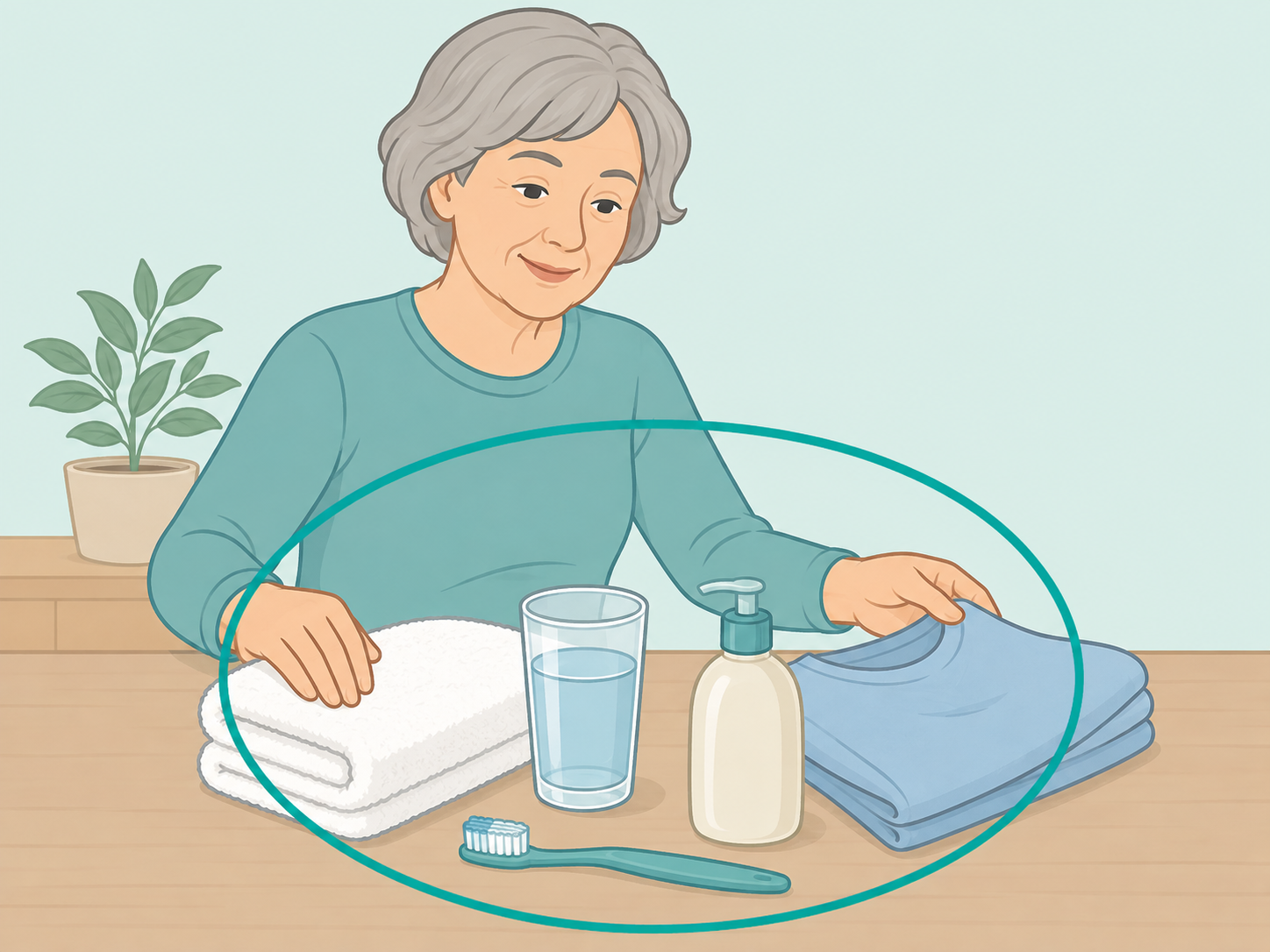
Sweat itself is often not the main source of odor; odor develops when sweat mixes with bacteria on the skin, especially in the underarms and groin, according to Mayo Clinic. After exercise, hot flashes, gardening, or a long errand day, change damp underwear, bras, socks, and tops as soon as you can. Wash with a gentle cleanser and dry fully before putting on clean clothes.

Dry skin folds completely after bathing
Moisture trapped under the breasts, belly fold, groin, or between the thighs can create friction and make odor more likely. Cleveland Clinic describes intertrigo as skin-fold inflammation made worse by heat, moisture, and rubbing, sometimes with a foul smell if infection develops. Pat folds dry with a soft towel, and use a cool hair dryer setting if reaching the area is difficult.

Choose breathable fabrics and looser fits
Tight synthetic underwear, leggings, shapewear, and bras can hold heat and sweat close to the skin. Breathable, absorbent fabrics and looser fits help reduce the warm, moist conditions that worsen skin-fold irritation, a prevention step also recommended for intertrigo-prone areas. Keep a spare pair of underwear or socks in your bag if you often sweat during the day.
Keep vulvar care gentle and unscented
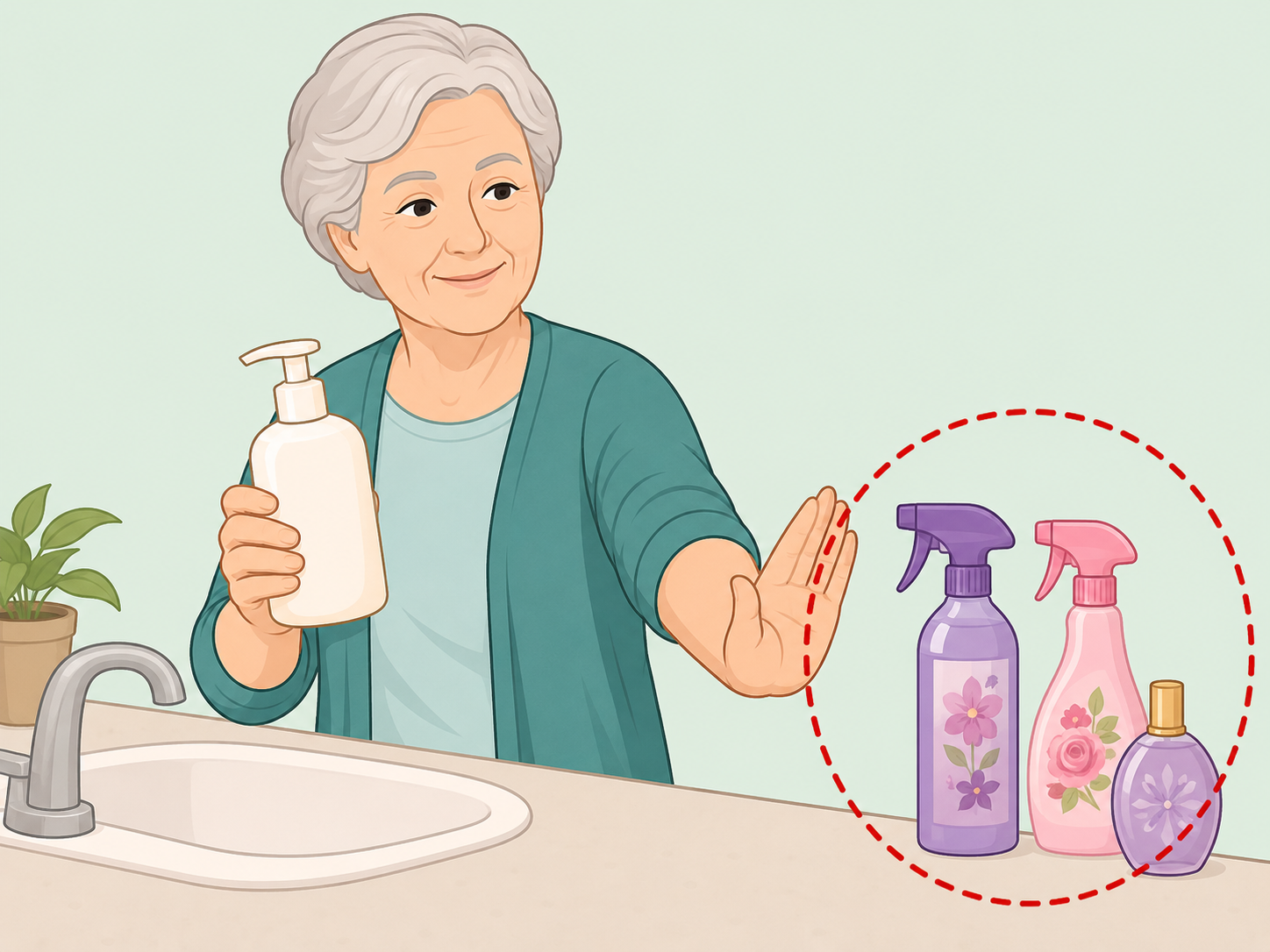
Avoid douching, vaginal deodorants, heavily perfumed soaps, and scented wipes, since Cleveland Clinic lists these products as possible irritants linked with vaginitis. Wash the outside vulvar area with warm water and mild unscented soap, then rinse and pat dry. Do not try to scrub away a natural scent, because over-cleaning can make irritation worse.
Replace damp pads or liners before odor builds
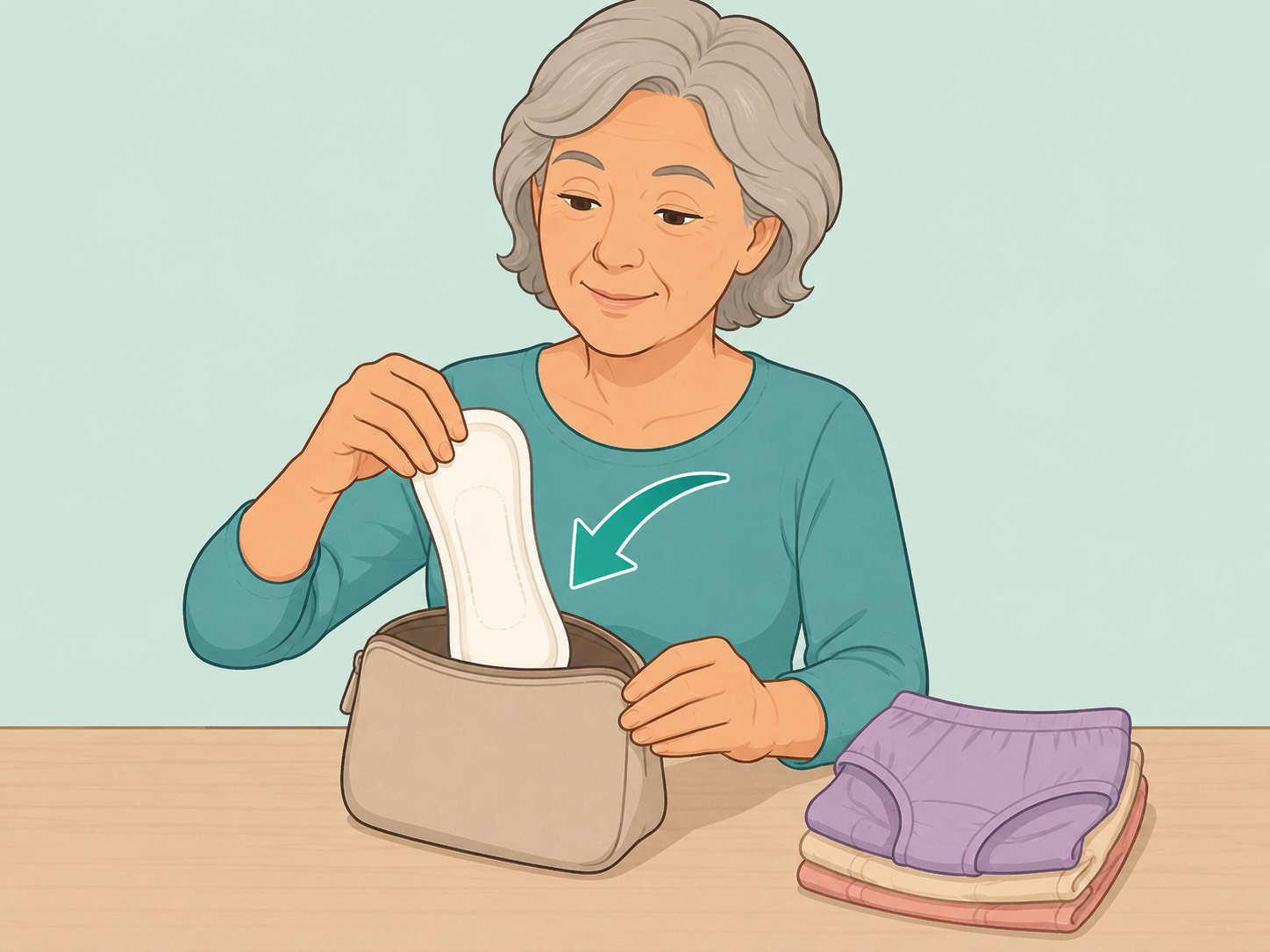
Urine leakage can leave moisture on the skin and clothing, which may cause irritation and odor if it sits too long. MedlinePlus advises cleaning the area after urinating and using gentle skin care when you have urinary incontinence. Change damp pads, liners, or absorbent underwear promptly, and use a barrier cream if your healthcare provider recommends one.
Drink enough fluids to dilute urine odor
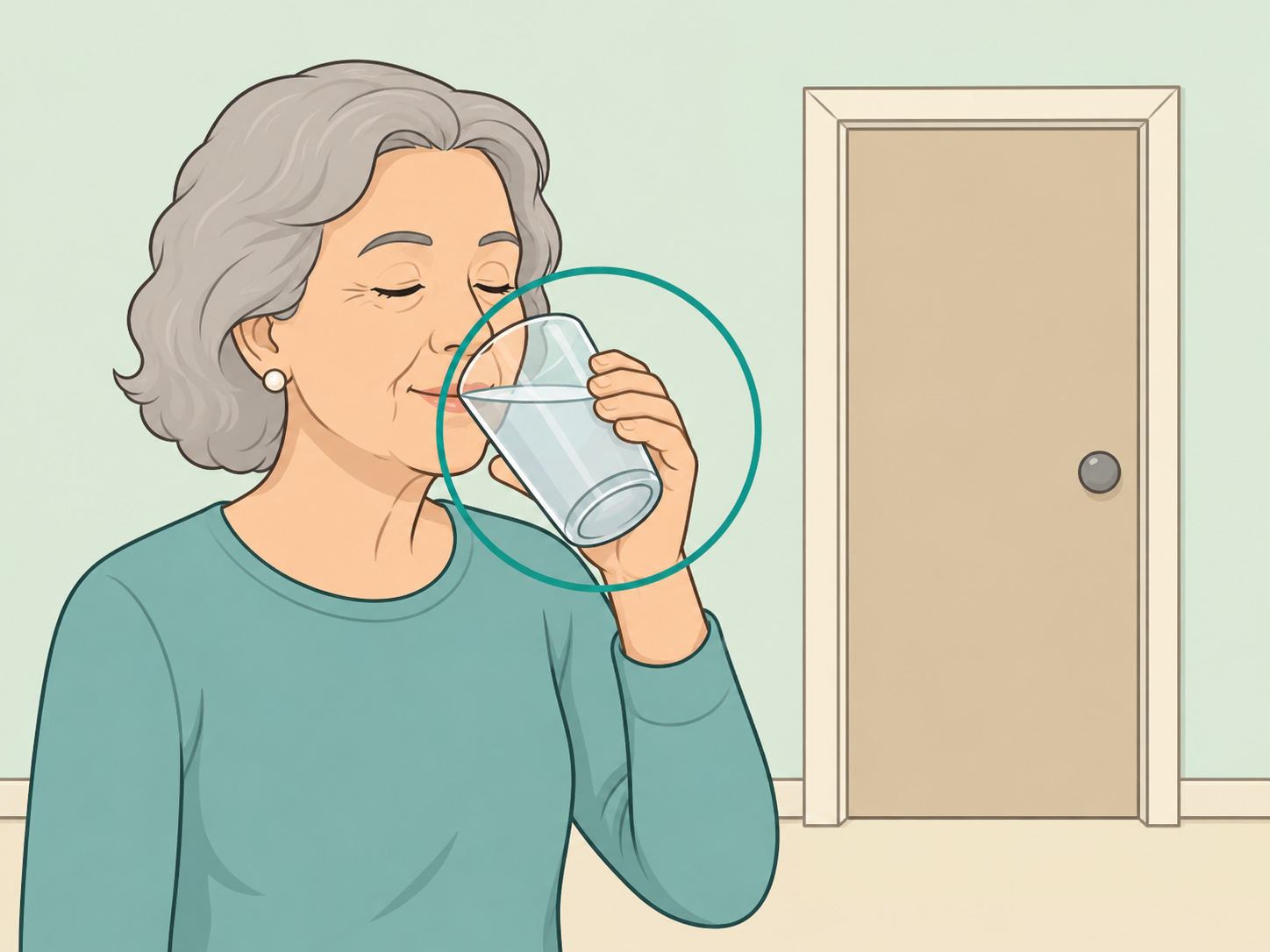
Do not cut back on water just to avoid bathroom trips unless a clinician has told you to restrict fluids. Mayo Clinic explains that concentrated urine, which has more waste and less water, can smell stronger. Sip fluids steadily through the day and talk to a doctor if urine odor comes with burning, fever, pelvic pain, or blood.
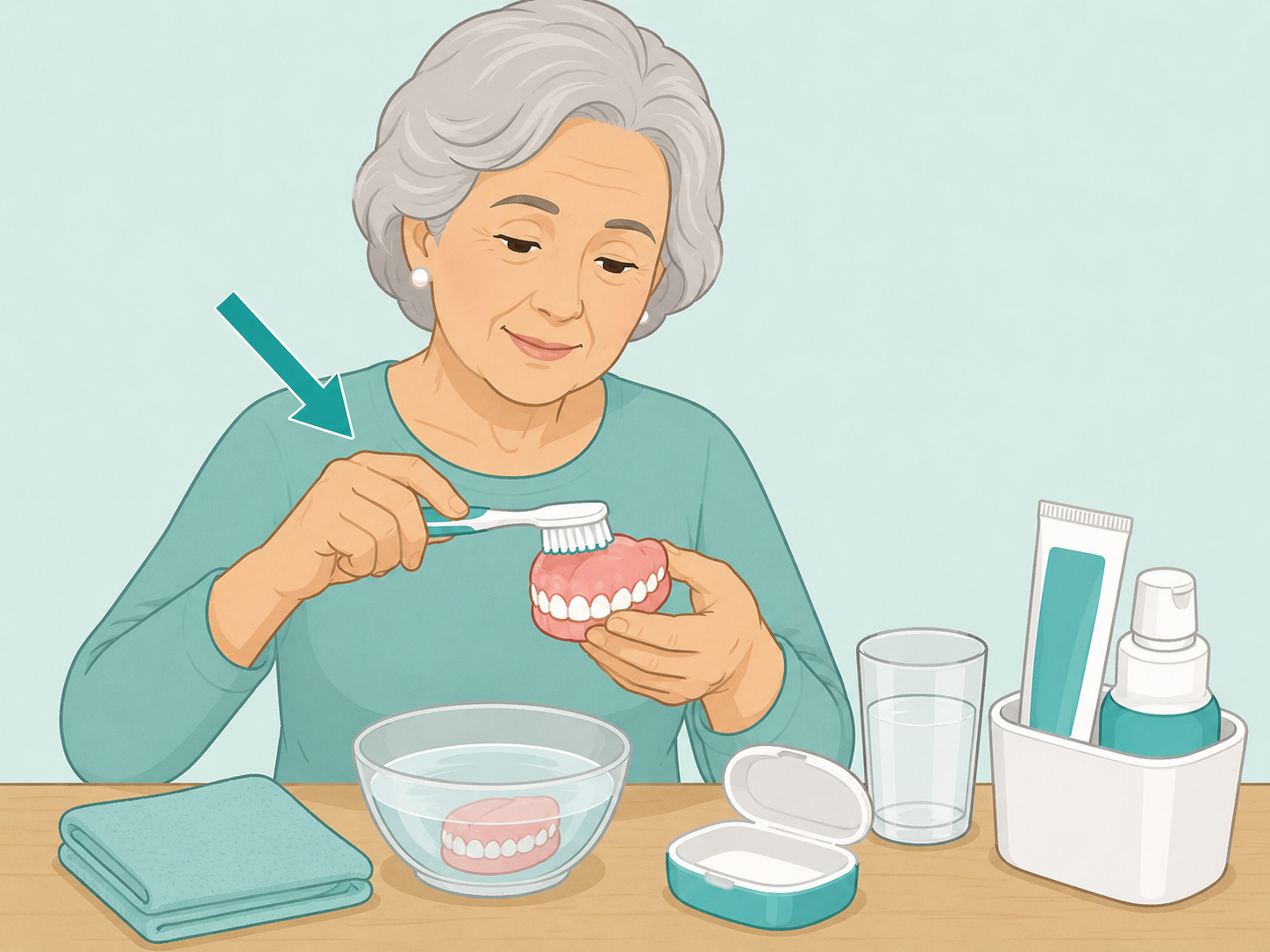
Clean dentures and manage dry mouth
Bad breath can come from food particles, plaque, gum disease, dry mouth, or dentures that collect odor-causing bacteria. MedlinePlus notes that dry mouth may be caused by medicines, dehydration, mouth breathing, or health conditions, while Mayo Clinic says dentures can trap bacteria and food if not cleaned well. Brush teeth, gums, and tongue, clean dentures daily, and ask a dentist about ongoing dry mouth or bad breath.

See a doctor for sudden or persistent odor changes
Make an appointment if odor is new, strong, unexplained, or lasts despite gentle hygiene changes. Mayo Clinic recommends medical care for unexplained body odor changes, sudden sweating changes, or night sweats without a clear reason. Also seek care for fishy vaginal odor with discharge, burning, or itching, since vaginal odor symptoms can sometimes signal vaginitis or another condition that needs treatment.
Summary
The bottom line: odor usually improves when you reduce trapped sweat and moisture, keep care gentle, stay hydrated, clean oral appliances well, and ask a clinician about sudden, strong, or persistent changes.
Frequently Asked Questions
- Is it normal for odor to change after menopause?
It can happen. Sweat, hot flashes, vaginal dryness, and changes in vaginal balance may all affect odor, but a sudden or persistent change should be checked by a healthcare professional.
- Does vaginal odor always mean an infection?
No. A mild vaginal scent is normal, but Cleveland Clinic explains that a strong fishy odor, itching, burning, or unusual discharge may point to infection or irritation.
- Should older women use scented intimate washes?
Usually no. Scented soaps, sprays, and douches can irritate sensitive vulvar tissue or disturb vaginal balance, so mild unscented cleansing on the outside is safer.
- Can dehydration make odor worse?
Yes. Concentrated urine can smell stronger, and drinking enough fluids can help urine stay more diluted unless a doctor has told you to limit fluids.
- Why do skin folds sometimes smell?
Skin folds can trap heat, sweat, and friction. That warm, moist environment can allow bacteria or yeast to overgrow, especially if the area is not dried well.
- When should I get odor checked?
See a doctor or qualified health professional if odor is sudden, strong, persistent, or comes with pain, rash, sores, discharge, fever, night sweats, burning with urination, or blood in urine.
References
Reliable references aided in composing and refining this content.
- https://www.mayoclinic.org/diseases-conditions/sweating-and-body-odor/symptoms-causes/syc-20353895
- https://my.clevelandclinic.org/health/symptoms/17905-vaginal-odor
- https://my.clevelandclinic.org/health/diseases/9131-vaginitis
- https://my.clevelandclinic.org/health/diseases/21693-intertrigo
- https://medlineplus.gov/ency/patientinstructions/000138.htm
- https://www.mayoclinic.org/symptoms/urine-odor/basics/causes/sym-20050704
- https://medlineplus.gov/drymouth.html
- https://www.mayoclinic.org/diseases-conditions/bad-breath/symptoms-causes/syc-20350922