
 Pin it
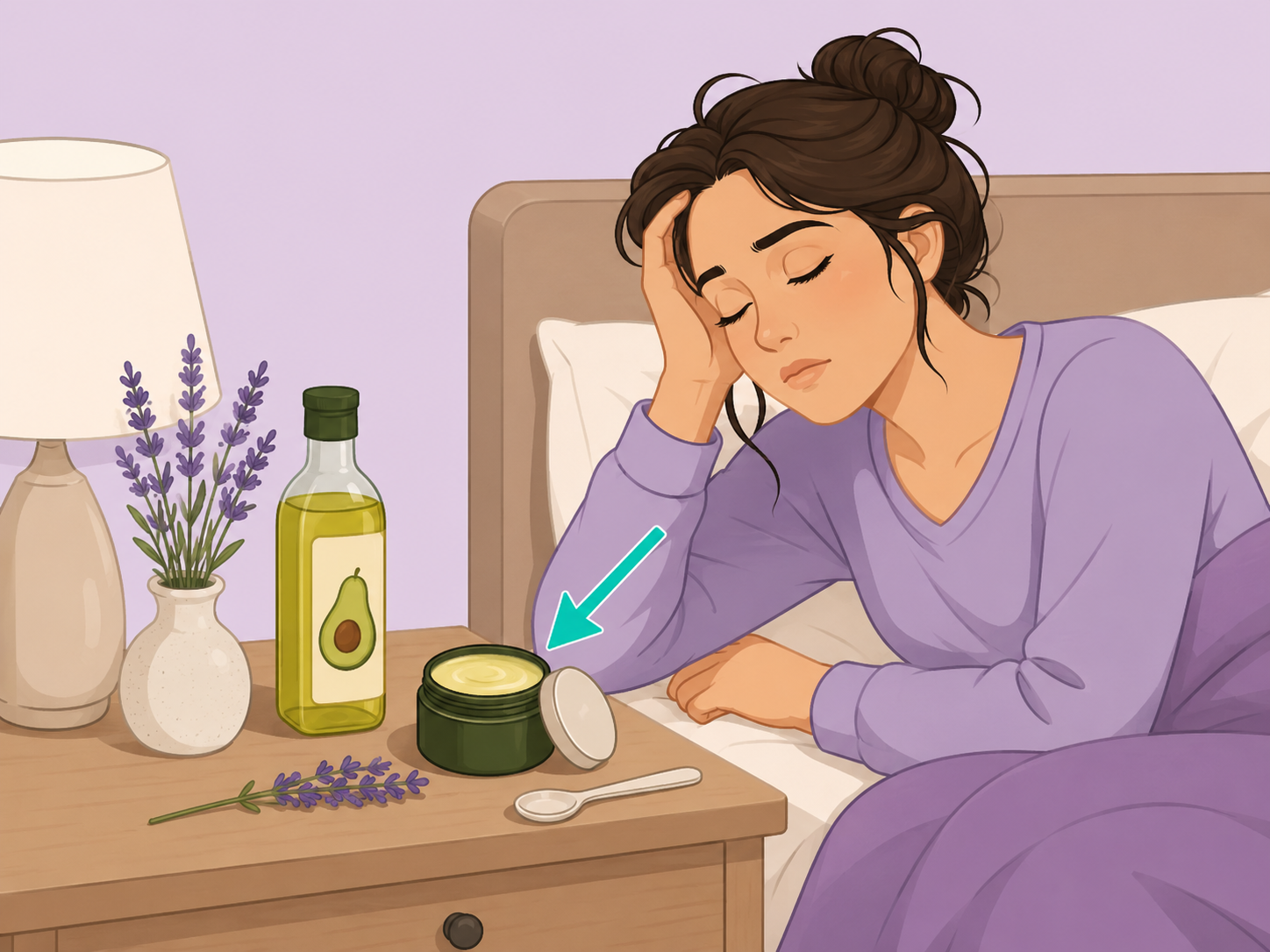
A homemade lavender and avocado skin balm can be a simple way for tired parents to care for dry hands, elbows, or feet at the end of the day. This guide keeps the formula basic, avoids treatment claims, and explains how to patch test before using it regularly. Lavender is optional because fragrance and essential oils can irritate some skin.
Choose a short ingredient list
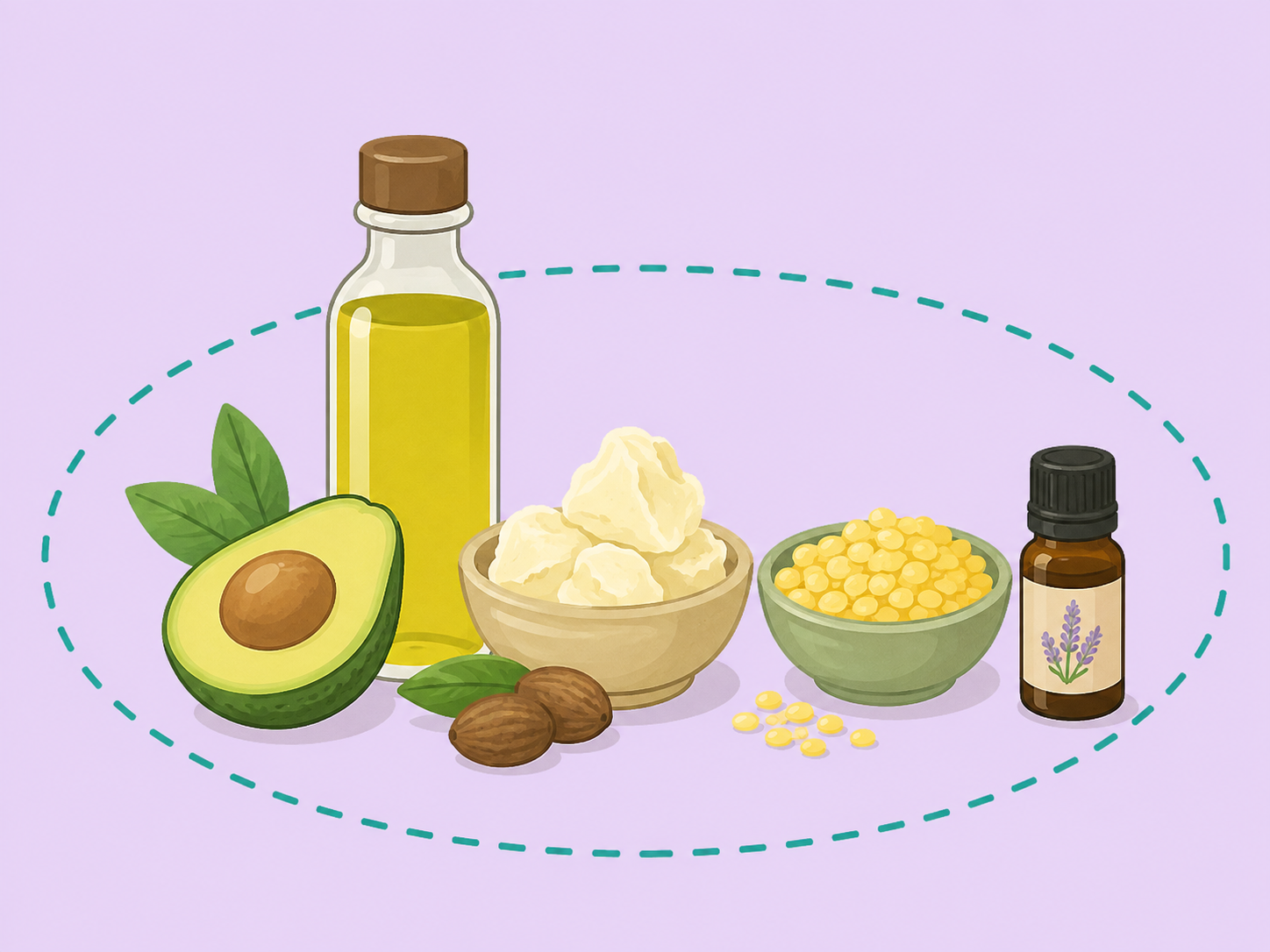
Keep this balm closer to a simple cosmetic moisturizer than a treatment: avocado oil, shea or cocoa butter, beeswax, and optional lavender essential oil. The American Academy of Dermatology recommends gentle, fragrance-free products for dry or sensitive skin, so make a plain version first if your skin reacts easily. Avoid citrus oils, colorants, exfoliants, and kitchen spices because the FDA cautions that natural ingredients can still irritate skin or cause allergies.
Clean and dry every tool
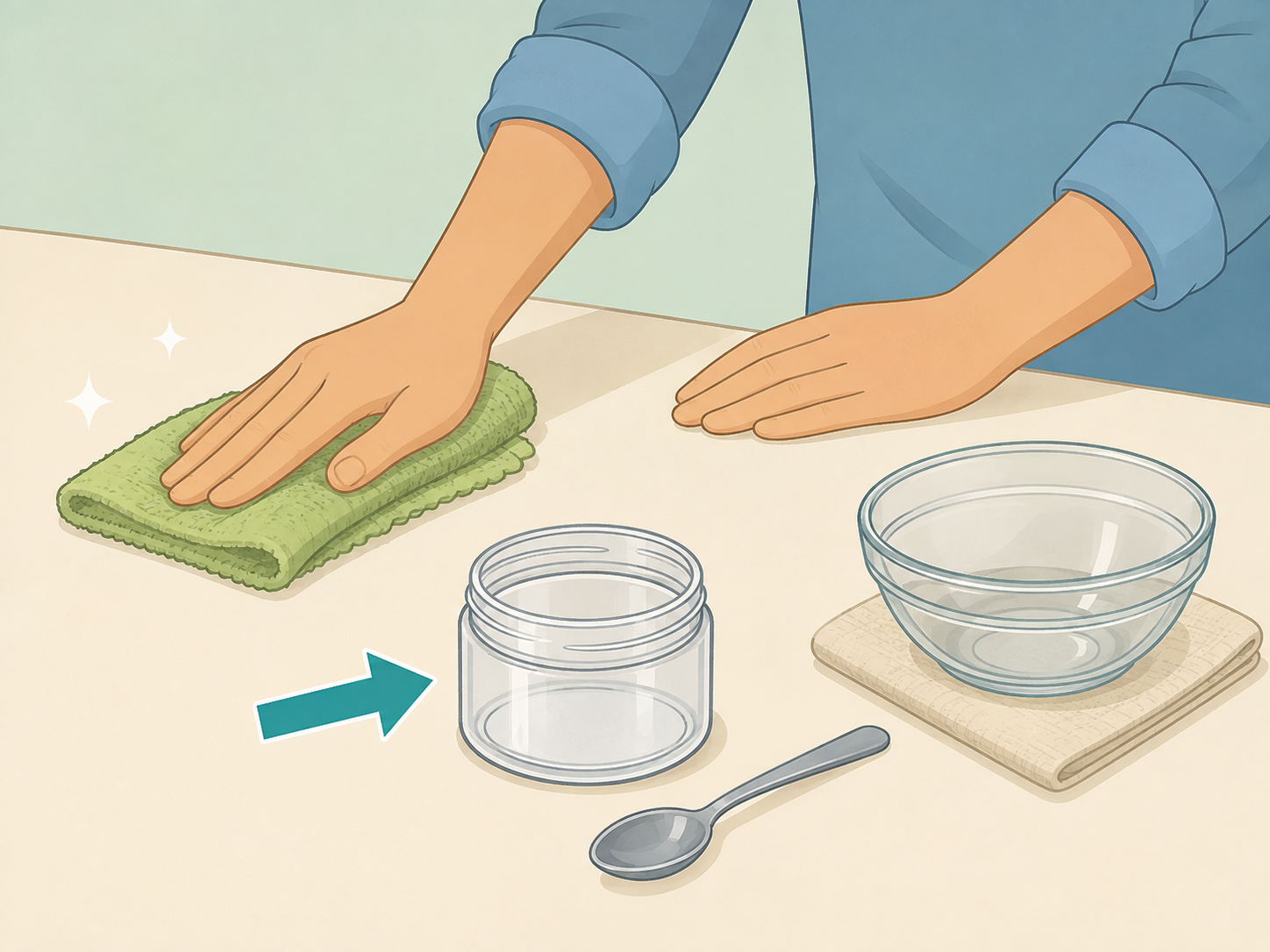
Wash your hands, wipe the counter, and use a clean heat-safe bowl, spoon, small jar, and lid. Make sure the container is fully dry before filling it, since this balm is meant to be water-free. A small batch is best because homemade cosmetics do not have the same testing and preservation controls as commercial products.
Melt the butter and wax gently
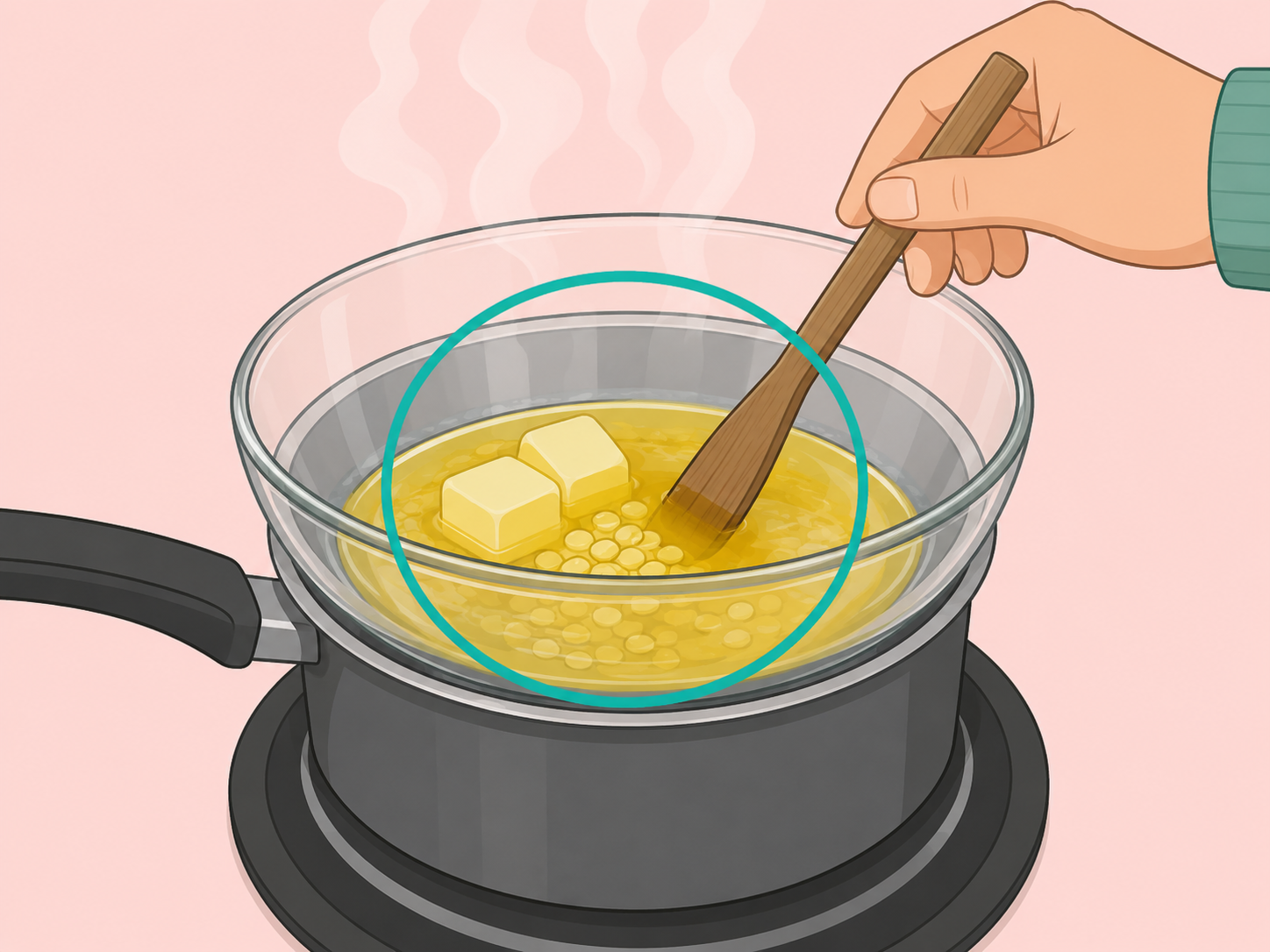
Add equal spoonfuls of shea or cocoa butter and avocado oil, plus a smaller spoonful of beeswax pellets, to a heat-safe bowl set over barely simmering water. Stir slowly until the wax and butter melt, then remove the bowl from heat. Do not boil the mixture or leave it unattended.
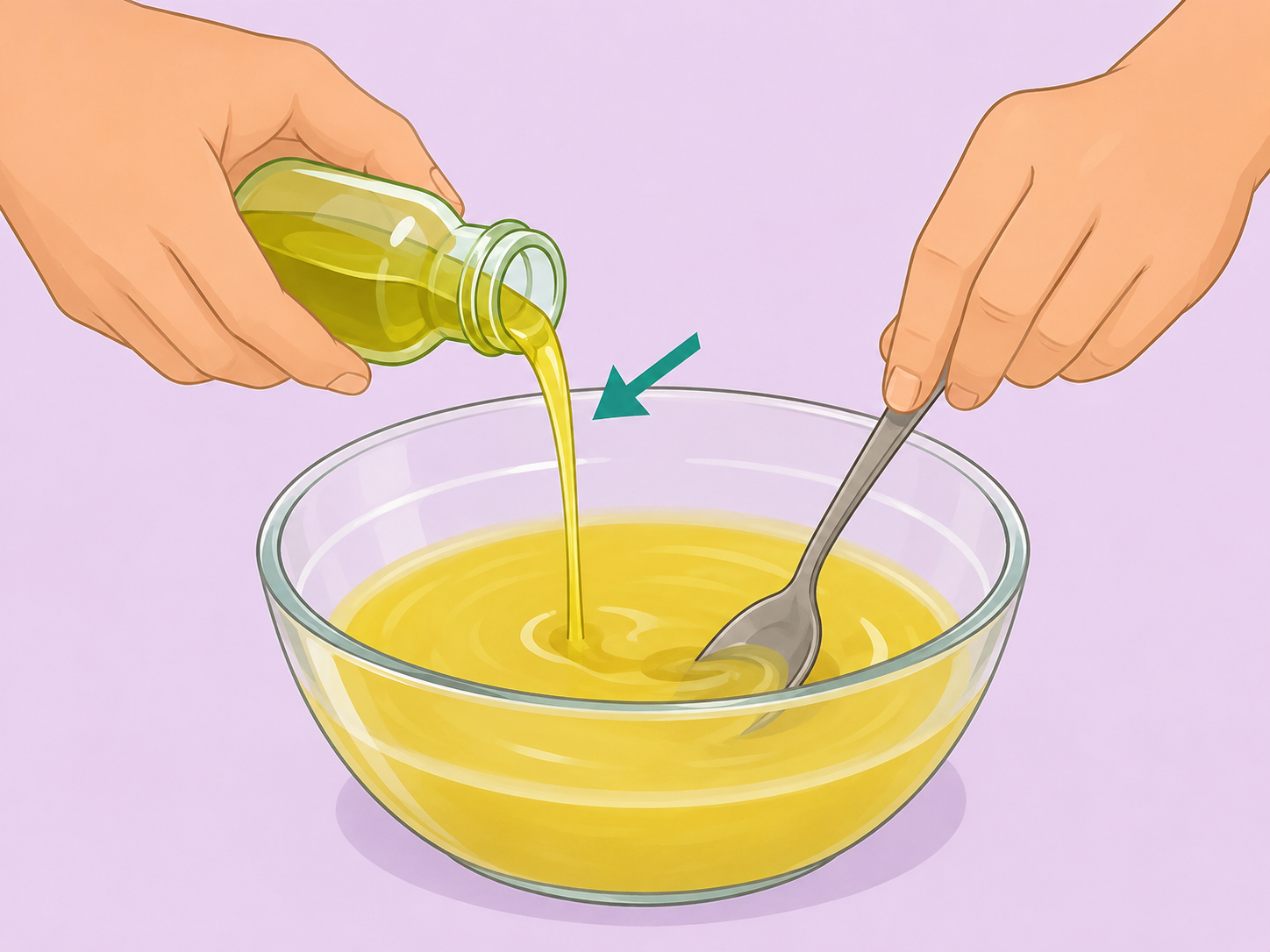
Blend in avocado oil off the heat
Stir the melted mixture for a minute as it cools slightly so the avocado oil blends evenly. If you want a softer balm, add a little more oil; if you want a firmer balm, remelt it later with a little more beeswax. Keep the texture thick enough that you can apply a thin layer without it running.
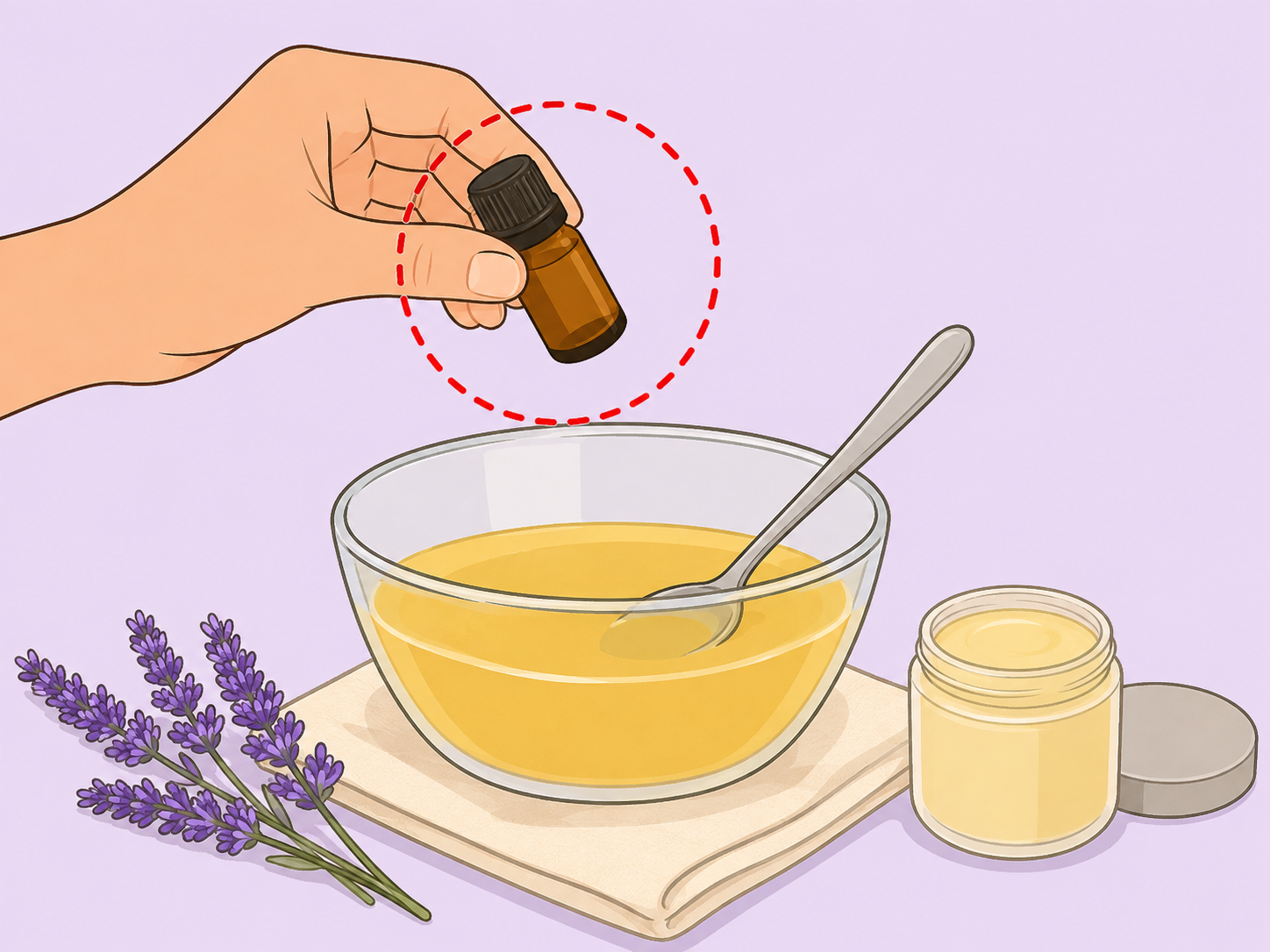
Add lavender only if it suits your skin
Lavender can make the ritual feel pleasant, but do not treat it as a sleep or anxiety remedy. The National Center for Complementary and Integrative Health notes that evidence for lavender's health benefits is limited and topical lavender can cause allergic skin reactions. Skip lavender if you are pregnant, breastfeeding, taking sedating medicine, preparing for surgery, or making balm for a child unless a qualified clinician says it is appropriate.
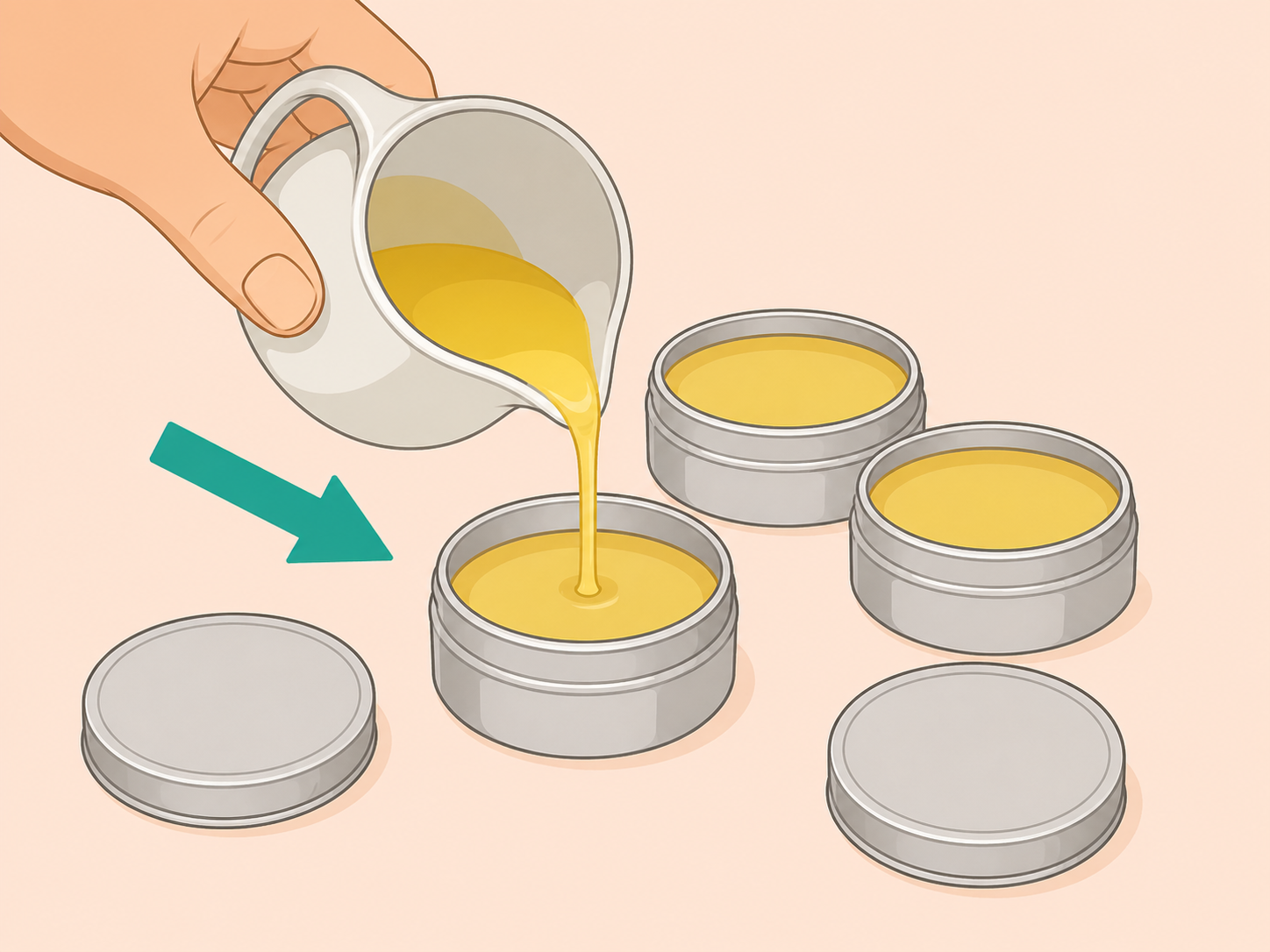
Pour the balm into small clean containers
Pour the warm balm into one or two small tins or jars and leave the lids off until the surface looks fully set. Once cool, close the containers and label them with the date and ingredients. Keep one container near your bedside and store any extra in a cool, dark place.
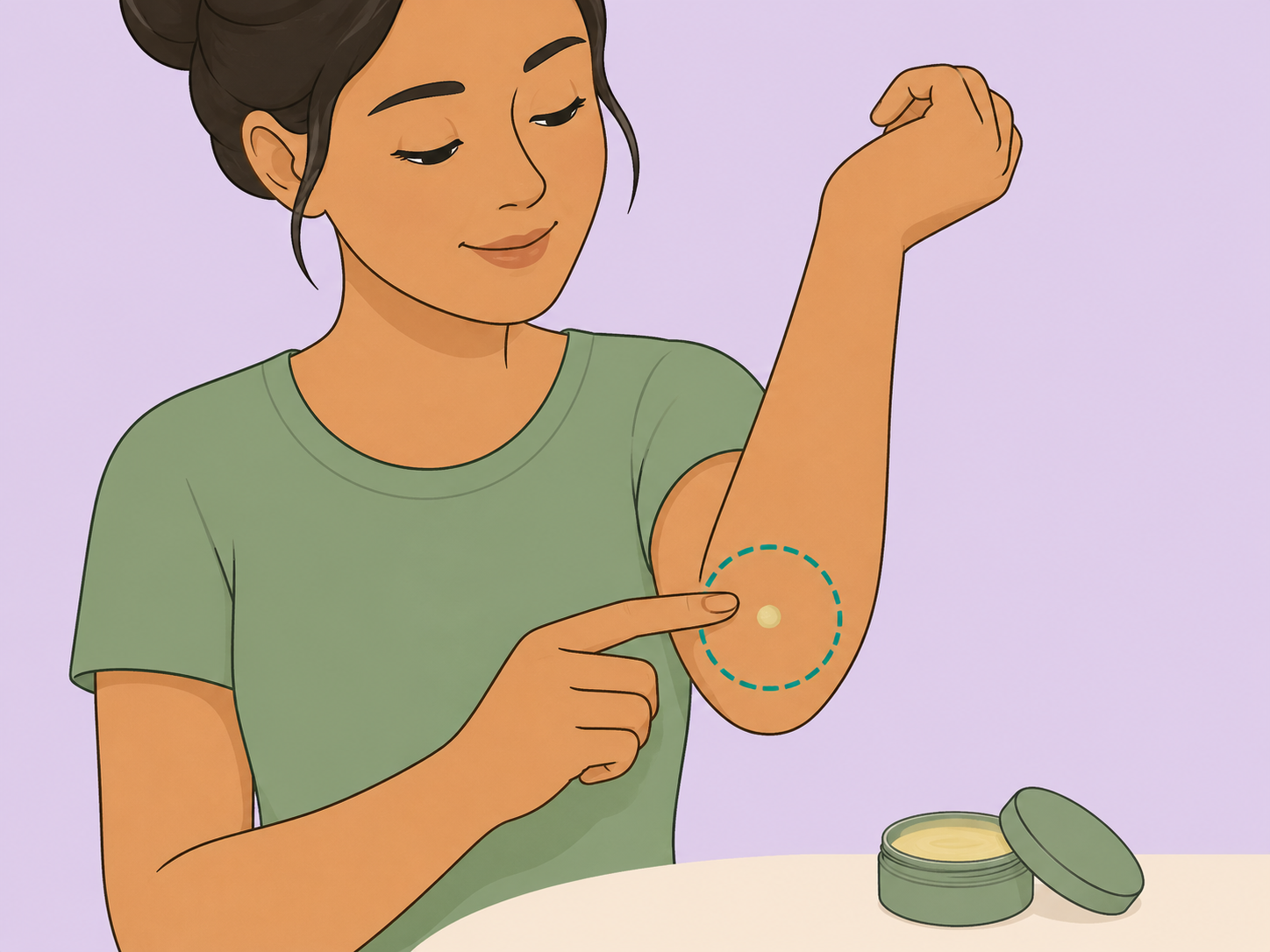
Patch test the balm before bedtime use
Before using the balm as a nightly habit, test a small amount on clean, dry skin at your inner elbow or another small spot. Cleveland Clinic explains that skin care reactions can take several days to appear and recommends testing new products on a small area first. If you notice itching, burning, redness, swelling, bumps, or flaking, wash it off and do not keep using it.
Apply it to slightly damp skin at night
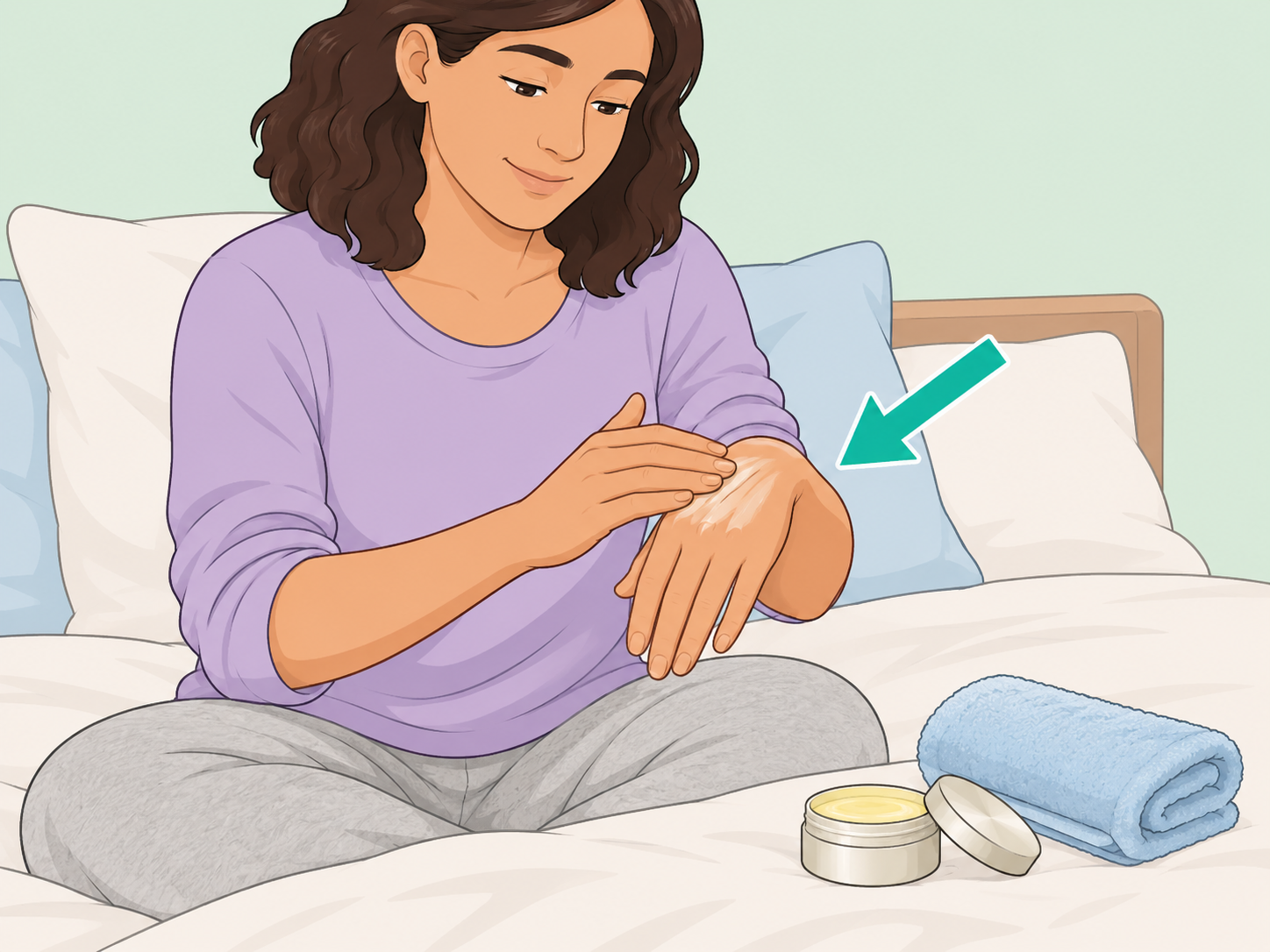
After washing your hands or taking a short warm shower, pat skin so it is still slightly damp and smooth on a thin layer of balm. The AAD says moisturizer works best when applied after bathing or handwashing while skin is still damp, and Mayo Clinic advises using warm rather than hot water and limiting shower time. For a parent-friendly ritual, rub the balm into hands, cuticles, elbows, or heels after the household is settled and before getting into bed.
Stop and seek help for warning signs
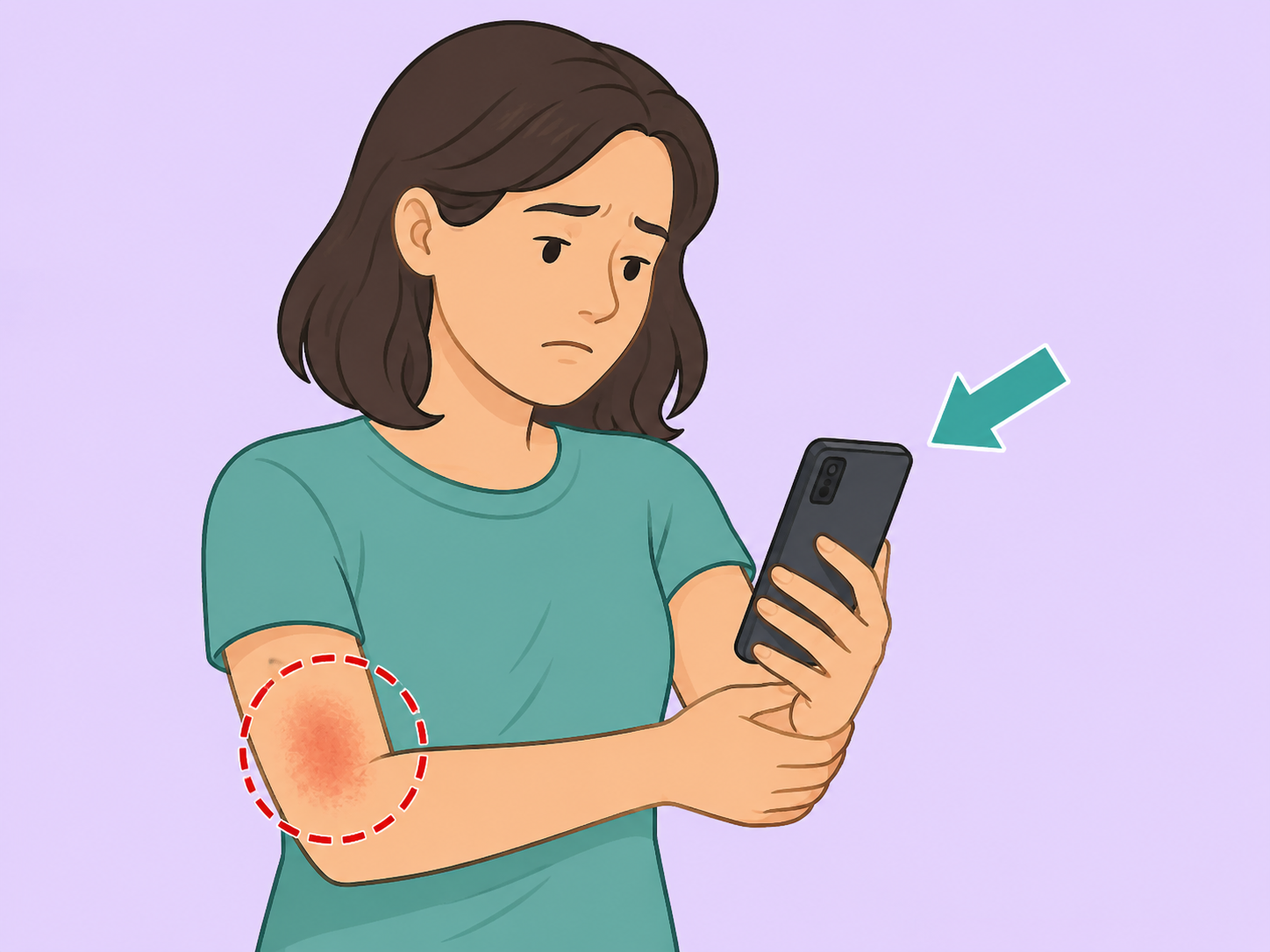
Stop using the balm if it stings, burns, itches, or causes a rash. Make an appointment with a healthcare professional if dryness does not improve with self-care, becomes inflamed or painful, interrupts sleep, forms open sores, or covers large areas, which are warning signs listed by Mayo Clinic. Get urgent help if you have trouble breathing or swelling of the lips, mouth, or face after using any skin product.
Summary
The bottom line: keep the balm simple, clean, and lightly scented or unscented. Patch test first, apply it to slightly damp dry skin, and stop using it if your skin stings, burns, or develops a rash.
Frequently Asked Questions
- Can this balm treat eczema or a rash?
- No. Treat this as a cosmetic moisturizer-style balm, not a treatment for eczema, dermatitis, infection, or any medical condition. If you have a rash, pain, swelling, cracking, or symptoms that keep returning, talk to a healthcare professional.
- Is lavender essential oil required?
- No. The safest version for sensitive skin is unscented. If you use lavender, keep it very light, follow the essential oil supplier's skin-use directions, and skip it if fragrance usually irritates your skin.
- Can I use this balm on my baby or child?
- Do not use a lavender essential oil balm on babies or children unless their healthcare professional says it is appropriate. Keep the balm out of reach, and wash your hands before handling a child if balm is still on your fingers.
- Can I make this with fresh avocado?
- No. Use avocado oil, not fresh avocado pulp. Fresh food ingredients add moisture and spoil quickly, while this balm is meant to stay water-free and simple.
- Where should I apply the balm?
- Start with less sensitive dry areas such as hands, cuticles, elbows, heels, or knees. Avoid eyes, mucous membranes, broken skin, infected skin, and freshly shaved or irritated areas.
- How should I store homemade balm?
- Store it in a clean, dry, closed container away from heat and direct sun. Discard it if the smell changes, the texture separates oddly, or anything looks contaminated.
References
Reliable references aided in composing and refining this content.
- https://www.aad.org/public/everyday-care/skin-care-basics/dry/dermatologists-tips-relieve-dry-skin
- https://www.nccih.nih.gov/health/lavender
- https://www.fda.gov/cosmetics/cosmetic-products/aromatherapy
- https://health.clevelandclinic.org/allergic-reaction-to-skin-care
- https://www.mayoclinic.org/diseases-conditions/dry-skin/symptoms-causes/syc-20353885?p=1&pg=1