
 Pin it
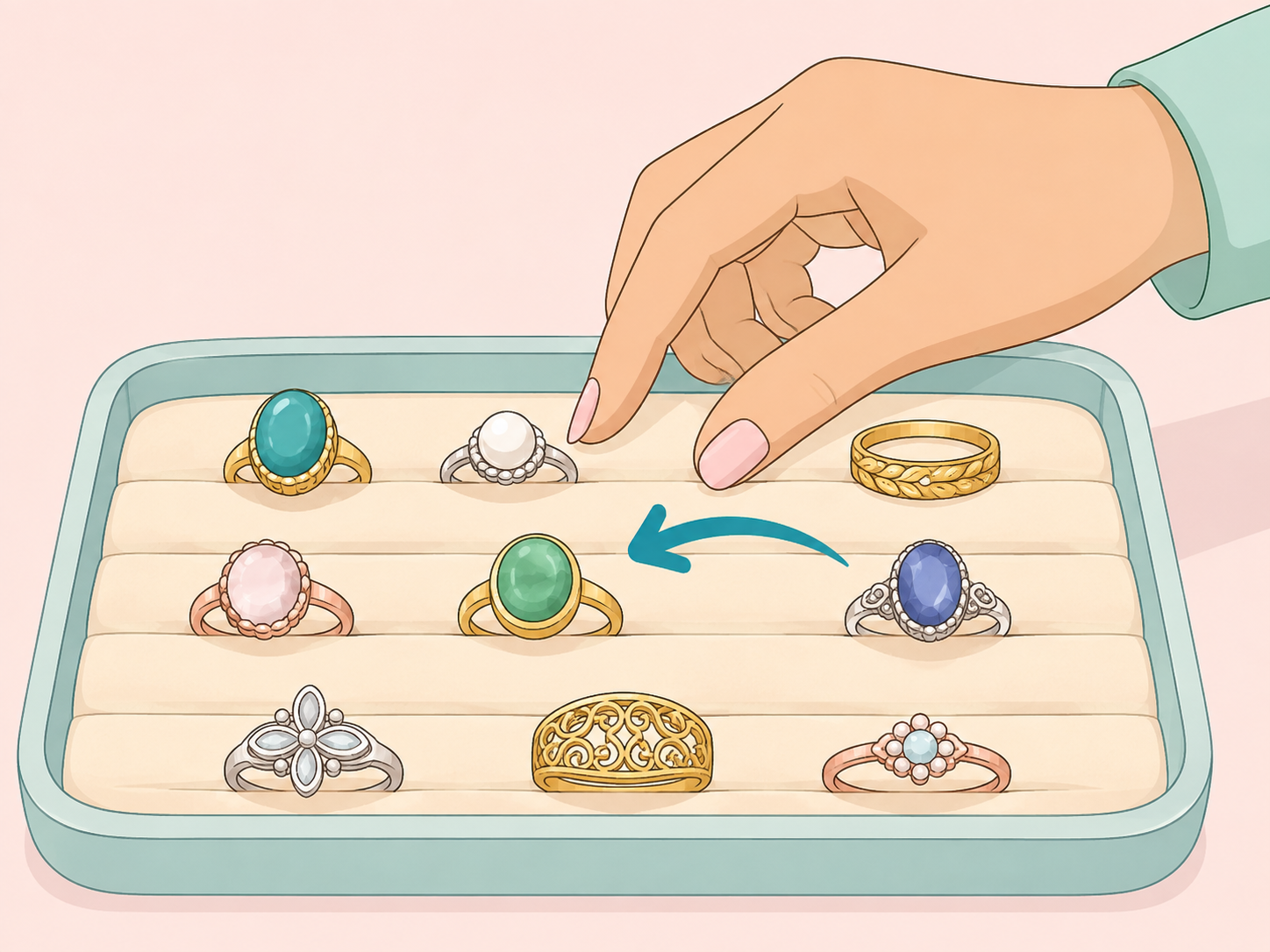
The viral ring personality test asks you to choose a ring design and then read what that choice supposedly says about you. It can be a fun way to think about your personal style, but it is not a real psychological assessment. This guide shows you how to take the trend lightly, use it for beauty inspiration, and avoid reading too much into the result.
Treat the ring test as entertainment
Start by remembering that a viral ring quiz is not the same as a formal personality assessment. Psychologists use standardized tests, interviews, and other information when they evaluate someone, according to the American Psychological Association. Let the trend be playful instead of treating the result as a label.
Choose the ring you would actually wear
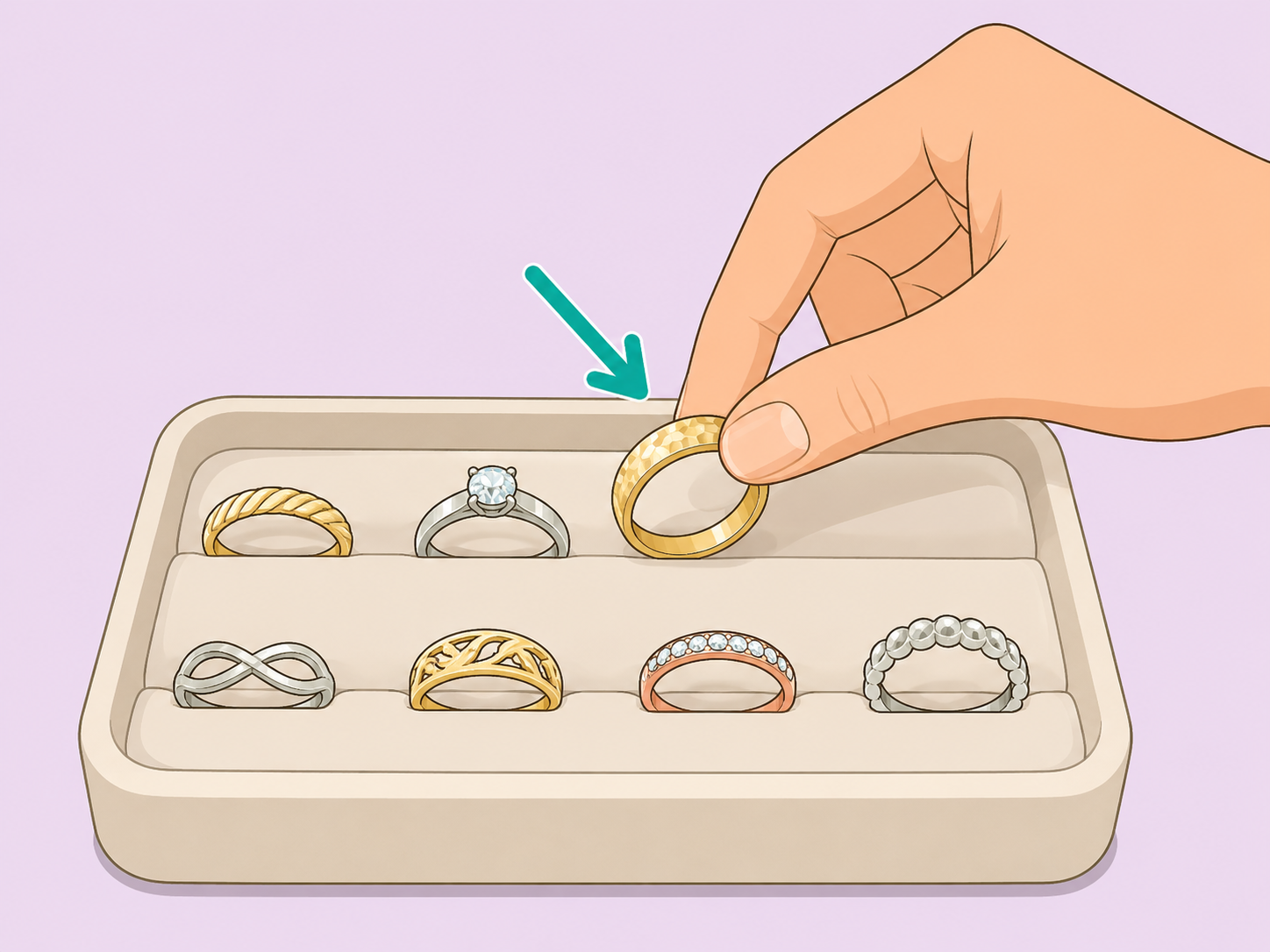
Look at the ring options once and choose the one you would most enjoy wearing in real life. Do not pick the most expensive-looking ring or the one you think has the best answer. A more honest choice makes the result more useful as a style reflection.
Notice the first detail that pulled you in
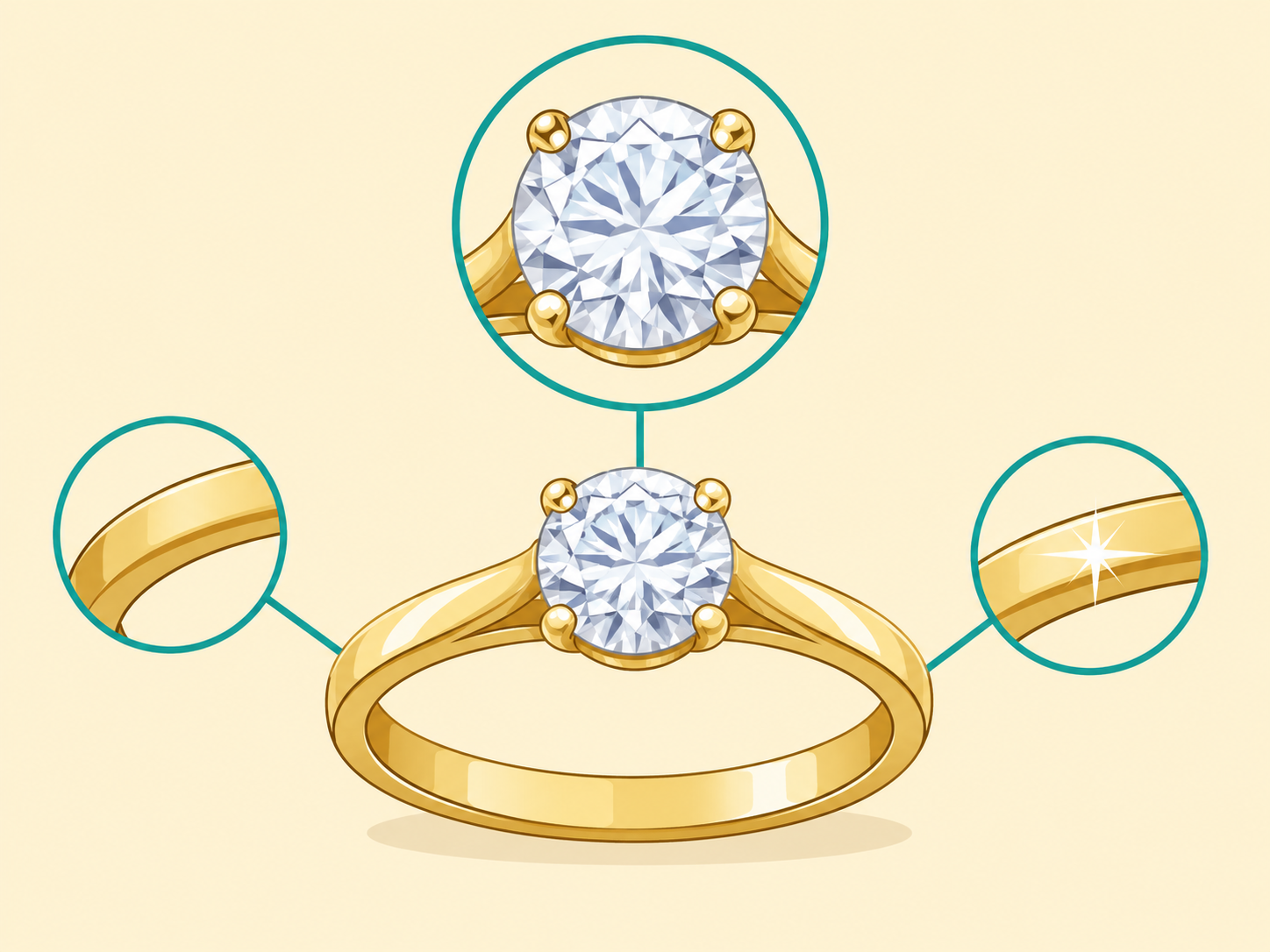
Ask yourself whether you noticed the stone, metal color, shape, size, or overall mood first. Personality research often uses self-report, but researchers also note that self-report has strengths and weaknesses, as summarized in a review of personality measurement. Your answer is a clue about taste, not a complete picture of your character.
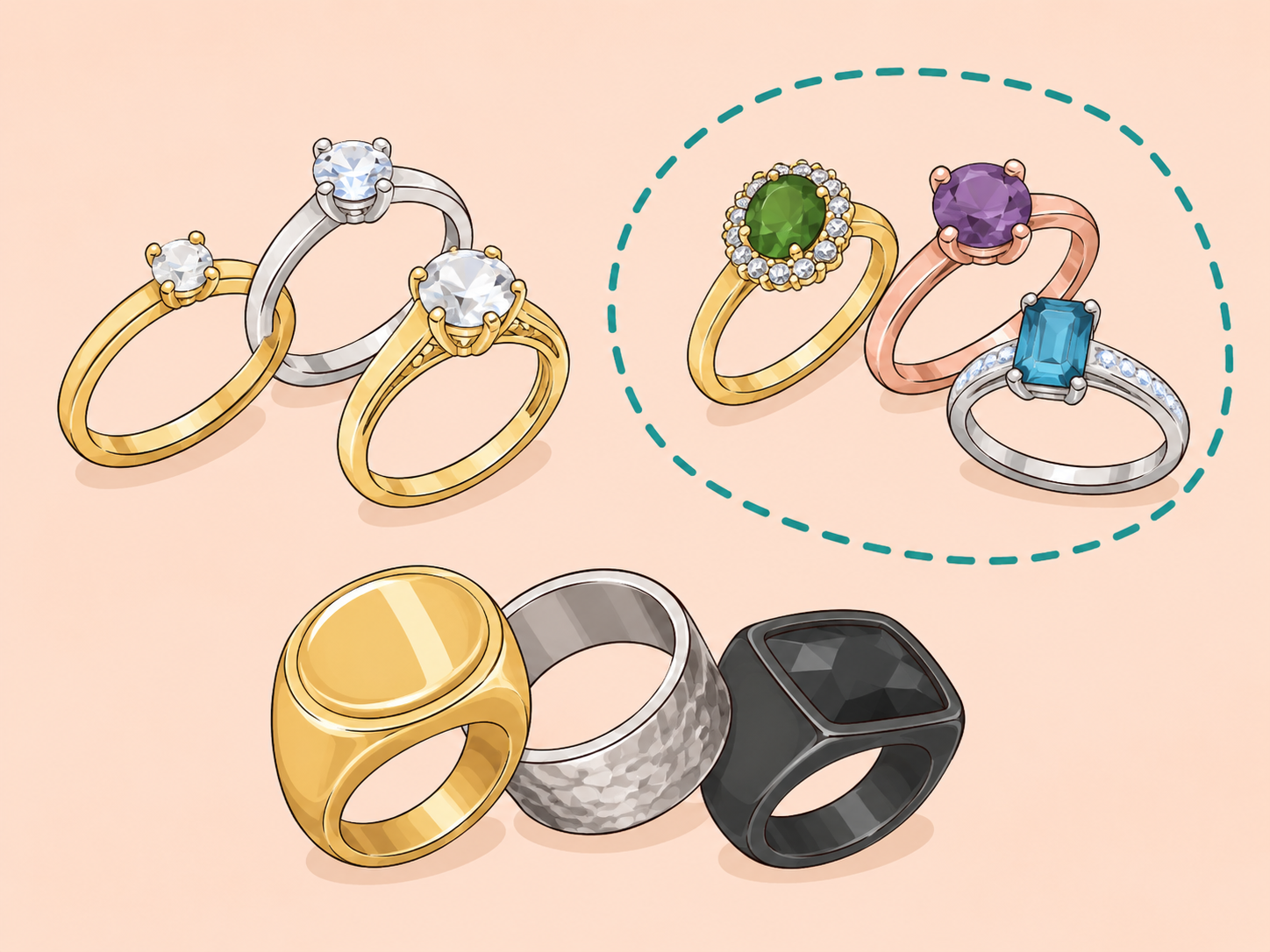
Match the design to a loose style theme
Use broad themes instead of fixed personality claims: a simple band may suggest a classic style, a colorful stone may suggest playful dressing, and a bold cocktail ring may suggest a dramatic beauty look. Studies have found links between color preferences and personality words, but those links are limited and should not be read as proof, as shown in research on color preference and personality. Keep the interpretation light.
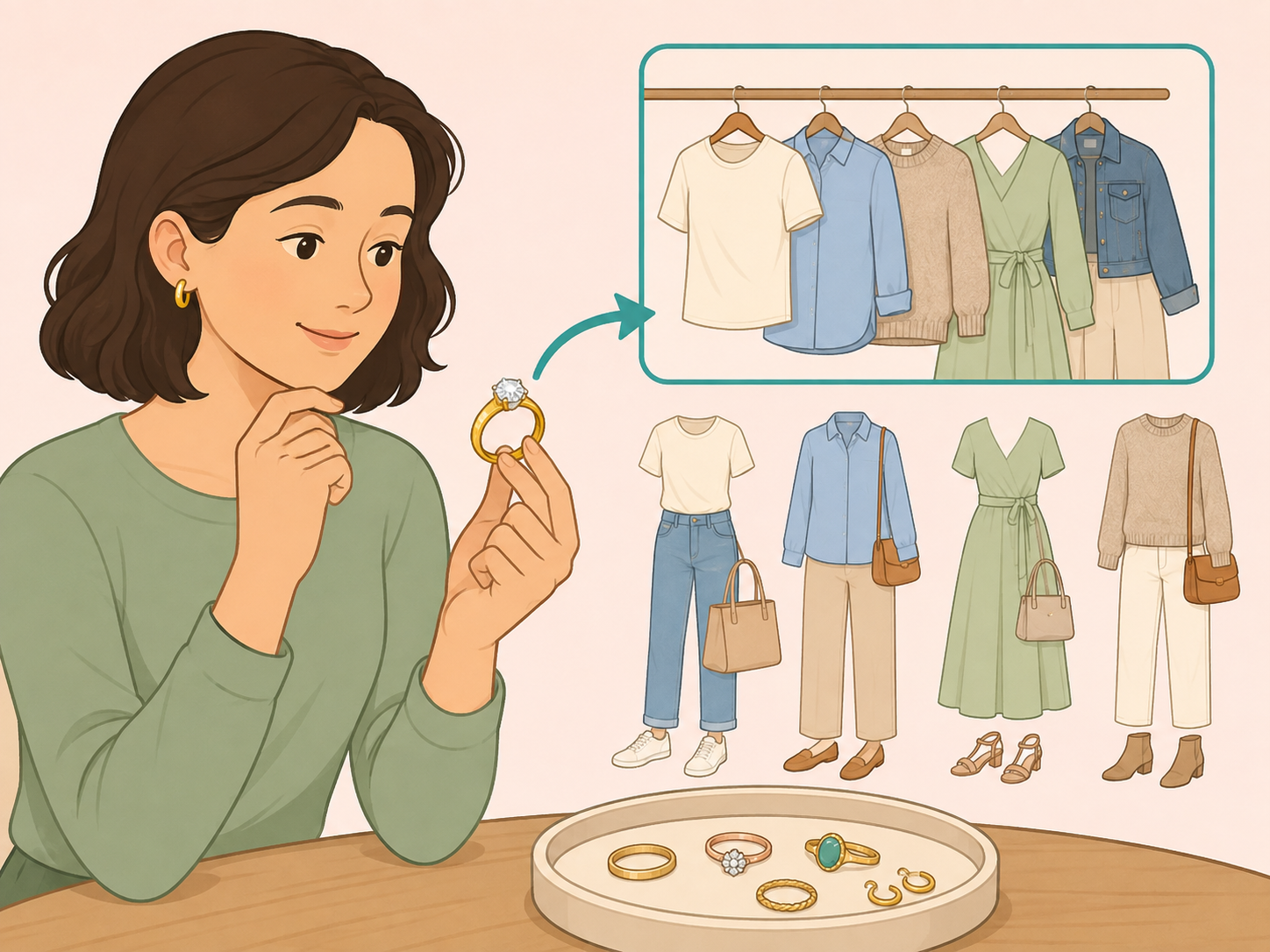
Compare the result with your real habits
After reading the quiz result, compare it with how you actually dress, shop, and accessorize. If the result says you are bold but you usually prefer minimal jewelry, the ring may represent a mood you want to try rather than your usual style. Keep the parts that help and discard the rest.
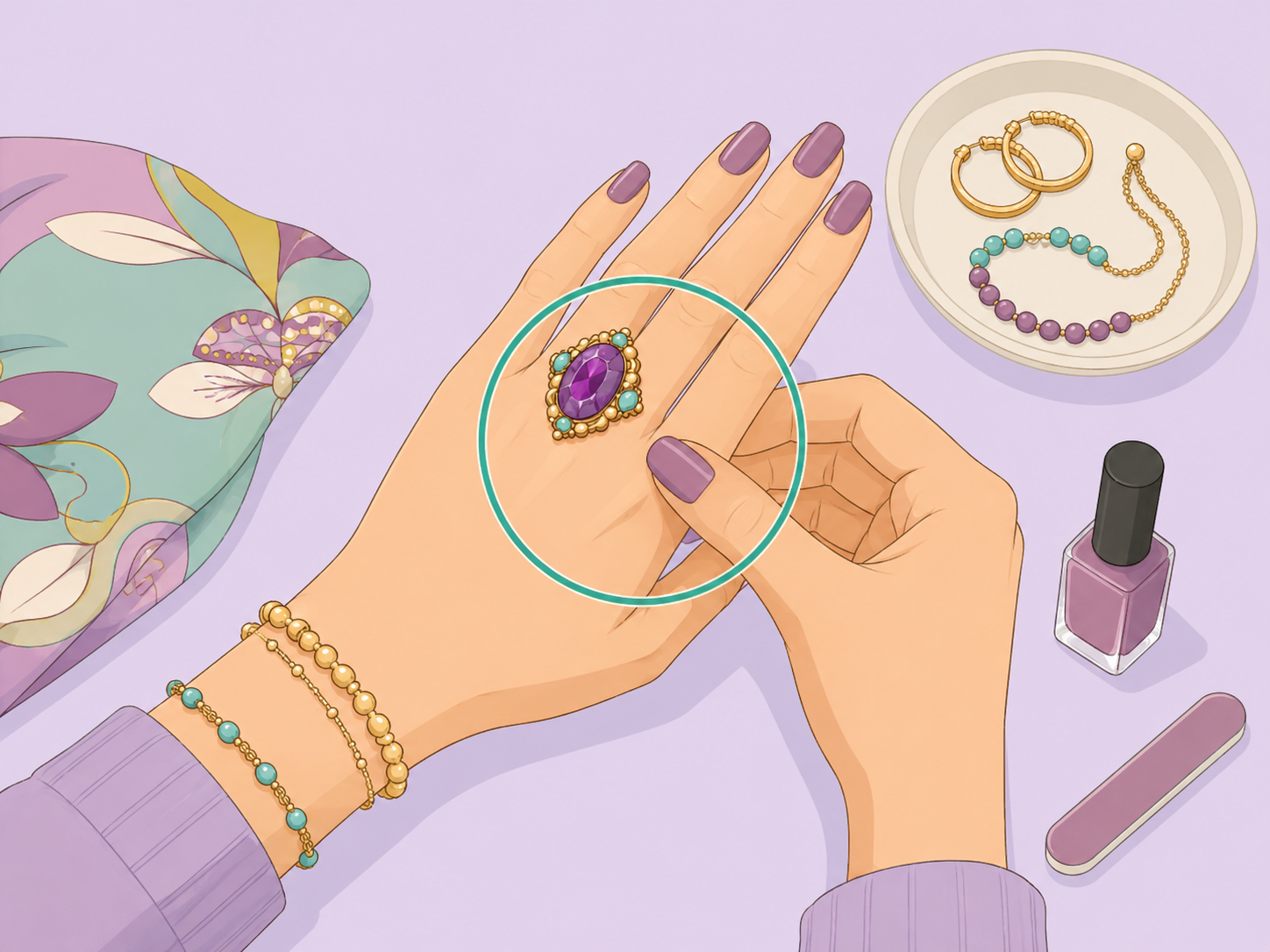
Use the insight to guide your beauty look
Turn the ring choice into one small beauty idea, such as matching your manicure to the stone, choosing a similar metal finish for earrings, or balancing a bold ring with simpler makeup. Color can carry personal meaning because people often connect colors with objects, emotions, and experiences, as described in research on human color preference. This keeps the test practical instead of overpersonal.
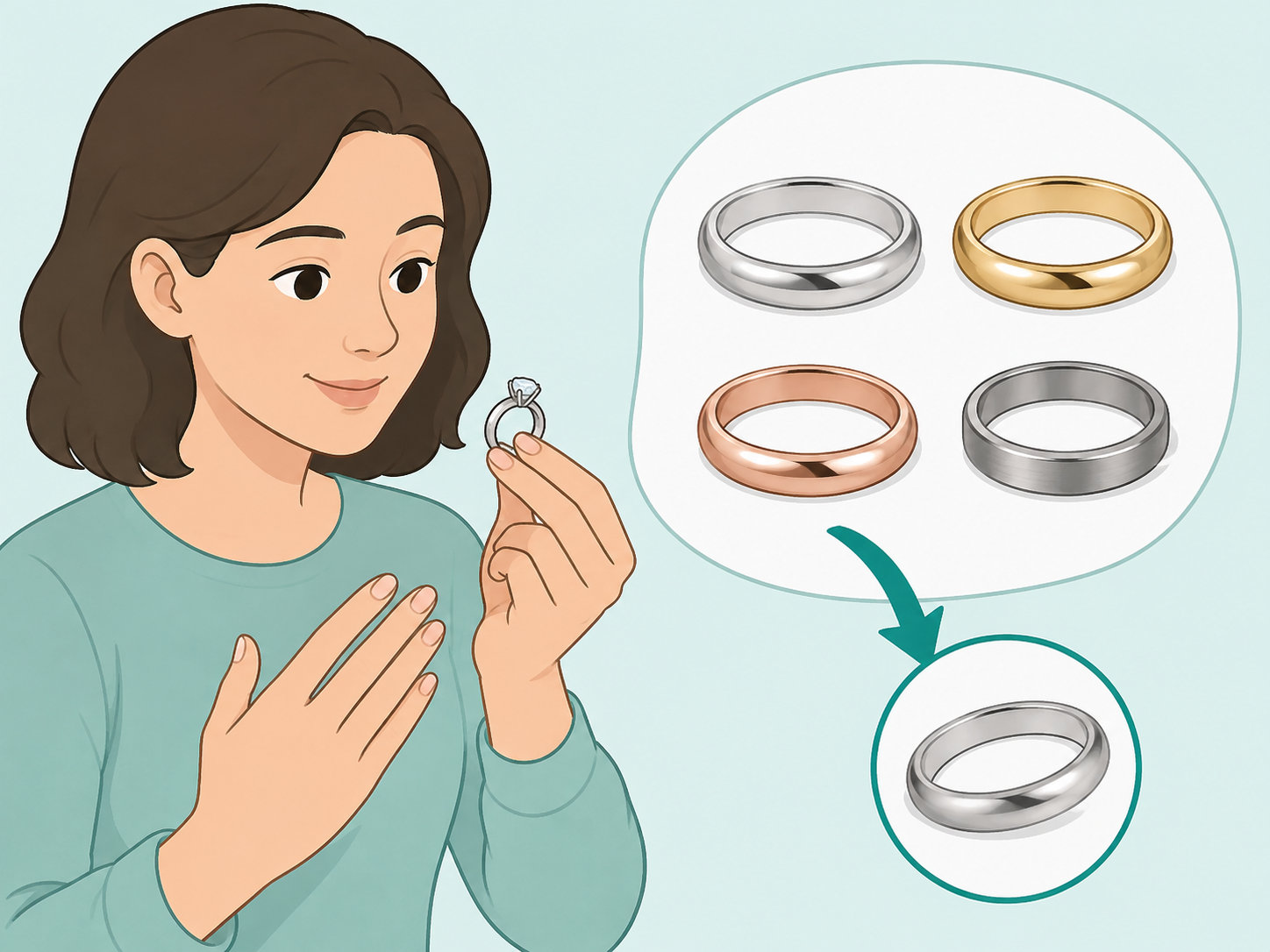
Check that the ring is skin-friendly
Before wearing a ring all day, check the metal if you have sensitive skin or a history of jewelry reactions. The American Academy of Dermatology says rings can trigger nickel allergy, and recommends nickel-free, hypoallergenic, surgical-grade stainless steel, high-karat yellow gold, sterling silver, or platinum options for people with nickel sensitivity. Read more from the AAD on nickel allergy and jewelry.
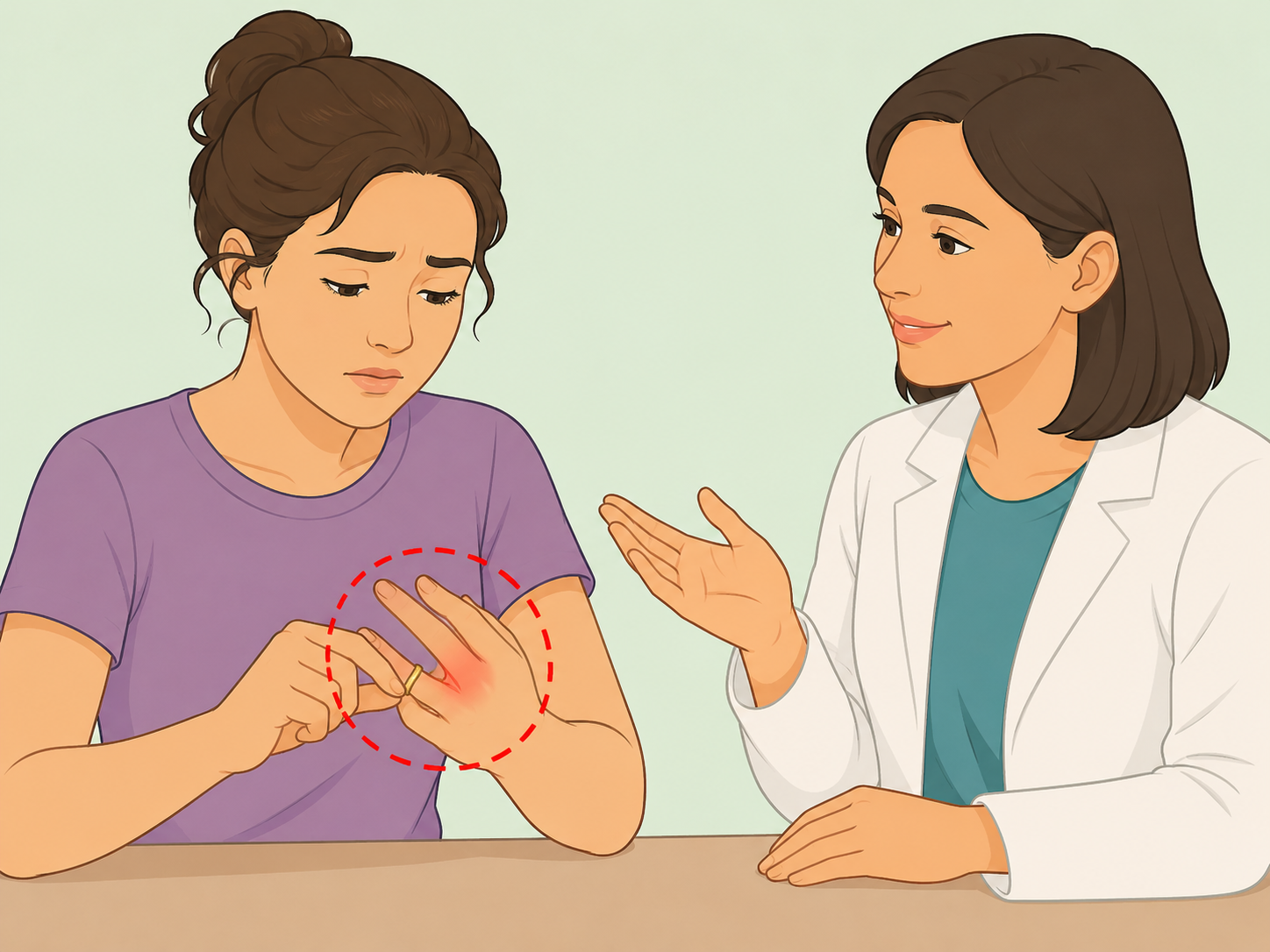
Get professional help for reactions or distress
See a dermatologist if a ring rash blisters, becomes infected, or keeps returning, since the AAD notes that contact dermatitis can cause itching, swelling, cracking, and blisters. If personality quizzes make you feel very anxious, hopeless, or unable to function, talk to a health care provider or mental health professional; the National Institute of Mental Health explains when to seek help in its mental health guide. A beauty trend should not leave you feeling judged or distressed.
Summary
The bottom line: the ring test is best used as a playful mirror for your style preferences, not as proof of who you are. Choose what you like, notice the pattern, and keep comfort and skin safety in mind.
Frequently Asked Questions
- Is the ring personality test real?
- No. It is a social media style quiz, not a standardized psychological test. Use it for fun or outfit inspiration, not serious self-assessment.
- Why do I feel drawn to one ring right away?
- You may be responding to color, shape, shine, symbolism, or what fits your current mood. A quick choice can still reveal a real style preference, even if it does not prove a personality type.
- Can my favorite ring style change over time?
- Yes. Your taste can shift with your wardrobe, lifestyle, trends, mood, and the occasions you dress for.
- What if the quiz result does not match me?
- Ignore the parts that feel wrong. A viral quiz is not meant to define you, and a mismatch can simply mean you liked the ring design more than the meaning attached to it.
- Which ring style looks the most elegant?
- Elegance depends on your hand shape, outfit, and taste. Slim bands, balanced stones, and clean metal finishes often look polished because they are easy to style.
- What should I do if a ring gives me a rash?
- Stop wearing it and check whether the metal could contain nickel or another irritant. If the rash blisters, becomes infected, or keeps coming back, see a dermatologist.
References
Reliable references aided in composing and refining this content.
- https://www.apa.org/topics/psychological-testing-assessment
- https://pmc.ncbi.nlm.nih.gov/articles/PMC3595542
- https://pmc.ncbi.nlm.nih.gov/articles/PMC9806338
- https://www.aad.org/public/diseases/eczema/insider/nickel-allergy
- https://www.aad.org/public/diseases/eczema/types/contact-dermatitis/symptoms
- https://www.nimh.nih.gov/health/publications/my-mental-health-do-i-need-help