
 Pin it
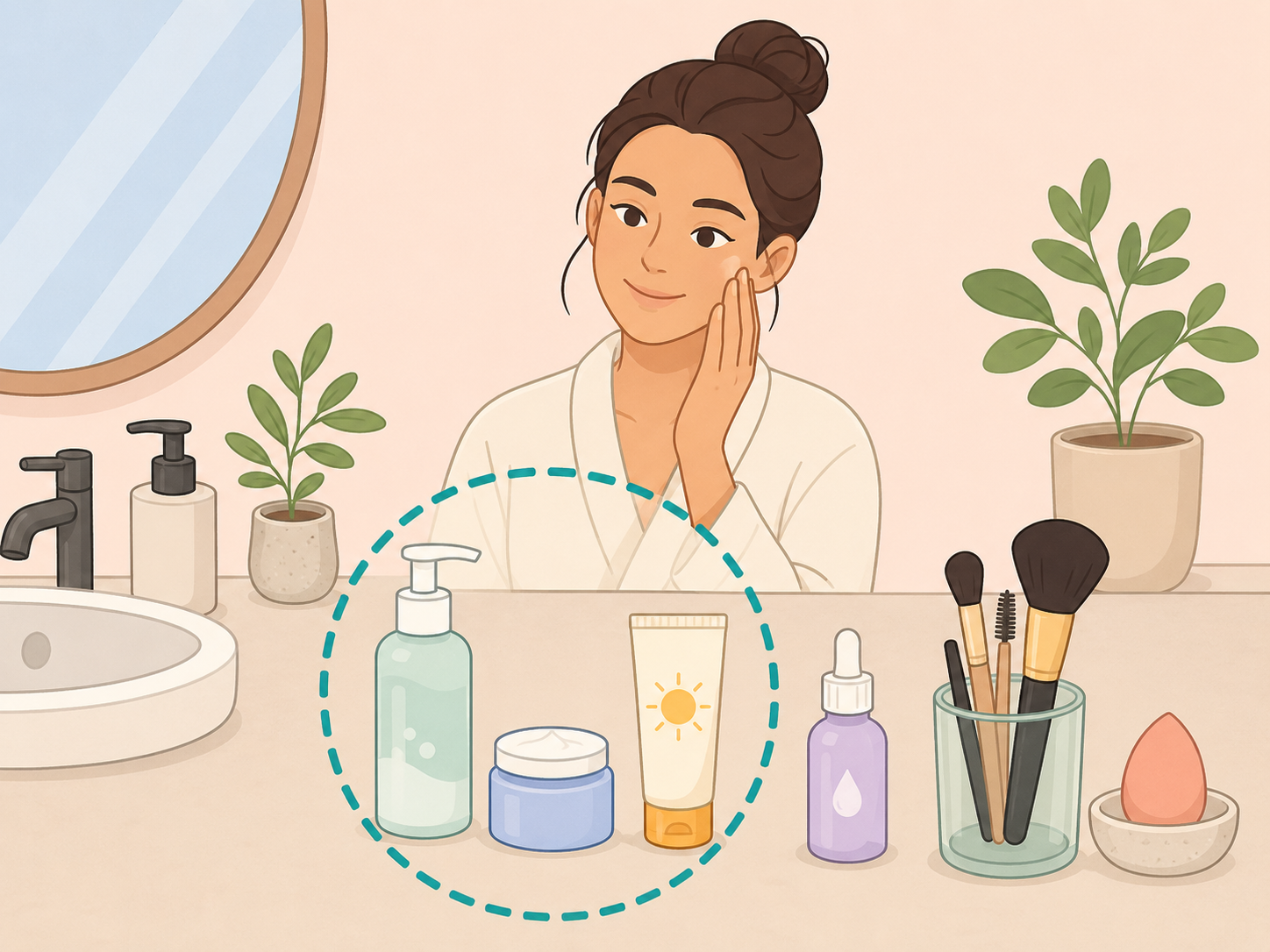
A good beauty routine is less of a puzzle when you focus on the basics that support healthy-looking skin. This guide shows you how to choose fewer products, use them in the right order, and avoid common habits that can irritate your skin or eyes. It is designed for everyday personal care, not for diagnosing or treating a skin condition.
Start with the three basics
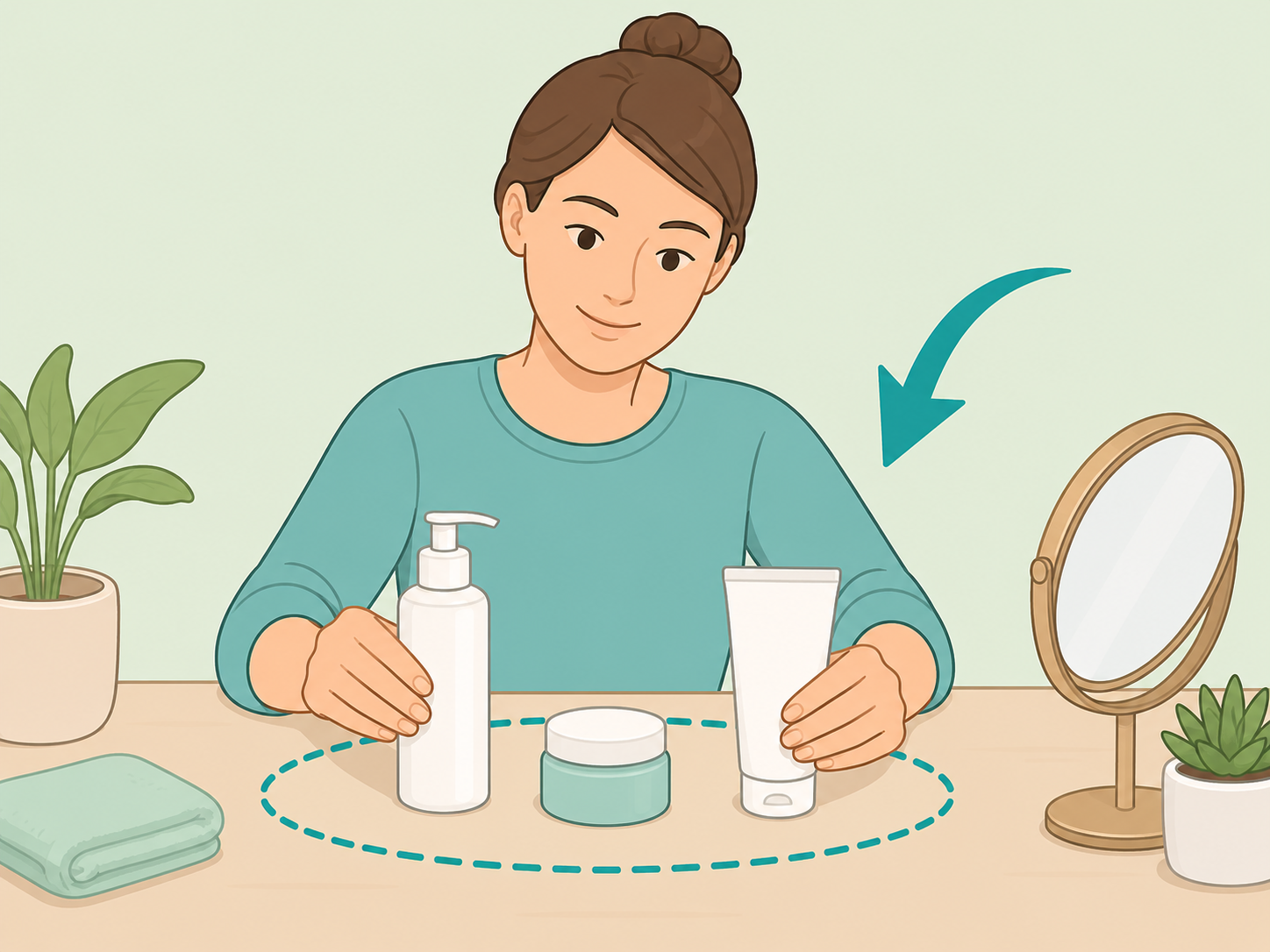
Build the routine around cleansing, moisturizing, and sun protection before buying extra products. The American Academy of Dermatology says a simple three-step approach can support healthy skin and reduce unnecessary spending. Treat everything beyond those basics as optional.
Match products to your skin type
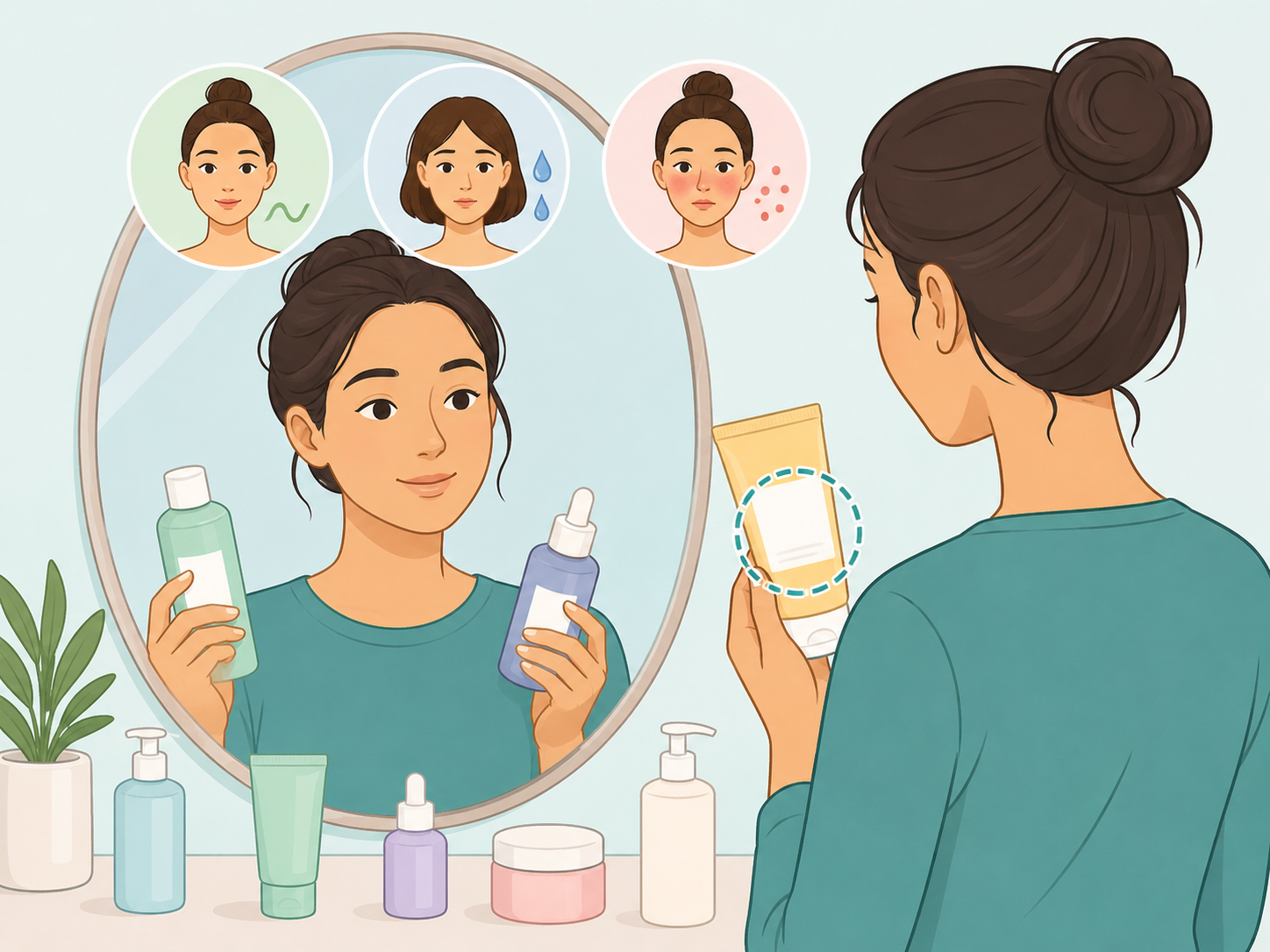
Choose products for how your skin behaves most days: dry, oily, combination, sensitive, or normal. The AAD notes that products work best when they are formulated for your skin type, and that no single product works for everyone. If your skin often stings, burns, or reacts, keep formulas fragrance-free and simple.
Wash gently instead of scrubbing
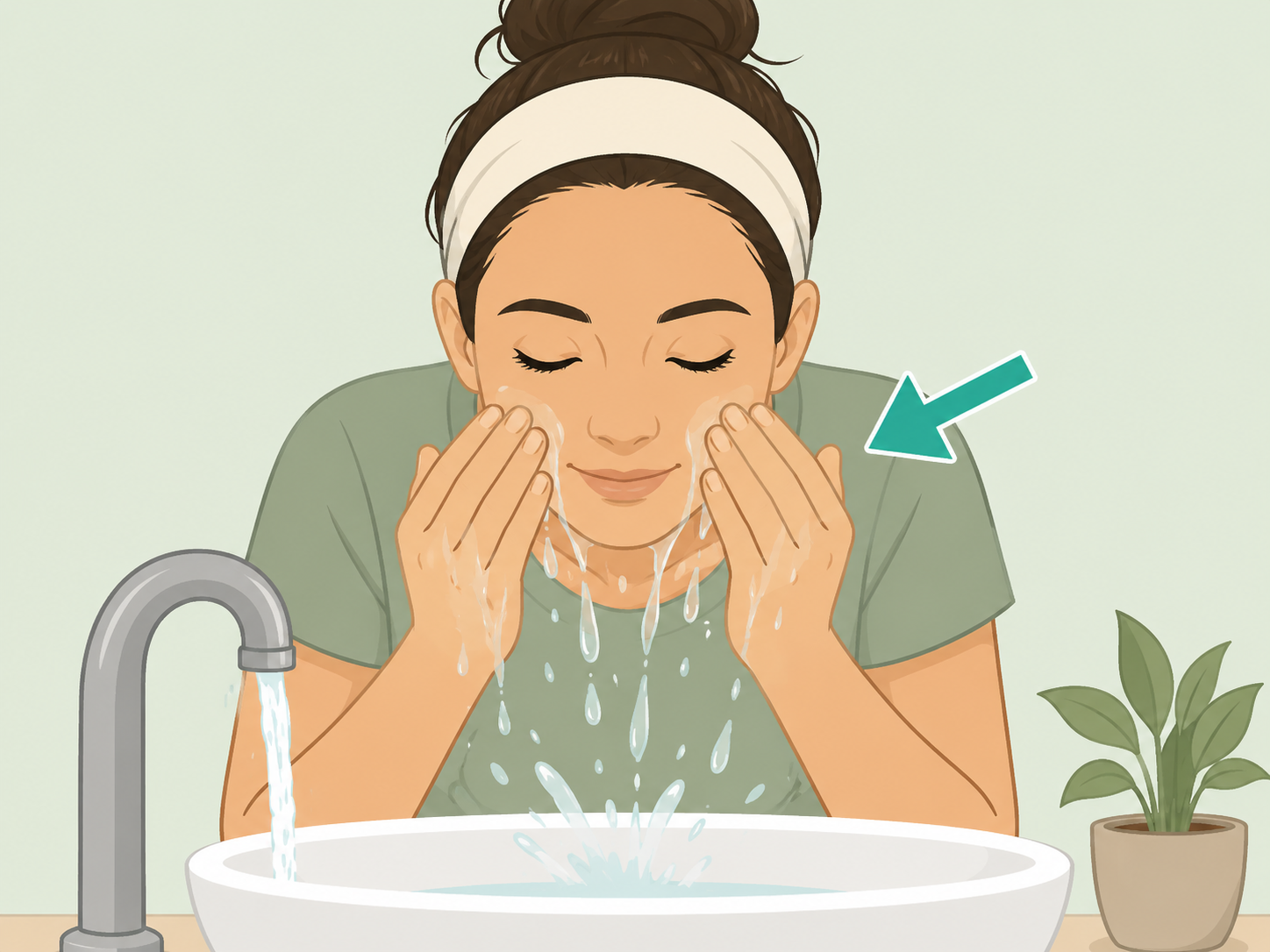
Use lukewarm water, a gentle non-abrasive cleanser, and your fingertips. Dermatologists recommend avoiding harsh scrubbing because it can irritate skin, and they advise limiting face washing to twice daily and after sweating. Pat your face dry with a soft towel before the next step.
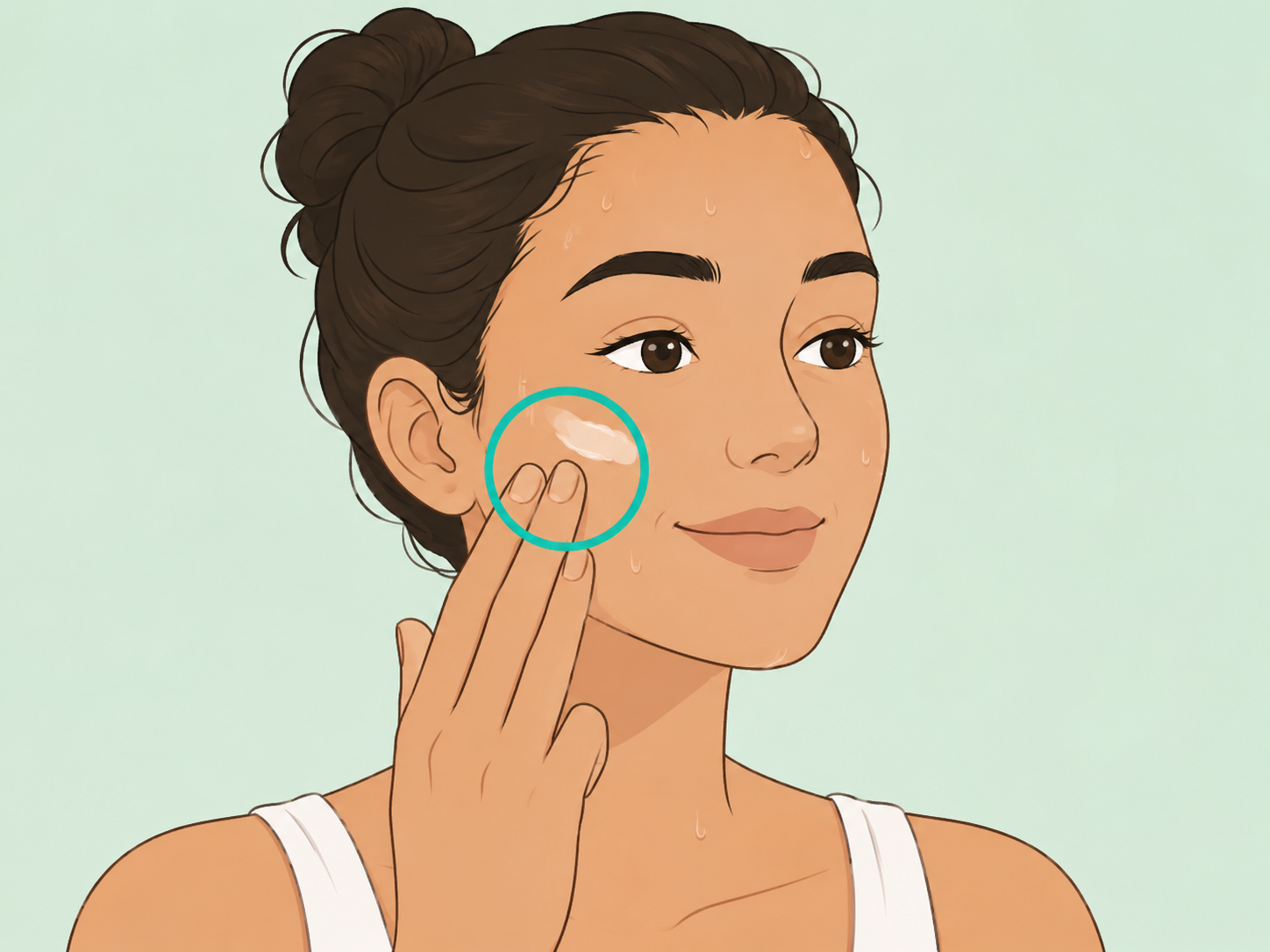
Apply moisturizer while skin is slightly damp
After cleansing, apply moisturizer before your skin feels completely dry. The AAD explains that moisturizer helps trap water in the skin and recommends applying it to damp skin. Even oily skin may need a lightweight, non-comedogenic moisturizer.
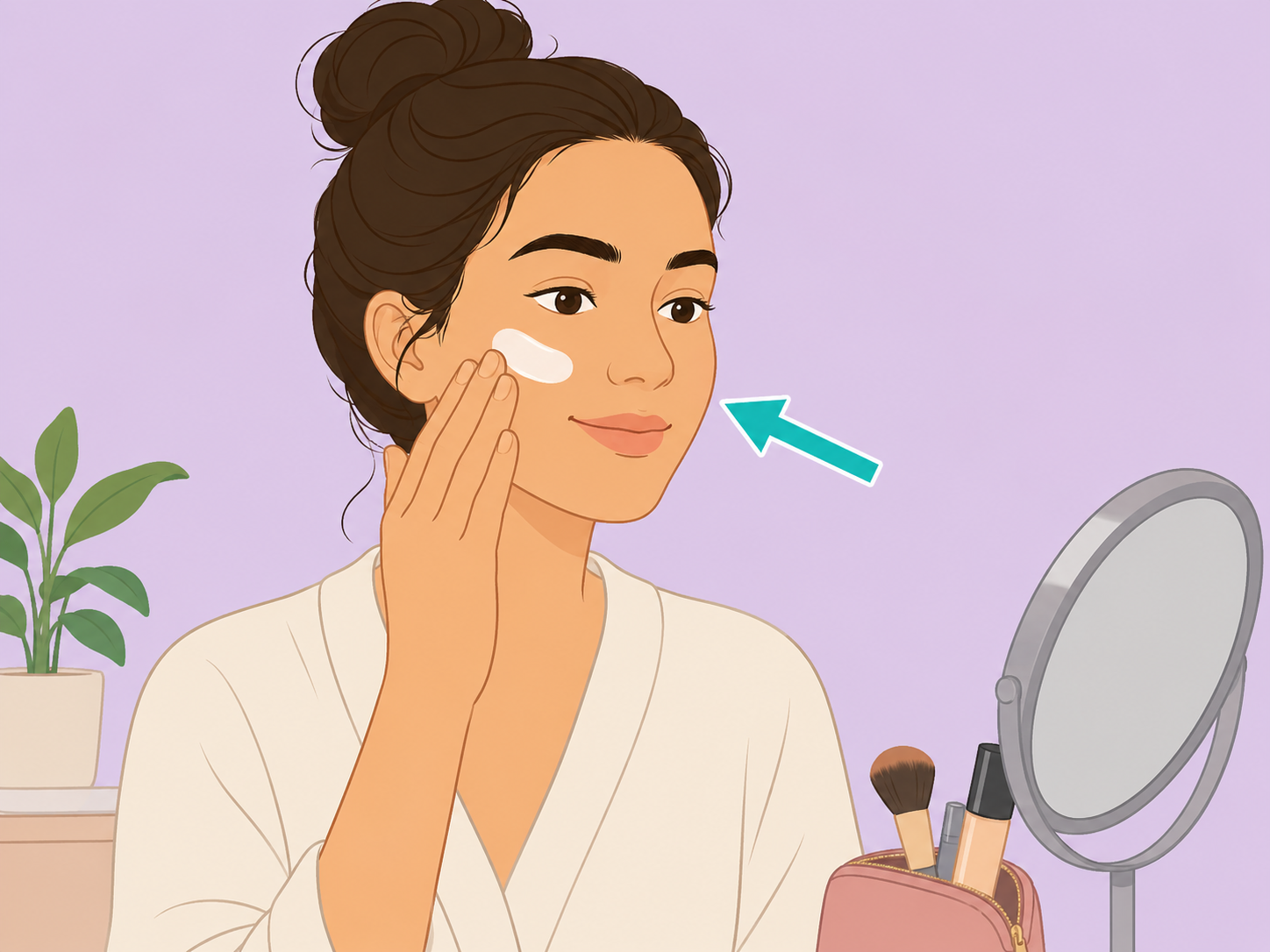
Use sunscreen every morning
Choose a sunscreen labeled broad spectrum, SPF 30 or higher, and water resistant. The AAD recommends these three sunscreen essentials to help protect against sunburn, skin cancer risk, and visible signs of premature skin aging. Apply it to skin not covered by clothing before makeup.
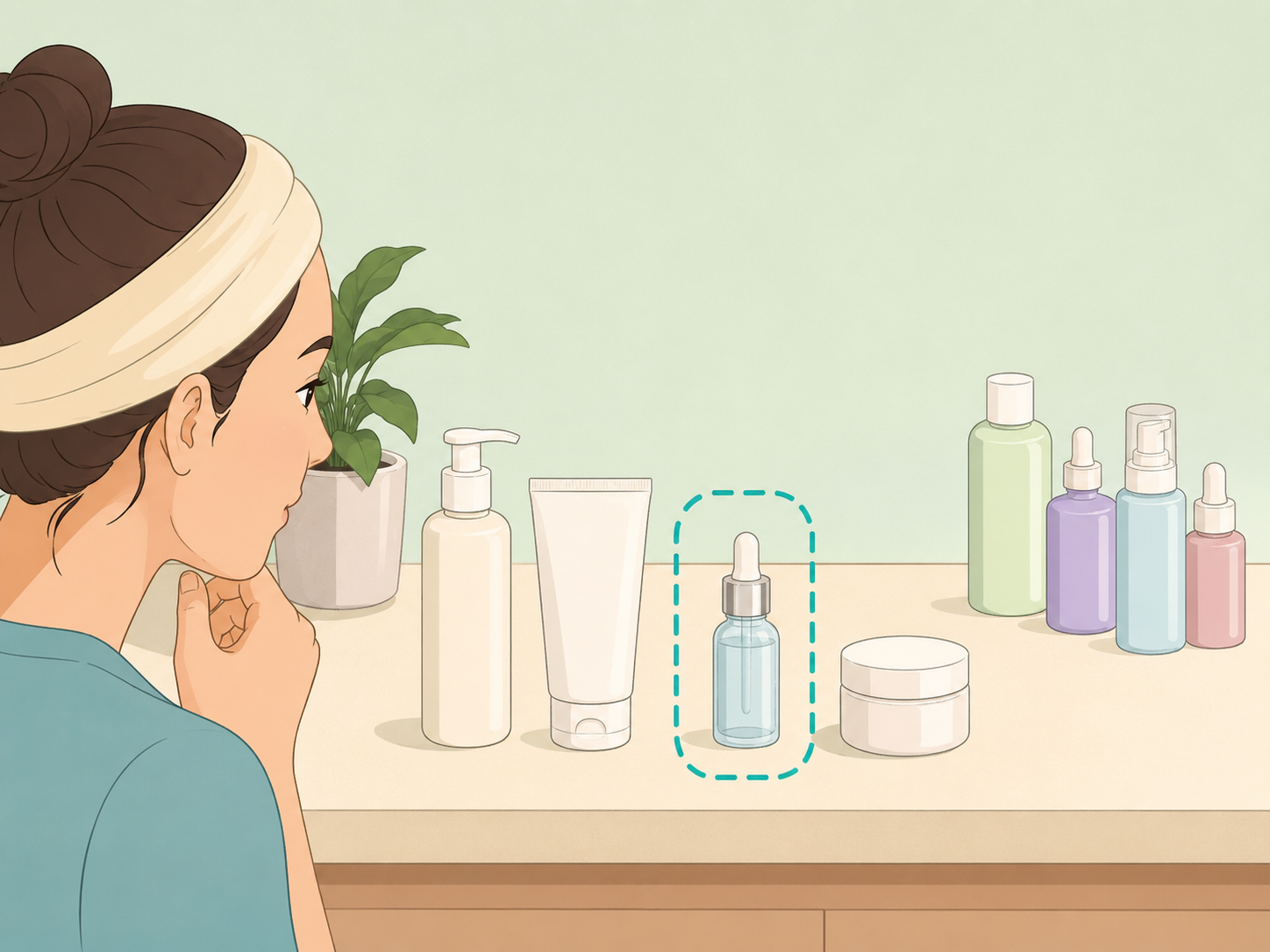
Add one targeted product at a time
If you want to address a concern such as dryness, uneven tone, acne-prone skin, or fine lines, choose one targeted product and give it time before adding another. The AAD cautions that using several anti-aging or active products close together can irritate the skin. Keep notes on what you started and how your skin responded.
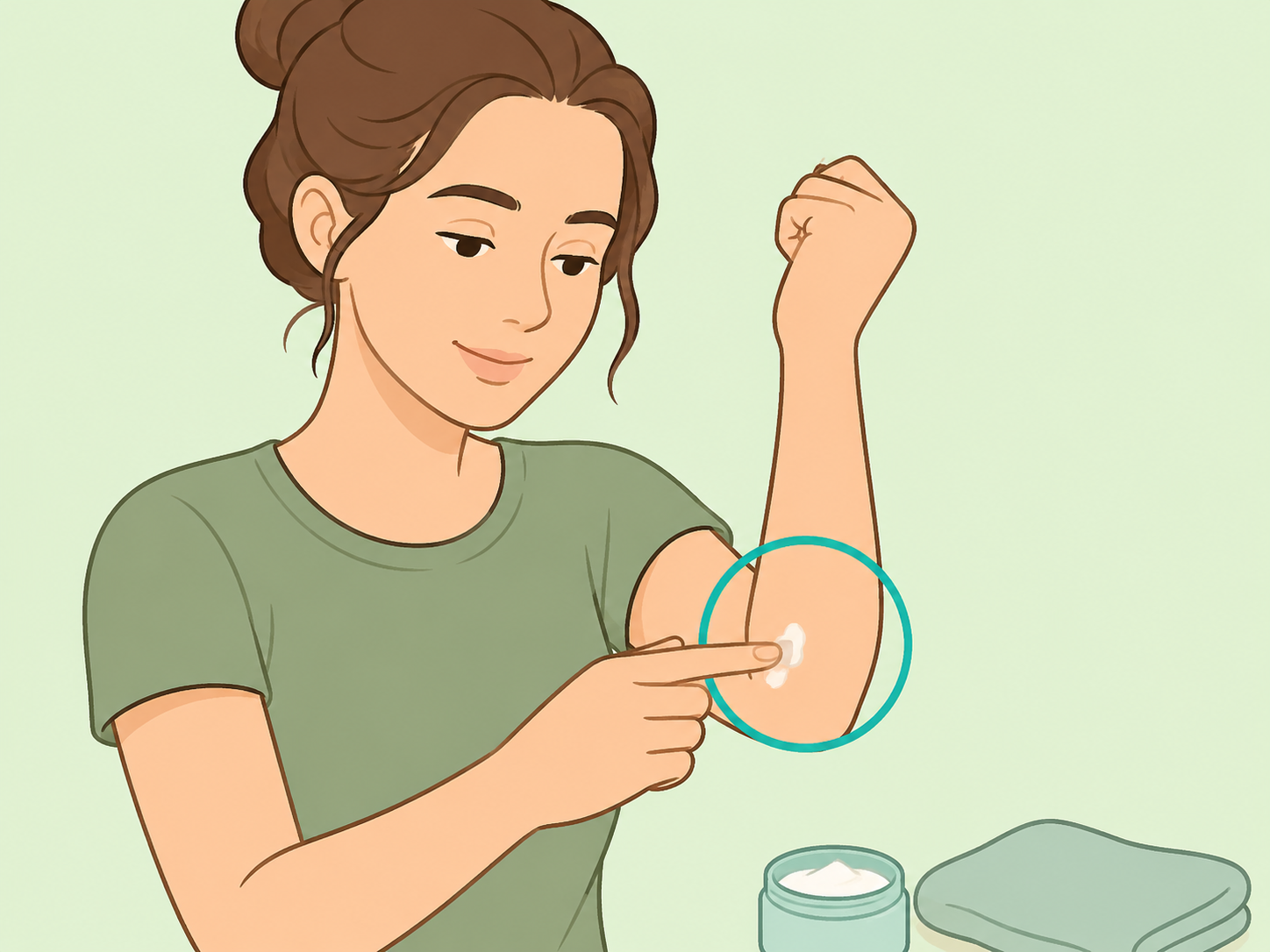
Test new products before using them on your face
Before applying a new skin care product widely, test it on a small area such as the underside of your arm or the bend of your elbow. Dermatologists recommend applying a small amount for several days and watching for red, itchy, or swollen skin. If irritation appears, wash the product off and do not use it again.
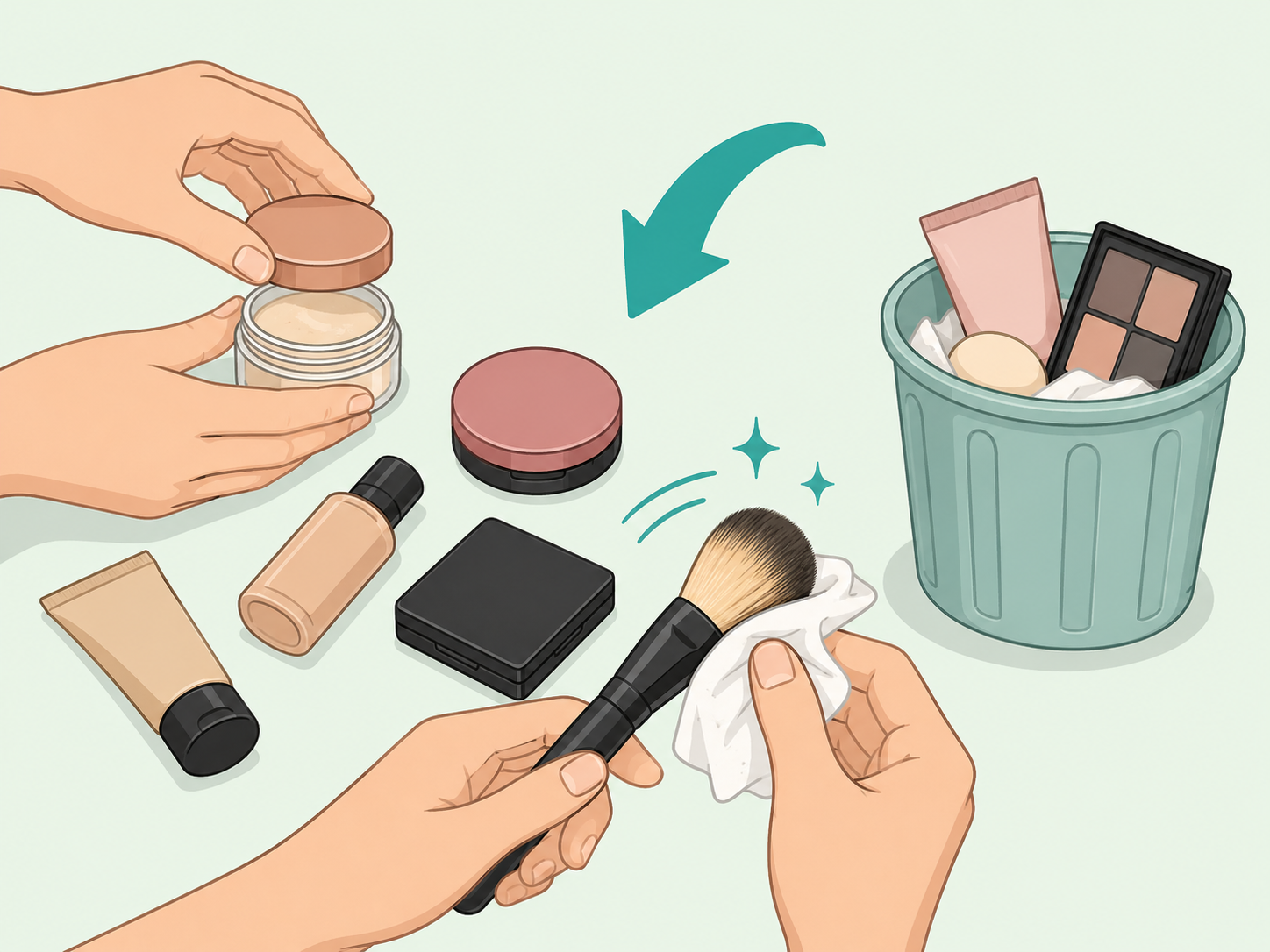
Keep cosmetics clean and replace questionable products
Wash your hands before applying cosmetics, avoid sharing makeup, and keep containers tightly closed. The FDA advises throwing away cosmetics that change in color or smell and warns not to add water or saliva to mascara because it can introduce germs, especially around the eye area. Store products away from heat and excess moisture.

Know when to see a doctor
Stop using a product and seek medical advice if you have a rash, burn, swelling, or another unexpected reaction. The AAD says a rash needs prompt medical attention if it is widespread, painful, blistering, spreading quickly, comes with fever or illness, or involves the eyes, lips, mouth, or genital skin; trouble breathing or swallowing or swelling of the eyes or lips requires emergency care. A dermatologist can also help when irritation keeps coming back or the cause is unclear.
Summary
The bottom line: a useful beauty routine does not need to be complicated. Start with gentle cleansing, moisturizer, and sun protection, then add only the products that match your skin and stop anything that causes a reaction.
Frequently Asked Questions
- What are the most important products in a basic beauty routine?
For most people, the core routine is a gentle cleanser, moisturizer, and broad-spectrum sunscreen with SPF 30 or higher. Extra products should be chosen for a specific skin concern, not added just because they are popular.
- Should I use expensive products for better results?
No. Dermatology guidance emphasizes that products do not have to be expensive to be effective. A simple routine that you use consistently is usually more useful than a crowded shelf of products.
- How often should I wash my face?
The American Academy of Dermatology recommends limiting face washing to twice a day and after heavy sweating. Scrubbing or washing too often can irritate the skin.
- Can I add several new products at once?
It is better to add one new product at a time. That makes it easier to notice dryness, stinging, redness, itching, or breakouts and identify which product may be causing the problem.
- Is hypoallergenic makeup guaranteed not to cause a reaction?
No. The FDA says not to assume a product cannot cause an allergic reaction just because it is labeled hypoallergenic. Test new products first and stop using anything that causes an unexpected reaction.
- When should I see a dermatologist about a beauty product reaction?
Seek medical help promptly for a painful, rapidly spreading, blistering, or widespread rash, or if a rash affects the eyes, lips, mouth, or genital skin. Get emergency care if you have trouble breathing or swallowing or swelling of the eyes or lips.
References
Reliable references aided in composing and refining this content.
- https://www.aad.org/public/everyday-care/skin-care-basics/care/skin-care-budget
- https://www.aad.org/public/everyday-care/skin-care-basics/care/face-washing-101?pp=1
- https://www.aad.org/public/everyday-care/sun-protection/shade-clothing-sunscreen/choosing-right-sunscreen
- https://www.aad.org/public/everyday-care/skin-care-secrets/anti-aging/selecting-anti-aging-products
- https://www.aad.org/public/everyday-care/skin-care-secrets/prevent-skin-problems/test-skin-care-products
- https://www.fda.gov/cosmetics/resources-consumers-cosmetics/using-cosmetics-safely
- https://www.aad.org/news/signs-your-rash-needs-medical-attention