
 Pin it
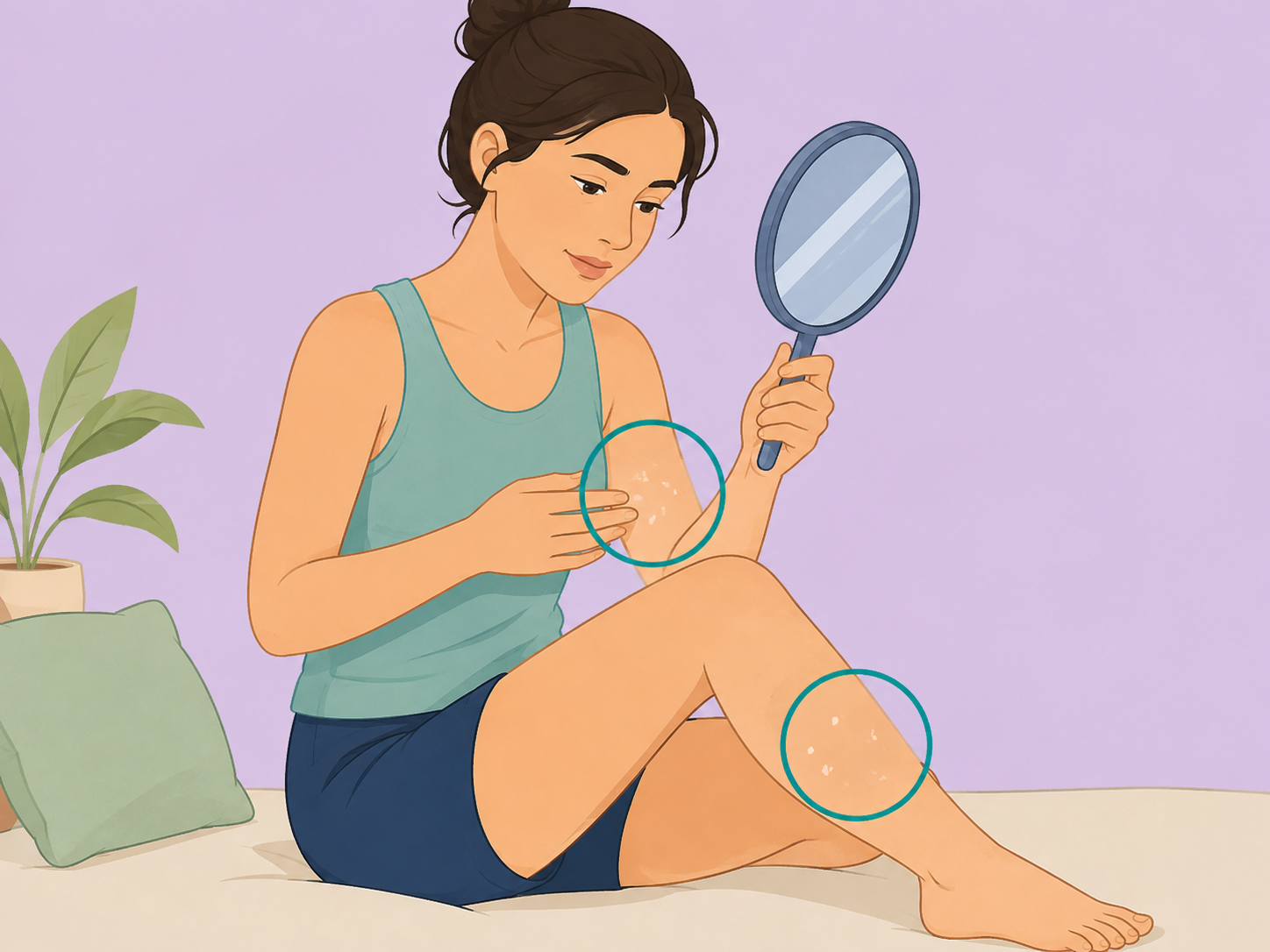
Small white spots on your arms or legs can be confusing, especially when they seem to appear out of nowhere. Many are harmless pigment changes, but similar-looking spots can also come from eczema, yeast overgrowth, vitiligo, or other skin conditions. This guide shows you how to look at the spots carefully, protect your skin, and know when to ask a dermatologist for help.
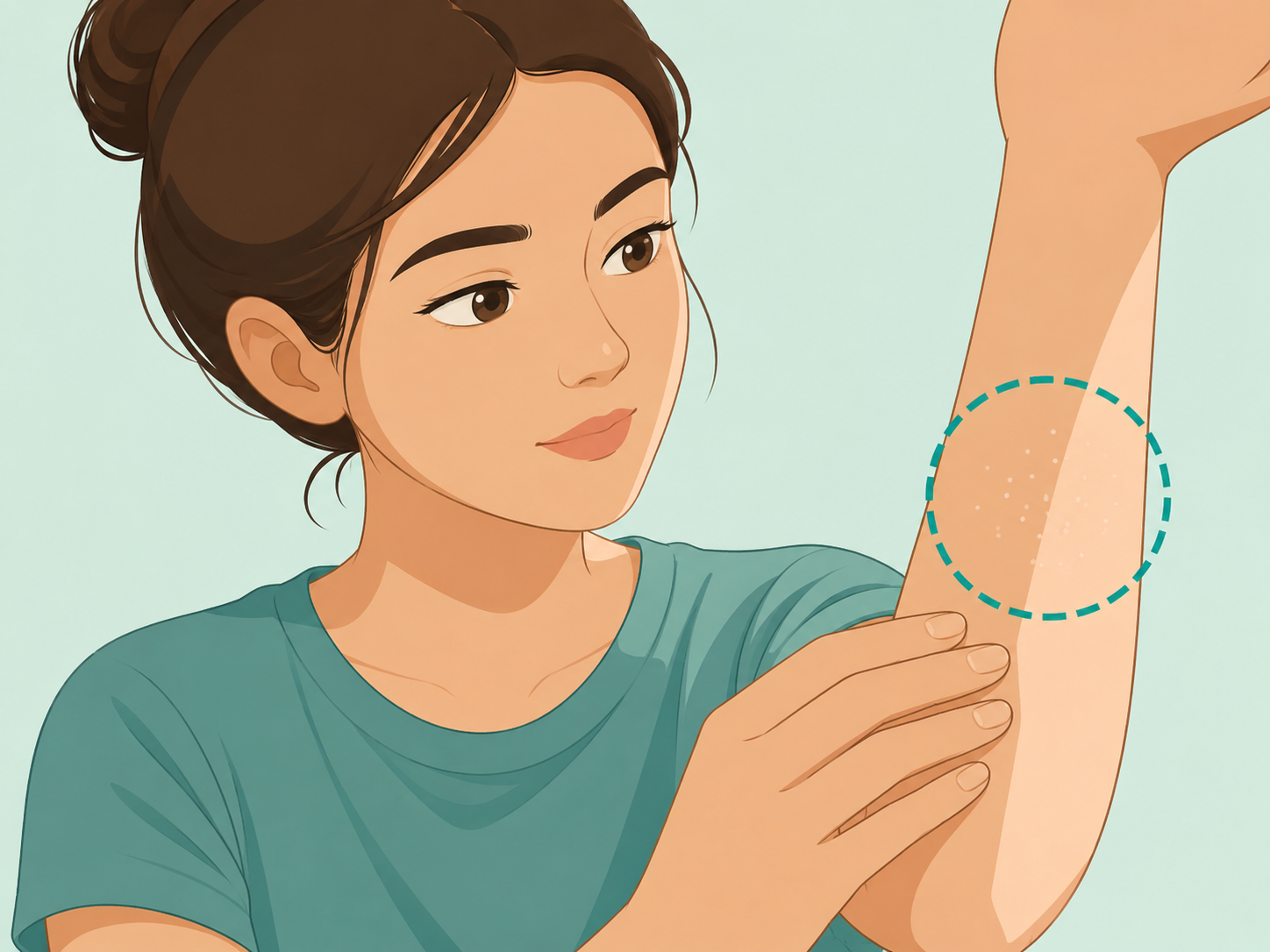
Check whether the spots are small, flat, and painless
Look closely at the spots in bright natural light without scratching or picking at them. Tiny, flat, pale or white spots on the forearms or shins can fit idiopathic guttate hypomelanosis, a common benign pigment change, but appearance alone is not a diagnosis.
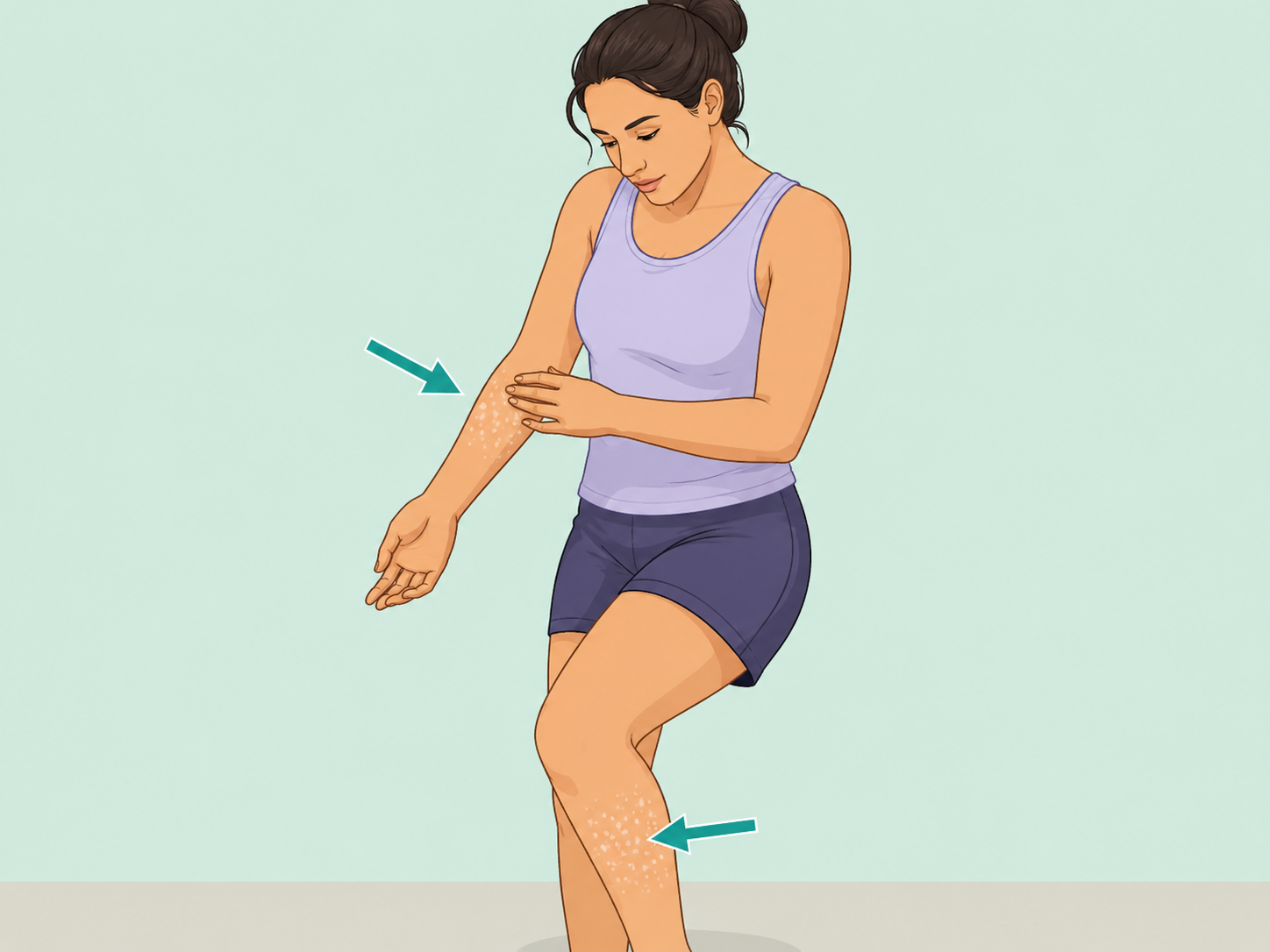
Notice where the spots appear
Map whether the spots are mainly on sun-exposed areas, such as the forearms, shins, chest, or backs of the hands. DermNet notes that IGH commonly appears on sun-exposed limbs, while other causes may show up on the trunk, face, neck, or skin folds.
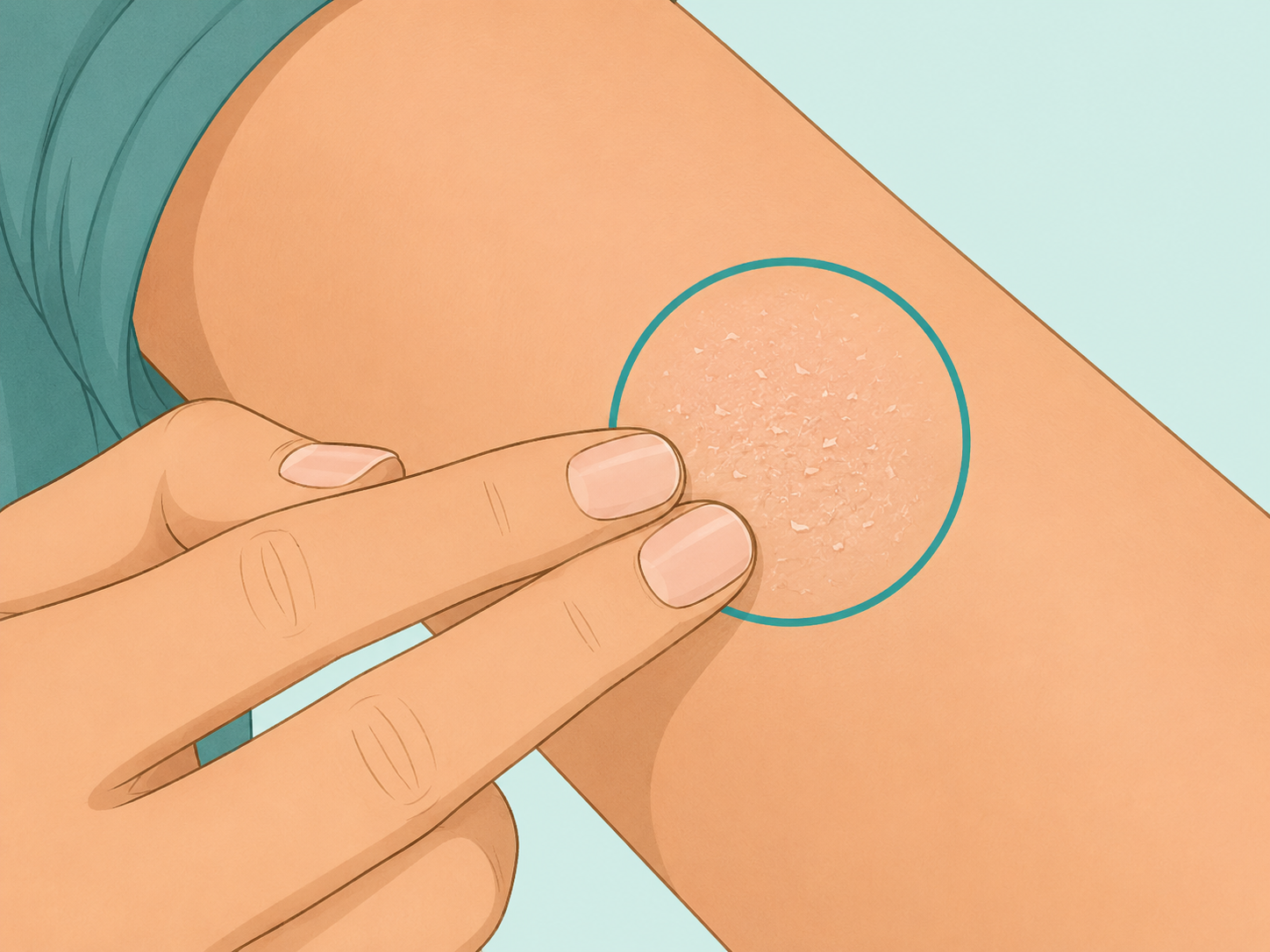
Look for scale, itching, or dryness
Gently run a fingertip over the spots and check whether they feel rough, flaky, or itchy. Mayo Clinic explains that a white patch can come from several causes, including eczema-related light patches or superficial yeast infection, so texture and symptoms are useful clues to share with a clinician.
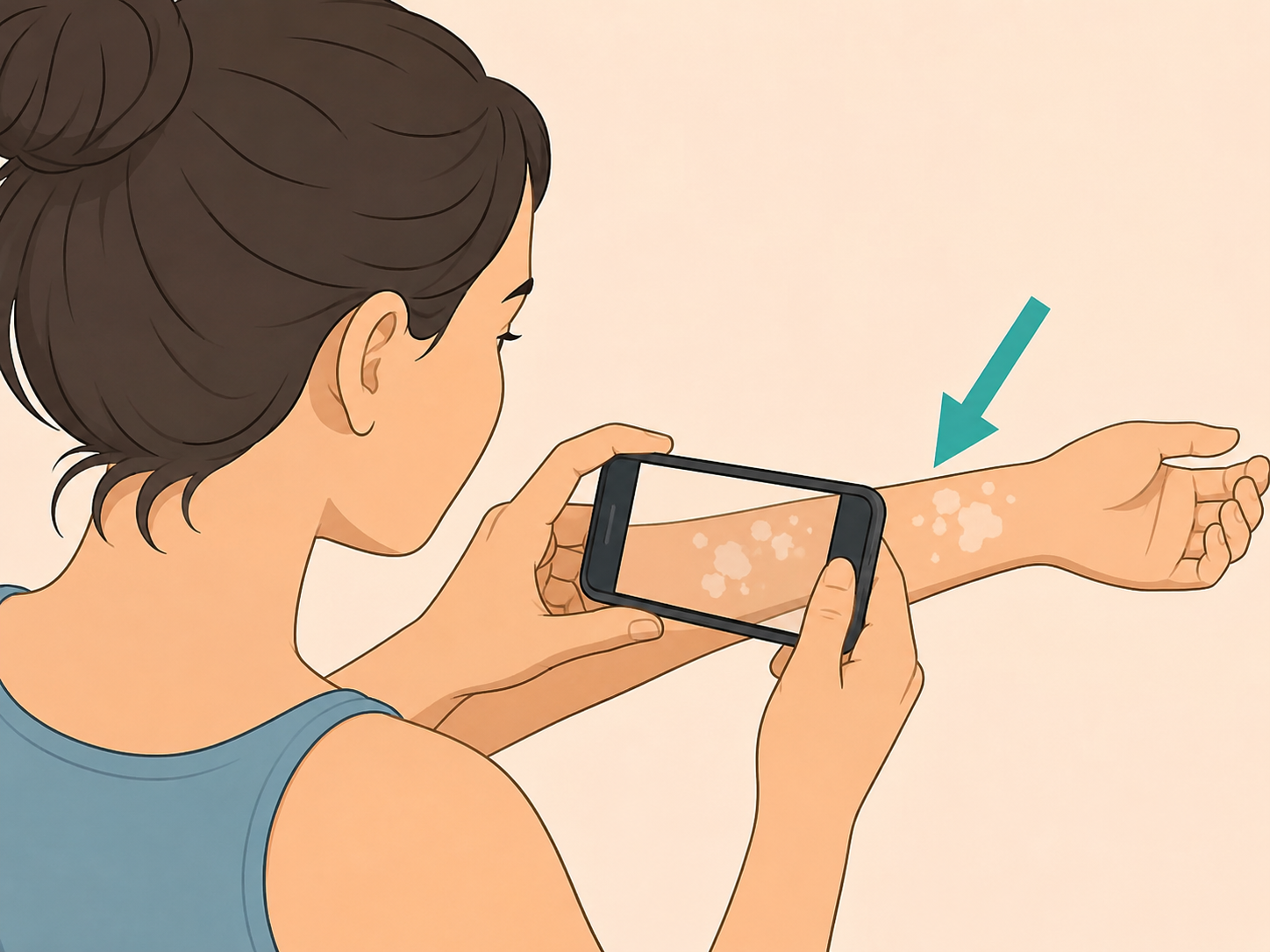
Consider whether the patches are larger or spreading
Take note if the light areas are widening, joining together, or appearing in new places. Vitiligo can cause patchy loss of skin color that may affect the skin, hair, or inside of the mouth, and it is worth discussing unexpected pigment loss with a healthcare professional.
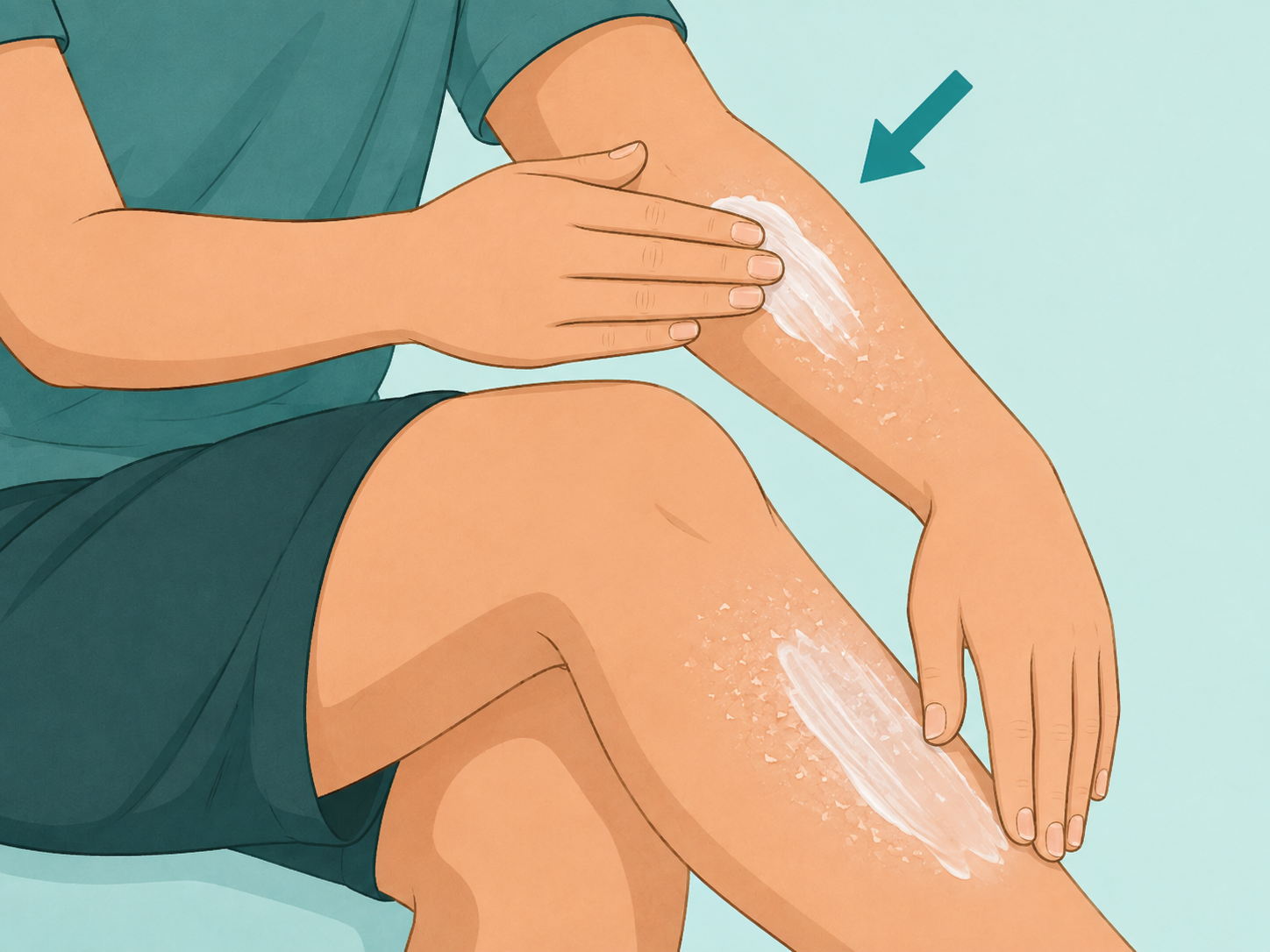
Protect the spots and surrounding skin from sun
Use daily sun protection on exposed arms and legs, even if the spots seem harmless. The American Academy of Dermatology recommends applying a broad-spectrum, water-resistant sunscreen with SPF 30 or higher, which helps reduce sunburn and makes contrast between normal skin and lighter spots less noticeable.
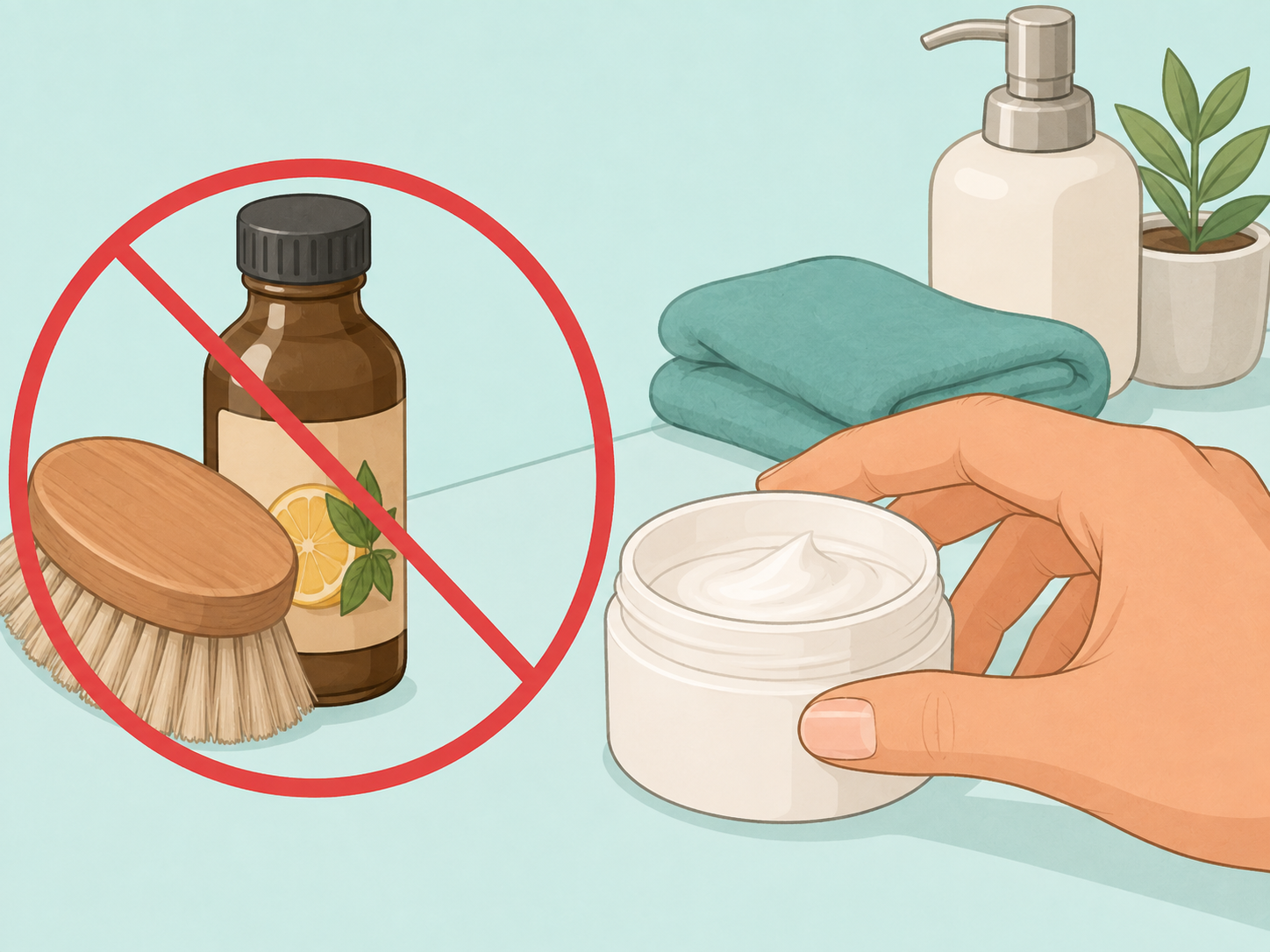
Avoid harsh scrubs and unproven home remedies
Do not try to bleach, scrape, acid-treat, or aggressively exfoliate the spots. Cleveland Clinic notes that there is not good scientific evidence that natural remedies such as apple cider vinegar, aloe vera, or ginger treat IGH, and harsh products can irritate skin or make discoloration more noticeable.
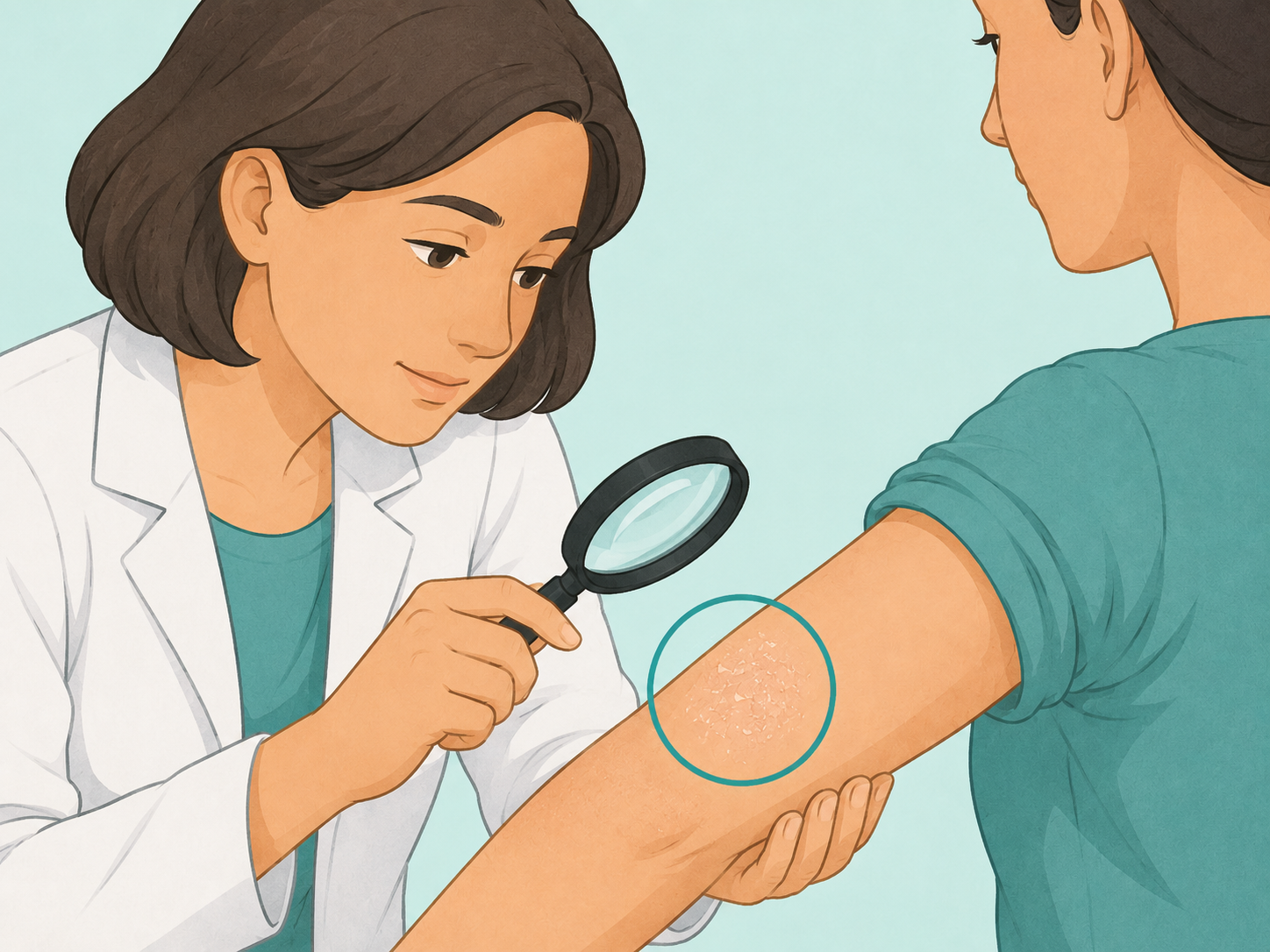
See a doctor if the spots change or concern you
Book a medical visit if a spot is growing, bleeding, changing, painful, very itchy, raised, or looks different from your other spots. The AAD advises that changing, itching, or bleeding spots should be checked, and a dermatologist can also tell white spots apart from vitiligo, tinea versicolor, eczema-related changes, and other conditions.
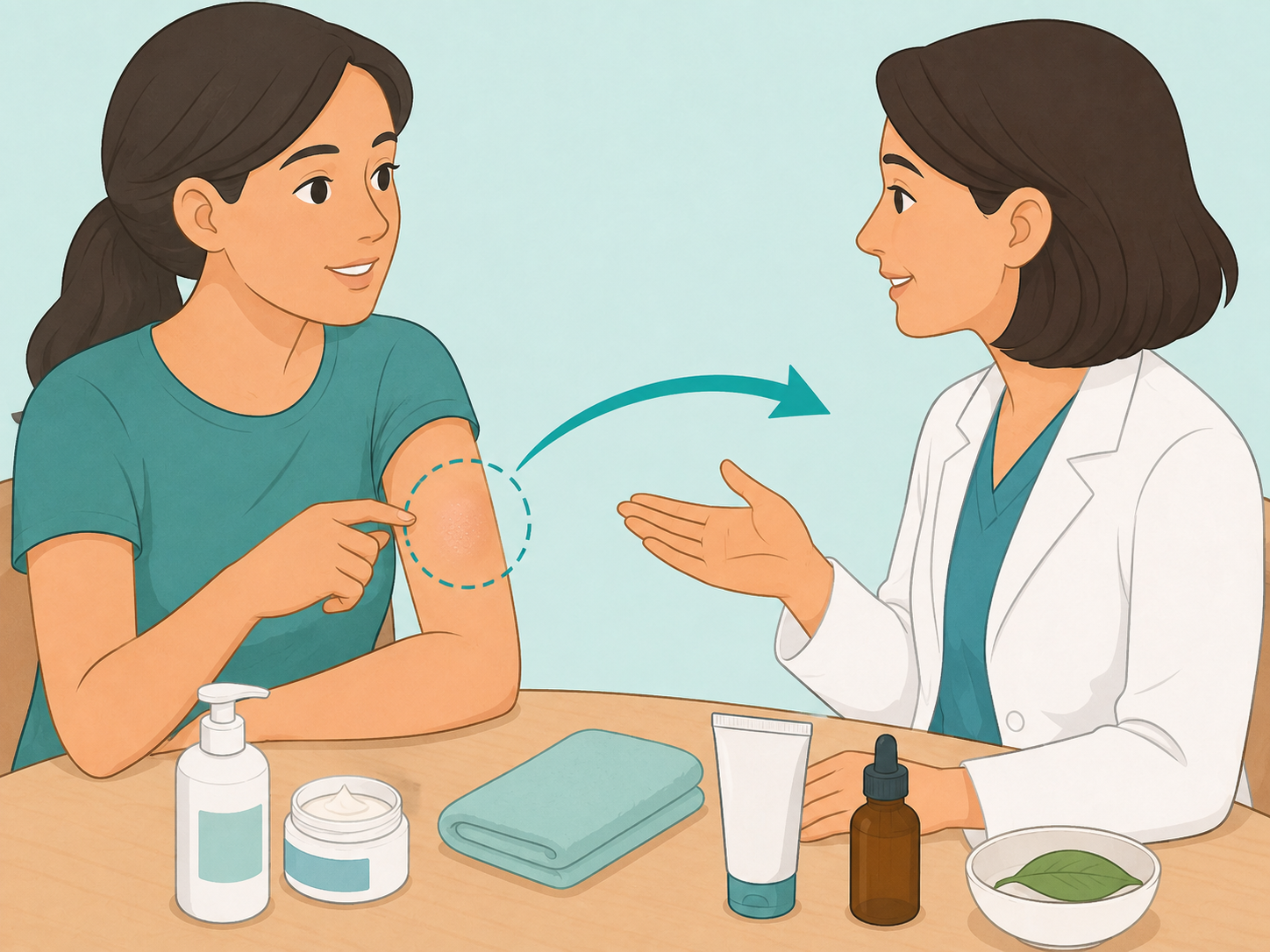
Ask about treatment only after you know the cause
Once a clinician identifies the cause, treatment may range from reassurance and sun protection to antifungal medicine, anti-inflammatory creams, light-based treatment, or cosmetic procedures. MedlinePlus notes that tinea versicolor is treated with antifungal medicine, while IGH often does not need treatment unless the appearance bothers you.
Summary
The bottom line: small white spots on the arms or legs are often related to harmless pigment changes, sun exposure, or mild skin conditions, but you should not diagnose them by appearance alone. Track changes, protect your skin from UV exposure, avoid harsh DIY treatments, and see a clinician if the spots spread, change, itch, bleed, hurt, or worry you.
Frequently Asked Questions
- Are small white spots on arms and legs dangerous?
Many small white spots are harmless, especially if they are flat, painless, and stable. However, only a healthcare professional can tell what they are for sure, so get checked if they are new, spreading, changing, itchy, painful, bleeding, or worrying you.
- What are tiny white spots from sun exposure called?
One common possibility is idiopathic guttate hypomelanosis, or IGH. It often appears as small, flat, pale or white spots on sun-exposed areas such as the forearms and shins.
- Can tinea versicolor cause white spots on the body?
Yes. Tinea versicolor is a common yeast-related skin condition that can cause lighter or darker patches, sometimes with fine scale or mild itching, often on the trunk, neck, upper arms, or shoulders.
- Will white spots tan if I spend more time in the sun?
Usually, sun exposure makes contrast more noticeable because surrounding skin darkens while some lighter spots do not. Use sun protection instead of trying to tan the spots.
- Can skin care products remove tiny white spots?
Cosmetic products may reduce contrast or dryness, but they cannot reliably treat the underlying cause. A dermatologist can discuss options if the diagnosis is confirmed and the appearance bothers you.
- When should I see a dermatologist for white spots?
Make an appointment if the spots are spreading, changing, painful, itchy, scaly, bleeding, raised, unusually shaped, or different from your other spots. You should also seek care if you have sudden pigment loss or white patches around the face, hands, mouth, genitals, or hair.
References
Reliable references aided in composing and refining this content.
- https://my.clevelandclinic.org/health/diseases/idiopathic-guttate-hypomelanosis
- https://dermnetnz.org/topics/idiopathic-guttate-hypomelanosis
- https://www.mayoclinic.org/diseases-conditions/dermatitis-eczema/expert-answers/white-patch-on-skin/faq-20058027
- https://medlineplus.gov/ency/article/001465.htm
- https://www.mayoclinic.org/diseases-conditions/vitiligo/symptoms-causes/syc-20355912?rf=32471
- https://www.aad.org/public/everyday-care/sun-protection/shade-clothing-sunscreen/how-to-apply-sunscreen
- https://www.aad.org/public/diseases/skin-cancer/check-skin