
 Pin it
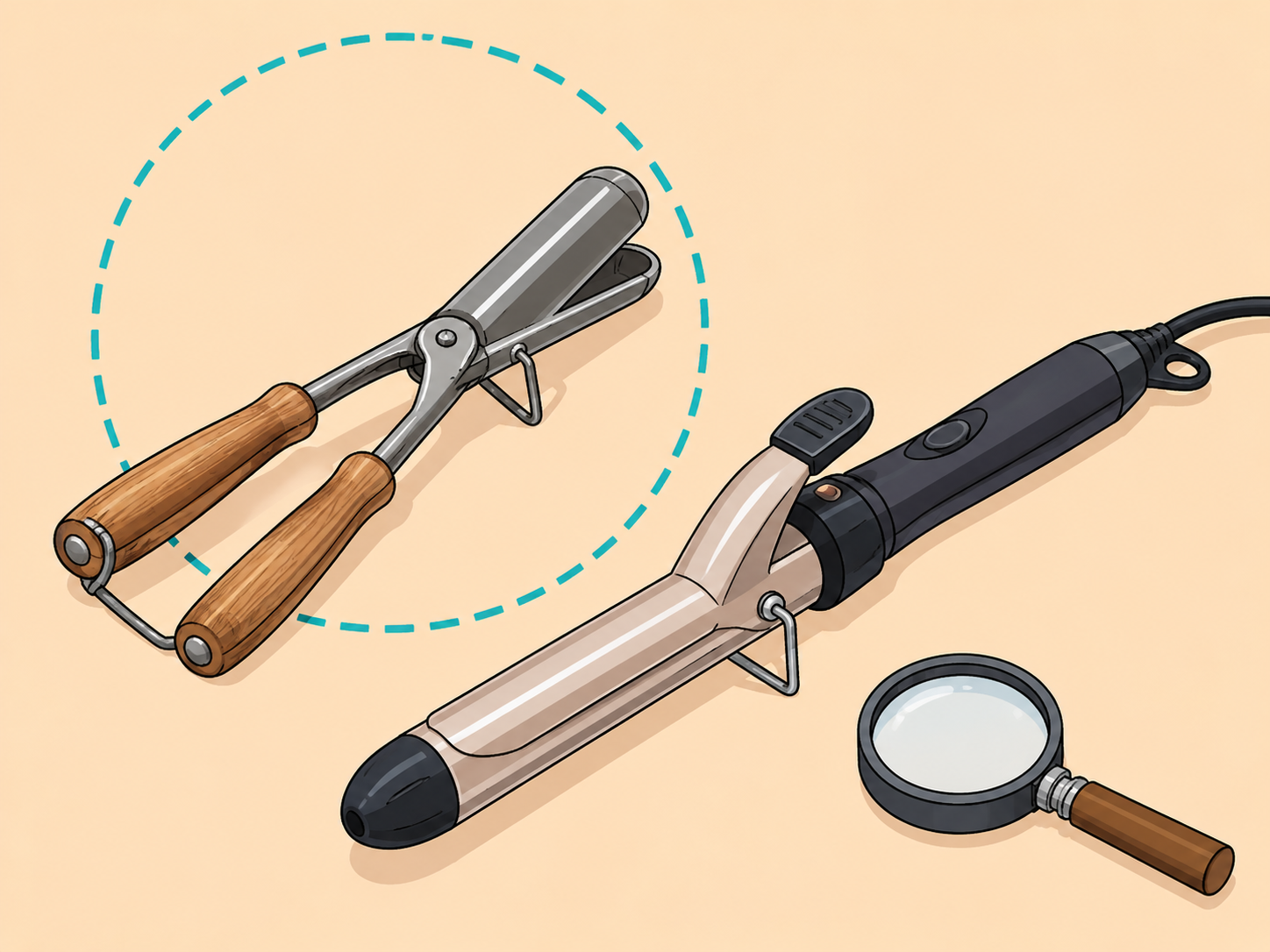
A mysterious metal object can look like a clamp, tool, or kitchen gadget until you notice the beauty clues. Many old hair curlers and curling irons were made from metal, opened like scissors, and were heated before styling hair. This guide explains how to identify one, understand what it was used for, and handle similar tools safely today.
Look for the scissor-like curling shape
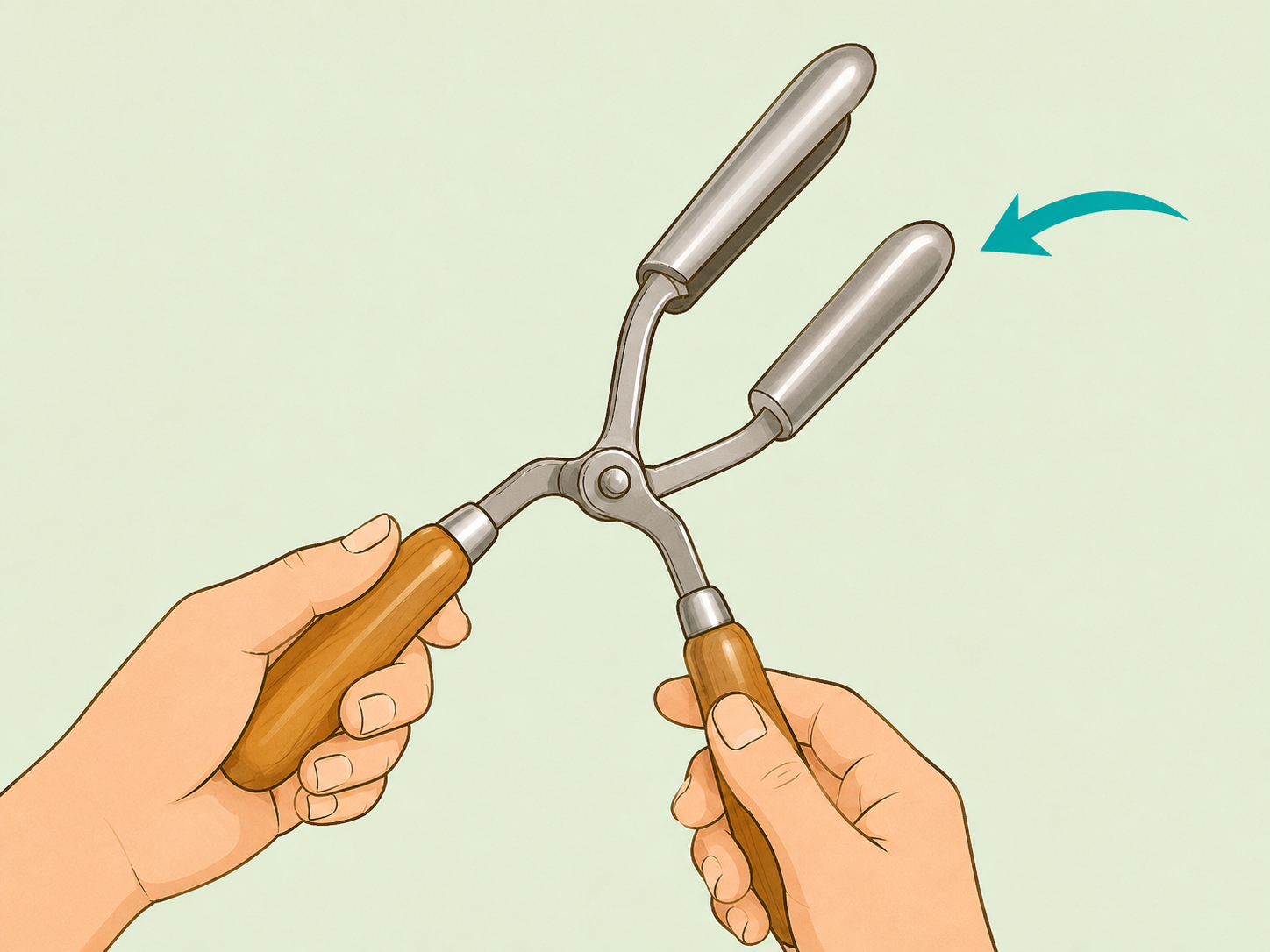
Start by checking whether the object has two metal arms, a hinge, and rounded tongs that open and close around a small section of hair. Museum examples of early curling tools show metal tongs designed to shape hair, including gas-heated and electric curling irons used in the late 19th and early 20th centuries in hair-styling history collections.
Identify what part touched the hair
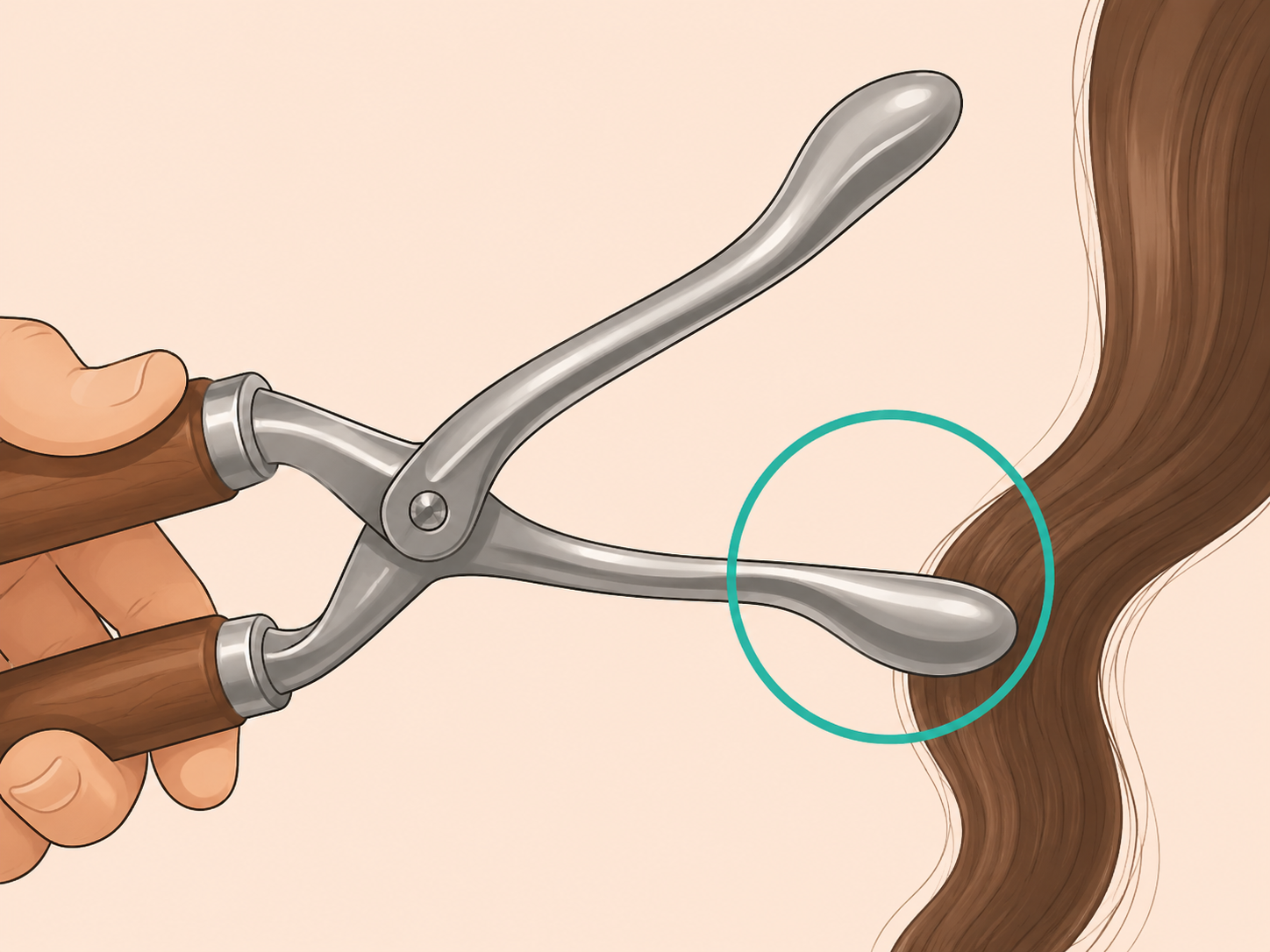
Find the smooth metal rod, concave groove, or paired tong surfaces, since these were the parts placed near the hair. Older curlers worked by pressing or wrapping hair against heated metal, so the styling surface is usually rounded and smooth rather than sharp.
Check for heat-safe handles
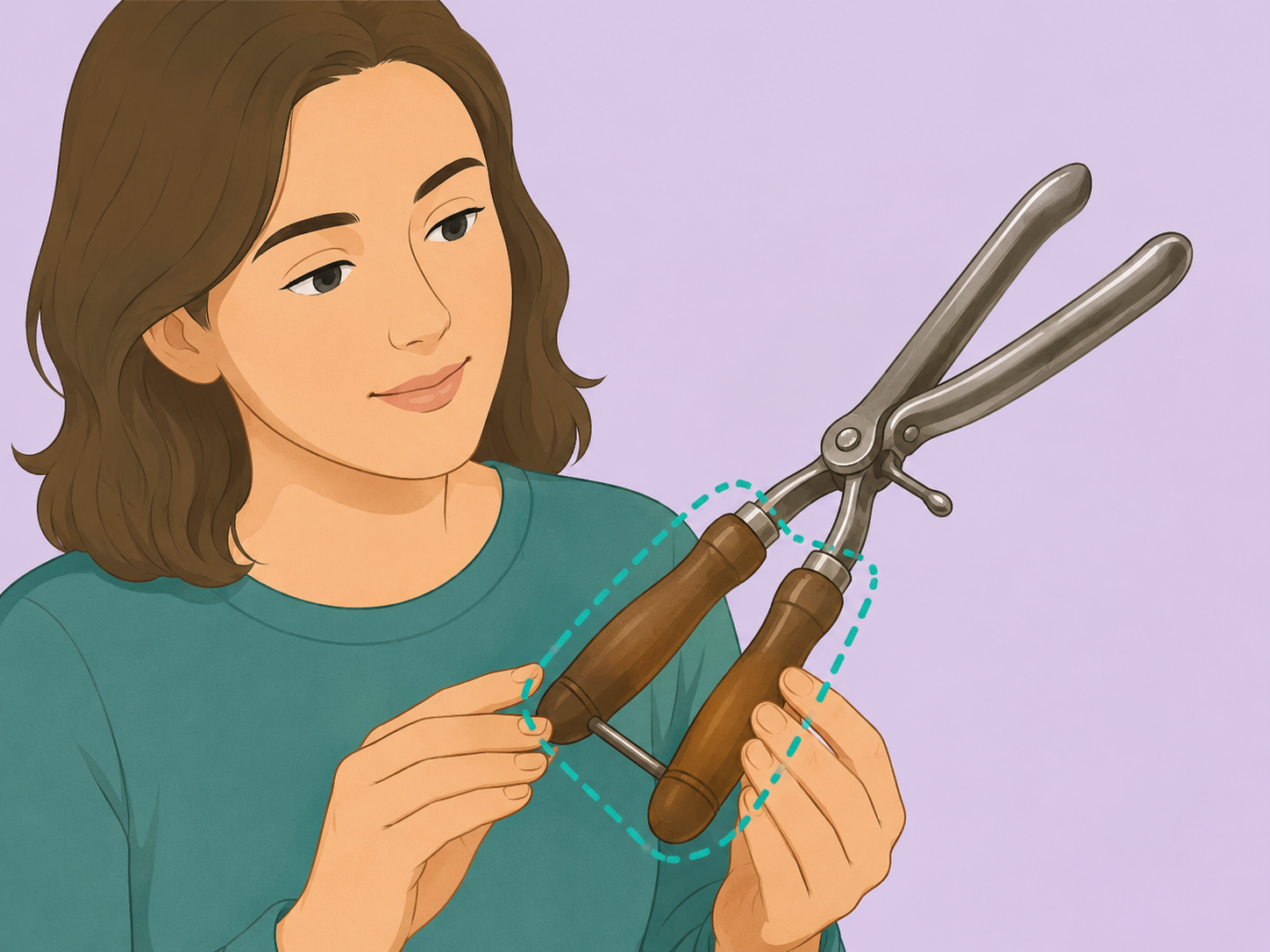
Many vintage curling irons have wooden, bone, or insulated handles because the metal end was heated before use. A tool with a cool-grip handle and hot metal jaws is a strong clue that it belonged to hair styling rather than sewing, cooking, or workshop use.
Compare it with early wave-making tools
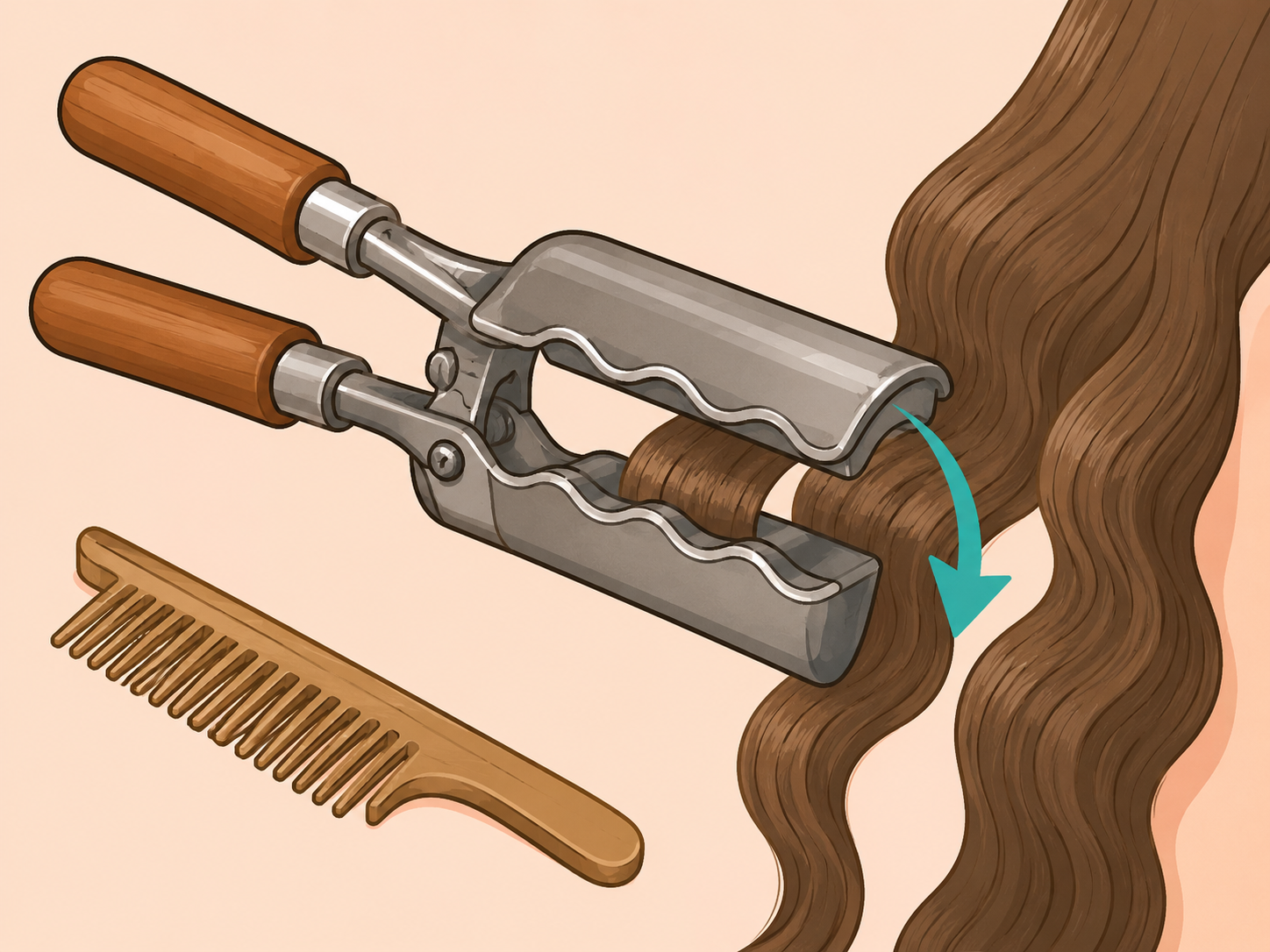
Some vintage curlers were used to make soft curls, while others helped form structured waves. The SFO Museum notes that Marcel-style waving used a heated curling iron and comb, with hair creased between blades rather than simply wrapped around a barrel as part of early salon styling.
Avoid testing an antique curler with heat
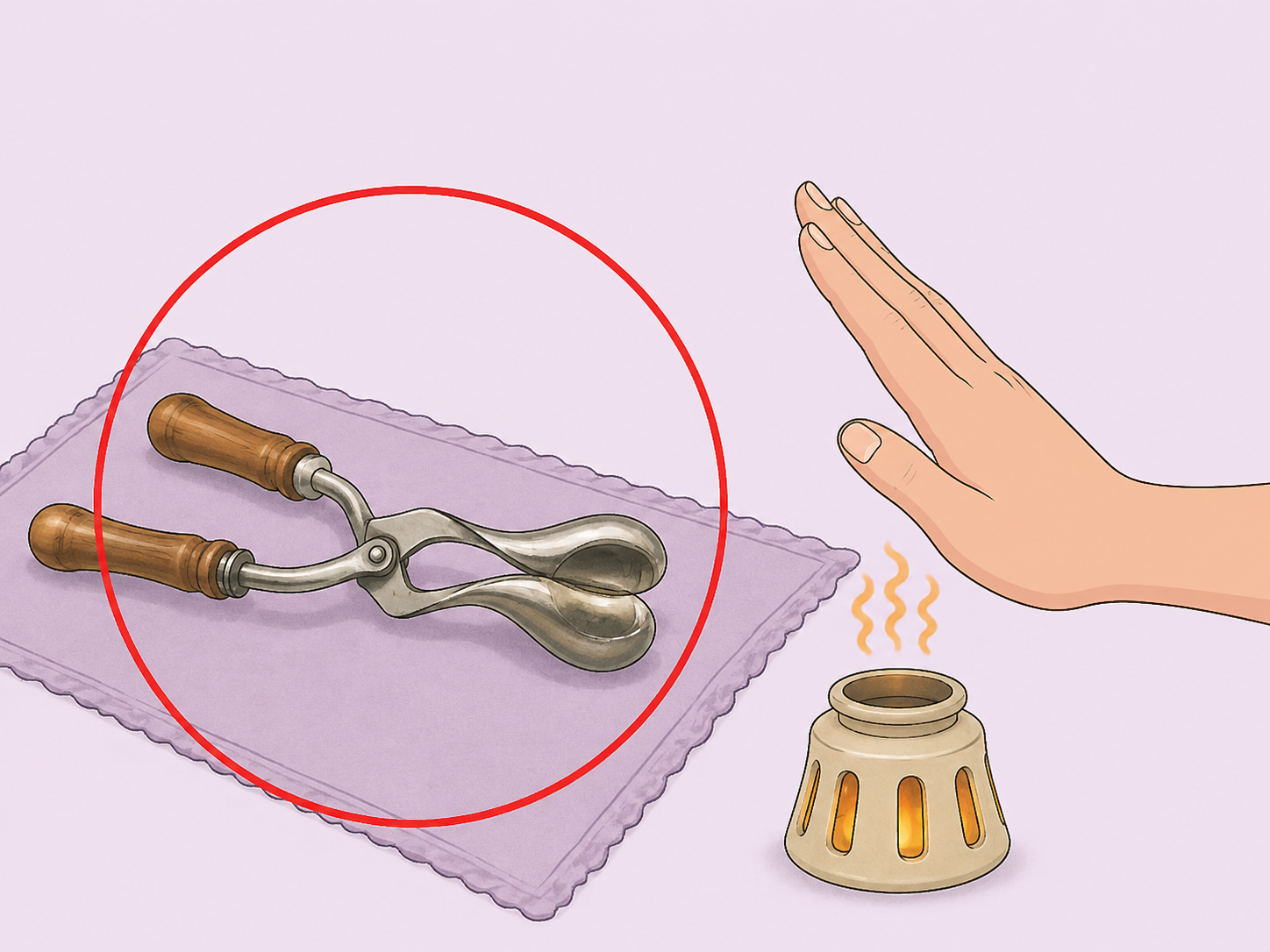
Do not heat an antique curler to see if it still works. Old metal may heat unevenly, old handles can loosen, and residue or corrosion may be unsafe near hair or skin. Treat the object as a collectible unless a qualified conservator or antiques specialist says it is safe to handle differently.
Use modern heat tools on dry hair carefully
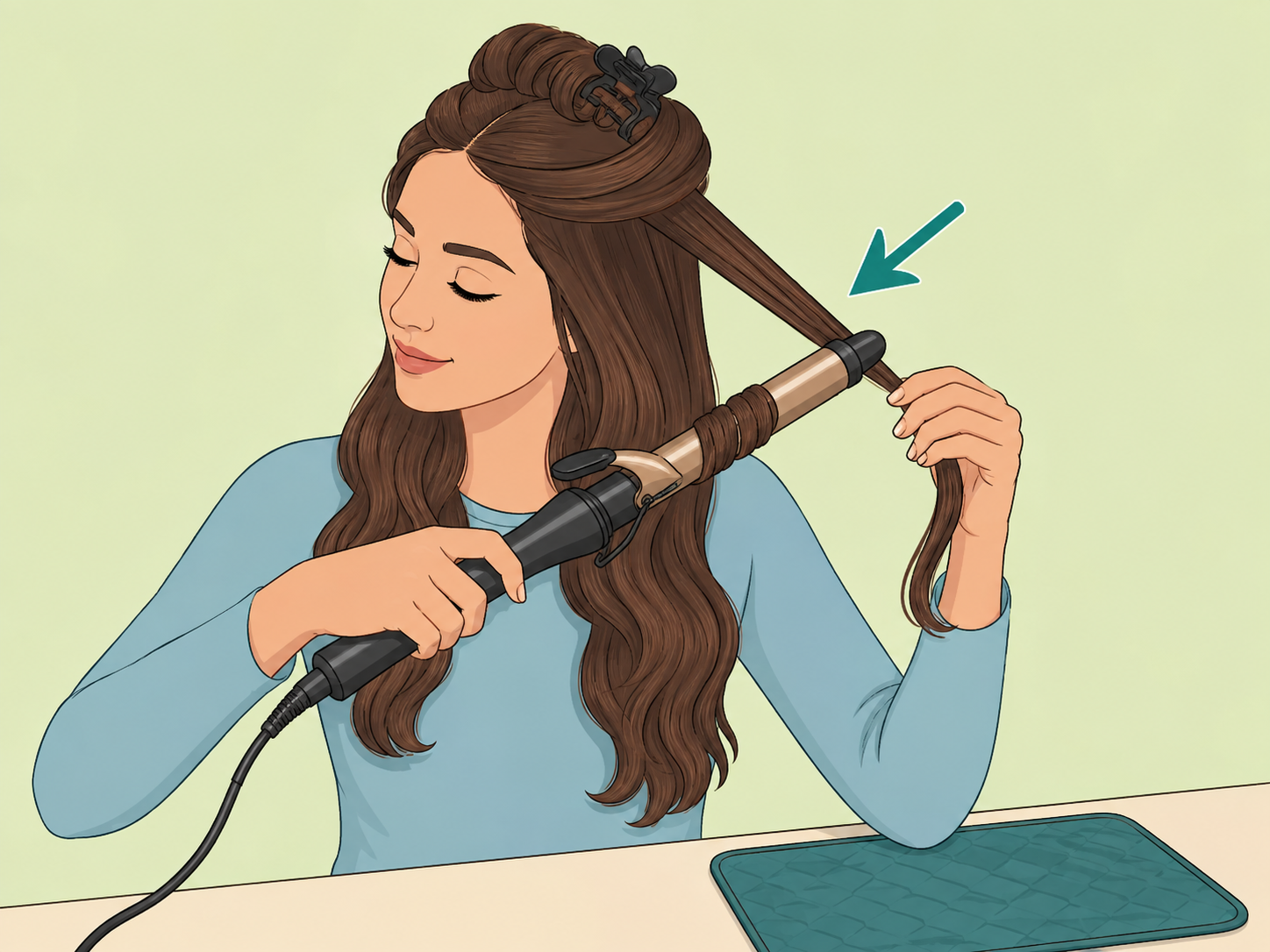
If the old object inspires you to curl your hair, use a modern curling iron with temperature controls instead. Dermatologists advise using curling irons briefly and cautiously because excessive heat can damage hair; the American Academy of Dermatology recommends using heat tools on dry hair and limiting contact time to reduce styling damage.
Watch for hair breakage or scalp irritation
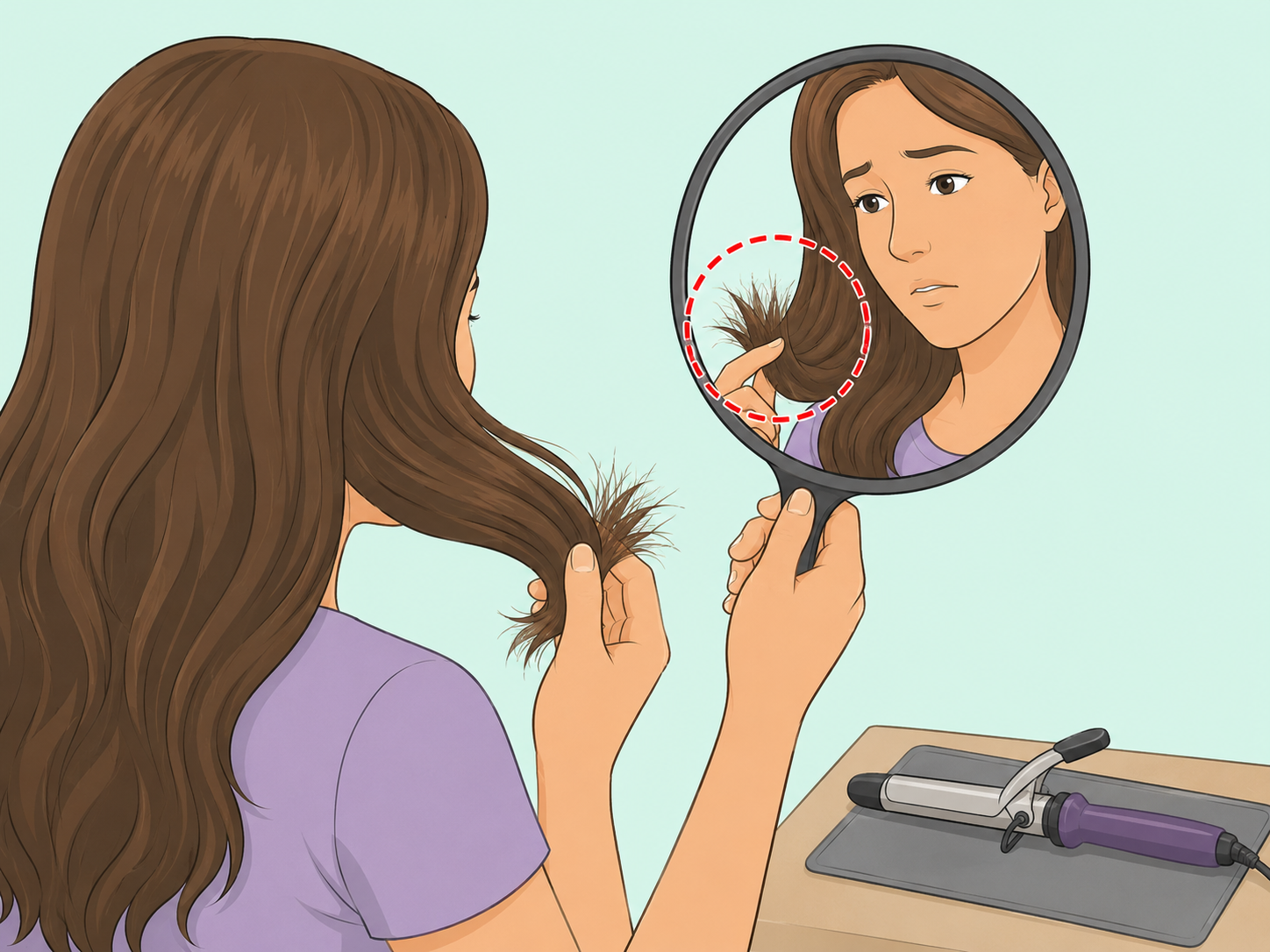
Stop heat styling for a while if your hair becomes brittle, frizzy, unusually dry, or starts breaking more than normal. The AAD recommends using the lowest heat setting, limiting how often you use curling irons and similar tools, and choosing gentler styles when hair is fragile to help prevent hair damage.
Check for metal sensitivity
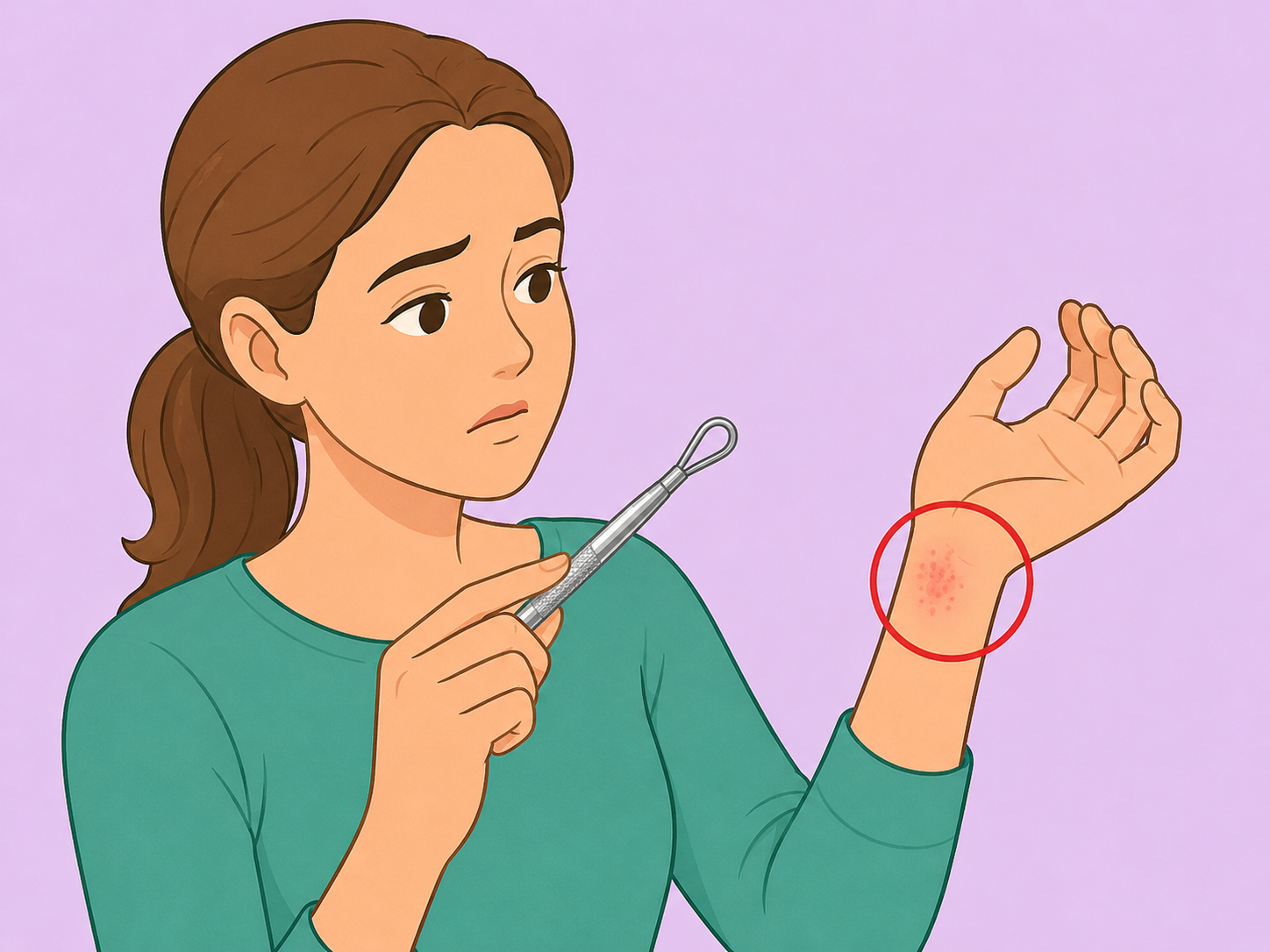
If a metal beauty tool leaves itchy, red, or swollen skin where it touches you, stop using it. The AAD lists metal items such as tweezers and eyelash curlers among possible triggers for contact dermatitis around the eyes, especially when metal particles transfer from hands to delicate skin in people with metal allergy.
Seek medical help for burns or ongoing symptoms
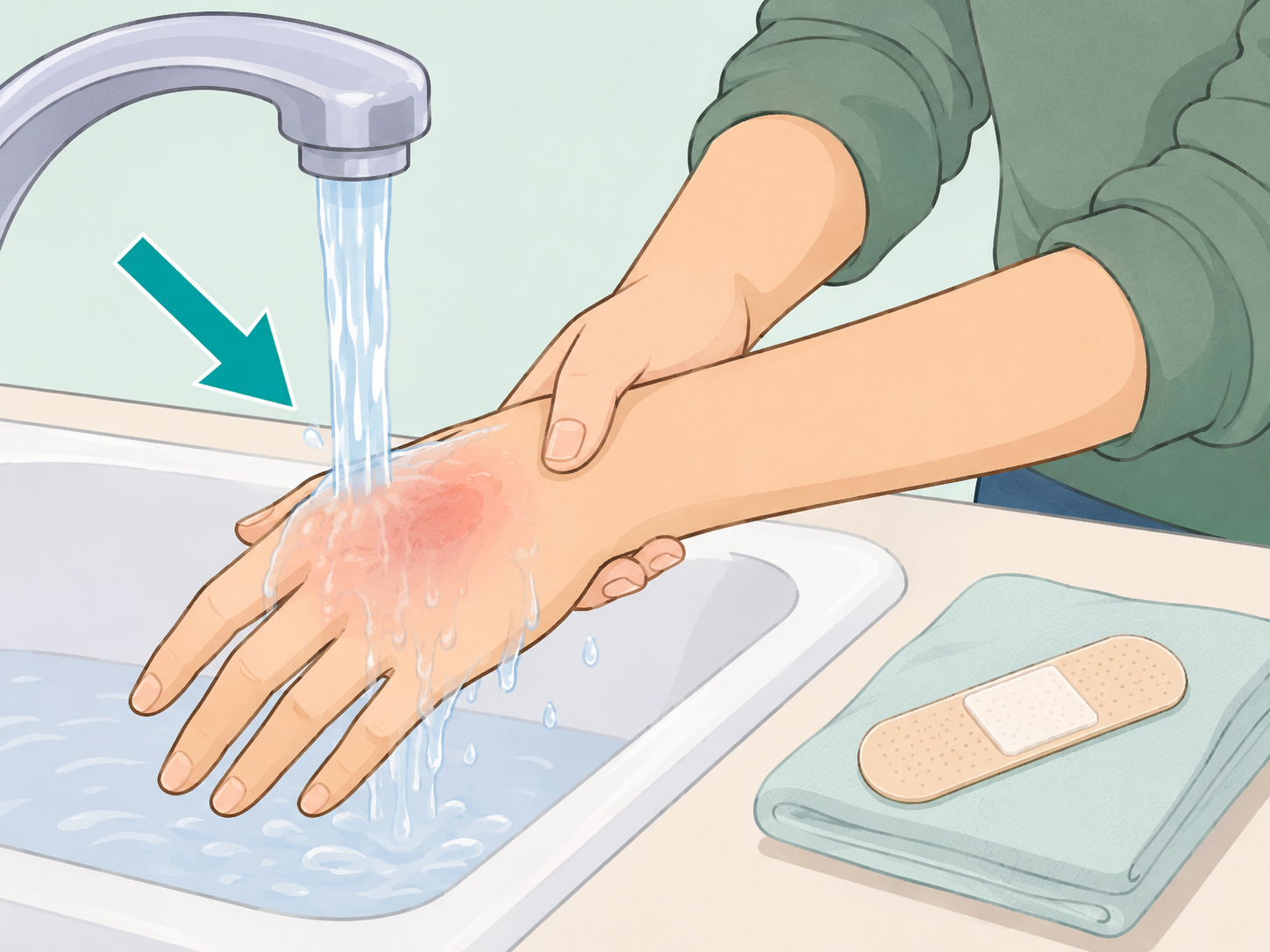
Get medical help if a burn is large, deep, blistering, on the face, or not improving. For a minor first-degree burn, dermatologists recommend cooling the area with cool water, covering it with a sterile nonstick bandage, and not using butter, toothpaste, or ice when treating a small burn; Mayo Clinic also advises emergency care for serious burns or burns affecting the face, hands, feet, genitals, buttocks, or major joints in burn first aid guidance.
Summary
The bottom line: a vintage metal hair curler was made to shape curls or waves, but old heated tools can burn hair and skin. Treat antique pieces as collectibles, and use modern heat tools cautiously on dry hair at low or medium heat.
Frequently Asked Questions
- What was the mysterious metal beauty object used for?
- It was most likely a vintage hair curler or curling iron. These tools were heated and used to press, crease, or wrap hair into curls and waves.
- How can I tell if an antique tool is a hair curler?
- Look for two metal arms or tongs, a hinge or scissor action, heat-resistant handles, and a smooth rounded surface that could hold a section of hair.
- Should I use an antique curling iron on my hair?
- It is safer to keep antique curling irons as display or collection pieces. Older tools may heat unevenly, lack modern safety controls, or have worn metal, loose parts, or residue.
- Can curling irons damage hair?
- Yes. Too much heat can make hair dry, brittle, frizzy, or more likely to break. Use low or medium heat, limit contact time, and reduce how often you heat style.
- What should I do if a curling iron burns my skin?
- Cool a minor burn under cool running water or a cool wet compress, then cover it with a clean nonstick bandage. Get medical help if the burn is large, severe, blistering, on the face, or not improving.
- Can metal beauty tools cause a rash?
- Yes, some people develop contact dermatitis from metal tools. Stop using the item and talk to a dermatologist if redness, itching, swelling, or irritation keeps coming back.
References
Reliable references aided in composing and refining this content.
- https://www.sfomuseum.org/exhibitions/hair-style/gallery
- https://www.aad.org/public/diseases/hair-loss/hair-care/styling
- https://www.aad.org/public/diseases/hair-loss/insider/stop-damage
- https://www.aad.org/public/everyday-care/itchy-skin/rash/itchy-rash-contact-dermatitis
- https://www.aad.org/public/everyday-care/injured-skin/burns/treat-minor-burns
- https://www.mayoclinic.org/first-aid/first-aid-burns/basics/art-20056649