
 Pin it
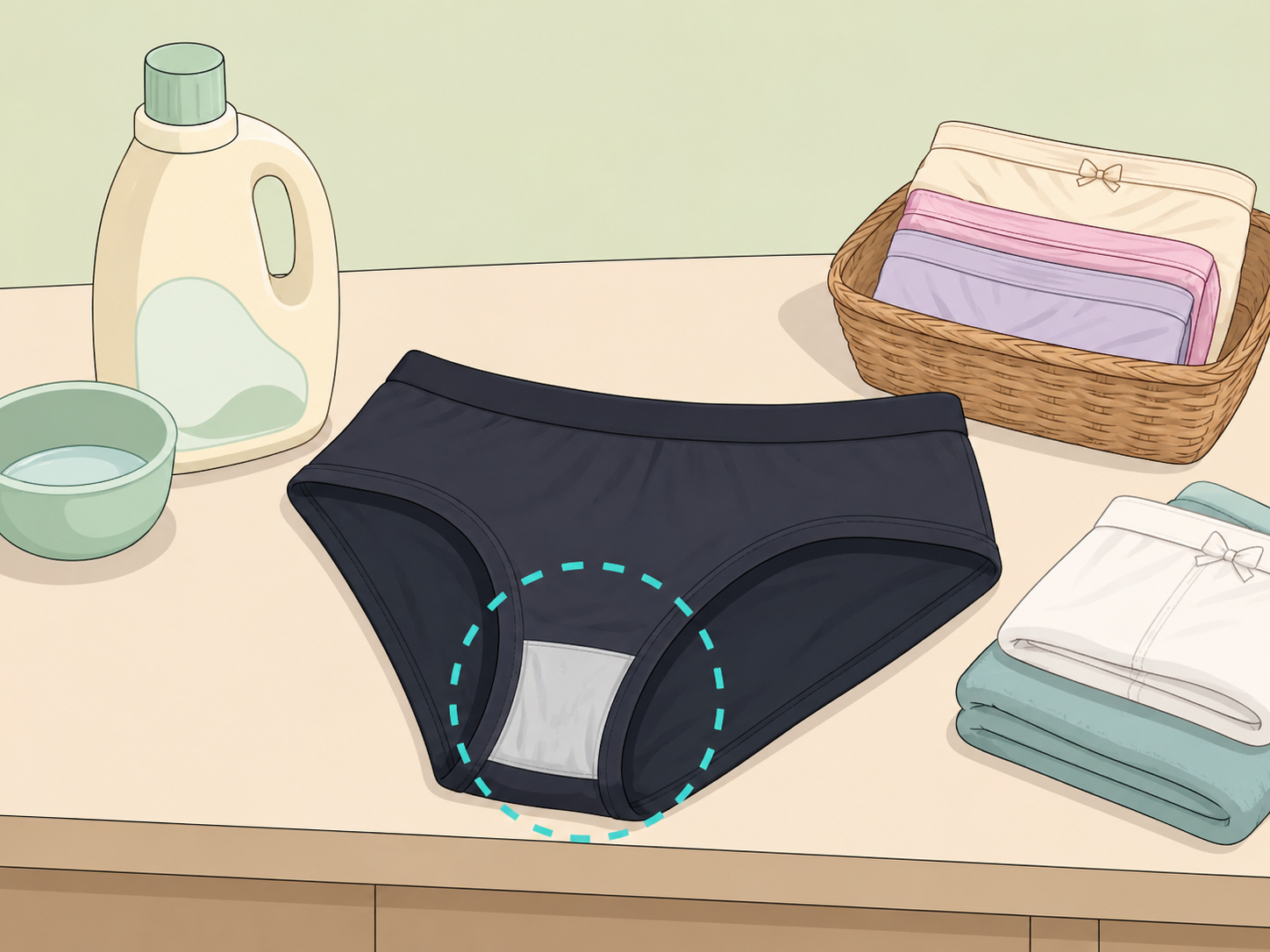
A bleach-like patch on underwear can look alarming, especially on dark fabric. In many cases, it is simply normal vaginal discharge drying on the fabric and affecting the dye. This guide explains why it happens, how to recognize normal discharge, how to care for underwear and skin gently, and when symptoms need medical attention.
Treat the mark as fabric discoloration first
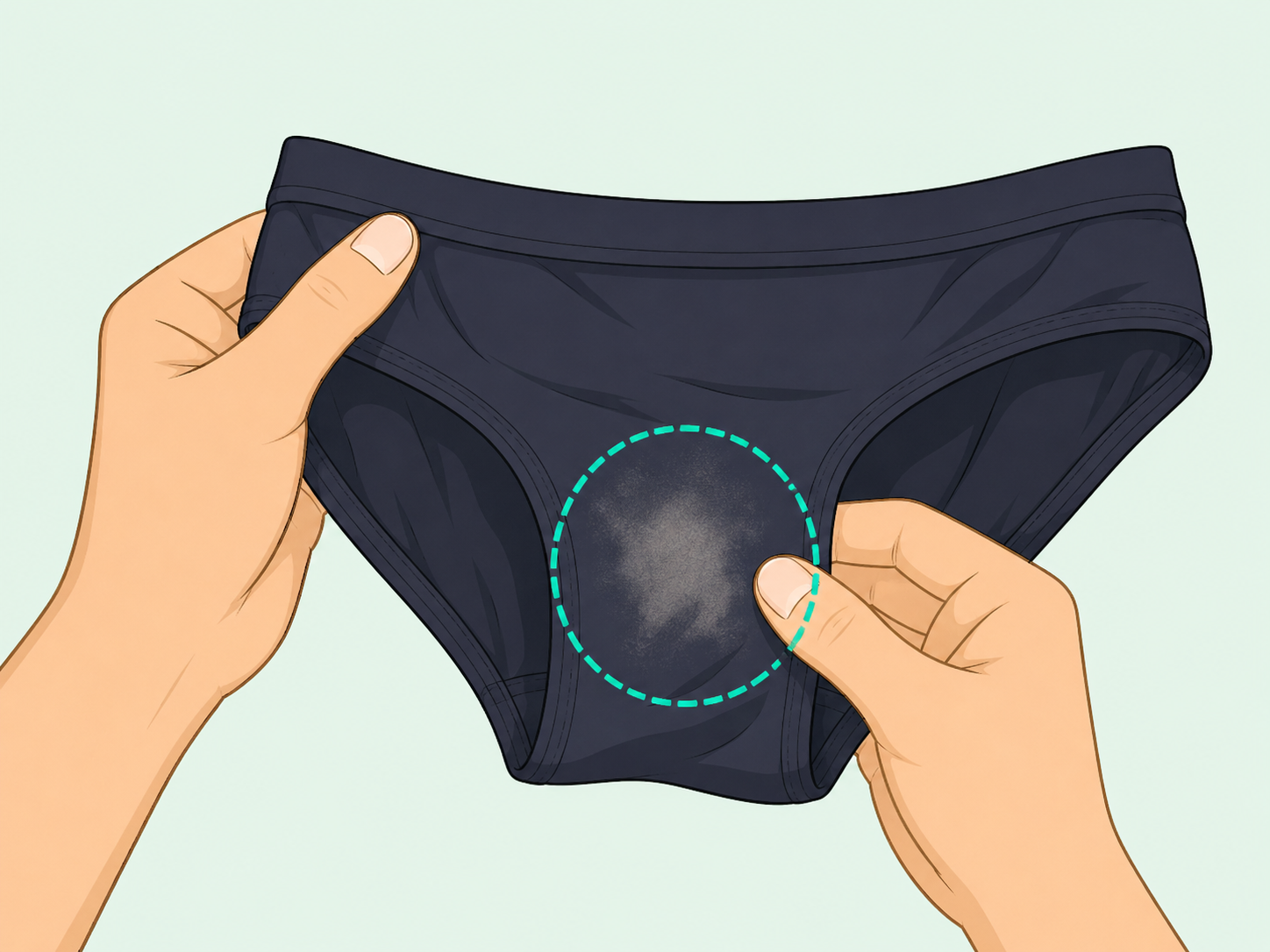
A light, orange, or faded patch in the crotch of underwear is often a stain-like change in the fabric, not a sign that household bleach touched it. Gynecologists interviewed by SELF explain that acidic vaginal discharge can interact with underwear dye and leave a bleach-like mark. Mild staining by itself does not automatically mean something is wrong.
Connect the patch to normal vaginal acidity
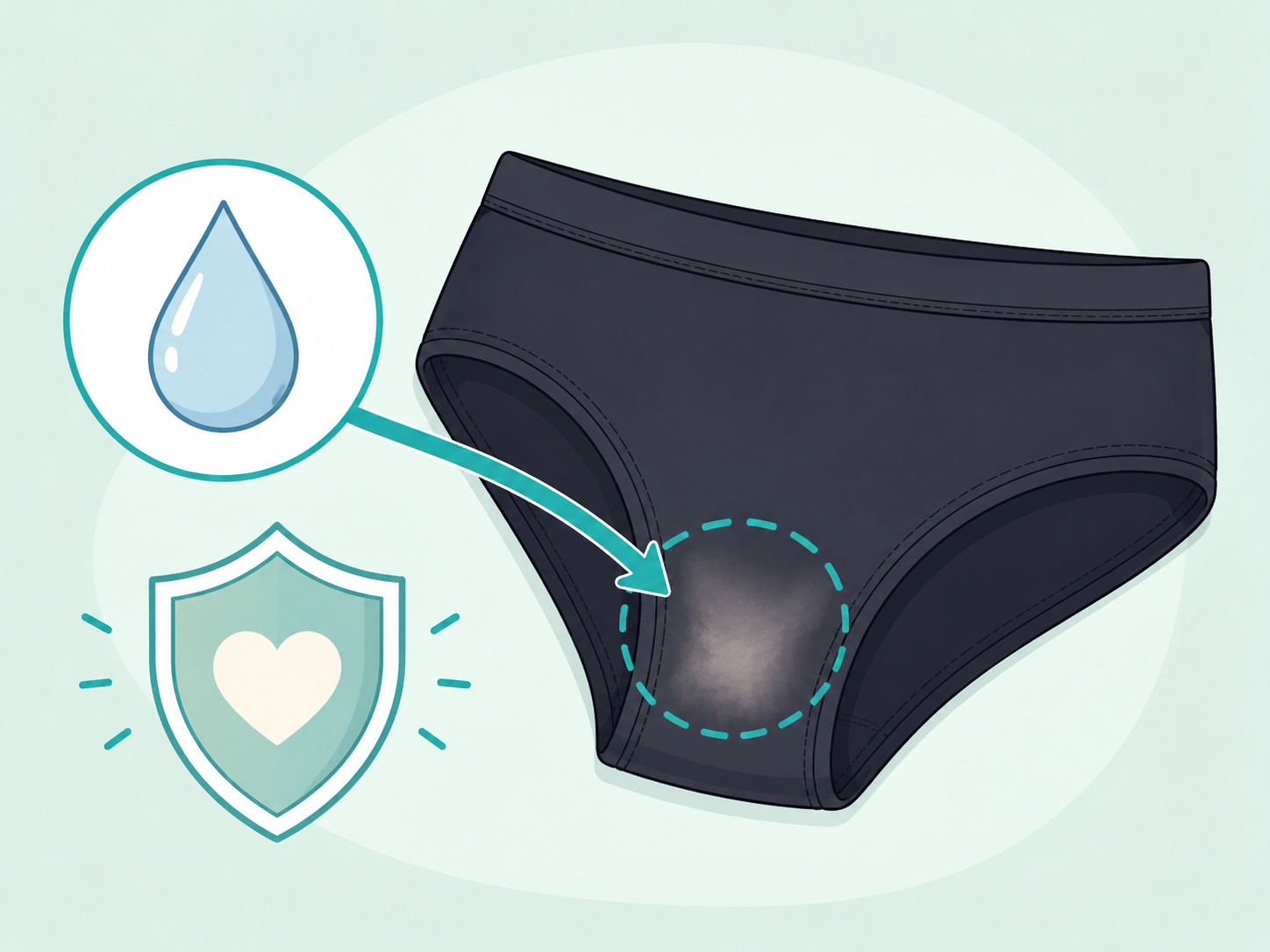
The vagina is normally slightly acidic; Cleveland Clinic lists a typical vaginal pH as 3.8 to 4.5. That acidity helps support healthy bacteria and discourage harmful germs. When acidic discharge dries on dyed fabric, the color change can look like a small bleached area.
Compare your discharge with your usual pattern
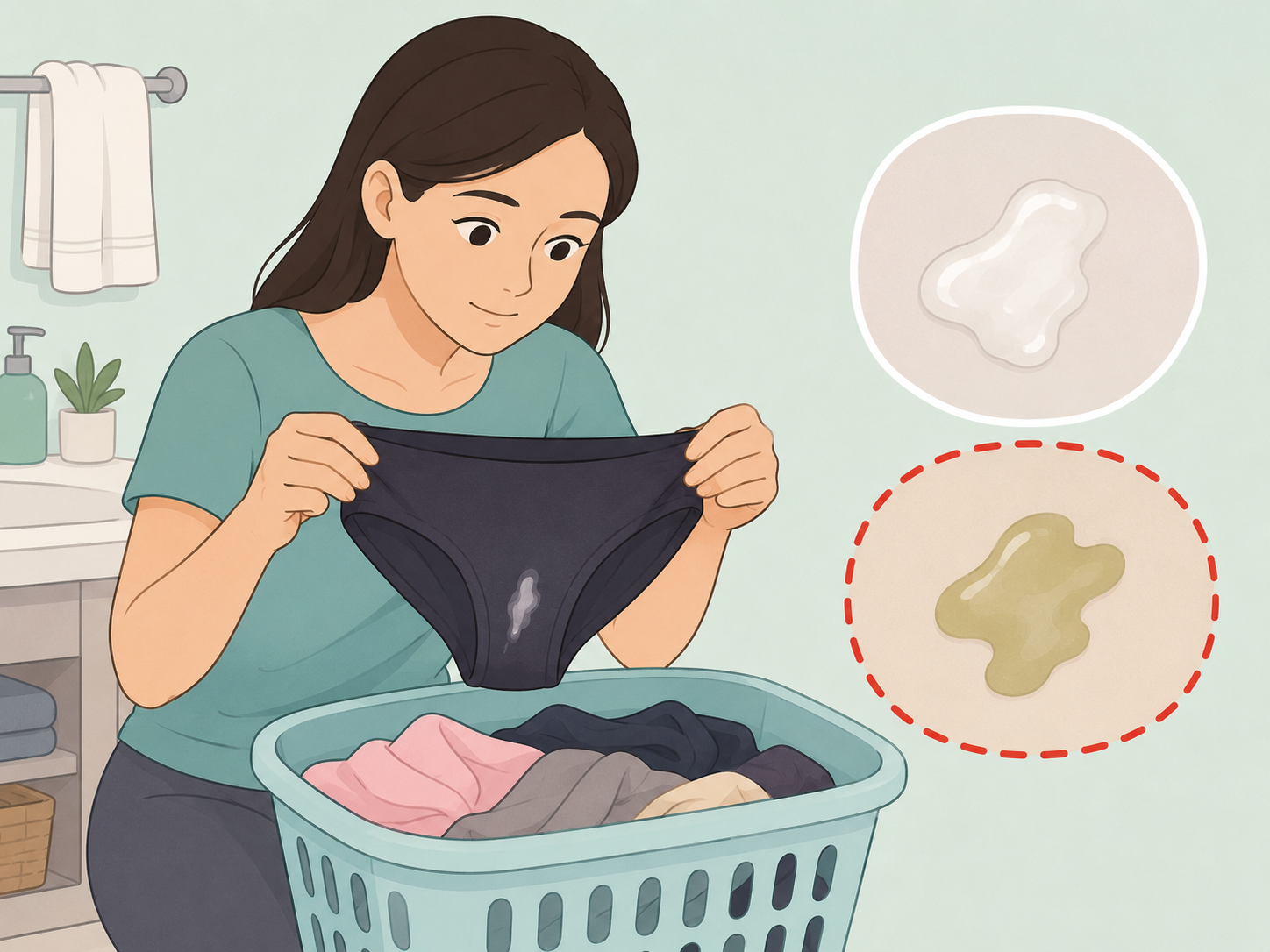
Check whether the discharge itself still looks and smells normal for you. Cleveland Clinic describes healthy discharge as clear, white, or off-white, with texture that can vary from watery to thicker. A patch matters more if it comes with a sudden change in color, odor, texture, amount, itching, swelling, or pain.

Notice whether it changes with your cycle
Discharge can change during the menstrual cycle, including becoming clearer and wetter around ovulation. NHS also notes that the amount may vary with pregnancy, sexual activity, and birth control. If stains appear more at certain times of the month but you have no symptoms, that pattern may simply reflect normal changes.

Keep cleansing simple and external
Wash the skin around the vagina gently and avoid trying to clean inside the vagina. NHS advises avoiding perfumed soaps, deodorants, scented wipes, and douching, while MedlinePlus says douching can remove healthy bacteria. Harsh or scented products may irritate the vulva and make symptoms harder to interpret.

Choose underwear that reduces irritation
Pick breathable underwear for everyday wear, especially if you notice moisture or skin irritation. MedlinePlus recommends cotton underwear or underwear with a cotton crotch because it increases airflow and decreases moisture buildup. White or lighter underwear can also make bleach-like fading less obvious than dark dyed fabric.
Wash underwear promptly and gently
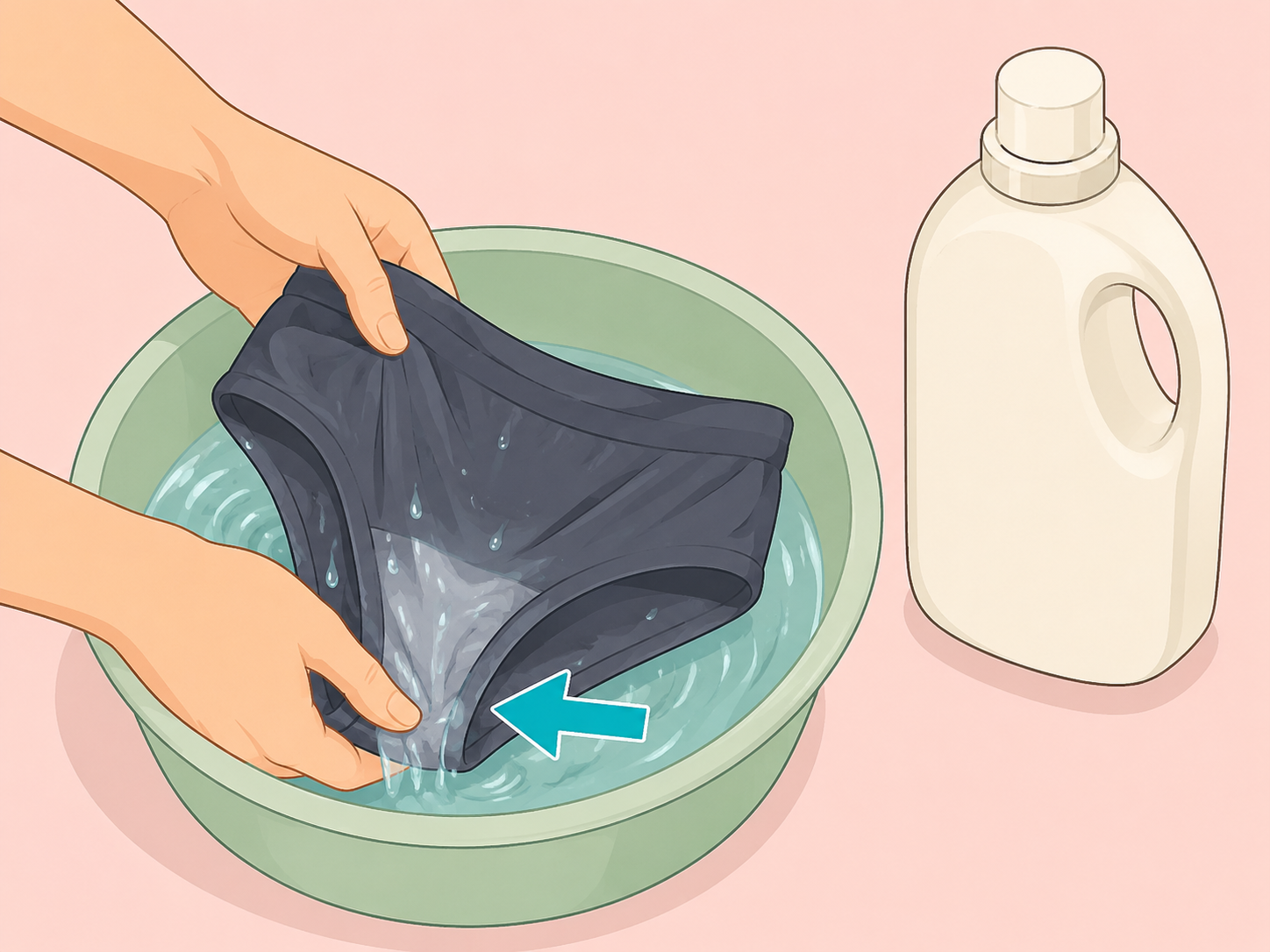
Rinse or wash underwear soon after wearing it if stains bother you, since dried discharge can be harder to remove or may leave dye changes behind. Use a gentle, fragrance-free detergent if your skin is sensitive, and skip heavy perfumes or fabric softeners around underwear. If liners help protect favorite pairs, choose unscented ones and stop using them if they cause rubbing or irritation.
Get medical help for warning signs
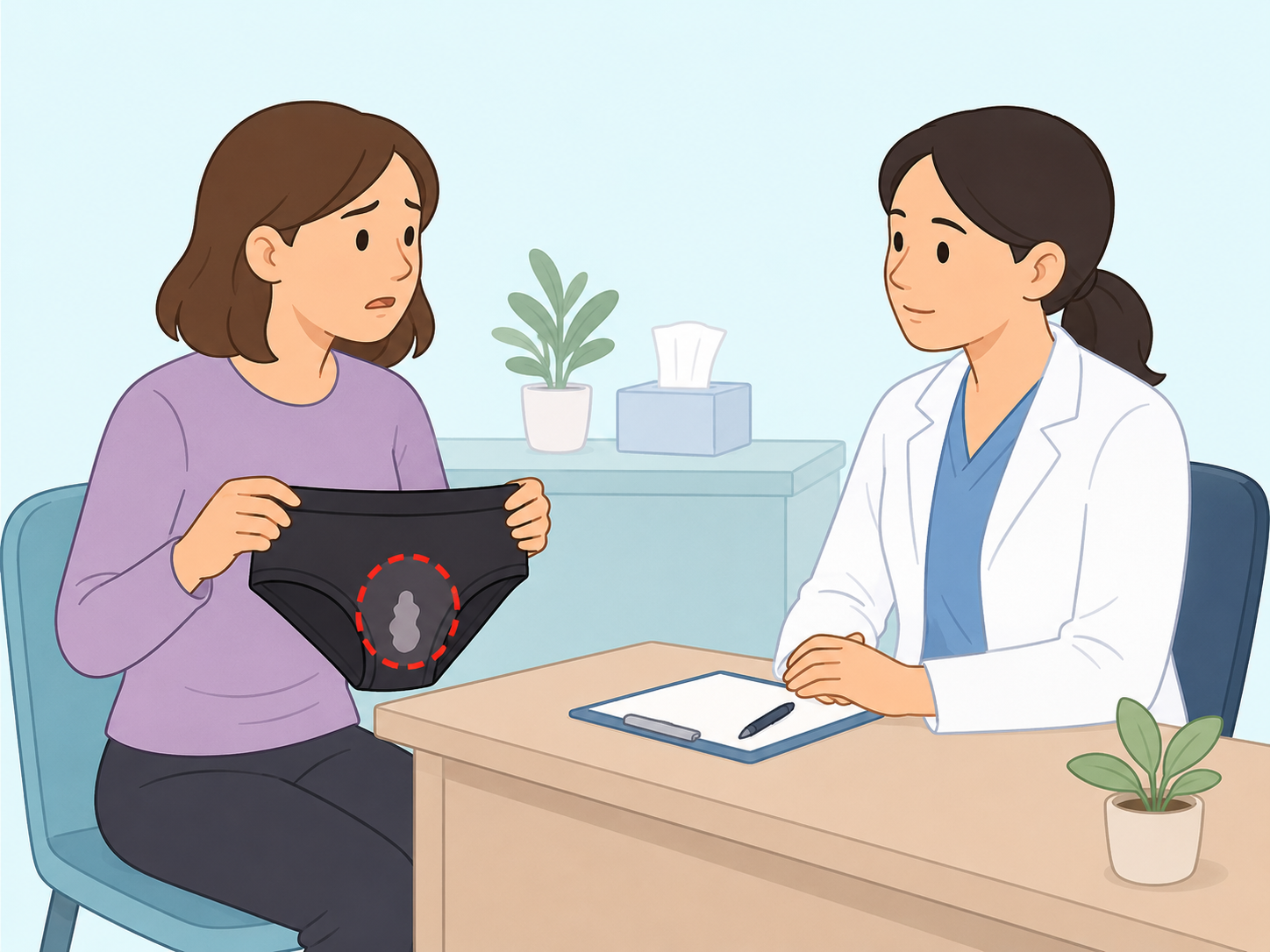
See a doctor or qualified healthcare professional if discharge turns green, yellow, gray, thick and chunky, or foul-smelling, or if you have itching, burning, soreness, pelvic pain, pain when peeing, or bleeding outside your period. Mayo Clinic and NHS list these as reasons to seek care. Do not self-diagnose an infection from a stain alone.
Summary
The bottom line: a bleach-like patch by itself is usually not a sign that anything is wrong. Pay attention to your usual discharge pattern, avoid irritating products, choose breathable underwear, and contact a healthcare professional if discharge changes or comes with odor, itching, pain, bleeding, or pelvic discomfort.
Frequently Asked Questions
- Does a bleach patch mean my underwear touched real bleach?
- Not usually. A pale patch can happen when acidic vaginal discharge dries on dyed fabric and fades the color, as explained by gynecologists quoted by SELF.
- Is it normal for discharge to bleach underwear?
- Mild discoloration by itself is usually not a concern. Cleveland Clinic explains that a typical vaginal pH is acidic, and that acidity can make fading more noticeable on dark fabric.
- What does normal vaginal discharge look like?
- Normal discharge is often clear, white, or off-white, may be watery, sticky, or thicker, and should not have a strong unpleasant smell. Cleveland Clinic notes that everyone has their own usual pattern.
- Can I prevent discharge completely?
- No. NHS explains that vaginal discharge is normal and helps keep the vagina clean and moist. You can reduce staining, but you should not try to stop normal discharge.
- Should I douche or use scented washes to stop the stain?
- No. MedlinePlus says douching can remove healthy bacteria and may worsen irritation or infection symptoms.
- When should I see a doctor about discharge?
- Contact a healthcare professional if discharge changes color, smell, amount, or texture, or comes with itching, burning, soreness, pelvic pain, pain when peeing, or bleeding outside your period. These warning signs are listed by NHS and Mayo Clinic.
References
Reliable references aided in composing and refining this content.
- https://www.self.com/story/discharge-underwear-bleaching
- https://my.clevelandclinic.org/health/articles/vaginal-ph
- https://my.clevelandclinic.org/health/symptoms/4719-vaginal-discharge
- https://www.nhs.uk/symptoms/vaginal-discharge
- https://www.medlineplus.gov/ency/patientinstructions/000566.htm
- https://www.mayoclinic.org/symptoms/vaginal-discharge/basics/causes/sym-20050825