
 Pin it
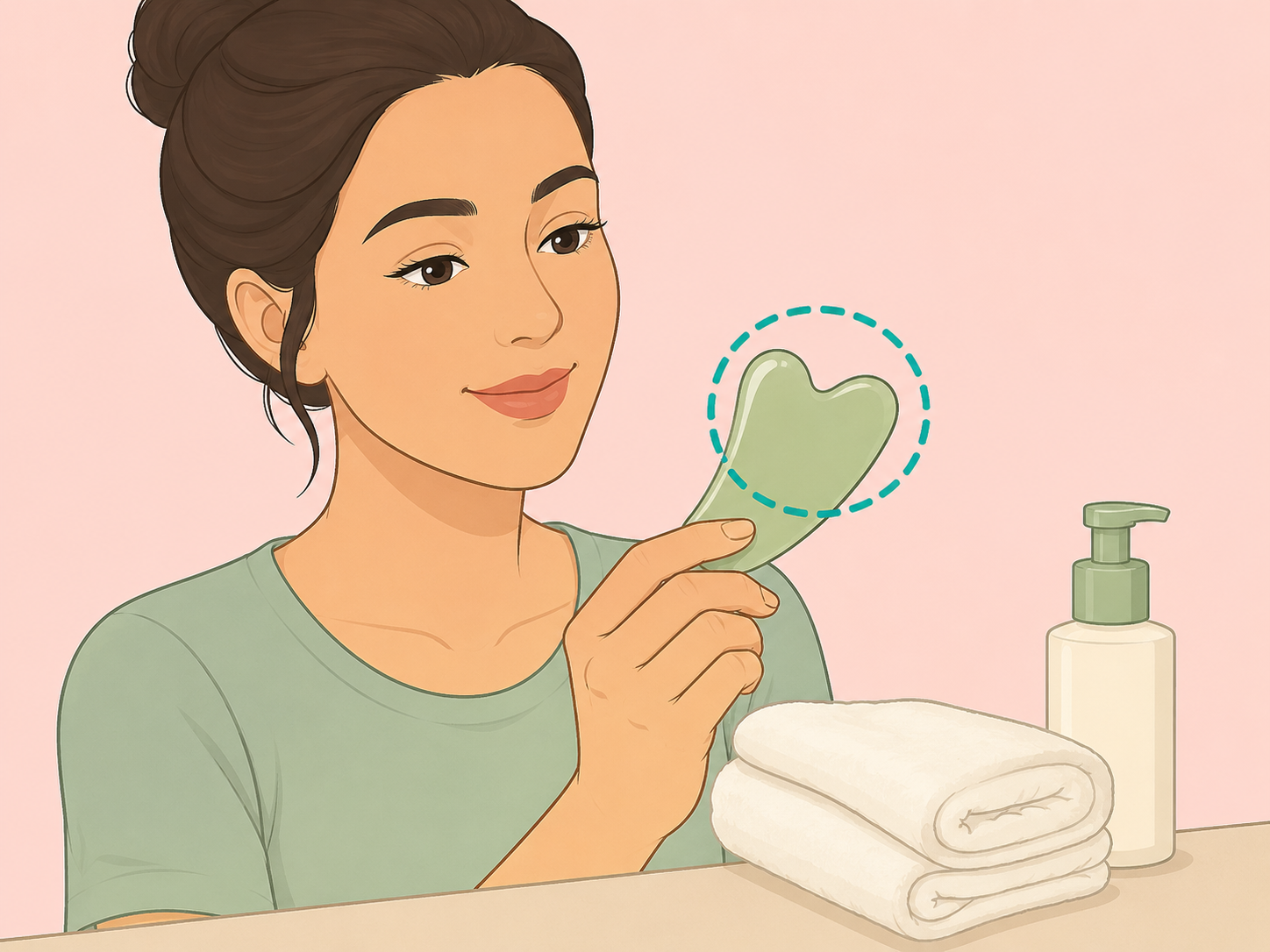
A smooth, curved stone or metal object in a beauty drawer can look mysterious at first. In many cases, it is a gua sha tool, a simple skin-care accessory used for gentle facial massage. This guide explains how to recognize one, use it carefully, and know when to skip it for your skin's safety.
Check the shape and edges
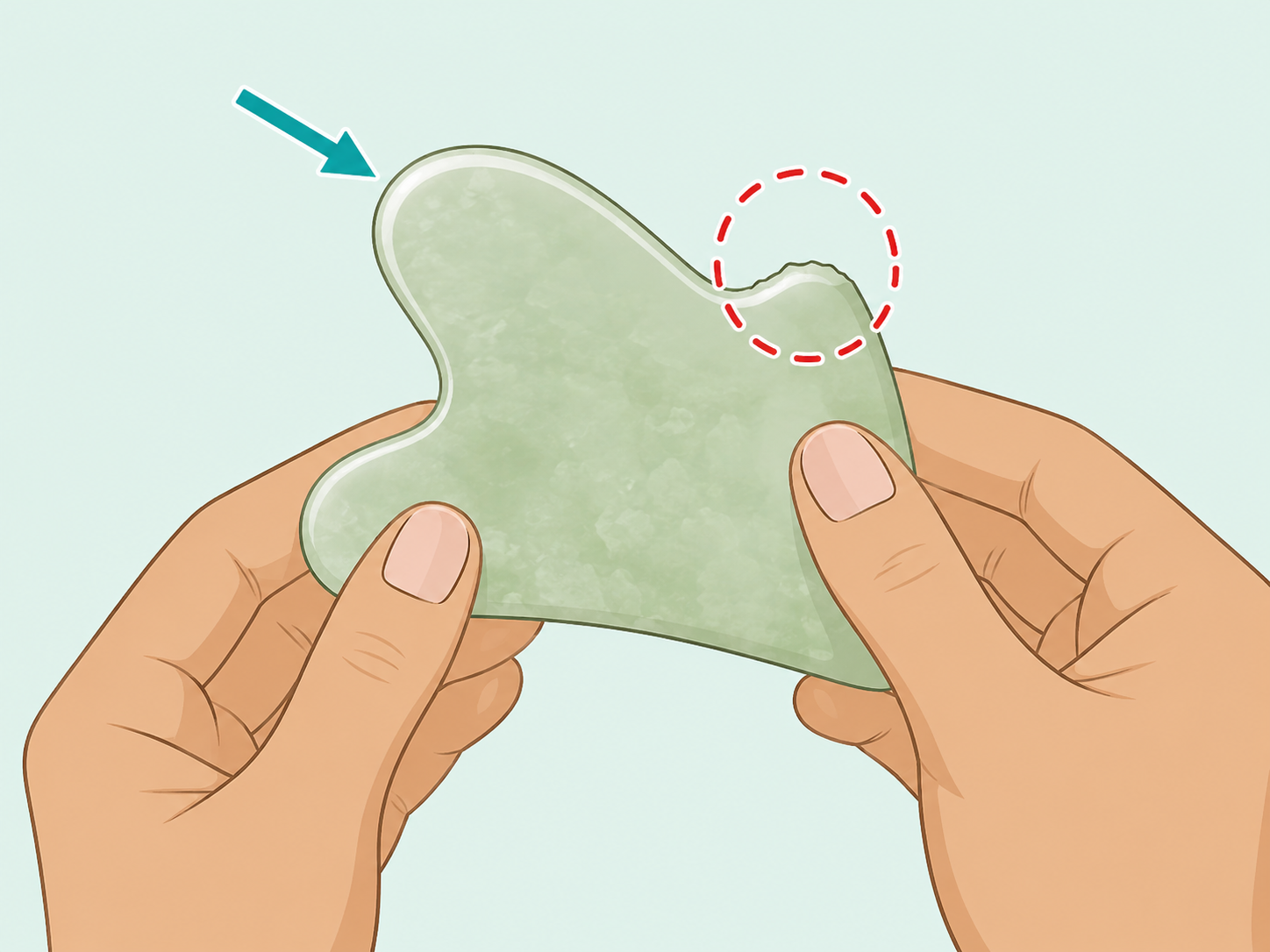
Look for a flat, palm-sized object with smooth curved edges, shallow notches, or a heart-like shape. A gua sha tool is used to gently stroke the skin with a smooth edge, according to Cleveland Clinic's gua sha overview. If the object has sharp seams, chips, cracks, or rough edges, do not use it on your face.
Clean the tool before it touches your skin
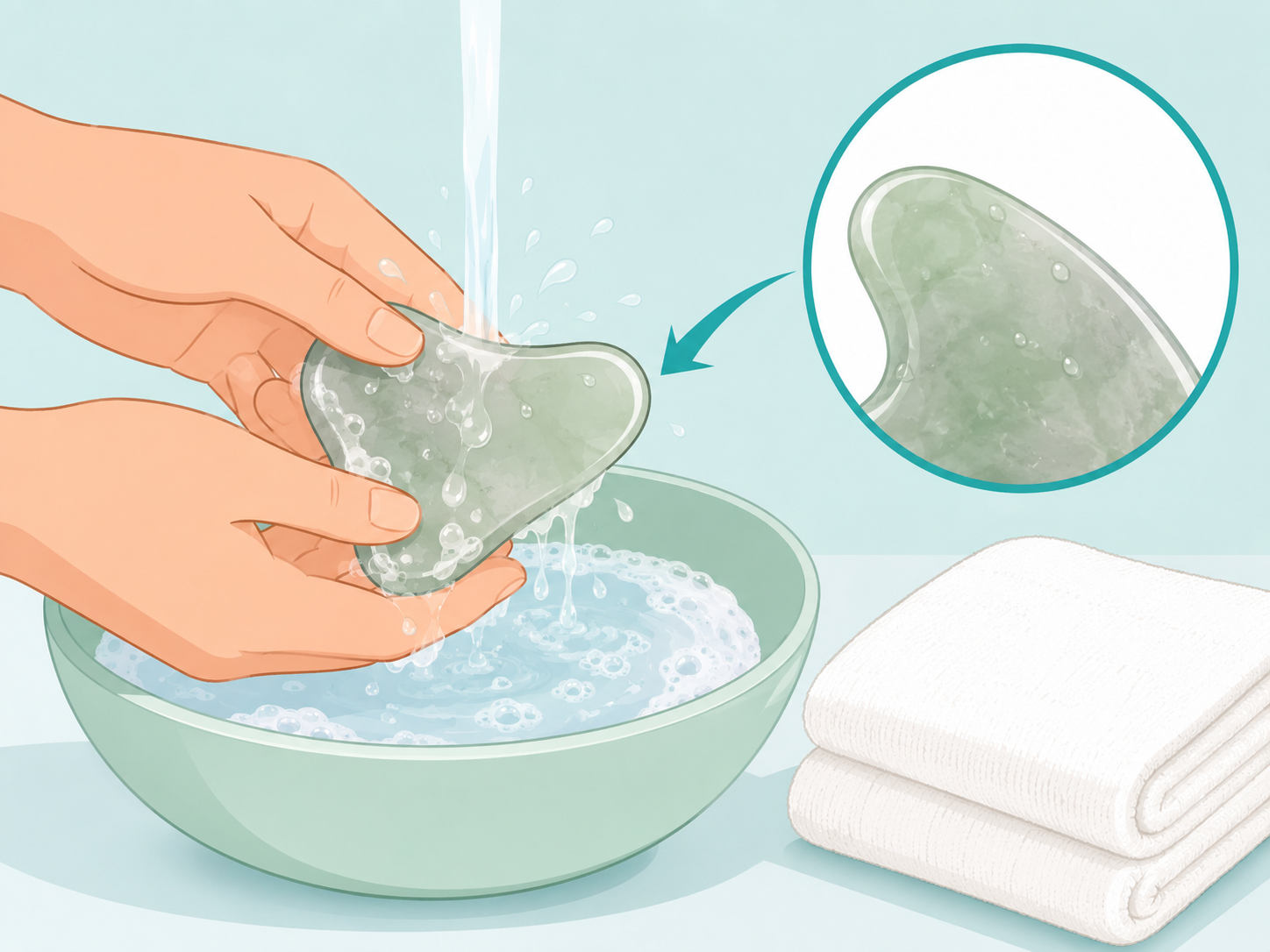
Wash your hands and clean the tool with mild soap and water, then dry it with a clean towel. The FDA advises keeping cosmetic containers clean and washing hands before using cosmetic products, and its eye-cosmetic guidance says instruments used near the eye area should be clean. This matters because a soothing tool can still carry dirt, oil, or germs if it has been sitting in a drawer.
Start with clean skin and a product you tolerate
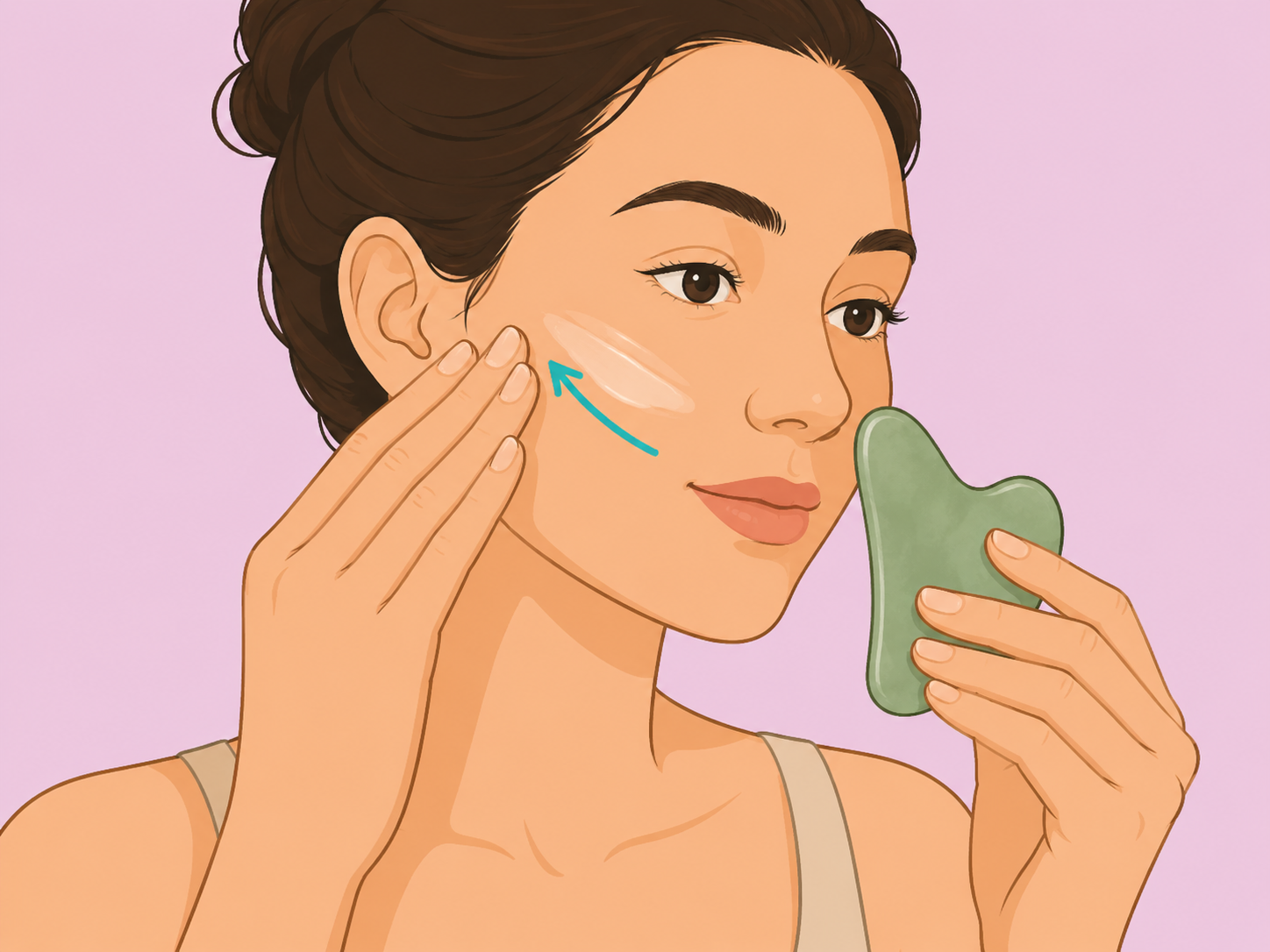
Wash your face, then apply a moisturizer, facial oil, or serum that gives the tool enough slip to glide without dragging. If the product is new to you, follow the American Academy of Dermatology's advice on testing skin care products before using it widely. The FDA also recommends reading cosmetic labels and following directions and warnings.
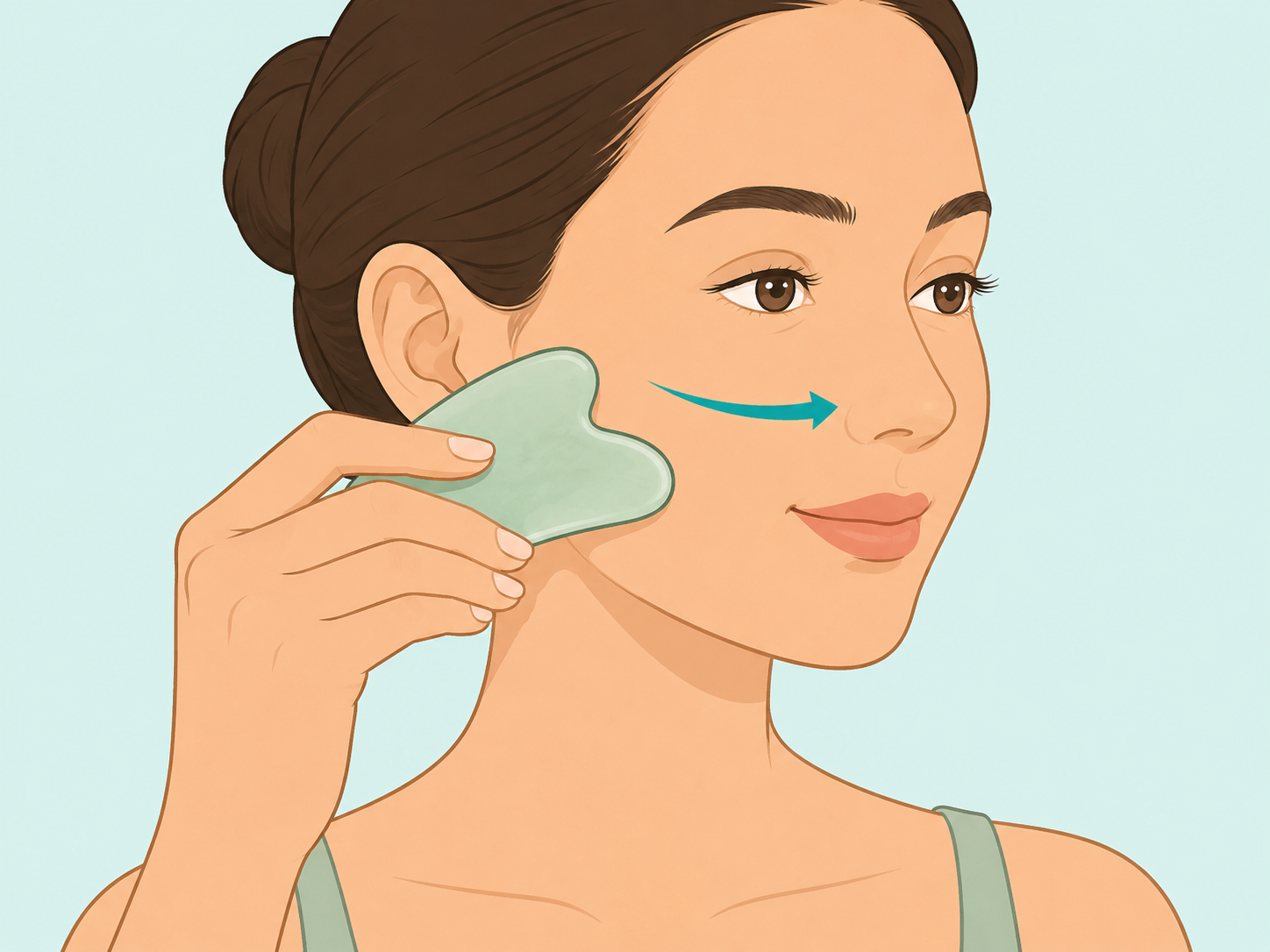
Use very light one-way strokes
Hold the tool almost flat against your skin and glide outward from the center of your face in slow, one-way strokes. Cleveland Clinic recommends a gentle touch on the face and moving smoothly in one direction rather than rubbing back and forth. A little temporary pinkness can happen, but pain is a sign to stop.
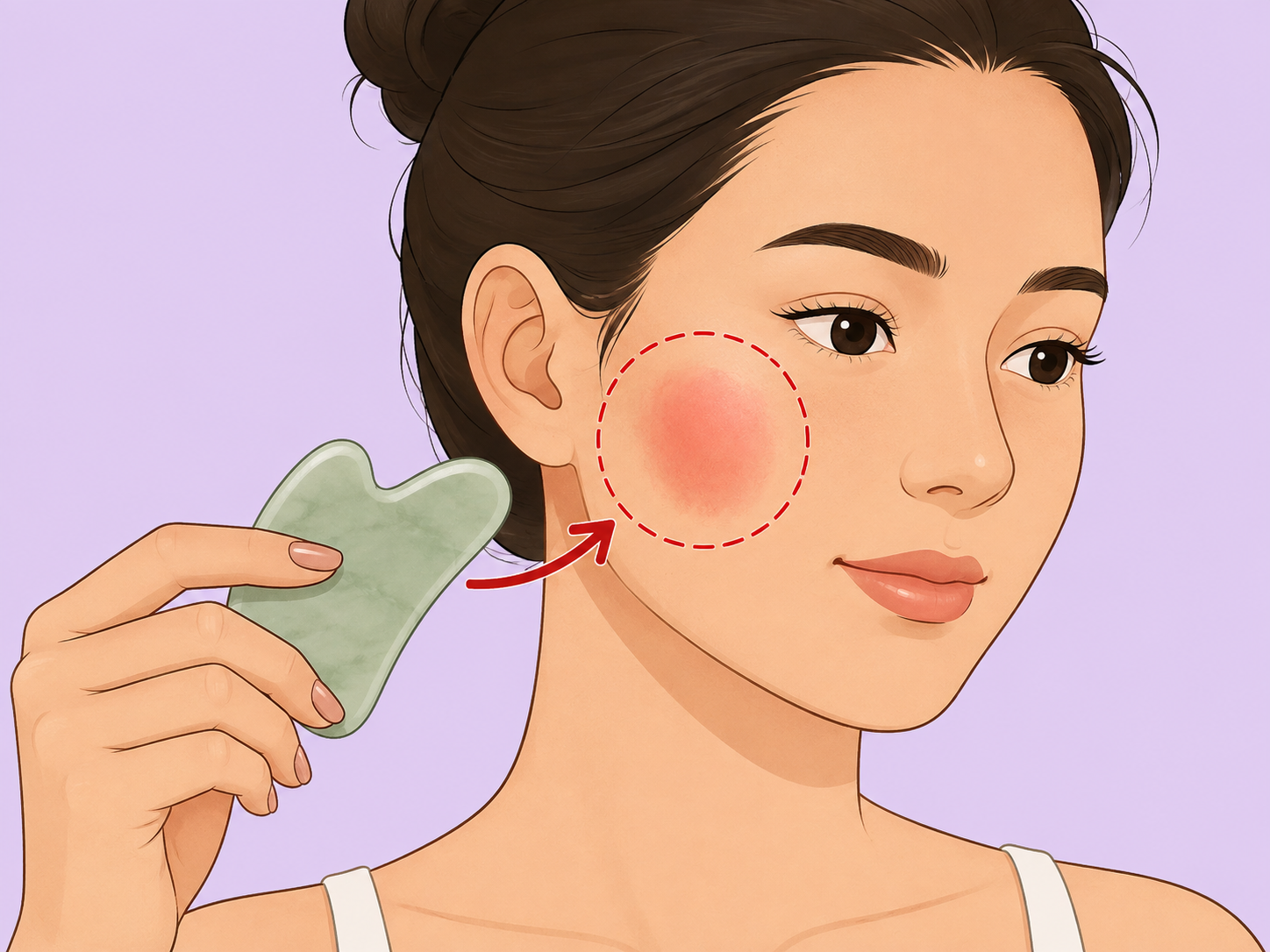
Skip irritated, broken, or sunburned skin
Do not use the tool over rashes, wounds, sunburns, active irritation, or inflamed areas. Cleveland Clinic cautions against performing gua sha on irritated or inflamed skin, and MedlinePlus explains that rashes can come from allergies, irritants, and other medical causes. Waiting protects your skin barrier and helps you avoid making irritation worse.
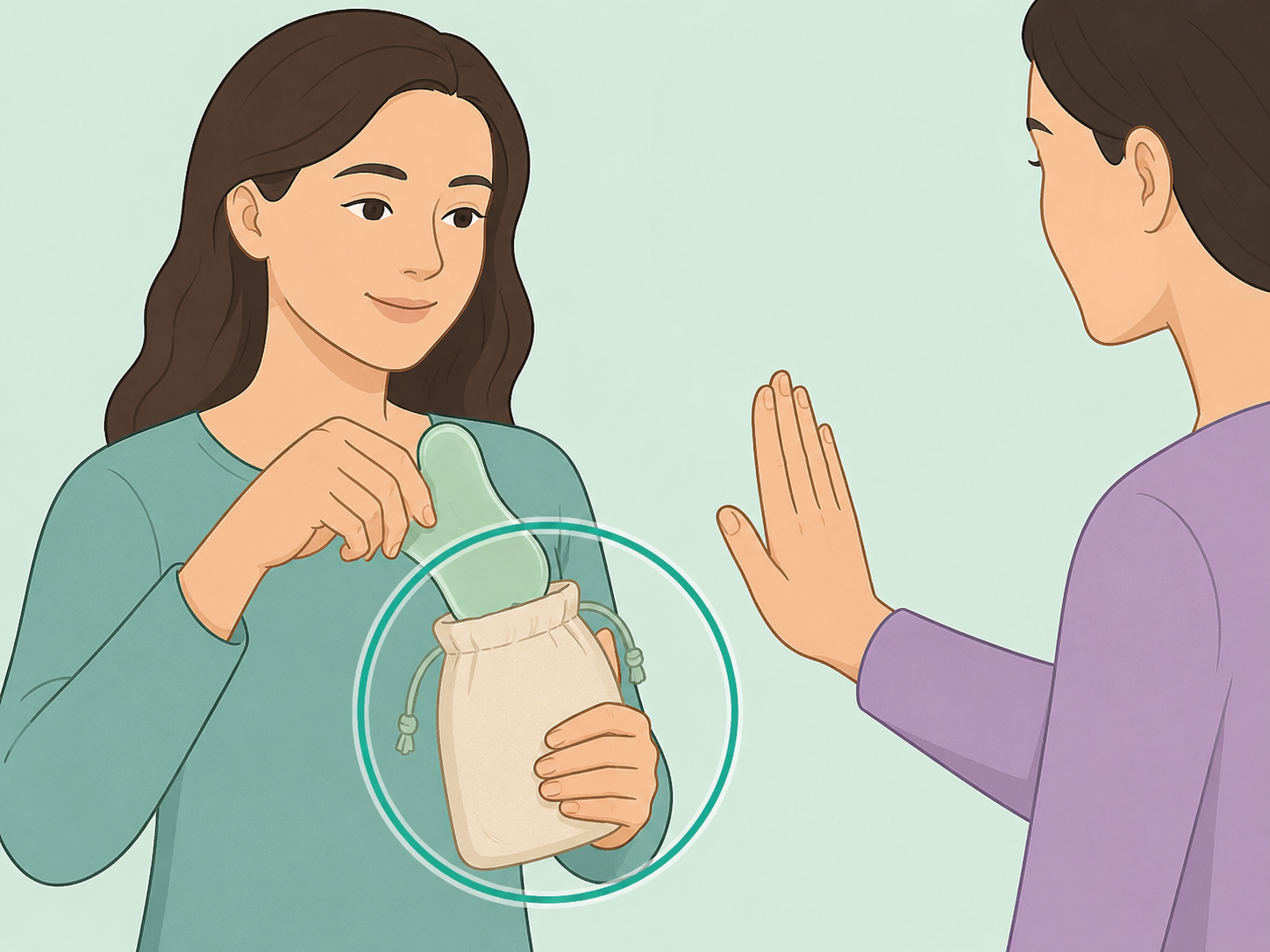
Avoid sharing the tool
Keep the tool for your own use and wash it after each session. The FDA's cosmetic safety guidance says not to share makeup, and its eye cosmetic safety tips warn that another person's germs can be hazardous. Sharing a face tool is not worth the risk.
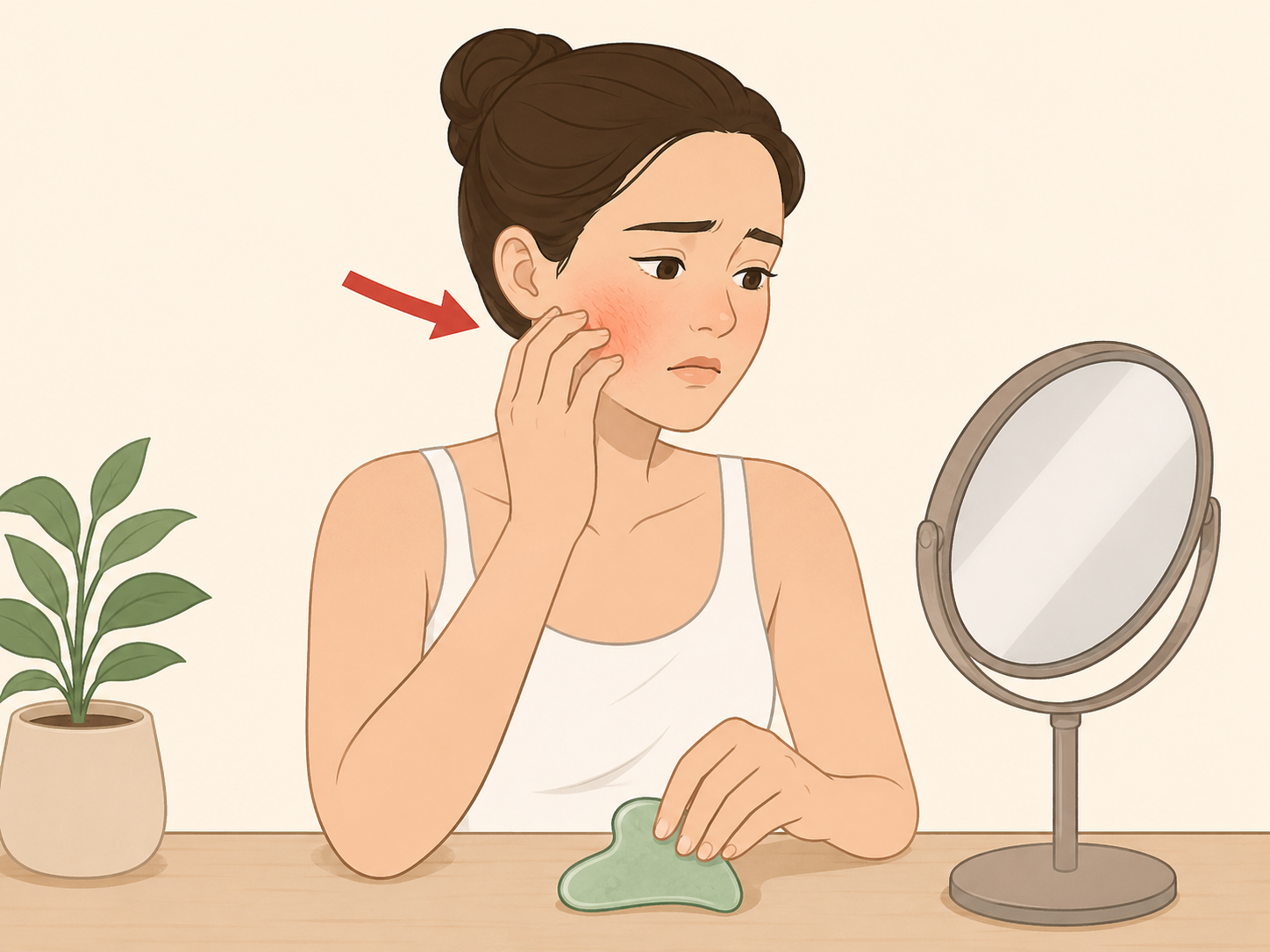
Stop if your skin reacts
Stop using the tool or any product with it if you notice itching, swelling, burning, a rash, or lingering tenderness. The AAD notes that skin care ingredients can trigger allergic contact dermatitis and recommends washing off a product and not using it again if a reaction develops. Do not try to push through irritation for beauty results.
See a doctor when symptoms persist or you have risk factors
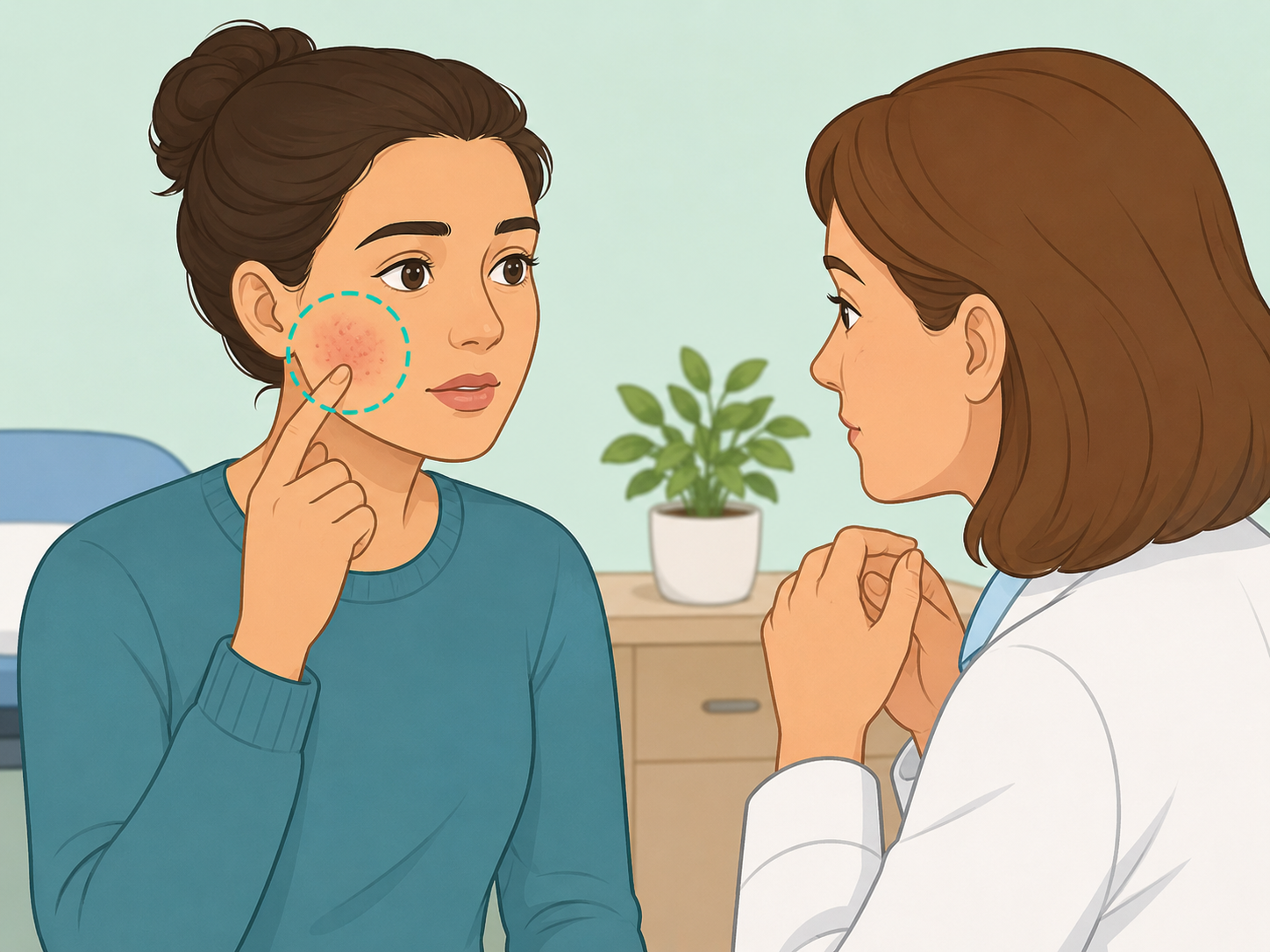
Seek medical advice if you have a bad rash, symptoms that do not go away, eye irritation, signs of infection, or other symptoms along with the skin change. MedlinePlus advises seeing a health care provider for a bad rash, a rash that does not go away, or a rash with other symptoms. Also ask a professional before gua sha if you have circulation problems, diabetes, a skin condition, take blood thinners, are pregnant, or are undergoing chemotherapy, as Cleveland Clinic lists these as reasons to use caution.
Summary
The bottom line: a gua sha tool is not mysterious once you know its smooth edge, curved shape, and massage purpose. Clean it, use a gentle touch, avoid irritated skin, and stop if your skin reacts.
Frequently Asked Questions
- What is the strange flat beauty tool with curved edges?
It may be a gua sha tool, especially if it is flat, smooth, and shaped to glide along the face or neck. Cleveland Clinic describes gua sha as a technique that uses a small smooth-edged tool for gentle skin strokes.
- Is gua sha supposed to hurt?
No. Facial gua sha should use very light pressure, and you should stop if it hurts, pinches, burns, or leaves more than mild temporary redness.
- Do I need a jade or rose quartz tool?
No. The most important features are a smooth edge, clean surface, and comfortable shape. Avoid any tool that is chipped, cracked, sharp, or hard to clean.
- Can gua sha permanently reshape my face?
No trusted medical source supports using gua sha to permanently reshape your face. It may feel relaxing and may temporarily reduce puffiness for some people, but avoid miracle claims.
- How often should I clean a gua sha tool?
Clean it before and after it touches your face. FDA cosmetic safety guidance emphasizes clean hands, clean instruments near the eye area, and not sharing cosmetics or tools that can spread germs.
- When should I avoid gua sha?
Skip gua sha on rashes, wounds, sunburns, inflamed skin, or swollen areas. Talk to a health professional first if you have a skin condition, circulation problems, diabetes, take blood thinners, are pregnant, or are undergoing chemotherapy.
References
Reliable references aided in composing and refining this content.
- https://health.clevelandclinic.org/why-gua-sha-might-be-good-for-you
- https://www.aad.org/public/everyday-care/skin-care-secrets/prevent-skin-problems/test-skin-care-products
- https://www.fda.gov/cosmetics/resources-consumers-cosmetics/using-cosmetics-safely
- https://www.fda.gov/cosmetics/resources-consumers-cosmetics/cosmetics-safety-qa-eye-cosmetic-safety
- https://medlineplus.gov/rashes.html