
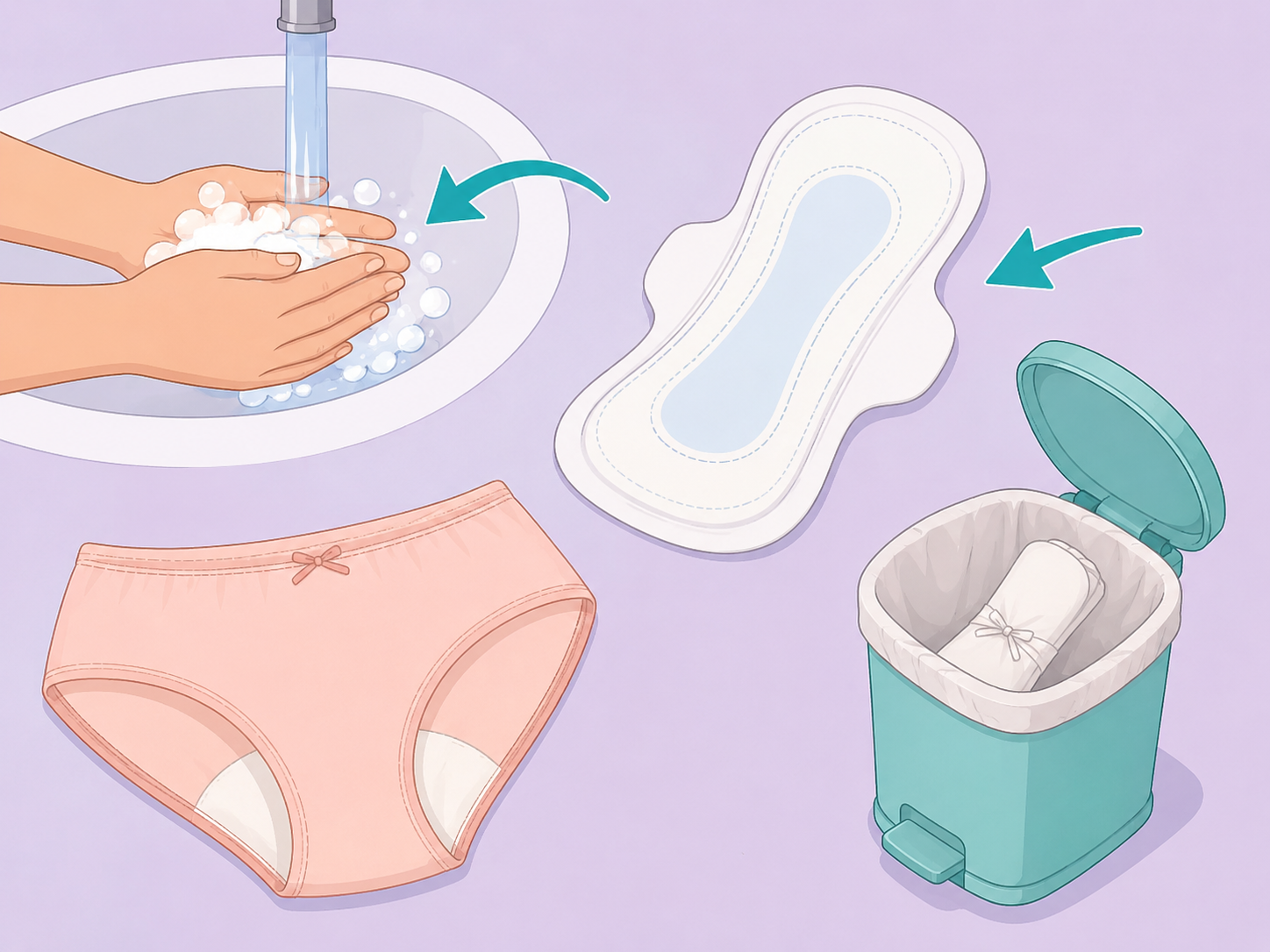
 Pin it
Sanitary pads are a common and generally safe period product, but how you use them matters for comfort and skin health. Good pad habits can lower the chance of irritation, trapped moisture, and bacterial overgrowth. This guide explains practical steps for safer pad use and when to contact a health professional.
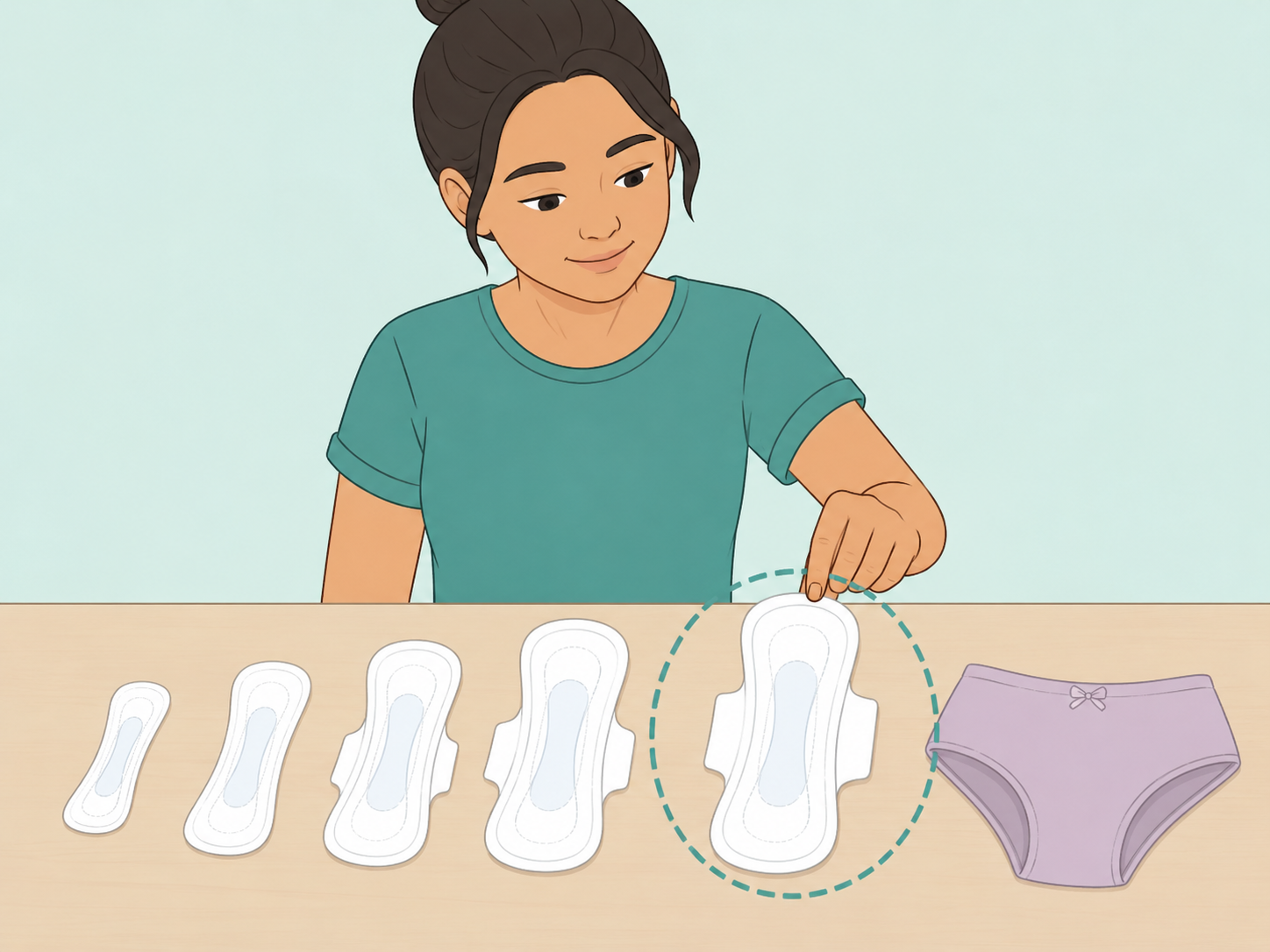
Choose a pad that matches your flow
Use a pad size and absorbency that fits your bleeding that day, since menstrual pads come in different designs for different flow levels. A pad that is too small may leak, while a pad that is too bulky may rub the skin. Change to a lighter or heavier option as your period changes.
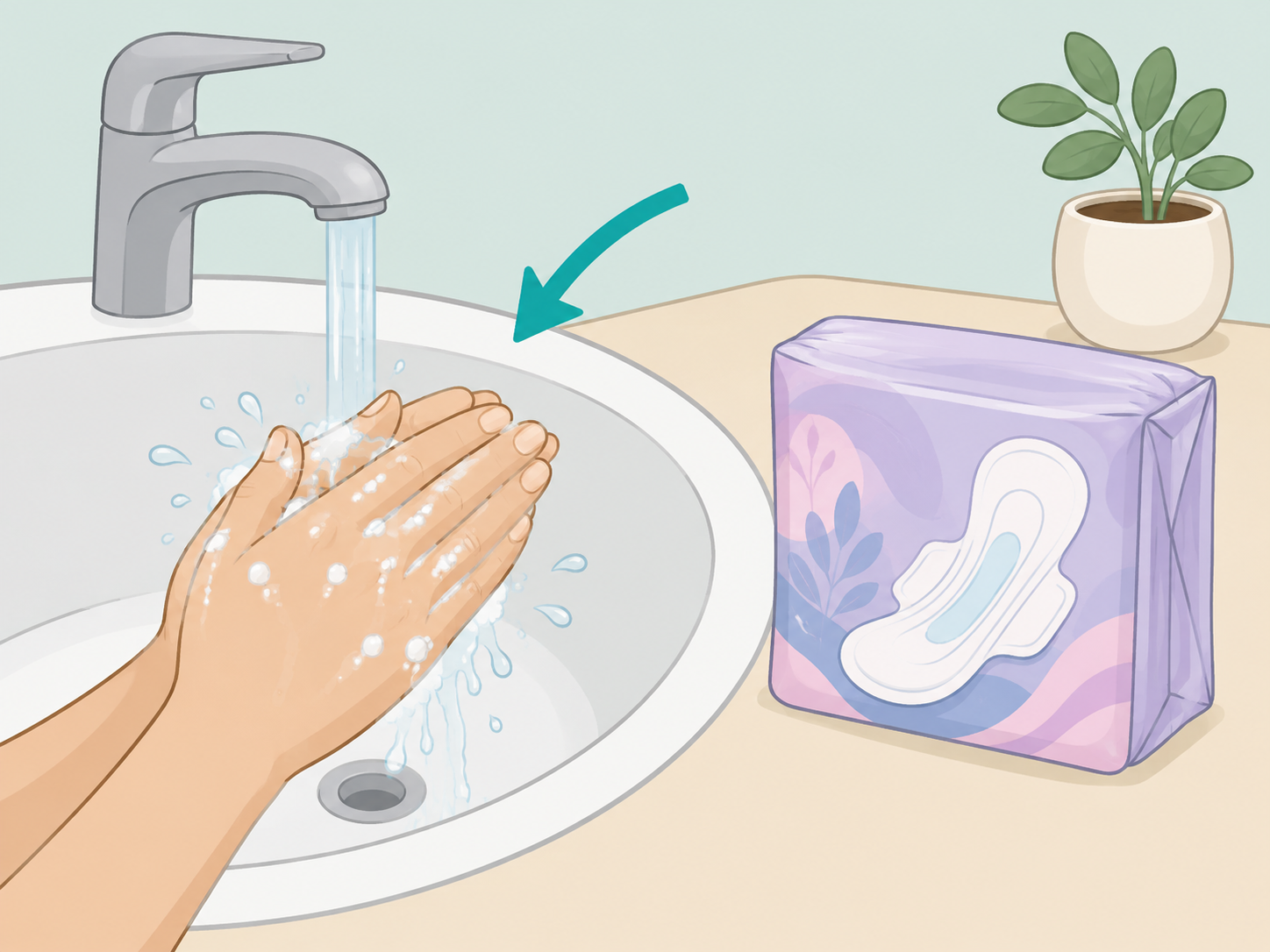
Wash your hands before and after changing pads
Clean hands help keep germs away from the pad and the vulvar area. The FDA recommends washing your hands before and after using any menstrual product. Use soap and water when available, or hand sanitizer when you cannot wash right away.
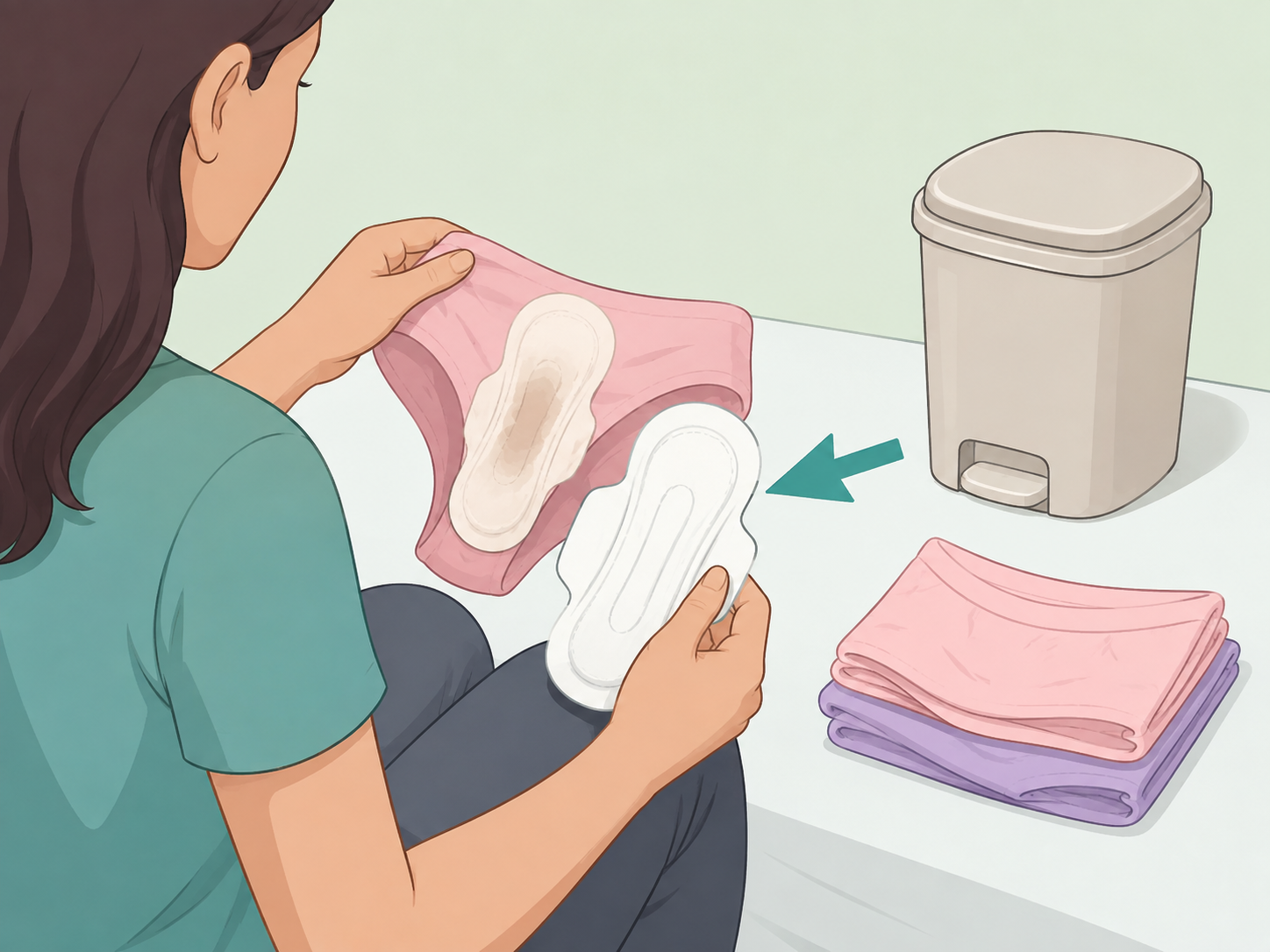
Change your pad every few hours
Do not wait for a pad to become soaked before replacing it. The FDA advises changing pads every few hours, more often with heavy flow, because wearing a pad too long can irritate skin. Regular changes also reduce trapped moisture and odor.
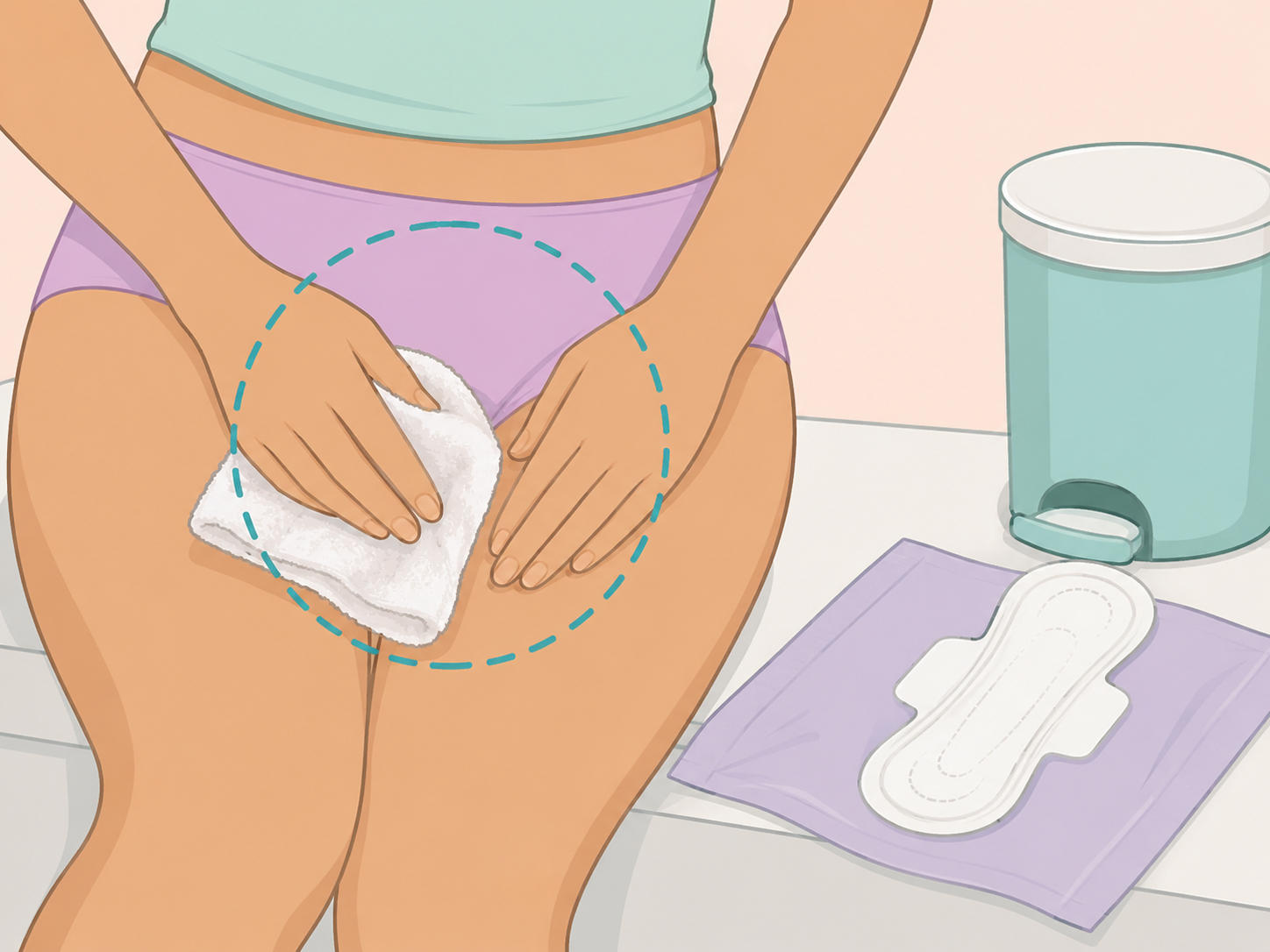
Keep the vulva clean and dry
Wash the outside genital area gently with water, then pat dry instead of rubbing. NHS recommends you wash around the vagina with water and dry thoroughly to help with vaginitis symptoms and reduce recurrence. Avoid scrubbing, which can make sensitive skin more irritated.
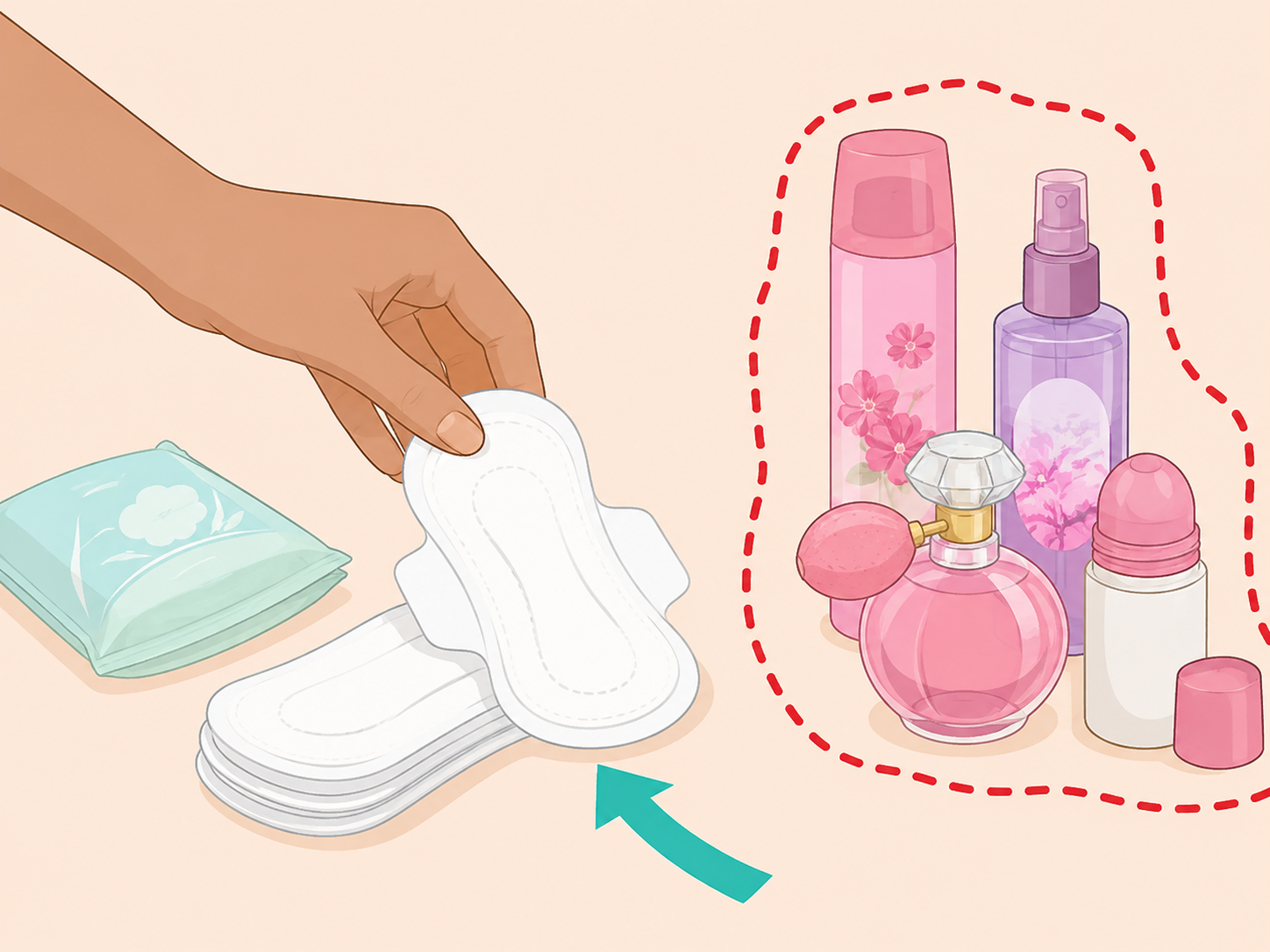
Avoid scented pads and harsh hygiene products
Choose unscented pads if you are prone to itching, burning, or rash. Cleveland Clinic notes that harsh or scented products, including pads, can cause vulvar irritation. Skip vaginal sprays, perfumes, powders, and douching unless a healthcare provider specifically tells you otherwise.
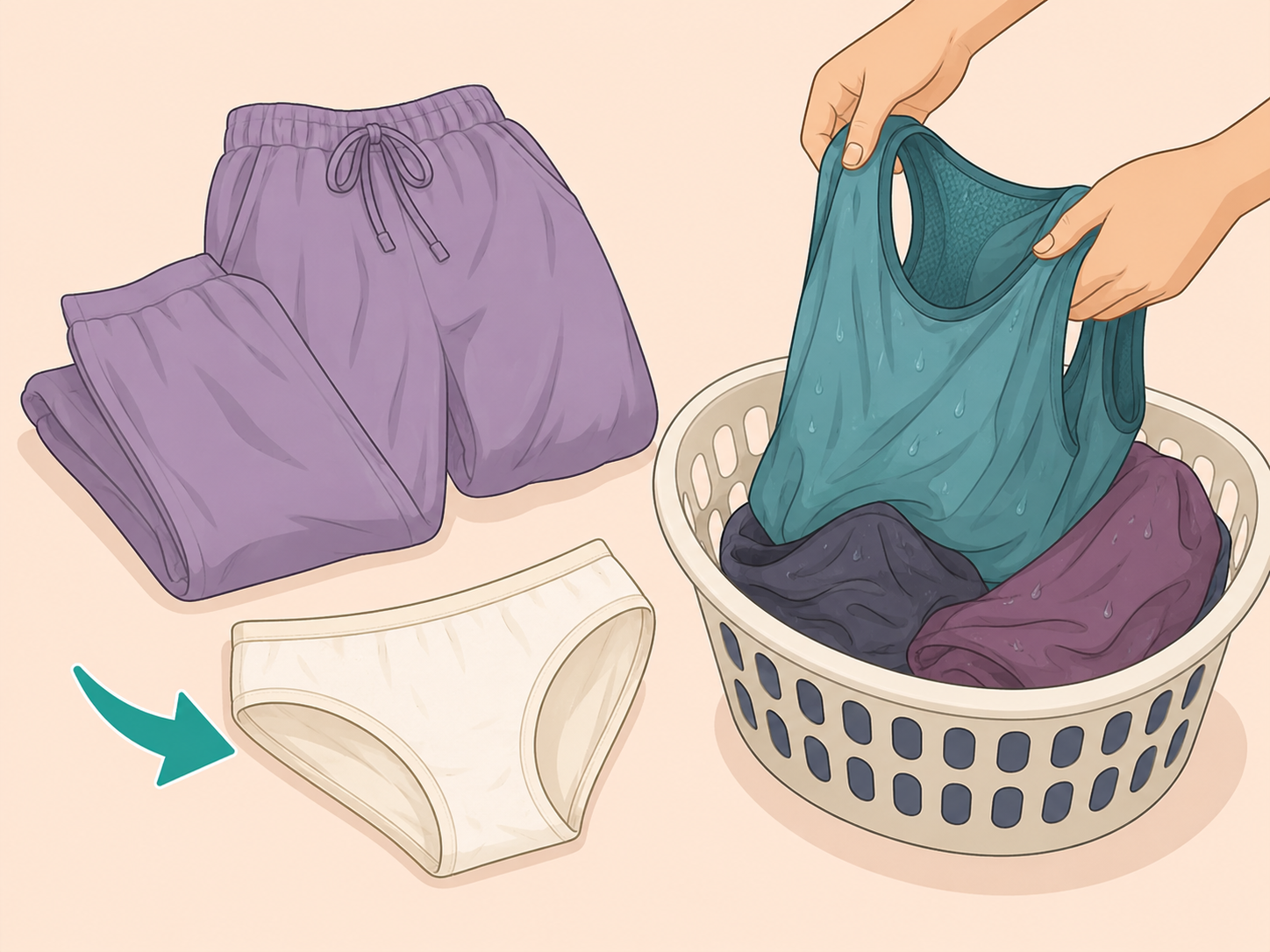
Wear breathable underwear and change damp clothing
Loose, cotton underwear allows more airflow and helps reduce moisture buildup. MedlinePlus recommends wearing cotton underwear and loose-fitting clothes when dealing with vaginitis. Change out of sweaty workout clothes or wet swimwear promptly so the area does not stay warm and damp.
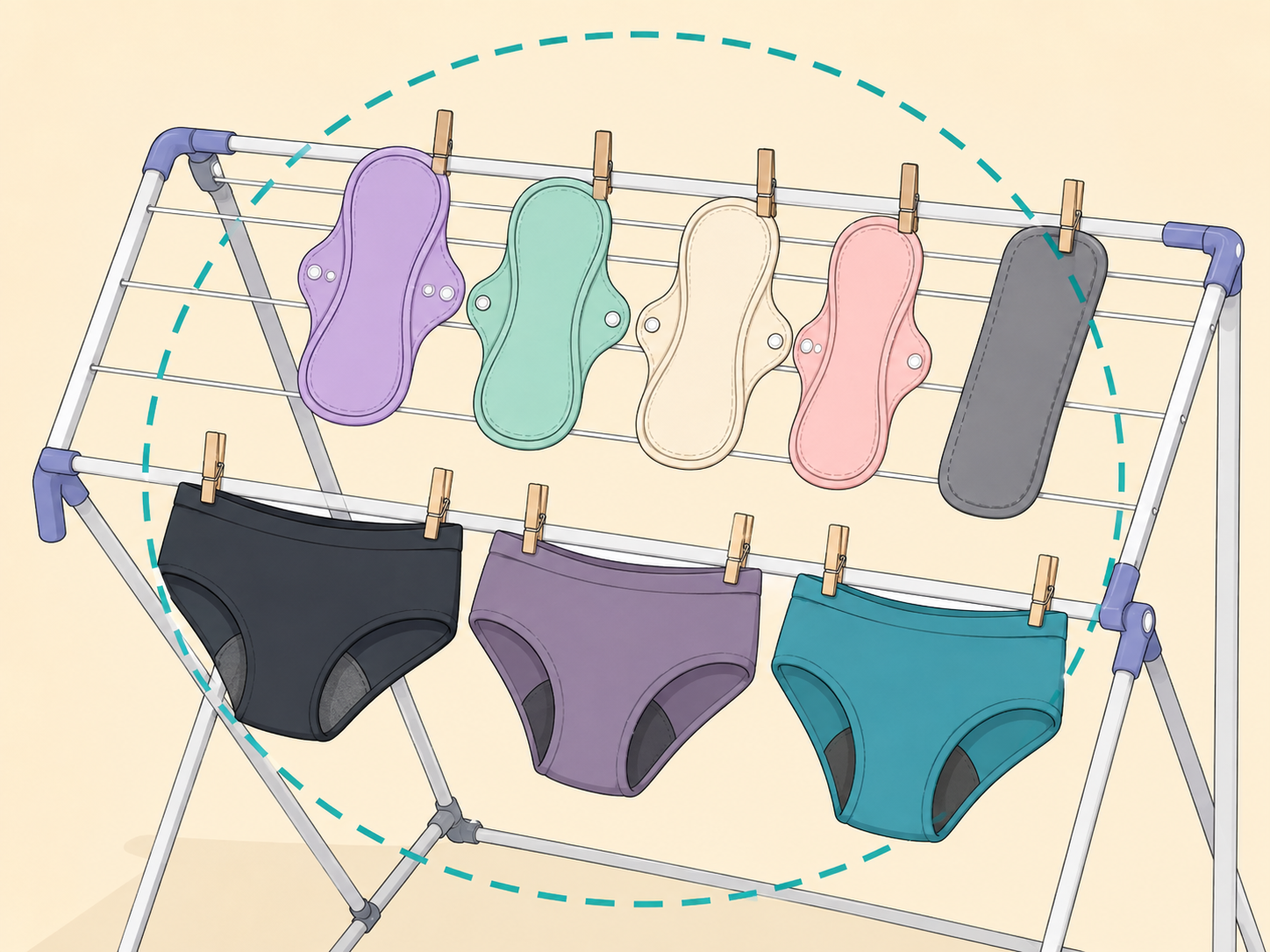
Follow the label for reusable pads and period underwear
Reusable pads and period underwear need careful cleaning and drying between uses. The FDA advises users to follow product instructions and not reuse pads or period underwear longer than recommended. If the product smells unusual after washing, stays damp, or irritates your skin, stop using it.
Seek medical advice for unusual symptoms
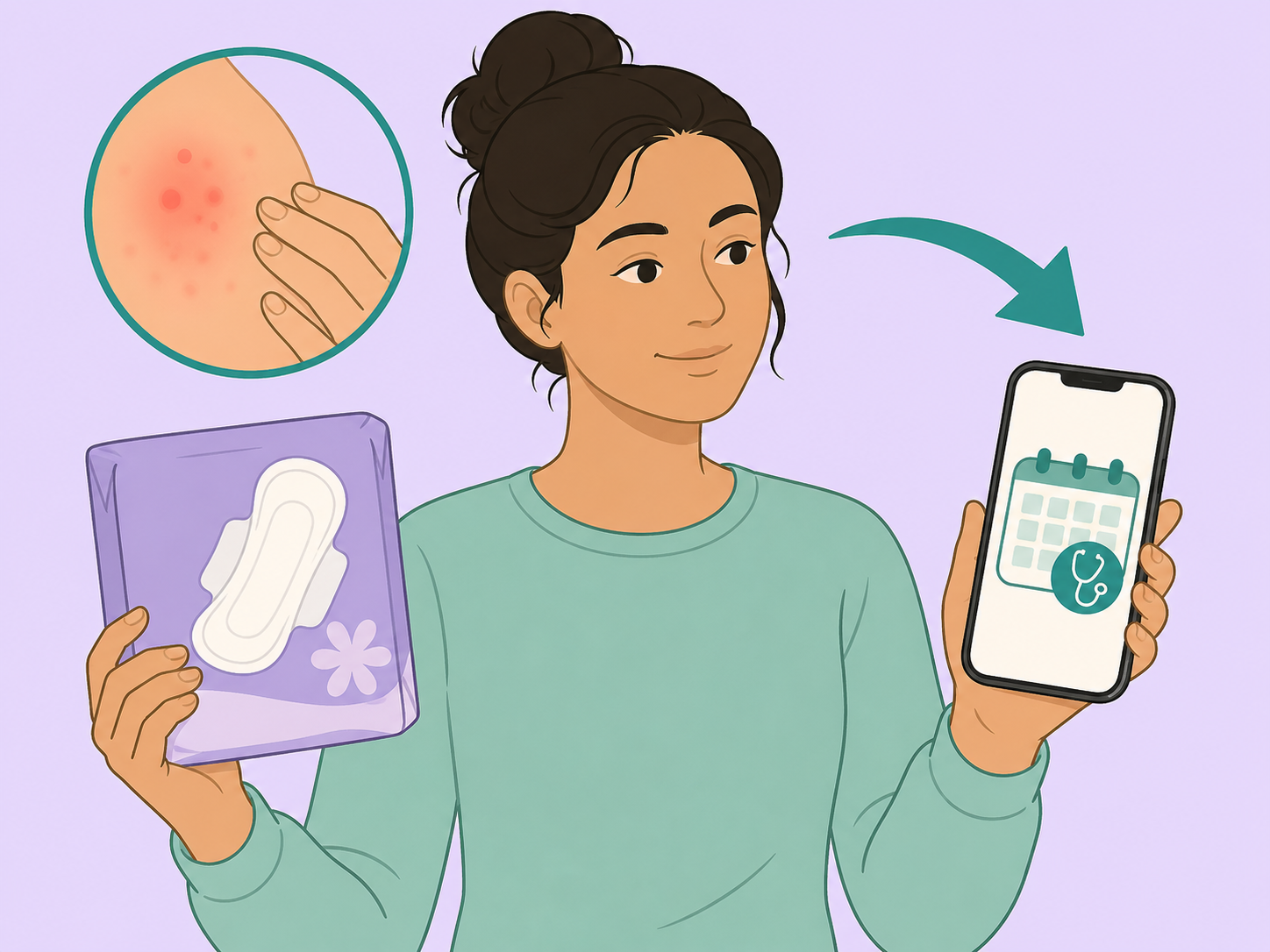
Contact a healthcare provider if you have itching, rash, pain, swelling, discomfort, fever, pelvic pain, or discharge that is different from usual. The FDA says to stop using a pad and contact a healthcare provider if it causes itching, rash, pain, swelling, or discomfort. MedlinePlus also advises contacting a provider for symptoms of vulvovaginitis or symptoms that do not improve.
Summary
The bottom line: choose pads that fit your flow, change them before they are soaked, avoid fragrances and harsh products, and keep the vulvar area clean and dry. If you develop itching, rash, pain, swelling, fever, or unusual discharge, stop using the product that may be irritating you and contact a healthcare provider.
Frequently Asked Questions
- How often should I change a sanitary pad?
The FDA advises changing menstrual pads every few hours, and more often when your flow is heavy. Do not wait until the pad is soaked through.
- Can scented pads cause irritation?
Yes. Cleveland Clinic lists scented pads, pantyliners, soaps, and detergents among products that can irritate the vulva in some people. If you notice itching, burning, or rash, switch to an unscented product and contact a healthcare provider if symptoms continue.
- Can wearing a pad too long cause an infection?
Wearing any menstrual product too long can allow harmful bacteria to grow, according to the FDA. It can also keep moisture against the skin, which may increase irritation.
- Should I wash inside the vagina during my period?
No. NHS and MedlinePlus advise against douching or cleaning inside the vagina because it can disrupt the normal balance of bacteria. Wash the outside area gently and dry it well.
- Are reusable pads and period underwear safe?
They can be safe when used as directed. Follow the product label for how long to wear them, how to wash them, and when to replace them.
- When should I see a doctor about symptoms while using pads?
Contact a healthcare provider if you have itching, rash, pain, swelling, discomfort, fever, pelvic pain, or discharge that is unusual for you. These symptoms can have different causes and may need proper diagnosis.
References
Reliable references aided in composing and refining this content.
- https://www.fda.gov/medical-devices/menstrual-product-options-facts-and-safe-use/menstrual-pads-and-liners
- https://www.fda.gov/medical-devices/products-and-medical-procedures/menstrual-product-options-facts-and-safe-use
- https://my.clevelandclinic.org/health/diseases/15175-vulvitis
- https://www.nhs.uk/conditions/vaginitis
- https://medlineplus.gov/ency/patientinstructions/000566.htm
- https://www.medlineplus.gov/ency/article/000897.htm