
 Pin it
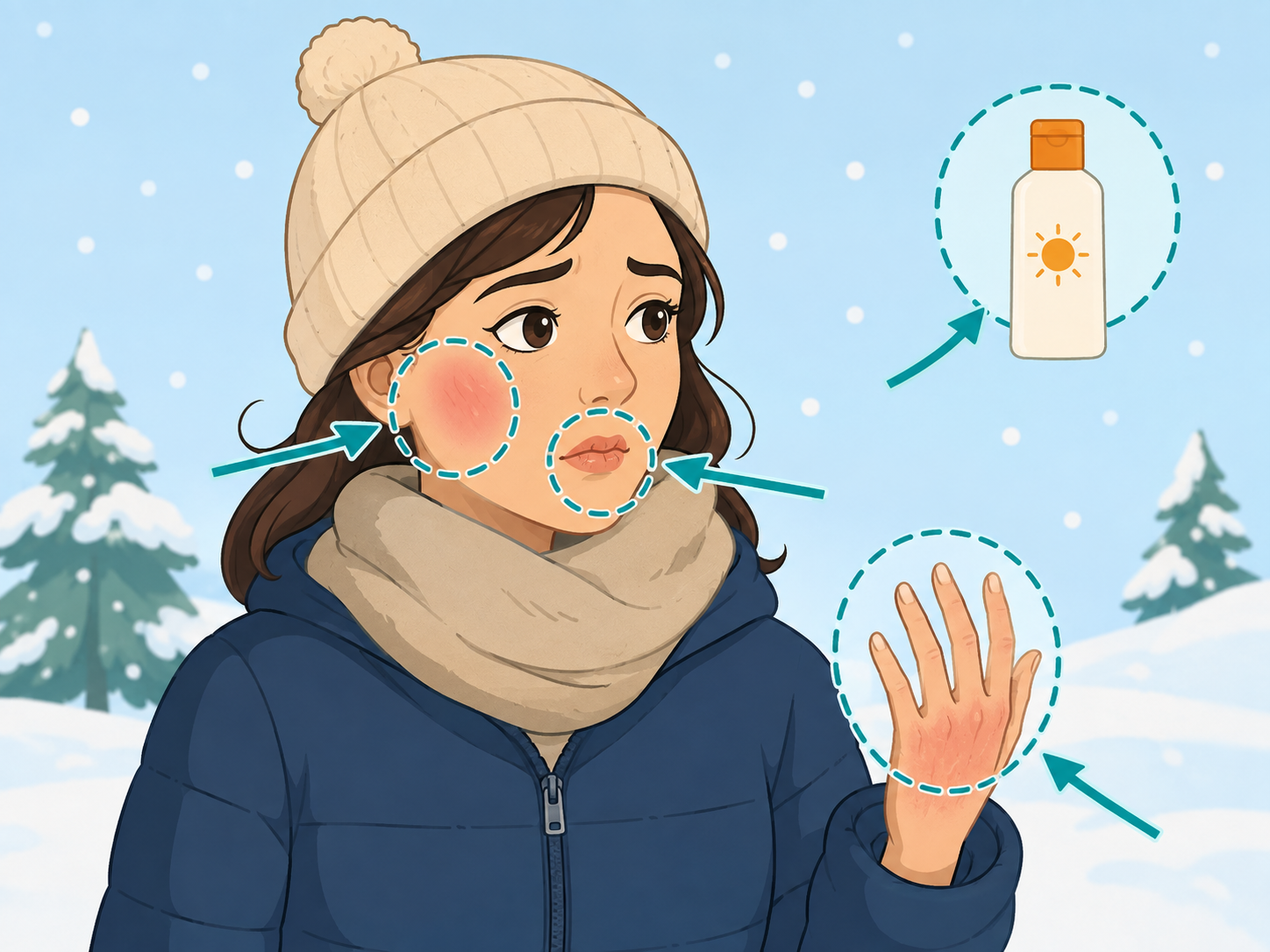
A snowy scene can look calm and pretty, but it also makes winter skin-care mistakes easier to miss. Cold air, indoor heat, wind, and reflected UV light can dry, irritate, and burn exposed skin. Use this guide to spot the most common mistakes and choose safer winter beauty habits.
Look for bare skin exposed to wind and cold
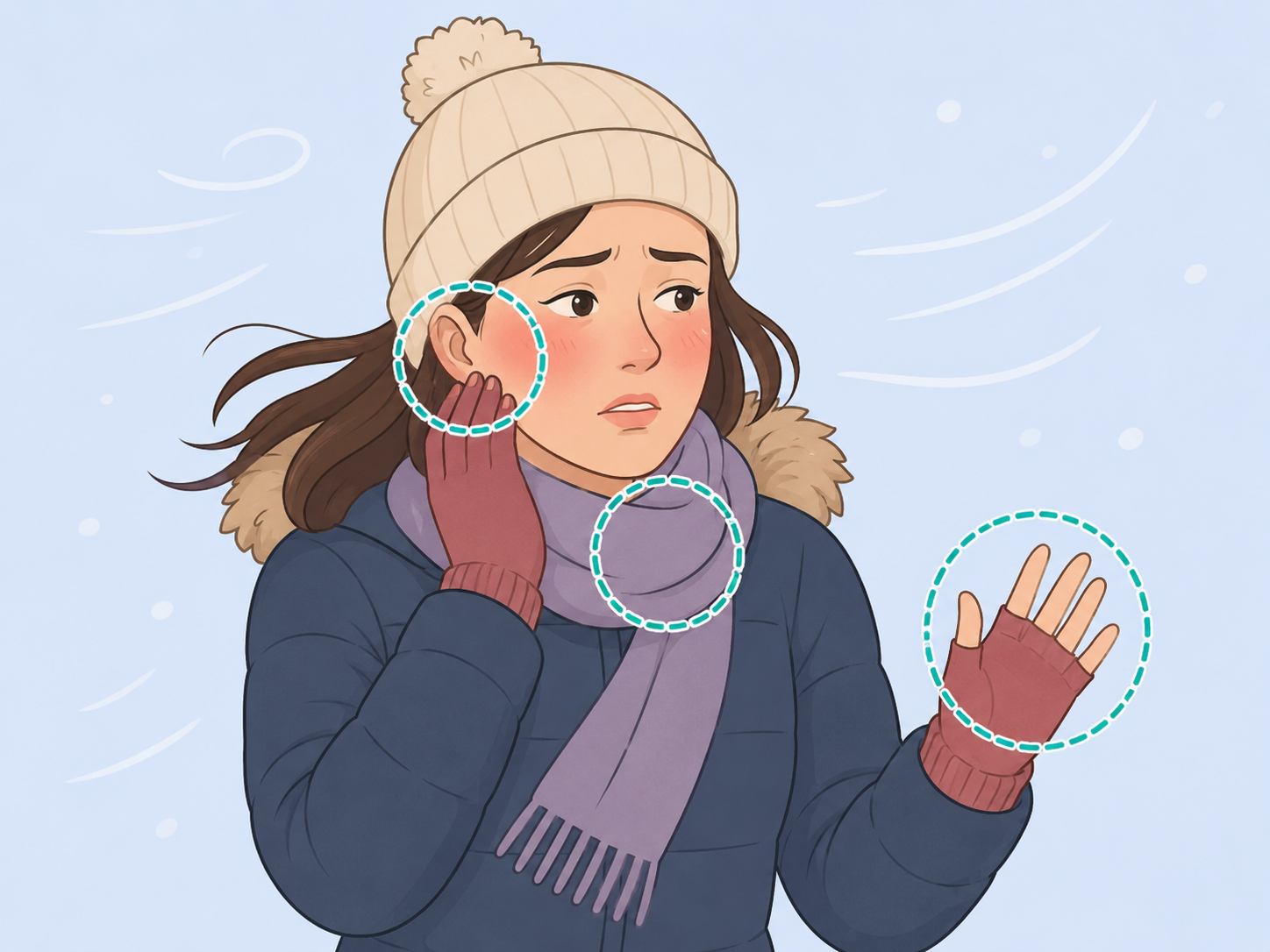
In a snowy scene, the first mistake is uncovered cheeks, ears, hands, or neck in freezing or windy conditions. The American Academy of Dermatology notes that cold weather and low humidity can make skin dry, itchy, and cracked, so covering exposed areas is part of skin care, not just warmth.
Check whether sunscreen is missing
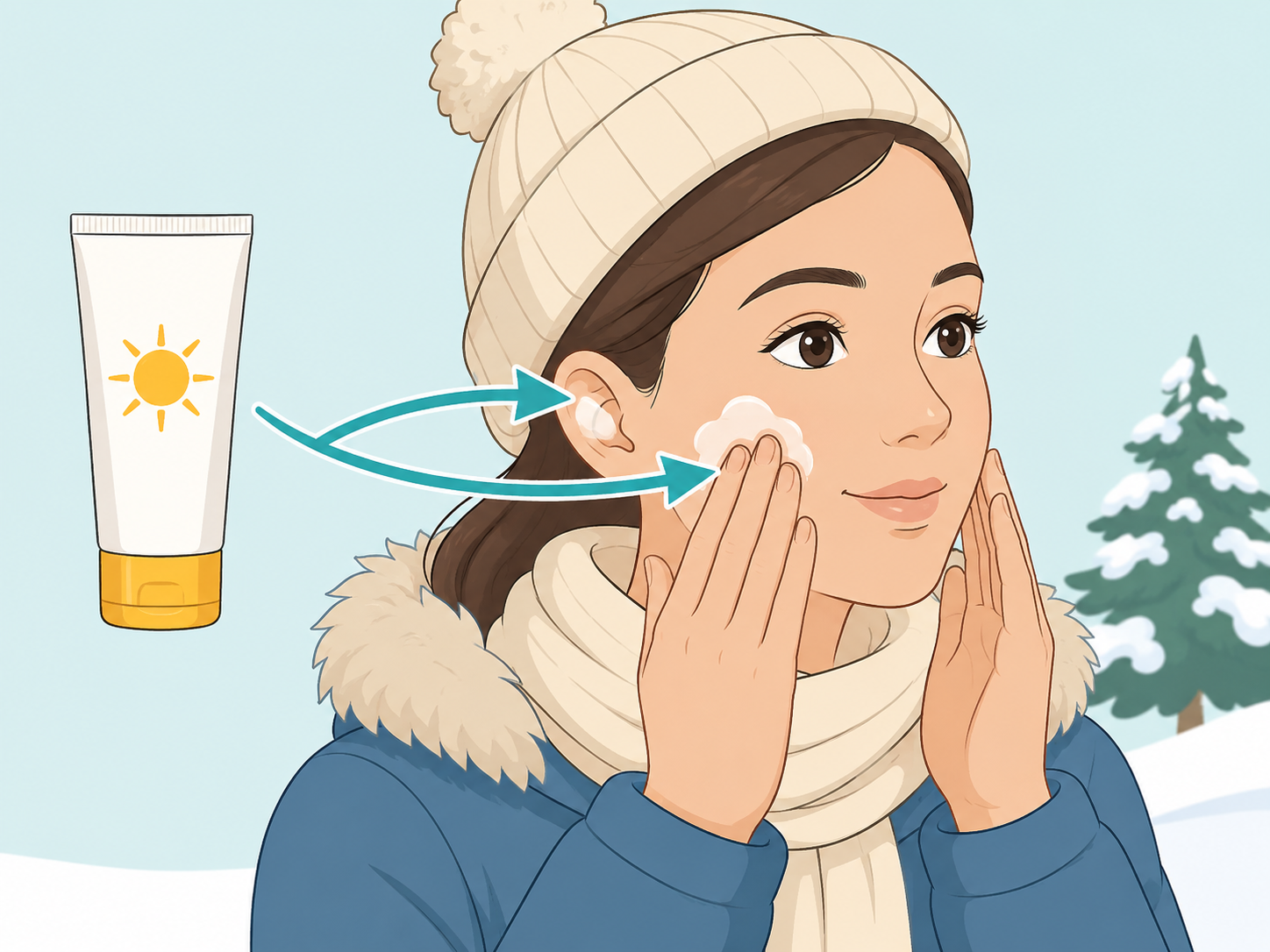
Do not assume sunscreen is only for summer. Snow and higher-altitude winter activities can increase UV exposure, and the AAD recommends broad-spectrum, water-resistant SPF 30 or higher on skin not covered by clothing. In the scene, look for an unprotected face, ears, lips, neck, or hands.
Notice dry or unprotected lips
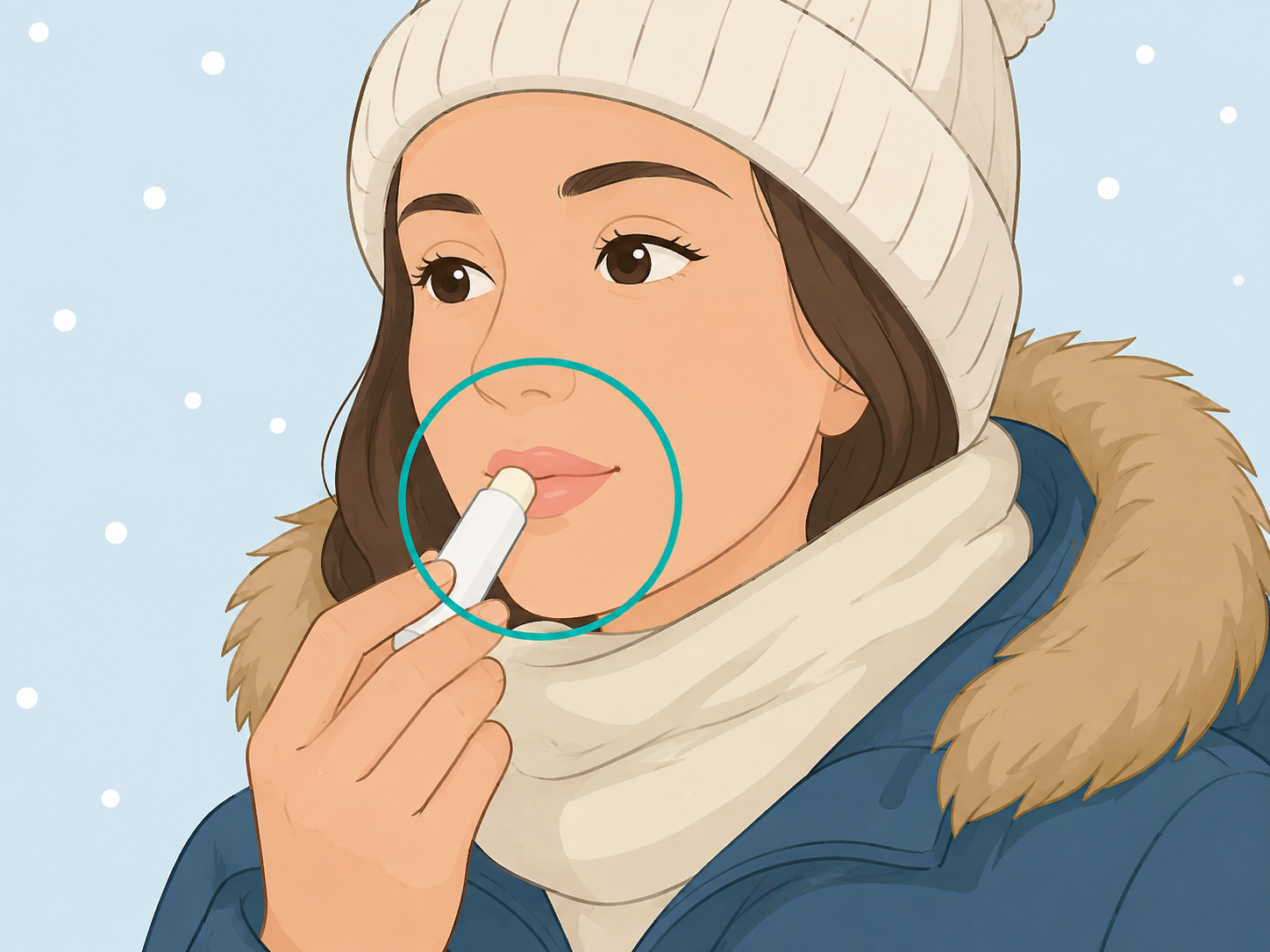
Chapped lips are easy to overlook in a pretty winter photo. Cold, dry air and wind can irritate lips, and Cleveland Clinic advises using simple, fragrance-free lip products and SPF lip balm when you are outdoors. Licking or picking at dry lips usually makes the problem worse.
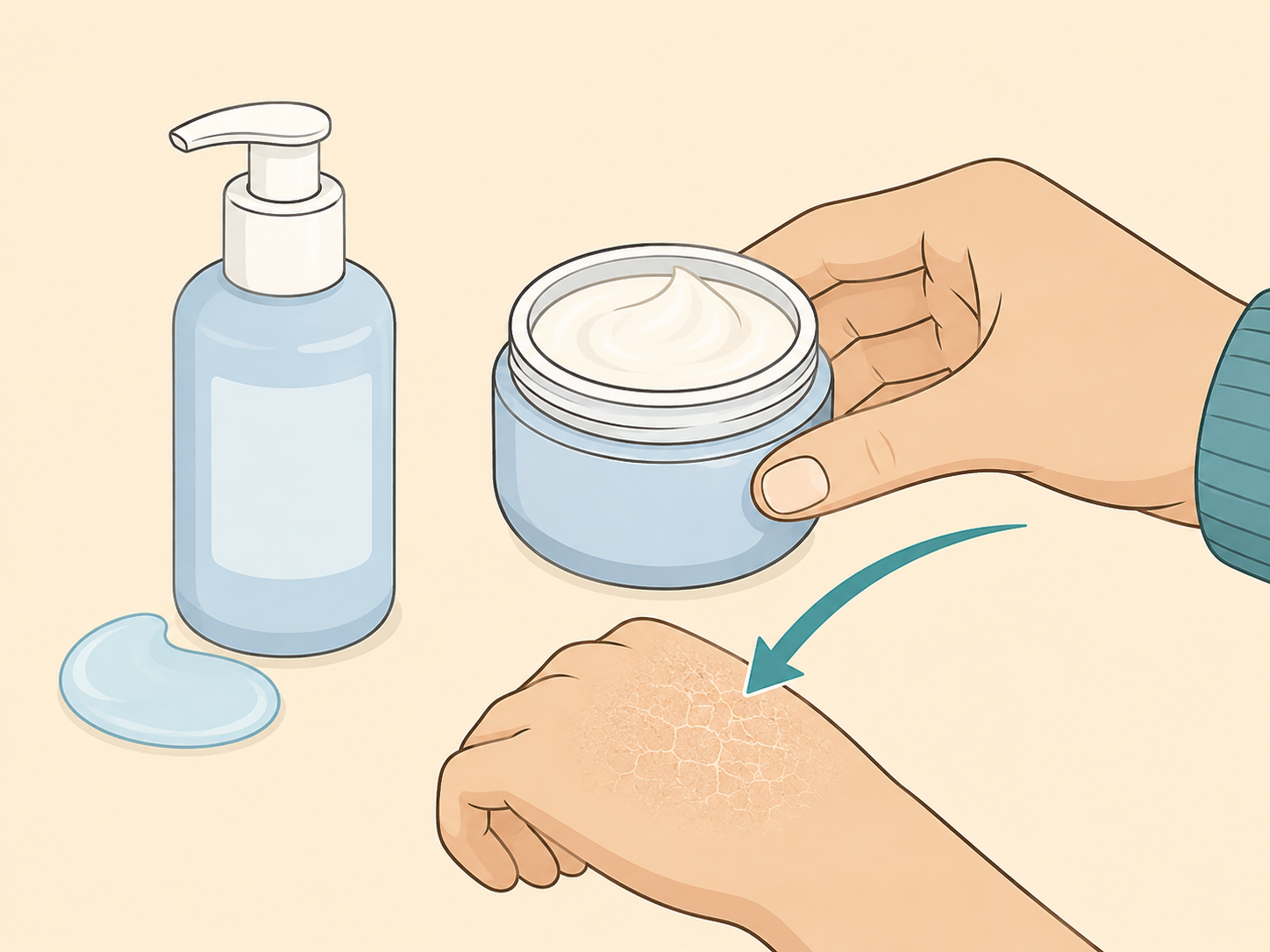
Spot lightweight lotions where richer moisture is needed
A thin summer lotion may not be enough when the air is dry. The AAD says creams and ointments work better than lotions for very dry skin, especially when applied after washing while the skin is still slightly damp. Look for hands, elbows, cheeks, or legs that appear rough or flaky.
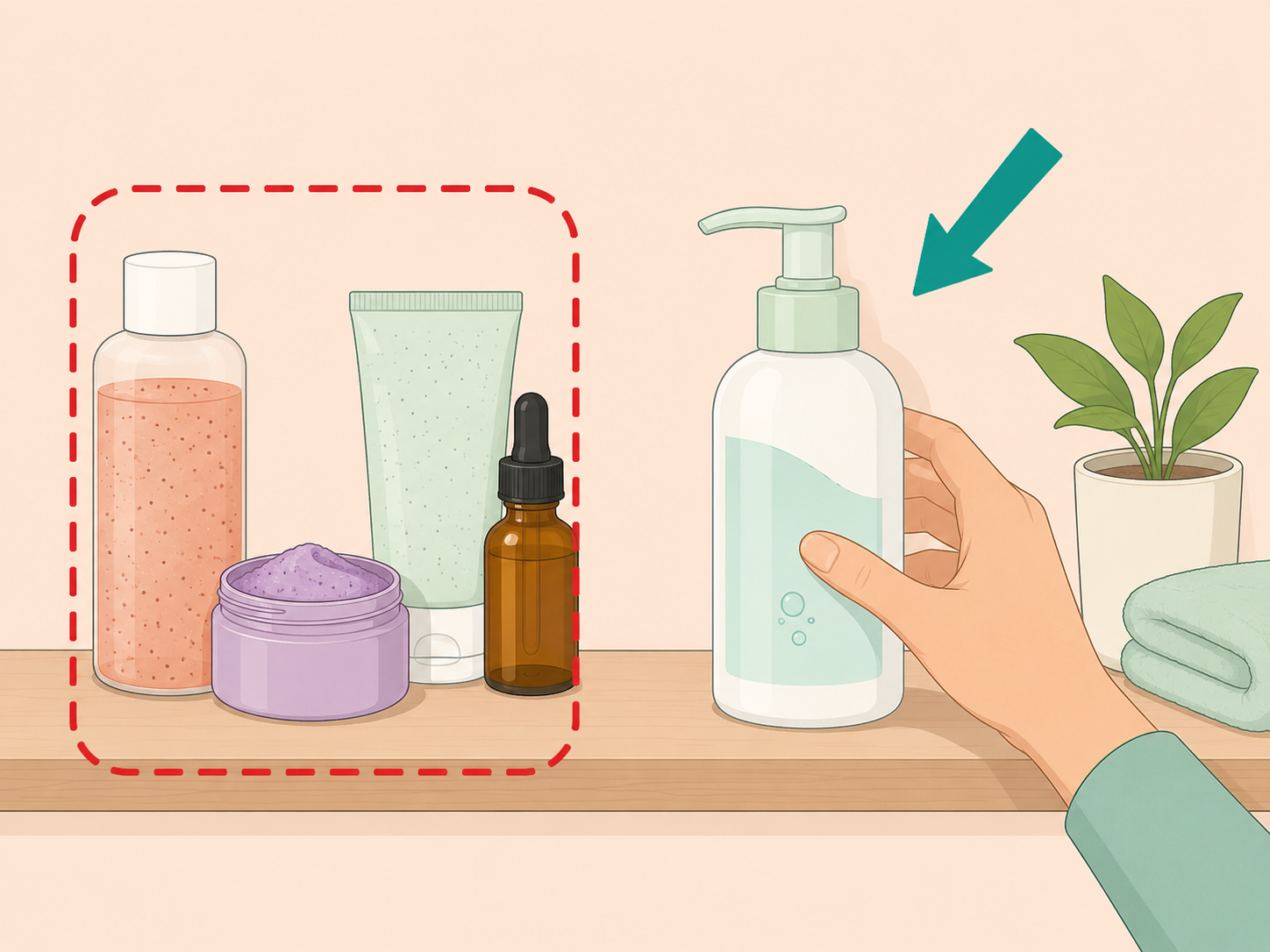
Avoid harsh products when the skin looks stressed
If the snowy-scene routine includes strong acids, retinoids, alcohol-heavy toners, or fragranced products on already dry skin, that can be the mistake. Dermatologists in the AAD winter skin guide suggest choosing gentle, moisturizing cleansers and being cautious with drying rejuvenating ingredients in winter. Keep the routine simple until irritation settles.
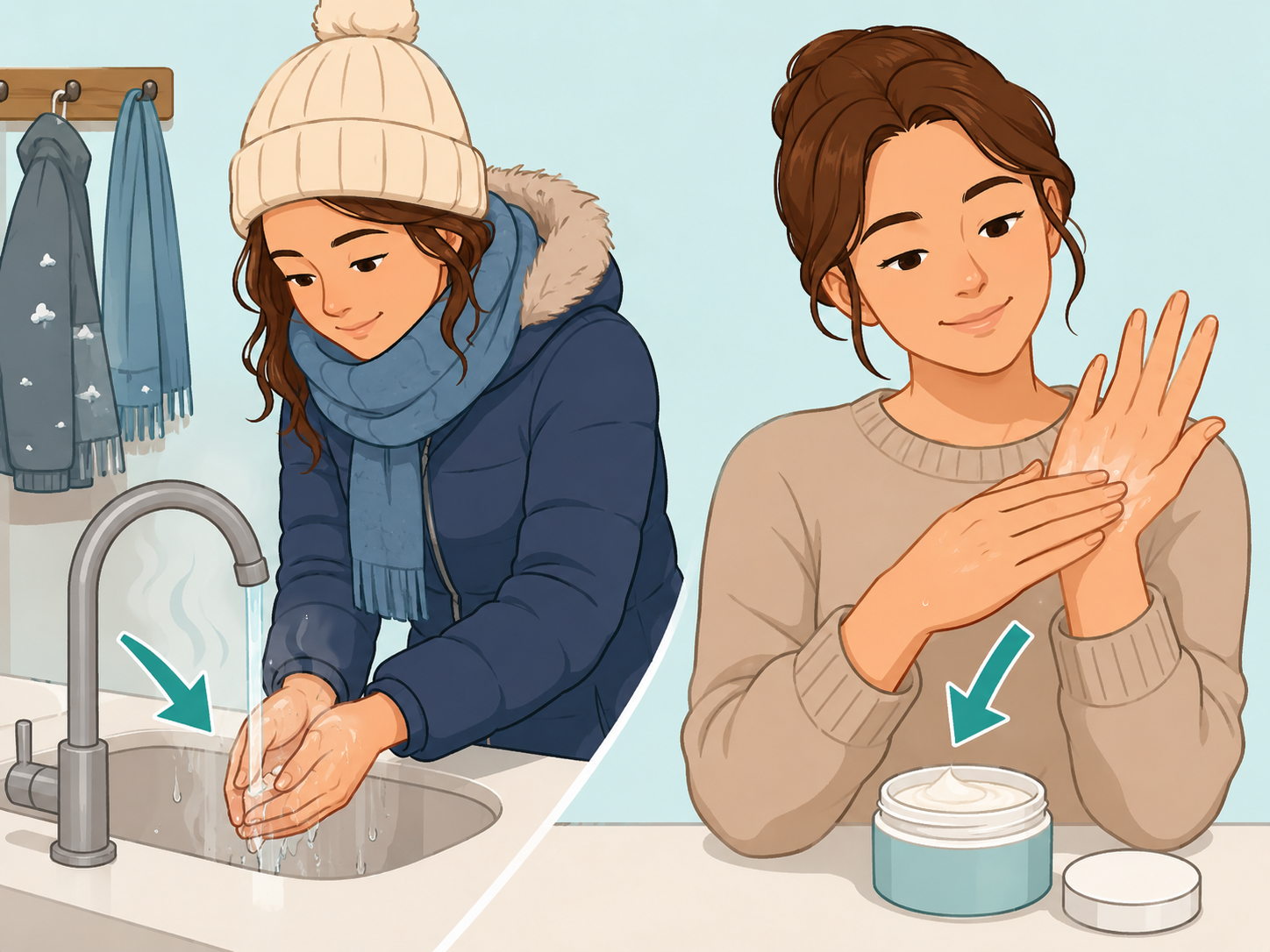
Use warm water instead of hot water after coming inside
A steaming shower can feel good after snow, but hot water can worsen dryness. The AAD recommends warm rather than hot baths and showers and applying moisturizer soon afterward to help trap moisture. In a winter beauty routine, the better move is gentle cleansing, patting dry, and moisturizing promptly.
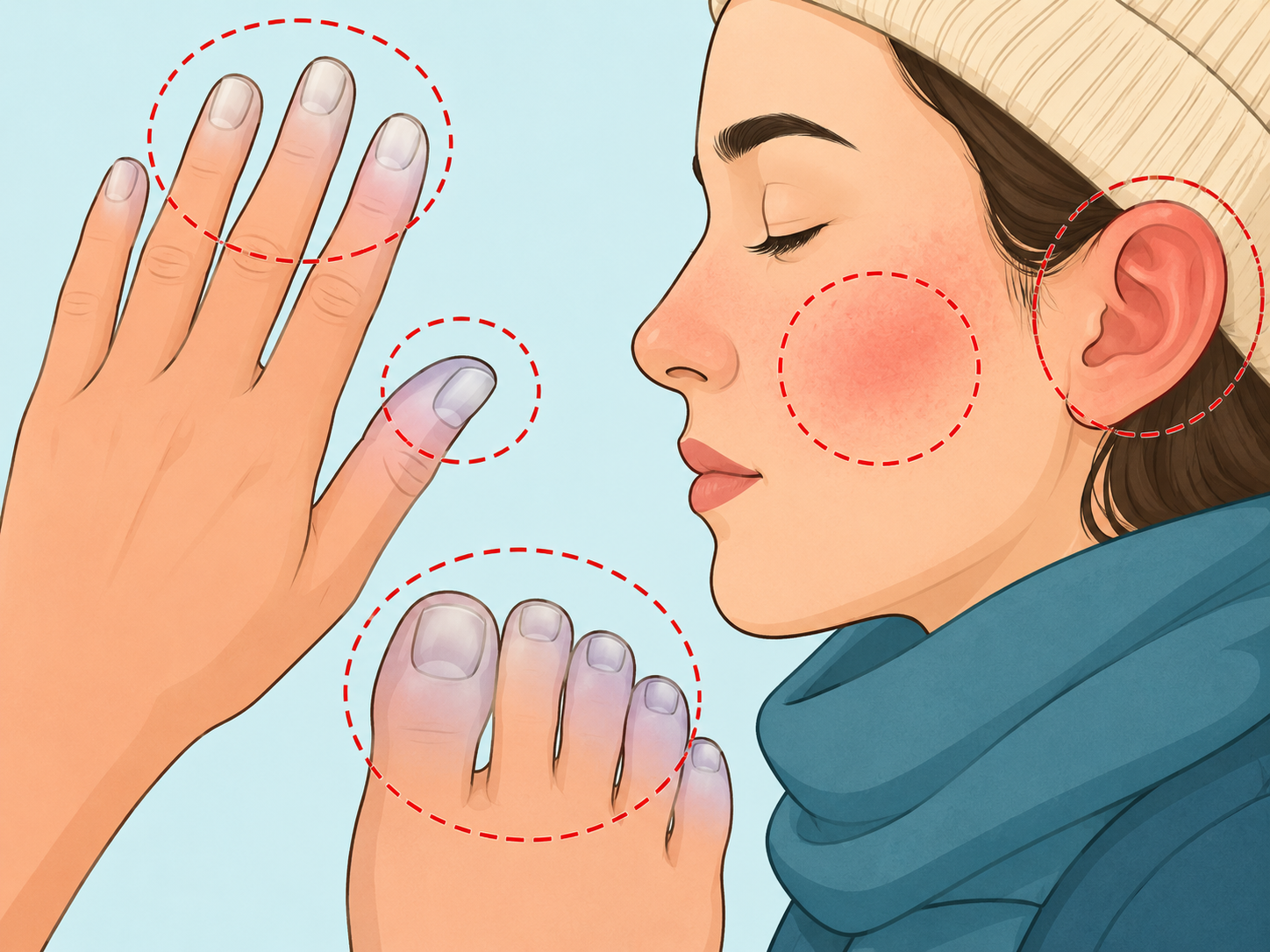
Watch fingers, toes, cheeks, and ears for cold-injury signs
Cold-weather skin problems are not always cosmetic. The CDC warns that redness or pain can be an early frostbite warning, and numb, firm, waxy, white, grayish, or yellowish skin needs medical attention. The NHS also notes that chilblains can appear after cold exposure, often as itchy or burning patches on fingers or toes.
Seek help when symptoms are more than mild dryness
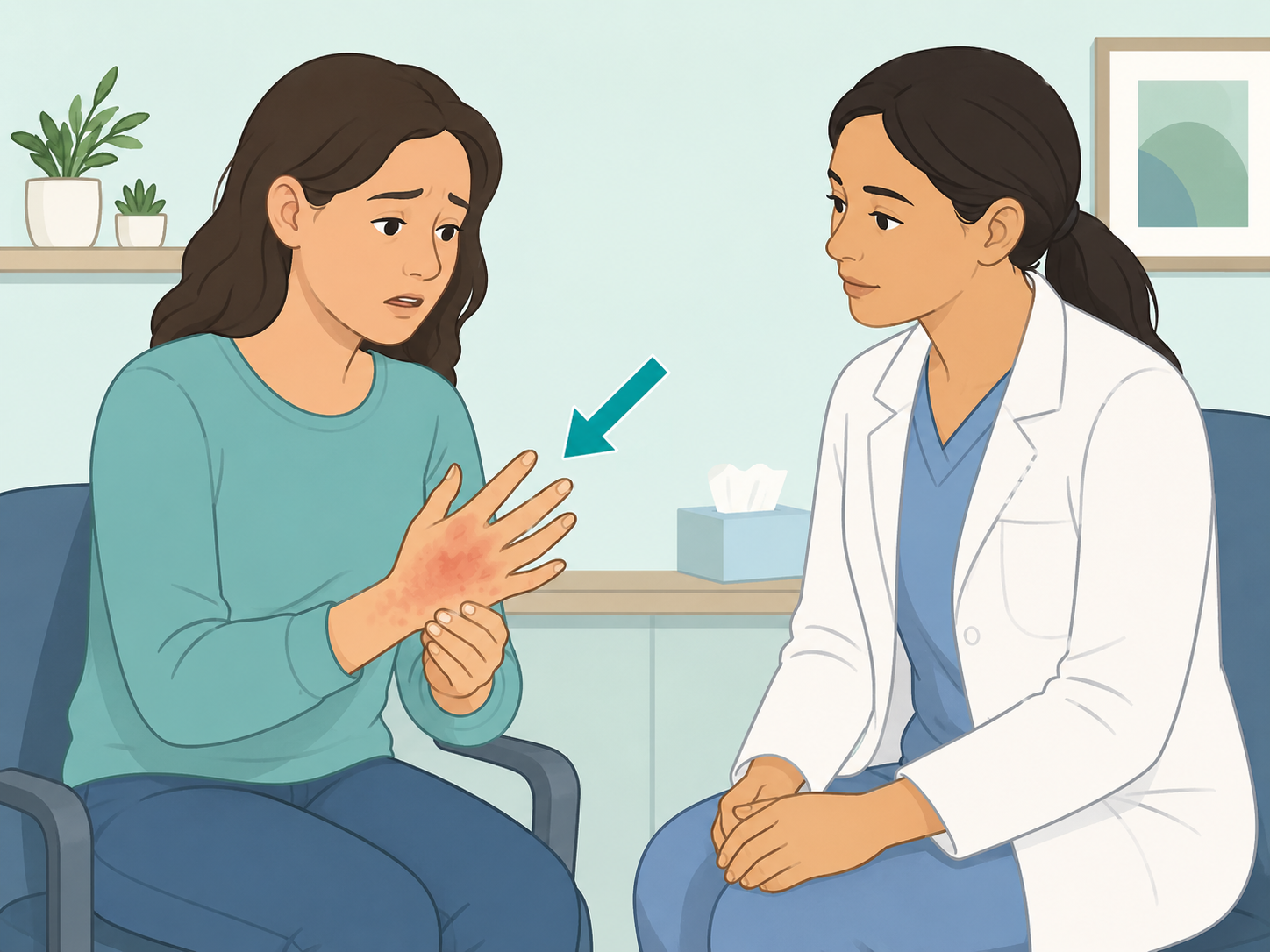
Talk to a doctor or qualified health professional if dryness cracks, bleeds, becomes infected, keeps returning, or does not improve with gentle care. Seek urgent help for possible frostbite symptoms such as numbness, hard or waxy skin, blisters after rewarming, or severe pain, as Mayo Clinic explains frostbite can damage deeper tissues. Get emergency help if cold exposure is paired with confusion, slurred speech, drowsiness, or trouble walking.
Summary
The bottom line: in snowy weather, protect exposed skin from both cold and UV light, switch to gentler moisture-focused products, and take numbness, severe pain, blisters, or unusual skin color changes seriously.
Frequently Asked Questions
- What is the biggest beauty mistake in snowy weather?
Skipping sun protection is a common one. Snow can reflect UV light, so exposed areas like the face, lips, ears, neck, and hands still need protection even when the air feels cold.
- Do I need sunscreen if it is cloudy or snowing?
Yes, it is still a good habit to protect exposed skin in winter. The American Academy of Dermatology recommends broad-spectrum, water-resistant sunscreen with SPF 30 or higher for exposed skin when you are outdoors.
- Should I exfoliate more when my skin looks flaky in winter?
Usually no. Flaking can be a sign that your skin barrier is dry or irritated, so using a gentle cleanser and a thicker moisturizer is often a better first step than scrubbing.
- What lip product is best for snowy weather?
Choose a simple, fragrance-free lip balm or petroleum jelly. If you will be outside, use an SPF lip balm and reapply it during longer outdoor time.
- Can cold weather make fine lines look more noticeable?
Dry winter air can make skin look duller and lines more visible because the skin has less surface moisture. Moisturizing regularly and using gentler products can help the skin look more comfortable.
- When should I worry about cold skin after being outside?
Get out of the cold and seek medical help if skin becomes numb, hard, waxy-looking, blistered, very painful, or unusually pale, gray, blue, purple, or dark after cold exposure.
References
Reliable references aided in composing and refining this content.
- https://www.aad.org/news/cold-weather-and-your-skin.html
- https://www.aad.org/public/everyday-care/sun-protection/shade-clothing-sunscreen/cold-weather
- https://www.aad.org/public/everyday-care/skin-care-basics/dry/dermatologists-tips-relieve-dry-skin
- https://www.aad.org/public/everyday-care/skin-care-basics/care/winter-skin-survival-kit
- https://health.clevelandclinic.org/how-to-get-rid-of-chapped-lips
- https://www.cdc.gov/winter-weather/prevention/preventing-frostbite.html
- https://www.mayoclinic.org/diseases-conditions/frostbite/symptoms-causes/syc-20372656
- https://www.nhs.uk/conditions/chilblains