
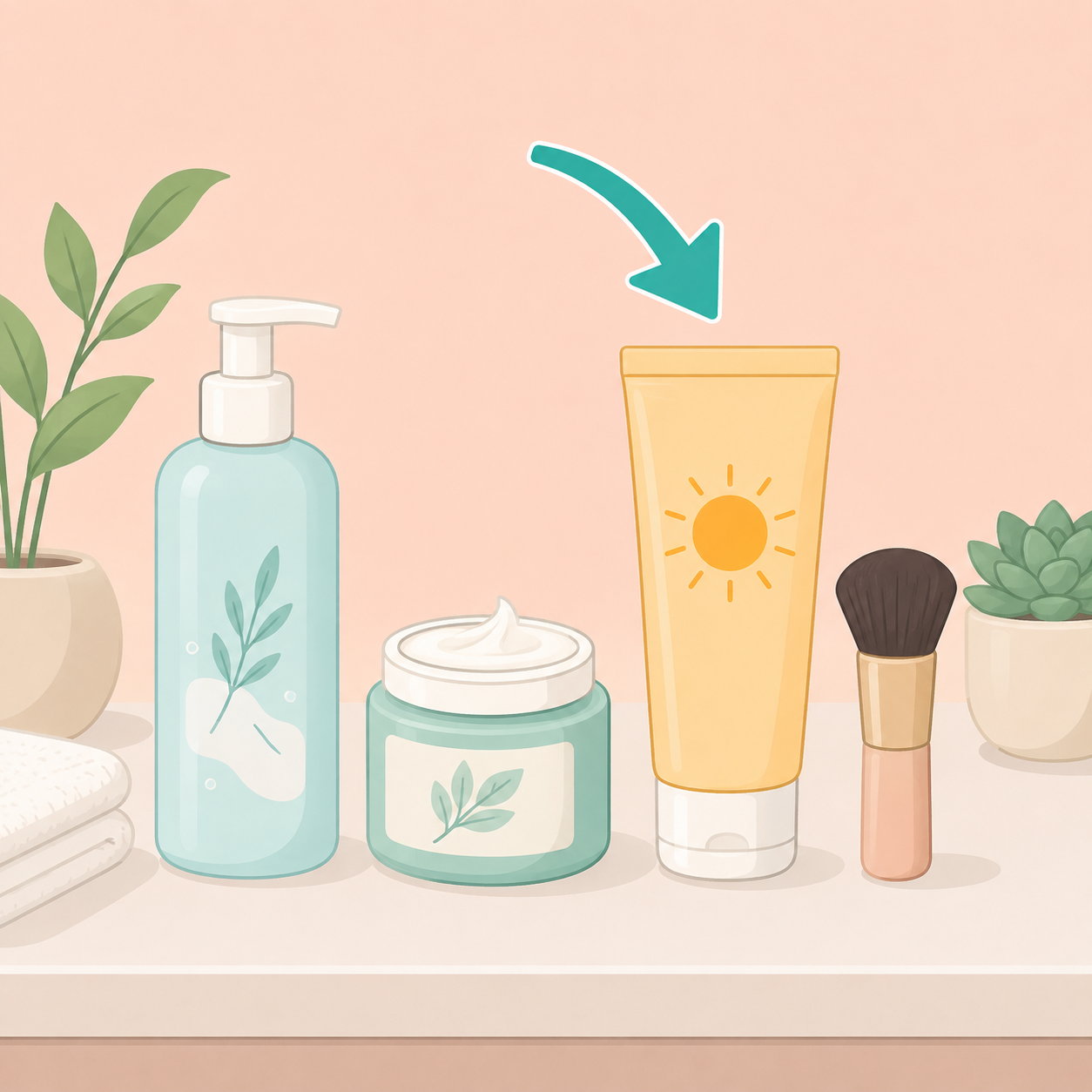
 Pin it
A good beauty routine does not need to be complicated or expensive. The basics are gentle cleansing, moisture, sun protection, and careful product choices that match your skin. This guide explains how to build a simple routine while avoiding common habits that can irritate your skin.
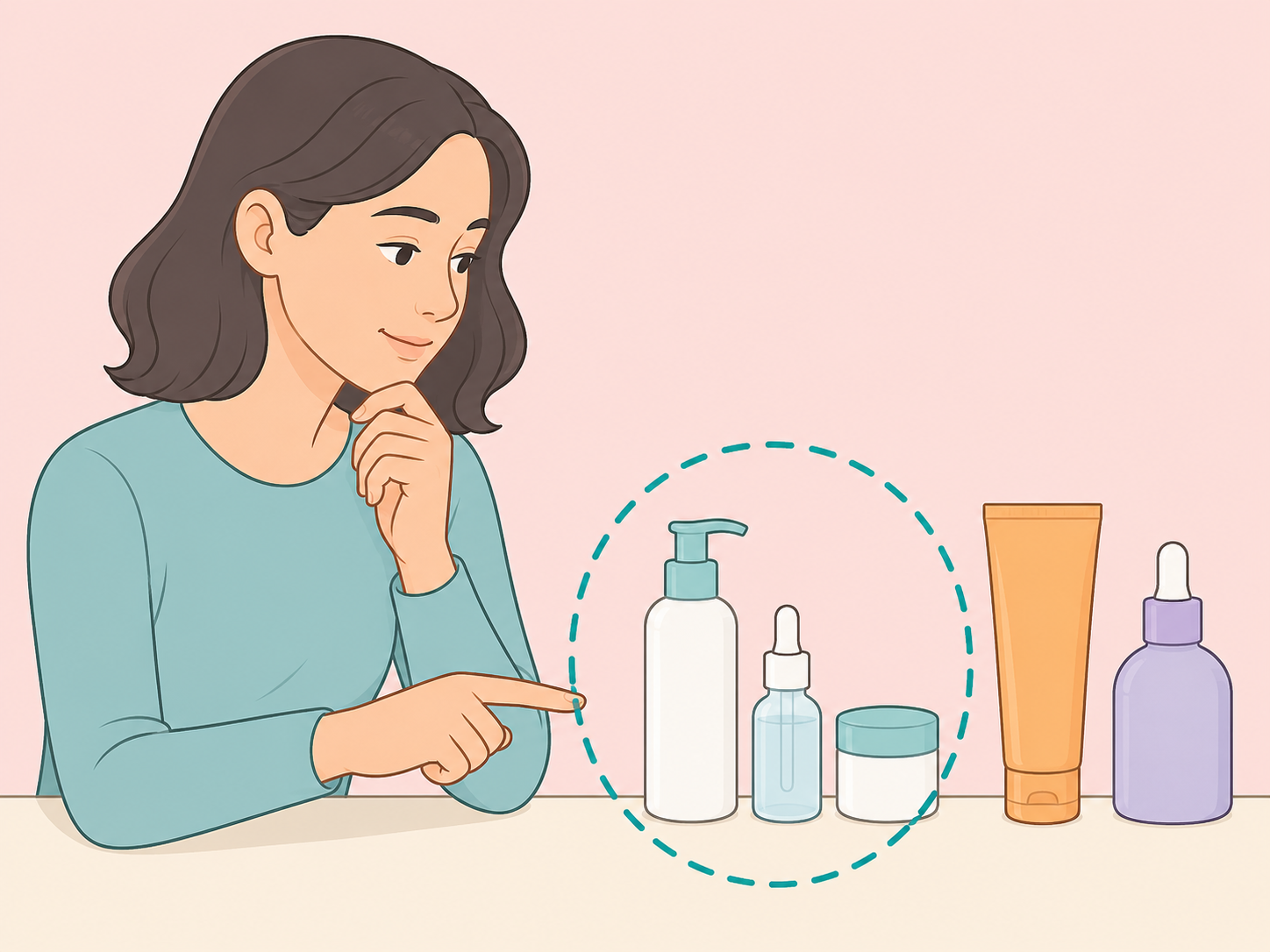
Choose products for your skin’s needs
Start by noticing whether your skin tends to feel oily, dry, sensitive, combination, or acne-prone. The American Academy of Dermatology says products work best when they are matched to your skin’s needs, so avoid buying a full routine just because it is trending. A short routine is easier to use consistently and easier to troubleshoot if irritation appears.
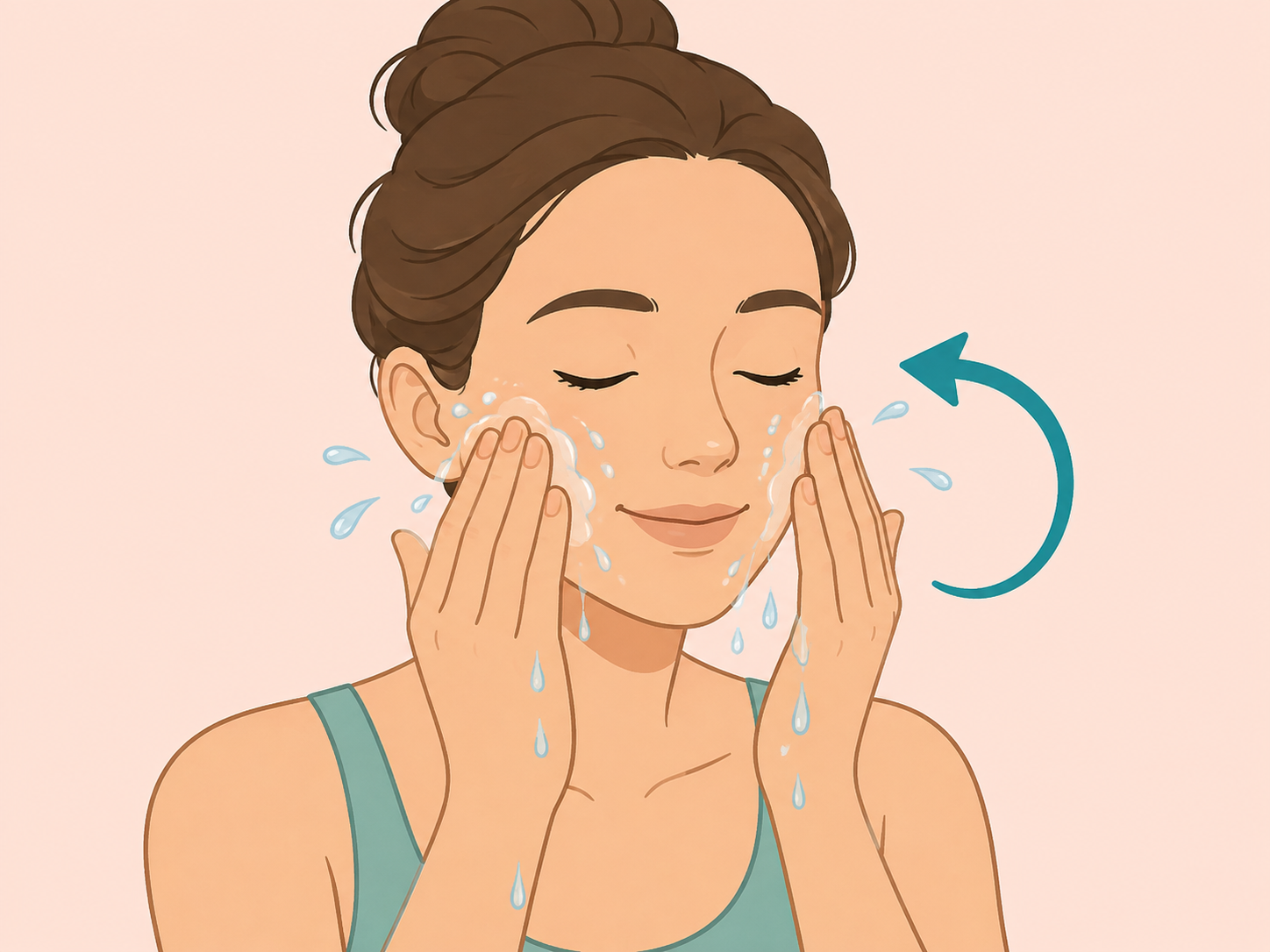
Cleanse gently without scrubbing
Wash with a mild cleanser and warm water, then pat your face dry instead of rubbing. Dermatologists recommend washing when you wake, before bed, and after heavy sweating, and they warn that scrubbing can irritate skin and worsen some skin conditions. If your skin feels tight or stings after cleansing, switch to a gentler cleanser.
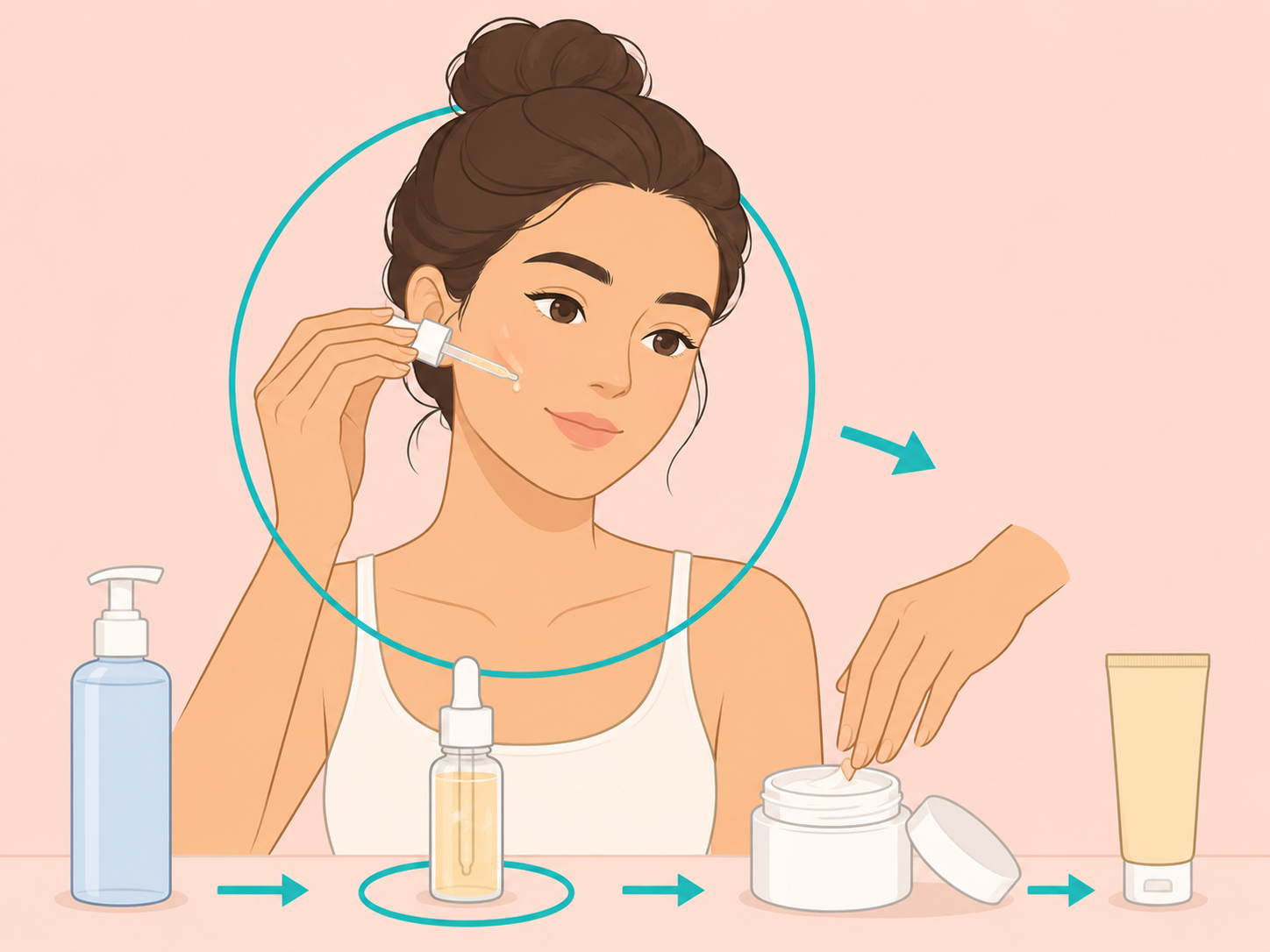
Apply treatments before moisturizer
If you use a prescription treatment, acne product, or targeted serum, apply it after cleansing and before moisturizer unless your doctor or the product label says otherwise. The AAD’s basic order is to cleanse, apply medication or treatment, then moisturize or use sunscreen. Use treatments exactly as directed, and do not change prescribed products without talking to your health professional.
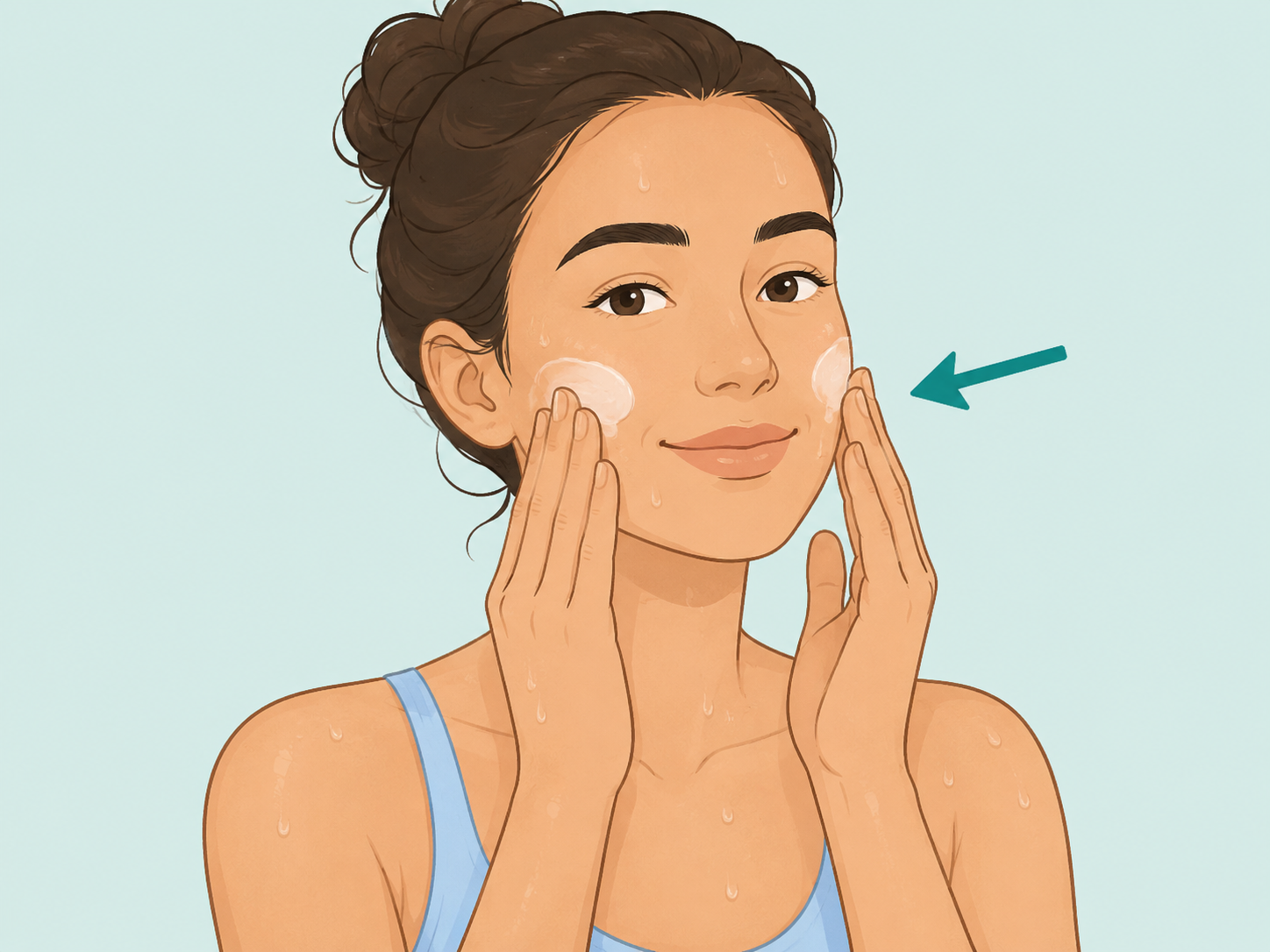
Moisturize after washing
Moisturizer helps reduce dryness and supports a comfortable skin barrier. If you are acne-prone, look for labels such as oil-free, non-comedogenic, or won’t clog pores; the AAD notes that applying moisturizer after washing can help trap water in the skin. Apply it while your skin is slightly damp for a smoother feel.
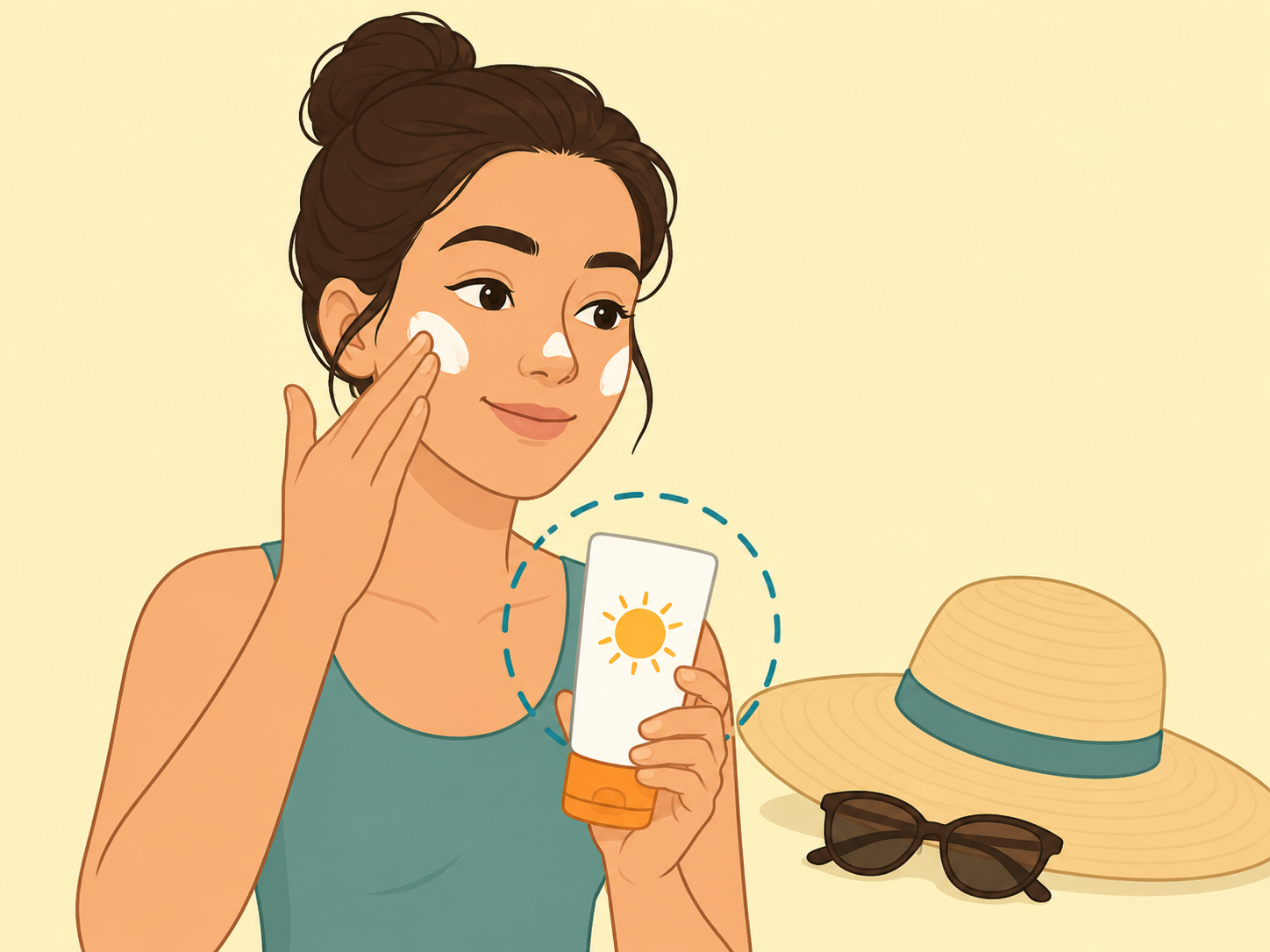
Protect your skin with sunscreen every morning
Use a broad-spectrum sunscreen with SPF 30 or higher as the last skin-care step in the morning. MedlinePlus recommends broad-spectrum, water-resistant sunscreen, plus shade, hats, sunglasses, and protective clothing when you are outdoors. Reapply according to the label, especially after sweating or swimming.
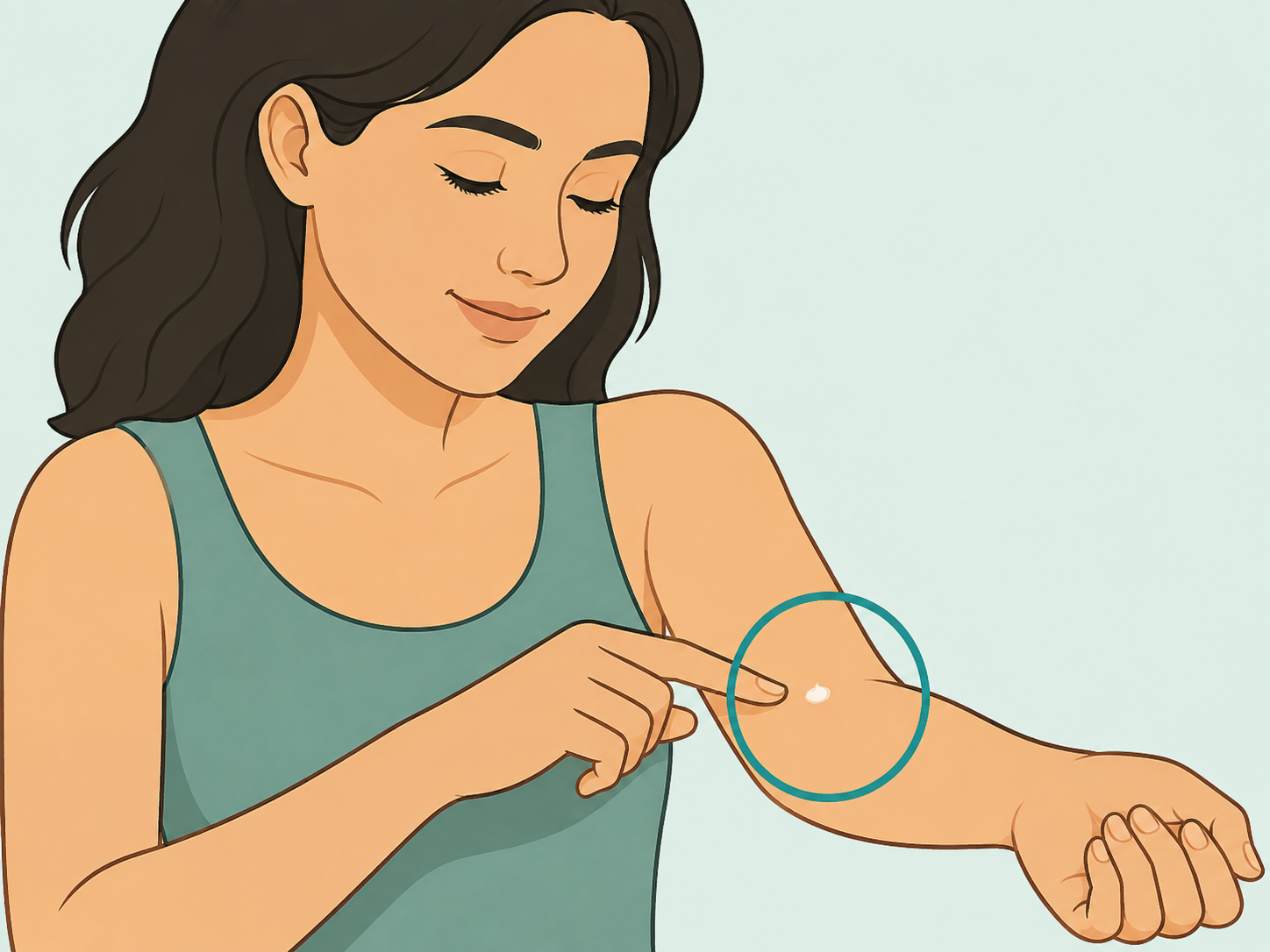
Test new products before using them widely
Introduce only one new product at a time so you can tell what your skin tolerates. Dermatologists recommend applying a new skin-care product to a small test spot for seven to 10 days before full use. Stop using it and wash it off if you develop redness, itching, swelling, or a strong burning feeling.
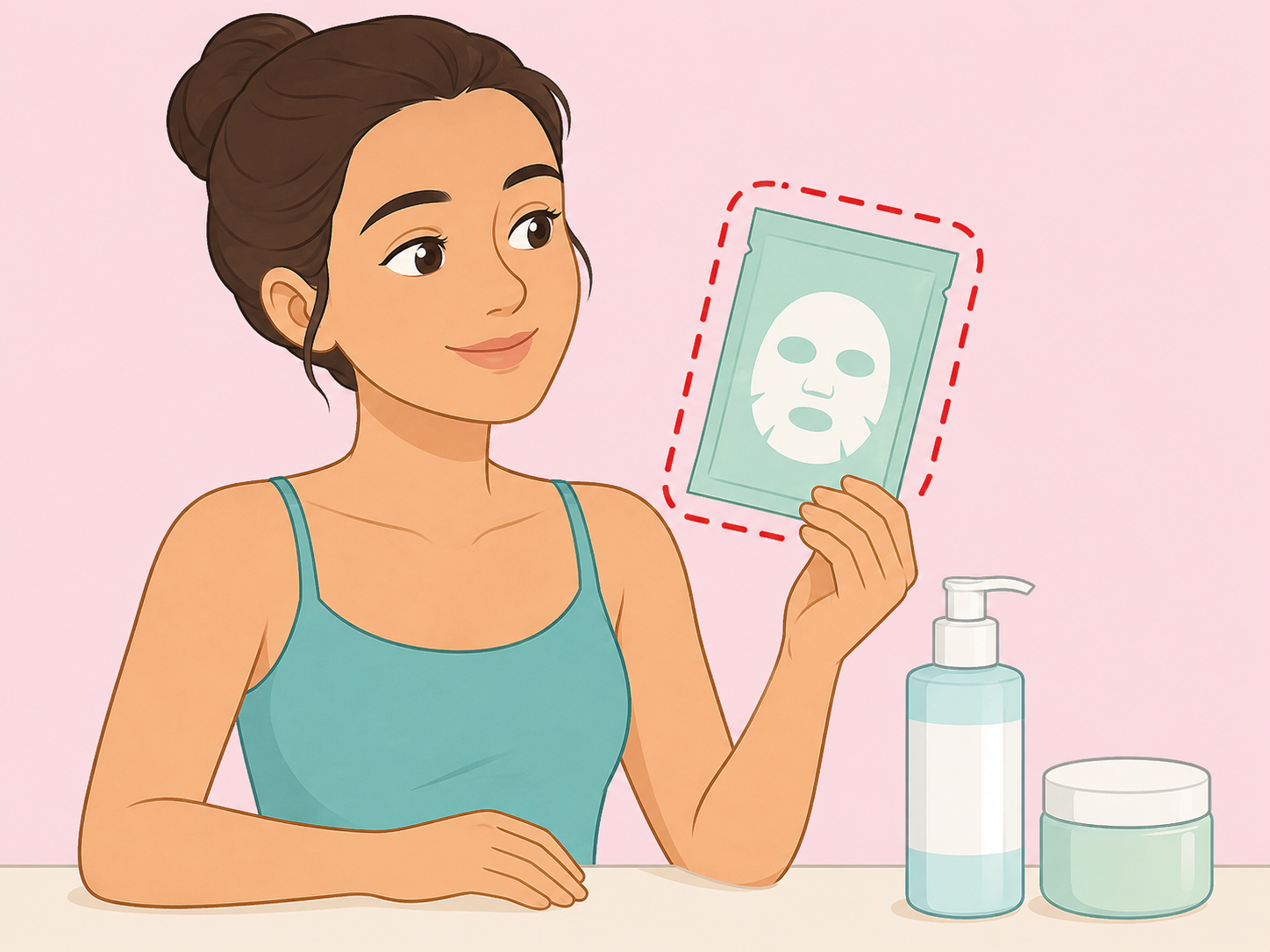
Use masks and extras sparingly
Facial masks, exfoliants, and special serums can be optional extras, not the foundation of your routine. The AAD says masks should not replace regular cleansing, moisturizing, and sun protection, and you should follow the label and avoid irritating combinations. If a mask itches, burns, or stings, rinse it off right away.
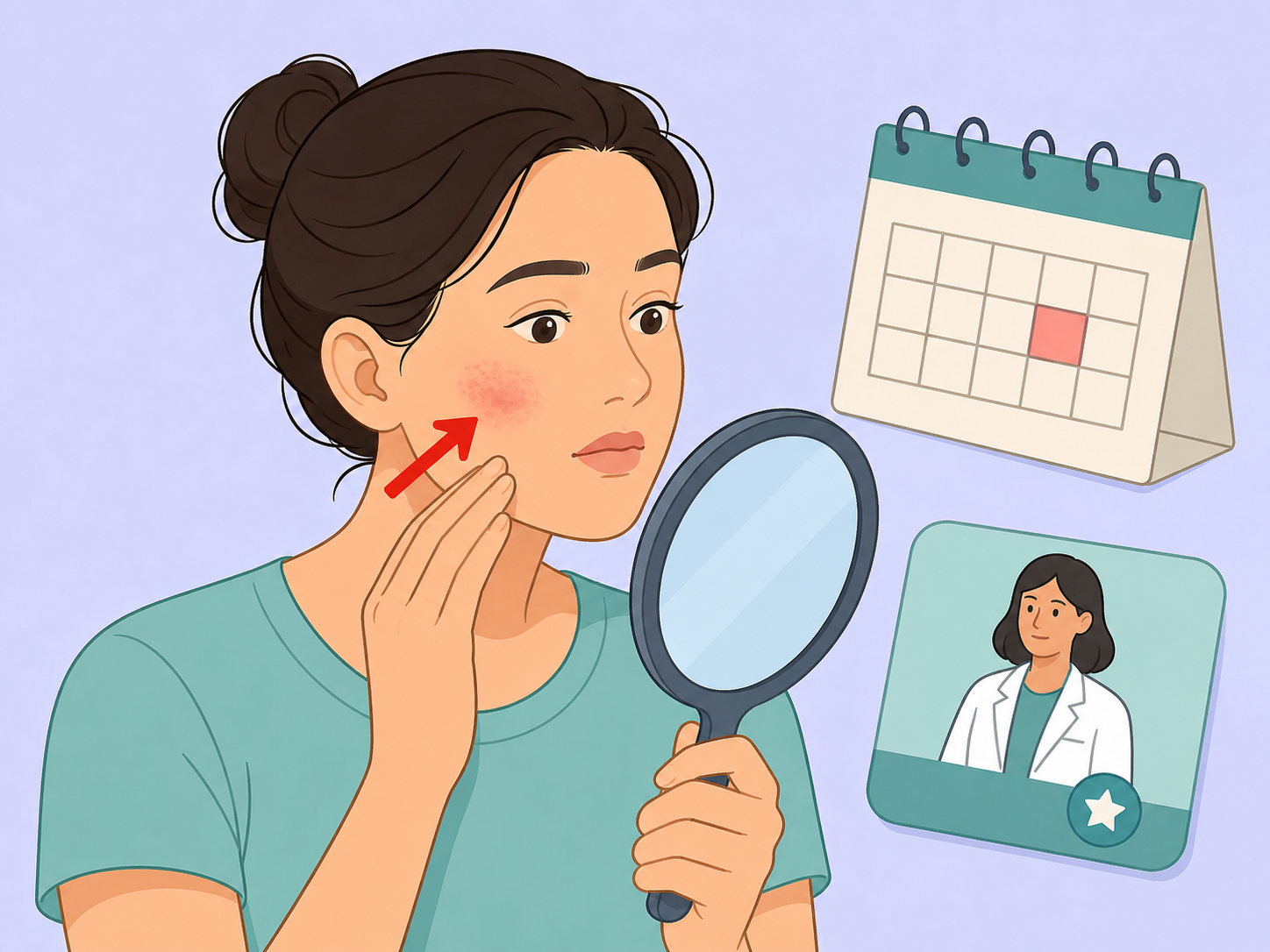
See a dermatologist for persistent or changing skin concerns
Make an appointment if you notice a spot that changes, itches, bleeds, or looks different from your other spots, or if a rash, acne, irritation, or sensitivity does not improve. The AAD recommends seeing a dermatologist for skin concerns because dermatologists diagnose and treat skin, hair, and nail conditions. Seek urgent medical help for severe swelling, trouble breathing, or a rapidly worsening reaction.
Summary
The bottom line: the most dependable beauty routine is steady, gentle, and protective. Start with cleanser, moisturizer, and sunscreen, then add only the extras your skin actually tolerates.
Frequently Asked Questions
- What are the most important steps in a beauty routine?
For most people, the core routine is gentle cleansing, moisturizer, and daily sunscreen. Treatments, masks, serums, and makeup can be added only if they fit your skin and do not cause irritation.
- Do I need a morning and night routine?
A morning routine should focus on cleansing if needed, moisturizing, and sun protection. At night, cleanse to remove sunscreen, makeup, oil, and daily buildup, then moisturize or use treatments as directed.
- Should I use expensive skin care products?
Not necessarily. Look for products that suit your skin type, feel comfortable, and have clear labels such as broad-spectrum SPF 30 or higher for sunscreen or non-comedogenic for acne-prone skin.
- How many products should I use at once?
Keep the routine small at first. Using several active or anti-aging products together can irritate skin, so add one product at a time and watch how your skin responds.
- What should I do if a product burns or makes my skin red?
Wash it off and stop using it. If redness, swelling, itching, pain, or a rash is severe or does not improve, contact a dermatologist or qualified health professional.
- Can makeup be part of a healthy beauty routine?
Yes, as long as it does not irritate your skin or clog your pores. Apply makeup after skin care and sunscreen, and remove it gently before bed.
References
Reliable references aided in composing and refining this content.
- https://www.aad.org/public/everyday-care/skin-care-basics/care/apply-skin-care-certain-order?_hsmi=97433058
- https://www.aad.org/public/everyday-care/skin-care-secrets/routine/healthier-looking-skin
- https://www.aad.org/public/everyday-care/skin-care-secrets/prevent-skin-problems/test-skin-care-products
- https://www.aad.org/public/diseases/acne/skin-care/moisturizer
- https://www.aad.org/public/everyday-care/skin-care-secrets/routine/facial-masks-and-skin-care
- https://medlineplus.gov/ency/patientinstructions/000378.htm