
 Pin it
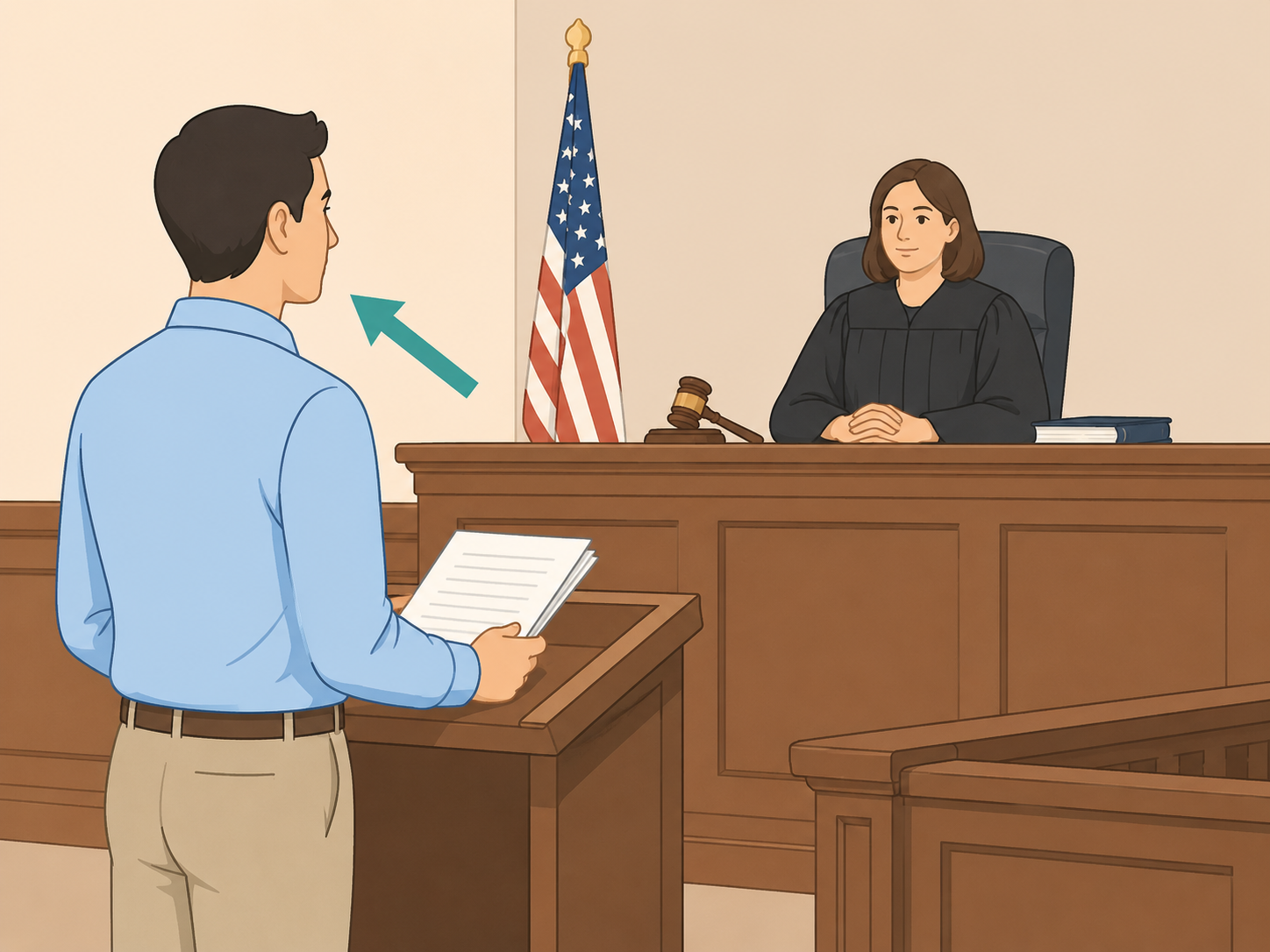
Courtrooms are formal places where respectful behavior helps everyone be heard. Whether you are a party, witness, observer, or supporting someone else, your tone and conduct matter. This guide explains how to prepare, speak, listen, and respond without letting pride or frustration disrupt the hearing.
Learn the courtroom rules before you go
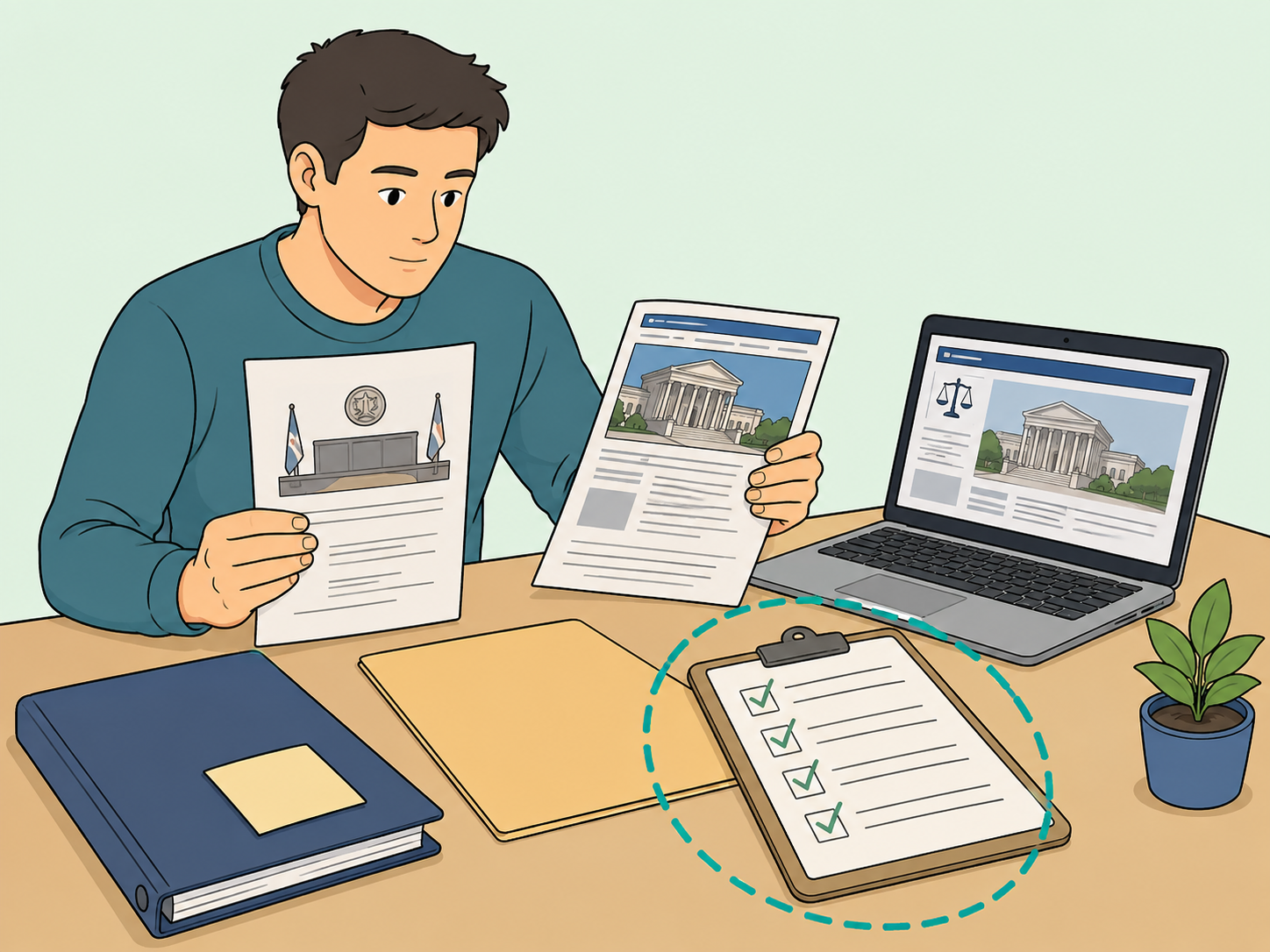
Read your hearing notice, local court website, and any posted rules before the court date. Self-represented people are generally expected to follow court procedures, and Florida Courts Help warns that court rules still apply even when you do not have a lawyer.
Arrive early and check in quietly
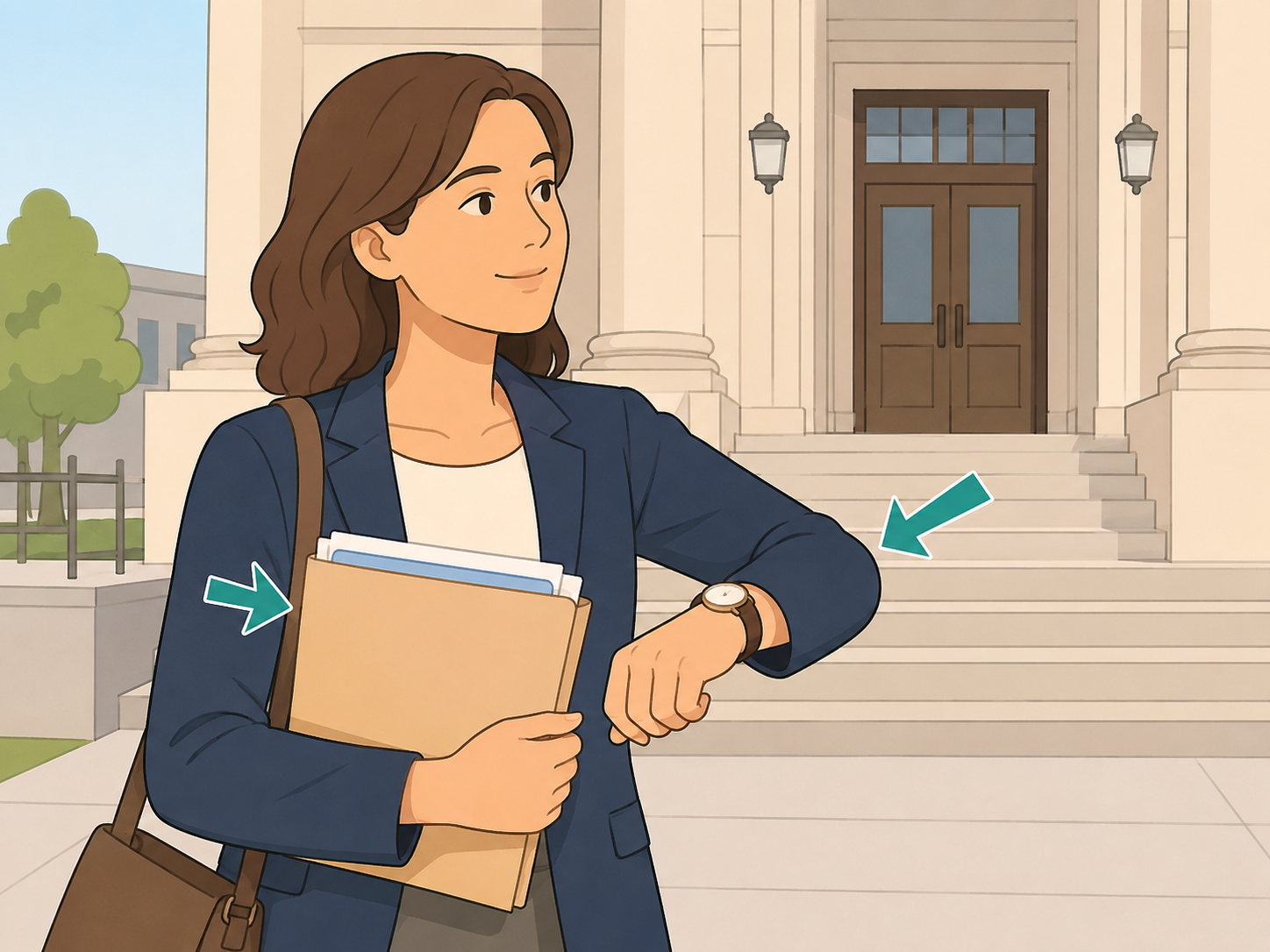
Give yourself extra time for traffic, parking, security screening, and finding the right courtroom. The Minnesota Judicial Branch recommends arriving early and bringing your papers, notes, and pens so you are ready when your case is called.
Keep your phone, food, and side conversations out of the hearing
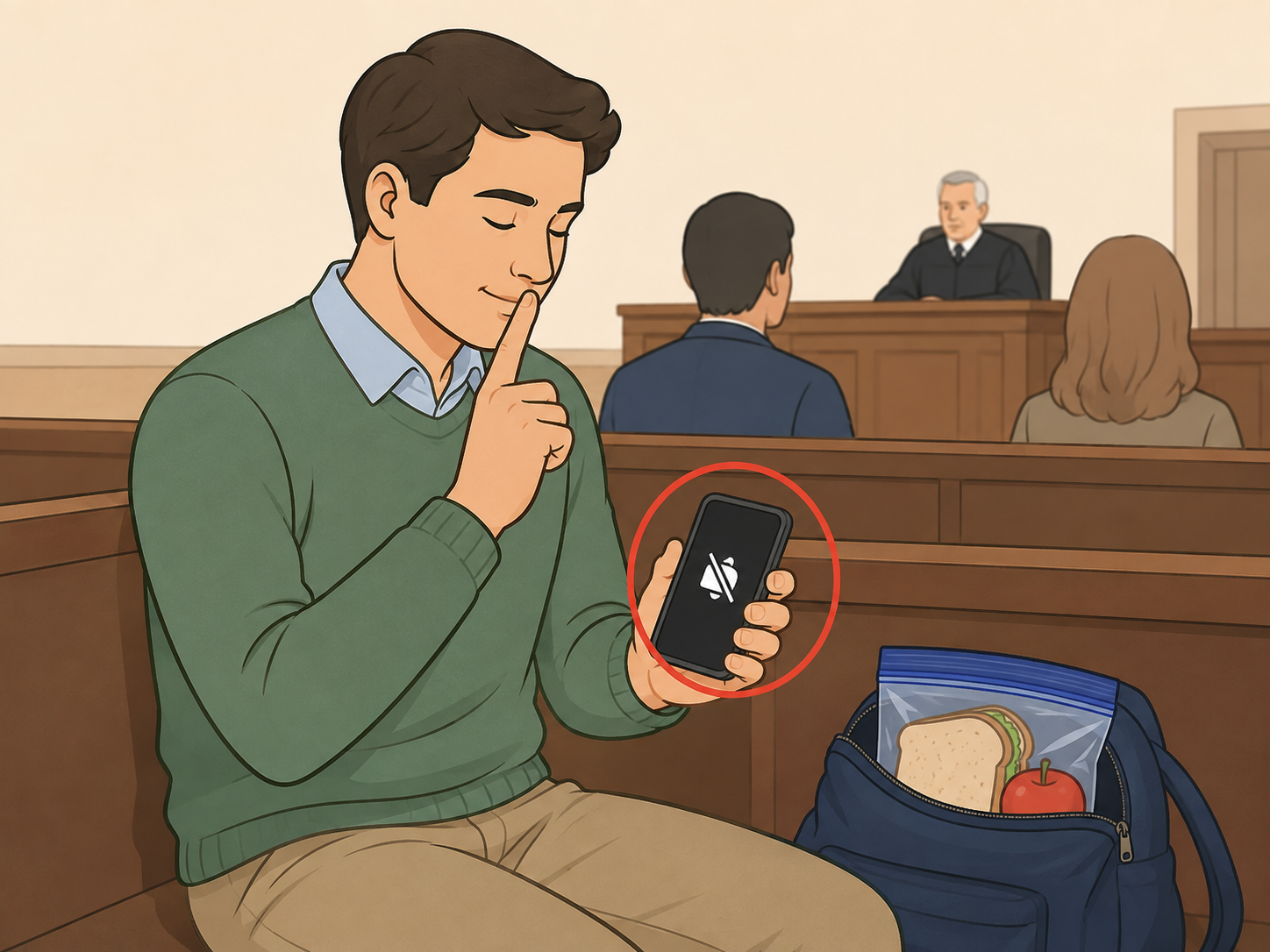
Silence your phone, avoid eating or chewing gum, and sit quietly while other matters are being heard. The Nevada Self-Help Center lists basic courtroom behavior such as standing when the judge enters, speaking clearly, and keeping electronic distractions off.
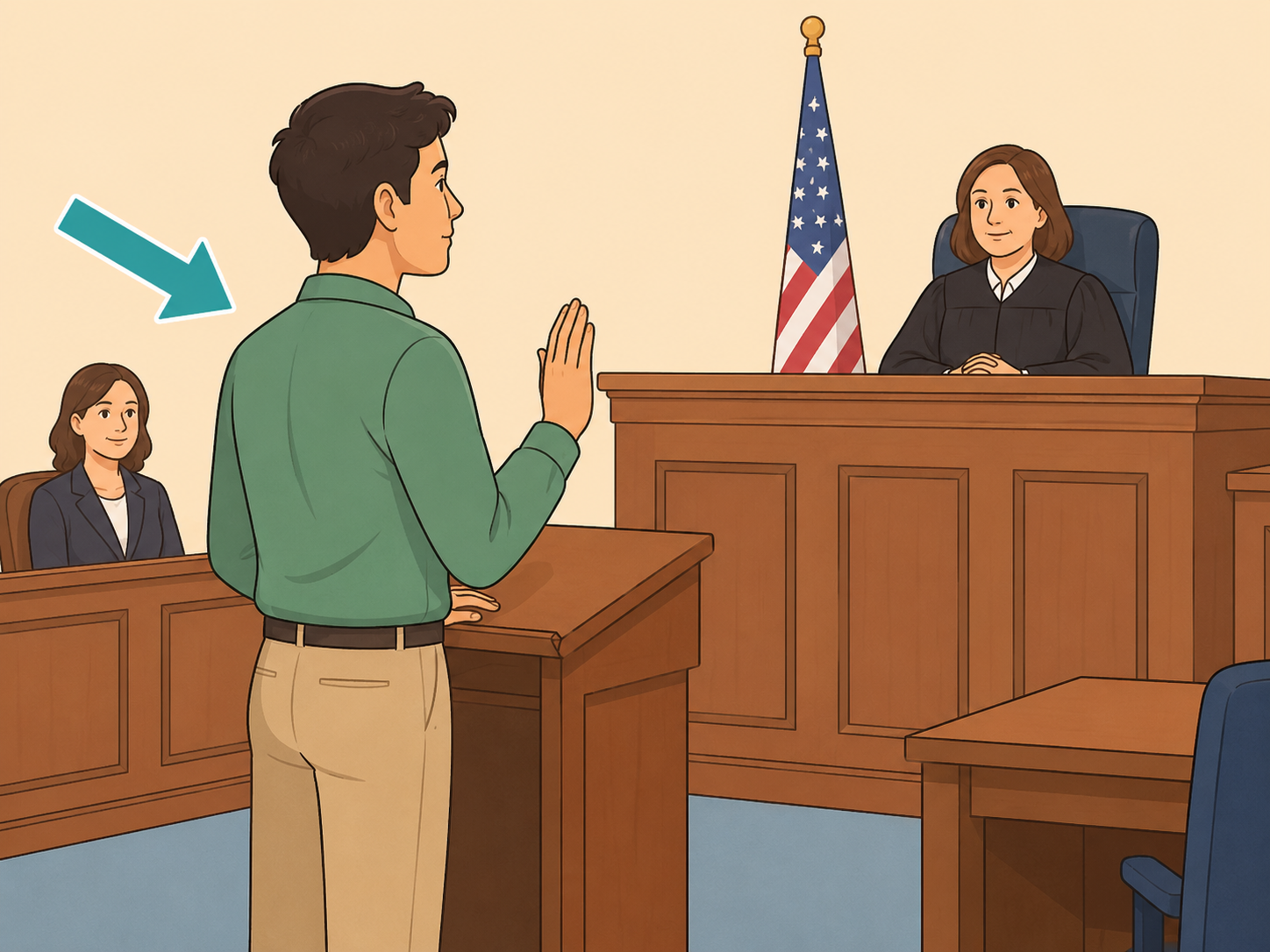
Address the judge formally and wait to be recognized
Speak to the judge, not directly to the opposing party, unless the court allows it. Federal courtroom decorum rules from the Middle District of Florida direct courtroom speakers to address the judge as "Judge" or "Your Honor" and to avoid displays of hostility.
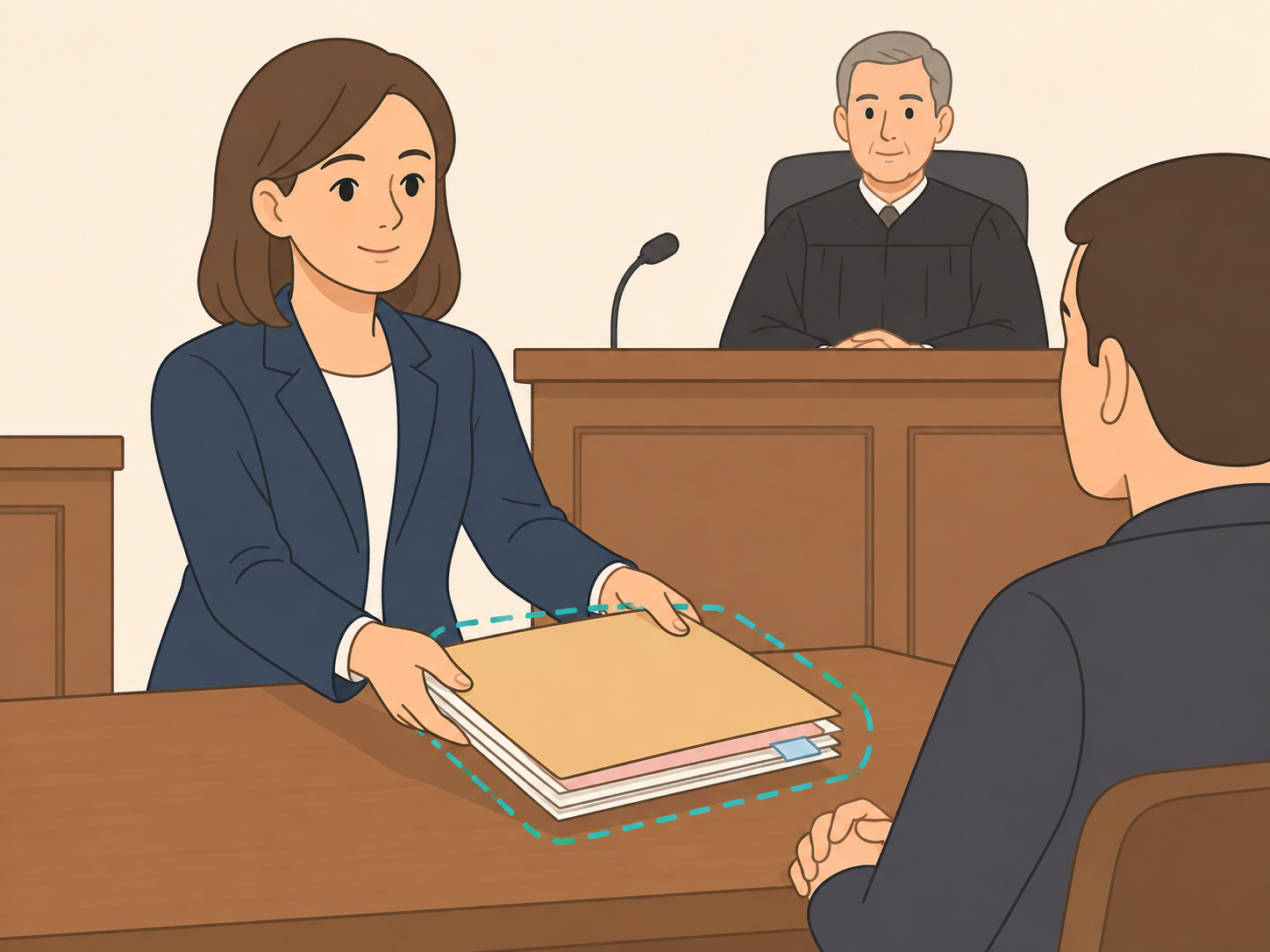
State your point briefly and stick to relevant facts
When it is your turn, explain what you are asking for, the facts that support it, and the documents or witnesses the court has allowed you to use. The U.S. Courts explain that judges apply rules of evidence to decide what information may be presented in court.
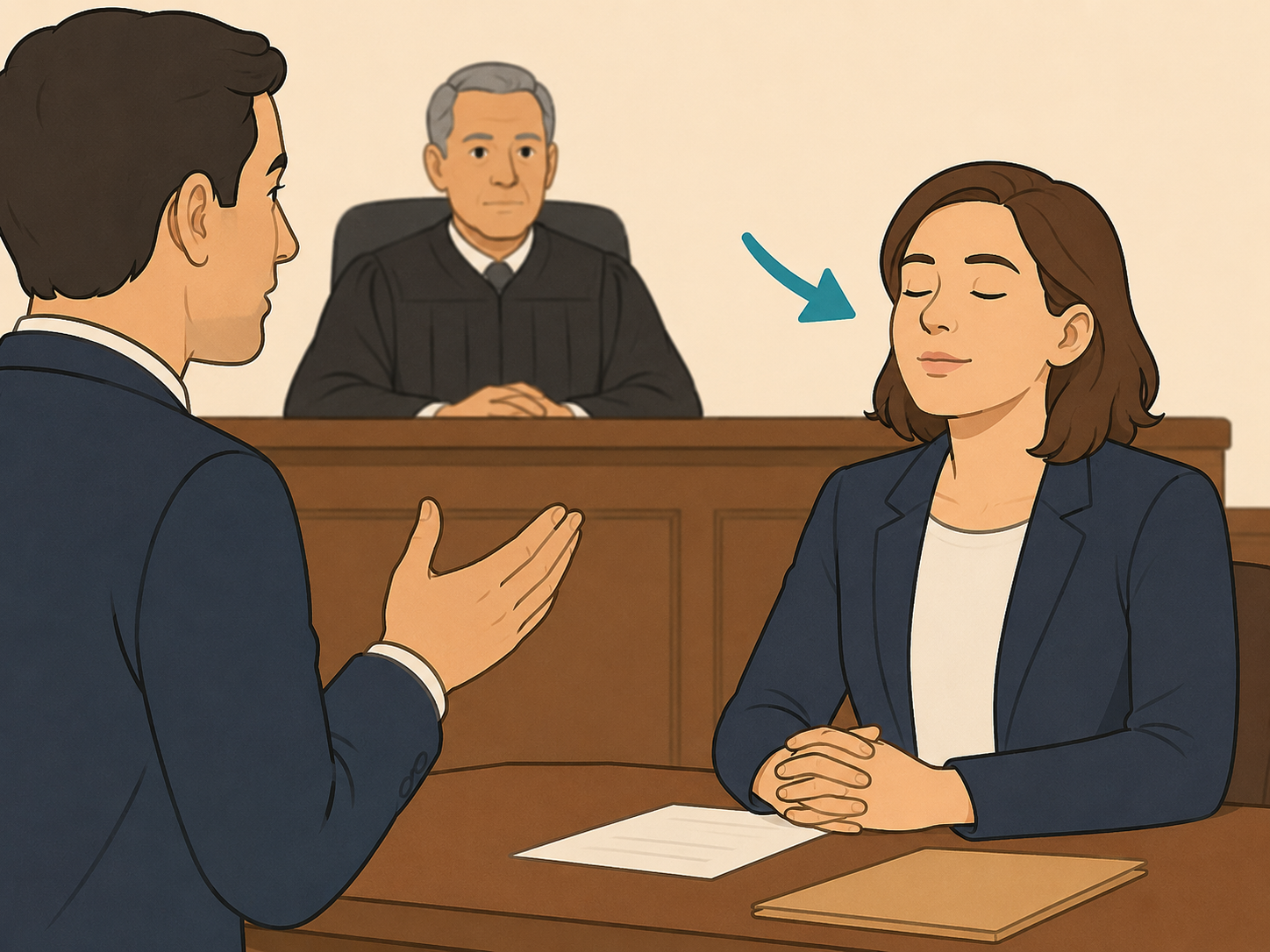
Control your reaction when you disagree
Do not roll your eyes, laugh at the other side, mock the judge, or make personal attacks. The U.S. Courts civil discussion guidance emphasizes waiting to speak, not interrupting, listening carefully, and avoiding demeaning comments or gestures.
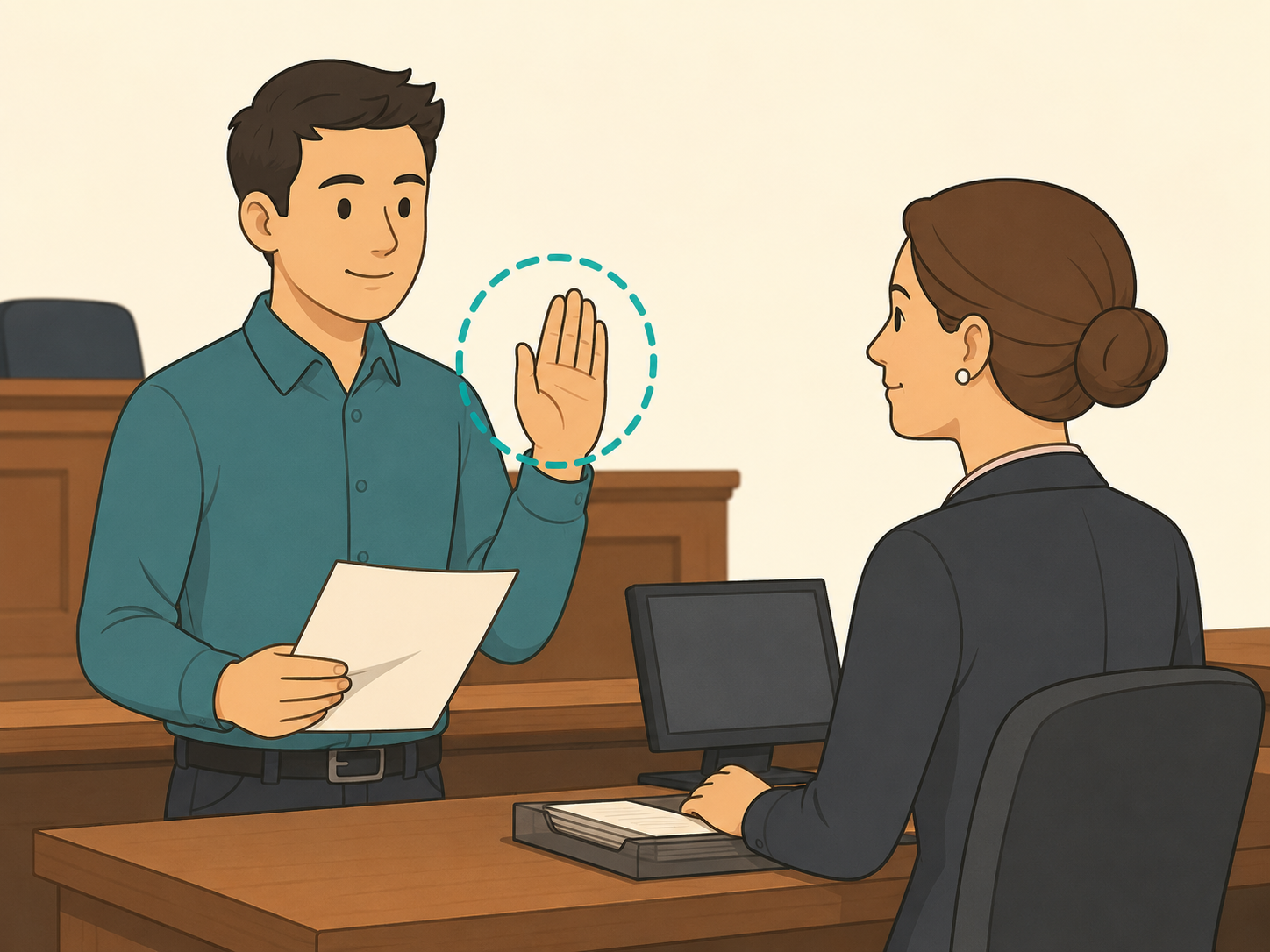
Ask for clarification respectfully if you are confused
If you do not understand what happens next, politely ask when it is appropriate. The Minnesota Judicial Branch advises people to make sure they understand future hearings, written orders, and next steps before leaving court.

Get legal help when the stakes are serious
If the case involves criminal charges, contempt, eviction, custody, immigration, large debts, or complex deadlines, try to speak with a lawyer or legal aid service. Florida Courts Help notes that legal issues can involve important timelines and complex rules, and that free or reduced-fee help may be available.
Summary
The bottom line: respectful courtroom behavior is practical, not performative. Prepare your papers, arrive early, speak only when it is your turn, address the judge properly, and keep your emotions from getting in the way of what the court needs to hear.
Frequently Asked Questions
- What should I call the judge in court?
- In many U.S. courts, people address the judge as "Your Honor" or "Judge." Follow the local court's instructions if they give a different form of address.
- Can I interrupt if the other side says something untrue?
- No. Wait until the judge gives you a chance to respond, then calmly explain the specific point you disagree with and refer to your evidence if allowed.
- What happens if someone mocks or insults a judge?
- The judge can stop the behavior, warn the person, remove them from the courtroom, or take other action allowed by that court's rules. The safest choice is to stay calm and respectful even when you disagree.
- Should I bring notes to court?
- Yes. A short outline can help you remember the main facts, questions, and requests you want to cover without rambling or reacting emotionally.
- Can court staff tell me what to say?
- Court staff can usually give general information about forms, schedules, and procedures, but they cannot give legal advice or tell you how to argue your case.
- Is this legal advice?
- No. This is general information about respectful courtroom behavior. If your case involves serious consequences, deadlines, money, custody, immigration, housing, or criminal charges, talk to a qualified lawyer or legal aid office.
References
Reliable references aided in composing and refining this content.
- https://mncourts.gov/help-topics/representing-yourself-in-court/tips-for-your-day-in-court
- https://help.flcourts.gov/getting-started
- https://selfhelp.nvcourts.gov/self-help/getting-started/representing-yourself-in-court/how-to-prepare-for-your-day-in-court
- https://www.uscourts.gov/about-federal-courts/types-cases/civil-cases
- https://www.uscourts.gov/about-federal-courts/educational-resources/about-educational-outreach/activity-resources/guidelines-a-civil-discussion
- https://www.flmd.uscourts.gov/local-rules/rule-503-courtroom-decorum-0
- https://www.cacd.uscourts.gov/attorneys/attorney-assistance