
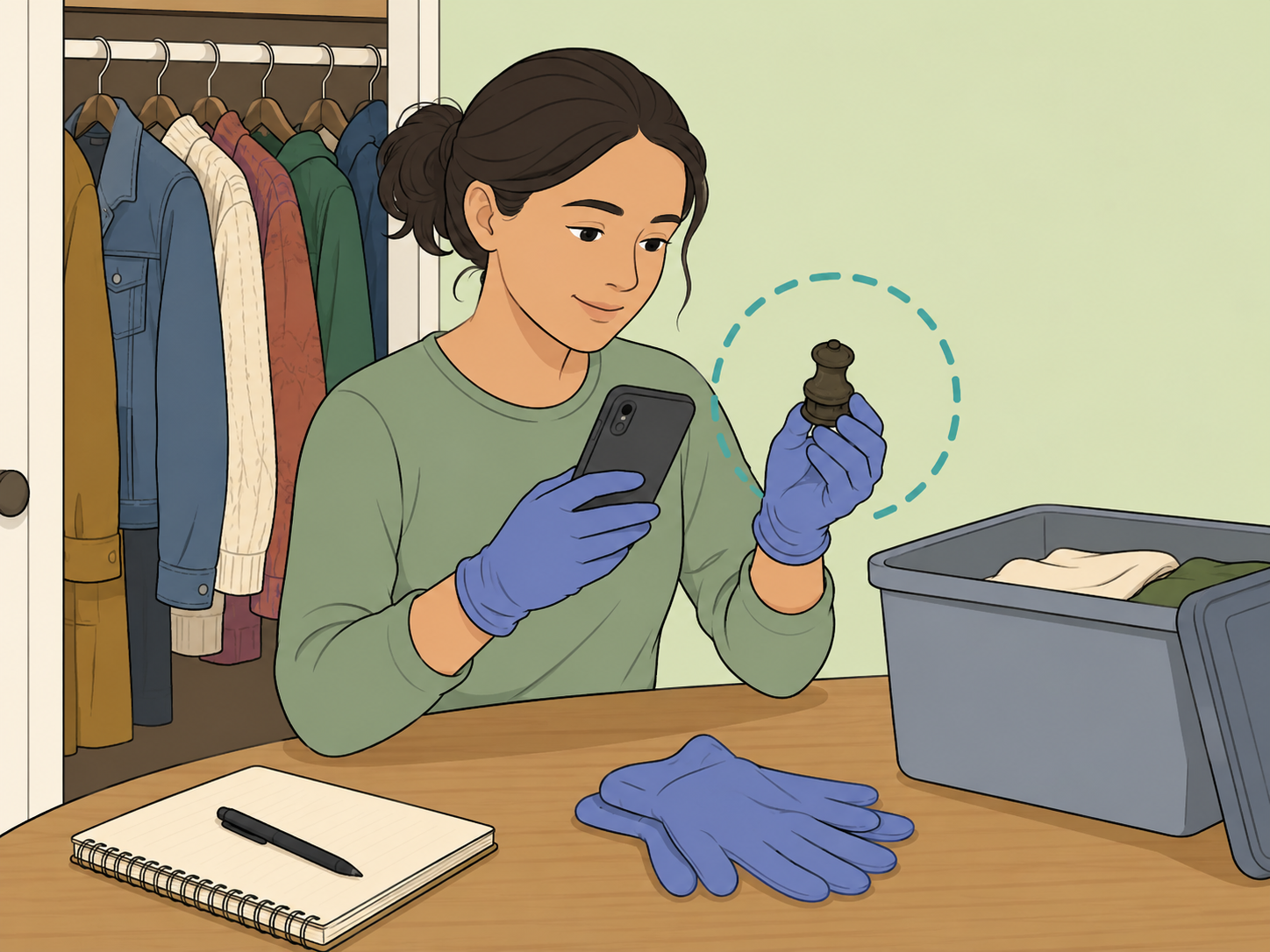
 Pin it
Finding an unfamiliar object in a closet can be interesting, confusing, or even a little concerning. The safest approach is to slow down, document what you found, and identify it before you clean, use, sell, or throw it away. This guide walks you through a practical step-by-step process.
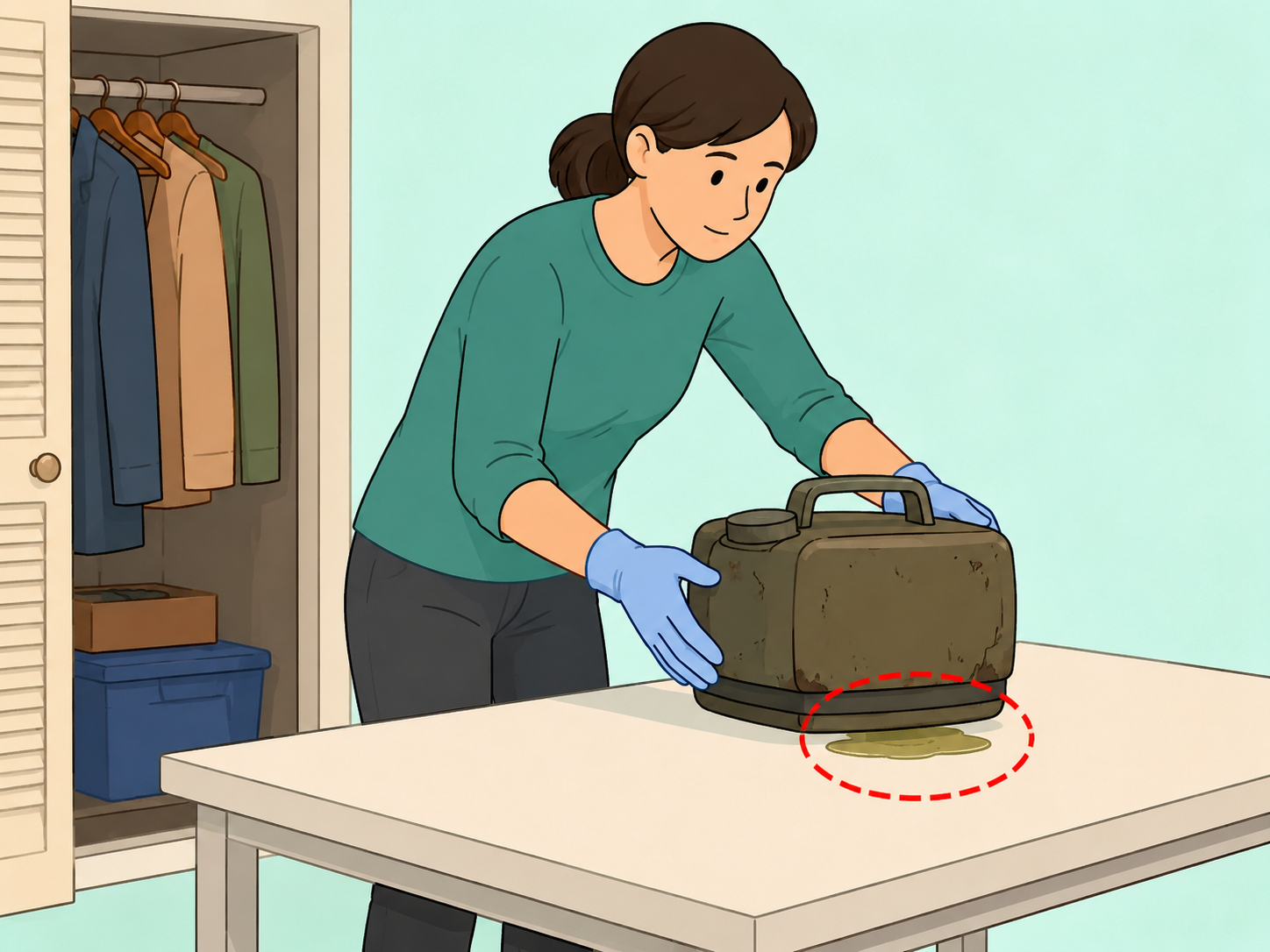
Move the item to a clear, stable surface
Pick a dry, well-lit surface where the item will not roll, spill, or get knocked over. If it is leaking, powdery, sharp, electrically damaged, or giving off a strong smell, leave it alone and treat it as a possible safety issue. The EPA notes that some leftover household products can be toxic, corrosive, reactive, or flammable, so do not test an unknown substance by smelling, mixing, burning, or pouring it out.
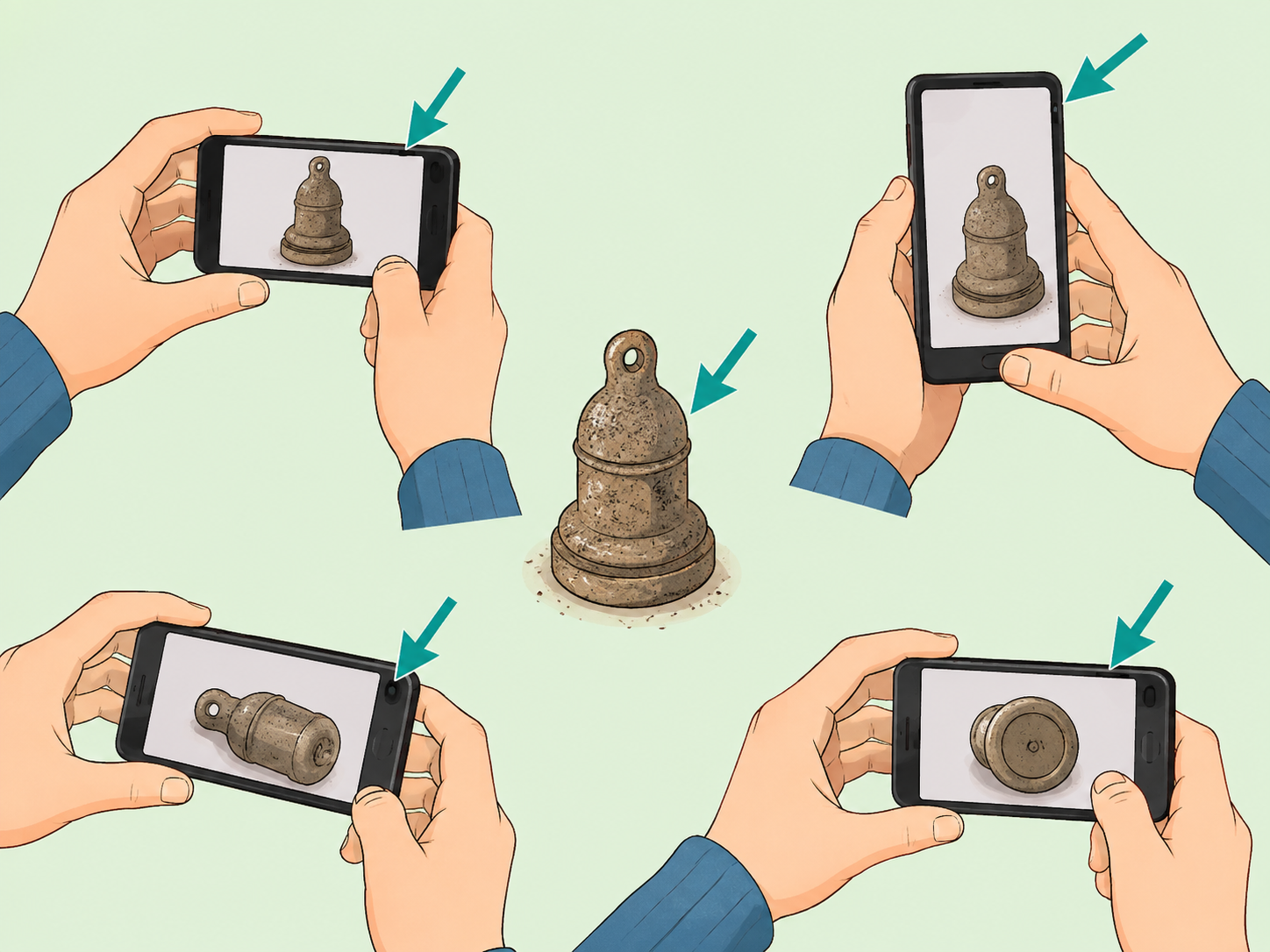
Photograph it before you clean or take it apart
Take wide shots and close-ups from every side before wiping, washing, opening, or removing any parts. Photos preserve clues such as dust patterns, labels, fasteners, stains, and the way pieces fit together. For paper, film, photographs, or delicate keepsakes, the Library of Congress recommends careful handling with clean hands or gloves and avoiding the image area.
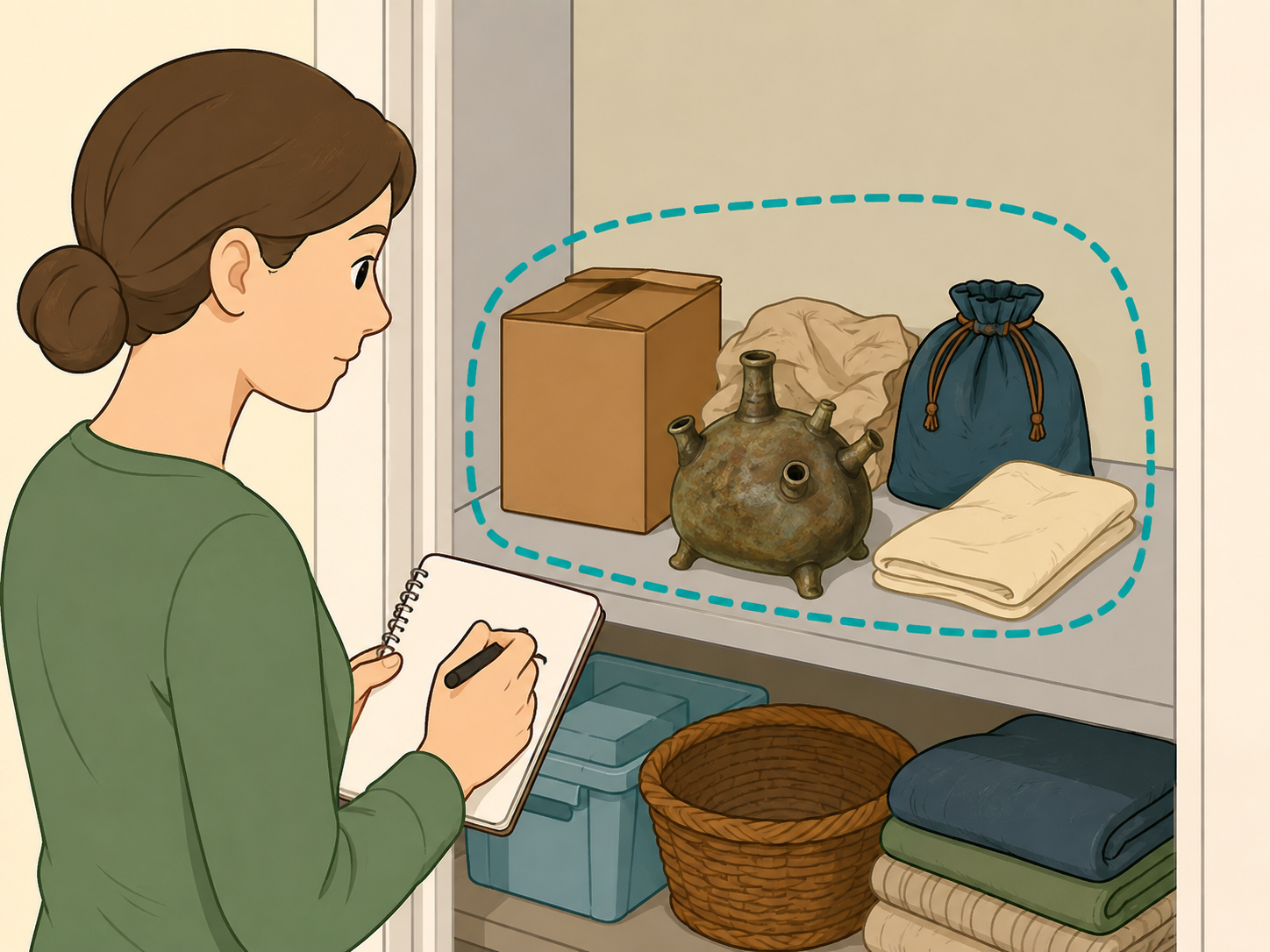
Write down where and how you found it
Record the closet location, nearby objects, container, wrapping, and anything written on bags, boxes, or tags. Context can separate a clothing-care tool from a craft supply, a keepsake, a household repair part, or a hazardous product. Keep small parts together in a clean container so the evidence stays organized while you research.
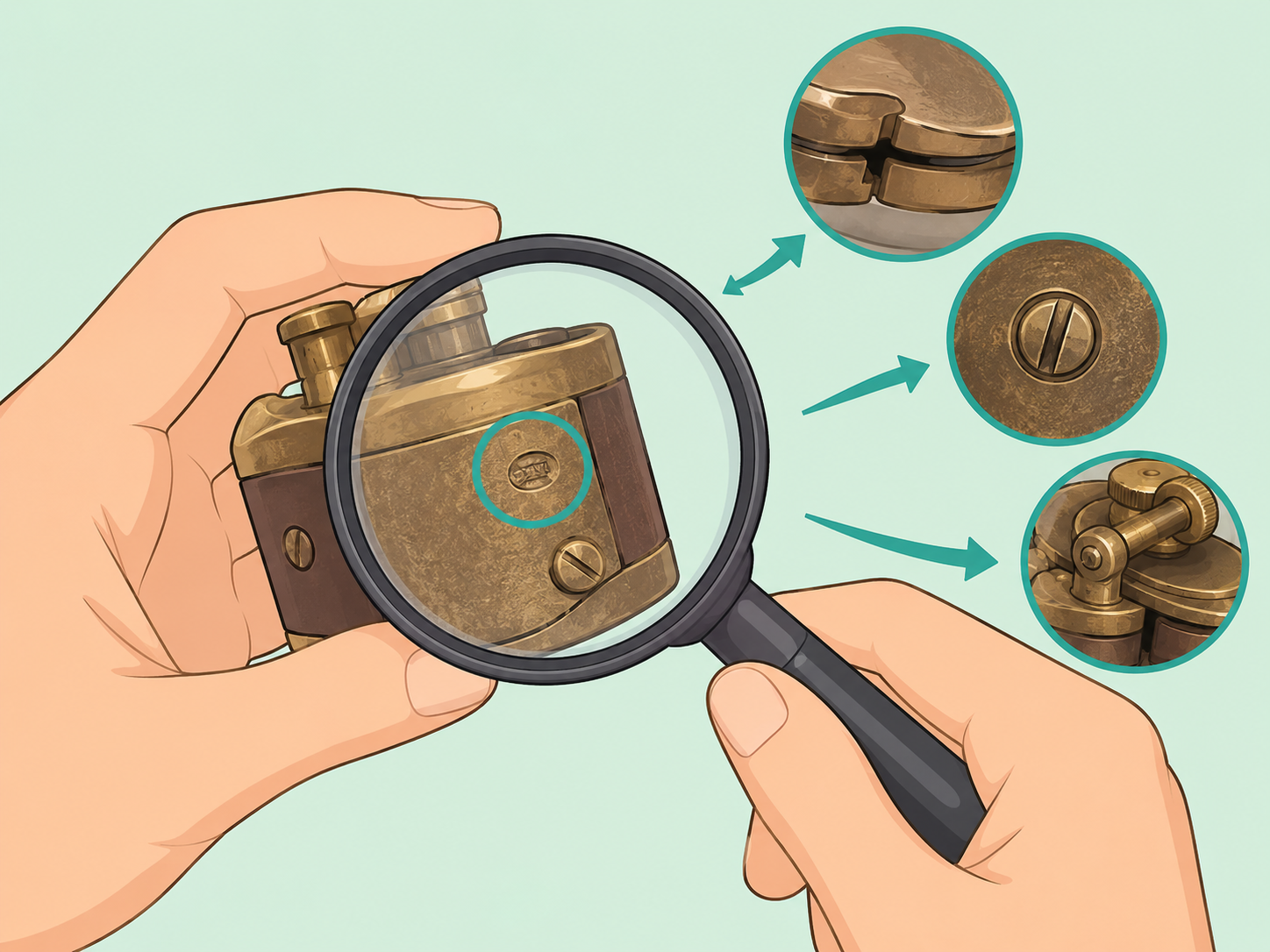
Look for marks, numbers, materials, and moving parts
Check for maker names, patent numbers, model numbers, stamped symbols, molded arrows, fabric labels, screw types, and unusual materials. Notice whether the object clamps, measures, cuts, winds, heats, sharpens, stores liquid, or attaches to something else. The Smithsonian Museum Conservation Institute explains that broad material and condition observations are useful when caring for household artifacts and heirlooms.
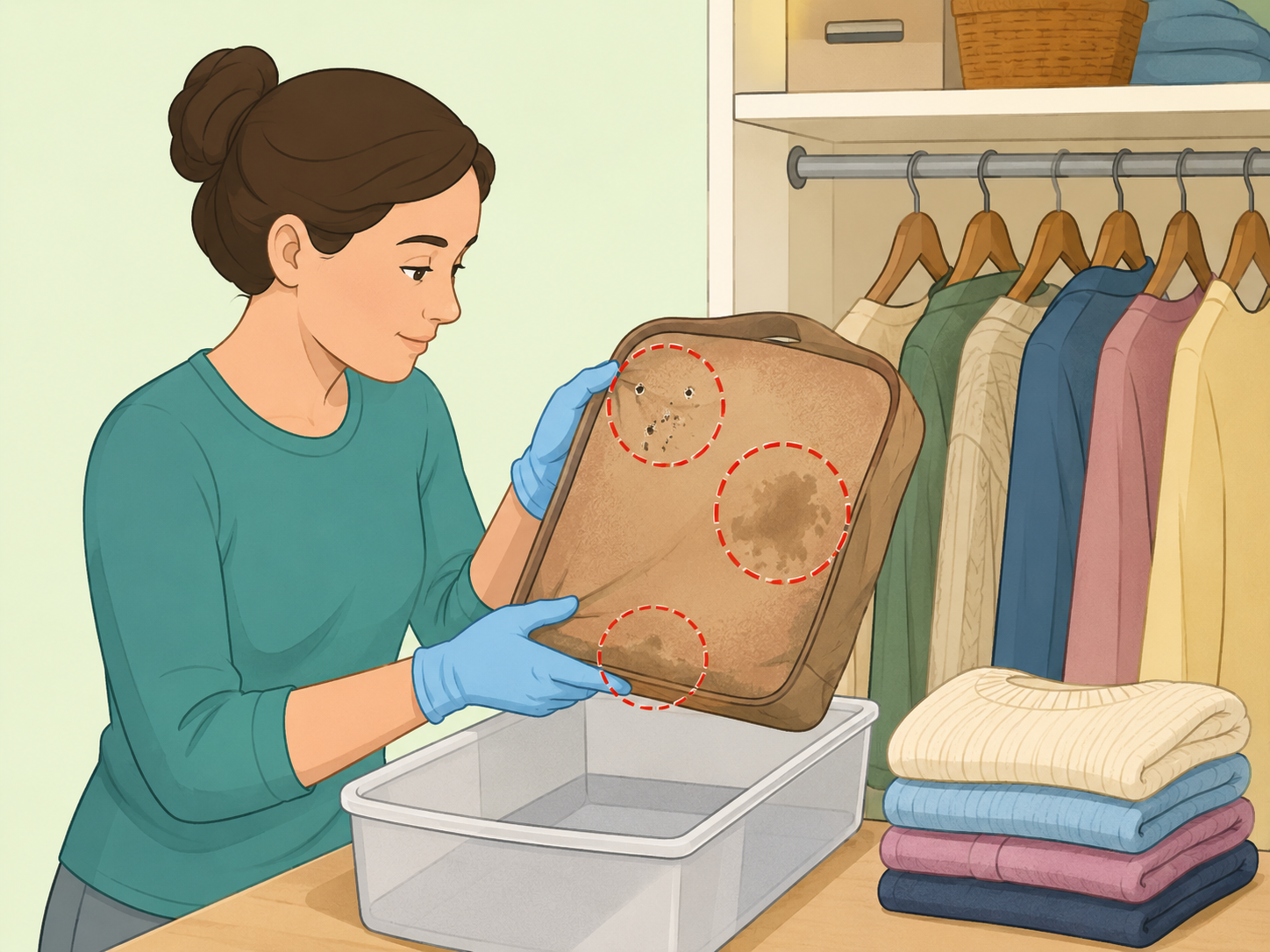
Screen for mold, pests, and moisture damage
Closets can hide damp corners, old fabric, paper, leather, and stored food, so look for musty odor, fuzzy growth, droppings, shed skins, webbing, holes, or powdery debris. The EPA says mold control depends on moisture control, and cleaning mold without fixing water or humidity problems can let it return. The University of Minnesota Extension lists closet and cupboard pests such as clothes moths, carpet beetles, silverfish, and pantry pests that may help explain damage.
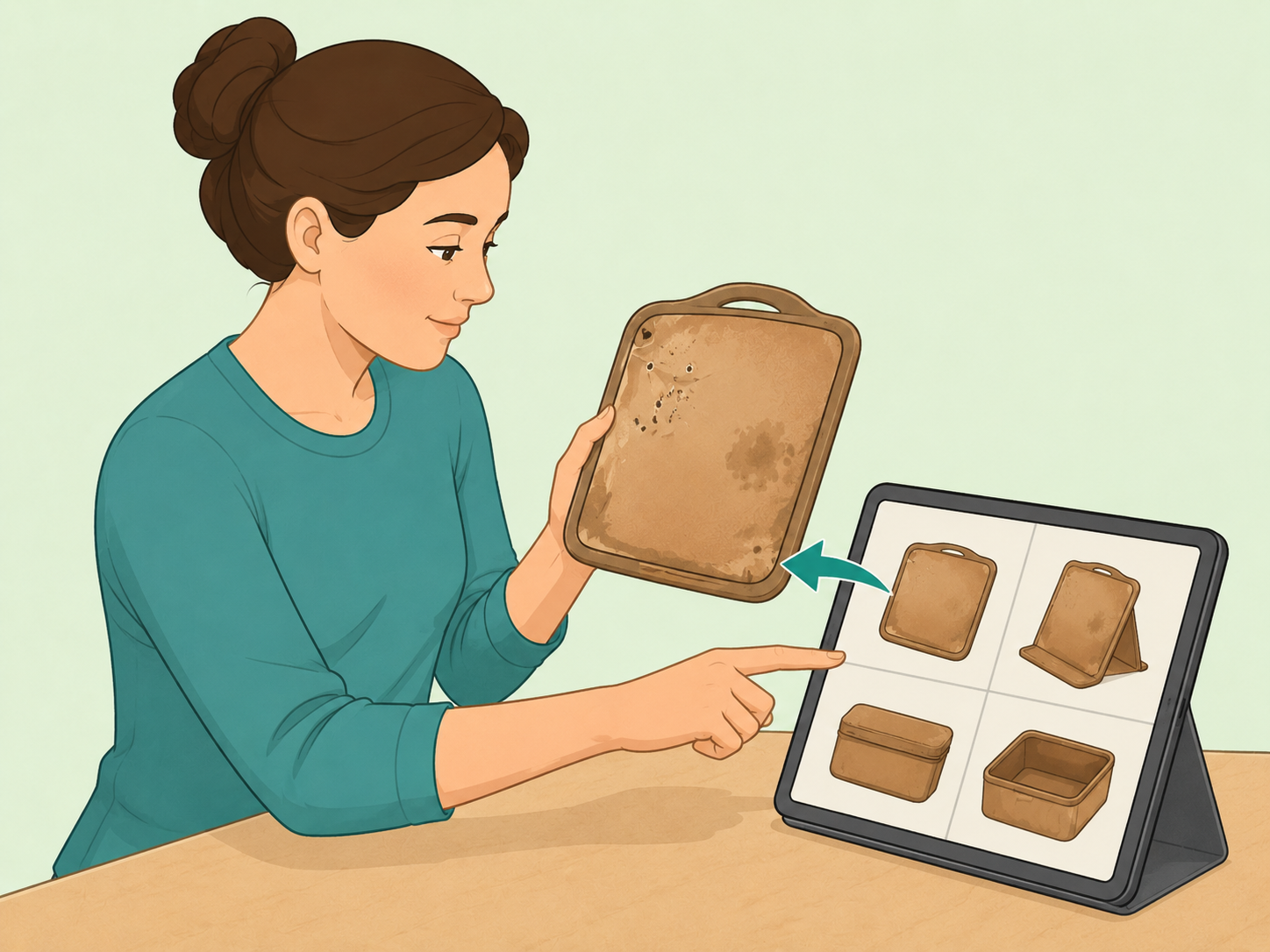
Search with specific visual clues
Use the most concrete words you can: material, shape, color, size, markings, and action. Search phrases like metal clamp with spring and wooden handle, ceramic closet moth trap, or plastic measuring wheel with patent number are more useful than mystery thing. Try an image search too, but confirm any answer with a reputable source, manufacturer page, museum listing, manual, or safety database.
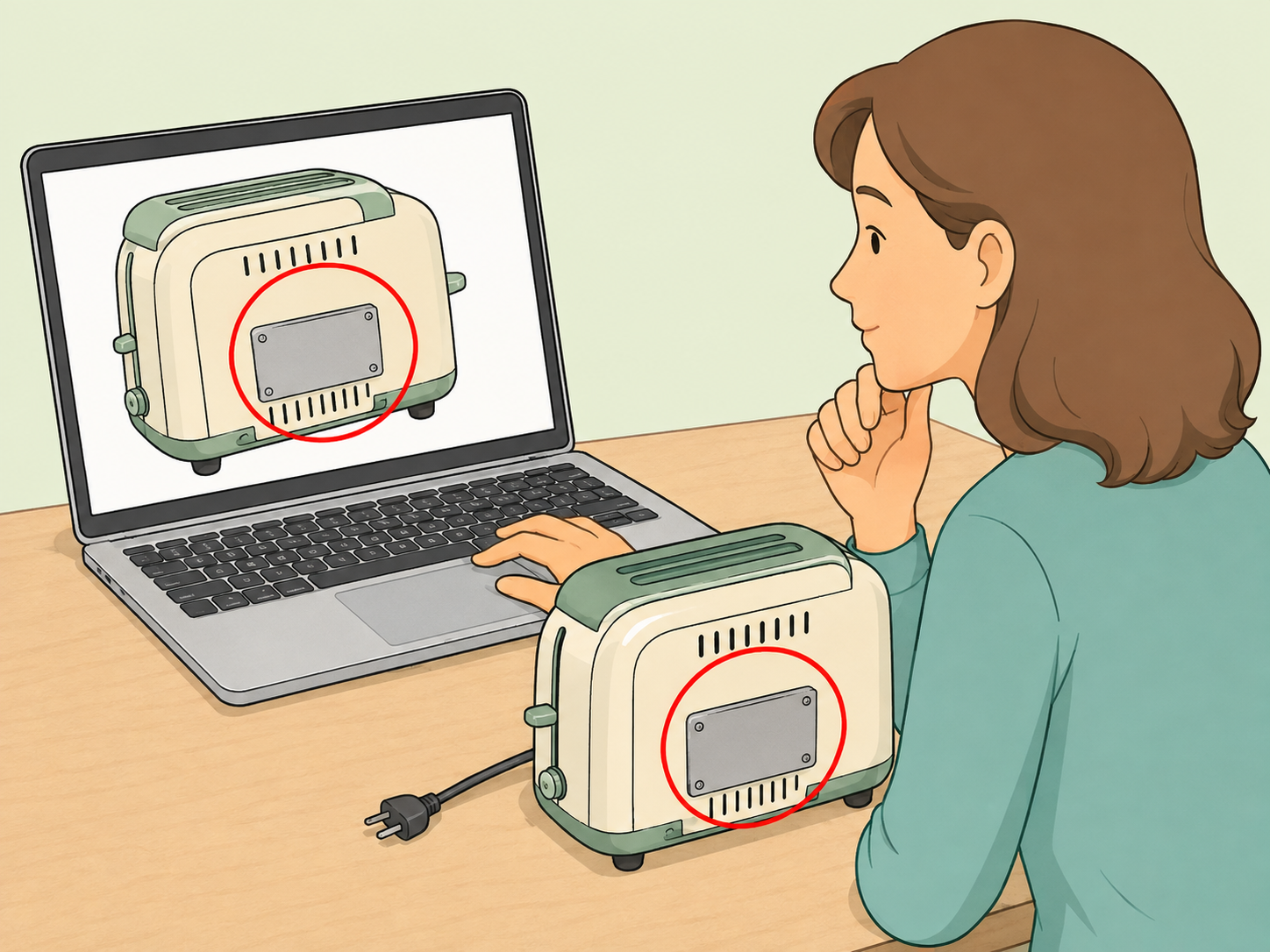
Check whether it has been recalled
If the item might be a toy, appliance, baby product, tool, heater, battery-powered device, or other consumer product, search its brand and model in the CPSC recalls database. The CPSC says consumers can search recalls online and that selling recalled products is unlawful. Do this before using, gifting, donating, or listing the item for sale.
Decide whether to keep, donate, repair, or dispose of it
Once you know what the item is, choose the safest next step based on condition and usefulness. Keep labeled family items with notes, donate only clean and safe household goods, recycle parts where your local program accepts them, and use hazardous-waste collection for chemicals, batteries, oils, pesticides, or corroded containers. If the object may be valuable, fragile, antique, or culturally important, ask a qualified appraiser, conservator, local museum, or specialist before attempting repairs.
Summary
The bottom line: treat an unknown closet item as unidentified until you have checked its markings, condition, safety risks, and likely purpose. Good photos, careful notes, and trusted reference sources can usually tell you whether it is harmless, useful, collectible, or something that needs special disposal.
Frequently Asked Questions
- Should I clean a mystery item right away?
No. Photograph it first, then clean only if it seems safe and sturdy. Fragile photographs, papers, metals, and old finishes can be damaged by water, cleaners, tape, or scrubbing.
- What if the item is an old bottle, battery, cleaner, or pesticide?
Treat it as possible household hazardous waste and do not pour it down a drain or mix it with anything else. Check the label if one exists, keep it away from children and pets, and contact your local waste program for disposal guidance.
- Can I use an old gadget once I figure out what it is?
Only use it after checking its condition, plug, battery compartment, model number, and recall status. If it smells burnt, has swelling batteries, damaged wiring, corrosion, or missing safety parts, do not plug it in.
- How can I identify an item with no label?
Photograph it from several angles and search by shape, material, markings, moving parts, and where it was found. Measurements and close-up photos of screws, seams, symbols, and wear marks often help narrow down the purpose.
- What if it looks moldy or has insect damage?
Isolate it in a ventilated area or sealed bag until you know what it is. Mold usually points to a moisture problem, and insects found in closets may be connected to fabrics, stored food, paper, or damp materials.
- Is it okay to sell or donate a mystery item?
Do not sell or donate it until you know what it is and have checked whether it is recalled, unsafe, contaminated, or missing essential parts. Recalled products should not be sold, even if they appear unused.
References
Reliable references aided in composing and refining this content.
- https://www.epa.gov/hw/household-hazardous-waste-hhw
- https://www.epa.gov/mold/brief-guide-mold-moisture-and-your-home
- https://www.cpsc.gov/Recalls
- https://www.cpsc.gov/About-CPSC/Division-of-Field-Operations/FAQs-For-Buying-and-Selling-Products-Online?language=en
- https://www.loc.gov/preservation/care/photo.html
- https://mci.si.edu/ask-mci
- https://extension.umn.edu/home-maintenance/household-insects