
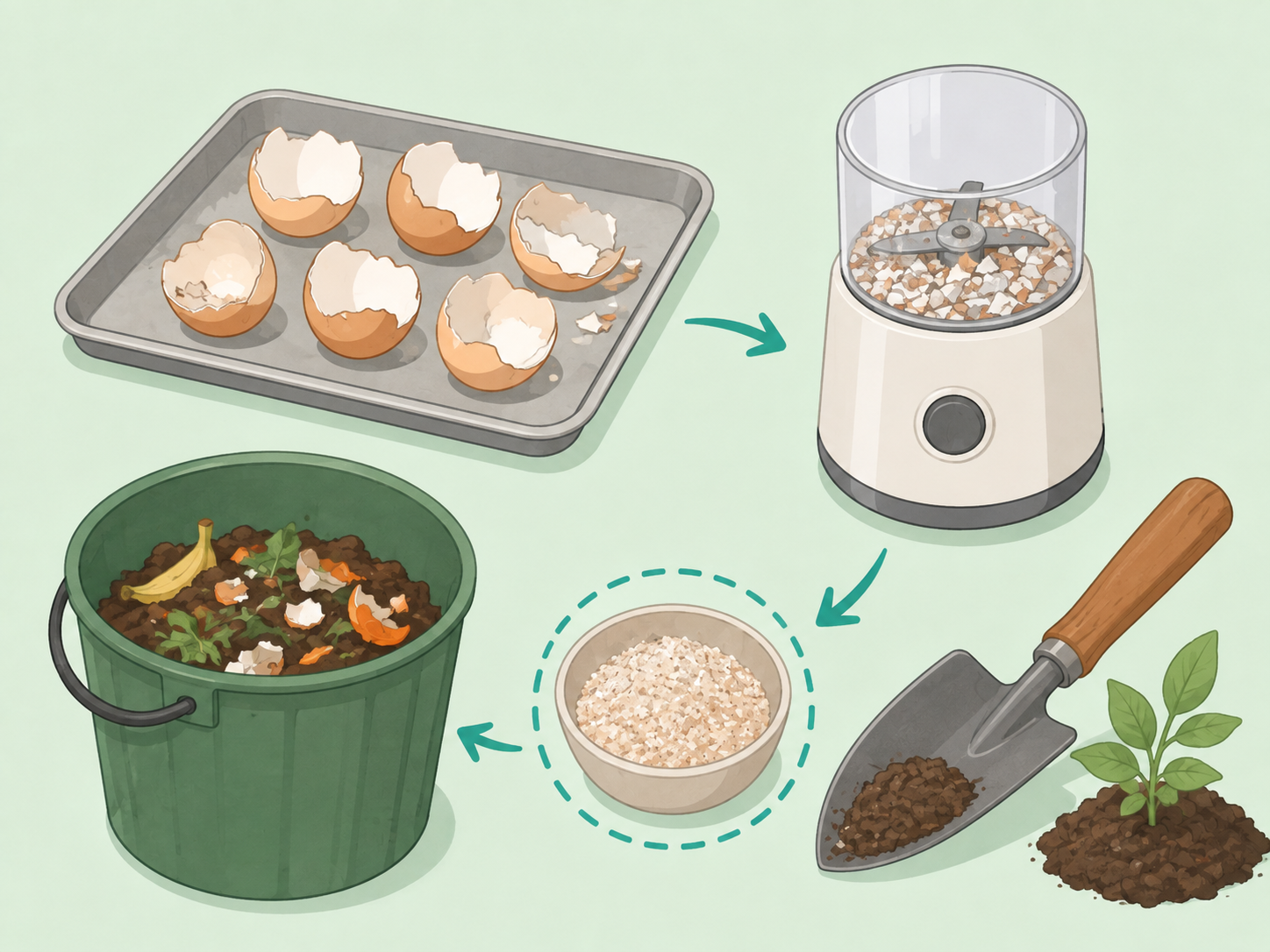
 Pin it
Eggshells look like trash, but they can be useful when you prepare them the right way. The key is to treat them as a slow garden and compost add-in, not a miracle fertilizer. This guide shows how to clean, dry, crush, and use eggshells safely without leaning on common garden myths.
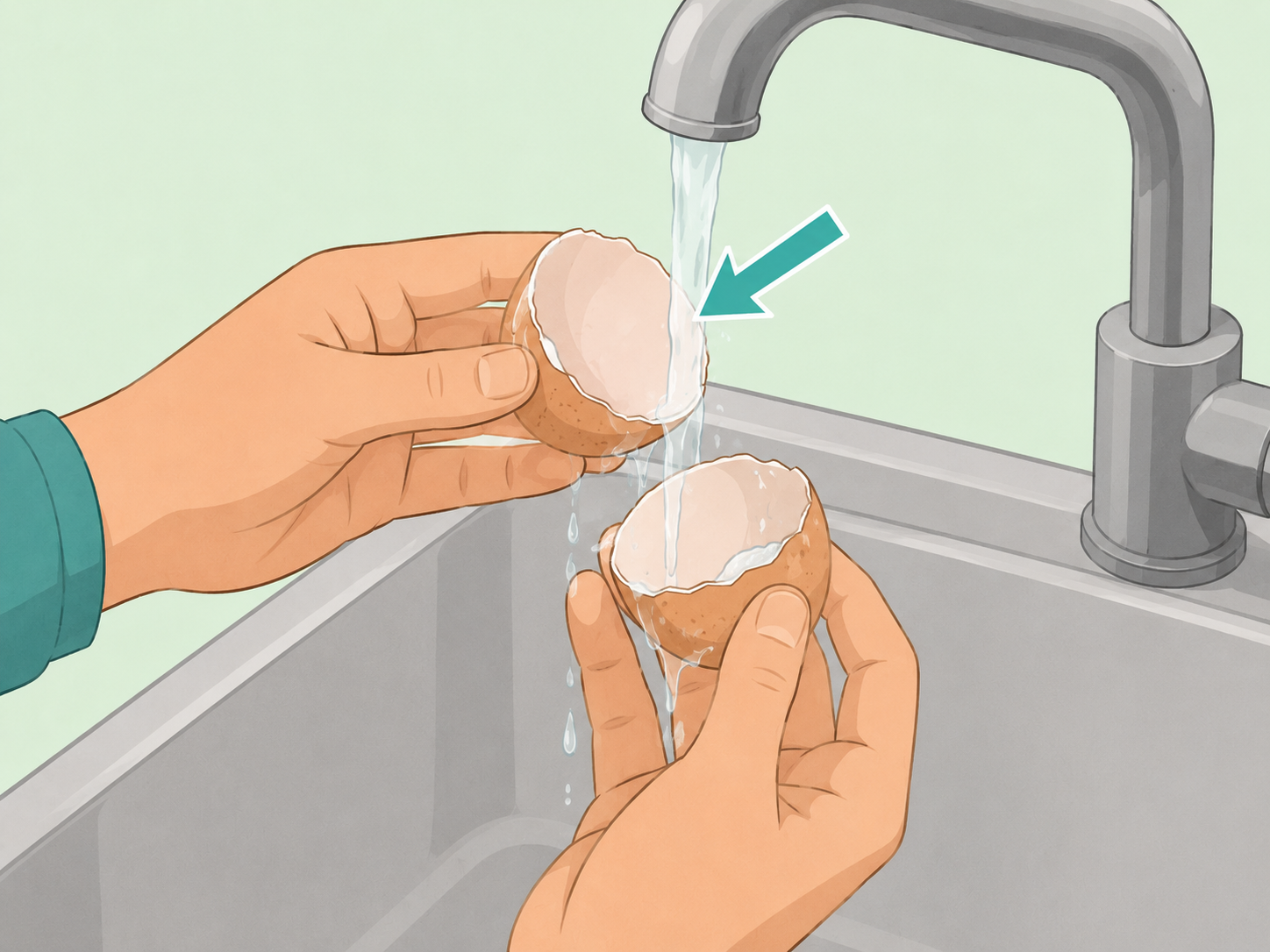
Rinse the shells after cracking the eggs
Start by rinsing leftover egg from the inside of each shell, then place the shells in a bowl or tray. Raw eggs can carry bacteria, so the FDA recommends washing hands, utensils, and work surfaces after contact with raw eggs.
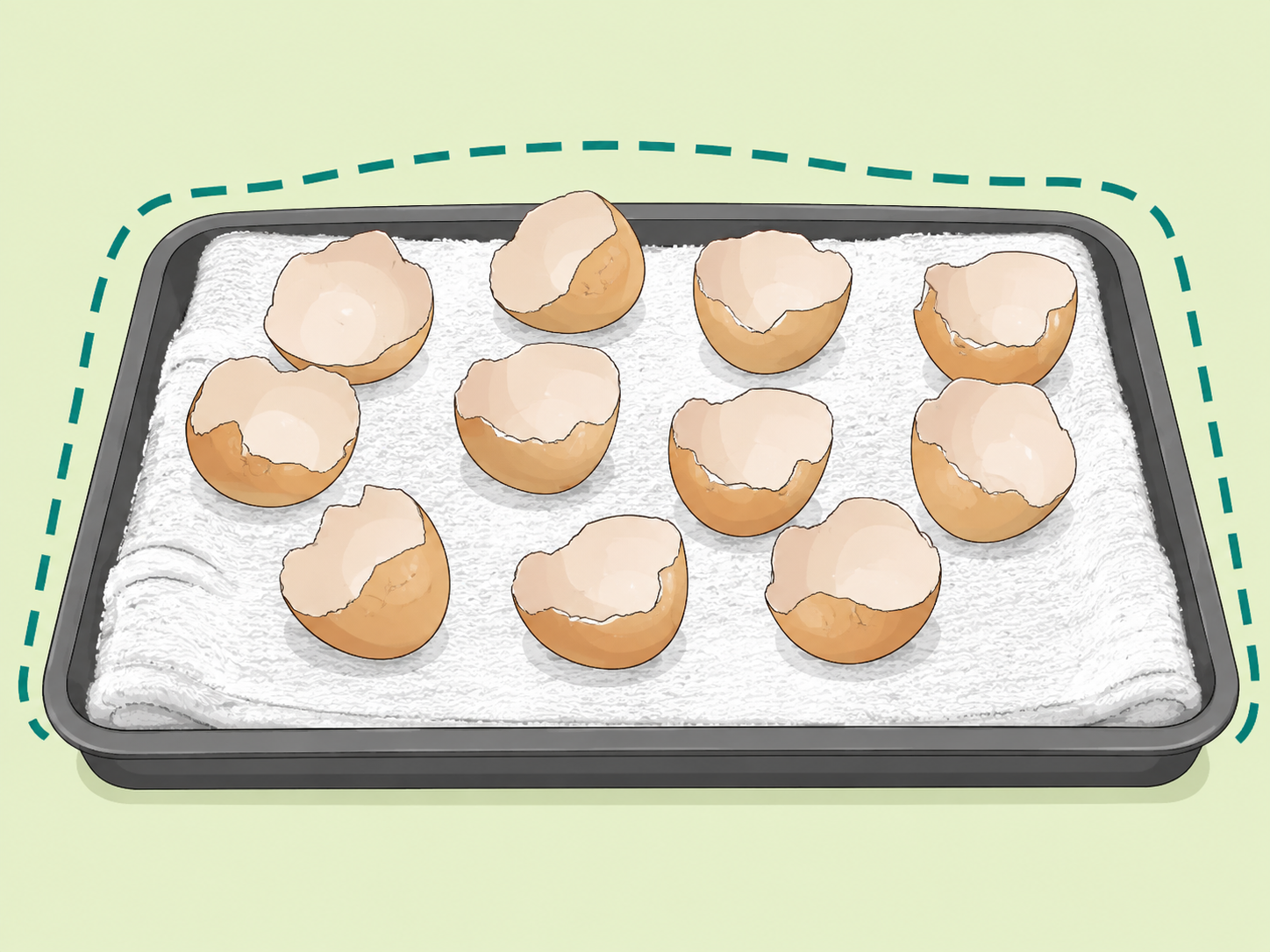
Dry the shells completely before storing them
Let rinsed shells air-dry on a towel or tray until they feel brittle instead of damp. Dry shells are easier to crush, less likely to smell, and simpler to store in a jar or container until you have enough to use.
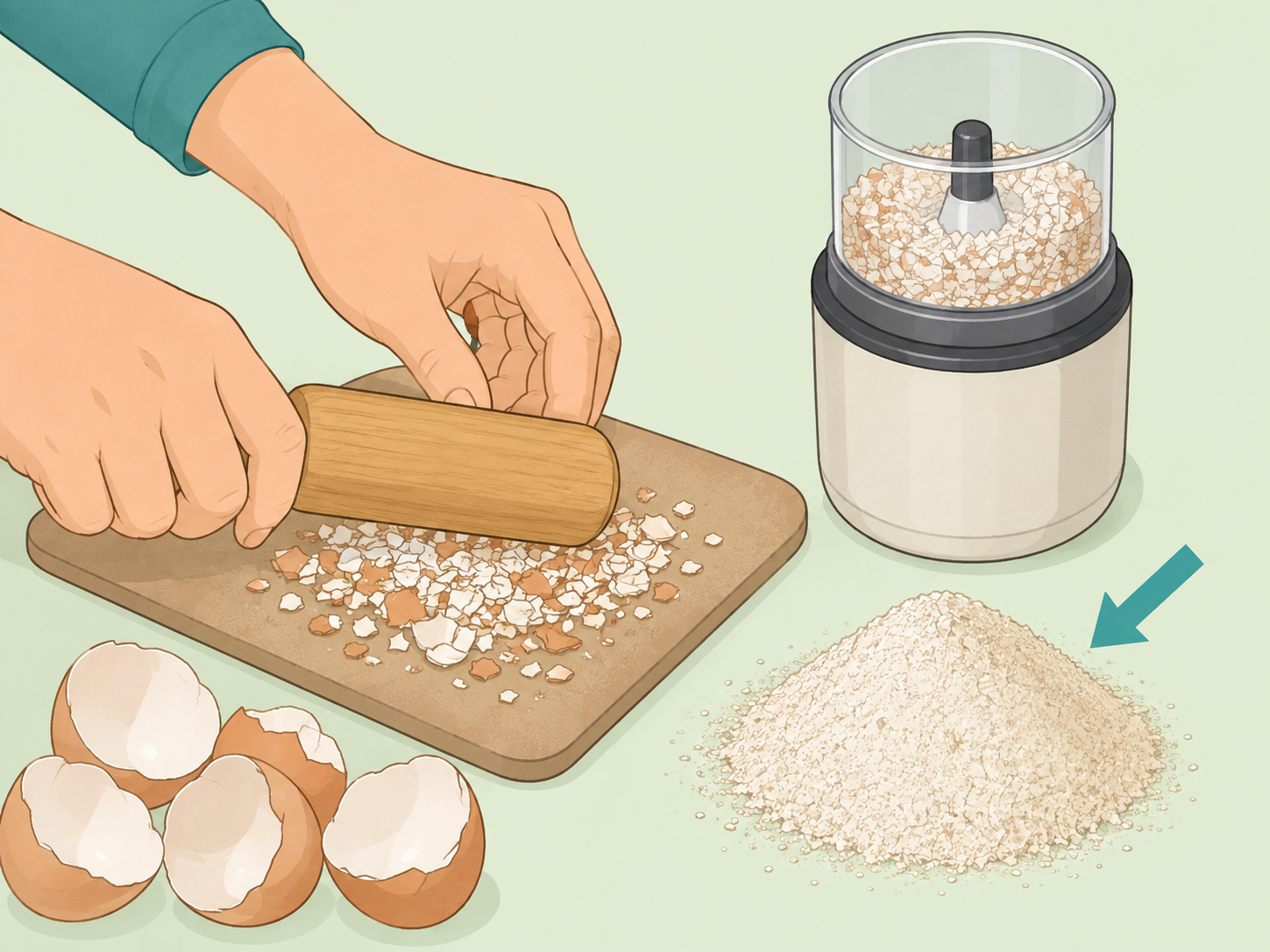
Crush or grind the shells into small pieces
Break the shells with your hands for compost, or grind them into a finer powder for garden soil. University of Illinois Extension notes that smaller eggshell particles make calcium more available than large chunks that can sit in soil for a long time.
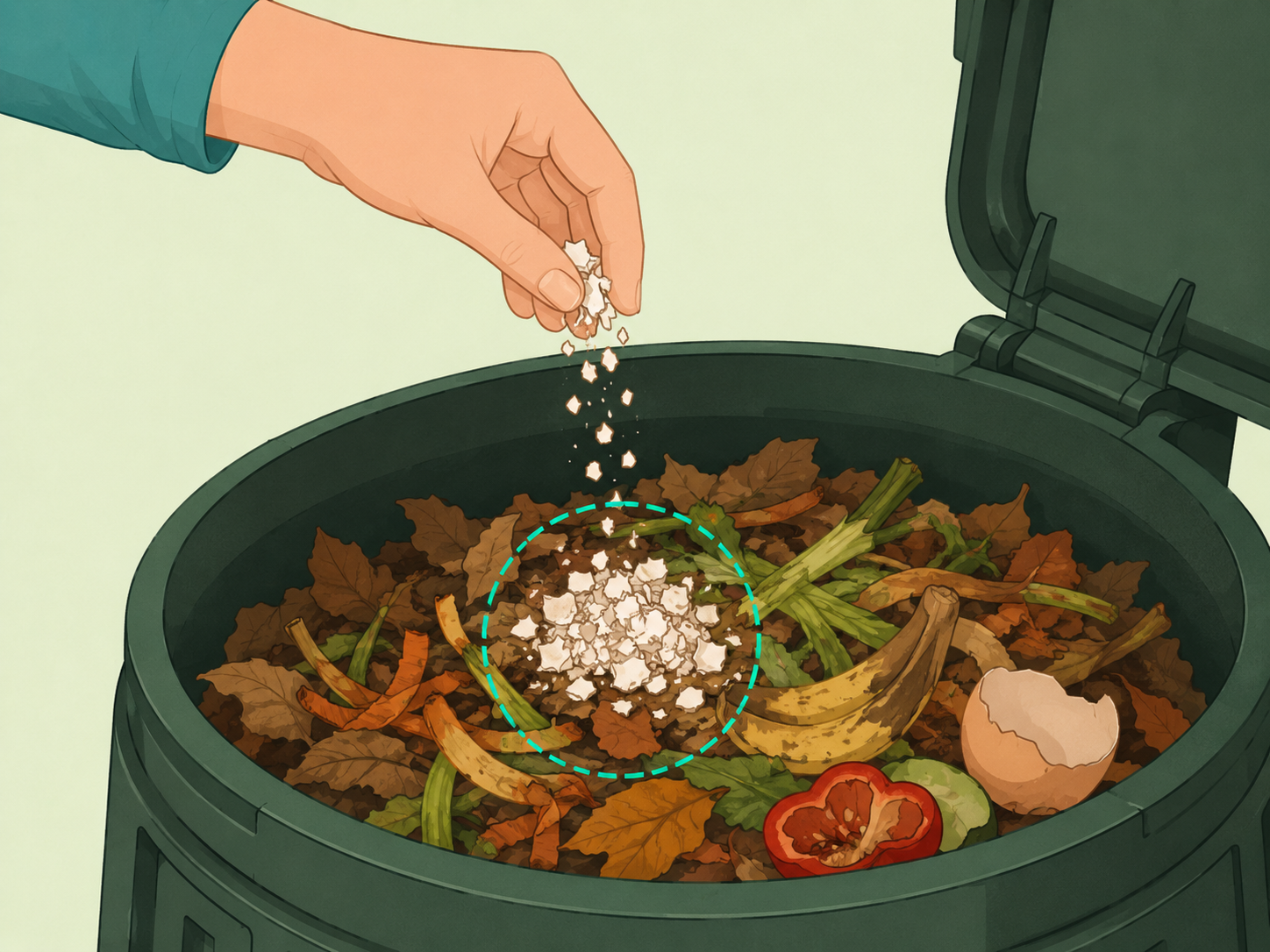
Add crushed shells to your compost pile
Sprinkle crushed eggshells into your compost with other kitchen and yard materials. Penn State Extension lists eggshells as an acceptable brown compost material, along with dry leaves, straw, sawdust, and wood chips.
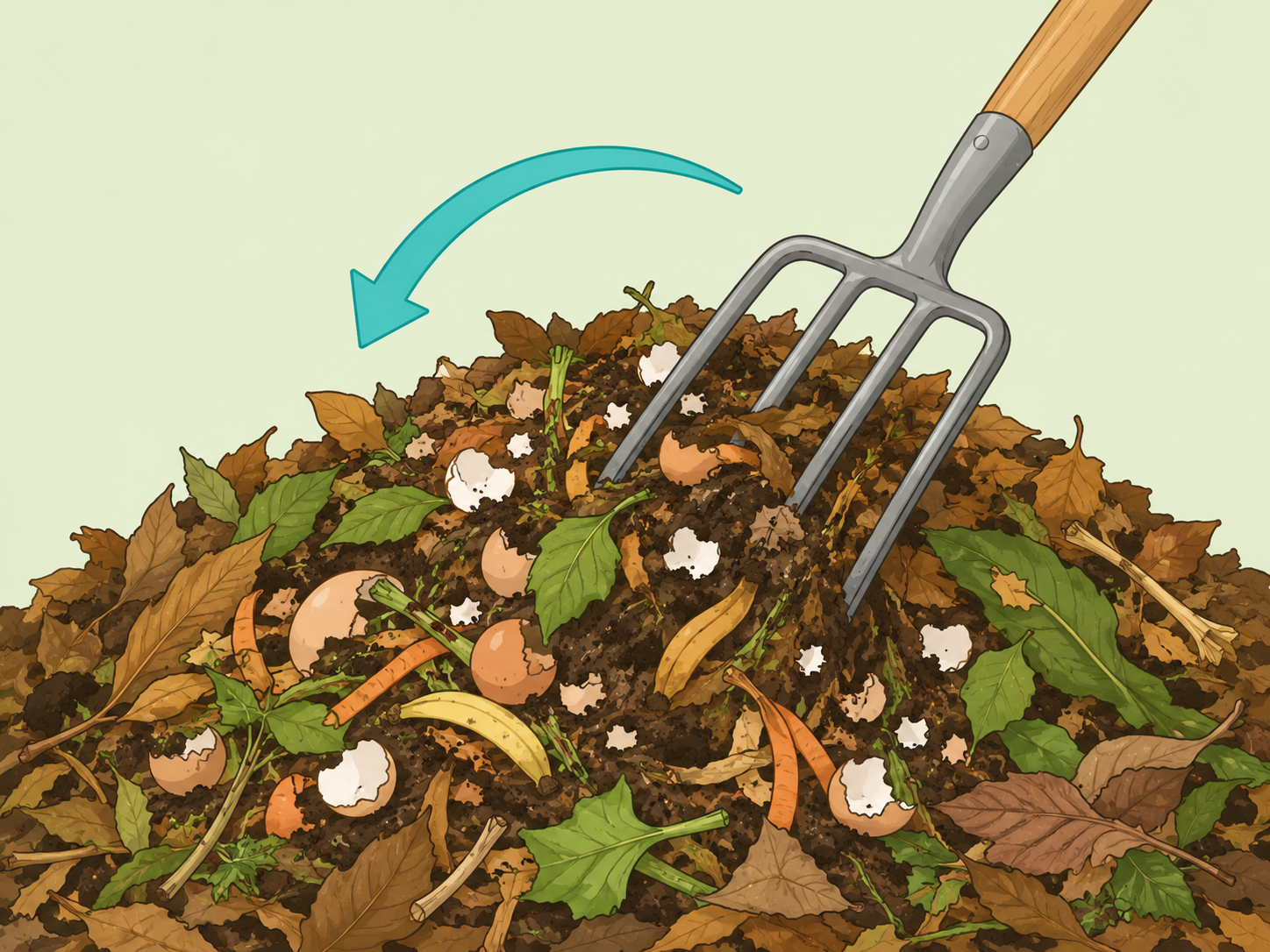
Mix the compost so shells break down better
After adding shells, mix them through the pile instead of leaving them in a thick layer. Compost needs air and moisture to work well, and Illinois Extension explains that turning a compost pile supplies oxygen and helps control odor.
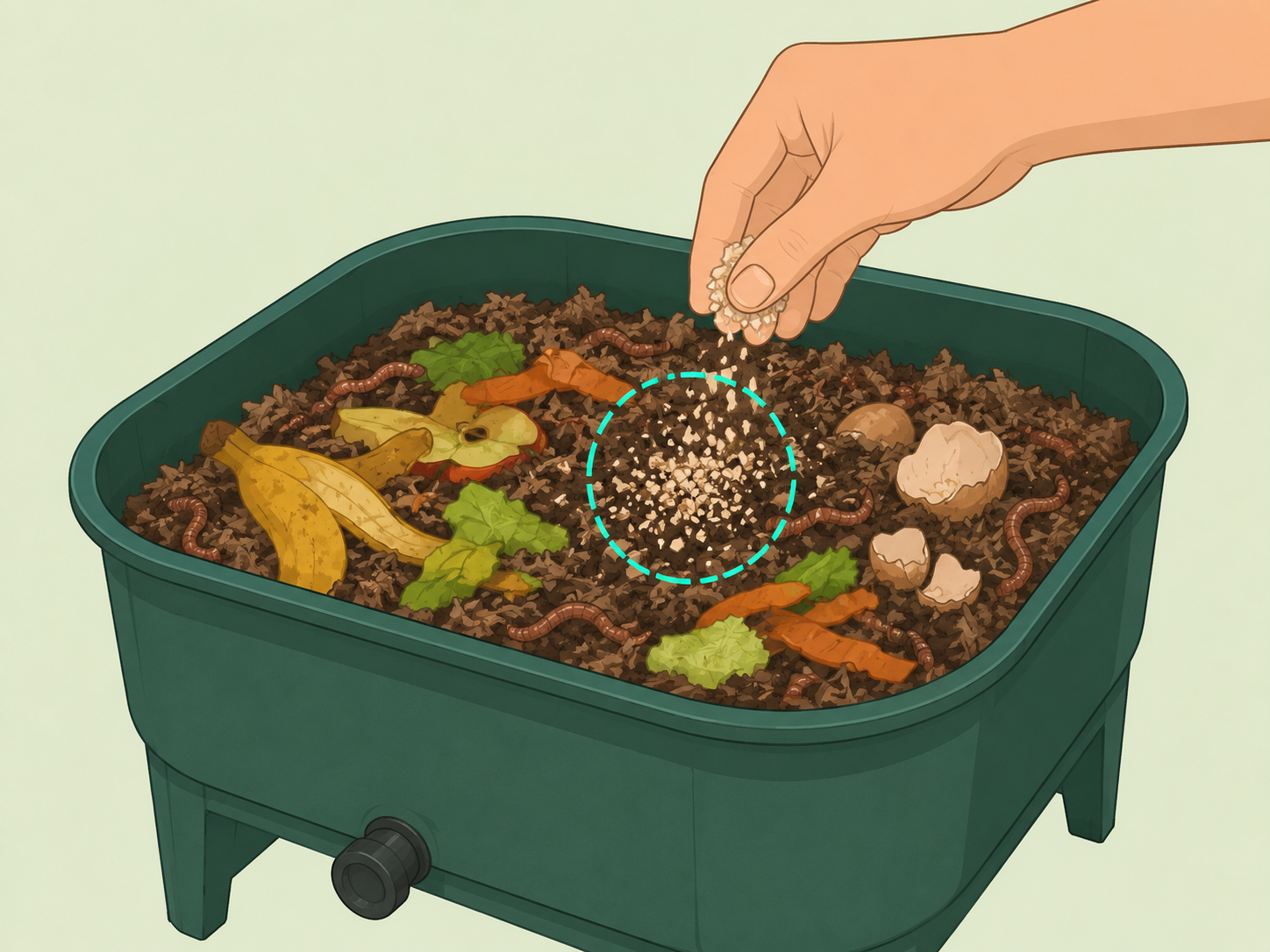
Use finely crushed shells as worm-bin grit
If you keep a worm bin, add a small pinch of finely crushed eggshells now and then. Illinois Extension includes crushed eggshells as a grit source for vermicomposting, which helps worms process food scraps.
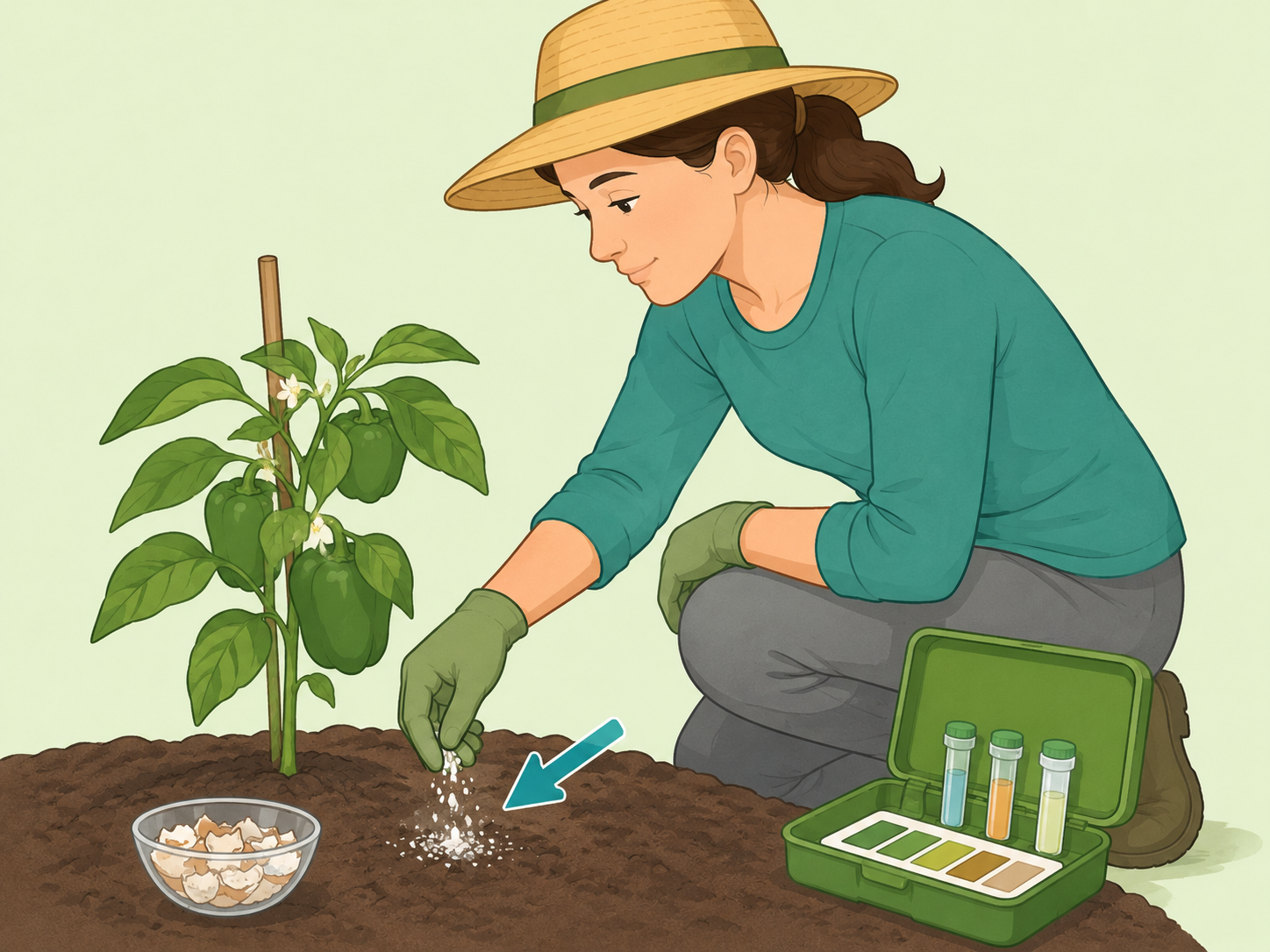
Apply eggshells to garden soil only when they fit a real need
Use eggshell powder as a slow calcium add-in, not as a cure-all. Illinois Extension cautions that eggshells may take years to break down and are not a reliable quick treatment for blossom end rot.
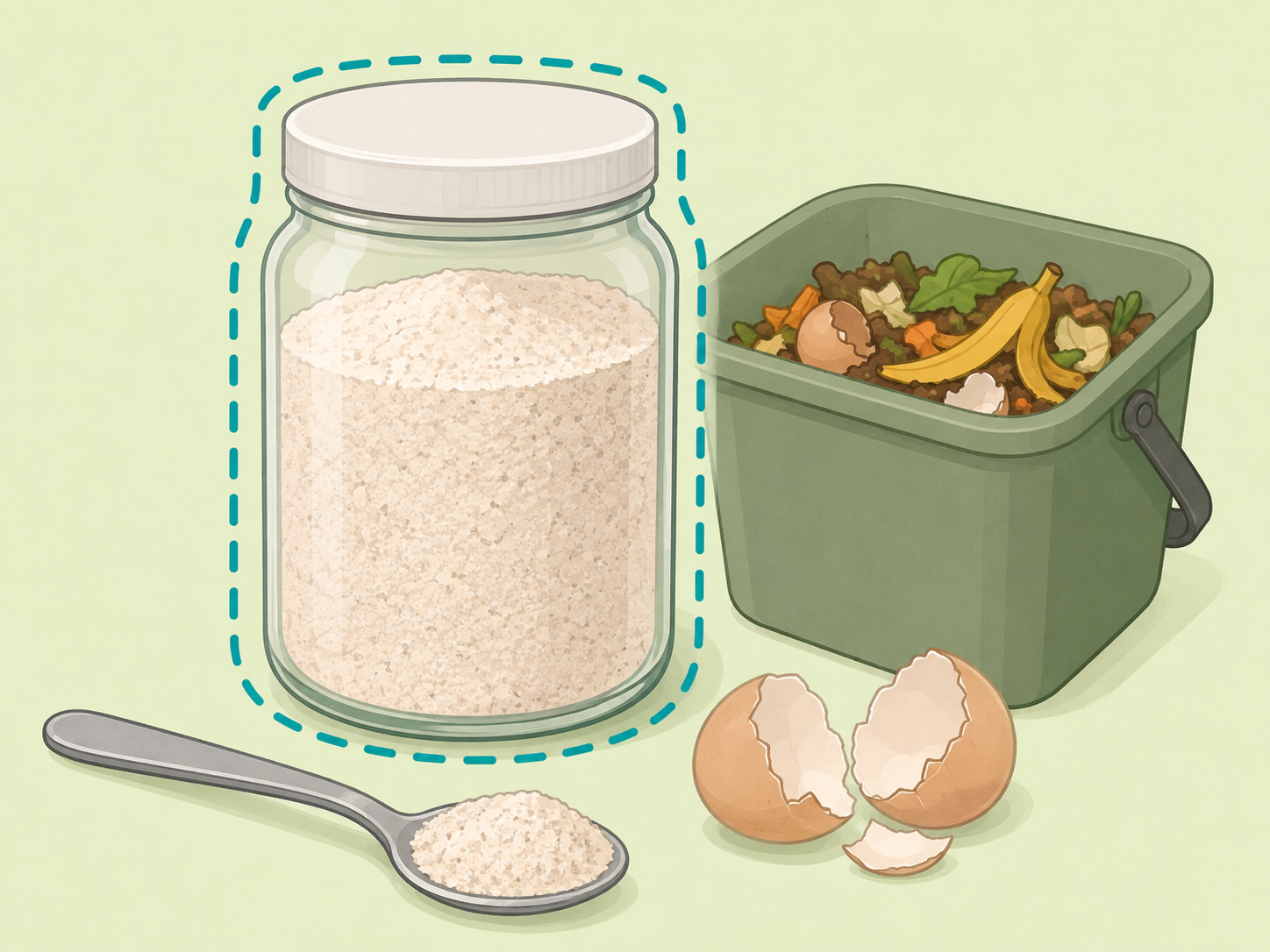
Store extra powder in a labeled dry container
Once the shells are dry and crushed, keep them in a clean jar or lidded container away from moisture. Add the powder gradually to compost, worm bins, or garden soil instead of dumping in a large amount at once.
Summary
The bottom line: eggshells are not useless, but they work best when they are clean, dry, and finely ground. Add them to compost or worm bins, and use them in garden soil only as a slow calcium source guided by real soil needs.
Frequently Asked Questions
- Do eggshells really add calcium to soil?
- Yes, eggshells contain calcium, but large pieces break down slowly. For faster availability, crush or grind them very finely before adding them to compost or soil.
- Can eggshells stop blossom end rot on tomatoes?
- Do not count on eggshells as a quick fix for blossom end rot. Extension sources note that the issue is often related to inconsistent water movement in the plant, so steady watering and a soil test matter more.
- Should I wash eggshells before saving them?
- Yes. Rinse out the remaining egg, let the shells dry fully, and wash your hands and surfaces after handling raw egg residue.
- Can I put whole eggshells straight into compost?
- You can, but they may still be visible long after the rest of the compost breaks down. Crushing them first helps them mix in better and break down more efficiently.
- Are eggshells good for worm bins?
- Finely crushed eggshells can be useful in worm bins as grit. Add small amounts and avoid overloading the bin with too much food waste at once.
- Can eggshells replace fertilizer?
- No. Eggshells are mainly a slow calcium source and do not provide a balanced mix of nutrients. Use compost, soil testing, and appropriate amendments for broader soil fertility.
References
Reliable references aided in composing and refining this content.
- https://extension.illinois.edu/blogs/good-growing/2018-03-28-using-eggshells-garden-and-compost
- https://extension.illinois.edu/blogs/over-garden-fence/2025-03-31-garden-mythbusters-dos-and-donts-natural-remedies
- https://extension.psu.edu/home-composting-a-guide-for-home-gardeners
- https://extension.illinois.edu/composting/how-it-works
- https://extension.illinois.edu/composting/vermicomposting
- https://www.fda.gov/food/buy-store-serve-safe-food/what-you-need-know-about-egg-safety