
 Pin it
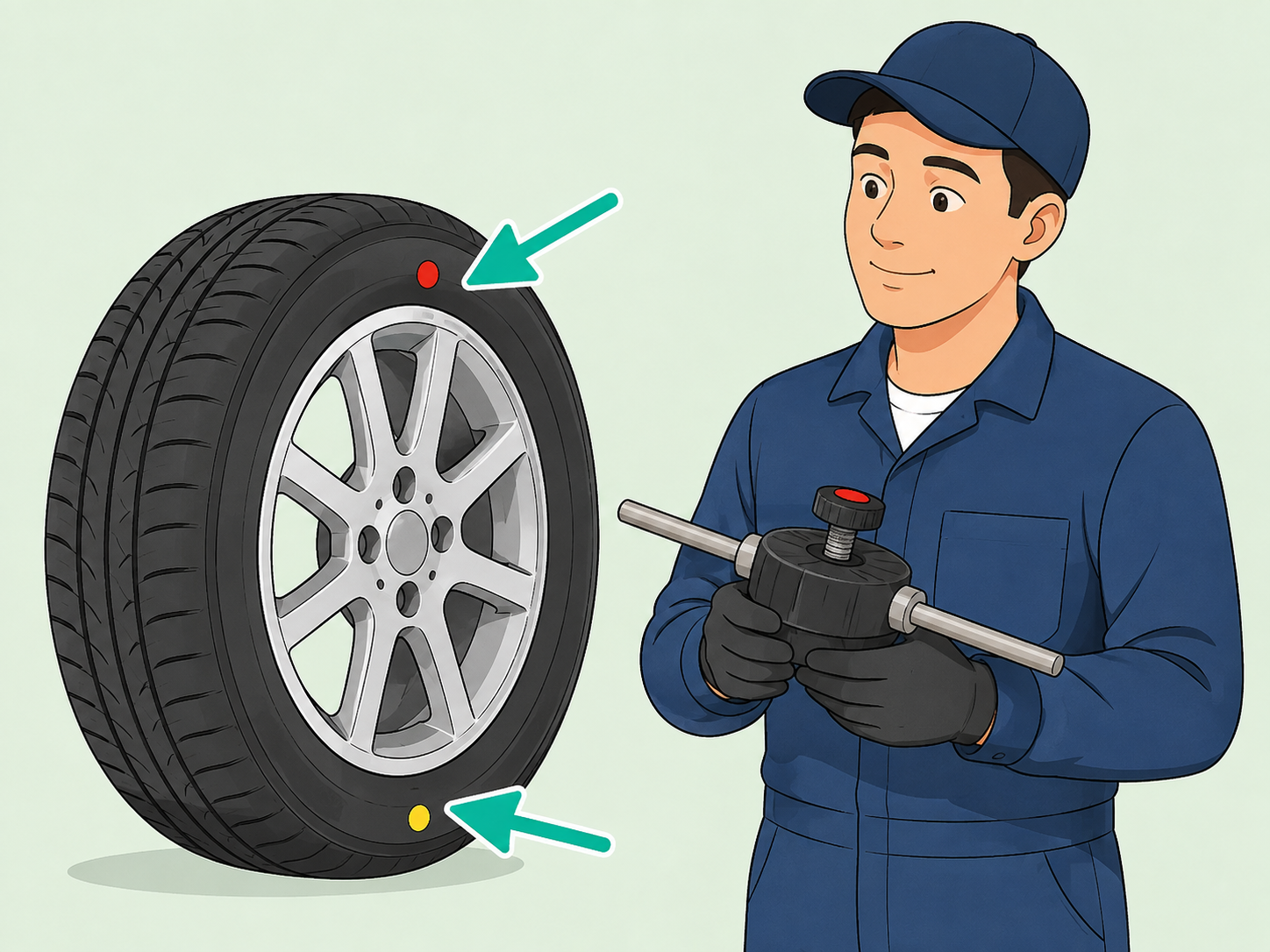
Small red and yellow dots on a tire sidewall can look mysterious, especially on a brand-new tire. They are usually temporary match-mounting marks that help a tire technician line up the tire and wheel before balancing. This guide explains what the dots mean, when they matter, and what to do if your car vibrates after new tires are installed.
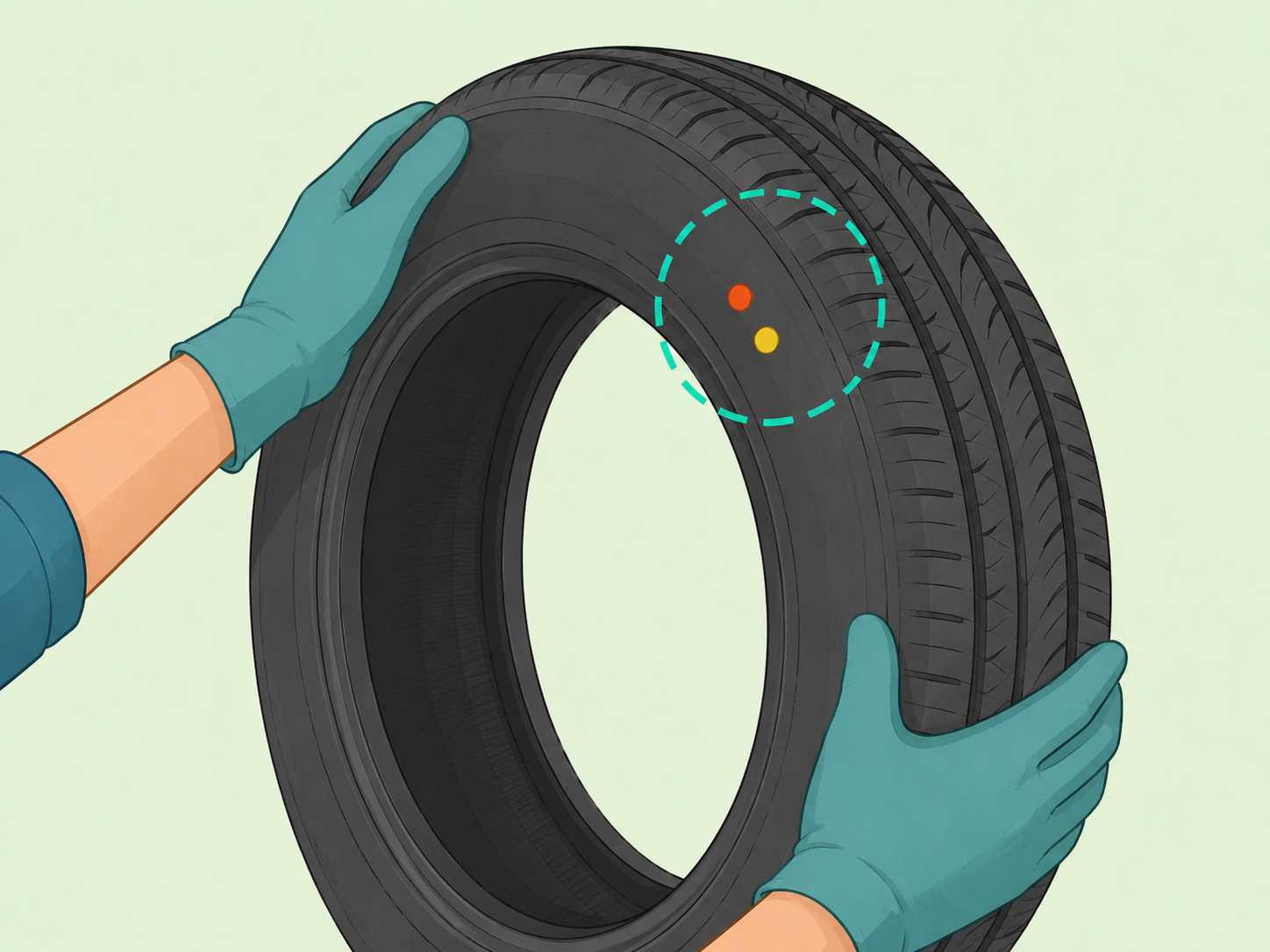
Look for the dots on a new tire sidewall
Check the outer sidewall of a new tire for small painted red, yellow, white, or other colored marks. These are different from permanent molded markings such as the DOT code, tire size, load rating, and warning text, which NHTSA explains are part of tire safety information.
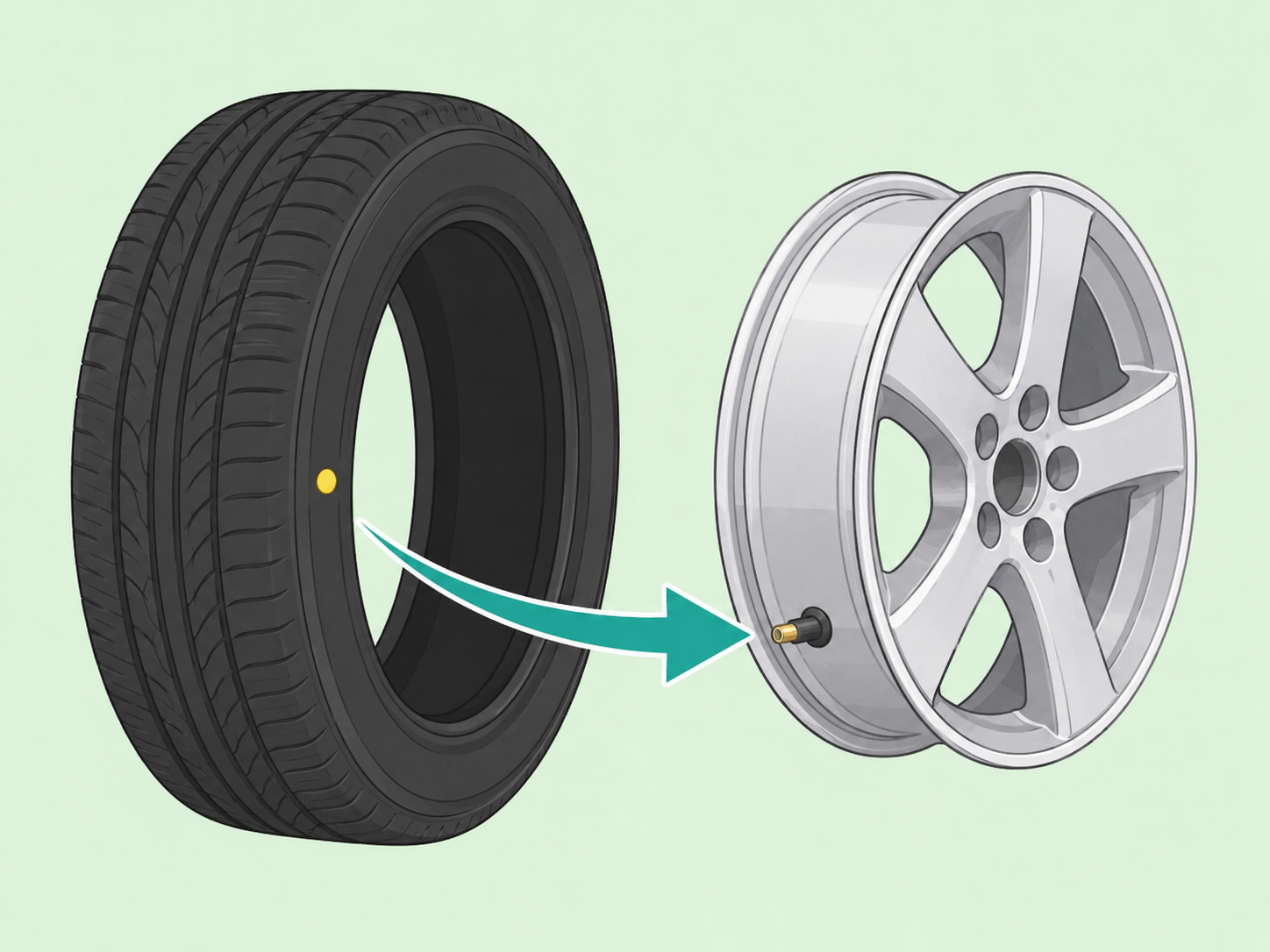
Treat the yellow dot as a light-point mark
The yellow dot usually marks the tire's lightest point. In the common weight method, Yokohama says the yellow mark is aligned with the valve stem, which is treated as the wheel assembly's heaviest point.
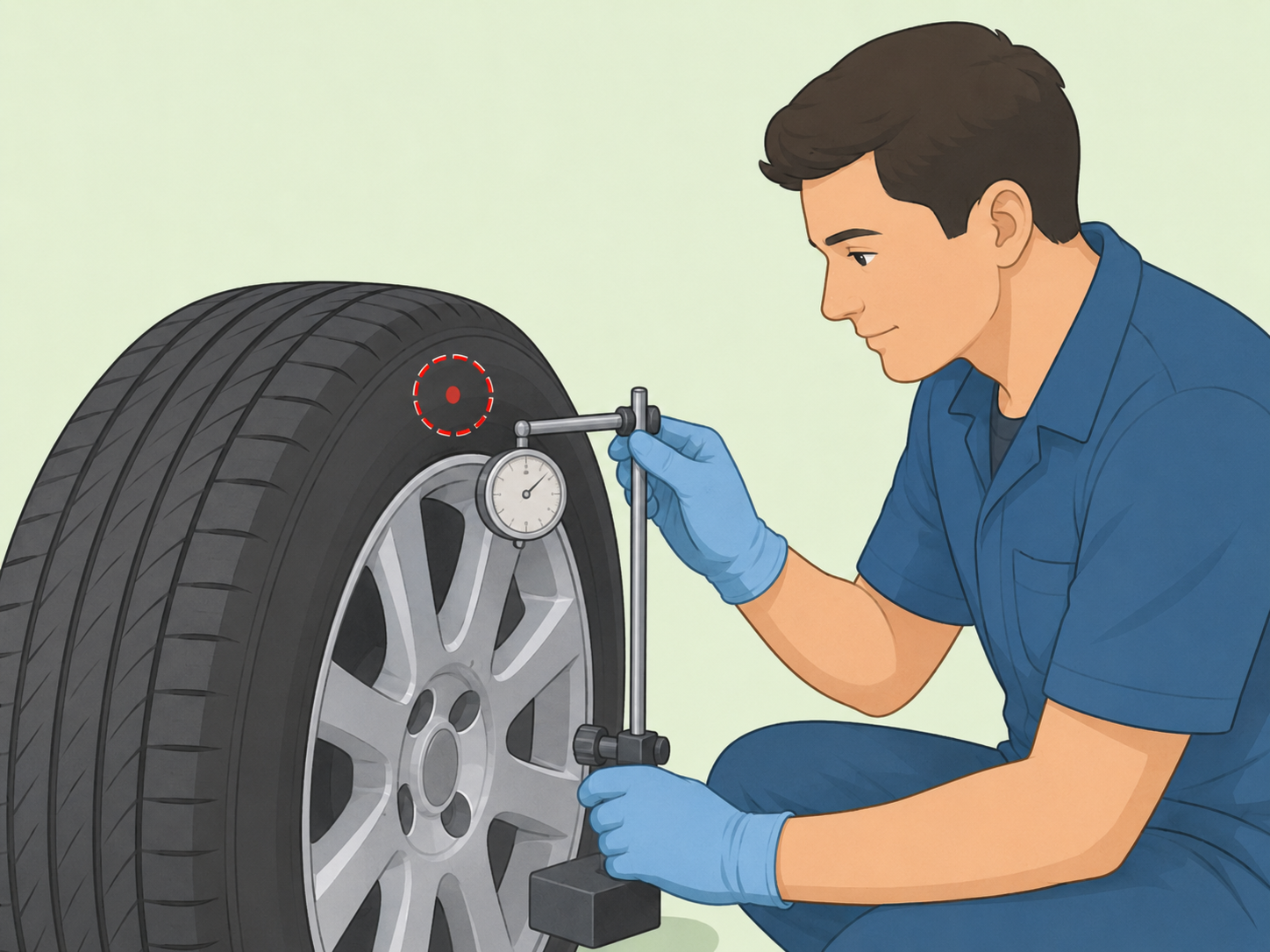
Treat the red dot as a uniformity mark
The red dot usually points to the tire's maximum radial force variation or high point. That matters because match mounting can help reduce vibration caused by the tire and wheel not rolling as smoothly together, a process described by MOTOR's tire match-mounting overview.
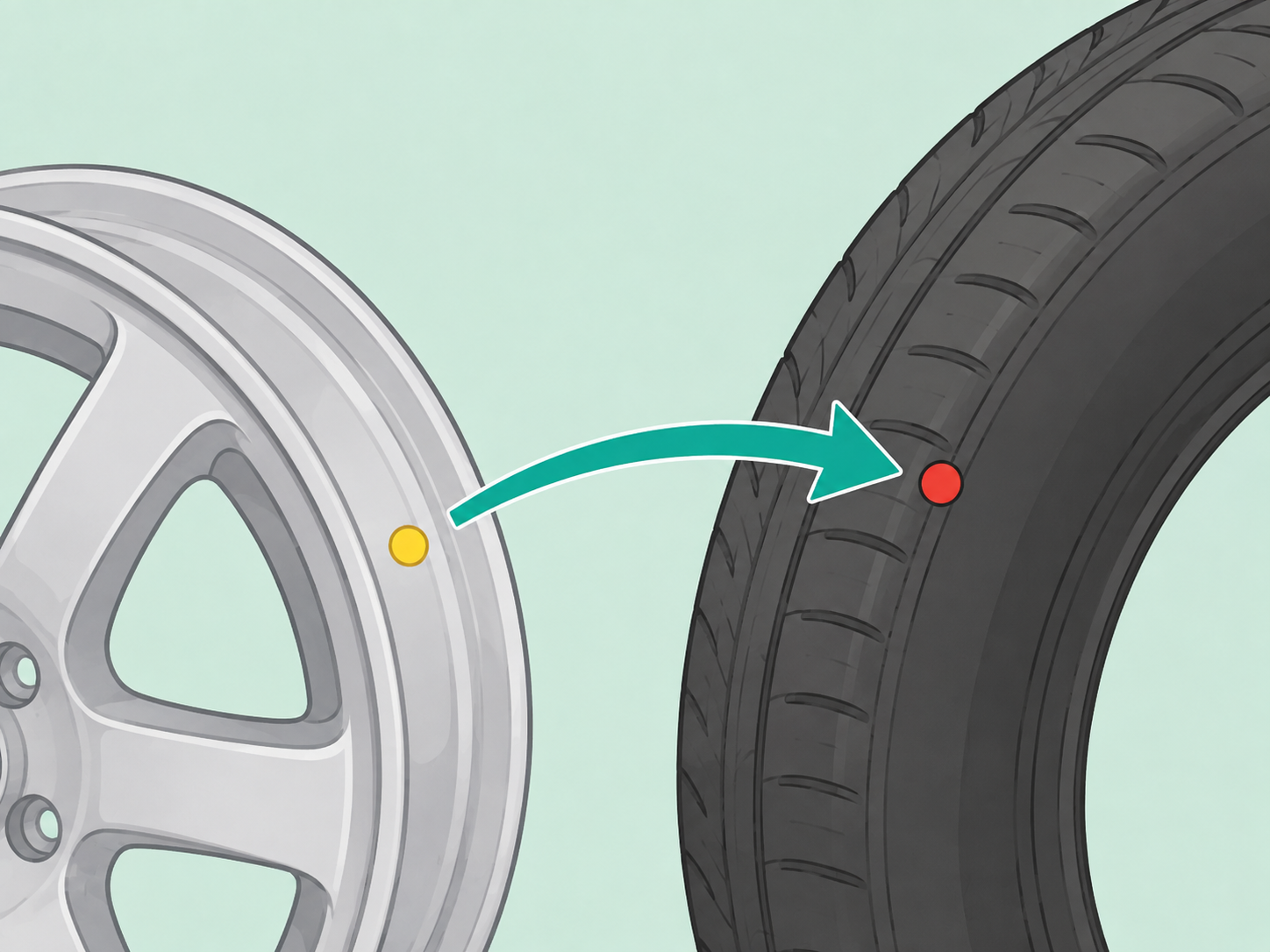
Check whether the wheel has a matching mark
Some wheels have their own low-point mark, such as a paint mark, sticker, notch, or other manufacturer indicator. If that mark is present, Tire Rack notes that match mounting uses tire and wheel marks together to reduce force variation or imbalance.
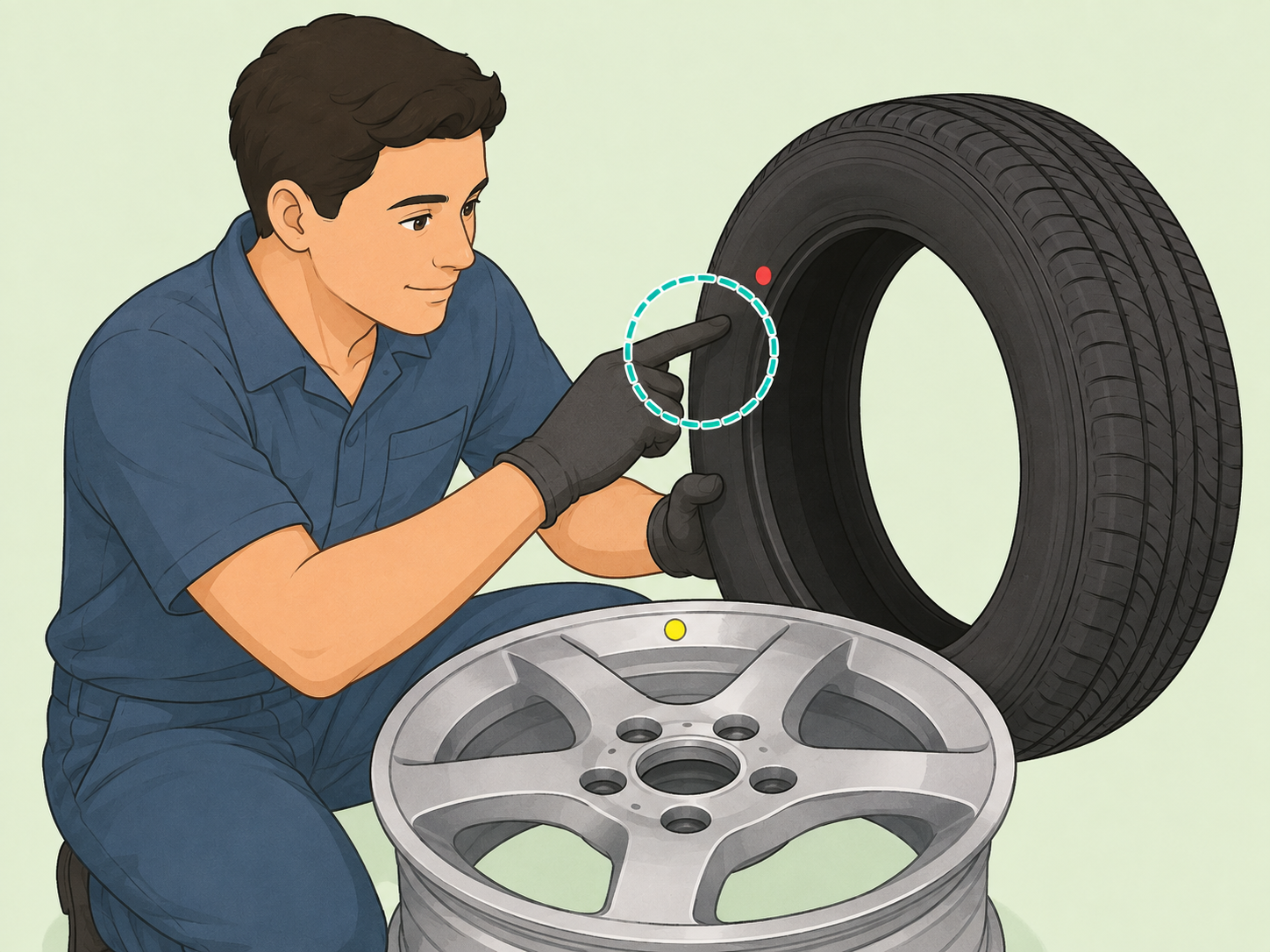
Let the installer choose the right alignment method
Do not assume every tire brand uses the same colors in the same way. A trained tire technician can check the tire brand guidance, wheel markings, and balancing equipment before deciding whether to use the red mark, the yellow mark, or a machine-based road-force measurement.
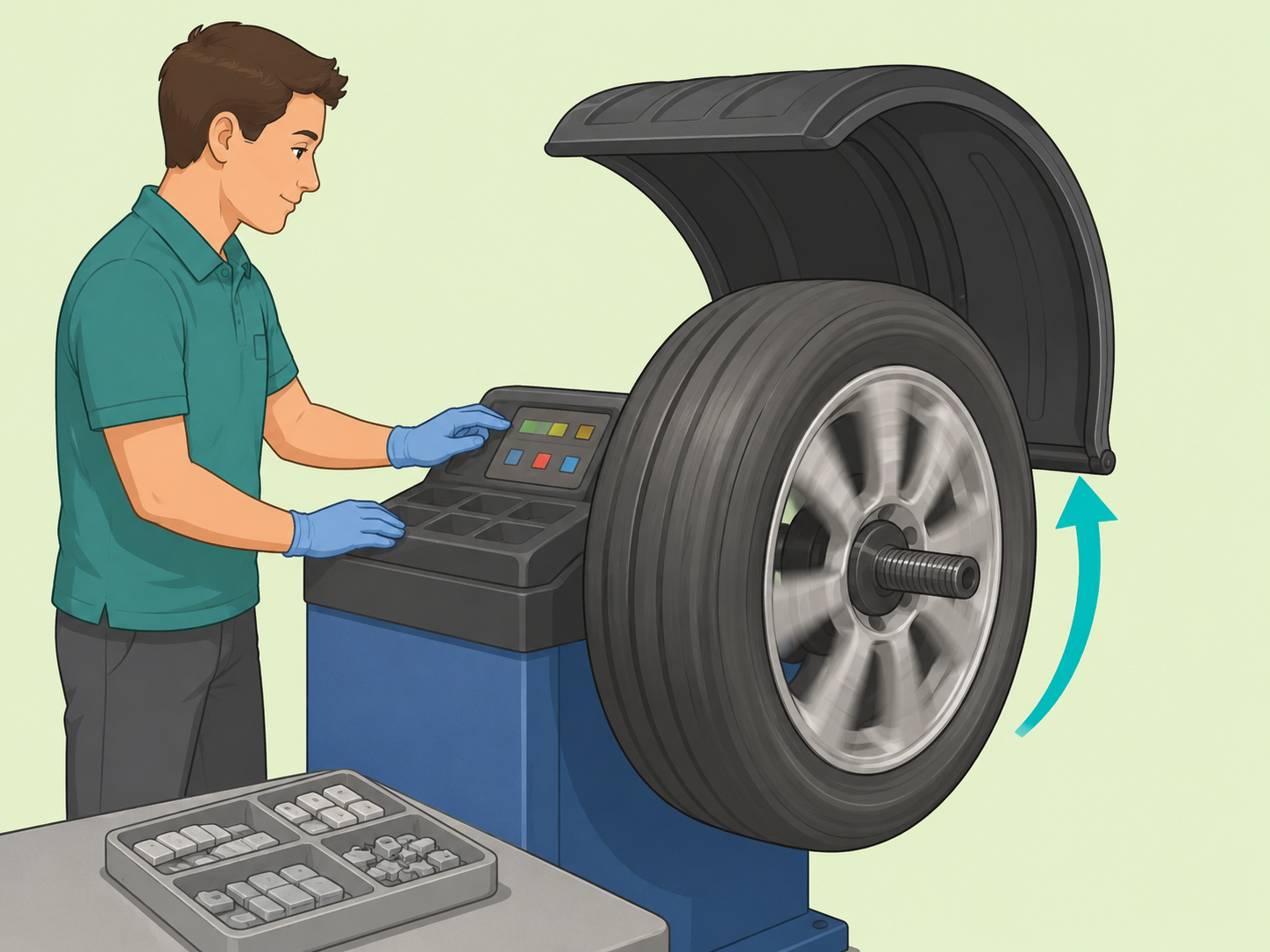
Balance the tire after it is mounted
The dots help with positioning, but they do not replace balancing. After match mounting, the tire and wheel assembly still needs balancing, and NHTSA says new tires should be balanced when installed so the wheels rotate properly without shaking.
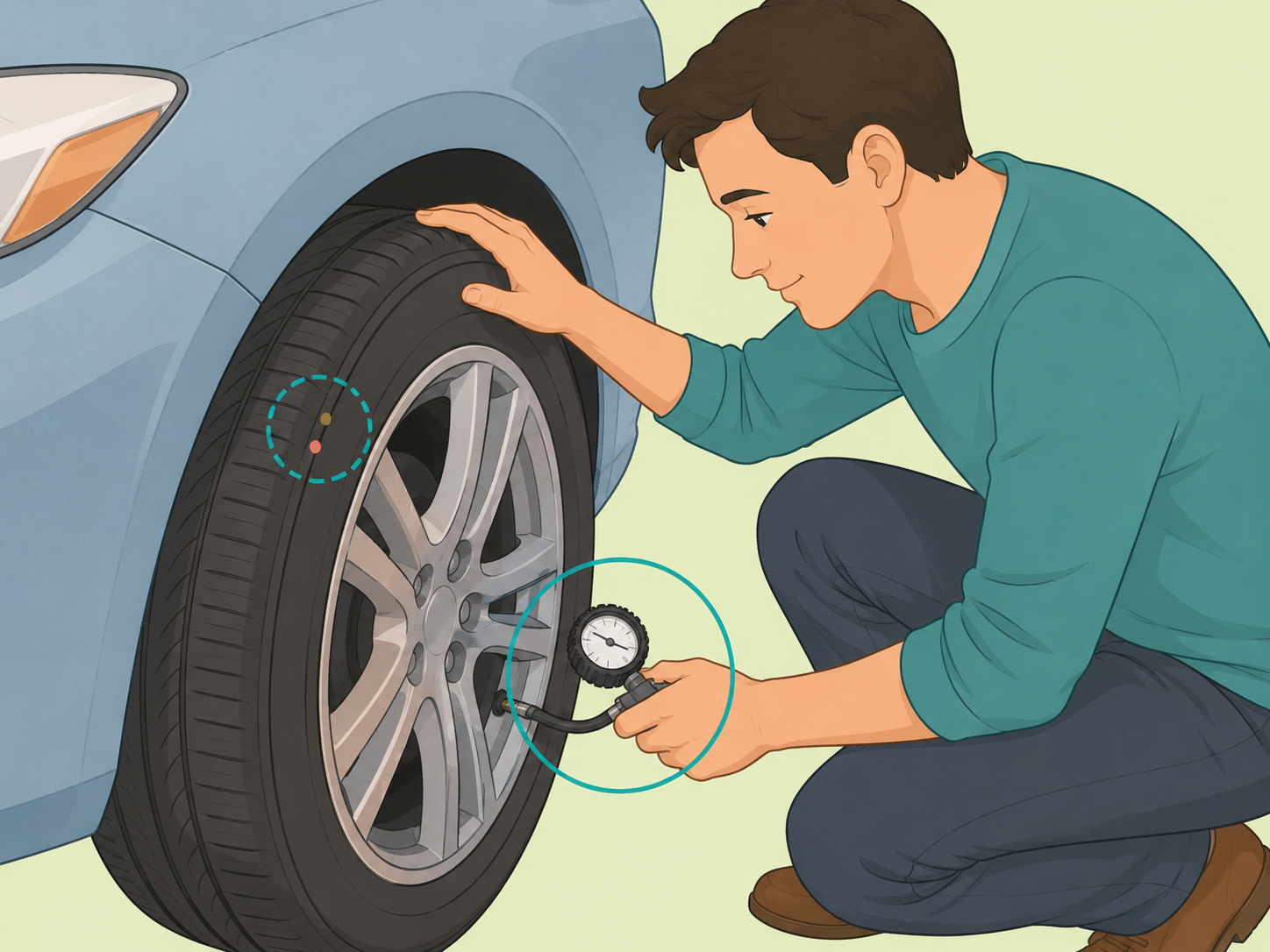
Ignore the dots once the tire is in service
After installation and balancing, the colored paint may fade, wash off, or sit in a position that no longer tells you anything useful. Focus on regular tire checks instead: pressure, tread depth, visible damage, rotation, balance, and alignment matter more for everyday safety than old paint marks.
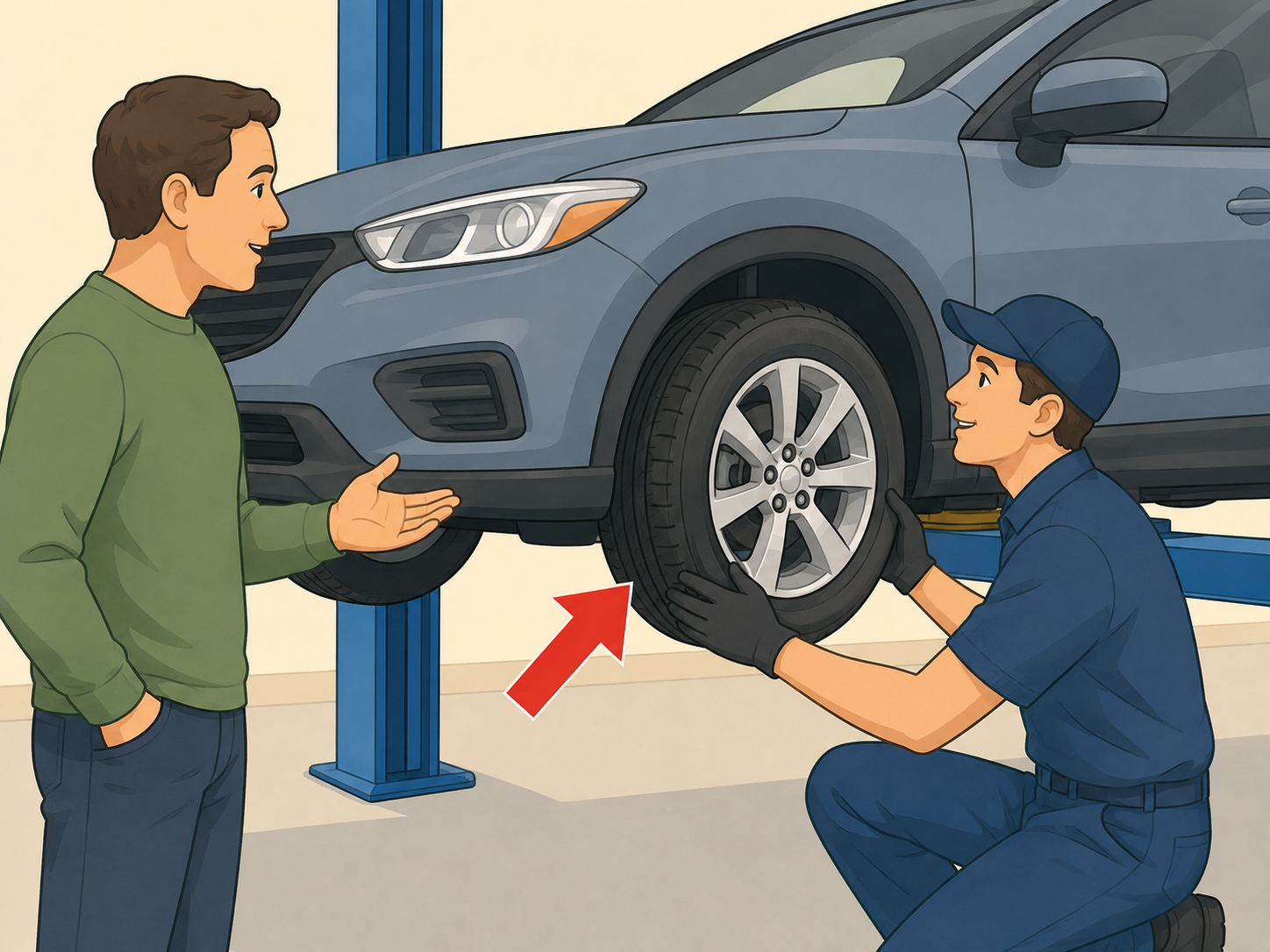
Ask for help if the car shakes or pulls
If you feel vibration, shaking, new road noise, or pulling after tire installation, return to the shop and ask them to inspect the balance, mounting, wheel condition, and alignment. NHTSA advises drivers to consult a tire service professional when tires show performance issues such as vibration or failure to hold proper pressure.
Summary
The bottom line: red and yellow tire dots are fitting aids, not damage marks or safety warnings. A trained installer uses them during match mounting, then balances the tire and wheel assembly so the car rides smoothly.
Frequently Asked Questions
- Are the red and yellow dots on tires bad?
- No. On new tires, they are usually temporary factory marks that help with mounting and balancing. They do not mean the tire is damaged.
- What does the yellow dot on a tire mean?
- The yellow dot commonly marks the tire's lightest point. During weight match mounting, an installer may line it up with the valve stem, which is often treated as the wheel's heavier point.
- What does the red dot on a tire mean?
- The red dot commonly marks the tire's point of maximum radial force variation or high point. If the wheel has a matching low-point mark, a technician may use the red dot for uniformity match mounting.
- Which dot should line up with the valve stem?
- It depends on the tire and wheel. If there is no wheel low-point mark, many installers use the yellow dot at the valve stem. If a wheel low-point mark is present, the red dot may be more important.
- Do the dots replace wheel balancing?
- No. The dots only help position the tire on the wheel before balancing. The mounted tire and wheel assembly should still be balanced with proper equipment.
- Can I remove the paint dots after installation?
- Usually, yes, because they are temporary fitting marks. Do not scrape or use harsh solvents on the sidewall; ask the tire shop if you are unsure.
References
Reliable references aided in composing and refining this content.