
 Pin it
We say o'clock so often that it can feel like a single ordinary word. But the phrase began as a shortened way of saying of the clock, which helped people name the hour shown by a clock rather than another timekeeper. This guide walks through the history in plain English so you can explain the phrase clearly.
Start with the full phrase of the clock
O'clock comes from the older phrase of the clock. In plain terms, six o'clock originally meant something like six according to the clock. That mattered because people had other ways to estimate time before clocks became ordinary household objects.
Read the apostrophe as a missing word
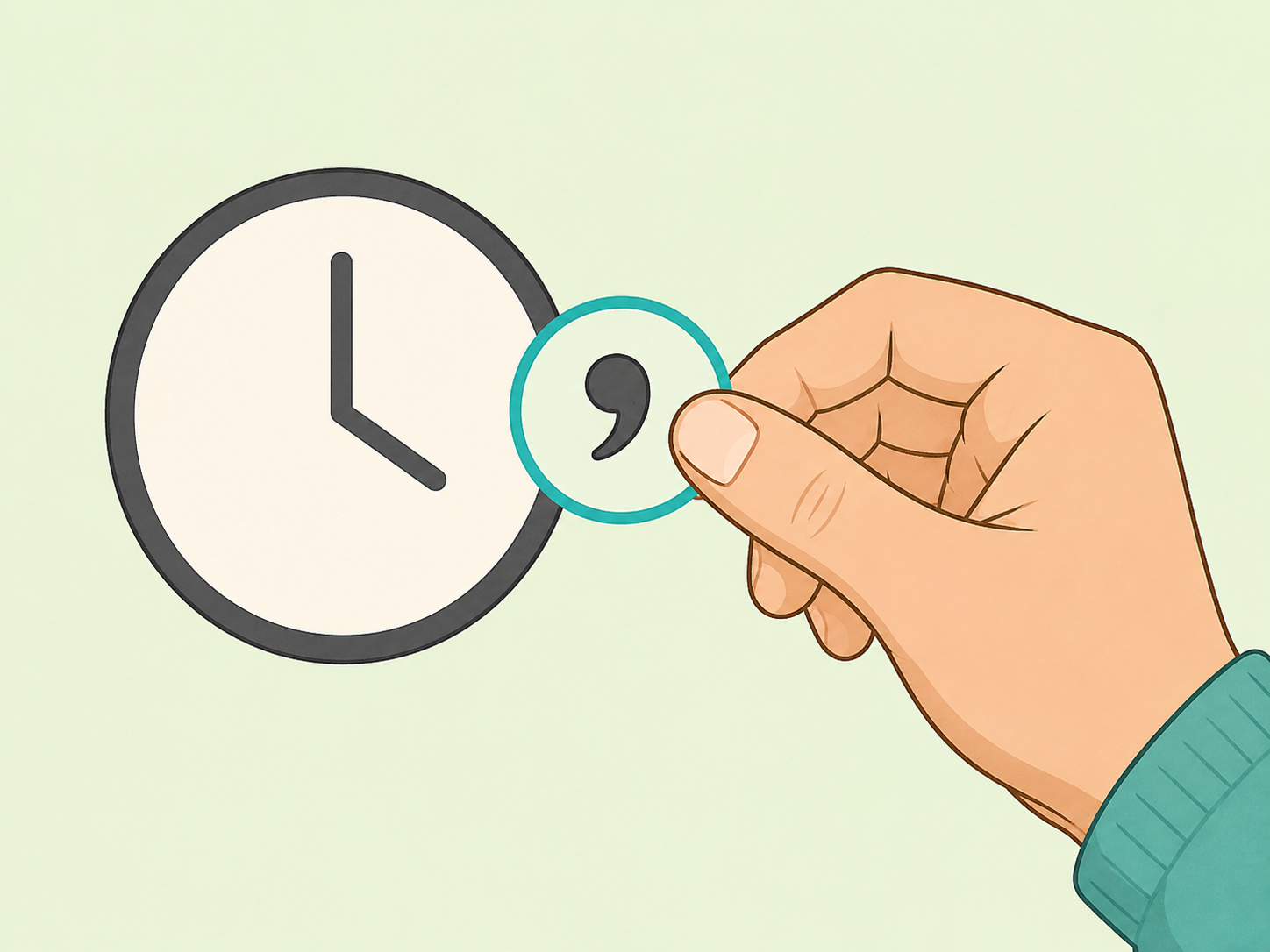
The apostrophe in o'clock marks a contraction, not a family name or a decorative spelling. Merriam-Webster defines o'clock as according to the clock and gives its etymology as a contraction of of the clock. Once you know that, the spelling looks much less mysterious.
Picture a medieval clock face
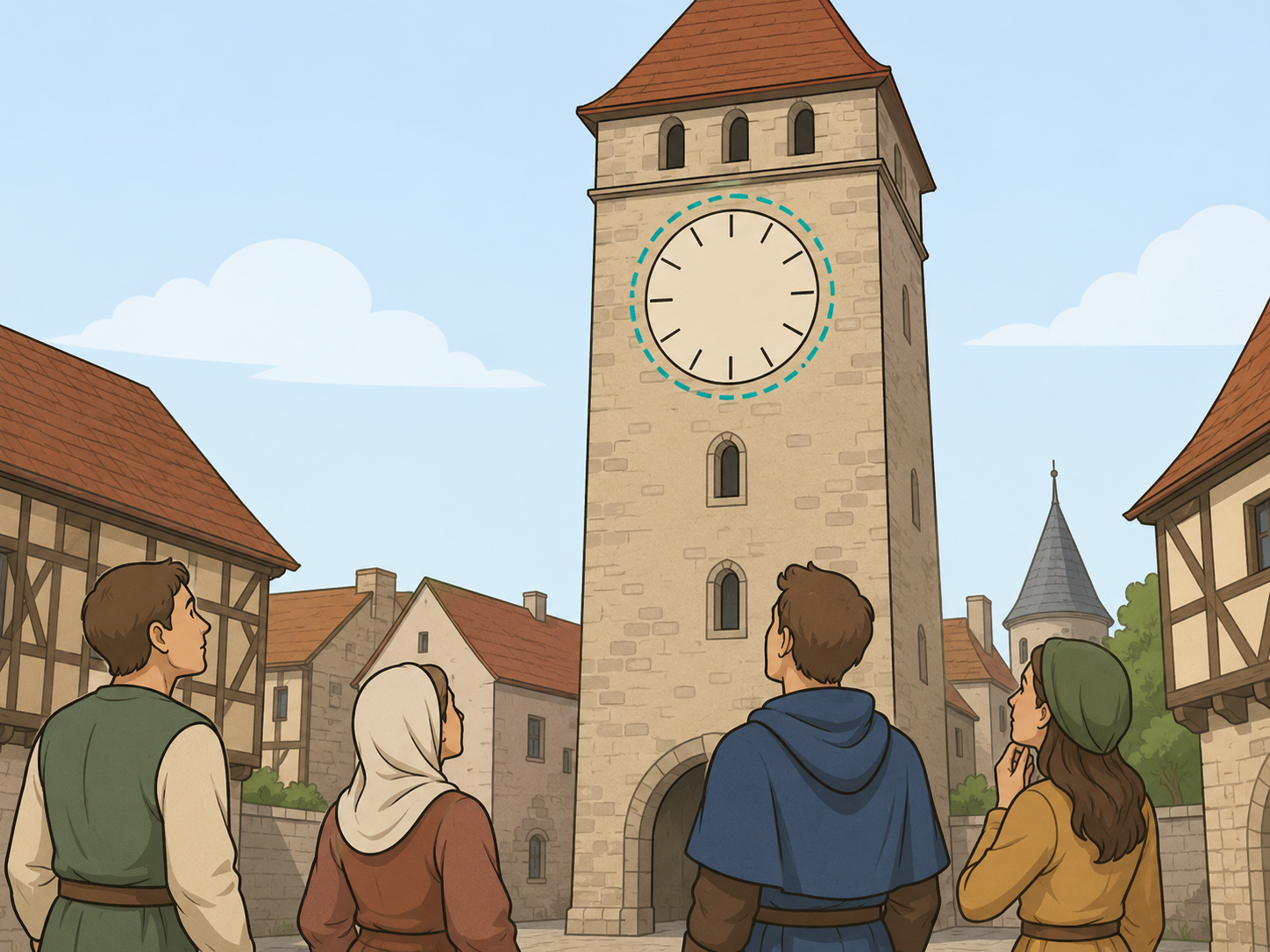
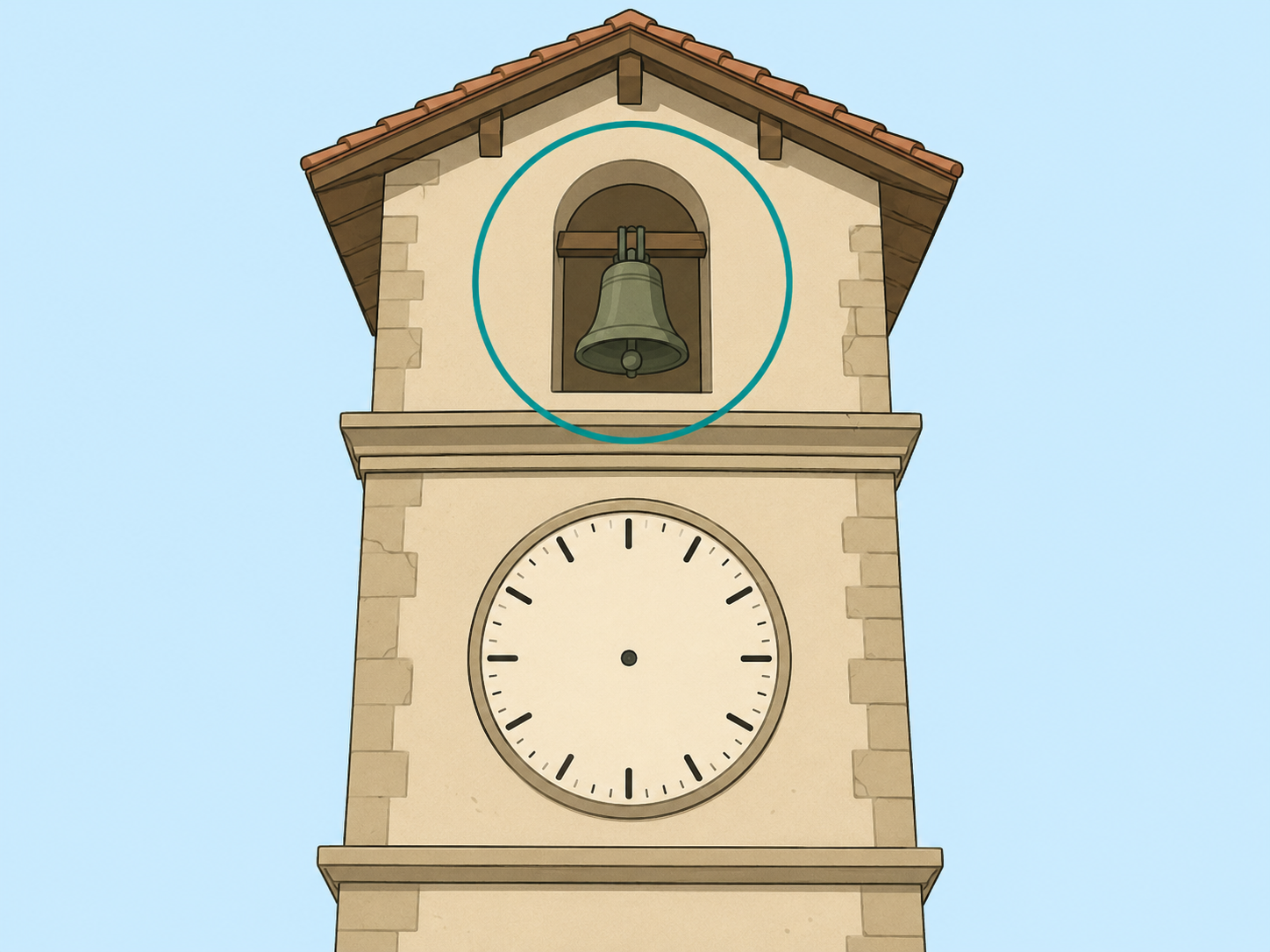
The phrase makes more sense when you imagine people reading an actual clock face. NIST notes that large mechanical clocks began appearing in European city towers in the first half of the 14th century. Saying the hour was of the clock helped connect the spoken time to the mechanical display.
Compare clocks with older timekeepers
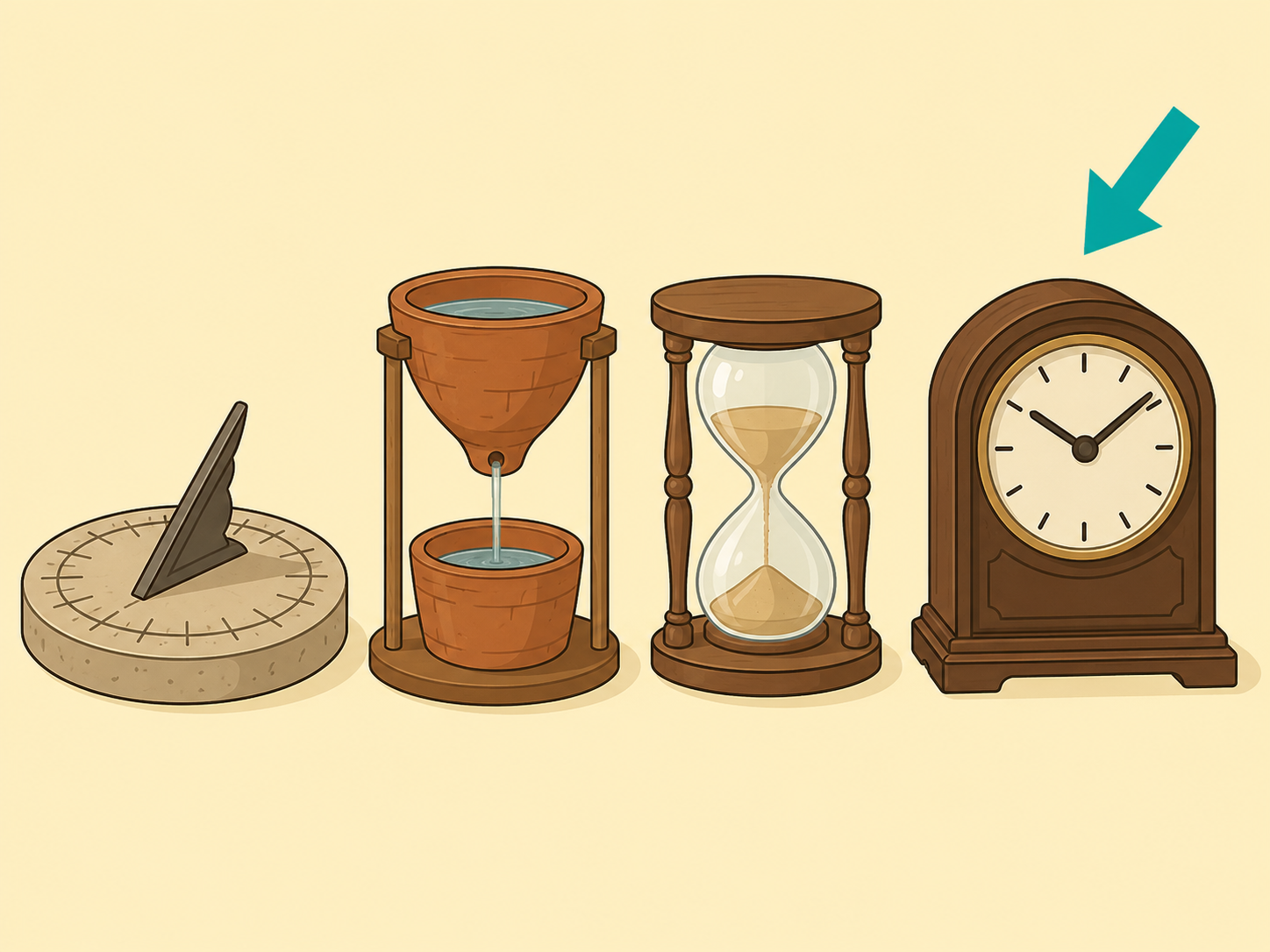
Before mechanical clocks were widespread, people used the sun, water clocks, hourglasses, and other methods to measure time. NIST describes ancient sundials and water clocks as major early timekeeping tools in its history of the second. O'clock belongs to the period when clock time became an important shared reference.
Connect the word clock to bells
The word clock is also tied to sound. Merriam-Webster explains that early clocks often used a chime or gong and that clock is related to an older French word meaning bell. That bell connection helps explain why public clocks were not only seen but also heard.
Use o'clock only for exact hours
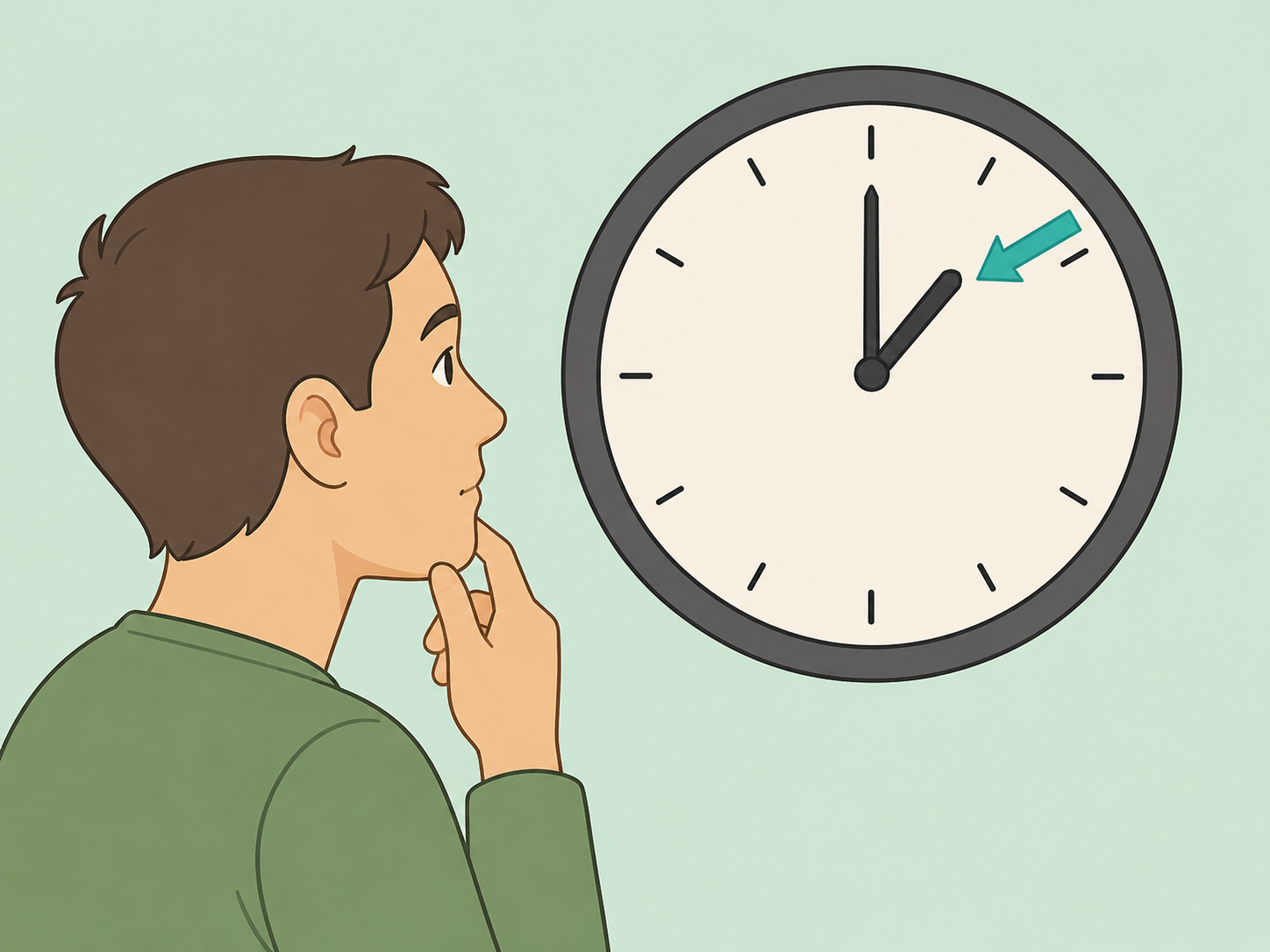
In modern English, o'clock normally follows a number when the time is exactly on the hour. The Cambridge Dictionary describes it as used after numbers from one to twelve to say the exact hour. So two o'clock sounds normal, but two-fifteen o'clock does not.
Separate time from direction
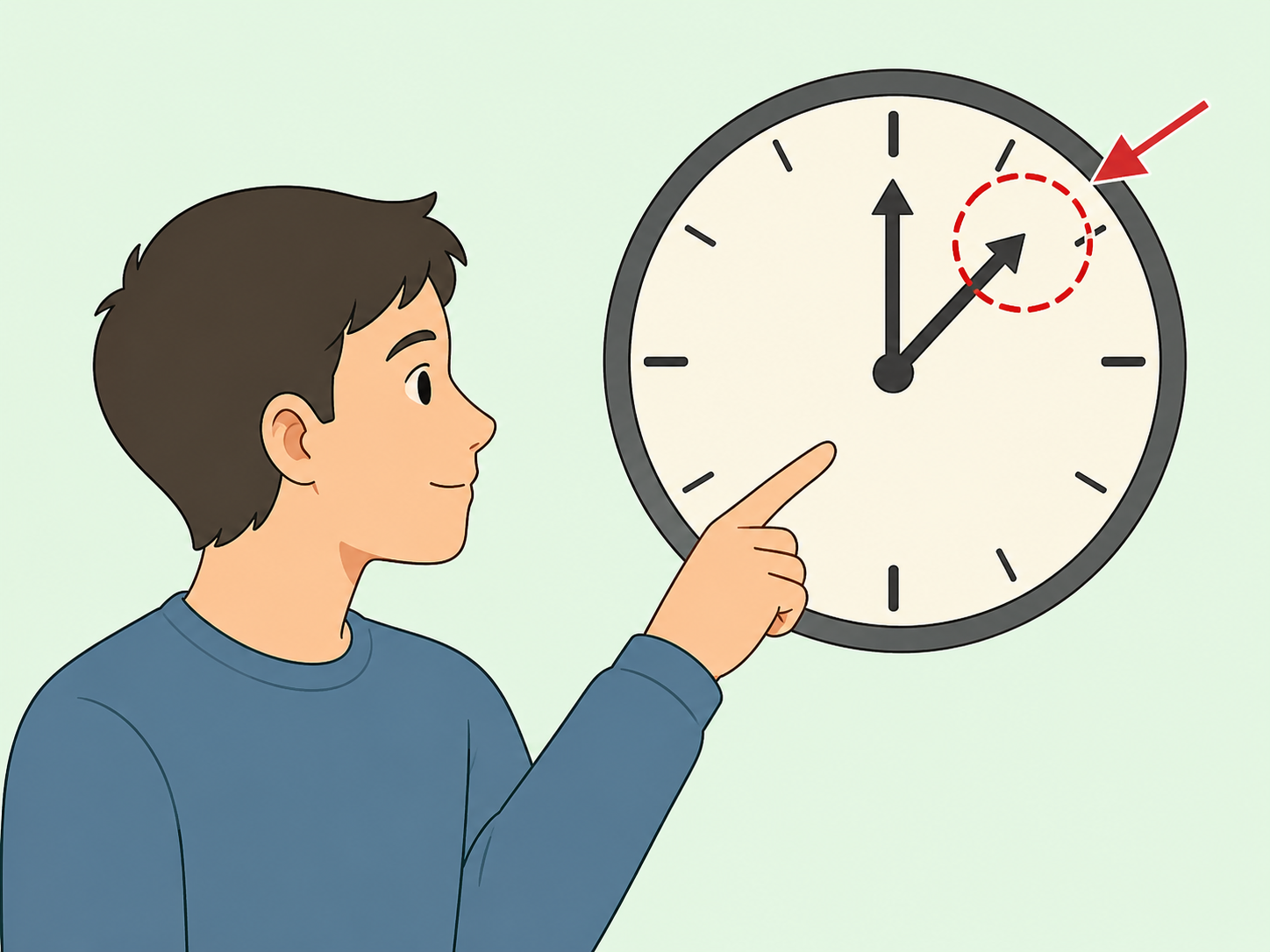
O'clock can also describe direction because people imagine positions around a clock dial. Merriam-Webster lists this as a separate sense, such as using six o'clock to mean a position behind or below on an imagined clock face. That meaning depends on the same familiar circle of clock positions.
Explain the phrase in one plain sentence
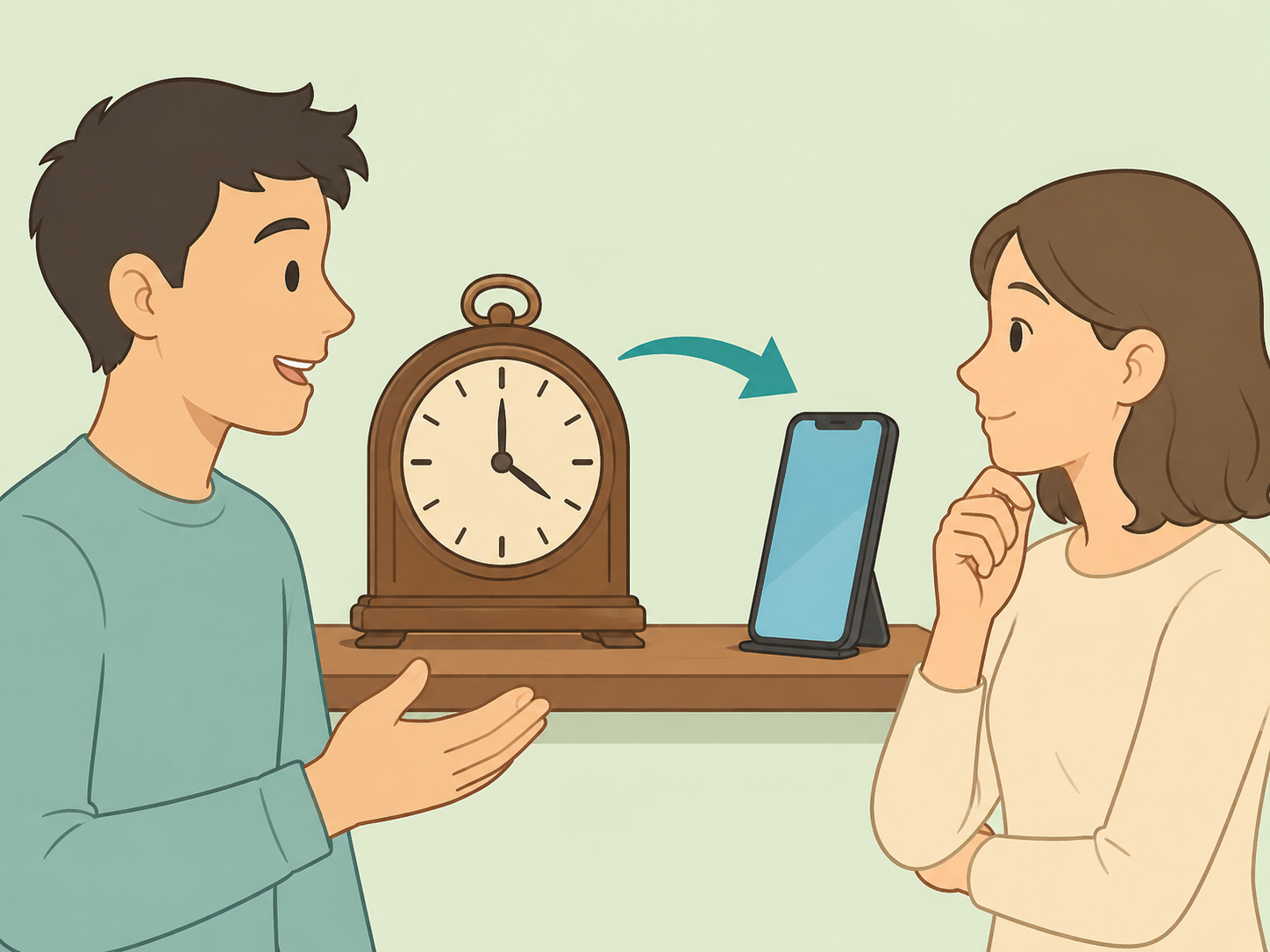
When someone asks why we say o'clock, say this: it is short for of the clock, meaning the hour shown by the clock. You can add that mechanical clocks became important in late medieval Europe and that the old wording simply stuck. The phrase survived because short everyday expressions often remain long after their original setting changes.
Summary
The bottom line: o'clock means of the clock. It survived because it is short, familiar, and tied to the old clock face people still picture when naming exact hours.
Frequently Asked Questions
- What does the O in o'clock stand for?
The o is a shortened form of of, so o'clock means of the clock. Merriam-Webster traces it to the older phrase of the clock.
- Is o'clock short for on the clock?
No. In this expression, o'clock is short for of the clock, not on the clock.
- Why is there an apostrophe in o'clock?
The apostrophe marks omitted letters, just as it does in contractions. Here, it shows that part of the older phrase of the clock has been shortened.
- Can you say one-thirty o'clock?
In standard modern English, no. Dictionaries describe o'clock as a word used after a number to name an exact hour, such as three o'clock, not a half-hour time.
- Why do we still say o'clock if most clocks are digital?
The phrase stayed in everyday speech because it is familiar and efficient. Even when a phone shows digits, saying six o'clock still points back to the idea of a traditional clock face.
- Why do people say three o'clock for direction?
That use comes from imagining a clock dial as a map of positions. Merriam-Webster includes this separate meaning for direction, such as something being at six o'clock on an imagined clock face.
References
Reliable references aided in composing and refining this content.
- https://www.merriam-webster.com/wordplay/the-origin-of-oclock
- https://www.merriam-webster.com/dictionary/o%27clock
- https://www.nist.gov/pml/time-and-frequency-division/popular-links/walk-through-time/walk-through-time-revolution
- https://www.nist.gov/si-redefinition/second/second-past
- https://www.nist.gov/si-redefinition/second-introduction
- https://dictionary.cambridge.org/us/dictionary/english/o-clock