
 Pin it
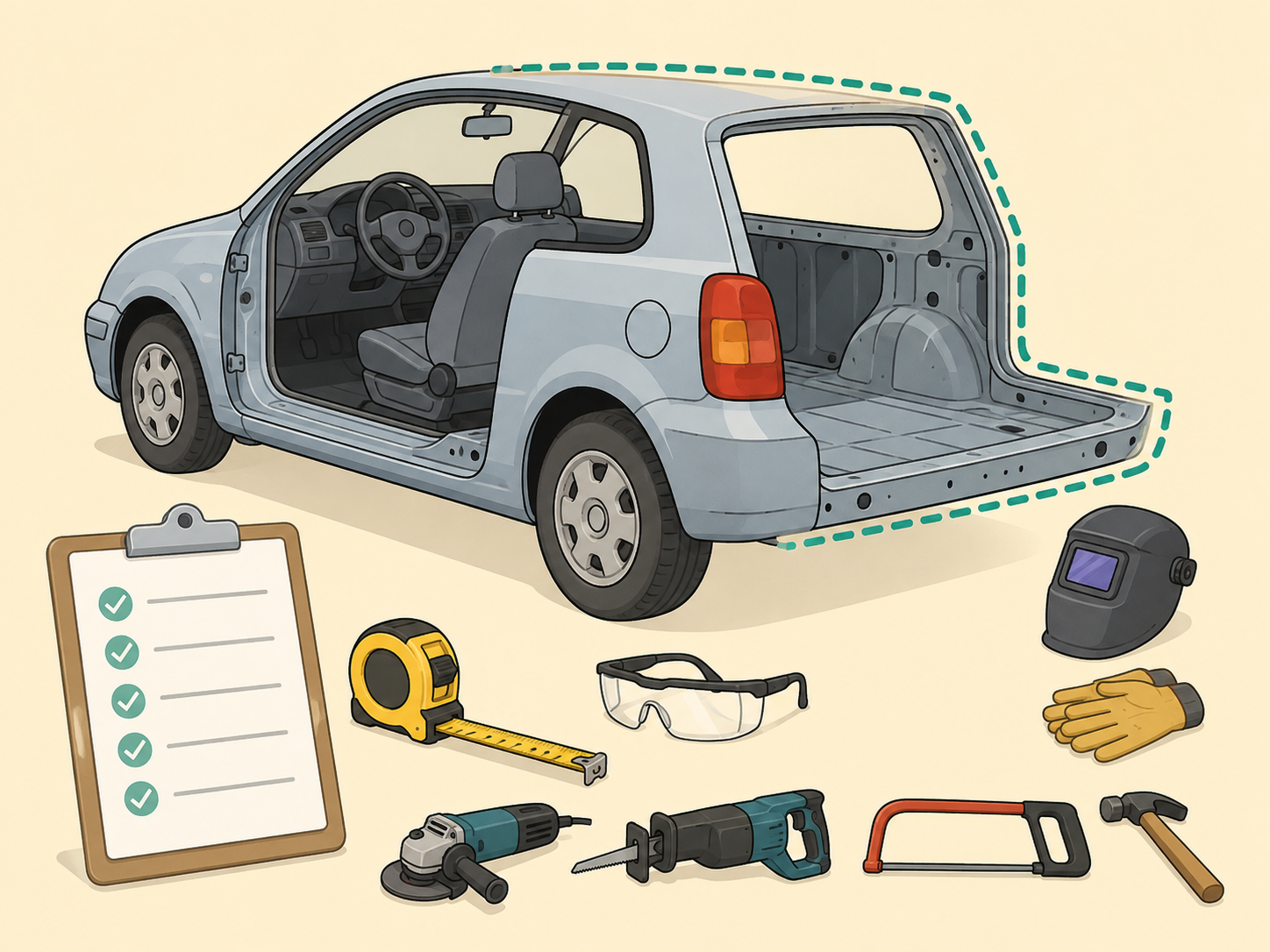
A cut-in-half Fiat Panda can look funny, clever, and simple in a short video, but it is still a vehicle project with real safety and legal questions. This guide explains how to evaluate a viral narrow or ultra-low car build, check the claims around it, and understand why copying it is not a casual garage job.
Verify what the viral build actually shows
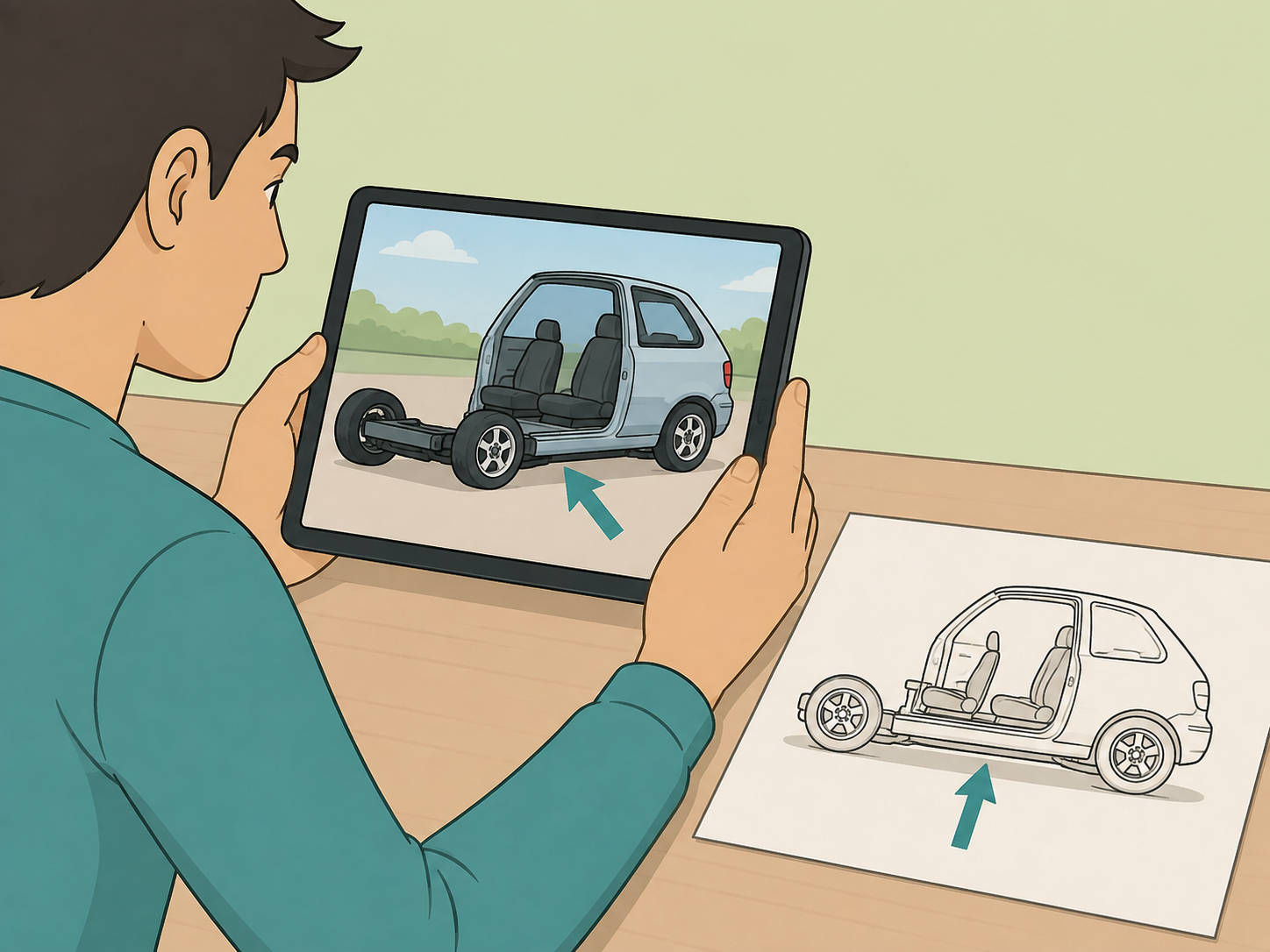
Start by checking the original claim instead of relying on a reposted caption. Reports on the Fiat Panda build describe Italian creators cutting the body down and using a go-kart-style lower platform, not simply shrinking a normal production car; read the basic account from Supercar Blondie before drawing conclusions.
Check the record category before repeating it
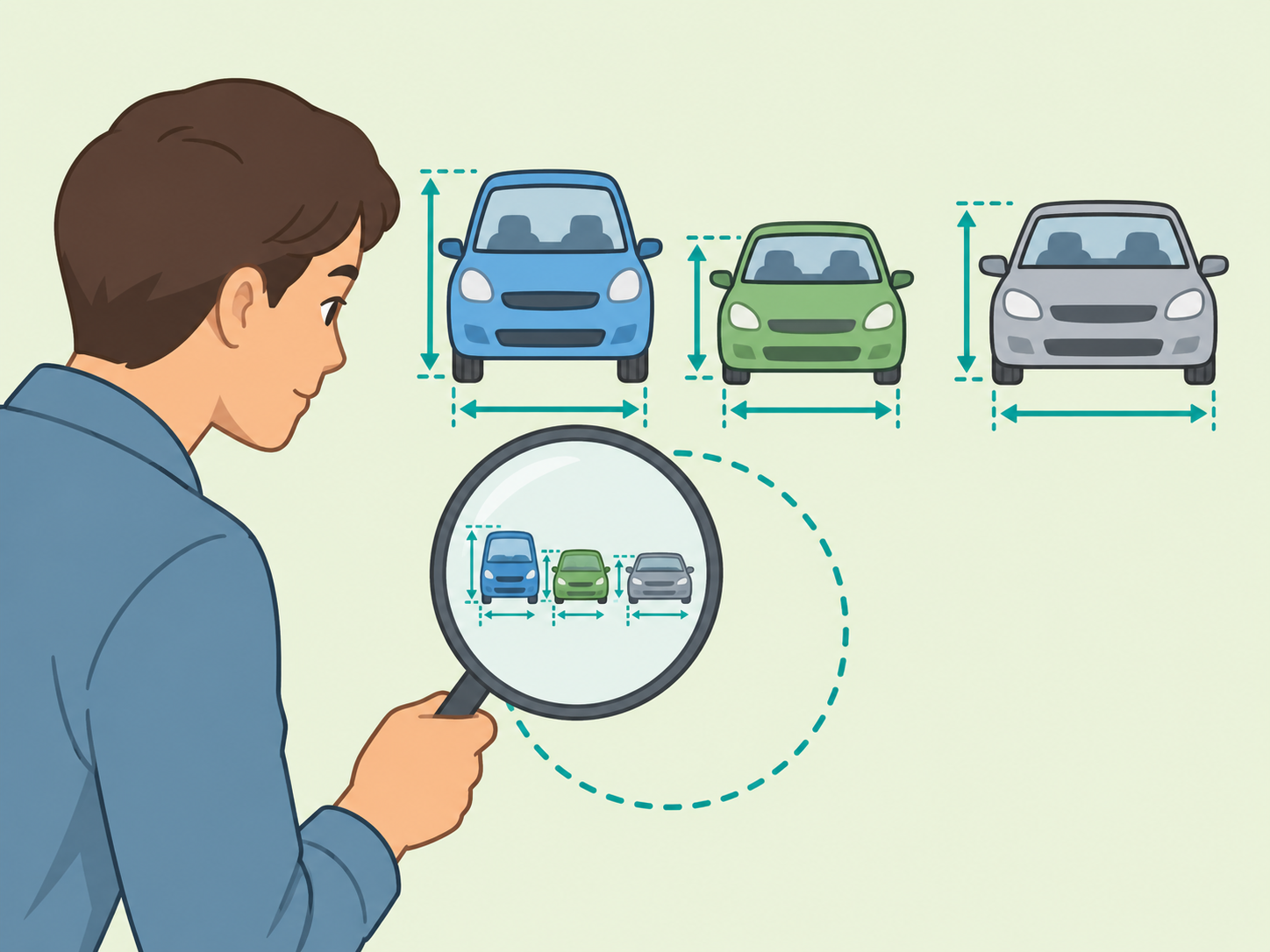
Words like smallest, narrowest, and lowest are not interchangeable. Guinness lists Mirai as the lowest roadworthy car, while a separate record covers the smallest roadworthy non-production car, so treat viral record claims as unverified unless they match an official category.
Separate a show build from a roadworthy vehicle
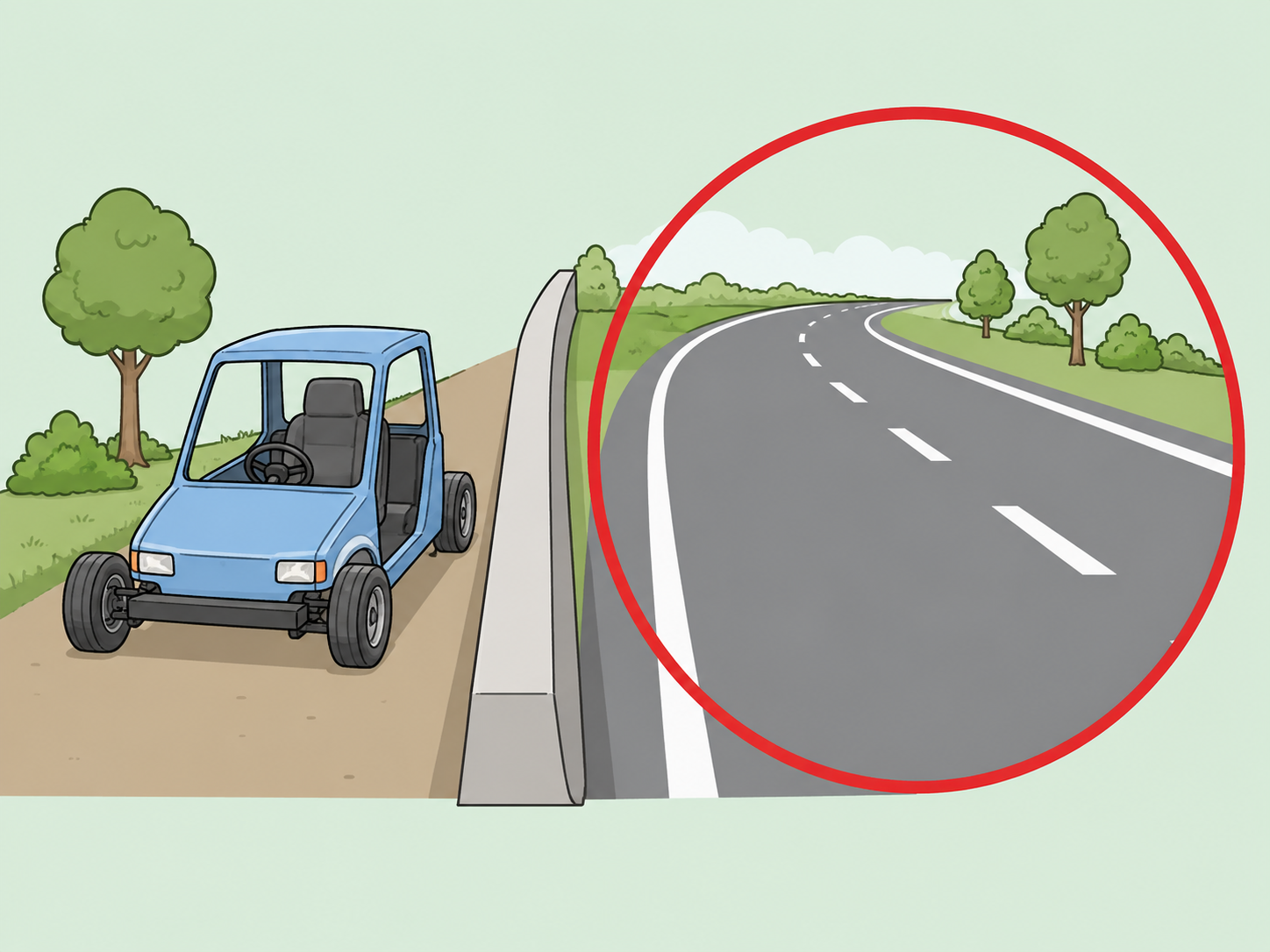
A car that moves in a video is not automatically safe, insured, registered, or legal for public roads. Roadworthiness usually involves working brakes, lights, steering, visibility, occupant protection, and local inspection rules, not just the ability to roll forward.
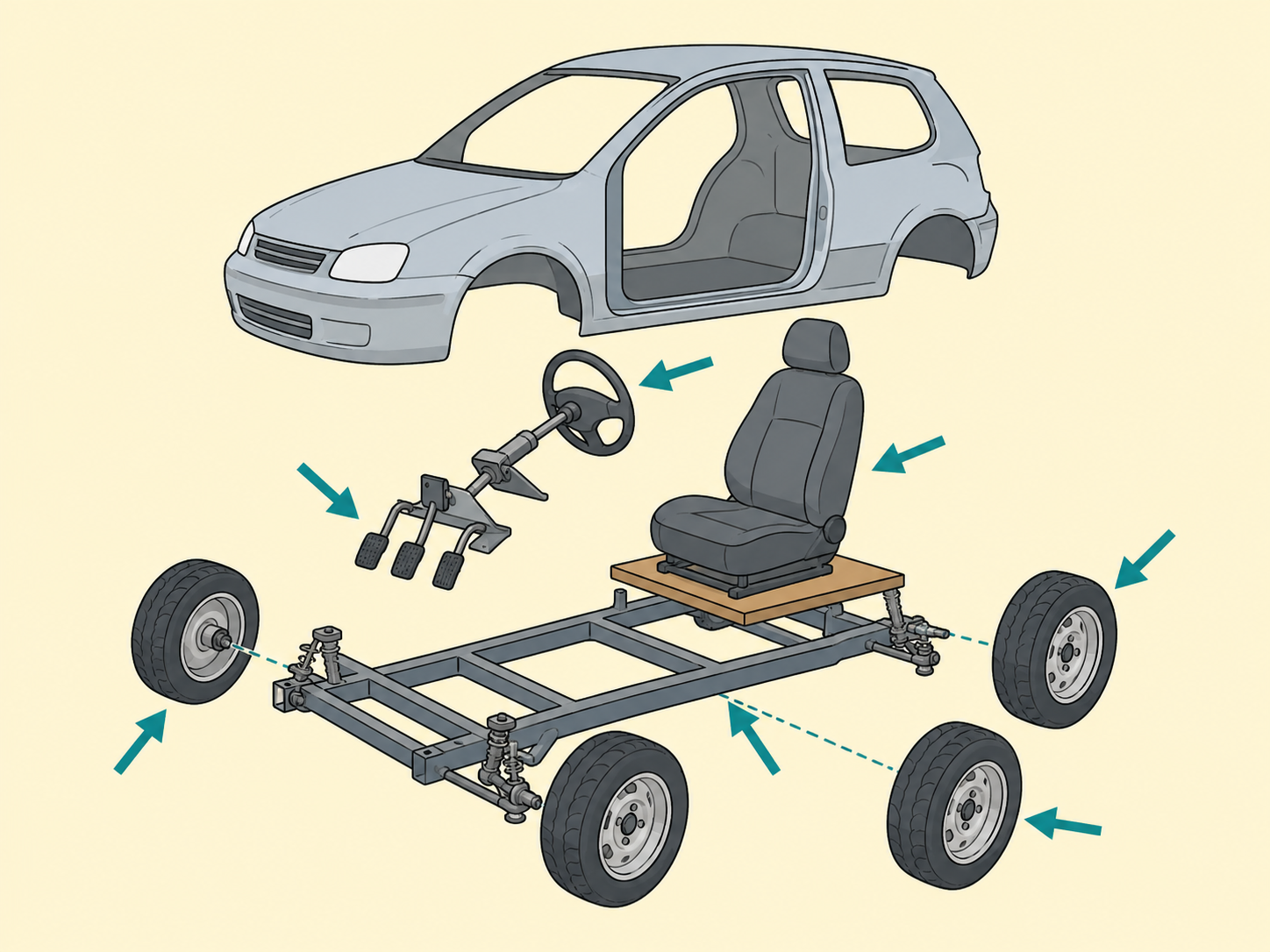
Map the main mechanical changes
Look for what happened to the engine, chassis, wheels, steering, pedals, seat position, and controls. If the original car structure was replaced by a smaller platform, judge it as a custom vehicle system rather than a normal Fiat Panda with cosmetic changes.
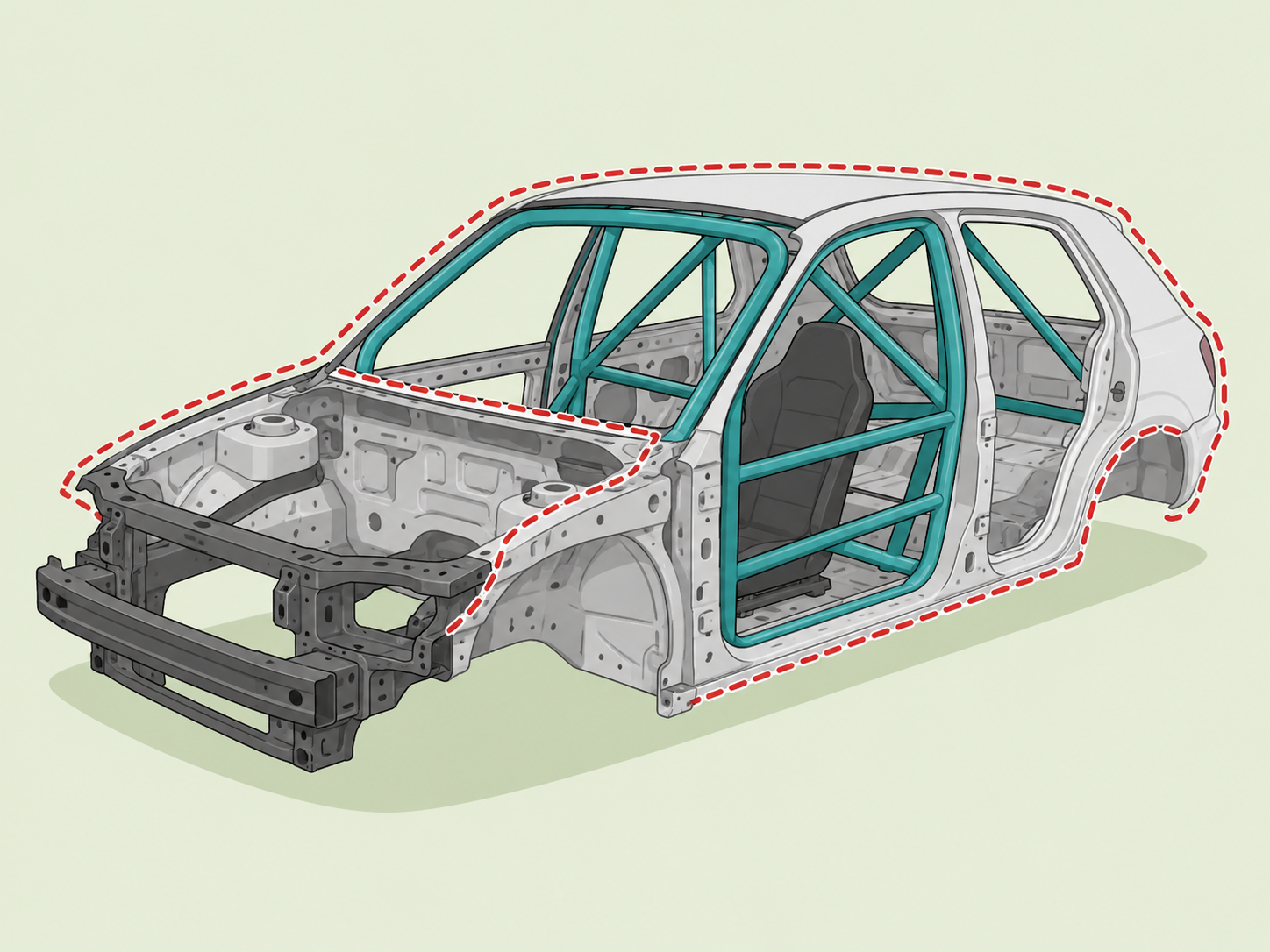
Think about structure before style
Cutting away major body sections can affect the parts of a vehicle that manage crash forces and protect the occupant space. NHTSA explains that federal safety standards cover motor vehicles and equipment, and modified or newly built vehicles can raise compliance questions under U.S. vehicle safety rules.
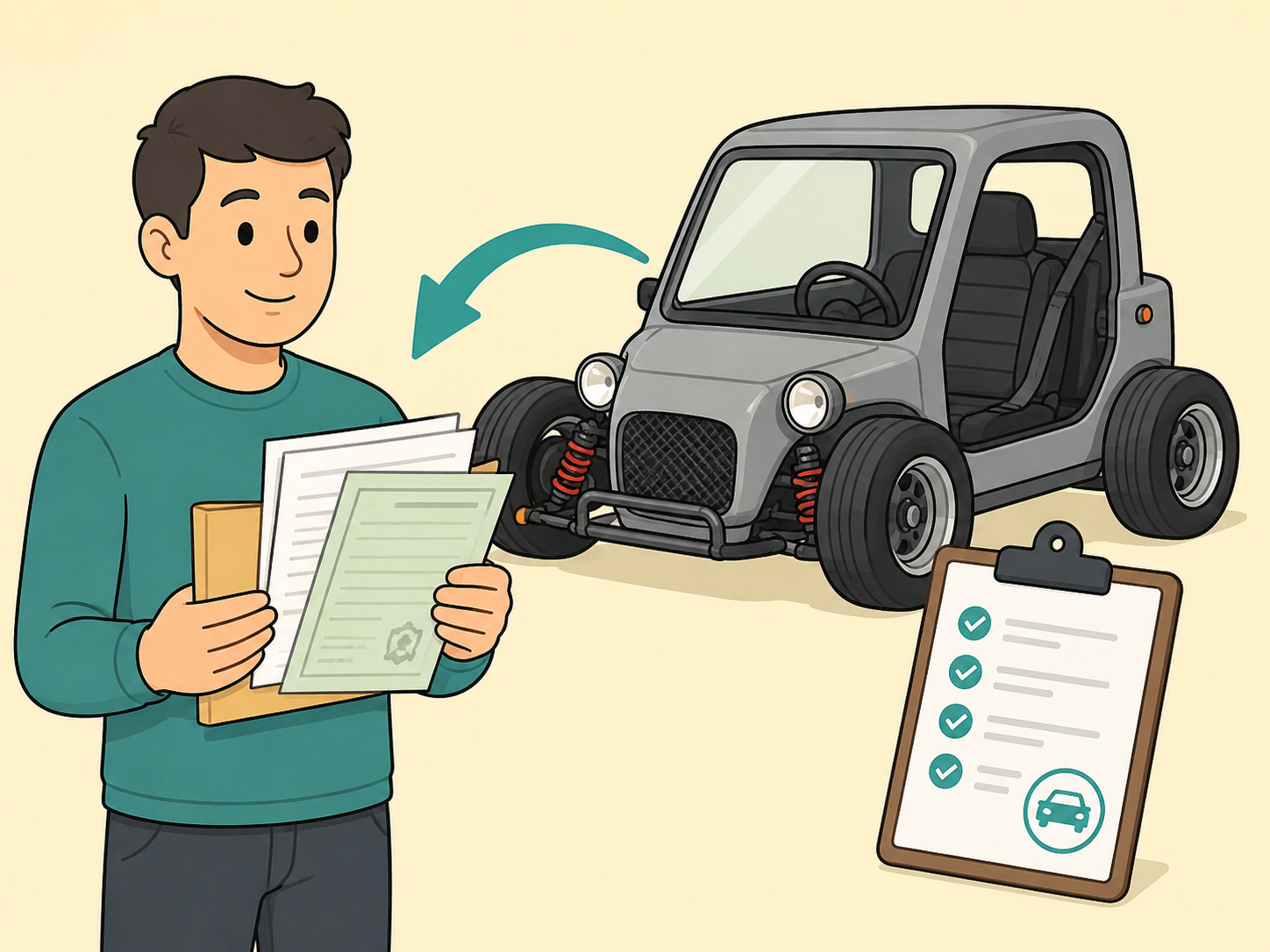
Research registration rules before copying the idea
Homemade and custom vehicles are usually handled through state or local registration systems. NHTSA notes that a homemade vehicle must meet the requirements of the state where it is licensed, and the New York DMV says homemade or unique vehicles need evaluation before registration for highway use; check your own authority rather than assuming a viral build is legal where you live.
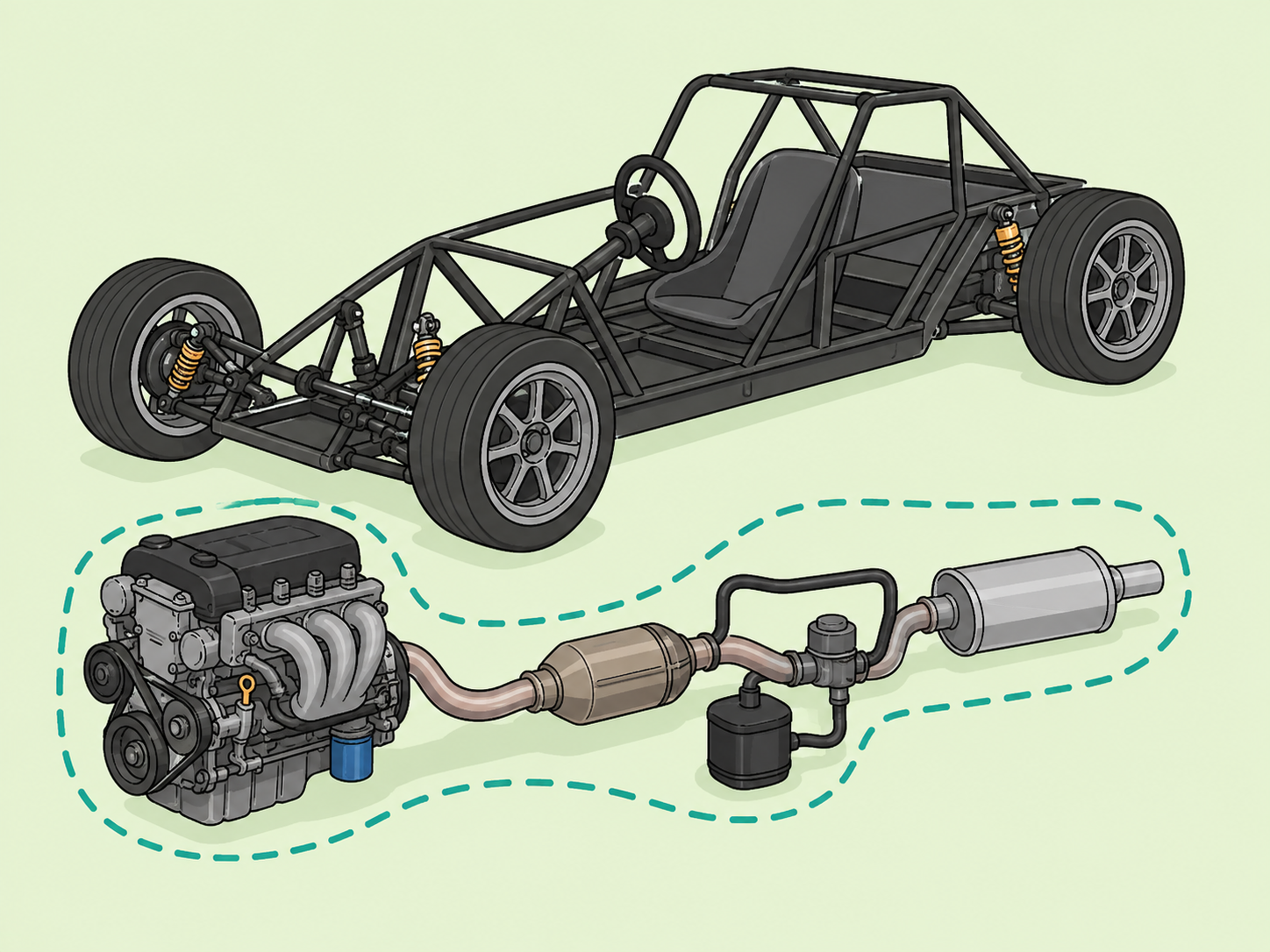
Check emissions and powertrain rules
If a project uses an engine or a complete kit, emissions rules may apply as well as safety rules. The EPA states that fully assembled kit cars and complete kit car packages can be treated as motor vehicles under the Clean Air Act, so keep the original emissions equipment and research the EPA kit car policy before changing the drivetrain.
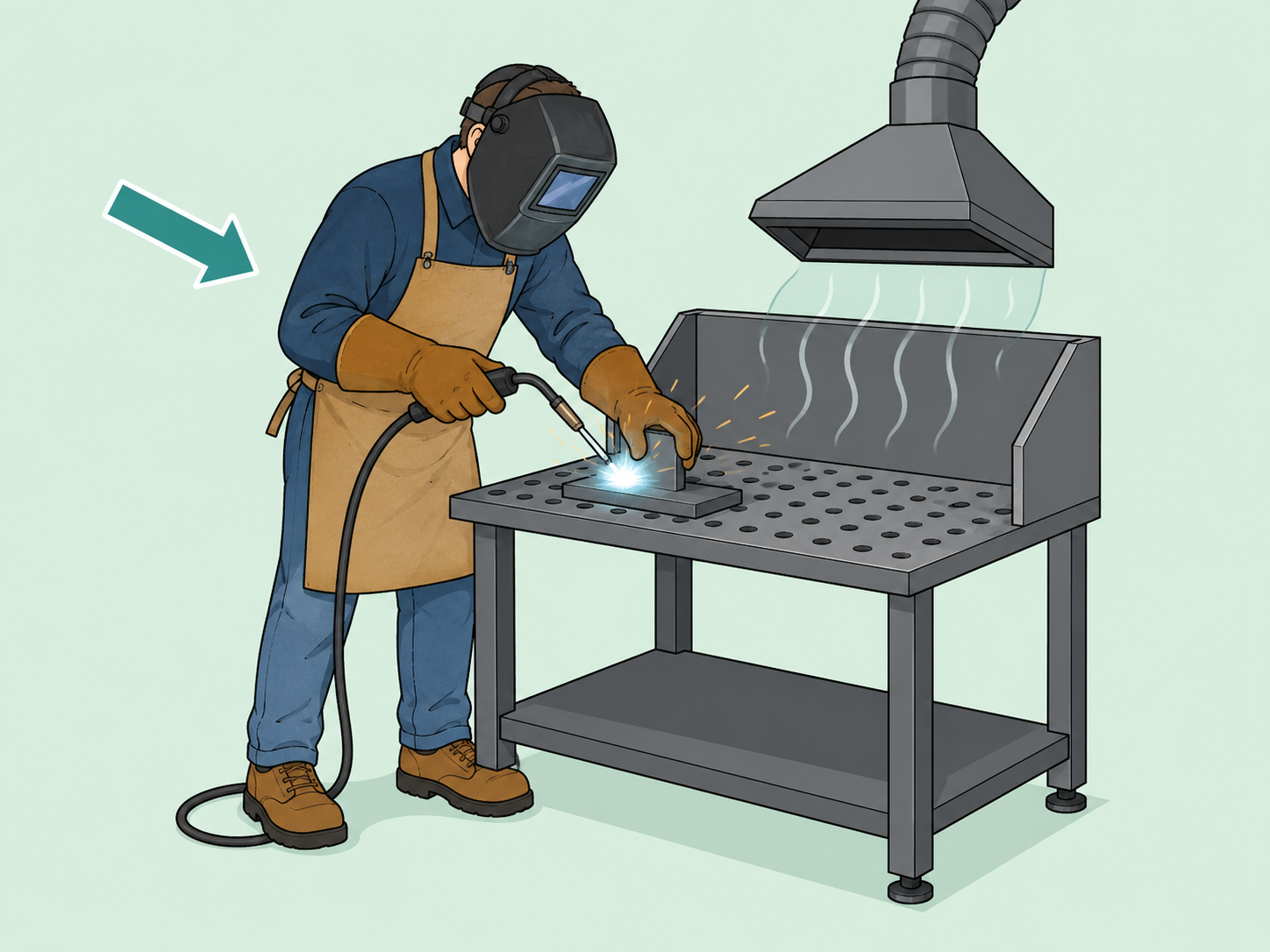
Use professional cutting and welding safety
Body cutting, grinding, and welding can expose you to fumes, burns, eye injuries, electrical shock, and crushed fingers or toes. OSHA's welding guidance points to ventilation, work practices, and personal protective equipment as basic controls, so read the welding and cutting hazard guidance before any metalwork.
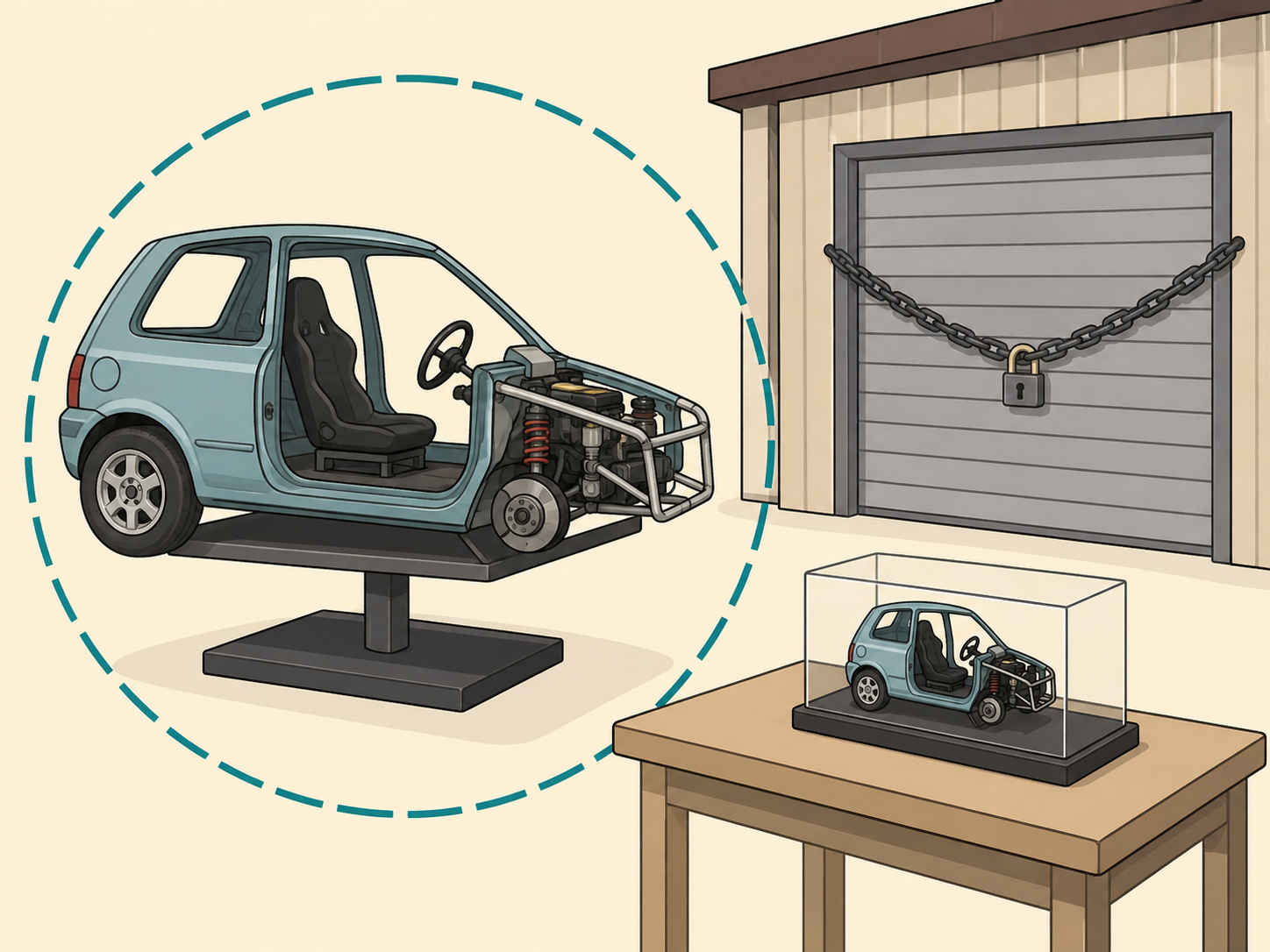
Choose a safer version of the project
If your goal is the visual joke, build a static display, scale model, or non-roadgoing parade prop instead of a street vehicle. You can preserve the creative look while avoiding the hardest problems: crash protection, road registration, emissions compliance, and public-road reliability.
Summary
The bottom line: enjoy the cut-in-half Fiat Panda as a creative one-off build, but check the record claim, understand the engineering, and do not drive a heavily modified vehicle on public roads unless it has been properly built, inspected, insured, and registered.
Frequently Asked Questions
- Is the cut-in-half Fiat Panda really the world's narrowest car?
- The viral Fiat Panda is often described as extremely small or low, but record wording matters. Guinness lists separate records for the lowest roadworthy car and the smallest roadworthy non-production car, so check the exact category before repeating the claim.
- Can a car still drive after being cut in half?
- A heavily modified shell can move if builders install a separate powered platform, steering, brakes, and controls underneath it. That does not mean it performs like the original car or is safe for normal traffic.
- Is a homemade car automatically legal to drive?
- No. In the United States, public-road use depends on federal rules, state registration requirements, inspection rules, insurance, and equipment compliance. Your state DMV or equivalent agency is the place to check before driving.
- Why is cutting a car body risky?
- Modern vehicles depend on structure, occupant space, restraints, glass, lights, and crash-energy paths working together. Removing or shortening major body sections can change strength, visibility, controls, and crash behavior.
- Could I make a display version instead of a road car?
- Yes. A non-driving display shell, static prop, or small model is usually a safer way to enjoy the idea without creating a vehicle meant for traffic. Still use safe cutting, lifting, and welding practices if you work with real metal.
- Who should inspect a custom vehicle project?
- Use qualified automotive fabricators, welders, engineers, and your local inspection or registration authority. A creative build should be treated as an engineered machine, not just a styling project.
References
Reliable references aided in composing and refining this content.
- https://supercarblondie.com/worlds-lowest-car-fiat-panda
- https://www.guinnessworldrecords.com/news/2012/9/mirai-the-worlds-lowest-roadworthy-car-video
- https://www.guinnessworldrecords.com/world-records/smallest-roadworthy-car
- https://www.nhtsa.gov/laws-regulations
- https://www.nhtsa.gov/interpretations/nht93-646
- https://www.epa.gov/importing-vehicles-and-engines/kit-car-policy
- https://www.osha.gov/welding-cutting-brazing/hazards-solutions
- https://dmvsearch.webnycdn.ny.gov/registration/register-a-custom-or-homemade-trailer-or-vehicle