
 Pin it
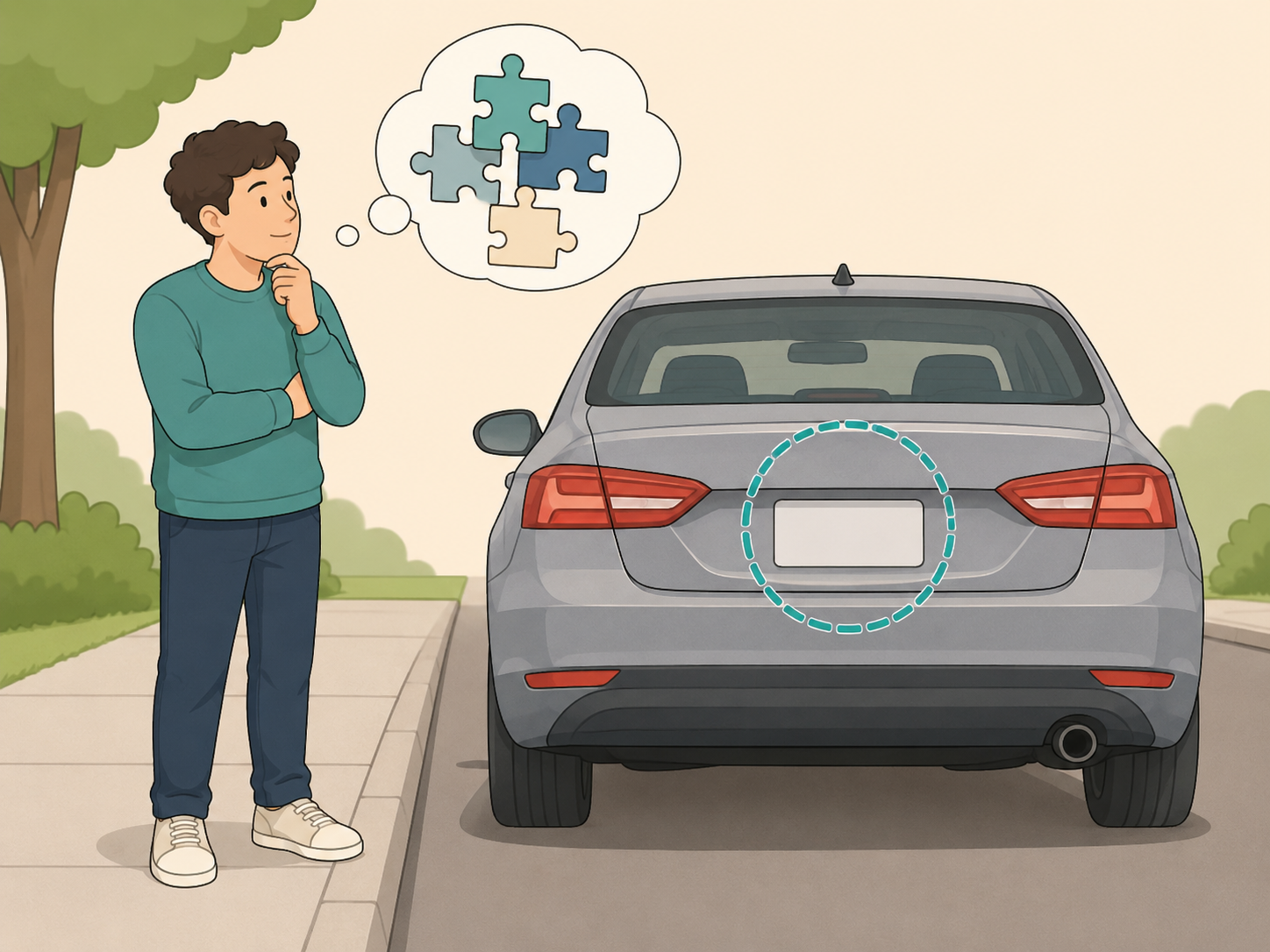
Clever license plates often work like tiny puzzles: a few letters, numbers, spaces, or visual clues can hide a name, phrase, or joke. This guide shows you how to decode one safely and thoughtfully, without guessing wildly or distracting yourself on the road.
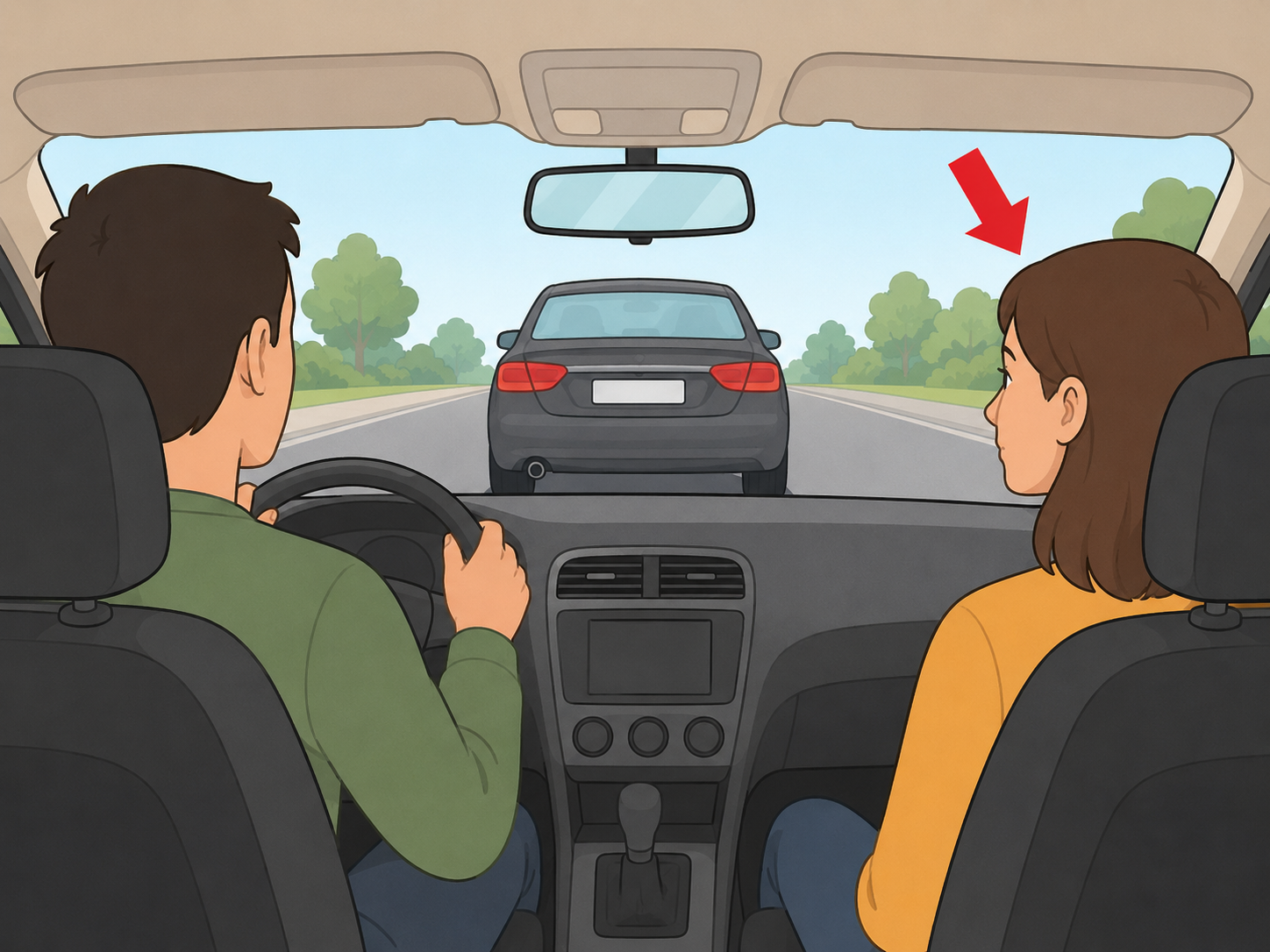
Look only when it is safe
Do not try to solve a plate puzzle while you are driving. The National Highway Traffic Safety Administration says distracted driving includes anything that takes attention away from safe driving, so wait until you are parked or let a passenger take a quick look.
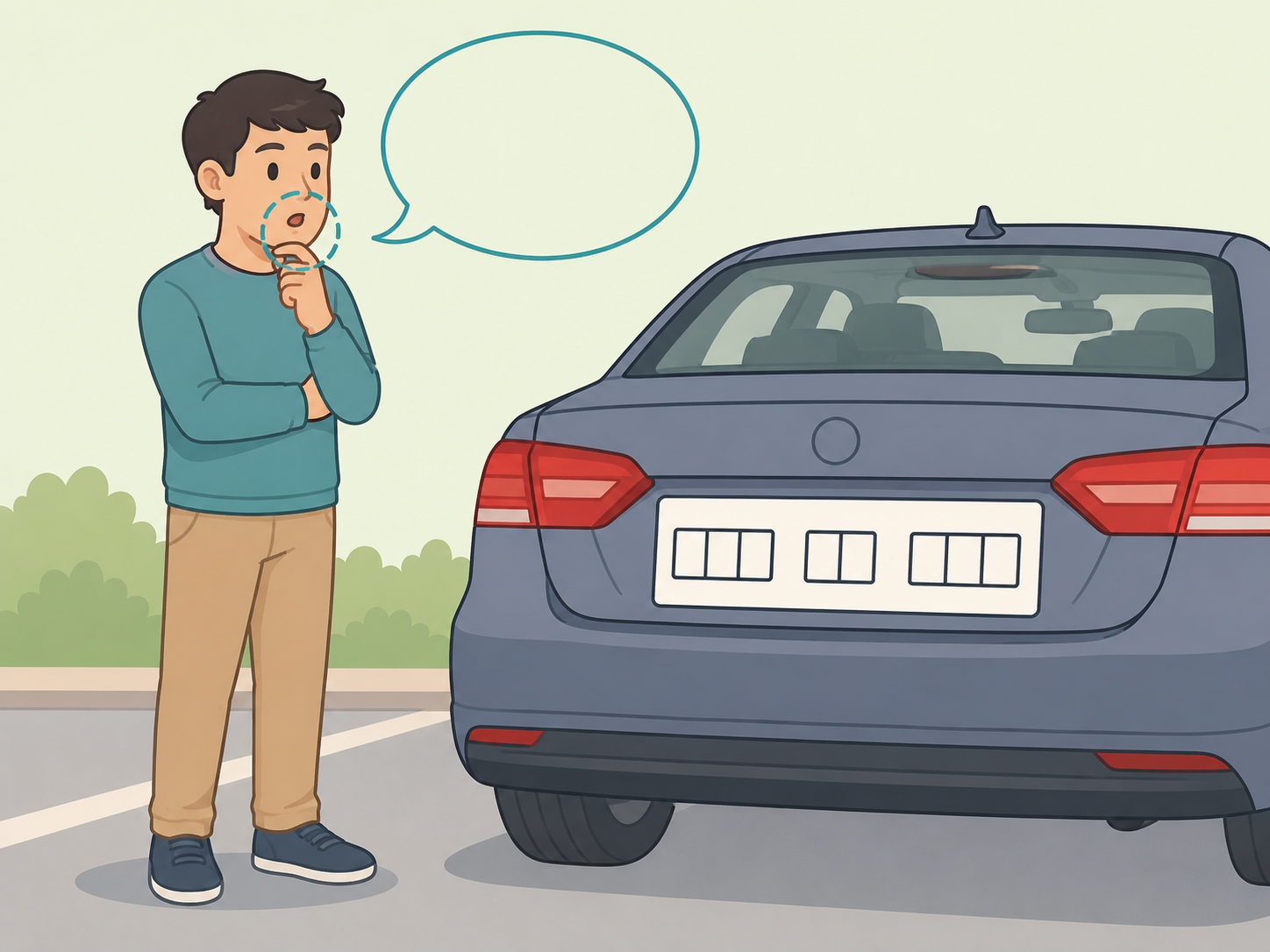
Read the characters out loud
Say the plate slowly, then say it at normal speaking speed. Many clever plates are built around sound, so a short string that looks odd may turn into a phrase once you hear it as syllables instead of separate characters.
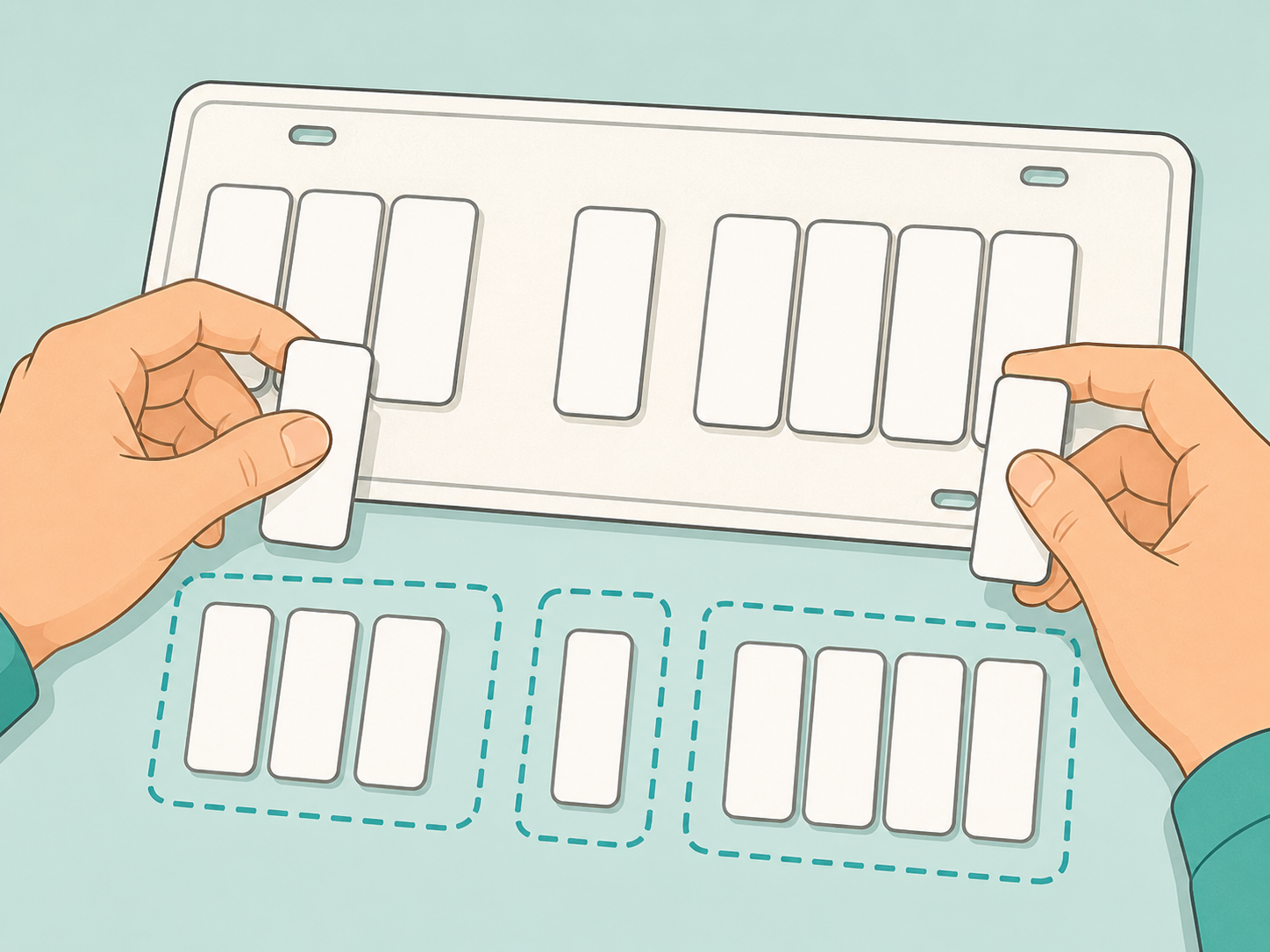
Separate the letters, numbers, and spaces
Look for natural breaks between groups of characters. Some states count spaces as characters and limit which characters can be used, as shown in the New York DMV personalized plate guidelines, so a plate owner may use spacing carefully to make a short message work.
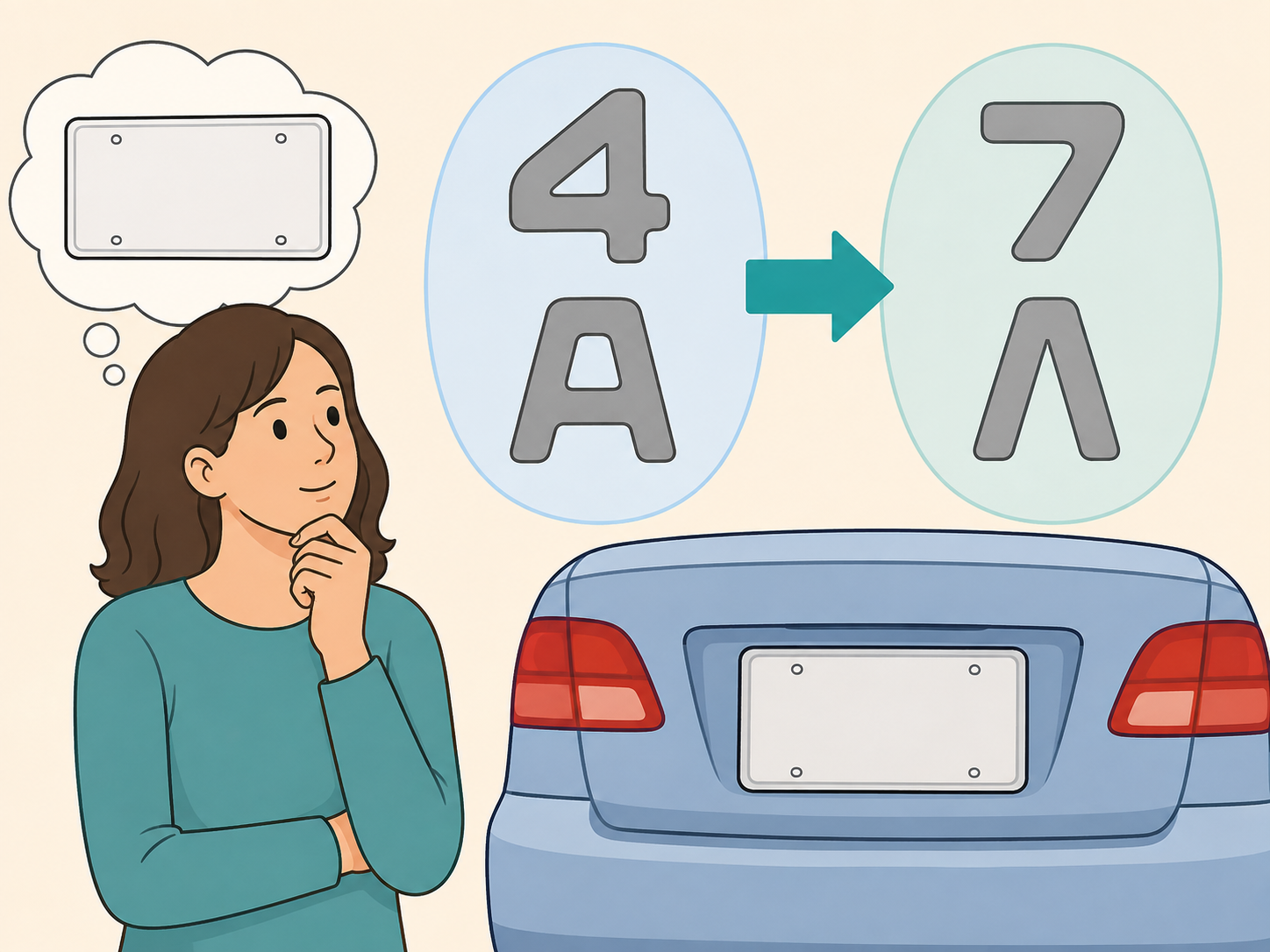
Try common number-letter substitutions
Test whether a number is standing in for a similar-looking or similar-sounding letter, such as zero for O or one for I. Keep in mind that rules vary: the California DMV notes that substitutions that could be confused with an existing plate may not be allowed.
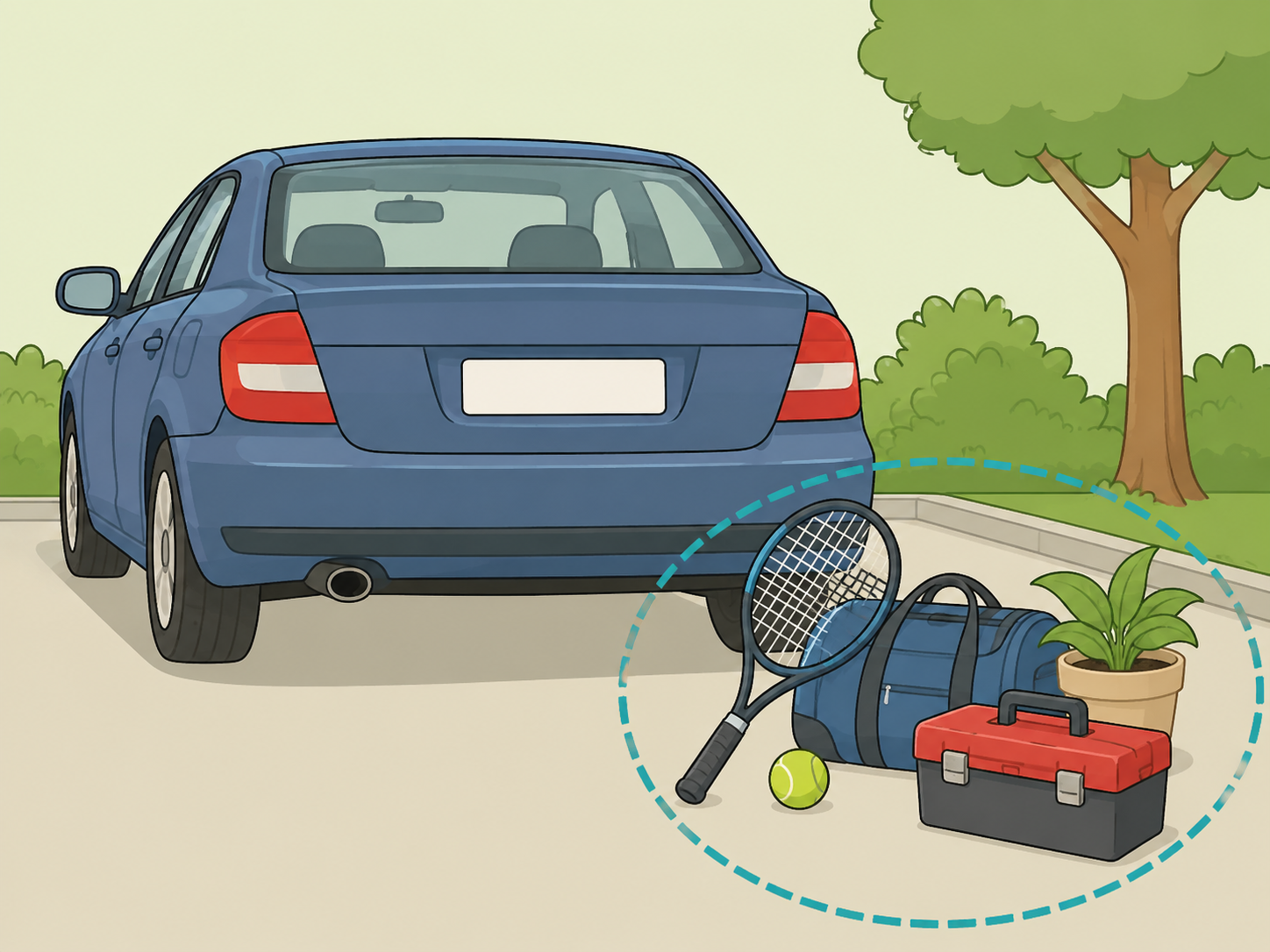
Use the vehicle as a clue
Notice the car type, color, model, bumper stickers, or specialty plate design if you can do so safely. A sports car, work truck, electric vehicle, college plate, or hobby sticker can turn a vague phrase into an obvious joke.
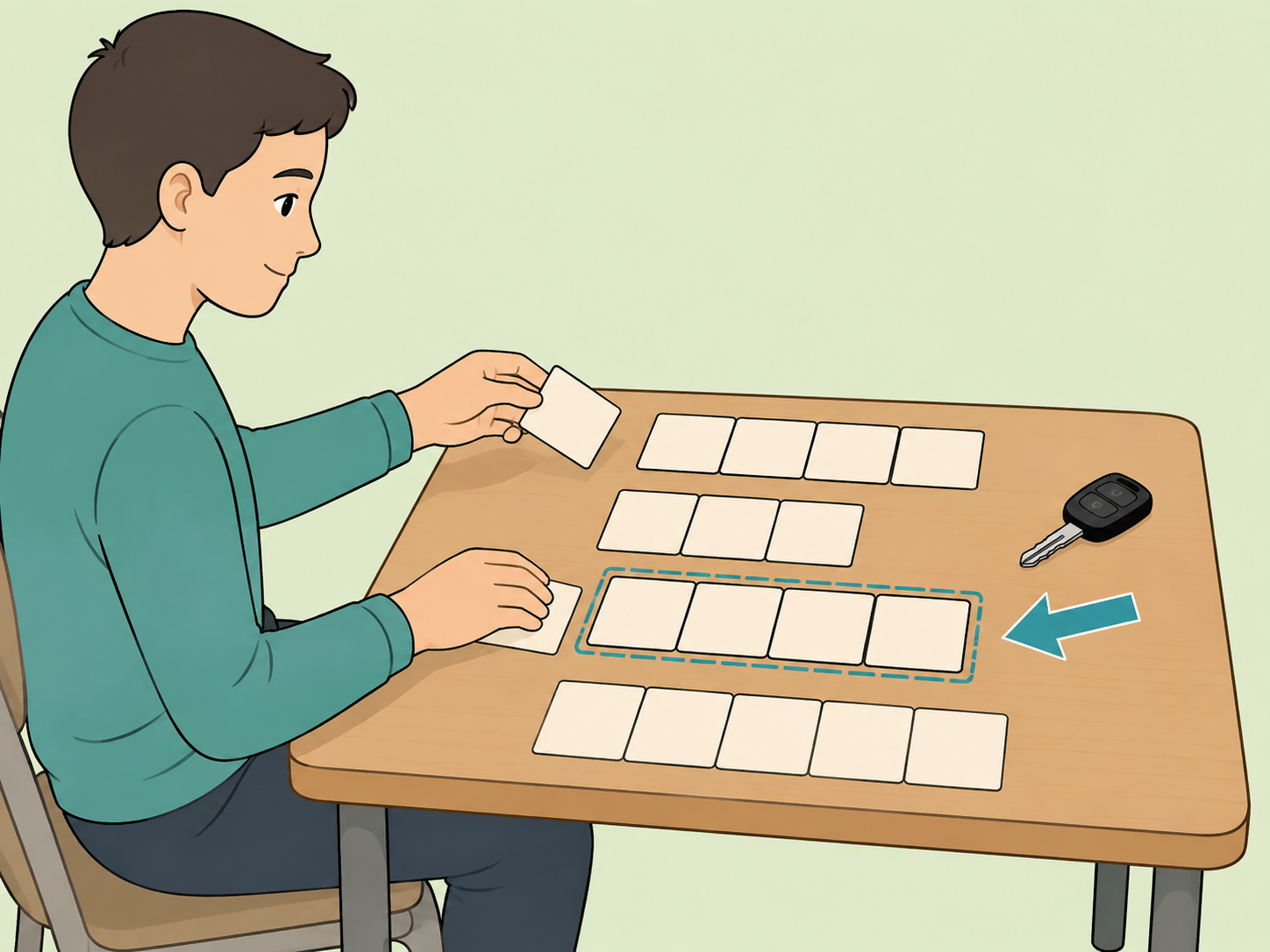
Check for a name, phrase, or inside reference
If the plate still looks random, try reading it as a name, initials, hobby, job title, school reference, or short sentence. Personalized combinations have to be unique in many DMV systems, and the Virginia DMV notes that another driver may already be using the first choice someone wanted.
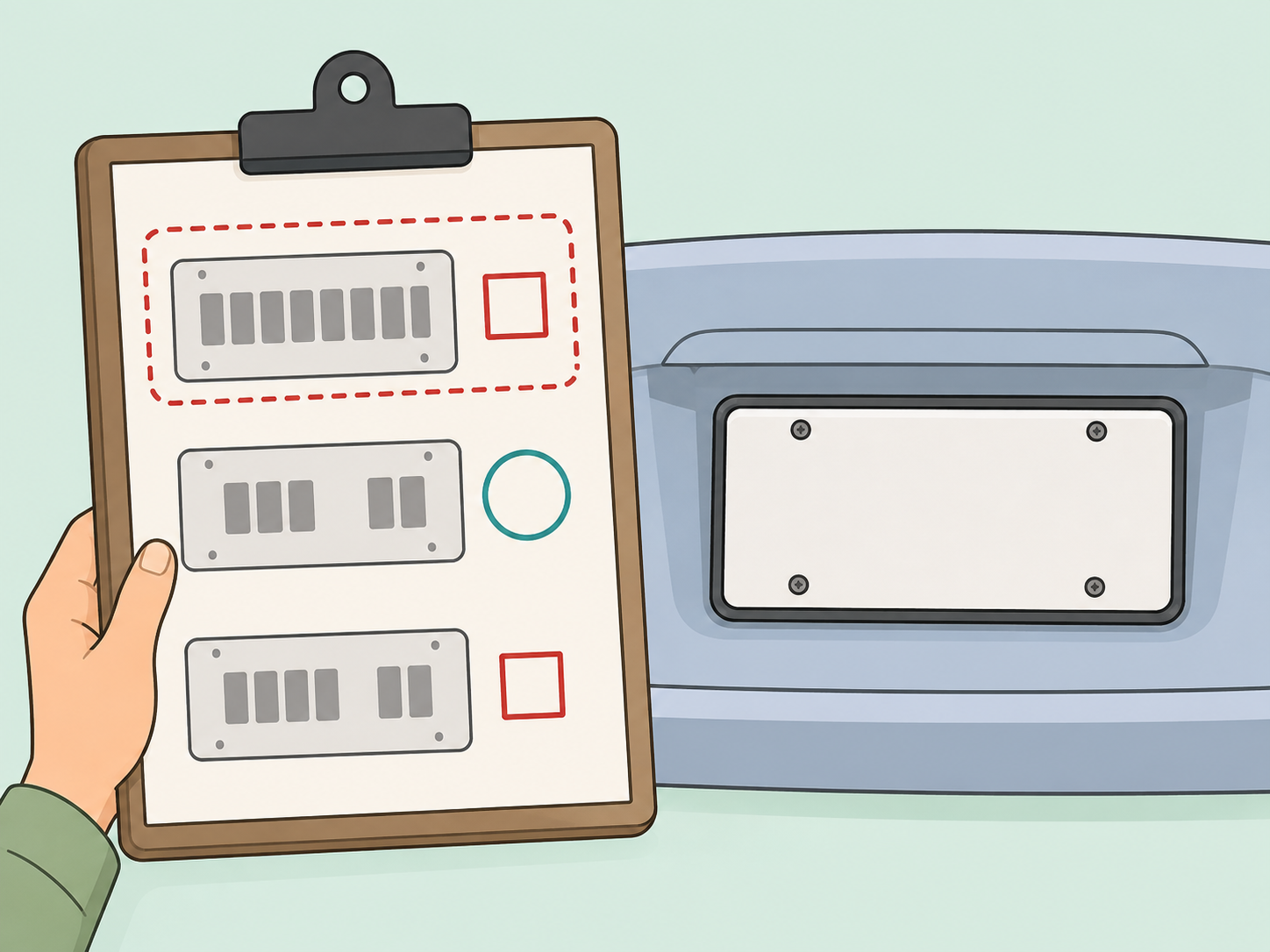
Consider whether the message is restricted
A plate that seems edgy may be built around a word a DMV would review closely. State policies differ, but agencies such as the Virginia DMV and New York DMV list restrictions for combinations that are offensive, misleading, or appear official.
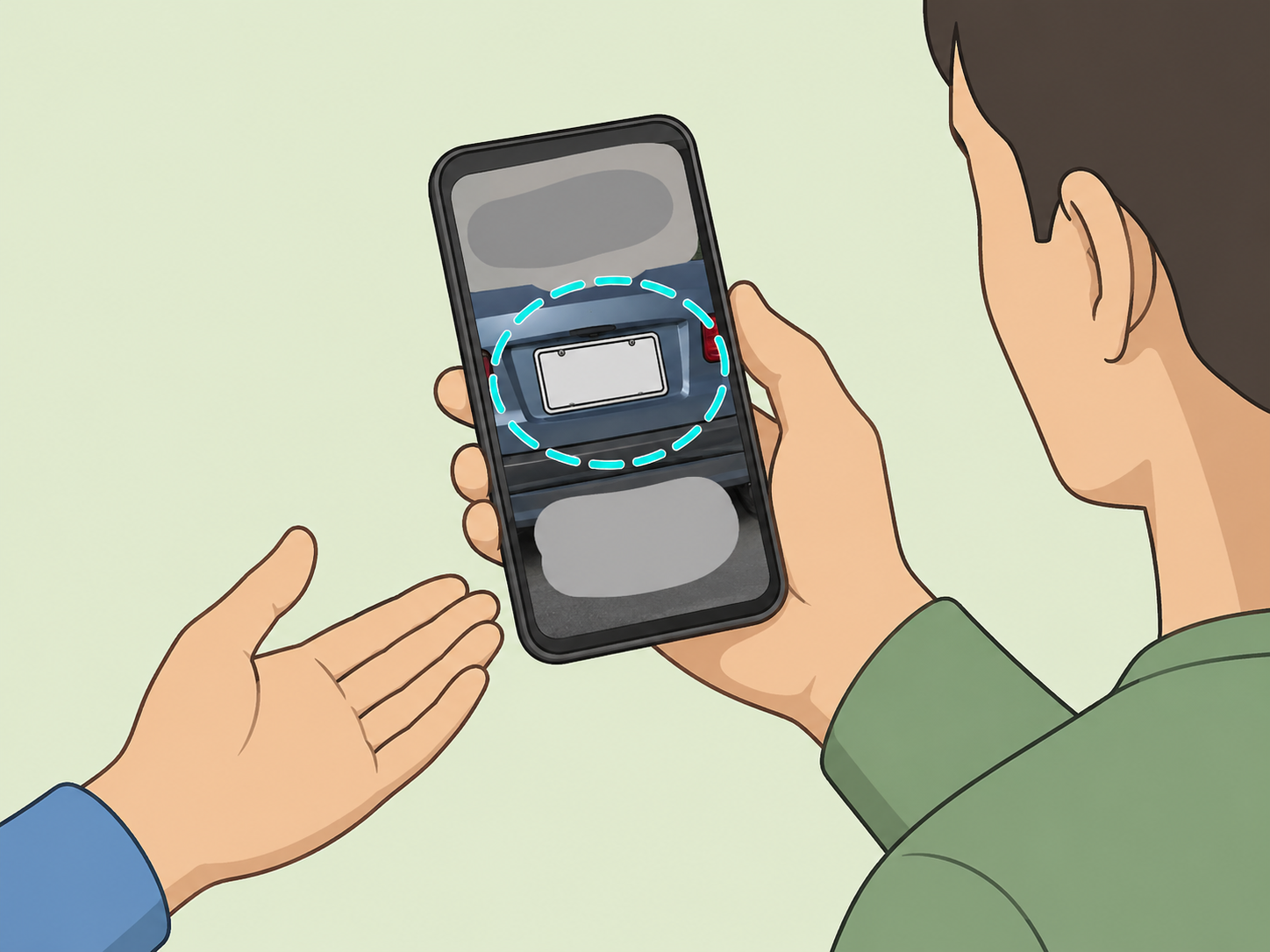
Share the joke respectfully
If you talk about the plate or share a photo, focus on the wordplay instead of the driver. License plates are used to identify vehicles and registrants, according to the American Association of Motor Vehicle Administrators, and AAMVA also recommends plates stay clearly visible and unobstructed for identification purposes.
Summary
The bottom line: decode a clever license plate only when it is safe, then work through the sounds, substitutions, spacing, and context clues. A good vanity plate usually clicks once you stop reading it as random characters and start reading it as a compact phrase.
Frequently Asked Questions
- What is a vanity license plate?
- A vanity or personalized plate is a plate configuration chosen by the vehicle owner, usually made from letters, numbers, and sometimes spaces or limited symbols, depending on the state. For example, the New York DMV describes personalized plates as selected combinations of numbers and letters.
- Why do clever plates use numbers instead of letters?
- Numbers can look or sound like letters, so a short plate can suggest a longer word or phrase. State rules vary, and some DMVs limit confusing substitutions when they resemble another plate or create a prohibited message.
- Is it okay to stare at a plate while driving?
- No. Decode it later if you are driving. The NHTSA warns that any activity that takes attention away from driving can be a distraction.
- Can a personalized plate be rejected?
- Yes. DMV policies vary by state, but agencies commonly review requested combinations and may reject plates that are offensive, misleading, or too similar to restricted formats.
- What should I do if I cannot figure out the plate?
- Try saying it aloud, grouping the characters differently, and checking whether the vehicle itself gives a clue. If it still does not make sense, it may be a private nickname, initials, business reference, or inside joke.
- Should I post a photo of a clever plate online?
- Use caution. A license plate is meant to identify a vehicle, so avoid adding location, time, faces, addresses, or other details that could point people to the driver.
References
Reliable references aided in composing and refining this content.
- https://www.aamva.org/topics/license-plates
- https://www.aamva.org/policy/policy-positions/license-plates-should-not-be-obscured
- https://www.nhtsa.gov/risky-driving/distracted-driving
- https://dmv.ny.gov/plates/personalized-plate-numbers
- https://www.dmv.ca.gov/portal/vehicle-registration/license-plates-decals-and-placards/how-to-obtain-personalized-and-special-interest-license-plates
- https://www.dmv.virginia.gov/vehicles/license-plates/personalized-policy