
 Pin it
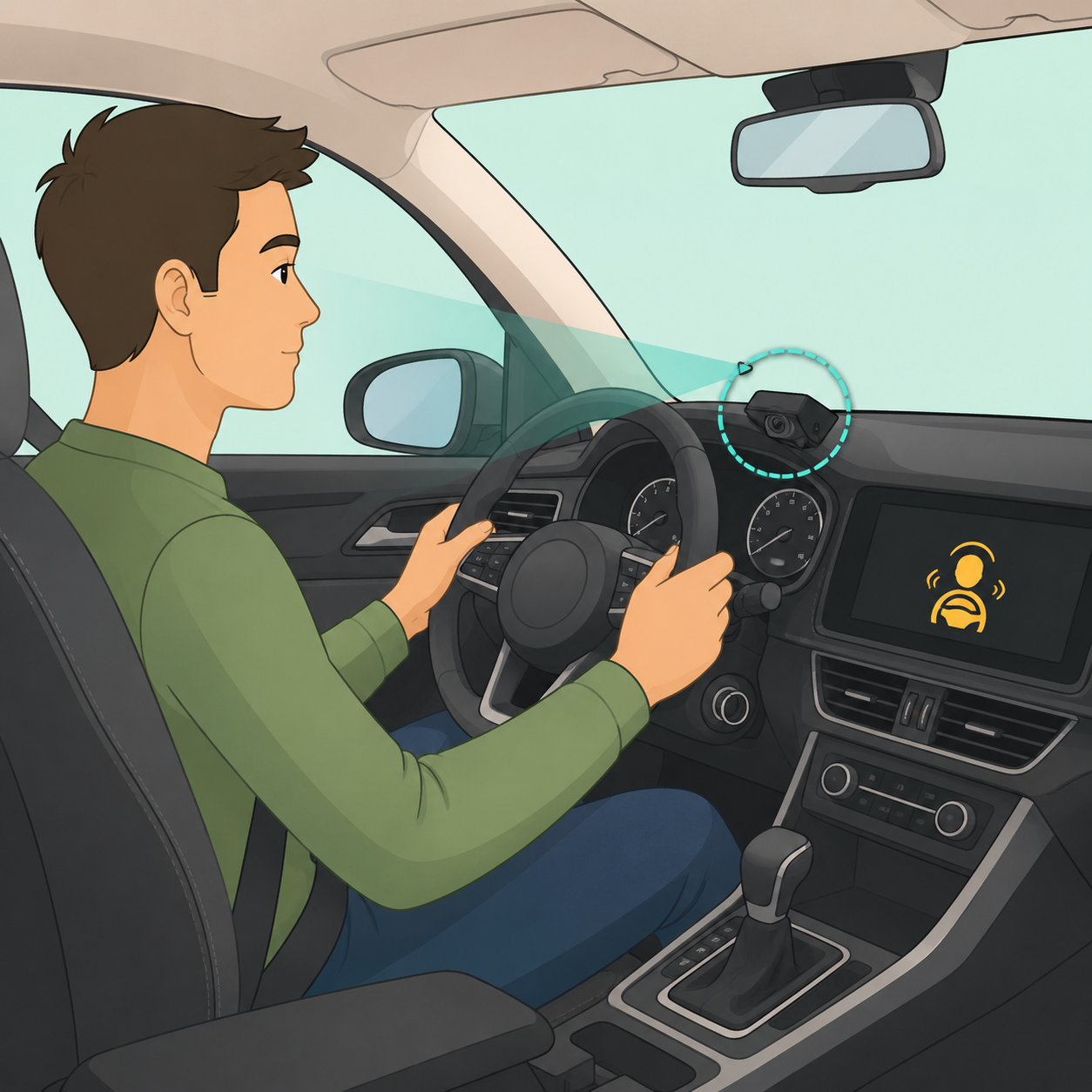
Headlines about a new July 2026 car requirement can sound confusing, but the main change is specific: new passenger cars and vans in the EU must include advanced driver distraction warning and several other safety systems. The rule does not mean every older car on the road suddenly needs a new camera or retrofit. This guide explains how to check whether the rule affects you and how to use driver attention alerts responsibly.
Confirm whether the rule applies where the car is registered
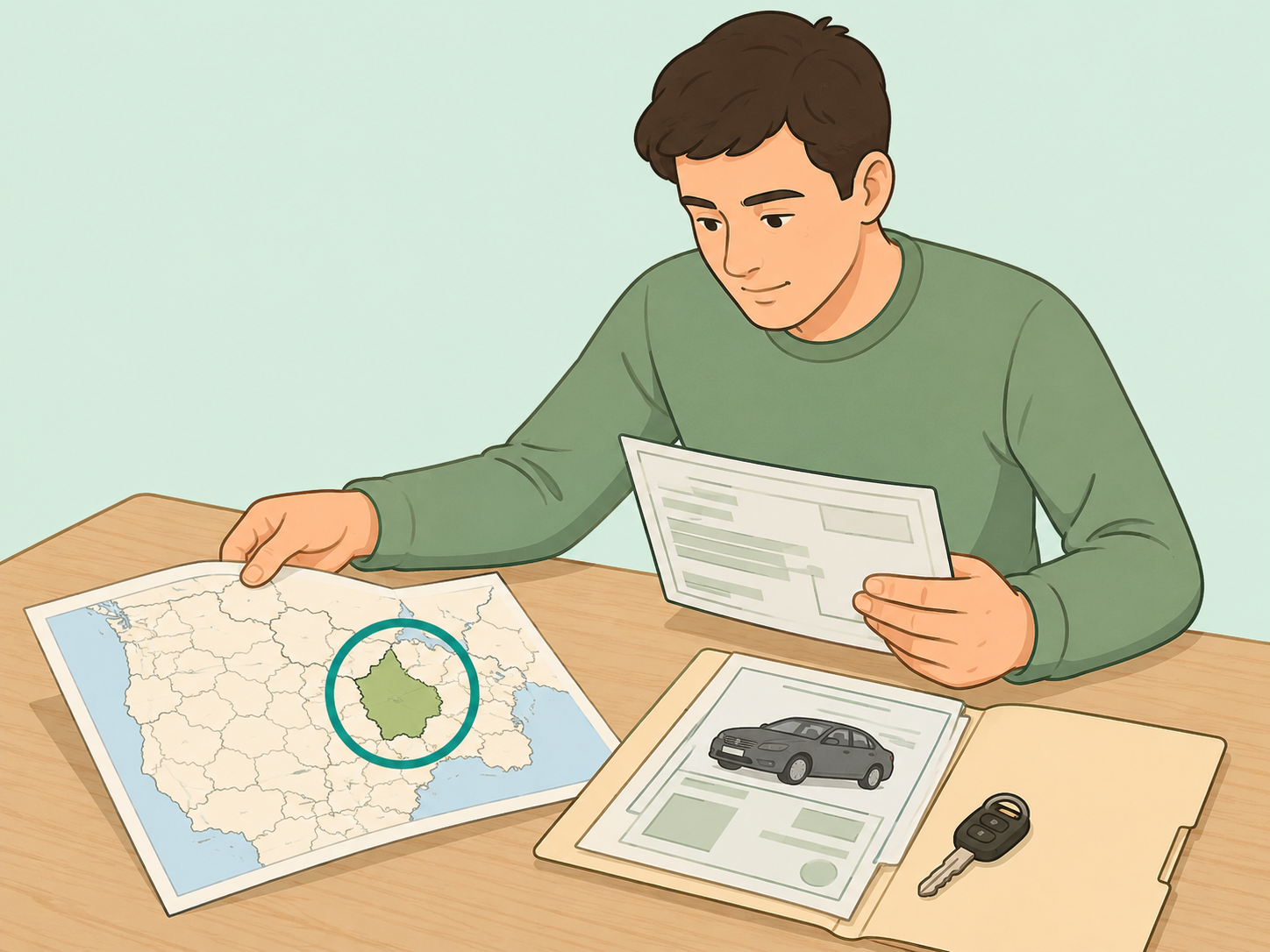
Start with the country or market where the vehicle will be registered. The July 7, 2026 change is part of the EU General Safety Regulation, and the European Commission says new passenger cars and vans across the EU are subject to additional safety requirements from that date. If you are outside the EU, check your own national rules instead of assuming the same date applies.
Check whether the vehicle is new or already on the road
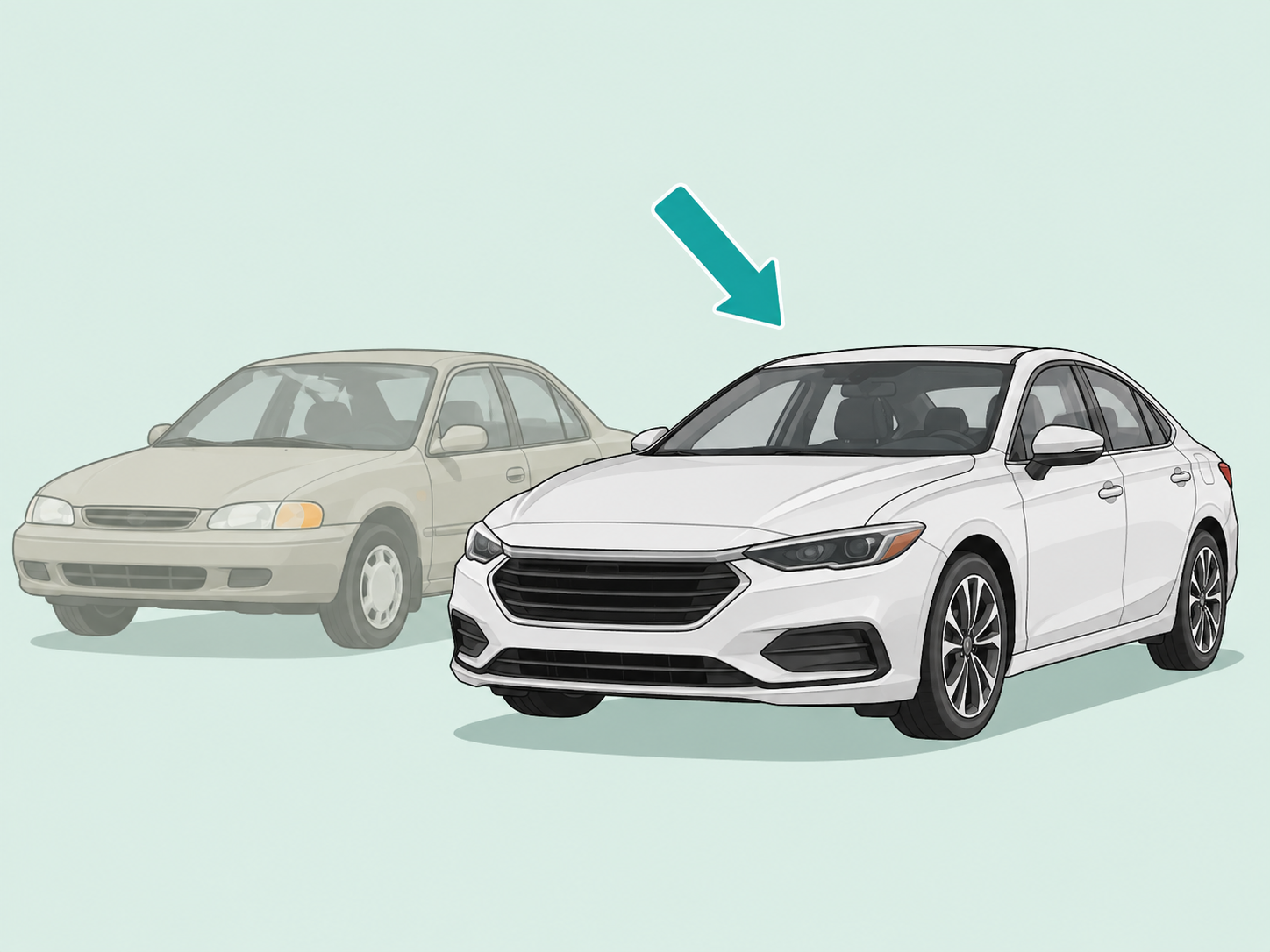
The rule is aimed at new vehicles, not every older car already being driven. French public service guidance notes that current car owners are not required to retrofit existing vehicles because of this phase of the regulation. This matters if you saw a headline implying all drivers must immediately install new equipment.
Know what the attention system is meant to do
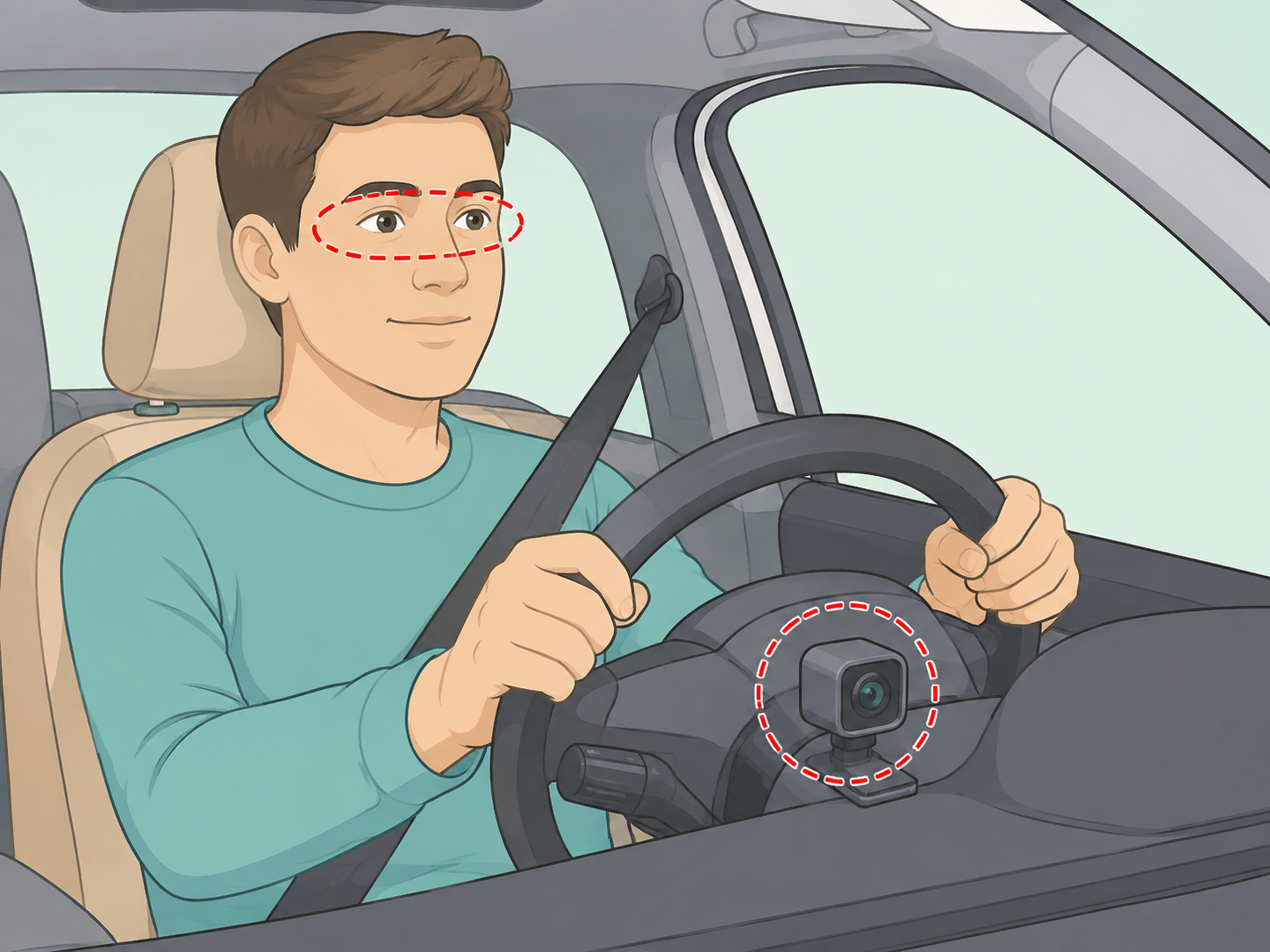
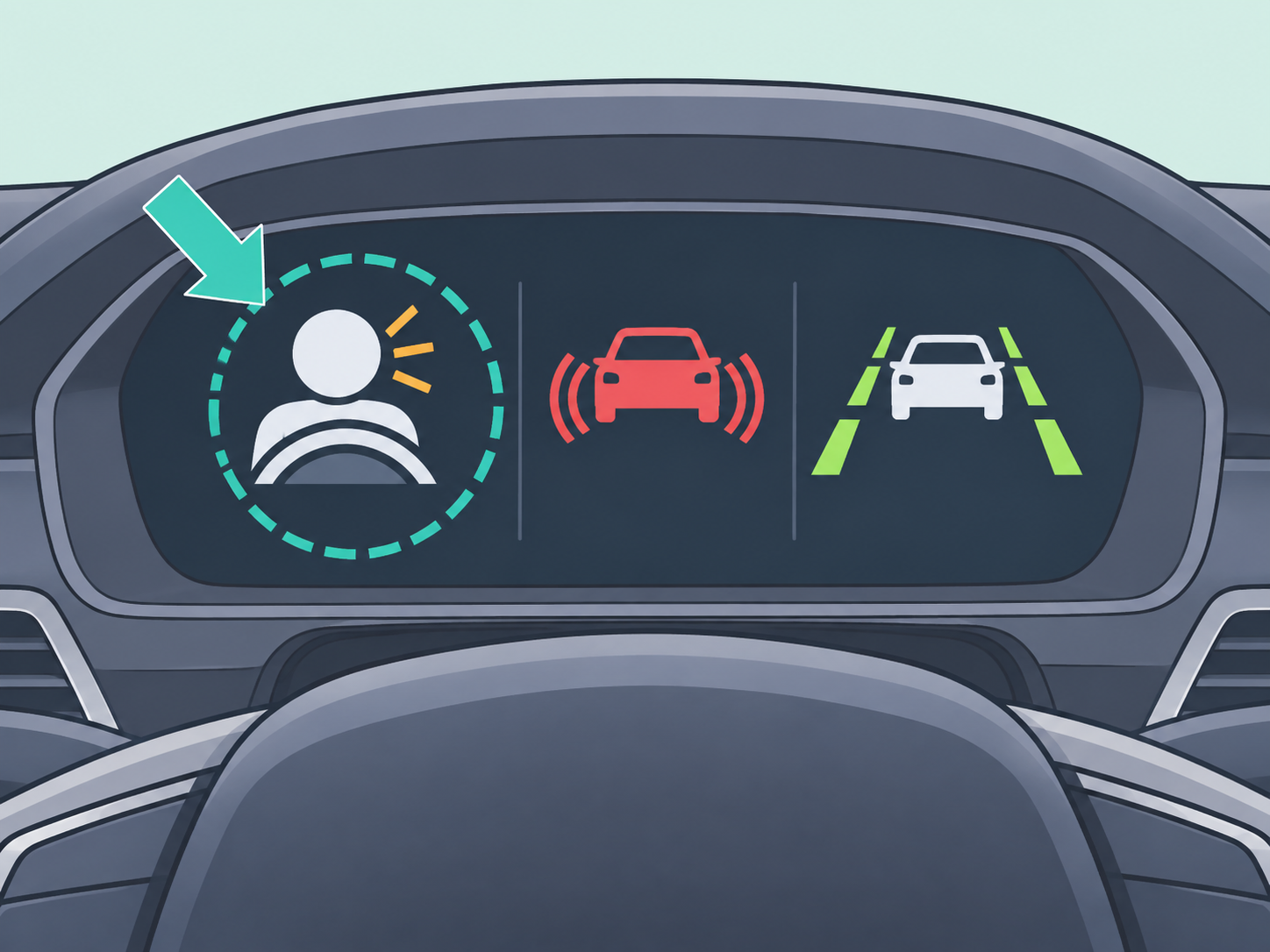
Look for the phrase advanced driver distraction warning, often shortened to ADDW. EU rules describe it as one of the required advanced vehicle systems, and the regulation says vehicles must include advanced driver distraction warning along with other systems. In everyday terms, it is designed to notice signs that the driver is not paying attention and issue an alert.
Separate ADDW from other driver assistance features
Do not confuse the attention warning with braking, lane, or parking aids. NHTSA explains that driver assistance technologies can include warnings, steering help, or automatic braking, but each feature has a different job and limit. The July 2026 EU package also includes items such as pedestrian and cyclist detection for advanced emergency braking, which is separate from the driver monitoring alert.
Read the specification sheet before buying
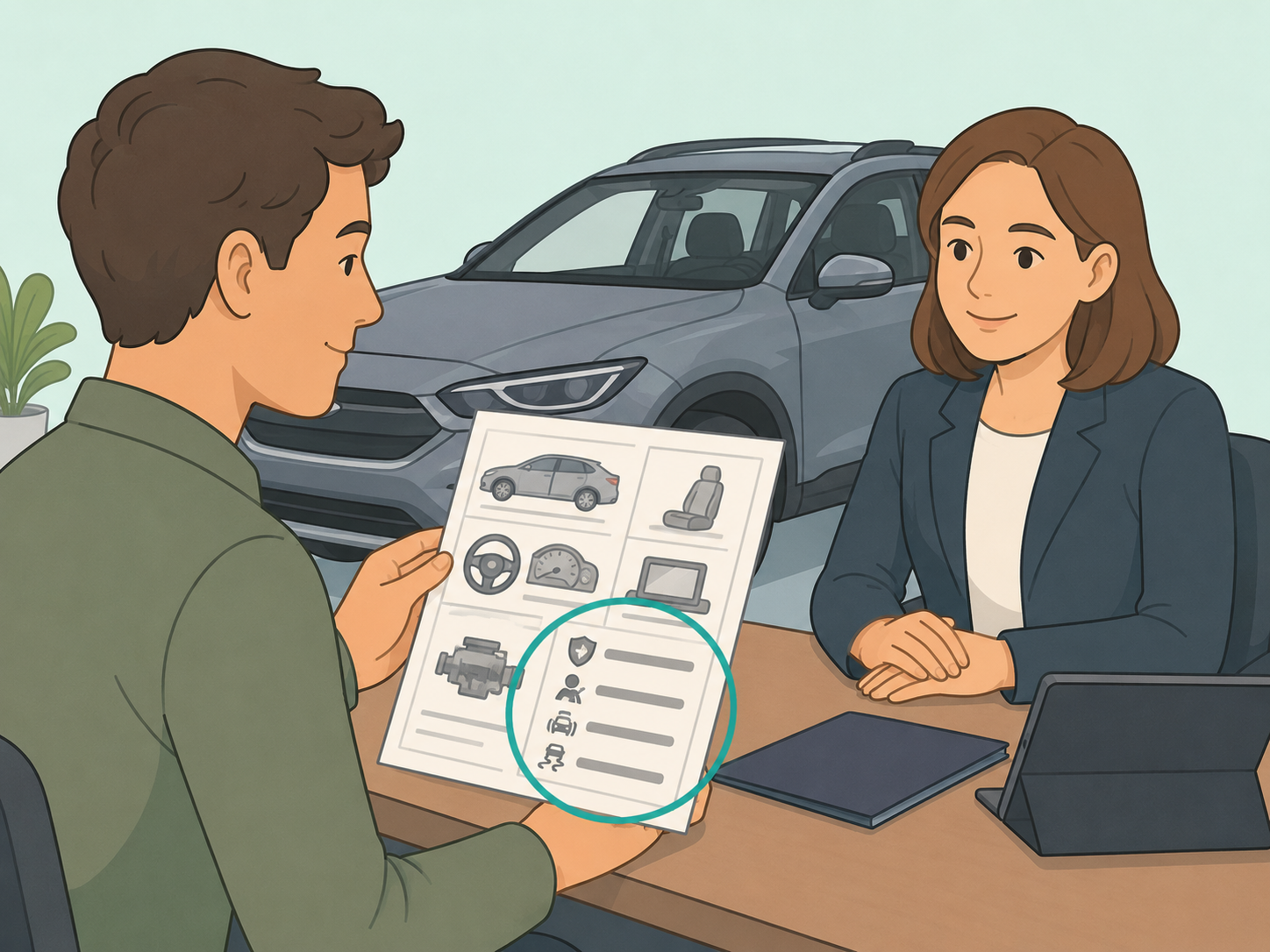
When comparing cars, look for terms such as driver monitoring, driver attention warning, distraction warning, or ADDW in the safety section. Automakers often use their own feature names, so ask the dealer to show where the system appears in the official equipment list. NHTSA advises shoppers to review the vehicle owner manual and safety features because names and functions vary by manufacturer.
Learn the alerts before your first long drive
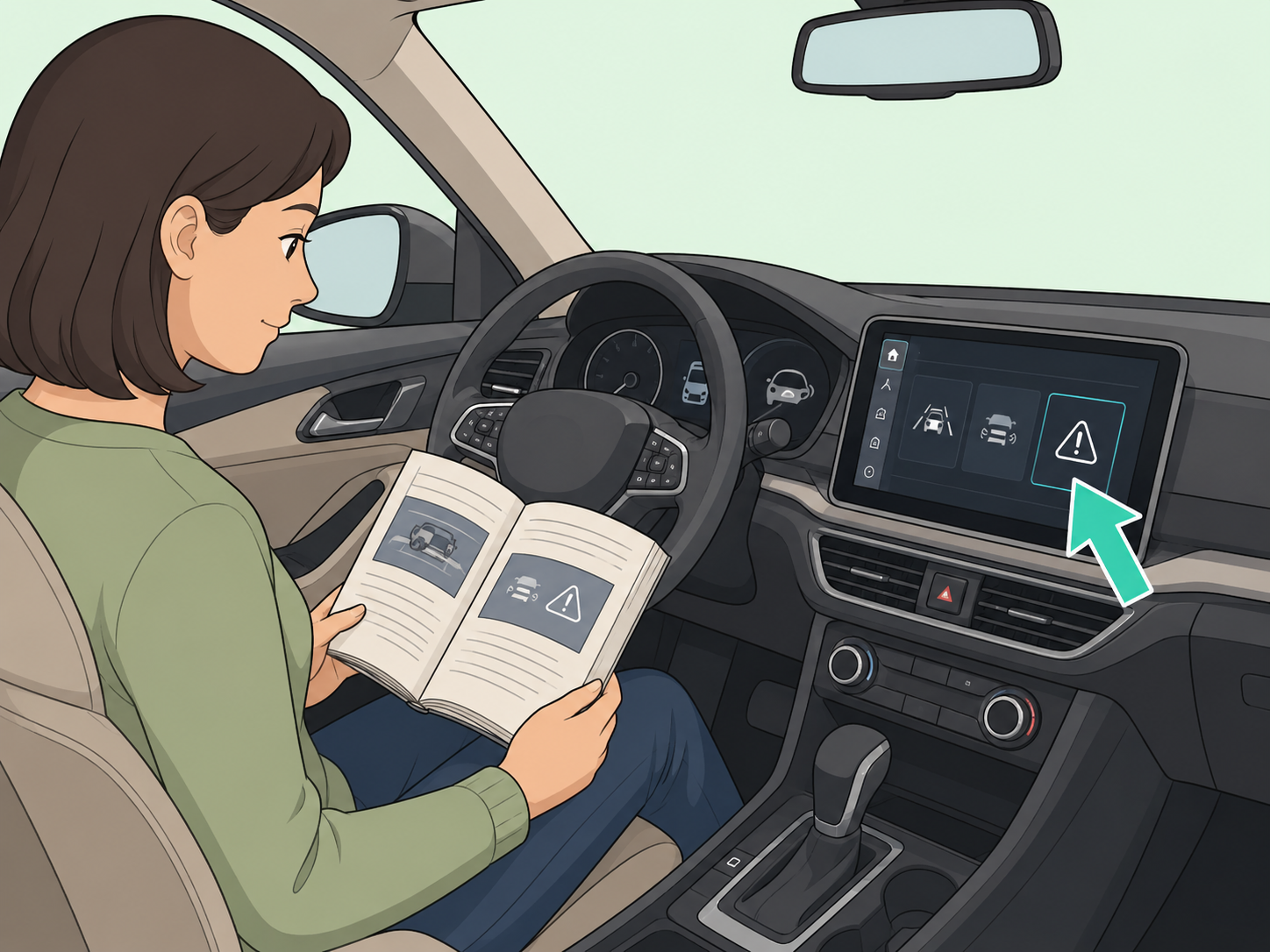
Open the owner manual or infotainment safety menu and learn what the attention alert looks and sounds like. Some systems may use a dashboard symbol, sound, steering-wheel vibration, or a combination of alerts. Do this while parked so you recognize the warning without having to search menus while driving.
Treat the warning as backup, not permission to multitask
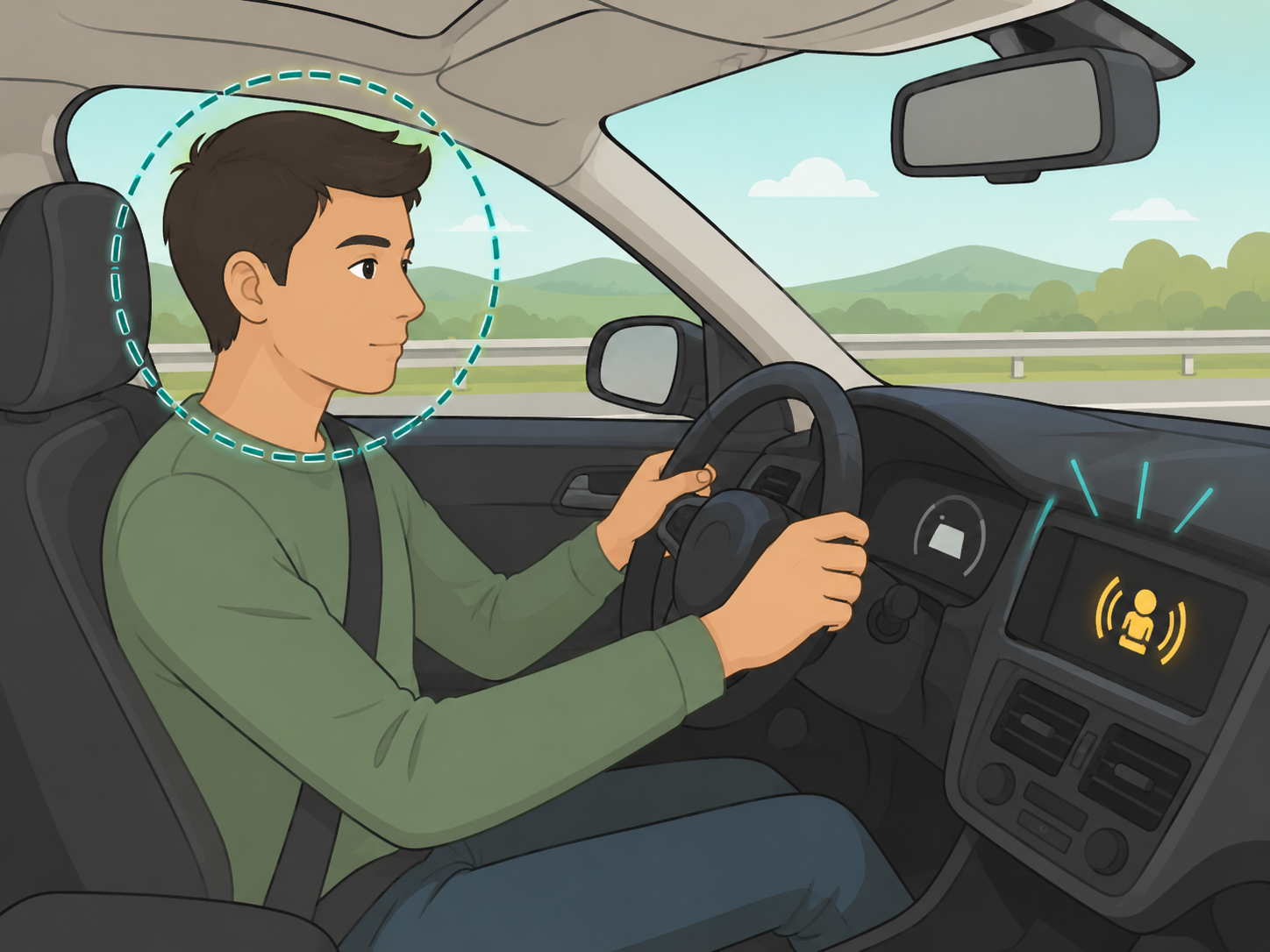
An attention alert does not make the car self-driving. NHTSA states that even advanced driver assistance features require the driver to stay engaged, steer, brake, and accelerate as needed. IIHS has also emphasized that partial automation needs strong safeguards because drivers can lose focus when they over-trust the system.
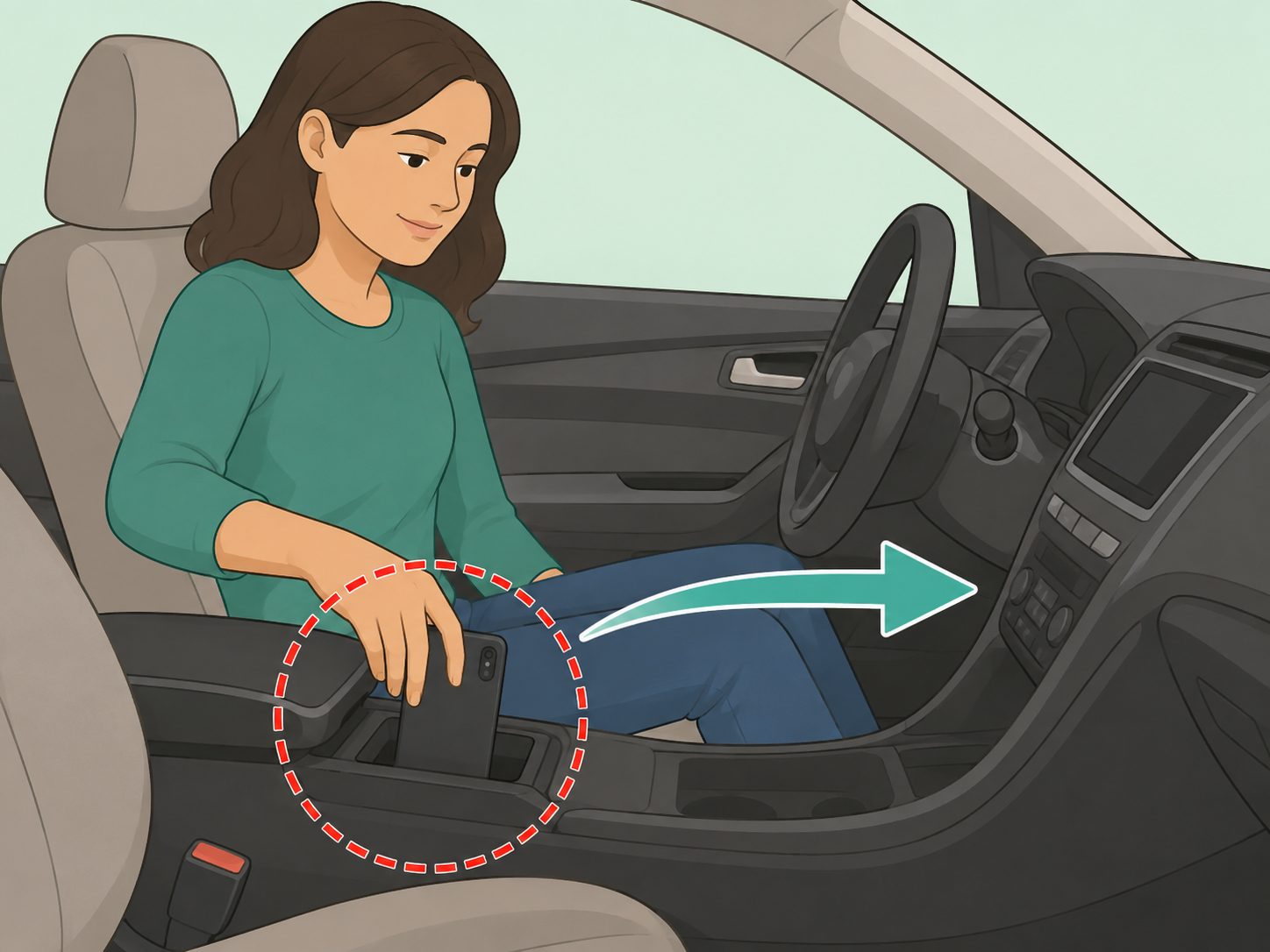
Keep common distractions out of reach
The safest way to use attention technology is to reduce distractions before the trip starts. CDC explains that distraction can be visual, manual, or cognitive, meaning your eyes, hands, or mind can be pulled away from driving. NHTSA also warns that any non-driving activity can raise crash risk, so set navigation, silence alerts, and put your phone away before moving.
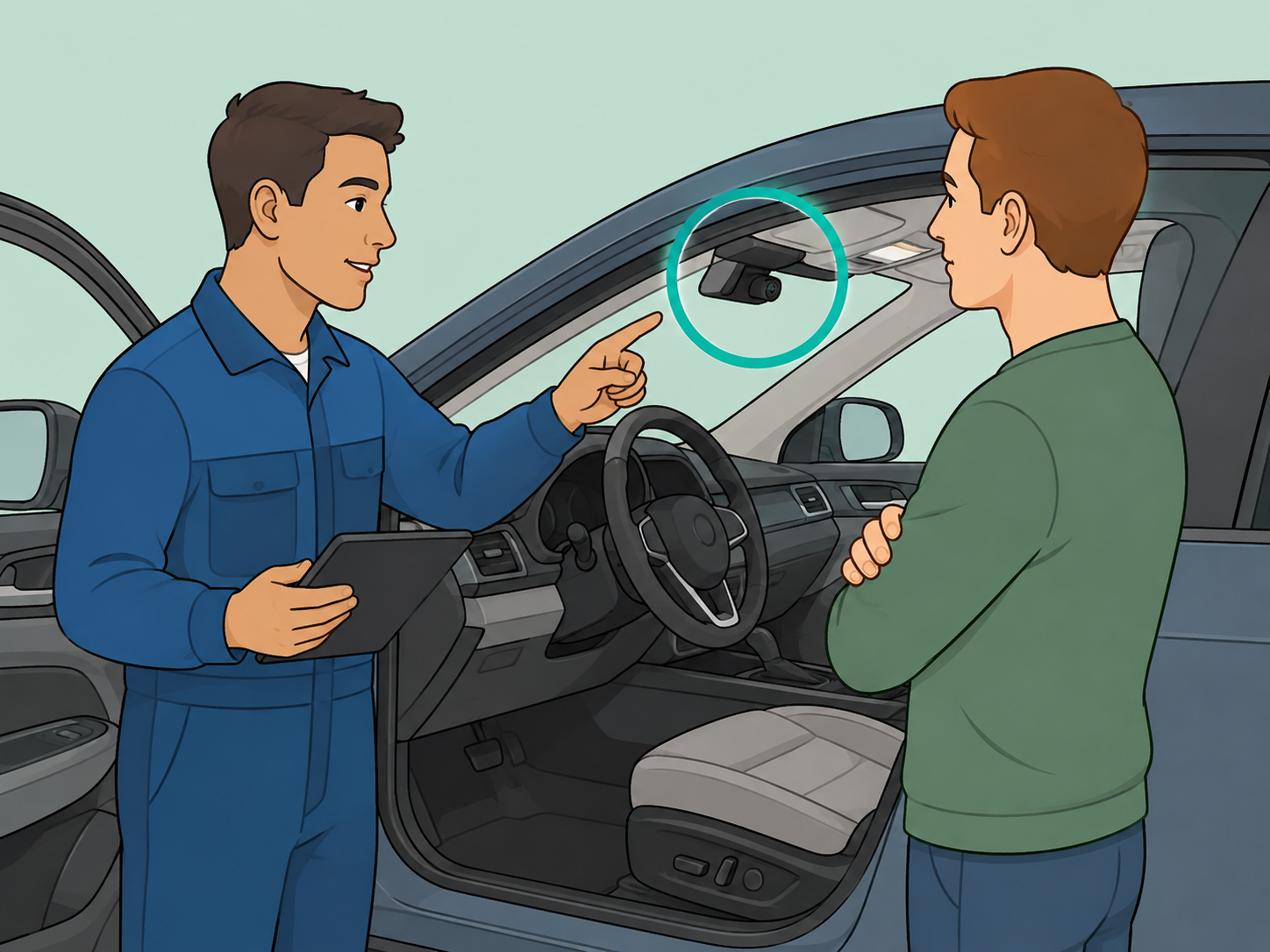
Ask about updates if a warning system acts strangely
If the car repeatedly says the attention camera is blocked, unavailable, or giving false alerts, check the manual for cleaning and seating-position guidance first. Then ask the dealer or manufacturer whether a calibration, service bulletin, or software update applies to your model. Do not disable safety alerts permanently just because they are annoying.

Check your local rules for non-EU cars
If you are buying, importing, or registering a vehicle outside the EU, compare the July 2026 rule with your own market's standards. For example, the United States has a separate NHTSA rule that will make automatic emergency braking standard by September 2029, which is not the same requirement as the EU driver attention warning date. When in doubt, use the local registration authority, dealer documentation, and manufacturer compliance statement.
Summary
The bottom line: the July 7, 2026 requirement is an EU new-vehicle safety rule, not a universal retrofit order for every car already on the road. Check the market, model year, owner manual, and exact feature name before buying, and treat any attention warning as a backup to focused driving.
Frequently Asked Questions
- Does the July 2026 rule mean every car already on the road needs a new camera?
No. The July 7, 2026 change is about new passenger cars and vans in the EU, and French public service guidance says current car owners are not subject to an upgrade or technical modification obligation.
- What is advanced driver distraction warning?
Advanced driver distraction warning, often shortened to ADDW, is a system that helps detect when the driver is distracted and warns the driver to return attention to the road.
- Is the driver attention warning the same as automatic emergency braking?
No. Driver attention warning focuses on the driver, while automatic emergency braking uses sensors to help brake when a forward collision is imminent. The July 2026 EU package includes more than one safety requirement.
- Can I turn the attention warning off?
Some systems may allow temporary deactivation during a trip, but the exact menu and reset behavior depend on the vehicle. Check the owner manual for your model before changing safety settings.
- Does the same July 2026 rule apply in the United States?
No. The July 2026 date refers to EU requirements. In the United States, NHTSA has a separate rule requiring automatic emergency braking on new passenger cars and light trucks by September 2029.
- Does this system make the car self-driving?
No. Driver assistance features can warn or help in specific situations, but the driver is still responsible for steering, braking, accelerating, and monitoring the road.
References
Reliable references aided in composing and refining this content.
- https://commission.europa.eu/news-and-media/news/safer-cars-safer-roads-new-rules-take-effect-2026-07-08_en?prefLang=de
- https://www.service-public.gouv.fr/particuliers/actualites/A18954?lang=en
- https://eur-lex.europa.eu/eli/reg/2019/2144/2024-07-07/eng
- https://www.nhtsa.gov/vehicle-safety/driver-assistance-technologies
- https://www.cdc.gov/distracted-driving/about/index.html
- https://www.nhtsa.gov/risky-driving/distracted-driving
- https://www.nhtsa.gov/press-releases/nhtsa-fmvss-127-automatic-emergency-braking-reduce-crashes
- https://www.iihs.org/news/detail/first-partial-driving-automation-safeguard-ratings-show-industry-has-work-to-do