
 Pin it
Running a fan for 6 hours a day usually costs far less than running an air conditioner, but the exact number depends on your fan wattage and your local electric rate. This guide shows you how to calculate the cost in a few minutes, estimate monthly and summer totals, and use the fan in a way that actually lowers your bill.
Find the fan’s wattage first
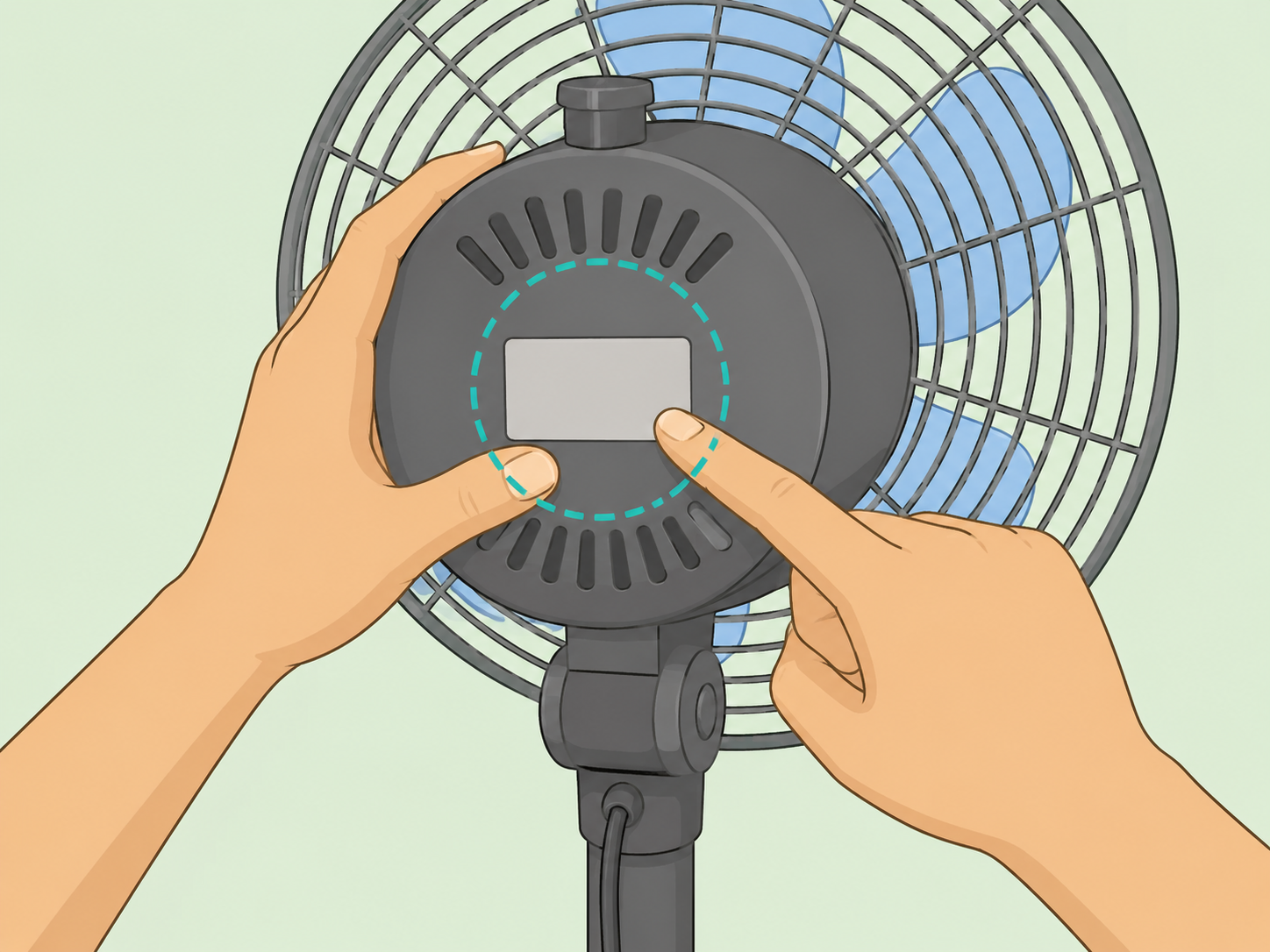
Look for the wattage on the fan label, owner manual, box, or manufacturer’s product page. The University of Maryland Extension notes that device power ratings are often listed on the device, manual, or manufacturer website, and that you can estimate watts by multiplying amps by volts when needed: check the power rating.
Convert 6 hours of use into kilowatt-hours
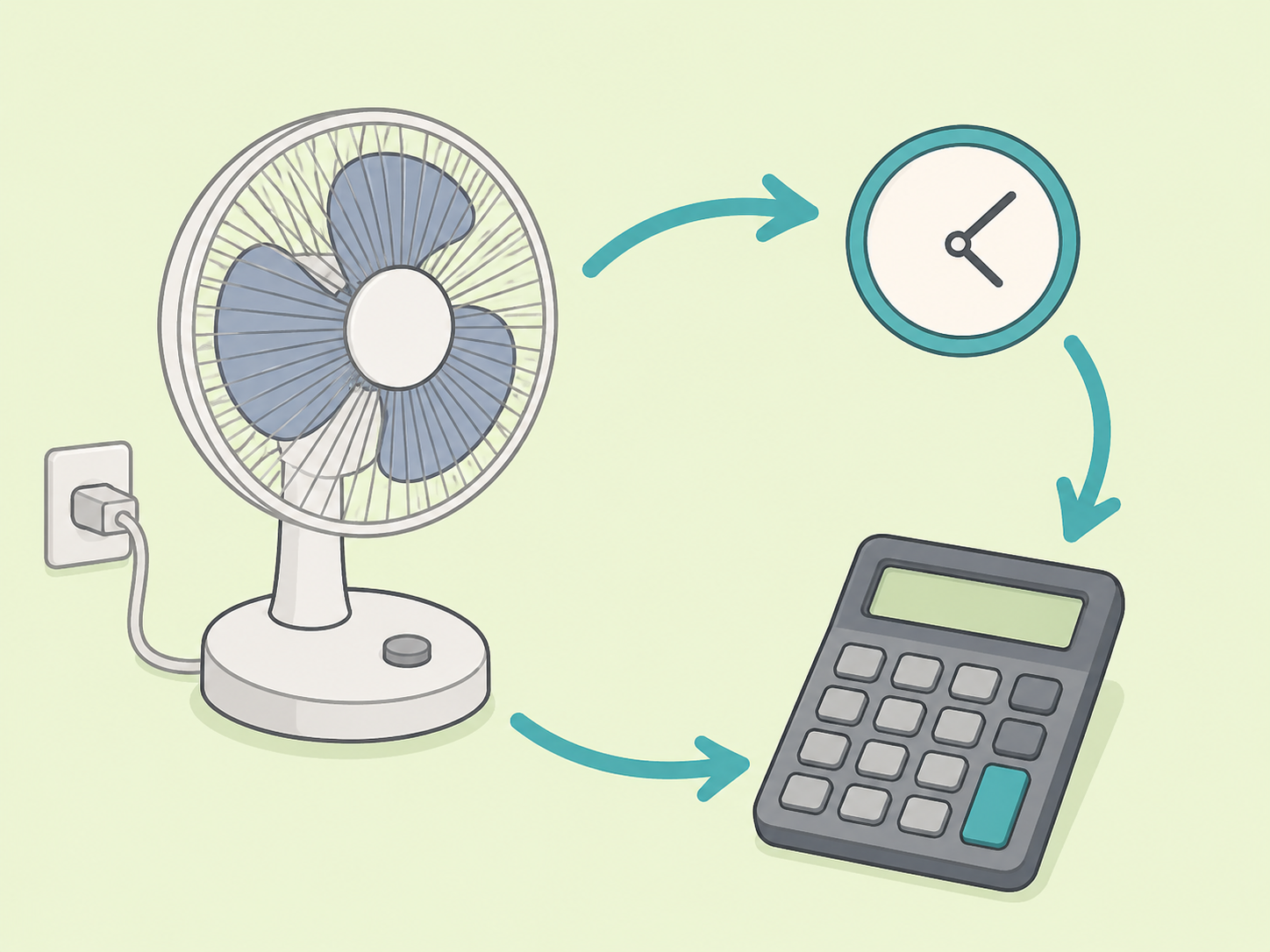
Use this formula: watts × hours ÷ 1,000 = kilowatt-hours. The U.S. Energy Information Administration explains that electricity use over time is measured in watt-hours and kilowatt-hours, with one kilowatt-hour equal to one kilowatt used for one hour.

Use your real electricity rate
Check your bill for the price per kWh, because rates vary by utility, state, and plan. For a national example, EIA’s Electric Power Monthly listed the June 2026 U.S. residential average price at 18.34 cents per kWh, while noting that 2026 values are preliminary: review current electricity price data.
Calculate the monthly fan cost
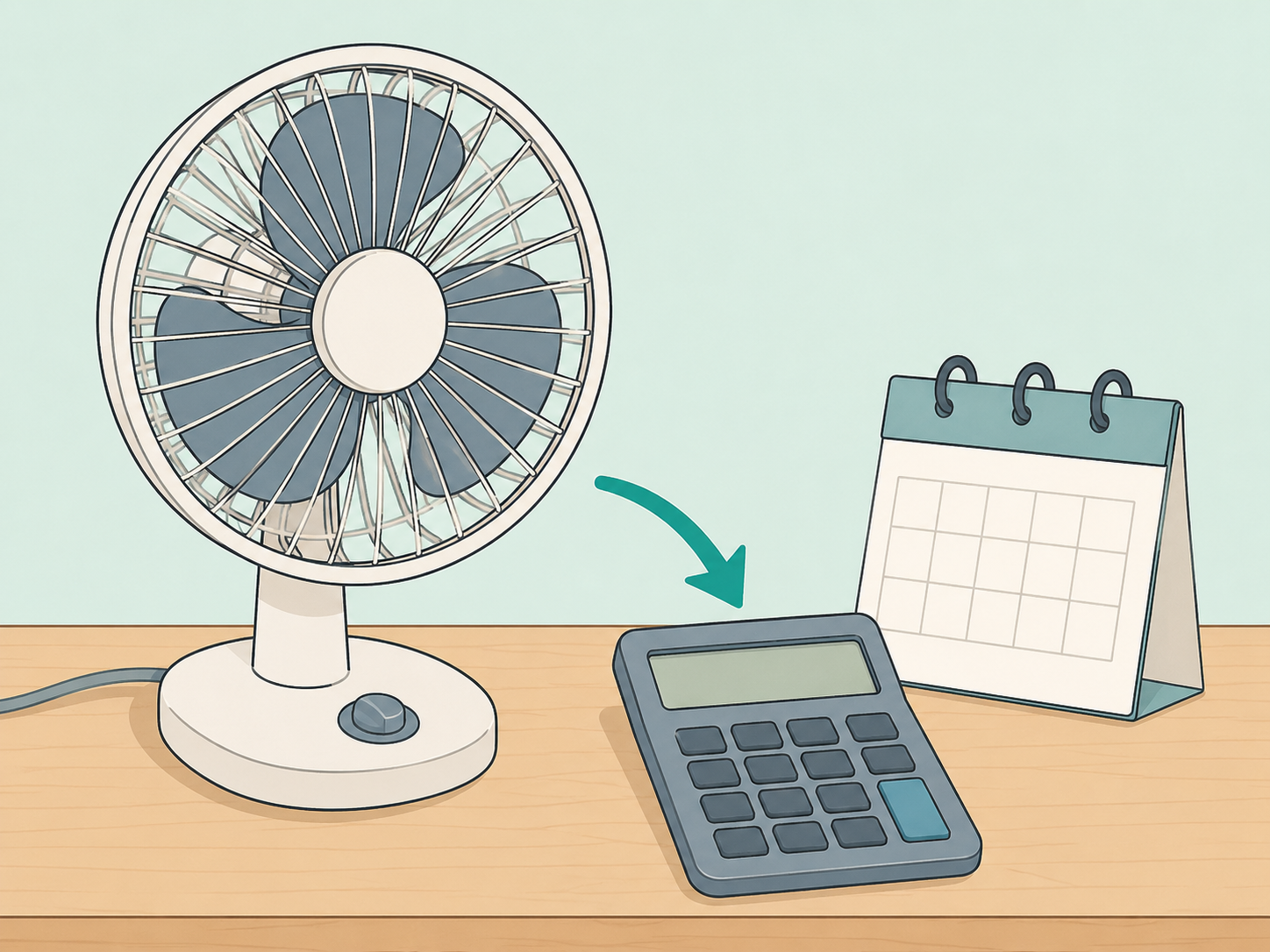
For a fan used 6 hours a day for 30 days, multiply wattage by 180 hours, divide by 1,000, then multiply by your rate. At 18.34 cents per kWh, a 30-watt fan costs about $0.99 per month, a 50-watt fan about $1.65, a 75-watt fan about $2.48, and a 100-watt fan about $3.30.
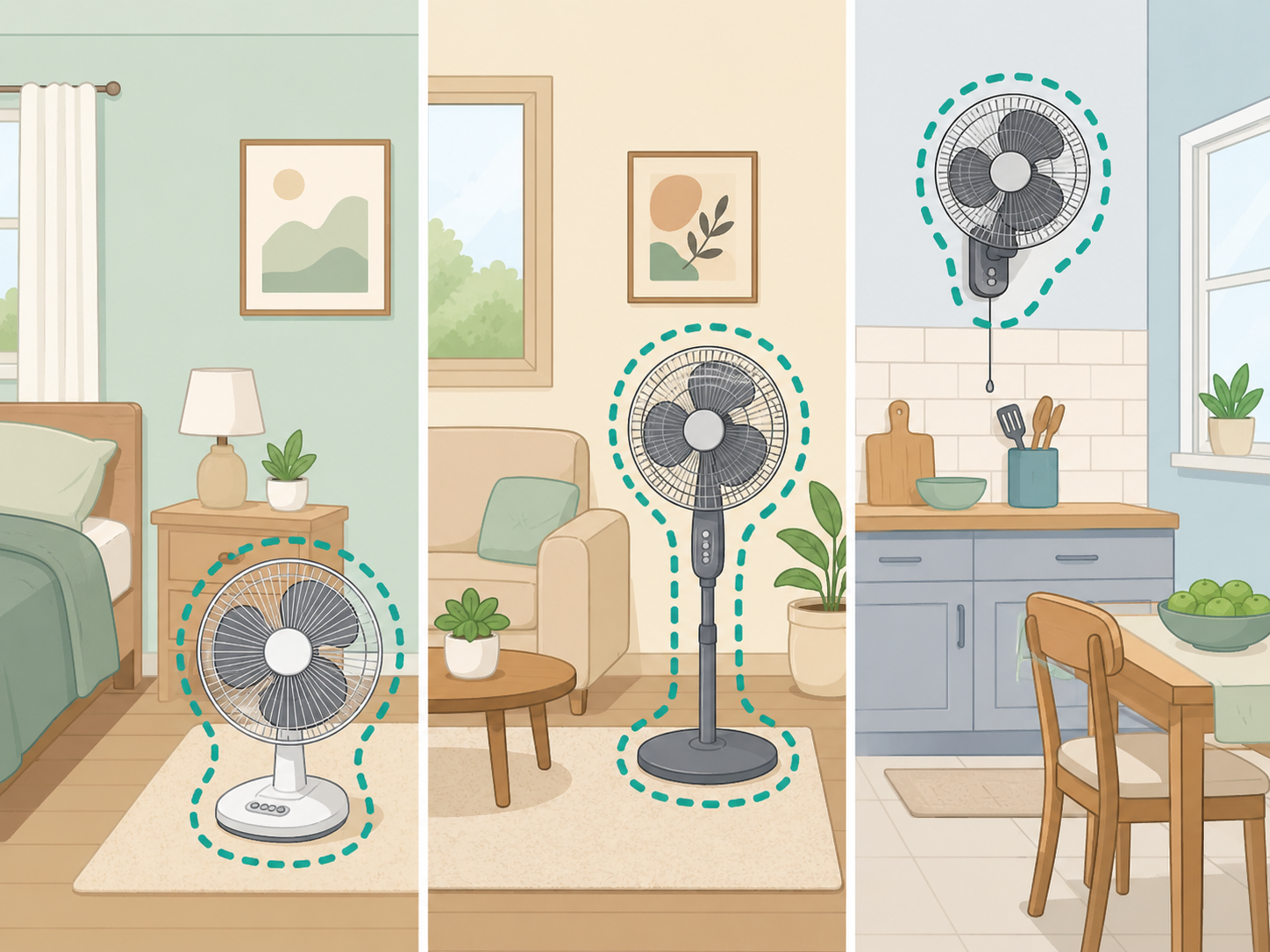
Multiply by the number of fans you use
If you run more than one fan, calculate each one separately or multiply by the number of similar fans. Three 50-watt fans used 6 hours a day would cost about $4.95 per month at the June 2026 U.S. residential average rate, so the habit is still modest but no longer invisible.
Compare the cost with air-conditioning savings
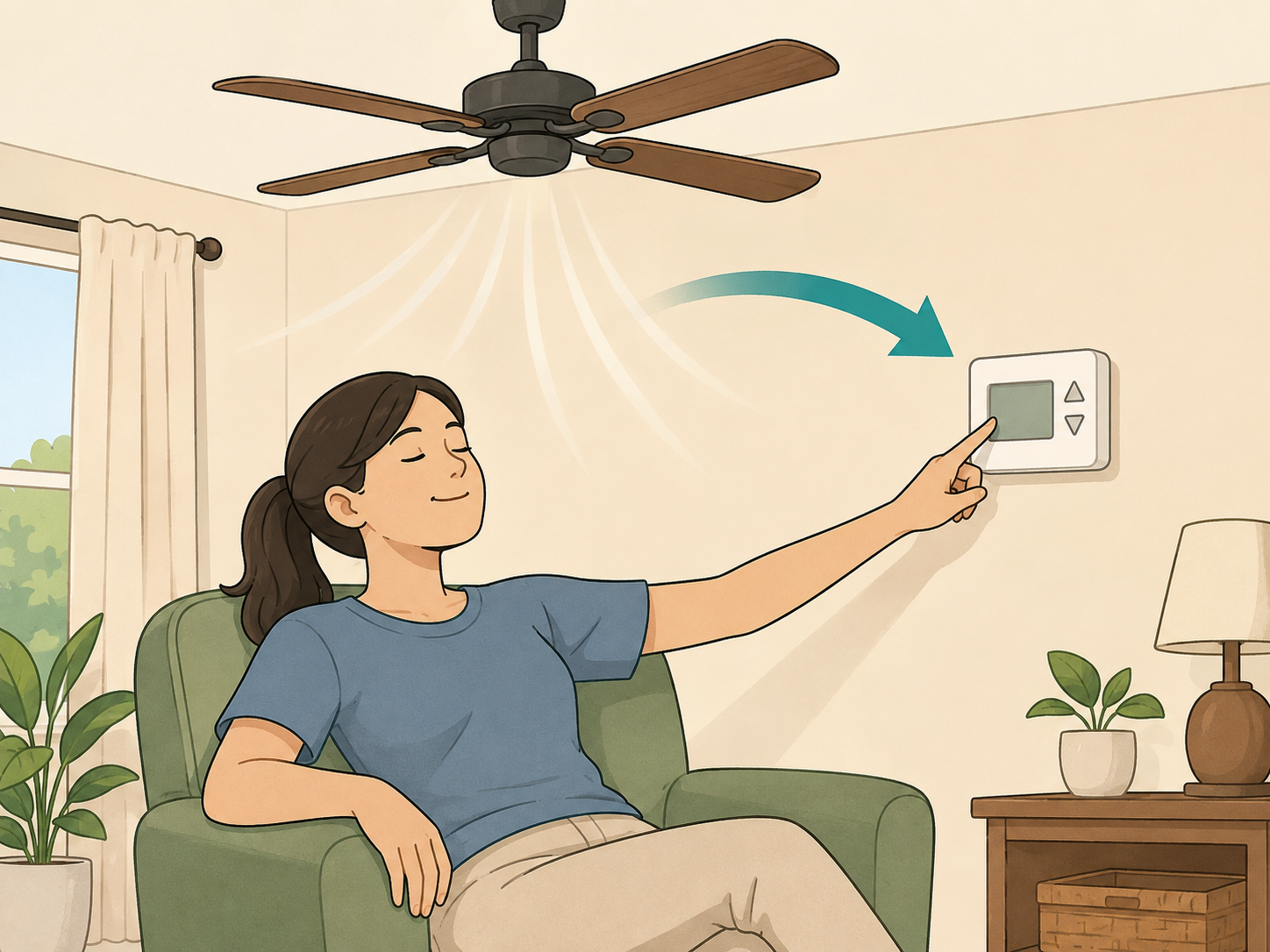
A fan saves the most money when it lets you raise the thermostat without feeling hotter. DOE says a ceiling fan may let you raise the thermostat about 4°F with no reduction in comfort when you are in the room, and Virginia Tech Extension says raising the thermostat by 2 to 4 degrees can reduce cooling costs: use fans with the thermostat and compare cooling savings.
Turn the fan off when the room is empty
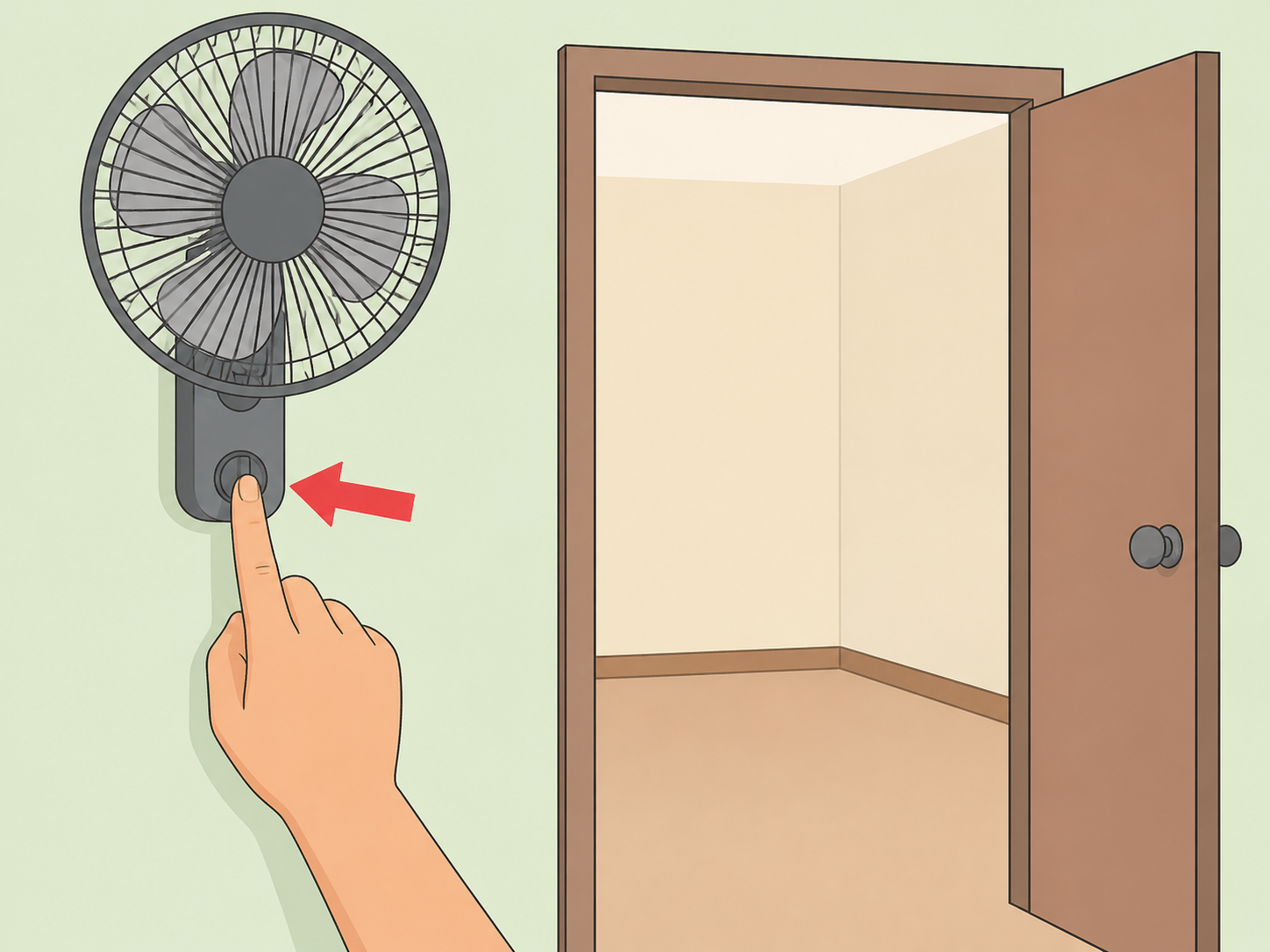
Do not leave the fan running as if it were cooling the room itself. DOE says fans cool people, not rooms, so turning one off when you leave stops unnecessary electricity use without making the room warmer in a meaningful way: turn fans off when you leave.
Choose efficient settings and equipment
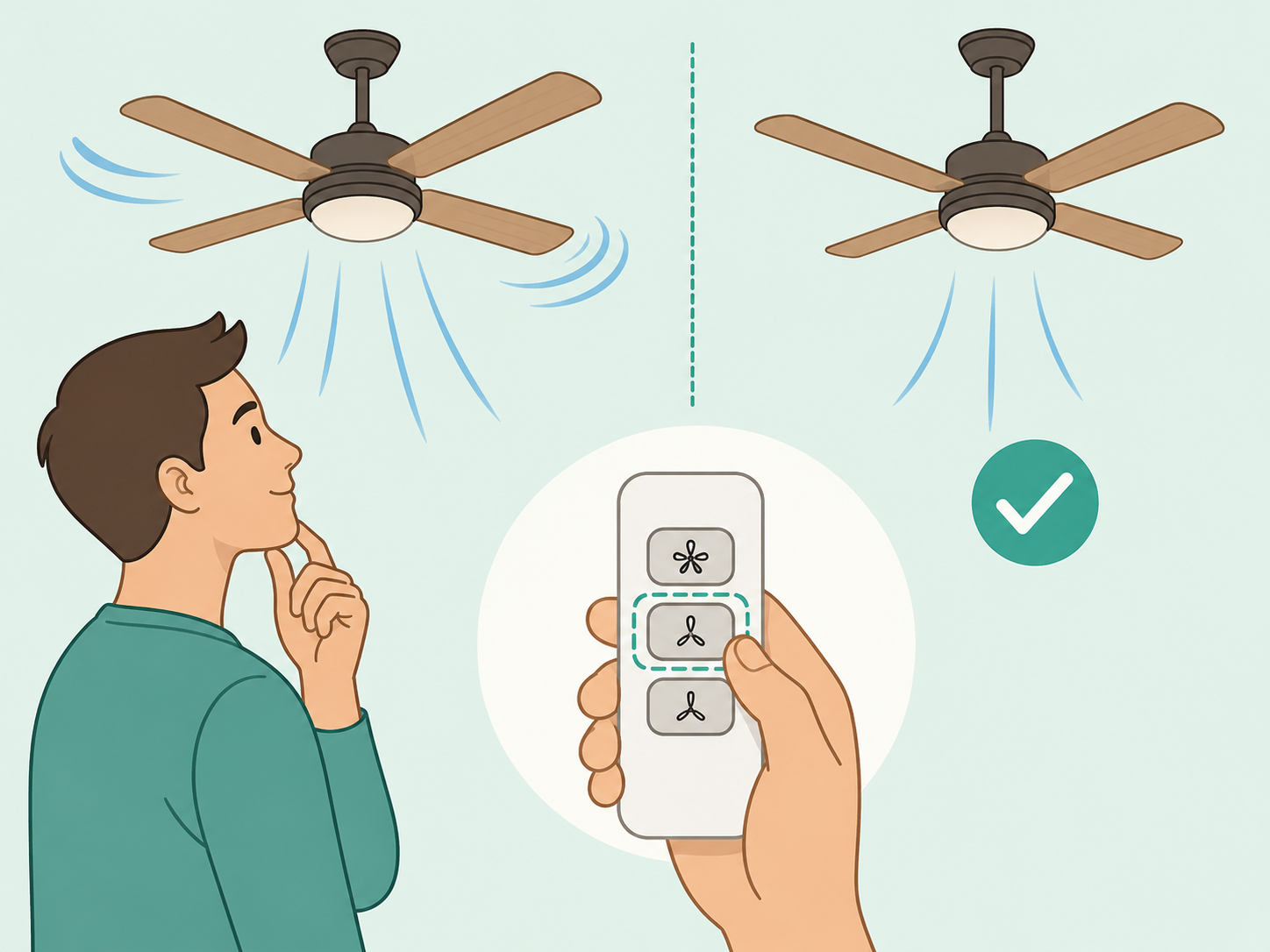
Use the lowest fan speed that keeps you comfortable, and count any attached light separately if it is on. If you are replacing a ceiling fan, ENERGY STAR says certified models are up to 44% more efficient than conventional fans, so compare efficient models before buying: look for ENERGY STAR ceiling fans.
Summary
The bottom line: a fan running 6 hours a day is usually a small line item, but it still adds up if you run several fans or leave them on in empty rooms. The biggest savings usually come from using the breeze to stay comfortable while raising the thermostat a little.
Frequently Asked Questions
- How much does a 50-watt fan cost to run for 6 hours a day?
At the June 2026 U.S. residential average electricity price of 18.34 cents per kWh, a 50-watt fan used 6 hours a day costs about $1.65 for 30 days. Your actual cost may be higher or lower depending on your utility rate.
- Is it cheaper to run a fan or the air conditioner?
A fan motor usually uses much less electricity than central air conditioning, but it does not lower room temperature. It saves money best when it lets you raise the thermostat or use the AC less.
- Does leaving a ceiling fan on cool the room?
No. Ceiling fans make people feel cooler by moving air, but they do not meaningfully lower the room temperature, so turn them off when no one is there to feel the breeze.
- How do I find my fan wattage?
Check the label on the fan, the owner manual, or the manufacturer’s product page. If the label lists amps and volts instead of watts, multiply amps by volts to estimate watts.
- How much could I save by using a fan with the AC?
Virginia Tech Extension says raising the thermostat by 2 degrees can cut cooling costs by about 4% to 6%, and ENERGY STAR says a 2-degree increase with a ceiling fan can lower seasonal air-conditioning costs by up to 14%. Results depend on your home, climate, AC system, and comfort level.
- Should I buy an ENERGY STAR ceiling fan?
If you use a ceiling fan often, an efficient model can help. ENERGY STAR says certified ceiling fans are up to 44% more efficient than conventional fans, so compare airflow, wattage, and room size before buying.
References
Reliable references aided in composing and refining this content.
- https://www.eia.gov/energyexplained/electricity/measuring-electricity.php
- https://www.eia.gov/electricity/monthly/epm_table_grapher.php?t=epmt_5_03
- https://www.extension.umd.edu/resource/working-solar-design-and-system-sizing-fs-2023-0655
- https://content.govdelivery.com/accounts/USEERE/bulletins/39a1721?reqfrom=share
- https://www.pubs.ext.vt.edu/content/pubs_ext_vt_edu/en/2901/2901-9002/2901-9002.html
- https://www.energystar.gov/products/ceiling_fans