
 Pin it
Headlines about Earth's destruction can sound alarming, especially when they attach a famous name to a scientific claim. This guide shows you how to slow down, verify what is actually known, and separate long-term astronomy from today's real environmental and emergency-preparedness issues. It also covers what to do if this kind of news makes you feel overwhelmed.
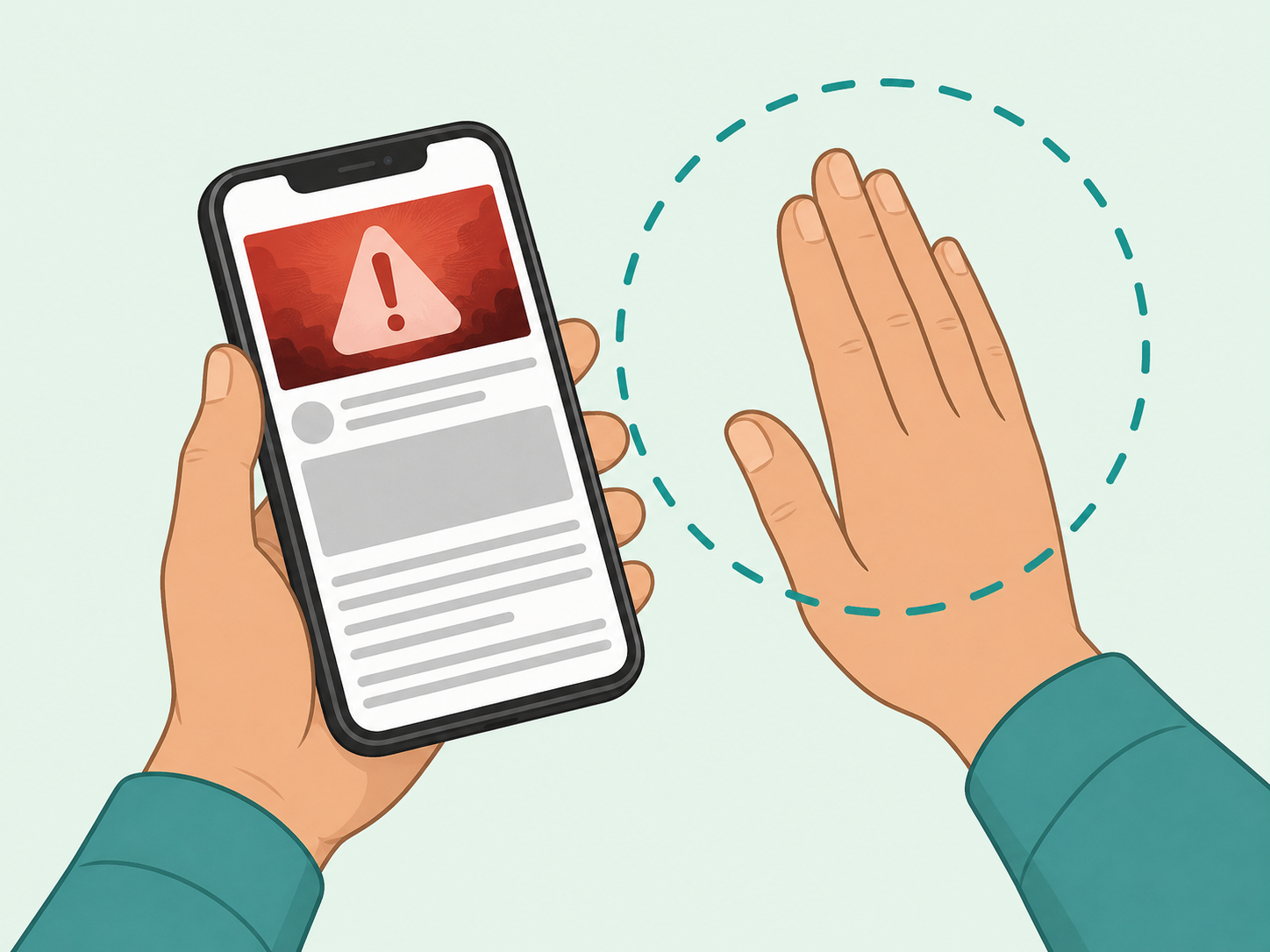
Pause before accepting the headline
Read the claim as a claim, not as a settled fact. A headline saying scientists confirmed a destruction timeline should identify the scientists, the study, and the agency or journal behind it. If it does not, compare it with primary sources such as NASA's Sun facts before sharing it.
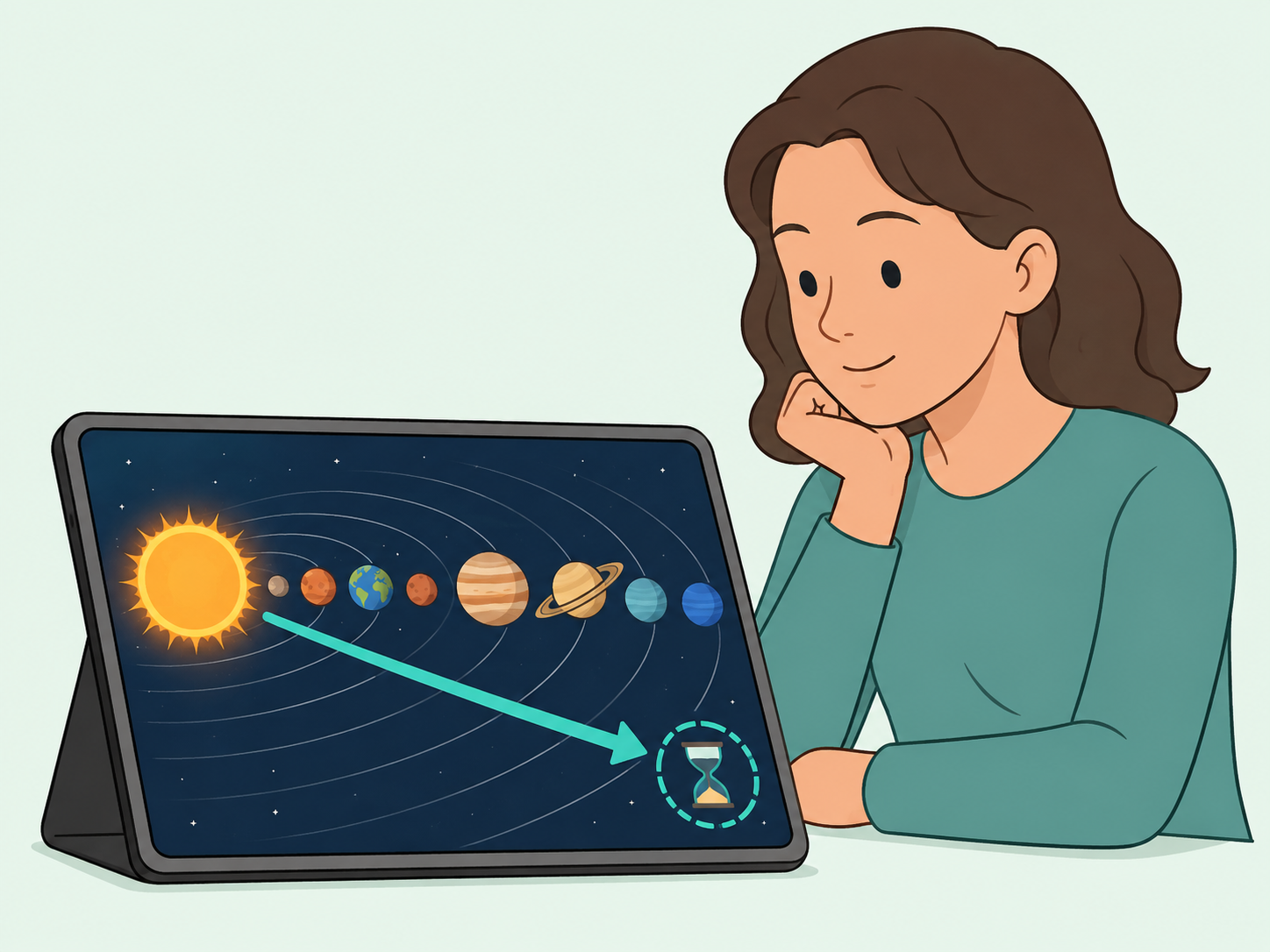
Separate the Sun's future from a near-term emergency
NASA explains that the Sun is roughly halfway through its lifetime and has about 5 billion years before it becomes a white dwarf. Another NASA explainer says the red giant phase will begin about 5 billion years from now and could make Earth uninhabitable for life as we know it. That is astronomy on a billion-year scale, not a confirmed near-term disaster timeline.
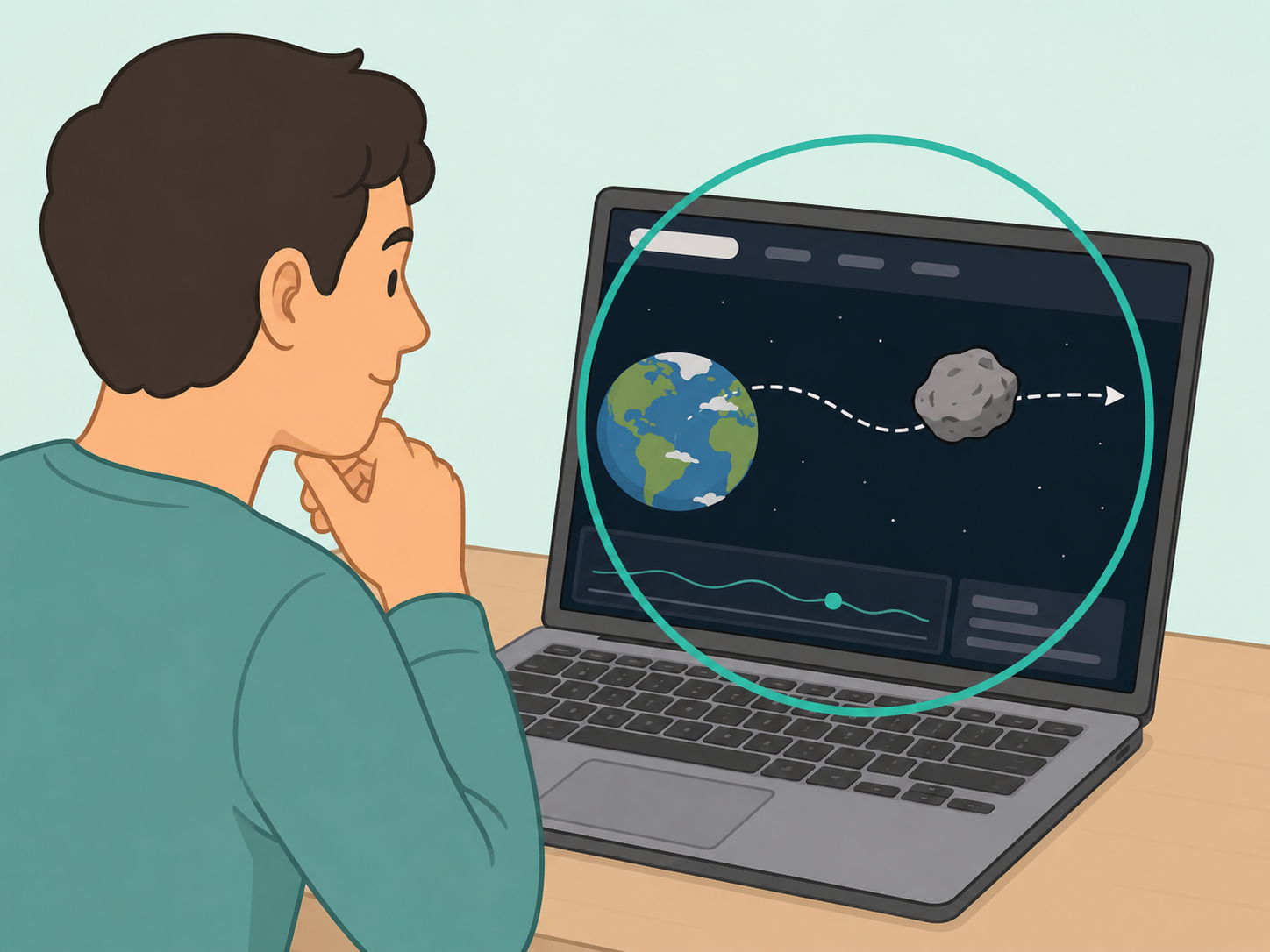
Check asteroid claims against planetary defense sources
If the article mentions an asteroid, compare it with NASA's planetary defense overview. NASA says no known asteroid larger than 140 meters has a significant chance of impacting Earth in the next 100 years. Be especially cautious with posts that use fictional exercises, old rumors, or unsourced countdowns as if they were real warnings.
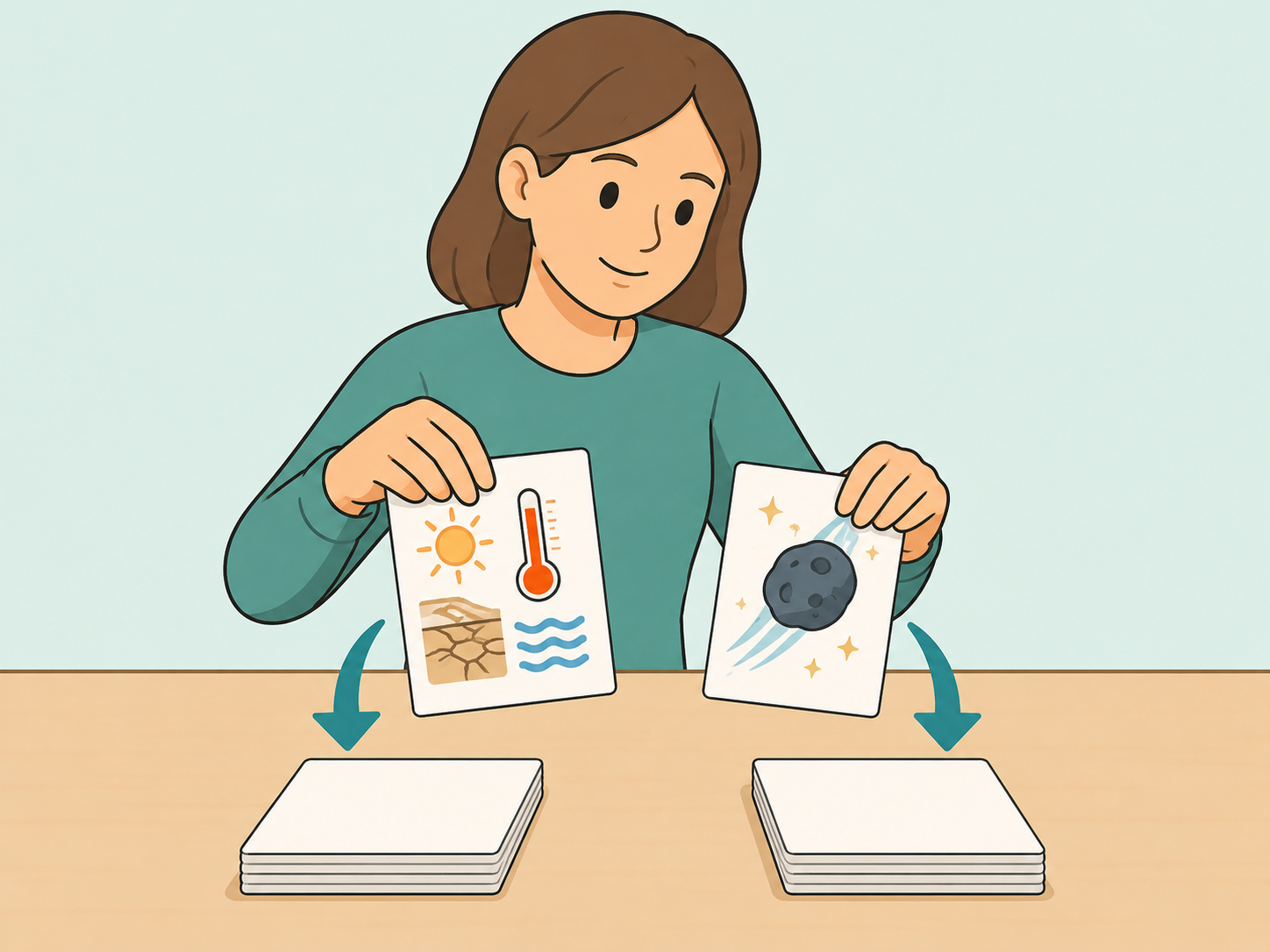
Treat climate risks as real but different
Climate change is a real, evidence-backed problem, but it is not the same thing as a fixed date for Earth's destruction. NASA says modern climate records show rising temperatures, ice loss, and other signs of a warming planet, while NOAA explains that sea level is rising and can worsen flooding and coastal hazards. Keep the distinction clear so you respond to real risks without accepting false certainty.

Look for the original source behind the claim
Open the linked study, agency page, or university release instead of relying on a repost. A reliable article should let you trace major claims back to organizations such as NASA, NOAA, CDC, NIH, universities, or peer-reviewed journals. If the only support is a social media screenshot, a celebrity quote, or a page full of ads, do not treat it as verified science.
Prepare for realistic local emergencies
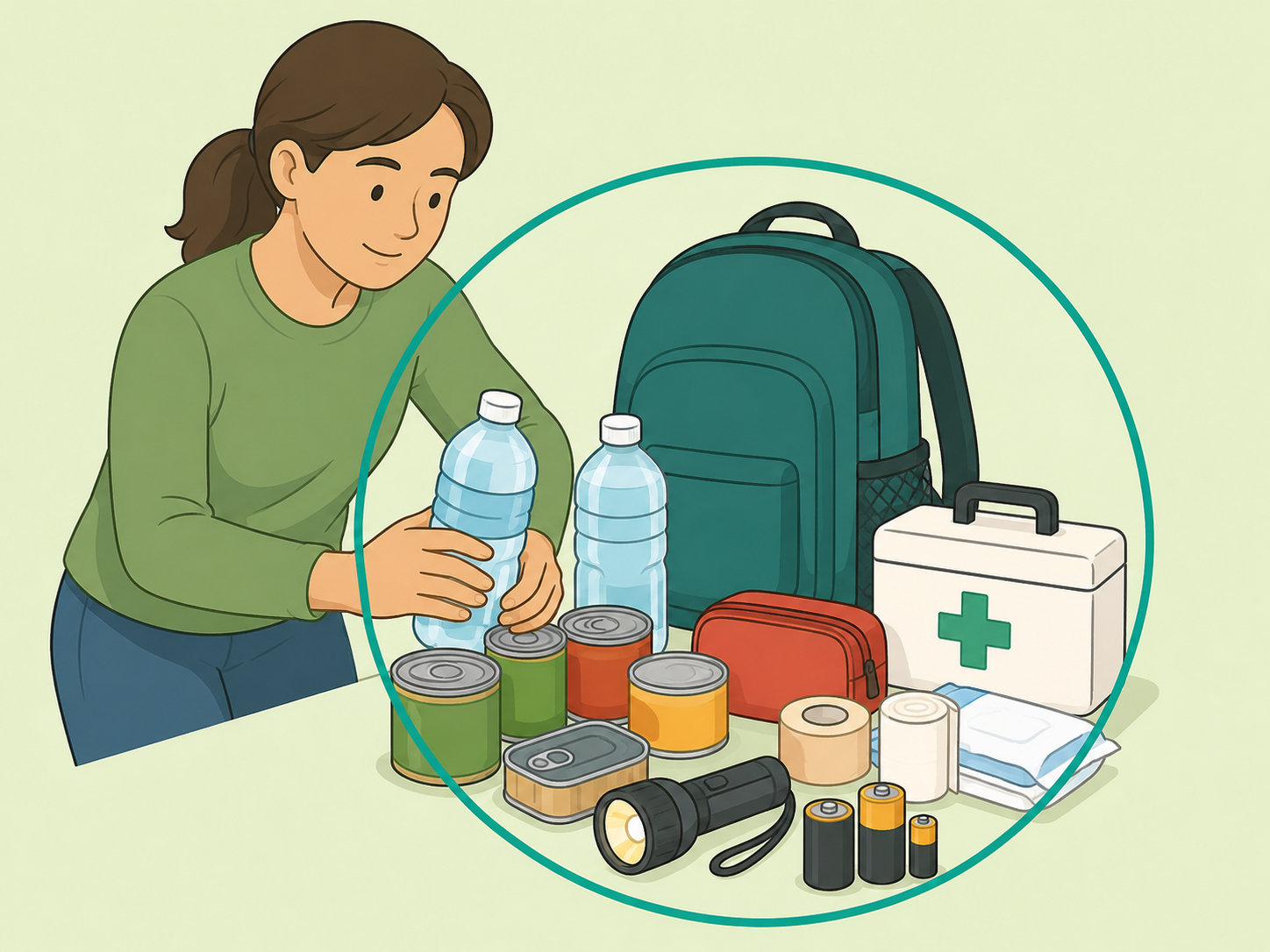
Preparedness is useful when it is based on hazards that could actually affect your area, such as storms, floods, heat, fire, or power outages. The CDC recommends an emergency kit with basics such as first aid supplies, water, nonperishable food, flashlights, batteries, and a battery-powered radio. Use preparedness to reduce uncertainty, not to build a fear-based routine around unlikely global scenarios.

Limit doom-scrolling when it raises your stress
Repeatedly checking alarming stories can keep your body in a stress response even when there is no immediate danger. MedlinePlus explains that long-term stress can affect sleep, mood, digestion, and overall health. Set a time limit for checking news, choose one or two reliable sources, and take a break when you notice tension, irritability, or racing thoughts.

Seek help if the worry affects daily life
Talk to a doctor or mental health professional if stress symptoms are severe, last 2 weeks or more, or make it hard to sleep, eat, focus, get out of bed, or do normal activities. MedlinePlus also says to get help right away if stress leads to thoughts of suicide, feeling unable to cope, or increased alcohol or drug use. You do not need to wait until things feel unmanageable before asking for support.
Summary
The bottom line: there is no verified short-term timeline for Earth's destruction, but there are real long-term solar changes, climate risks, and local emergencies worth understanding. Use primary science sources, prepare for realistic hazards, and step away from doom content when it starts affecting your wellbeing.
Frequently Asked Questions
- Did scientists confirm a near-term date for Earth's destruction?
- No trusted science agency has confirmed a near-term date for Earth's destruction. NASA describes long-term solar changes on billion-year timescales, while current climate and disaster risks are serious but not the same as a fixed doomsday date.
- Will the Sun eventually make Earth uninhabitable?
- Yes, on a very long timescale. NASA says the Sun will eventually run out of fuel, expand into a red giant phase, and later become a white dwarf.
- Is an asteroid currently known to be on a path to destroy Earth?
- NASA's planetary defense information says there is no known asteroid larger than 140 meters with a significant chance of hitting Earth in the next 100 years.
- Does climate change mean Earth is about to be destroyed?
- No. Climate change is a real, human-driven problem that increases risks such as heat, flooding, sea level rise, and extreme weather, but it is not the same as a confirmed extinction timeline.
- Why do viral headlines make science sound more certain than it is?
- Headlines often compress complex research into a dramatic phrase. Always read past the headline and check whether the article links to a primary source from a scientific agency, university, or peer-reviewed publication.
- What should I do if doomsday news makes me anxious?
- Limit repeated checking, take breaks from feeds, use calming routines, and talk to someone you trust. If stress symptoms are severe, last 2 weeks or more, or interfere with daily life, contact a health professional.
References
Reliable references aided in composing and refining this content.
- https://science.nasa.gov/sun/facts
- https://www.nasa.gov/image-article/why-sun-wont-become-black-hole
- https://science.nasa.gov/planetary-defense-overview
- https://science.nasa.gov/climate-change/evidence
- https://oceanservice.noaa.gov/facts/sealevel.html
- https://www.cdc.gov/natural-disasters/psa-toolkit/build-an-emergency-kit.html
- https://medlineplus.gov/stress.html