
 Pin it
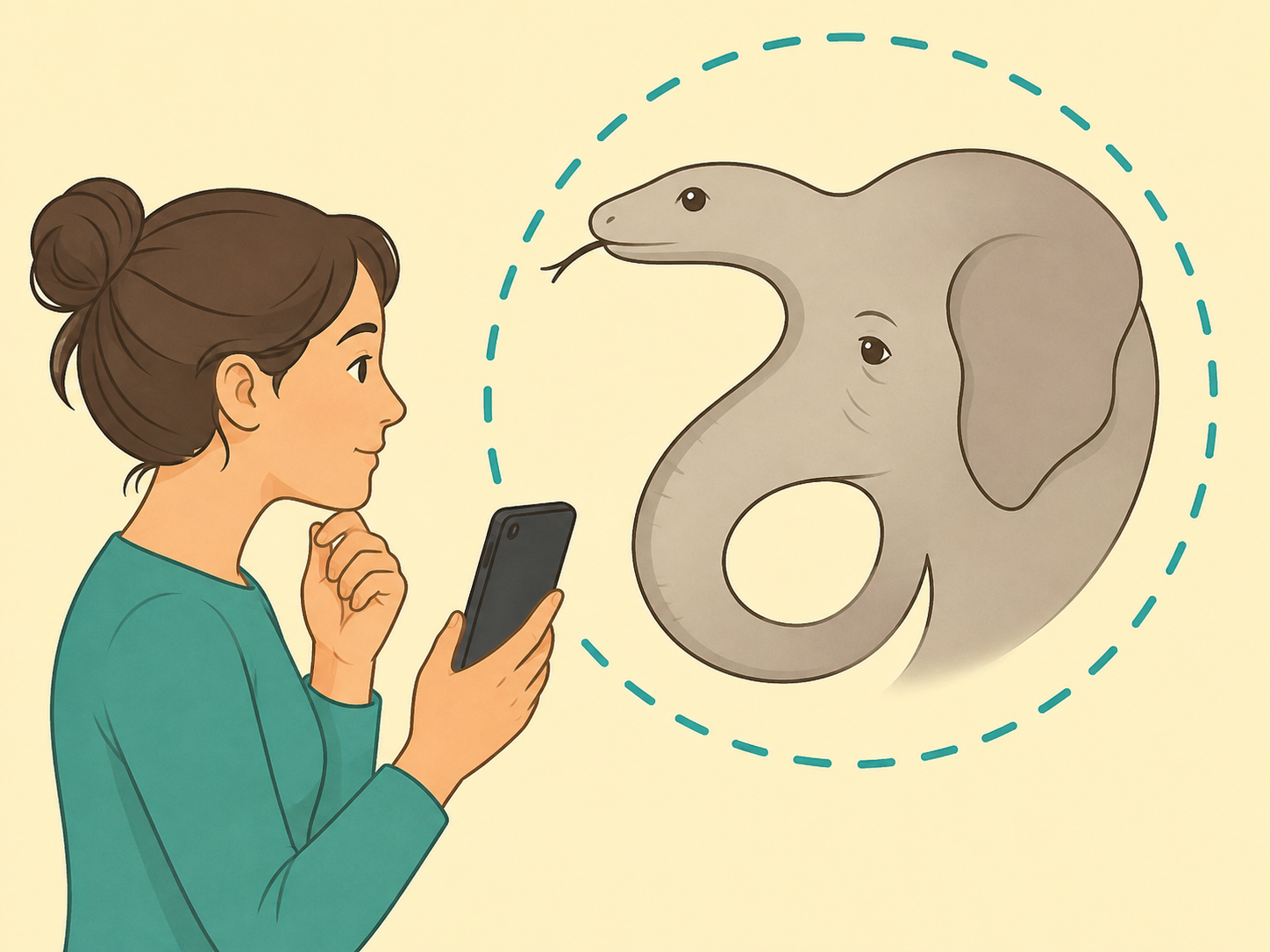
The snake-or-elephant optical illusion is often shared with claims that your first answer reveals how you see the future. It can be fun to try, but a viral image is not the same as a validated psychological test. This guide shows you how to view the illusion, compare what you notice, and keep the meaning realistic.
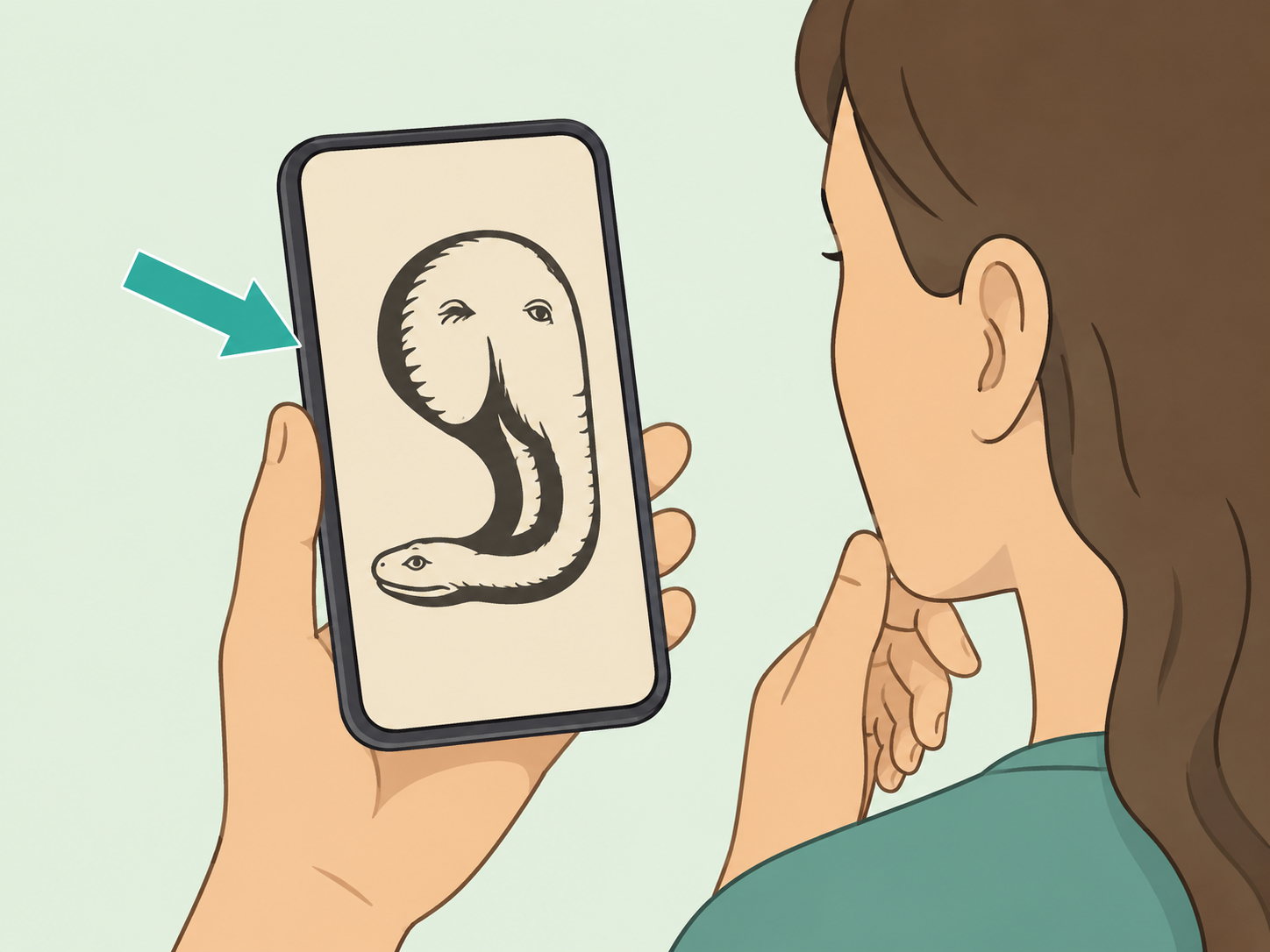
View the image once before reading the claims
Look at the illusion for a few seconds without scrolling down to someone else's explanation. Optical illusions work because perception is an active process, and research on human-made illusions explains that the brain uses context and past knowledge to make sense of incomplete or ambiguous visual information.
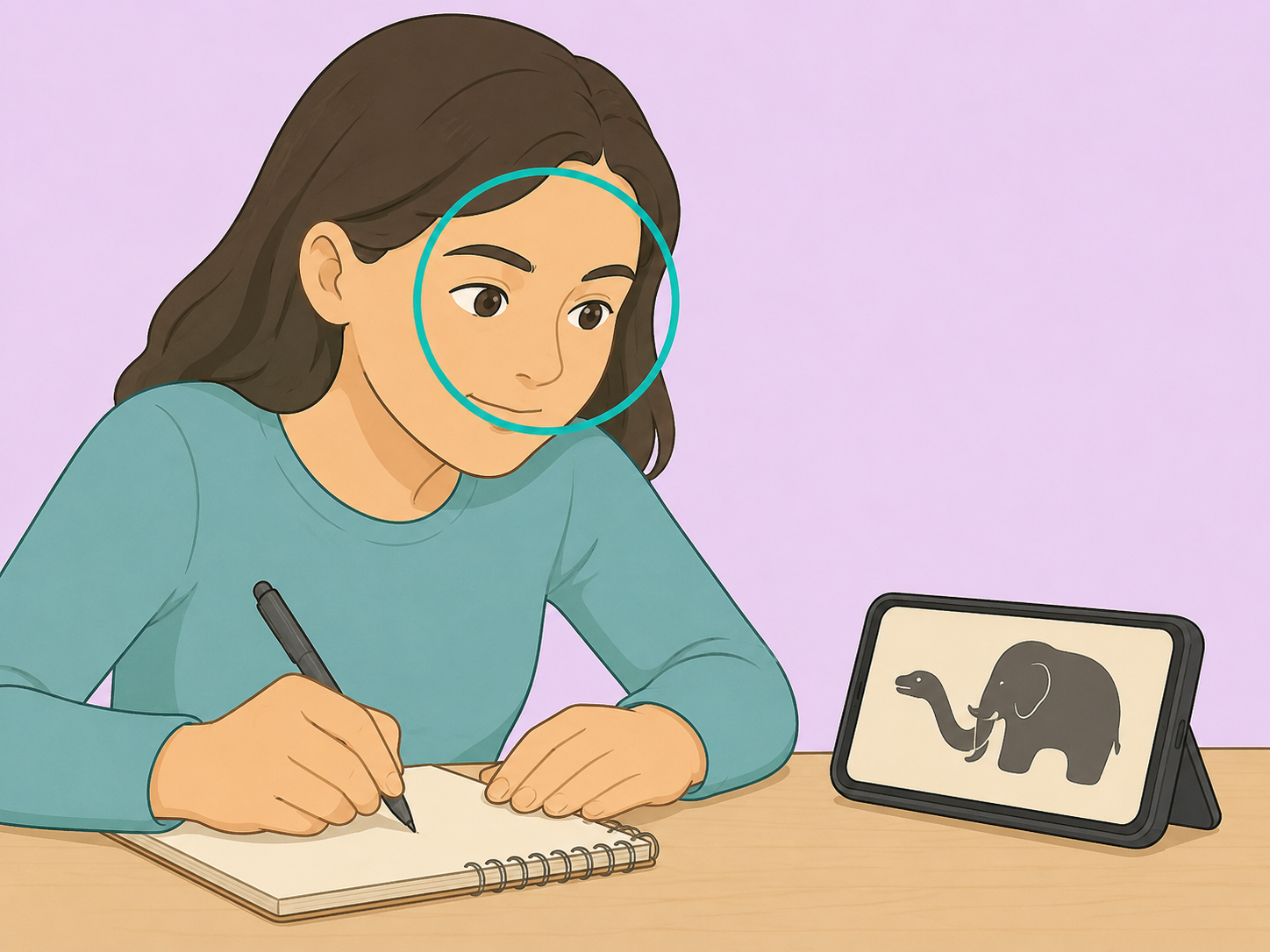
Notice which animal stands out first
Write down whether you saw the snake or the elephant before you started searching for the other shape. Your first impression may reflect where your attention landed in that moment, but it should not be treated as a fixed trait or a forecast.
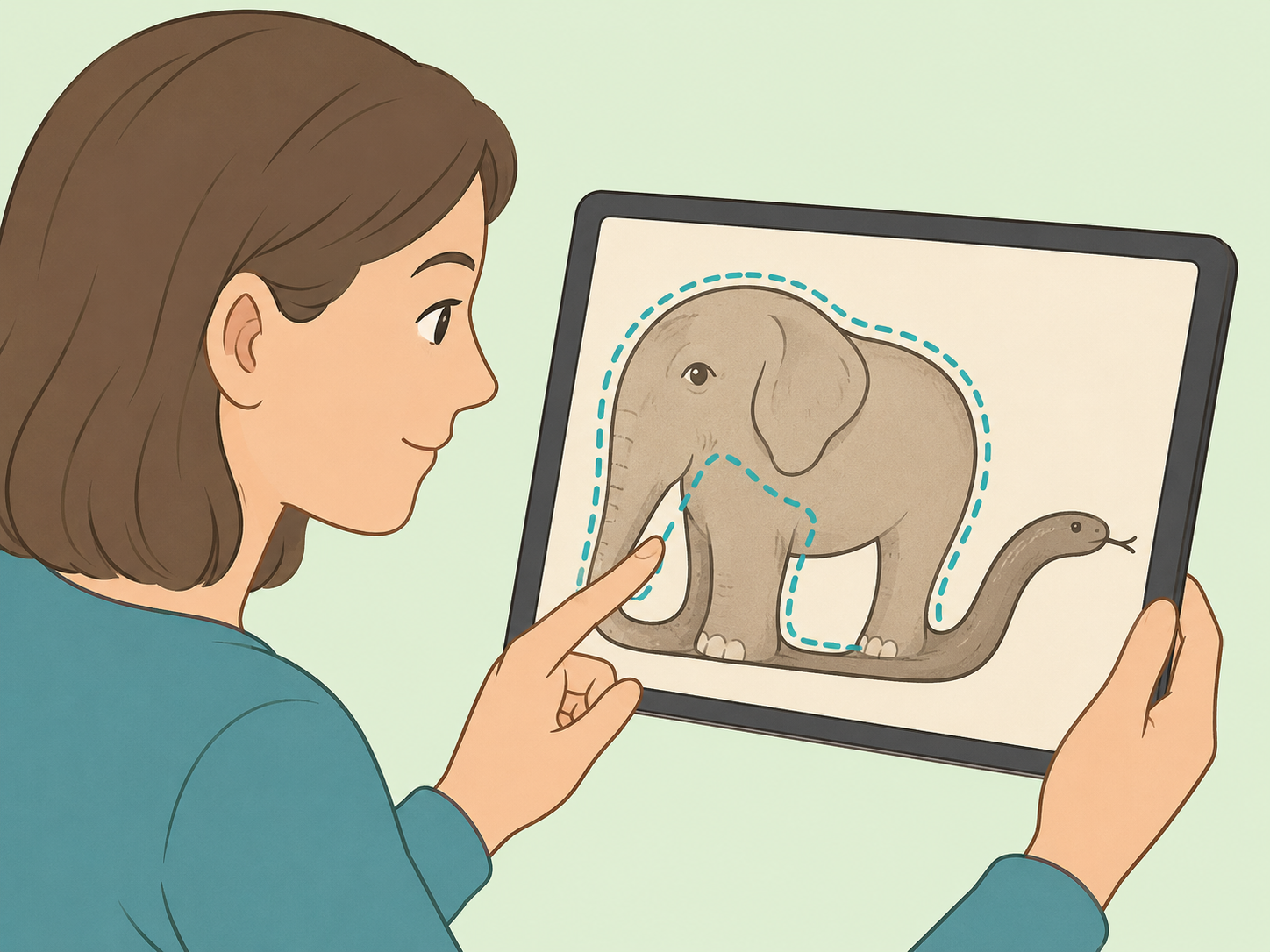
Look for the other animal slowly
Shift your gaze around the edges, shadows, and negative space instead of staring at only one feature. Ambiguous pictures can flip between meanings because, as the perception research notes, top-down processing can guide what a person recognizes first in a complex image.
Treat the result as entertainment, not a forecast
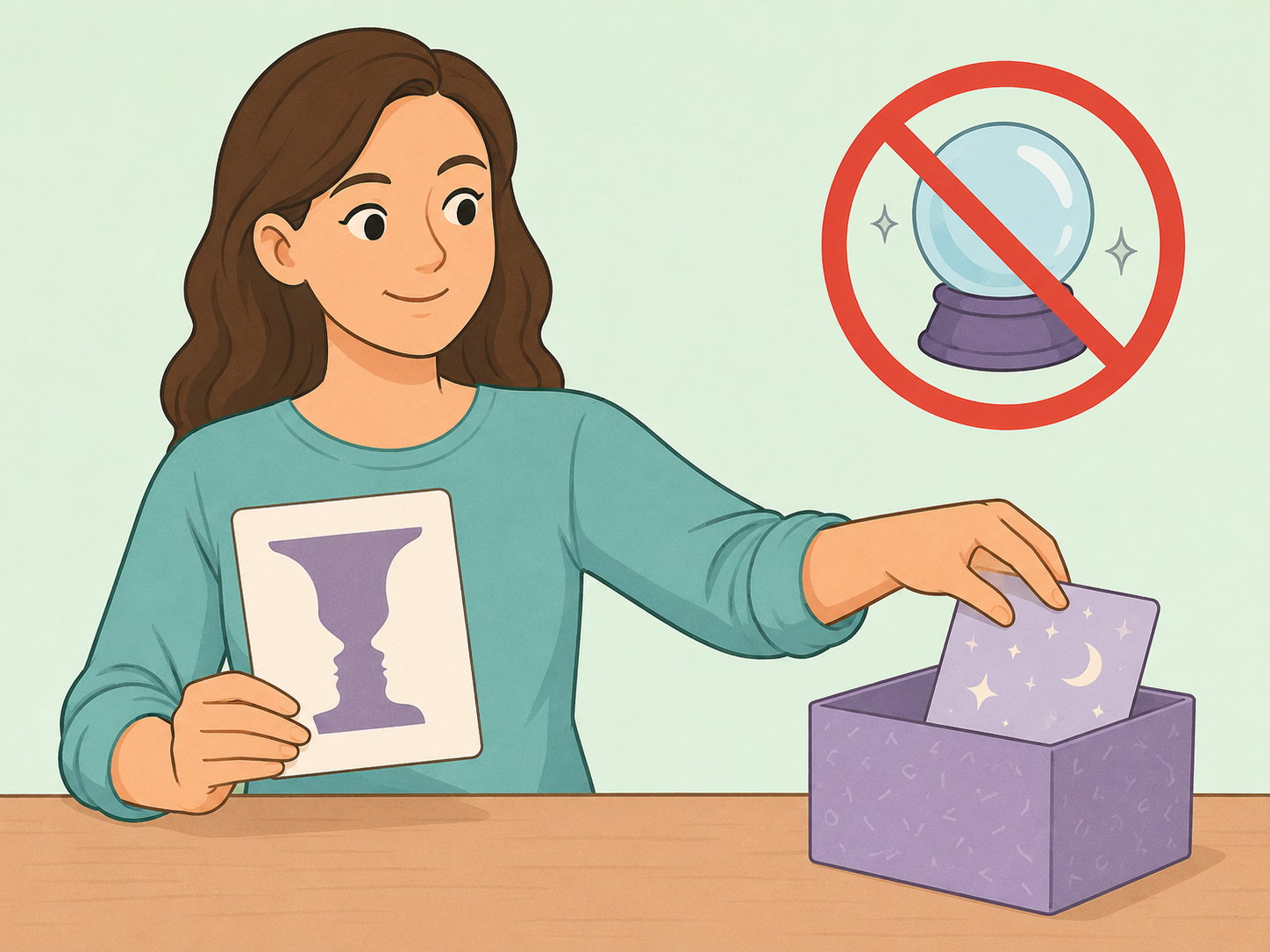
Do not use the result to predict your love life, aging, career, or future happiness. Psychological tests need evidence of reliability and validity before their results can support real conclusions, and a viral optical illusion does not meet that standard.
Use it as a gentle reflection prompt
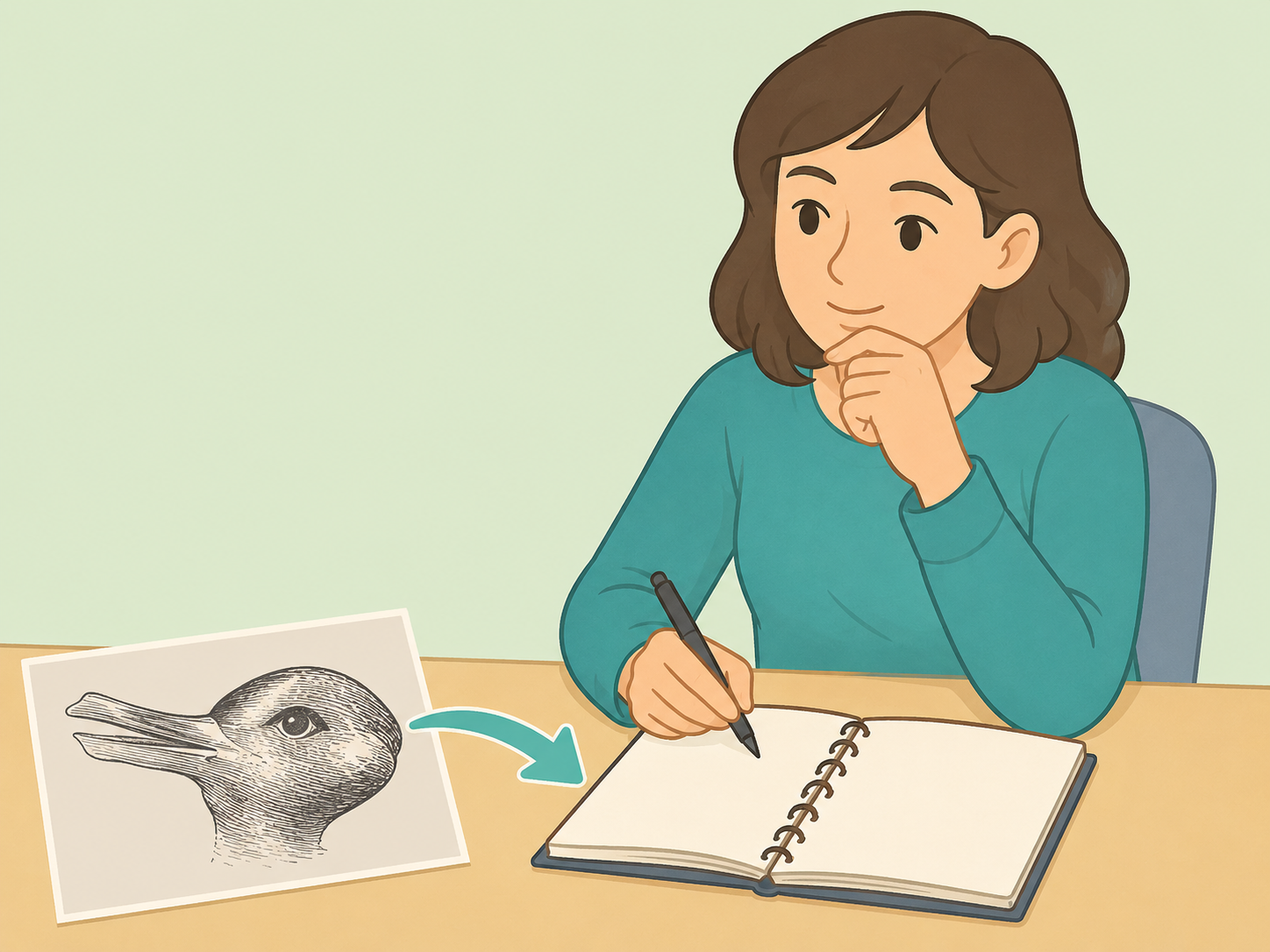
If the explanation says the snake means alert planning or the elephant means steady optimism, ask whether that description feels useful rather than whether it is objectively true. A reflection prompt can help you think about your habits, but it should not replace evidence, self-knowledge, or advice from qualified professionals.
Change the viewing angle to test your perception
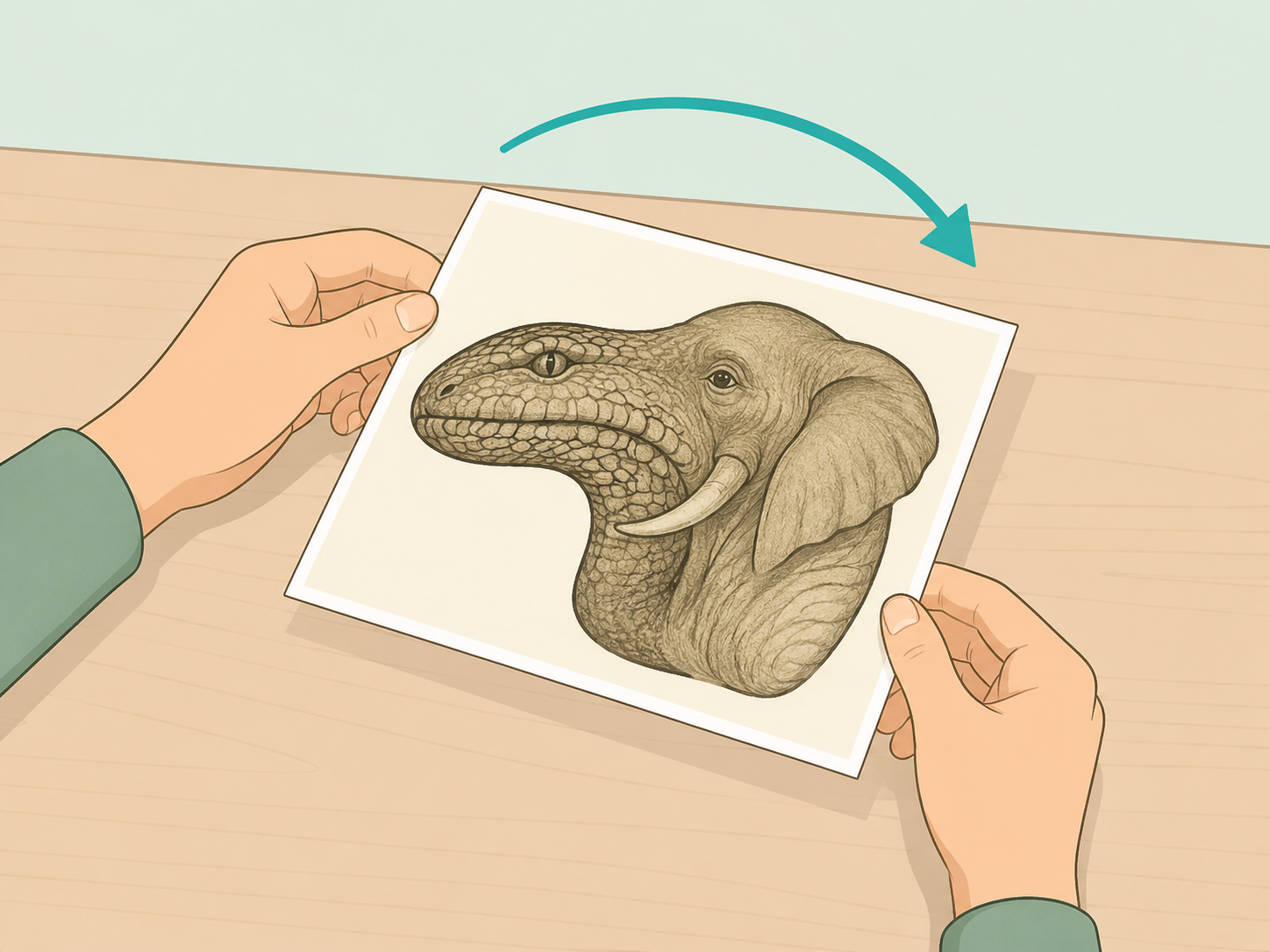
Step back, rotate the image, dim the screen slightly, or cover part of the picture with your hand. NASA describes how changing the angle can make some visual illusions easier to interpret, which is a useful reminder that what you see first is not always the whole picture.
Compare answers without judging anyone
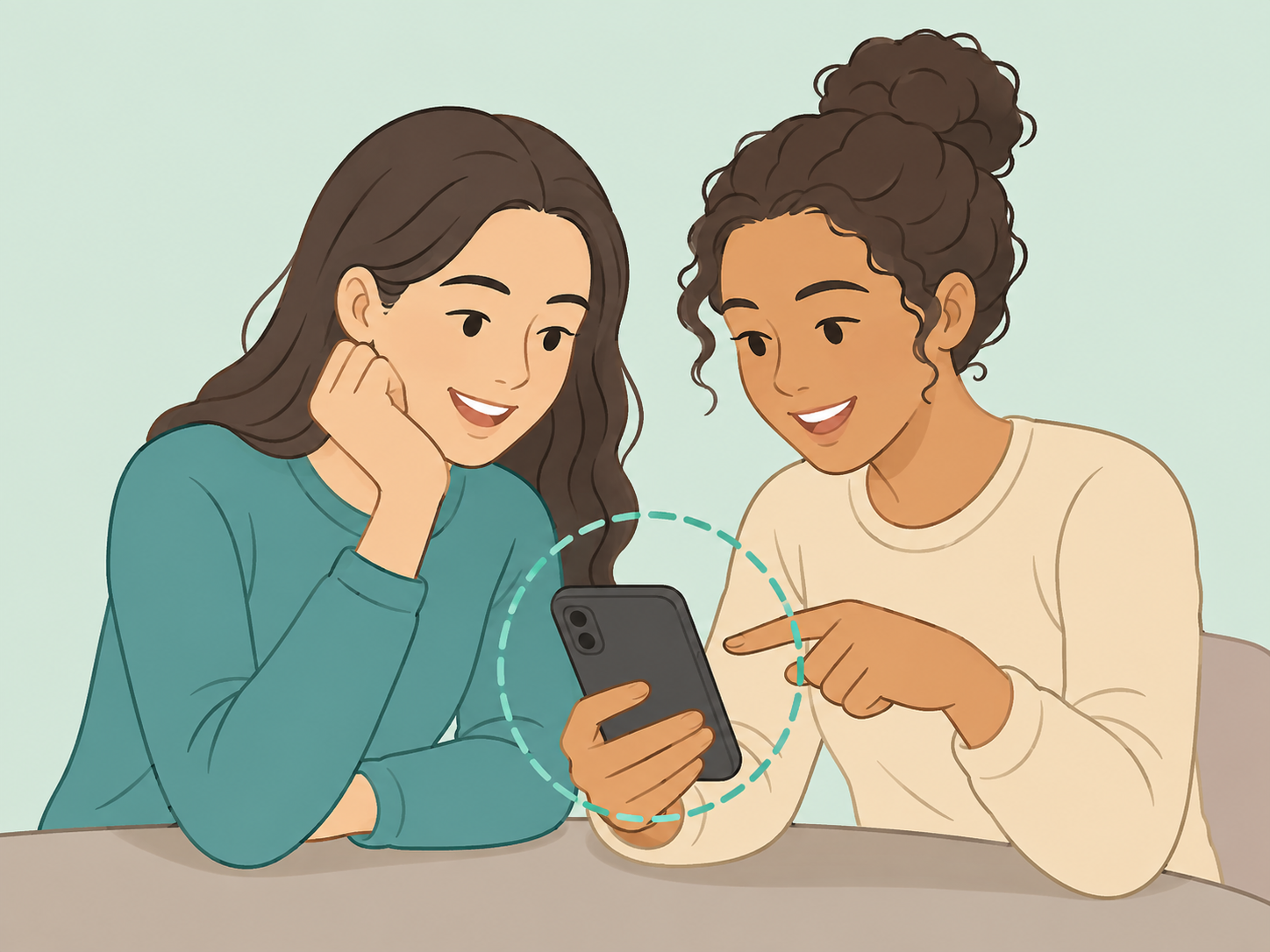
Ask a friend what they saw before telling them your answer. If they saw a different animal, use it as a simple example of how two people can view the same image and notice different details first.
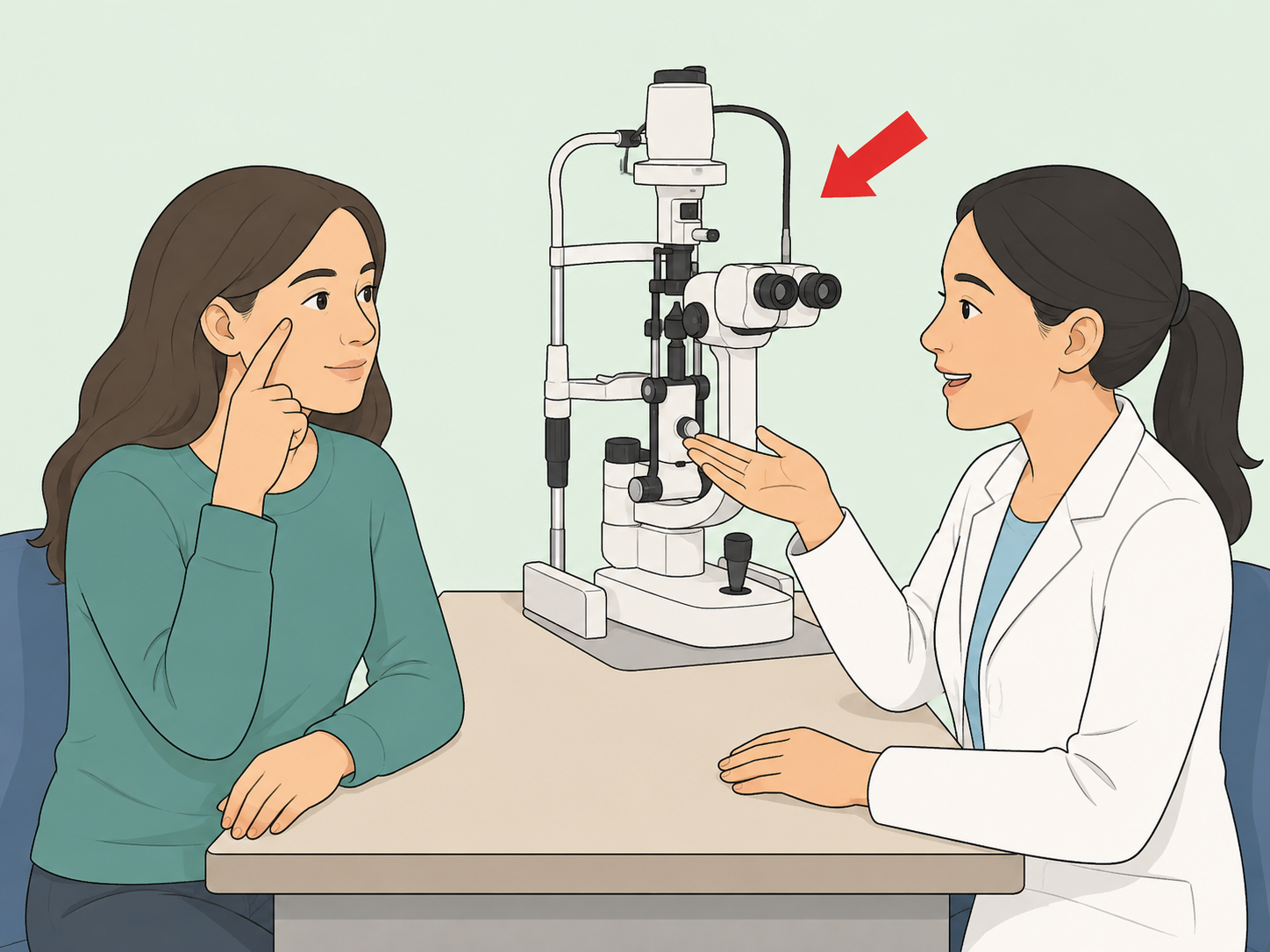
Seek eye care for unusual vision changes
An optical illusion on a screen is usually harmless, but real changes in vision deserve attention. The National Eye Institute says sudden new floaters, flashes of light, or a dark curtain-like shadow can need urgent care, and adult vision screening guidance notes that some people benefit from a comprehensive dilated eye exam based on age, risk factors, or screening results.
Summary
The bottom line: enjoy the snake-or-elephant illusion as a light visual puzzle, not as a prediction. Your first impression may say something about attention, context, or expectation in that moment, but it should not be used to judge your future or make important choices.
Frequently Asked Questions
- Does seeing the snake first mean I will have a difficult future?
No. There is no solid evidence that a viral optical illusion can predict your future, so treat that interpretation as entertainment only.
- Does seeing the elephant first mean I am more caring or stable?
Not in any proven psychological sense. You can use that idea as a reflection prompt, but it is not a validated personality result.
- Why do different people see different animals?
Ambiguous images can be interpreted in more than one way because attention, expectation, and context affect perception. That difference is normal and is part of why optical illusions are interesting.
- Can I change what I see in the illusion?
Often, yes. Try stepping back, rotating the image, covering part of it, or resting your eyes before looking again.
- Should I worry if I cannot see one of the animals?
Usually no. Failing to spot one hidden image in a viral illusion is not a diagnosis. Seek eye care if you notice sudden floaters, flashes, a curtain-like shadow, or a real change in your vision.
- Is this a beauty test?
No. Even if it appears in beauty or lifestyle feeds, the illusion does not measure attractiveness, aging, skin health, or personal worth.
References
Reliable references aided in composing and refining this content.
- https://pmc.ncbi.nlm.nih.gov/articles/PMC4116780
- https://blog.apapubs.org/2017/04/10/psyctests-reliability-validity-factor-analysis
- https://science.nasa.gov/blogs/earth-matters/2011/07/12/are-you-ever-fooled-by-relief-inversion
- https://www.nei.nih.gov/eye-health-information/eye-conditions-and-diseases/floaters
- https://www.nei.nih.gov/about/education-and-outreach/glaucoma-resources/national-eye-institute-statement-detection-glaucoma-and-adult-vision-screening