
 Pin it
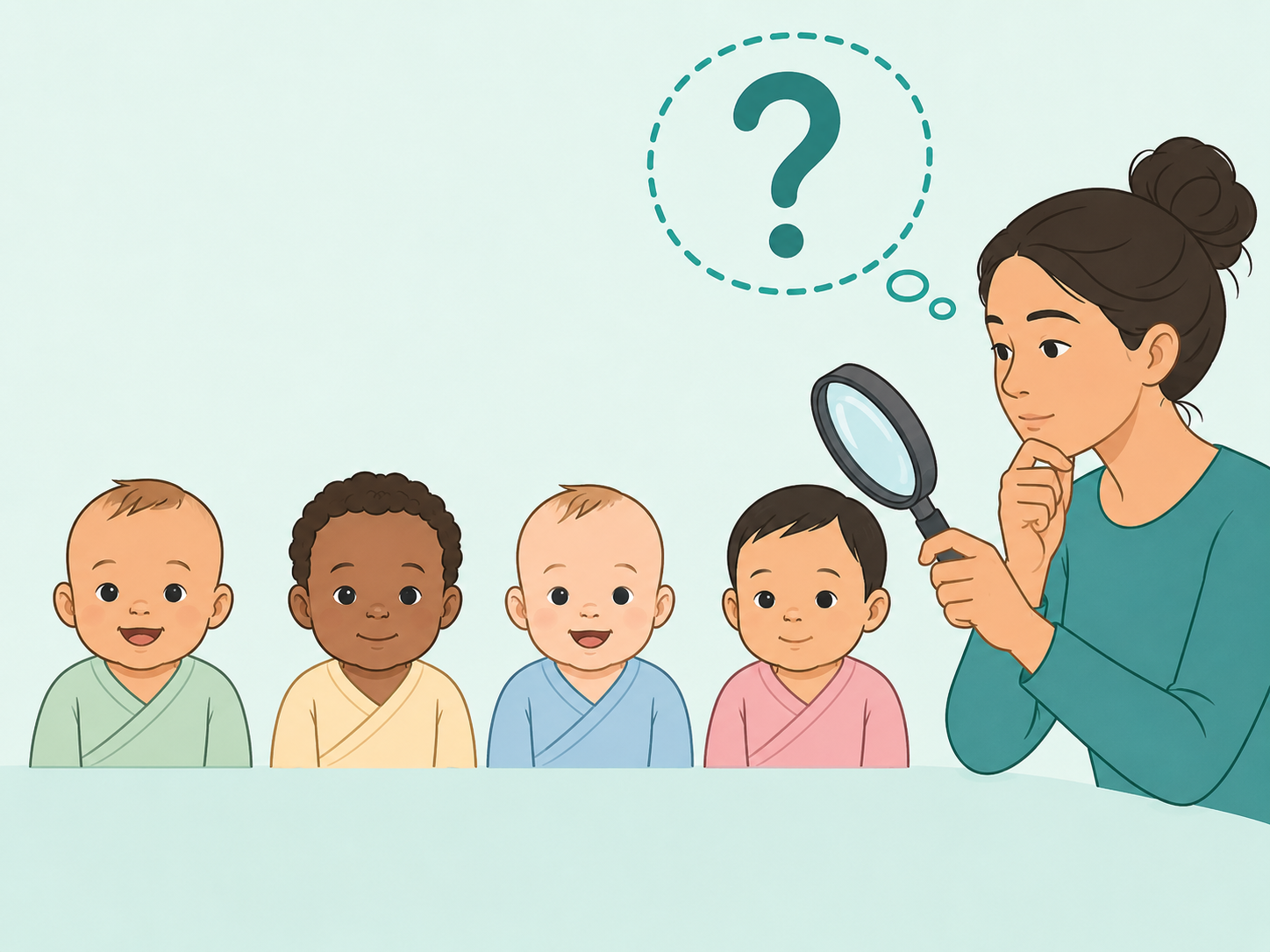
Viral prompts that ask which baby is a little girl can seem like quick psychological tests, but they often rely on assumptions about faces, clothing, and beauty. This guide shows you how to take that kind of quiz thoughtfully without turning stereotypes into facts. It also explains what to focus on instead if you are thinking about a real baby's health or development.
Treat the prompt as entertainment, not evidence
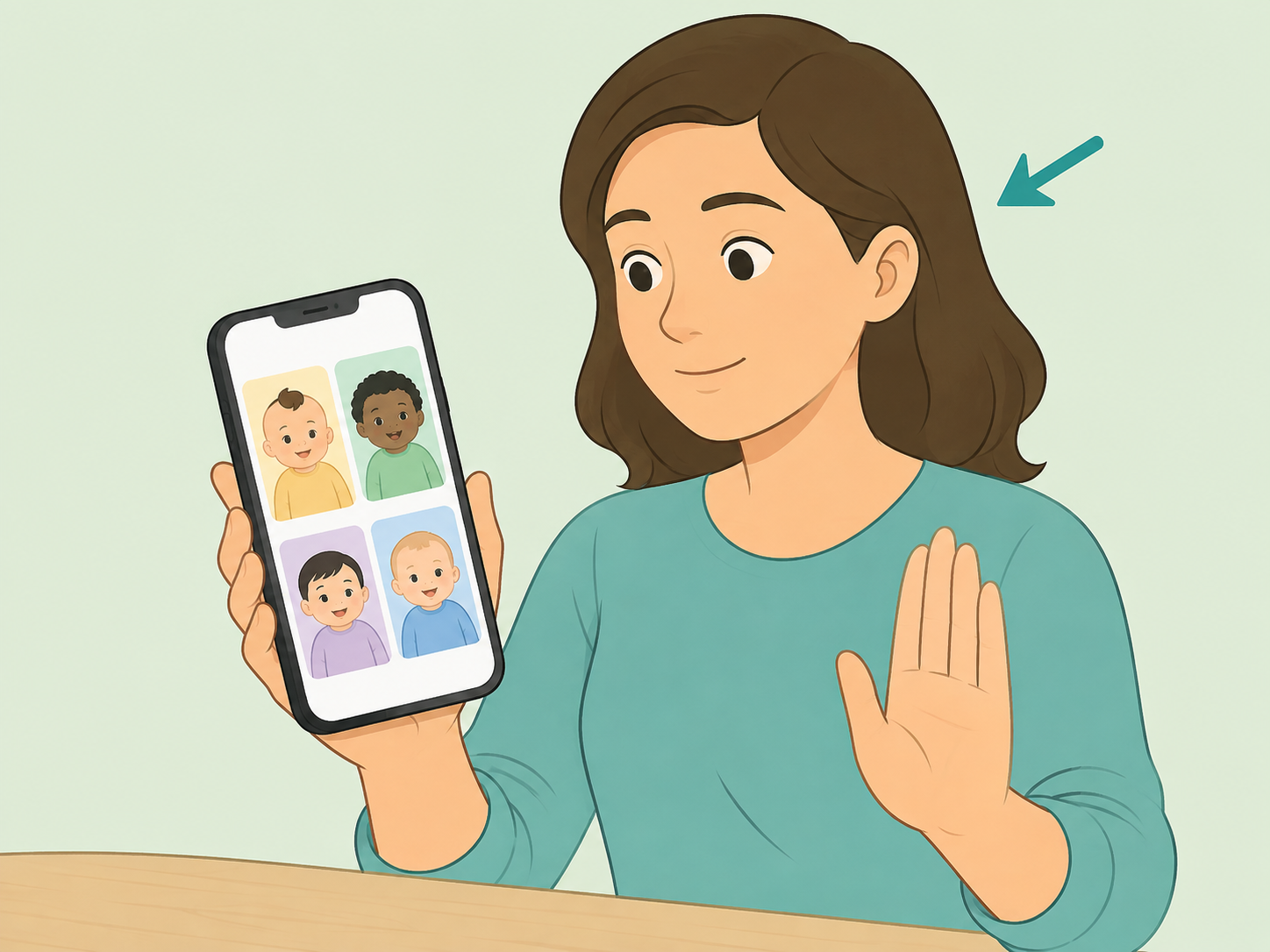
Start by assuming the quiz is a guessing game, not a valid psychological test. Researchers can study how people perceive faces in controlled settings, but that is very different from proving a baby's identity from one picture; for example, infant face-perception research is described in controlled developmental studies, not casual social media puzzles.
Read the wording before you answer
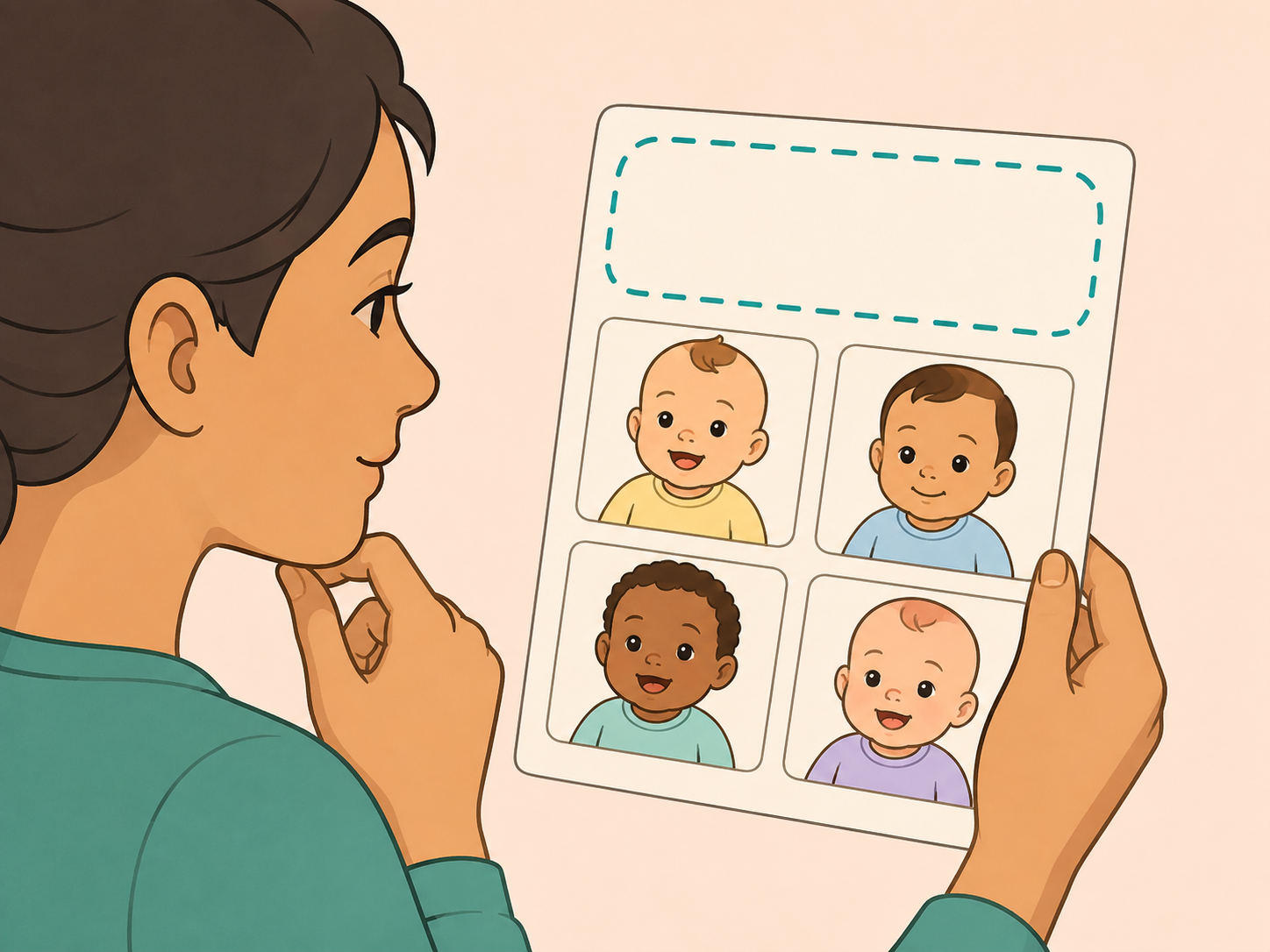
Notice whether the prompt asks about a little girl, a baby who looks feminine, or the baby you find cutest. Those are not the same question. The World Health Organization explains gender as socially constructed characteristics, so appearance cues should not be treated as proof of who a child is.
Ignore beauty cues and stereotypes
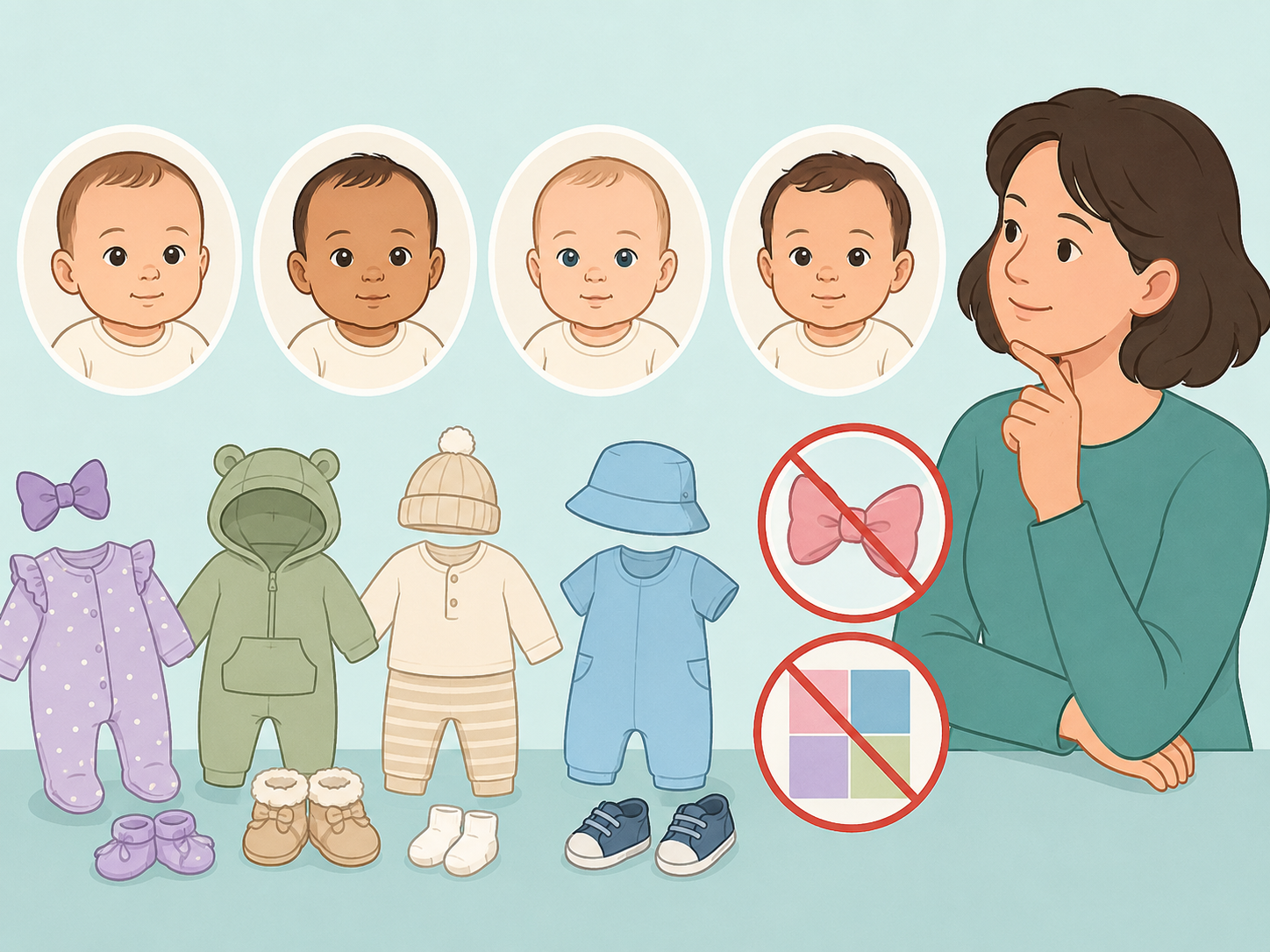
Do not use prettier features, softer expressions, long eyelashes, pink clothing, or a calmer pose as evidence that a baby is a girl. Those cues often reflect cultural expectations, not facts about the child. If the quiz is labeled "beauty" or "psychological," use that as a reminder to separate observation from assumption.
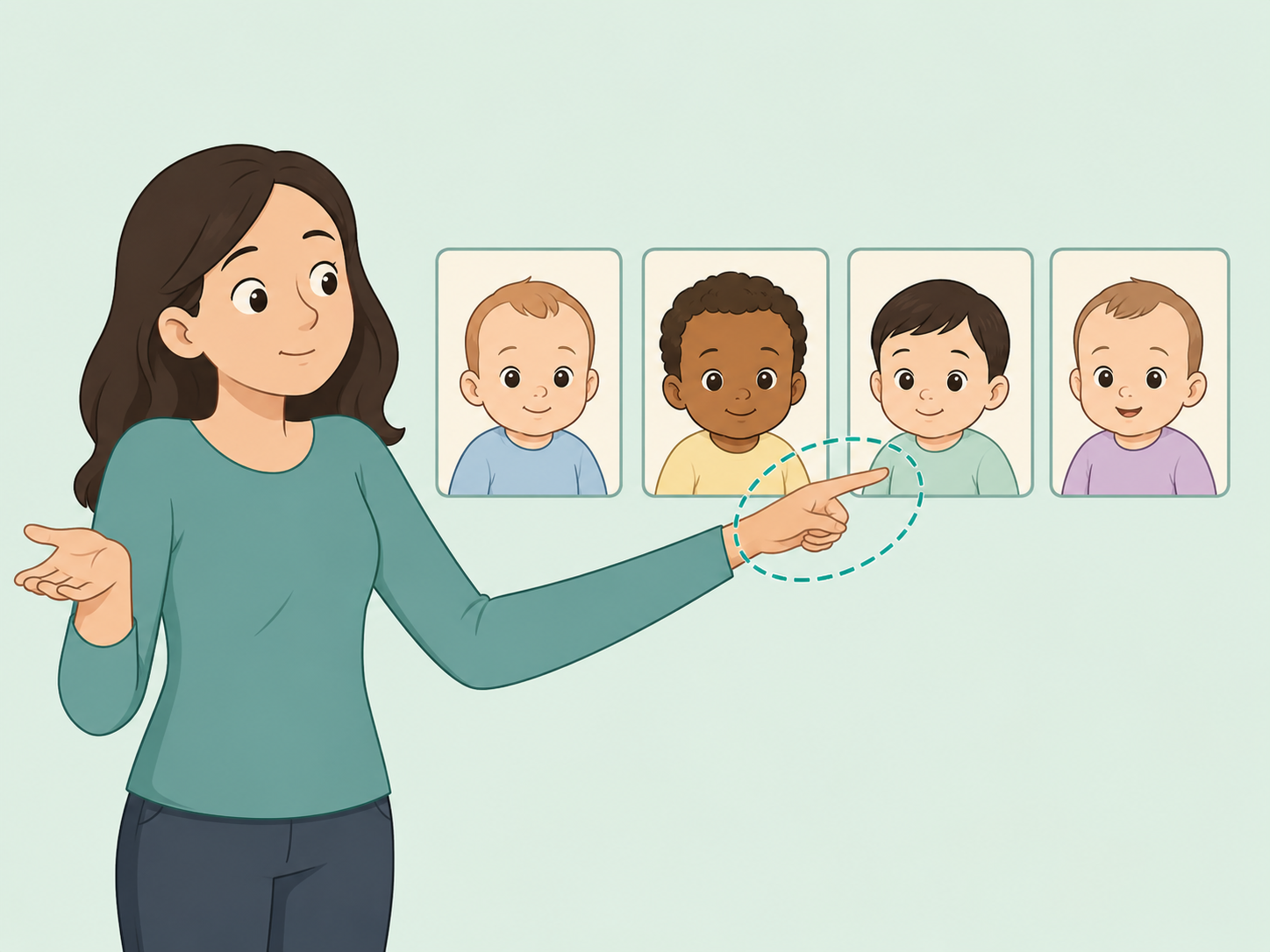
Make a tentative guess only if it stays harmless
If you choose an answer for fun, keep it light and avoid turning your guess into a judgment about the baby. Say that you are picking the image the quiz seems to be steering you toward, not identifying the child. This keeps the activity from becoming a claim about real children or their bodies.
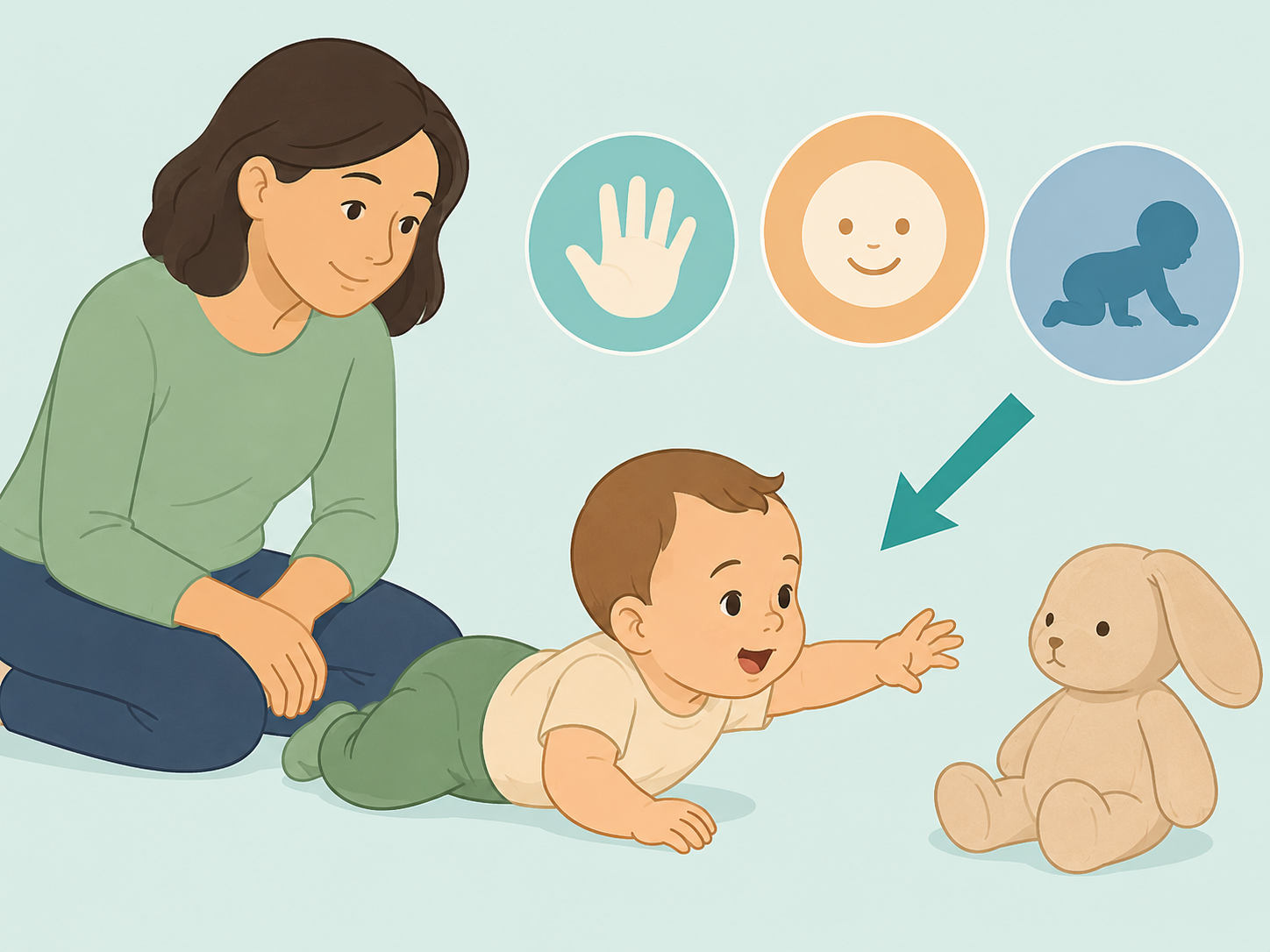
Focus on real development instead of appearance
If the images make you think about a real baby, shift attention to wellbeing rather than gendered looks. The CDC describes developmental milestones as skills in how children play, learn, speak, act, and move, while MedlinePlus notes that babies develop at different rates.
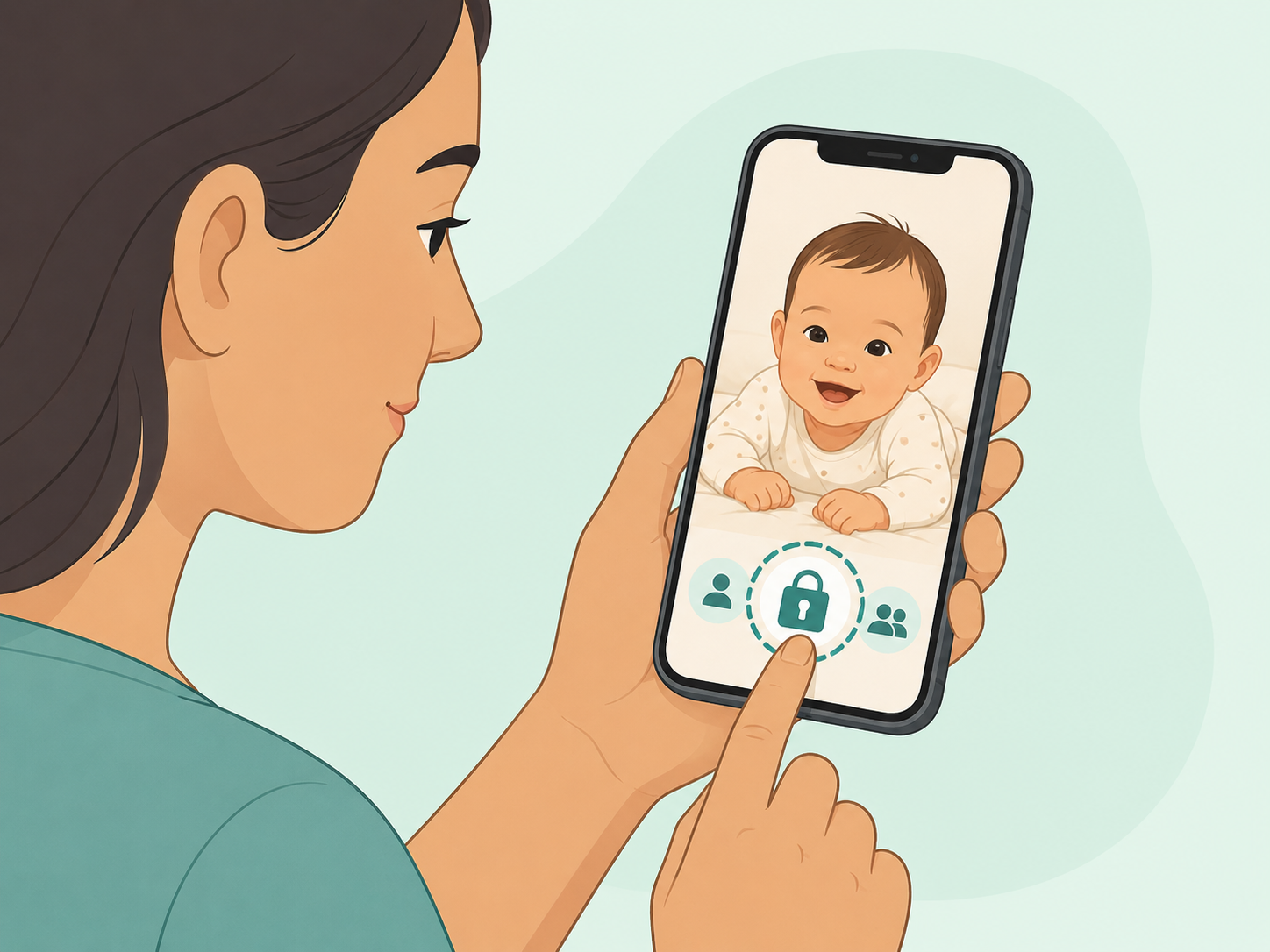
Protect babies' privacy before sharing
Think carefully before posting or forwarding a baby's photo in a guessing game. The American Academy of Pediatrics' HealthyChildren.org warns that children have a right to privacy and that online images can become part of a child's digital footprint.
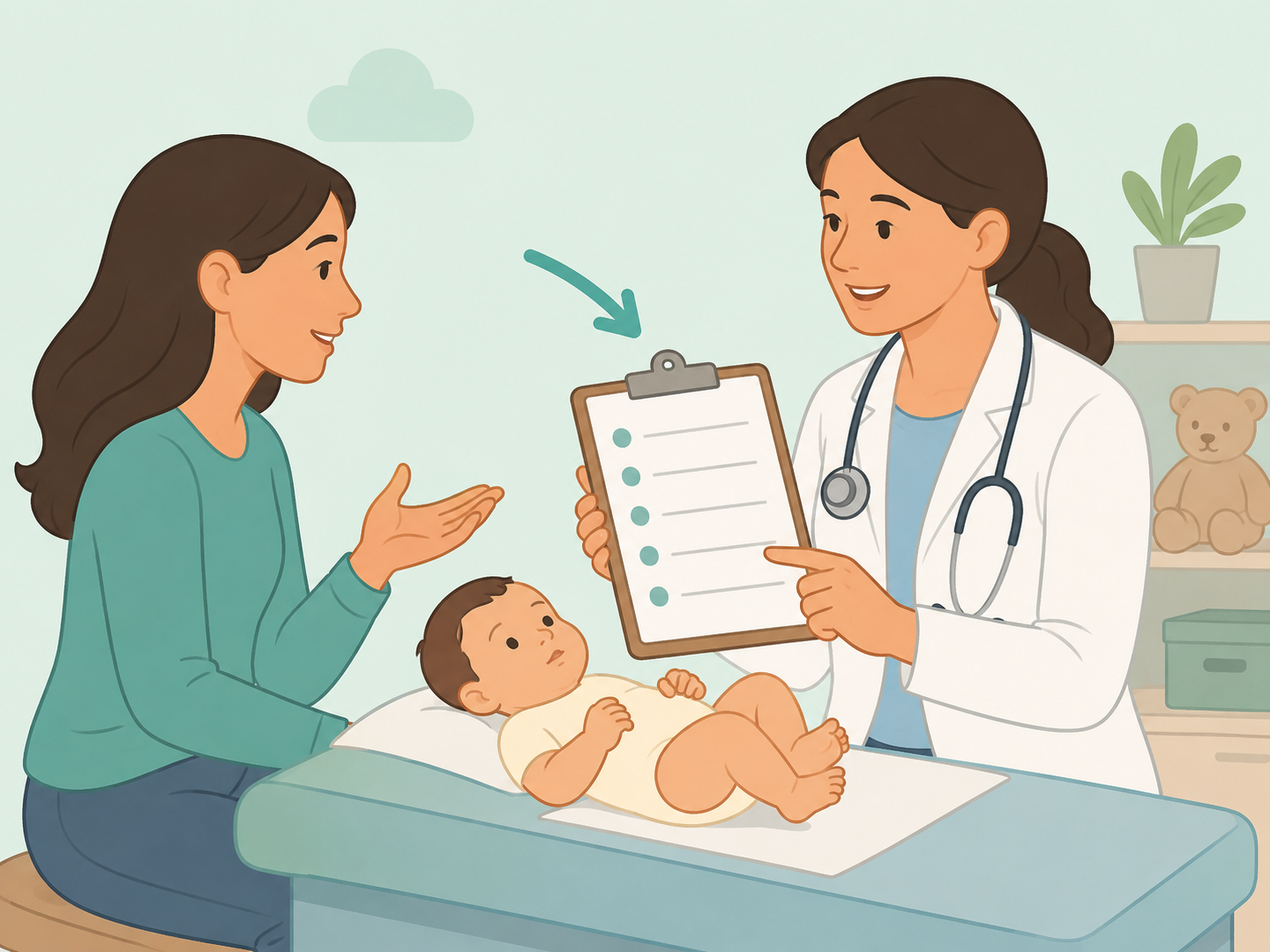
Talk to a pediatrician about real concerns
Do not use a photo quiz to judge whether a baby is healthy, delayed, advanced, or developing typically. If a child is not meeting milestones, has lost skills, or you have concerns, the CDC recommends talking with the child's doctor and asking about developmental screening.
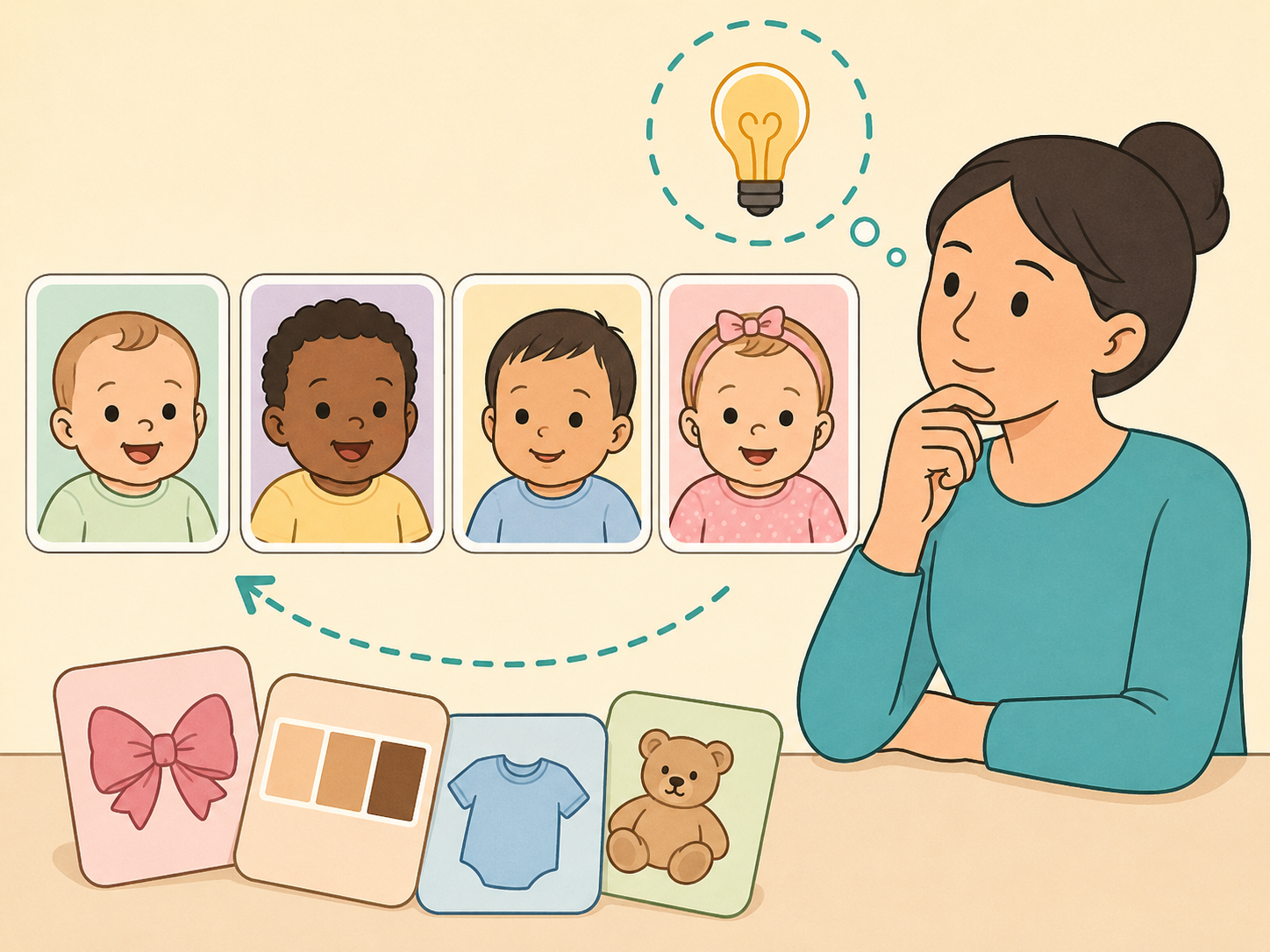
Use your answer to notice your assumptions
After you choose, ask yourself what made you pick that baby. If your answer relied on beauty, delicacy, clothing, or expected behavior, the quiz may be more useful as a bias check than as a test. WHO notes that gender norms vary and can affect wellbeing, so a respectful approach is to avoid boxing children into rigid expectations.
Summary
The bottom line: a baby gender guessing test may reveal your assumptions, but it cannot reliably identify a child from appearance alone. Keep it light, avoid beauty-based judgments, protect children's privacy, and talk to a pediatrician about real development concerns.
Frequently Asked Questions
- Is there a real correct answer to a "which baby is a girl" test?
Only the quiz creator's answer is "correct" for that quiz. A casual image prompt cannot reliably prove a baby's sex or gender from appearance alone.
- Can you tell whether a baby is a girl by face shape?
No reliable everyday rule can confirm that from a photo. Controlled research can study face perception, but that is different from guessing the identity of one baby in a viral image.
- Is this a real psychological test?
Usually, no. A real psychological or developmental assessment uses defined methods, scoring, and validation; a social media guessing prompt is best treated as entertainment or a bias-awareness exercise.
- Why do people guess based on hair, clothing, or cuteness?
People often learn social cues and stereotypes about gender, such as associating certain colors, hairstyles, or delicate features with girls. Those cues reflect culture, not proof about an individual baby.
- Should I share baby photos for a guessing game?
Be cautious. Children have privacy interests, and photos shared online can be copied, saved, or seen outside the audience you intended.
- What should I watch for instead of appearance?
For a real baby, focus on development and wellbeing: movement, communication, feeding, responsiveness, and milestones. If you are worried, ask the child's doctor rather than relying on a quiz.
References
Reliable references aided in composing and refining this content.
- https://pubmed.ncbi.nlm.nih.gov/33765637
- https://www.who.int/news-room/questions-and-answers/item/gender-and-health
- https://www.cdc.gov/act-early/milestones/index.html
- https://medlineplus.gov/infantandnewborndevelopment.html
- https://www.healthychildren.org/English/family-life/Media/Pages/Sharenting-5-Questions-to-Ask-Before-You-Post.aspx?form=HealthyChildren