
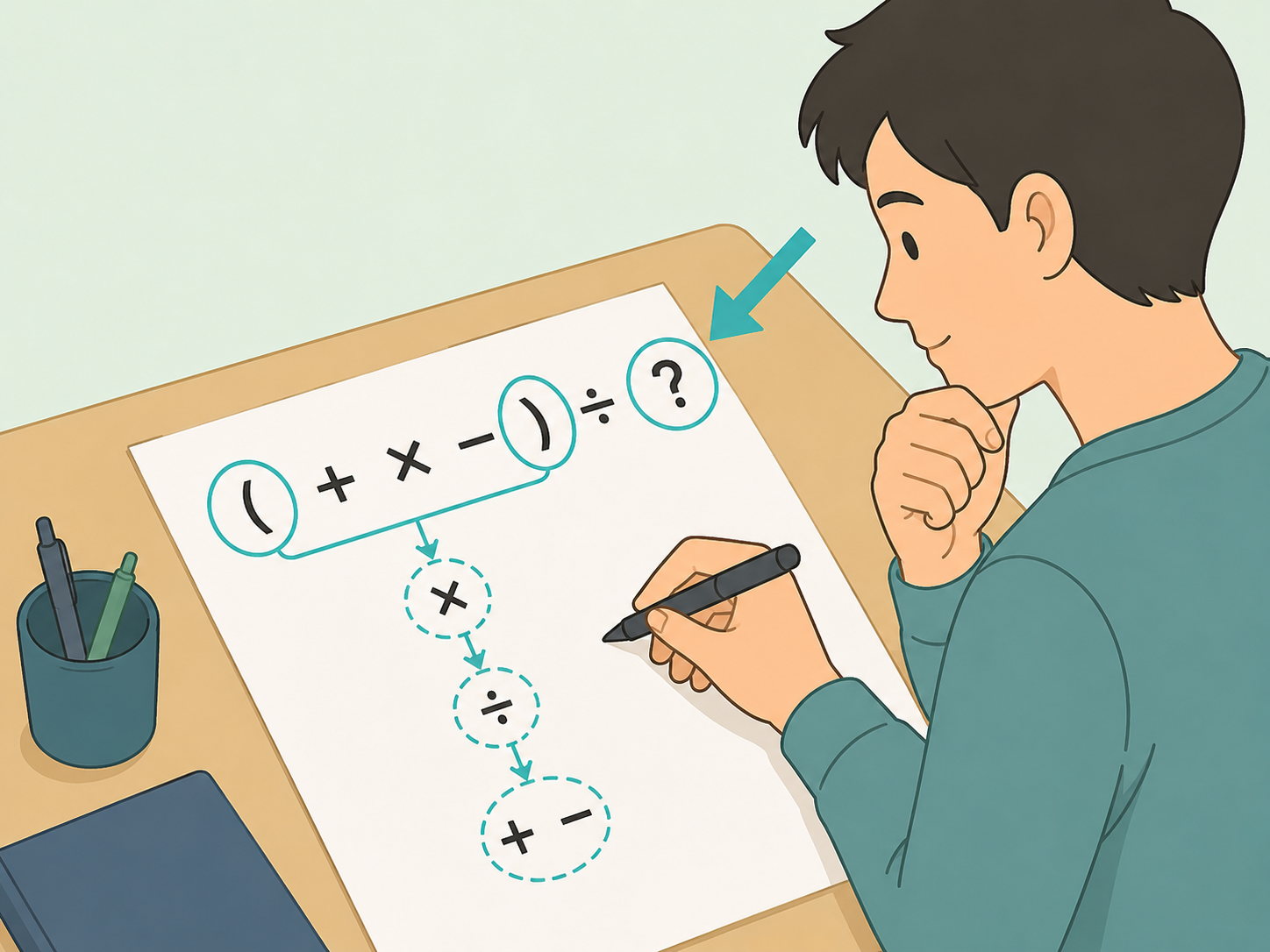
 Pin it
Viral math puzzles often look simple, but they are designed to make people rush past a hidden detail. The best way to solve them quickly is to slow down for a few seconds, identify what is actually being asked, and use reliable problem-solving habits. This guide shows you a clear method for tackling number puzzles, order-of-operations challenges, and pattern questions.
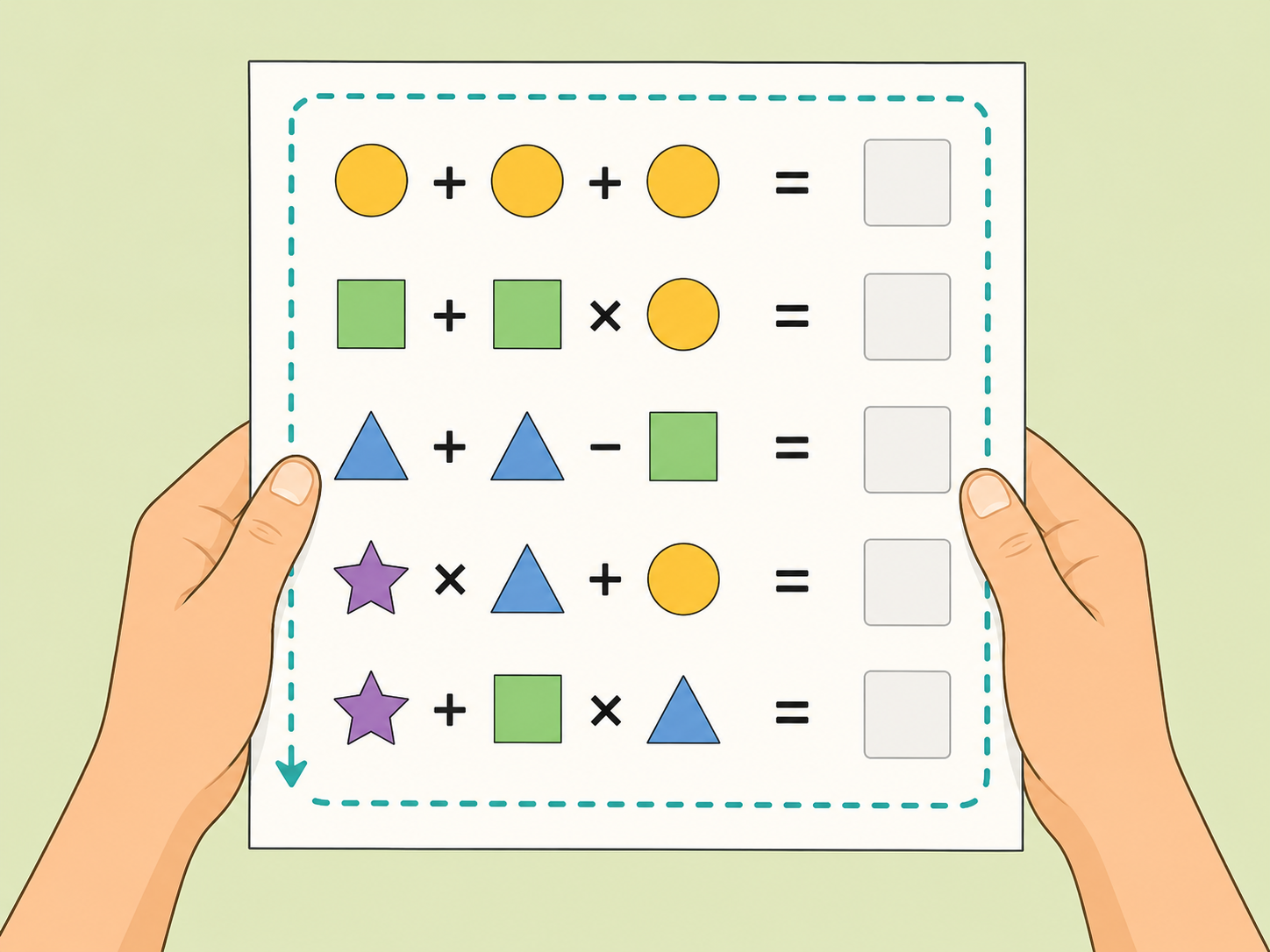
Read the entire puzzle before calculating
Start by reading every line, symbol, and instruction before doing any arithmetic. Classic problem-solving guidance begins with understanding what is given and what is being asked, as shown in Polya's four-step method. This helps you avoid answering the question you expected instead of the one on the screen.
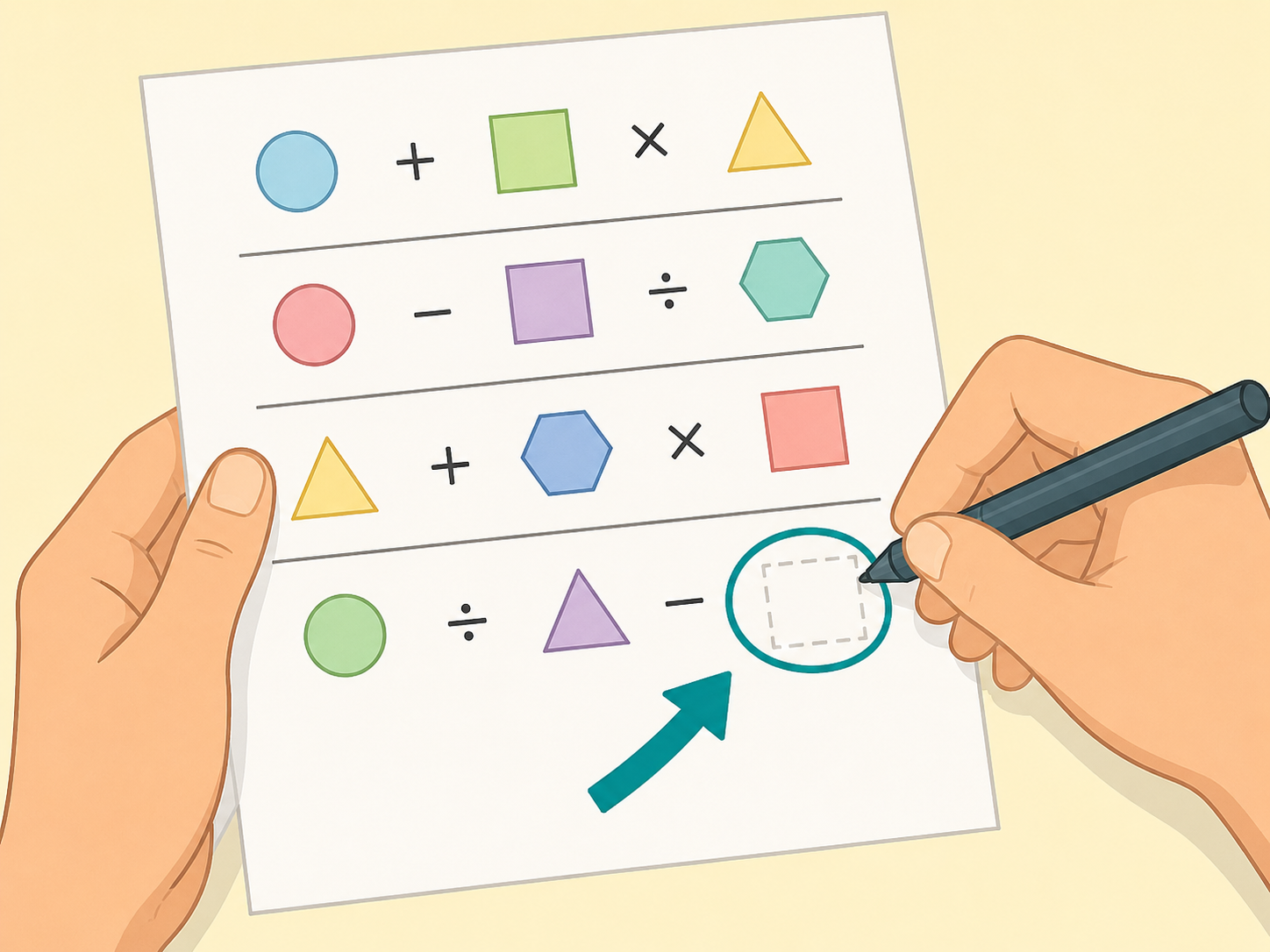
Circle the exact question being asked
Many quick puzzles include extra numbers, repeated images, or a final line that changes the rule. Mark the final question, the target value, or the expression you actually need to solve. Oregon State University's problem-solving guidance recommends identifying knowns and unknowns before working through a complex problem, which is useful even for short math puzzle questions.
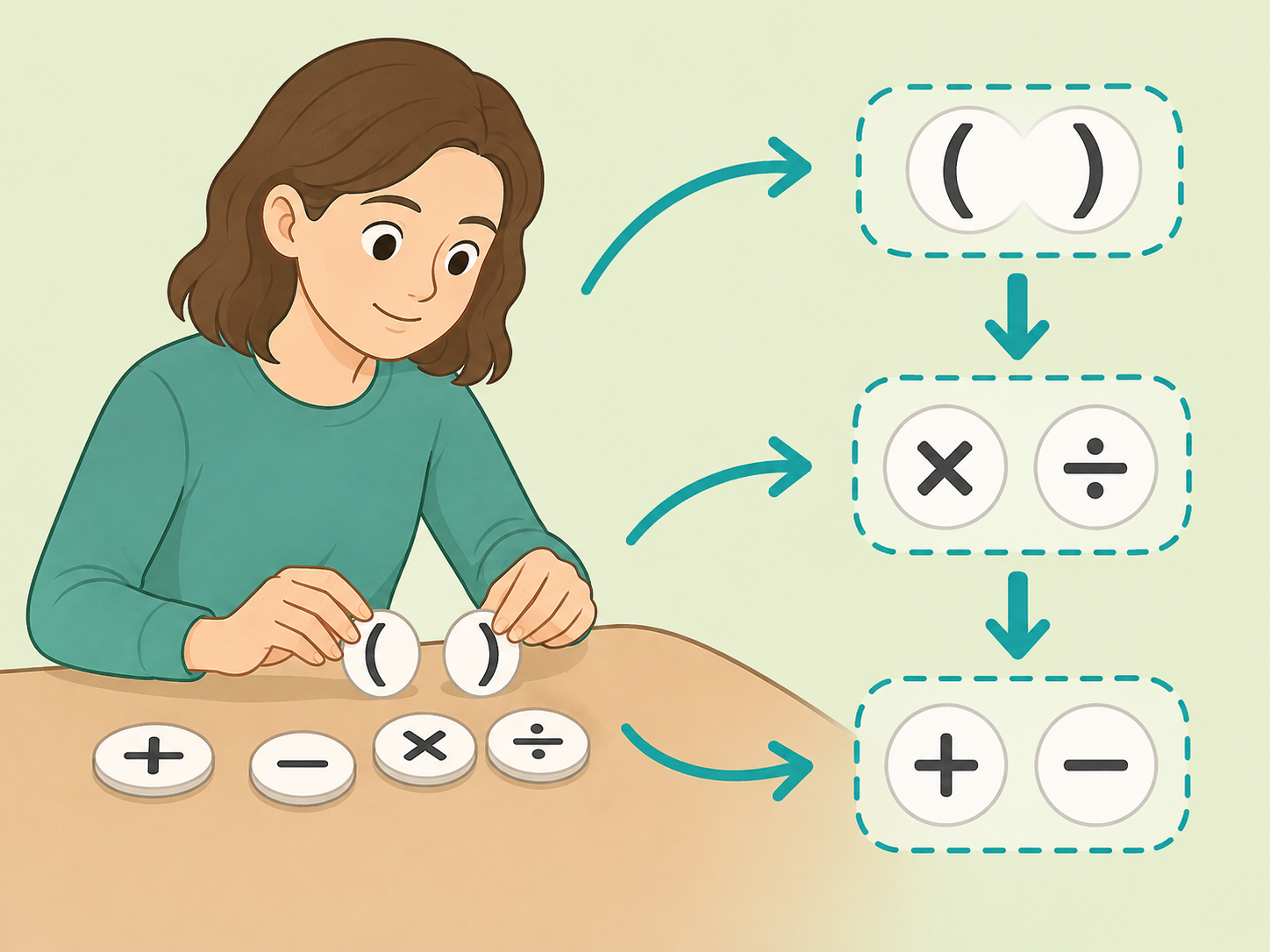
Apply the order of operations
If the puzzle is an arithmetic expression, solve parentheses first, then exponents, then multiplication or division from left to right, and finally addition or subtraction from left to right. The University of Texas at San Antonio explains this standard order of operations so that an expression has one agreed value. Do not solve strictly from left to right unless the operations have the same priority.
Treat multiplication and division as equals
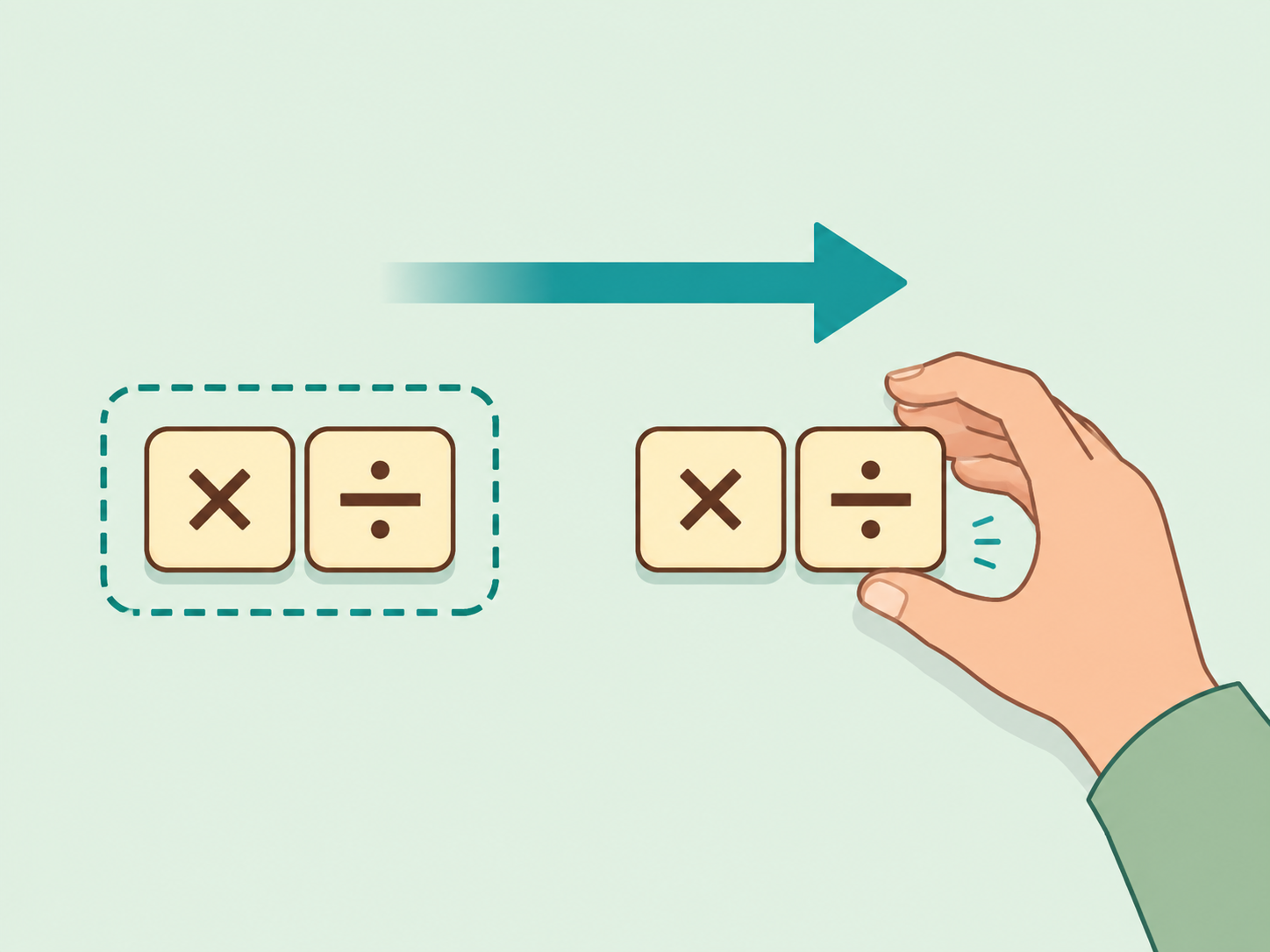
A common trap is thinking the letters in PEMDAS mean multiplication must always happen before division. In standard order of operations, multiplication and division are handled at the same level from left to right, and the University of Nebraska-Lincoln gives the same rule for numbers and operations. The same left-to-right rule applies to addition and subtraction.
Break the puzzle into smaller parts
Work one small piece at a time instead of trying to hold the whole puzzle in your head. For number patterns, solve the easiest line first, then use that result to unlock the next line. Paul's Online Notes recommends trying a simpler or similar problem when the full problem is not obvious, which works well for math problem solving.
Use friendly numbers for mental math
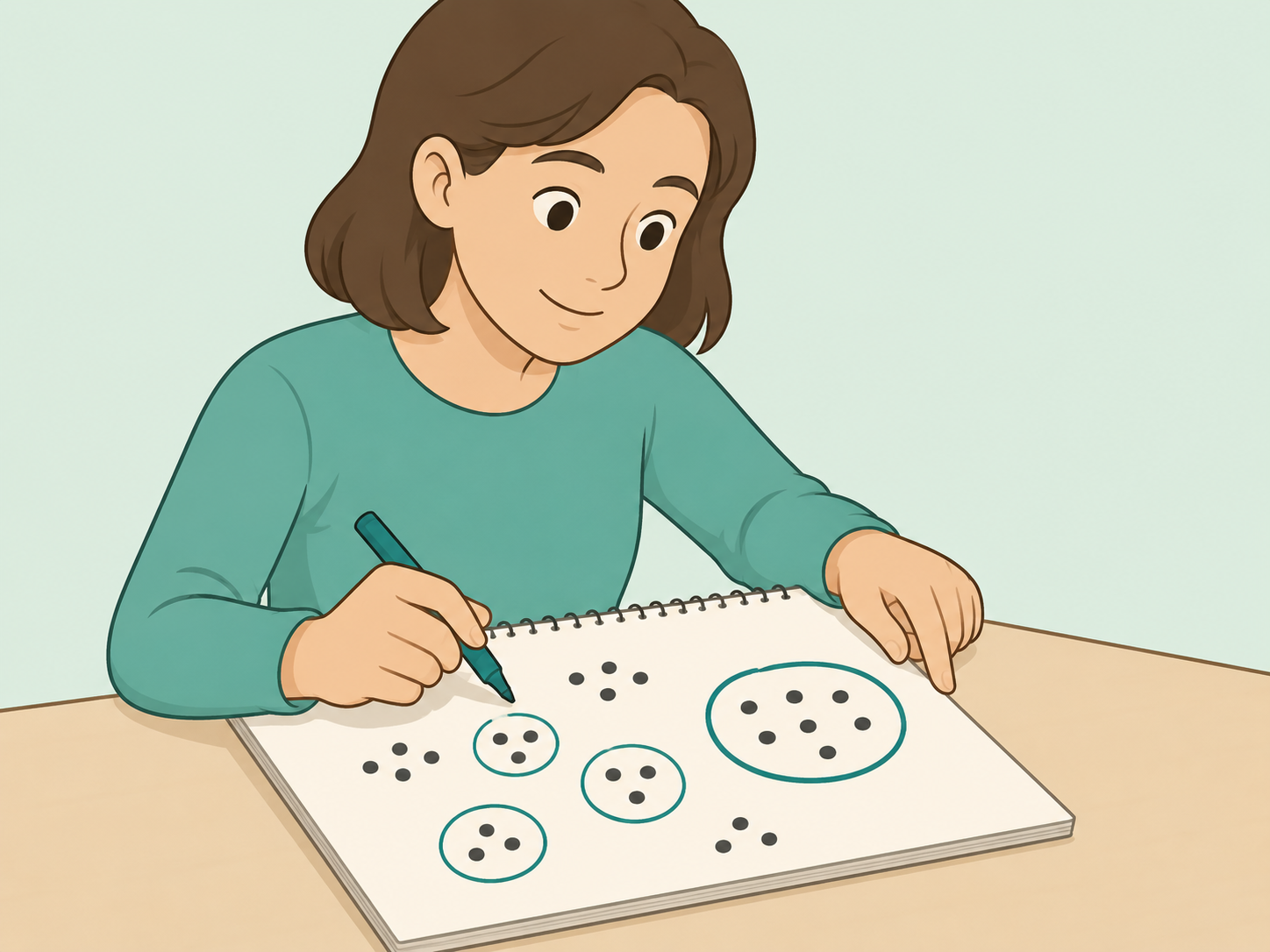
When the arithmetic is simple but awkward, reshape it into easier pieces. For example, split numbers by place value, make tens or hundreds, or adjust after rounding. OpenLearn describes mental addition strategies such as partitioning and bridging through a multiple of ten, which can make mental calculations faster and cleaner.
Look for a pattern before guessing
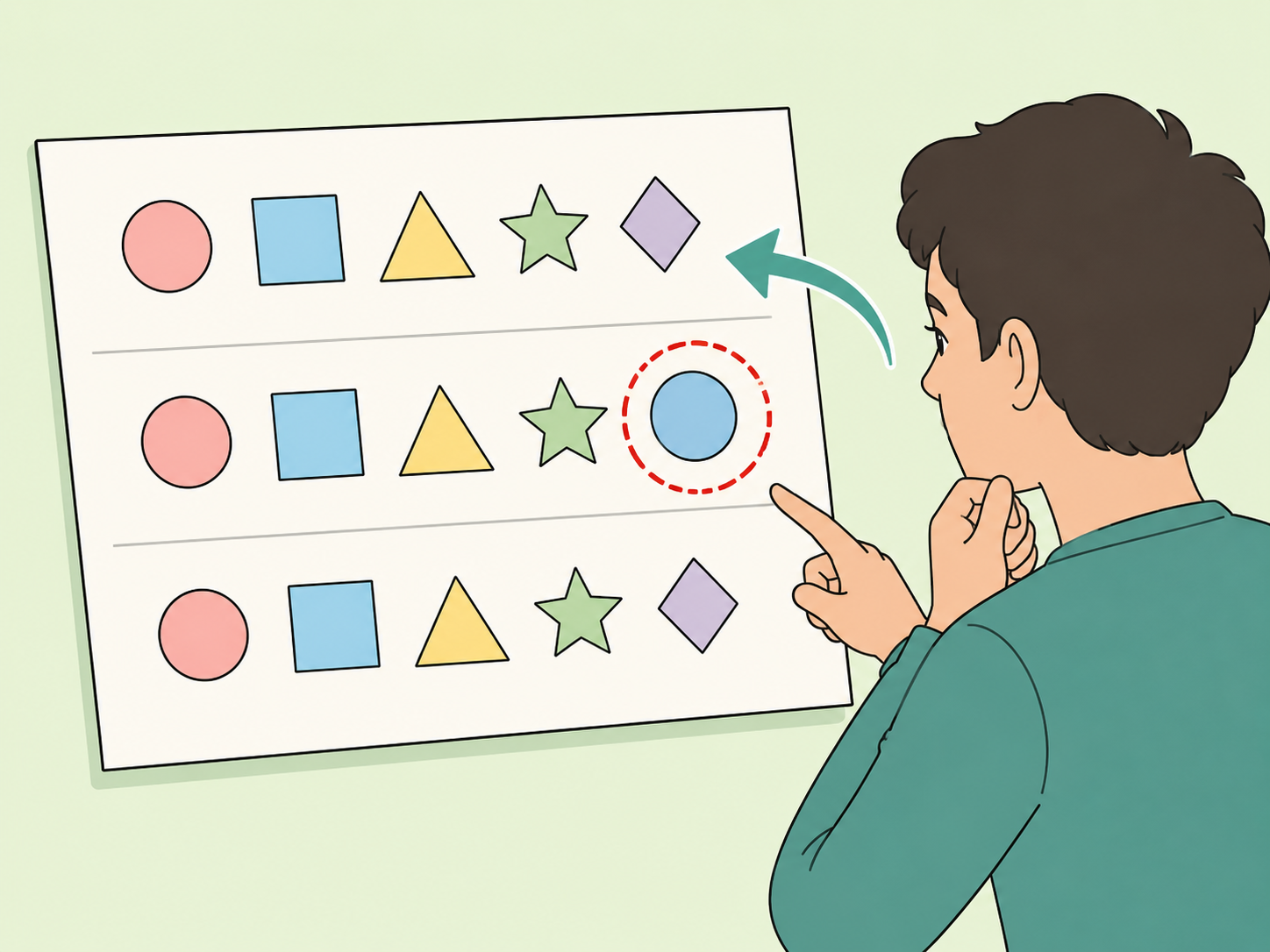
If the puzzle shows several equations, rows, or pictures, compare what changes from one line to the next. Check whether the pattern uses addition, multiplication, position, quantity, or a hidden change in the image. Write a quick rule in your head, then test it on more than one line before using it for the final answer.
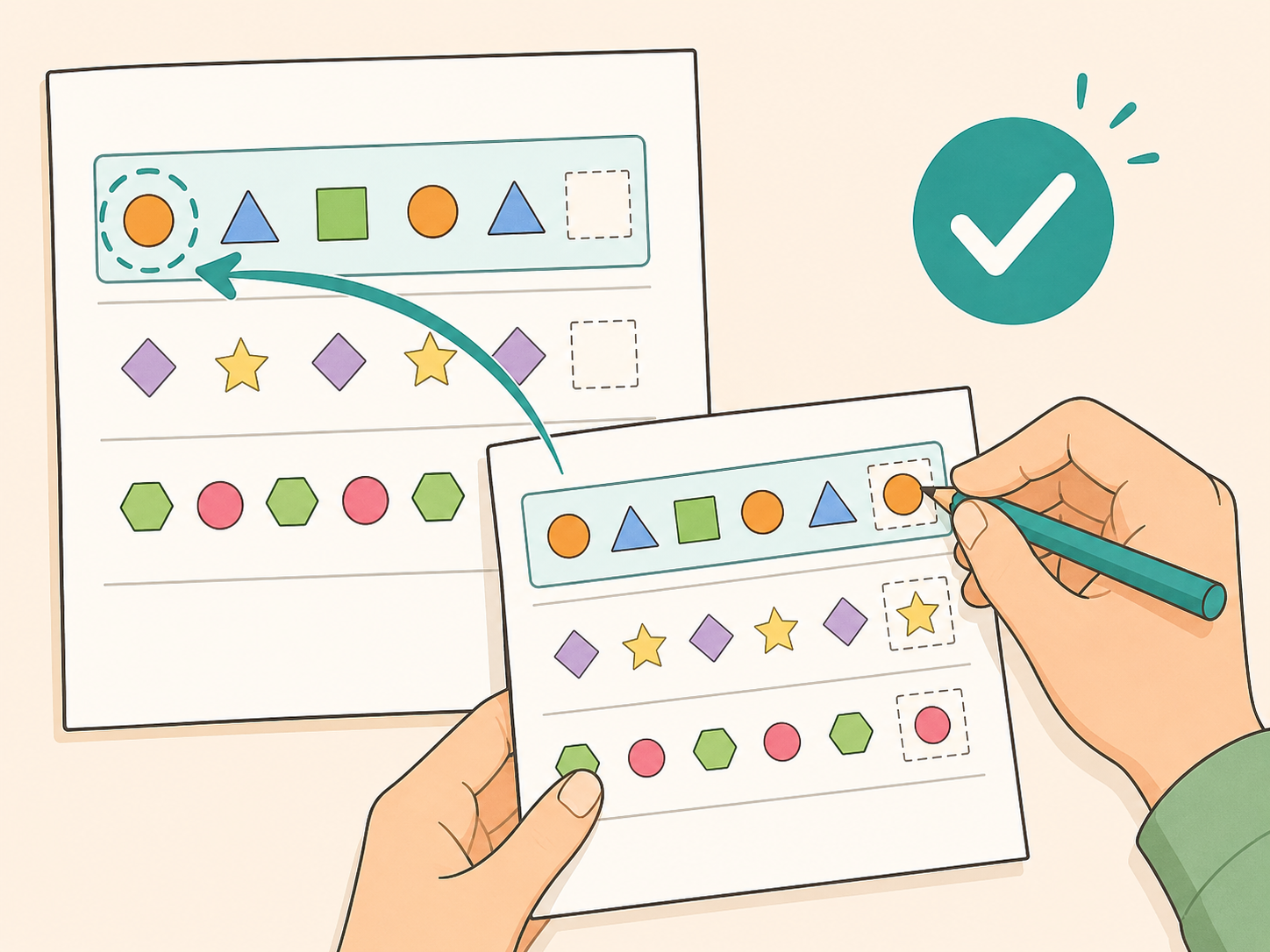
Check the answer against the original puzzle
Before you accept your result, put it back into the original expression or pattern and see if it still works. A good final check asks whether the answer is reasonable and whether every condition has been used, which is part of the look-back stage in many problem-solving routines. If two answers seem possible, the puzzle may be ambiguous, so explain the rule you used.
Summary
The bottom line: do not let a timer or clickbait headline rush you. Read the whole puzzle, follow the correct operation order, simplify one piece at a time, and check your result against the original question.
Frequently Asked Questions
- Are viral math puzzles really a test of genius?
- No. Most viral math puzzles test careful reading, arithmetic, pattern spotting, or order of operations. A wrong answer usually means you missed a rule or detail, not that you are bad at math.
- What should I check first in a math puzzle?
- First check what the question is actually asking. Then look for grouping symbols, operation signs, repeated patterns, missing information, or a small visual detail that changes the answer.
- Does multiplication always come before division?
- No. Multiplication and division have the same priority, so you handle them from left to right. Addition and subtraction also share a priority level and are handled from left to right.
- How can I get faster at solving these puzzles?
- Practice the same method each time: read, mark the important details, simplify in order, estimate, and check. Speed usually comes from having a repeatable routine, not from guessing.
- What if a puzzle has pictures instead of numbers?
- Treat each picture like a value. Compare the lines, work out one symbol at a time, and watch for small changes such as a missing item, doubled object, or changed quantity.
- Should I use a calculator?
- A calculator is fine for checking arithmetic, but it will not catch a misread rule, hidden pattern, or wrong order of operations. Work out the logic first, then use a calculator only to verify the computation.
References
Reliable references aided in composing and refining this content.
- https://mathresearch.utsa.edu/wiki/index.php?title=Order_of_Operations
- https://mathbooks.unl.edu/PreCalculus/Numbers-and-Operations.html
- https://tutorial.math.lamar.edu/extras/studymath/ProblemSolving.aspx
- https://www.open.edu/openlearn/mod/oucontent/view.php?id=93965§ion=_unit2.2.2
- https://www.ms.uky.edu/~carl/ma310/spring03/polya/Polya.htm
- https://success.oregonstate.edu/learning-corner/test-taking/problem-solving