
 Pin it
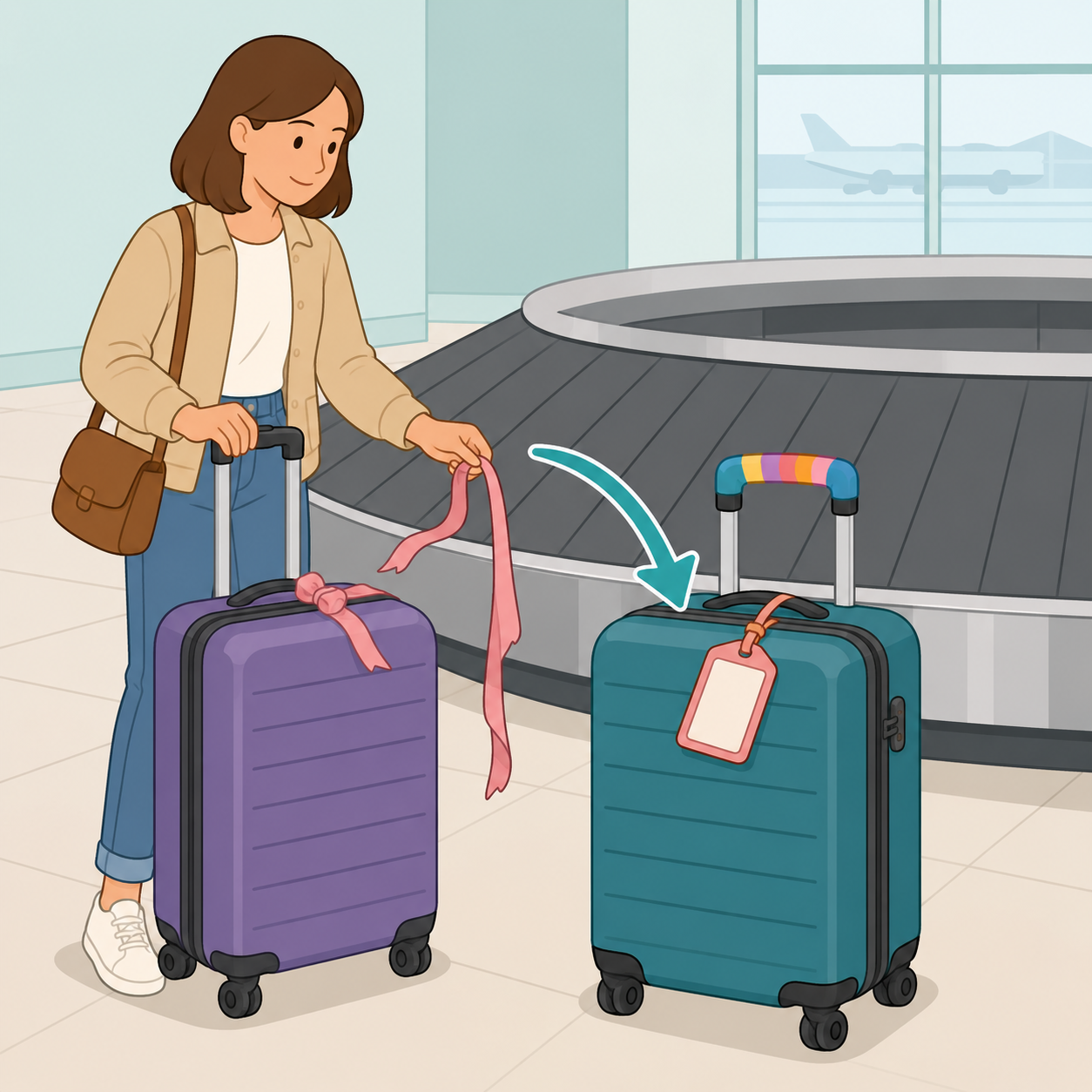
A ribbon may make a suitcase easier to recognize, but it can also create problems when checked luggage moves through airport systems. Loose ties, straps, and old tags can snag, confuse scanners, or slow down handling. This guide explains how to make your suitcase stand out without adding anything that gets in the way.
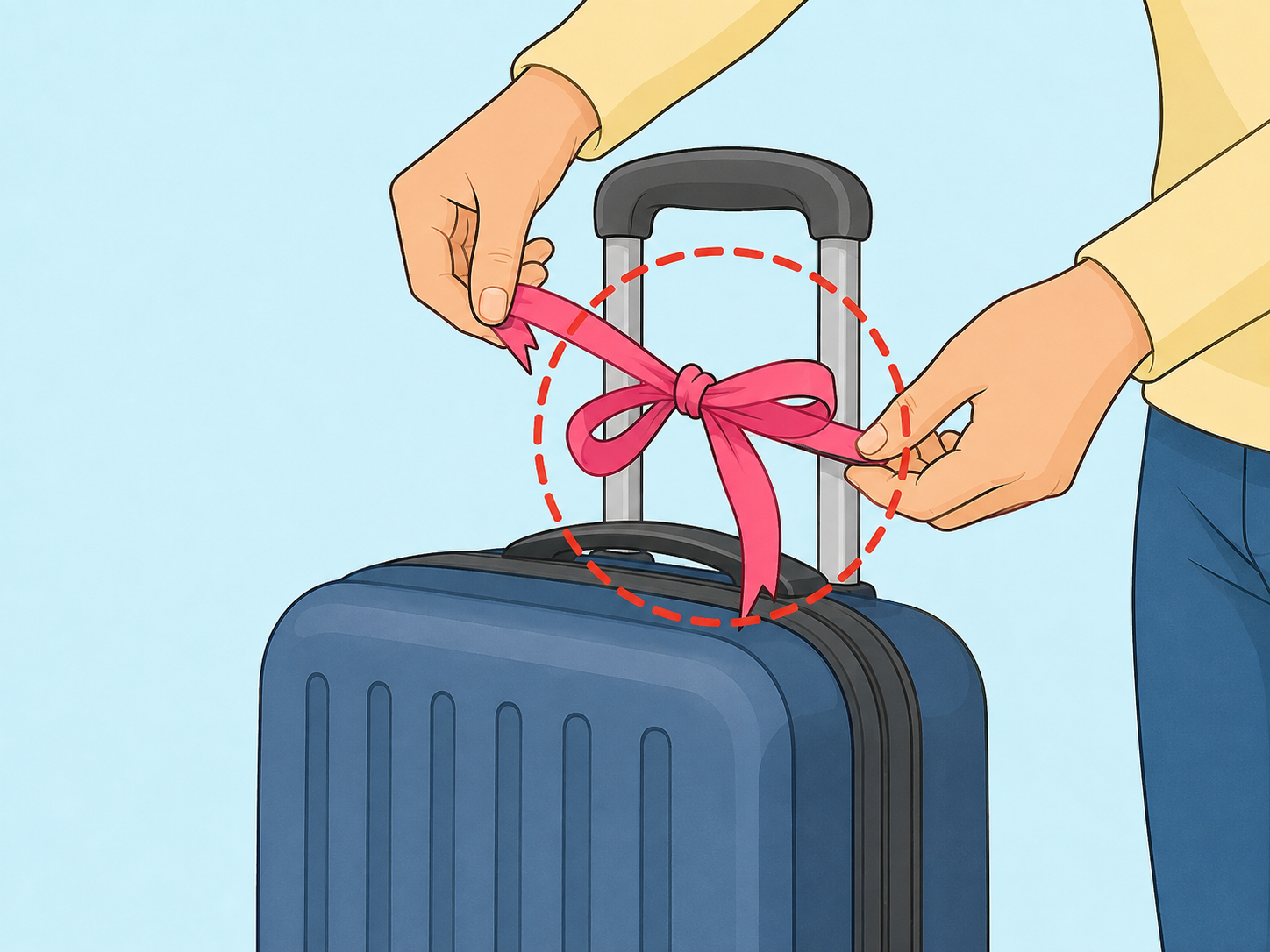
Remove ribbons before you check the bag
Untie ribbons, bows, dangling charms, and loose cords before you hand over a checked suitcase. A baggage handler’s warning reported by Travel + Leisure says ribbons can interfere with barcode scanning, and Air Canada’s checked baggage guidance also tells travelers not to use bungee cords, ties, or straps on luggage.
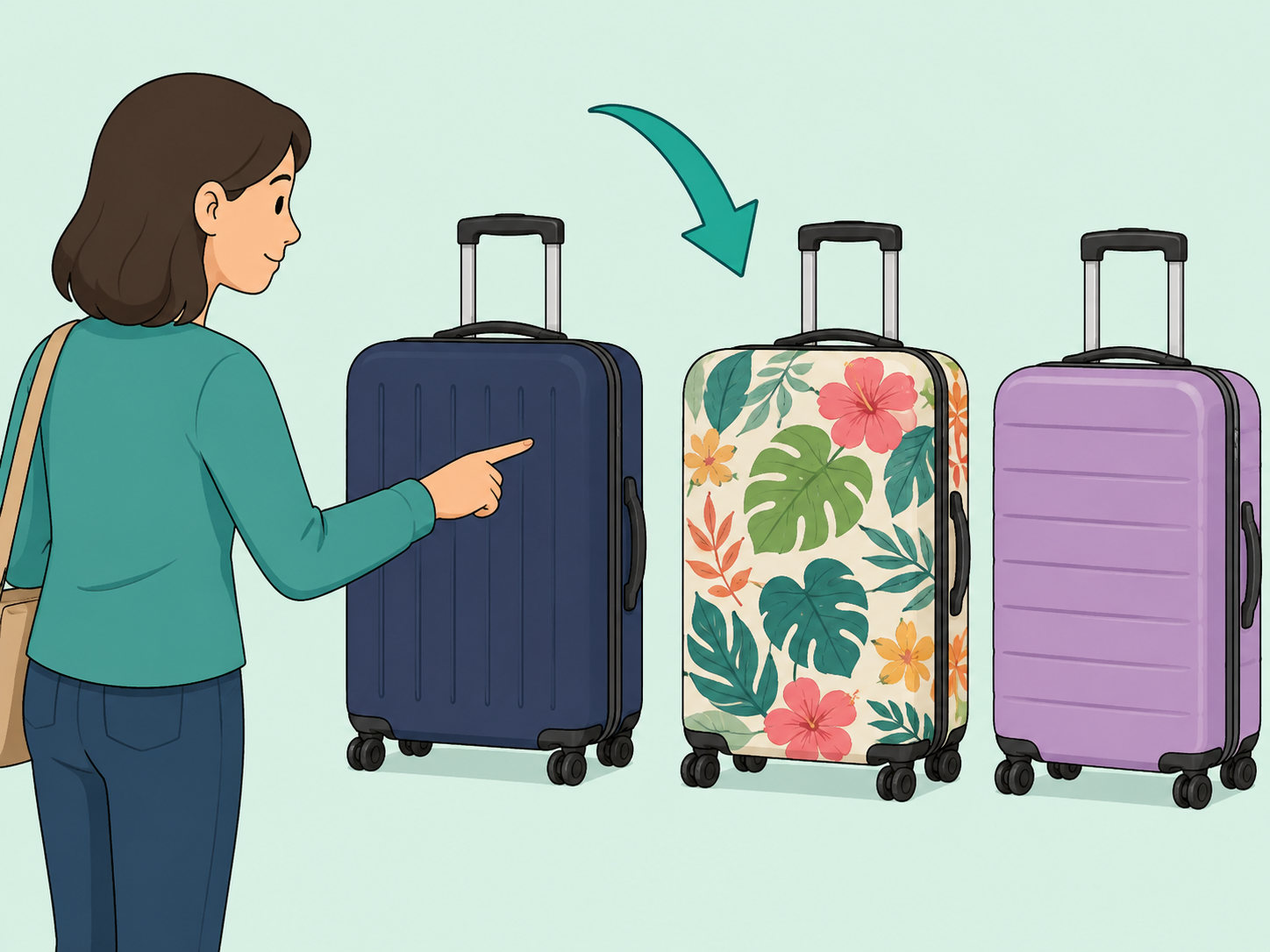
Choose a suitcase that stands out on its own
Pick a color, texture, or pattern that you can recognize without adding loose pieces to the handle. Baggage systems rely on standardized handling and tracking processes, and IATA’s baggage operations materials describe bag tags, tracking, and handling problems as core parts of baggage management.
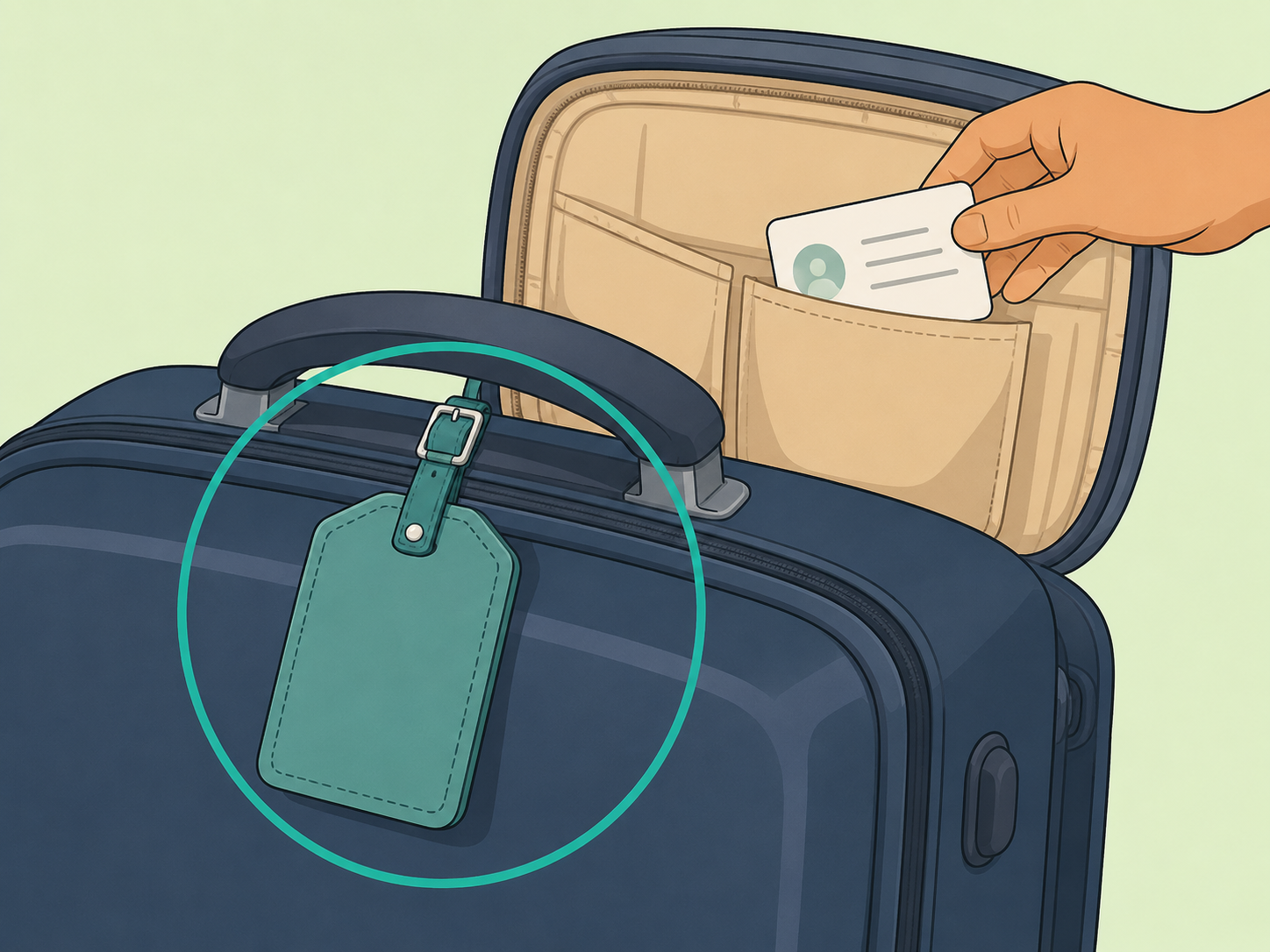
Use a sturdy luggage tag outside the bag
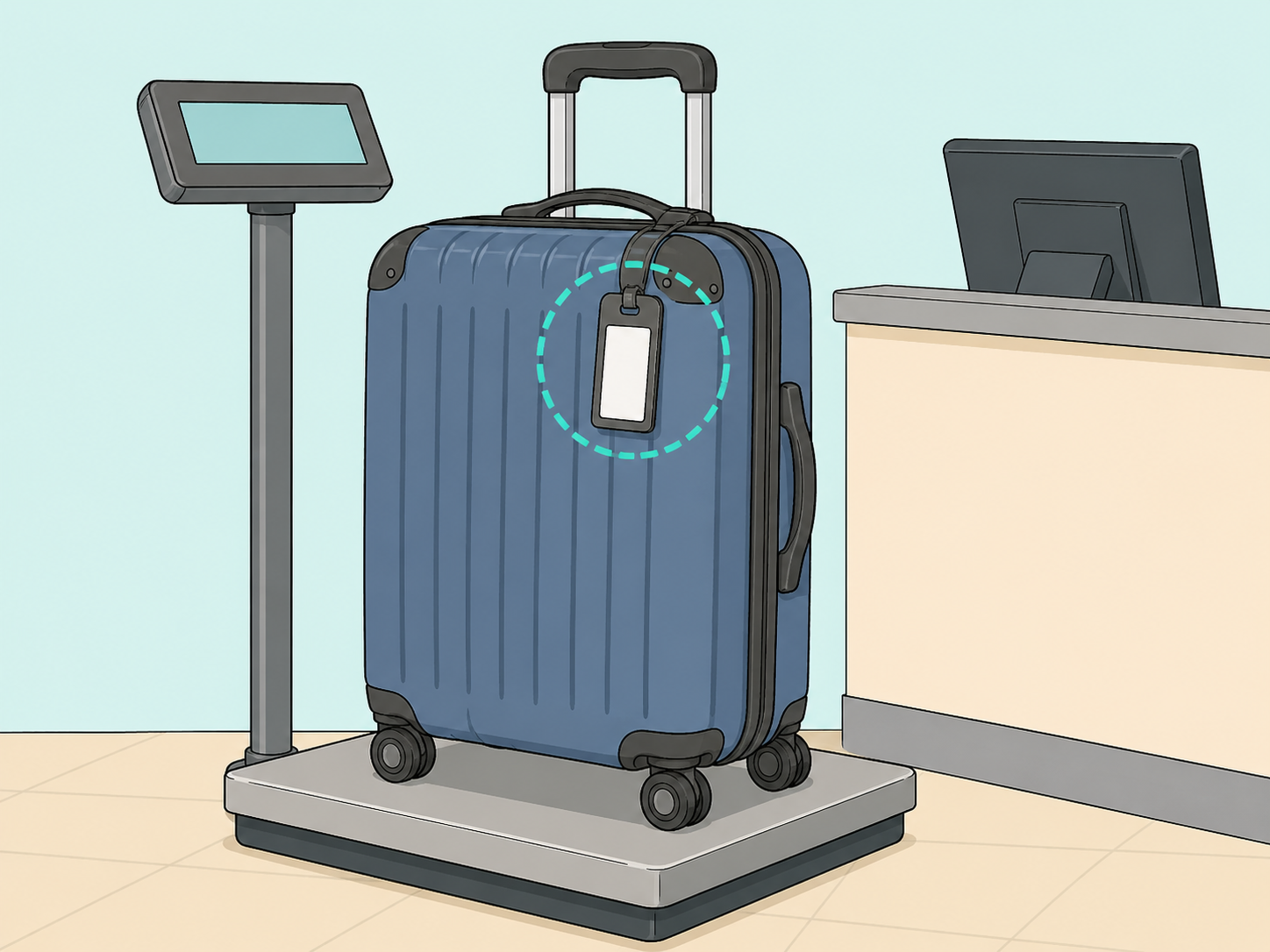
Attach a flat, durable luggage tag that sits close to the handle instead of dangling loosely. The U.S. Department of Transportation recommends putting identification on the outside of your baggage and also placing the same contact information inside each bag in case the outside tag is lost, according to its baggage problem prevention advice.
Remove old airline tags and stickers
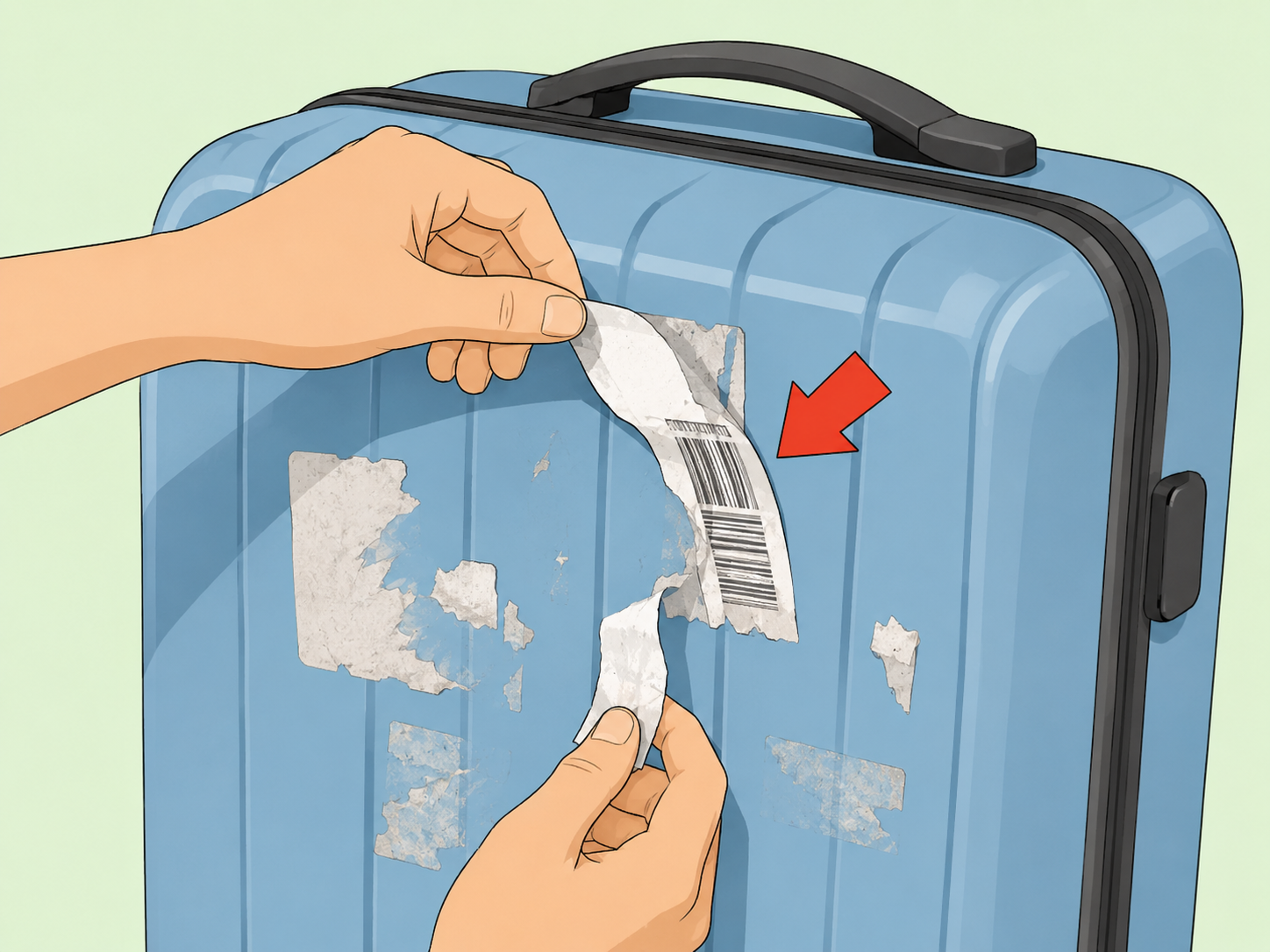
Before each trip, peel off old barcode stickers, bag tags, and destination labels from previous flights. DOT guidance says to verify the new destination tag and remove tags from prior trips to avoid confusion with the current airport routing information.
Keep the new barcode tag clear
After the airline prints your bag tag, make sure it is not covered by a handle wrap, strap, sticker, or luggage cover seam. Checked bags must be screened and may need to be opened, and Air Canada notes that screening issues can cause delays, so keep the tag easy for staff and scanners to read.
Try a fitted cover or handle wrap instead
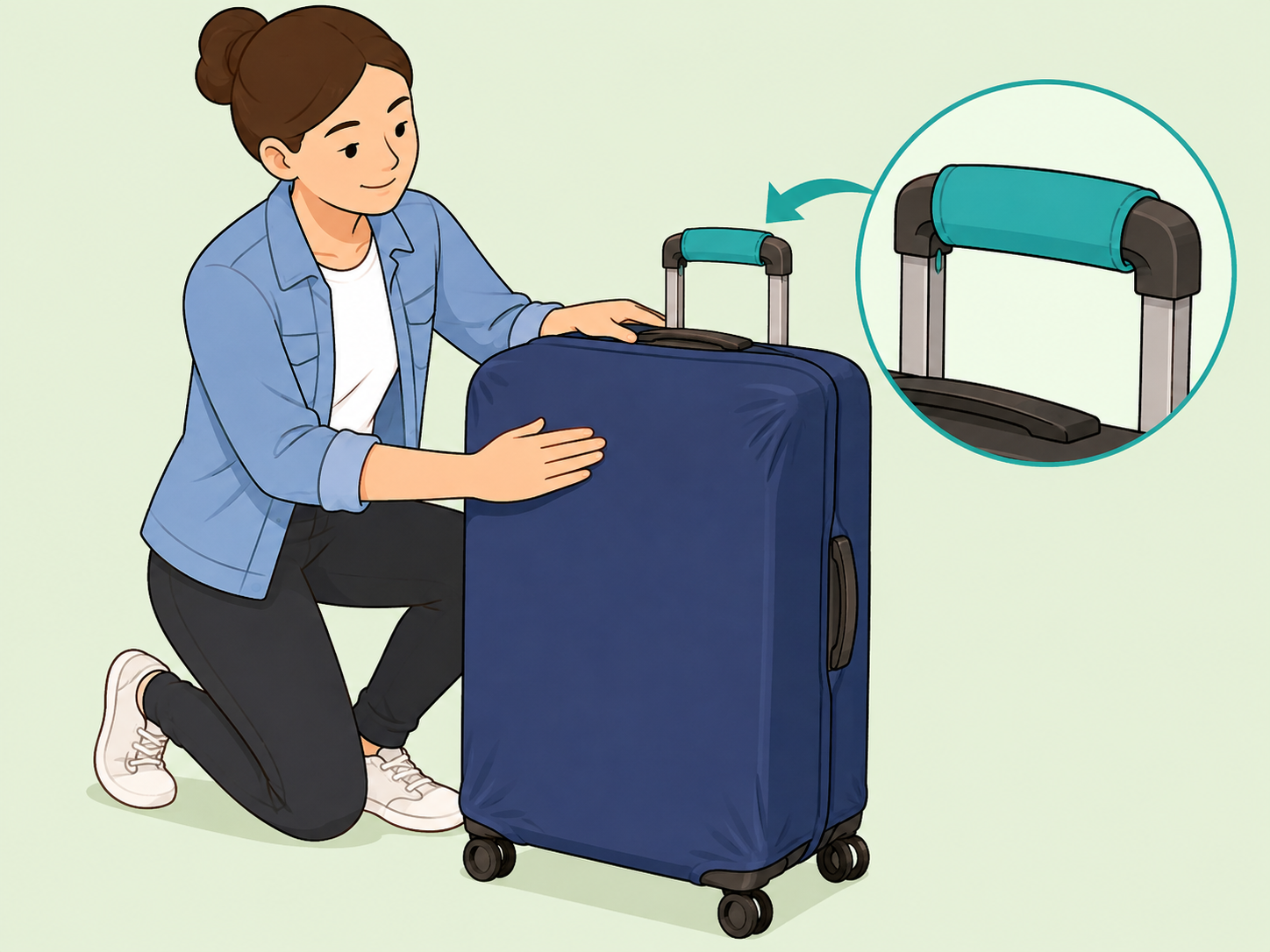
A snug suitcase cover, bright zipper pull, or tight handle wrap can make your bag easier to spot without a long loose ribbon. Choose something that lies flat, does not hide the airline tag, and can be removed quickly if an agent asks.
Check tracker and smart-bag rules
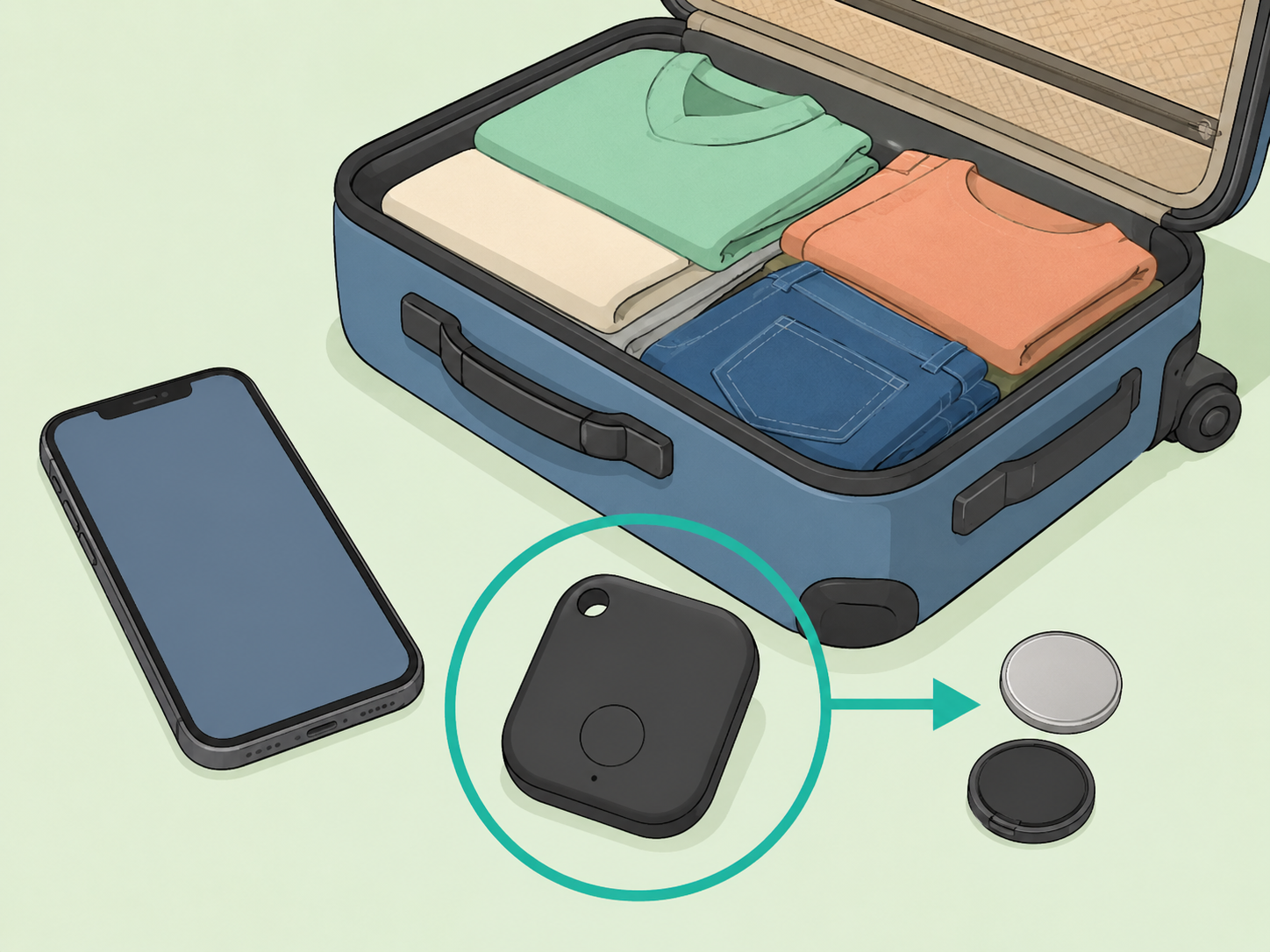
If you use a luggage tracker or smart bag, check your airline’s rules before flying. The FAA explains that baggage location tracking devices and smart bags with lithium batteries have specific checked-bag limits in its PackSafe guidance for battery-equipped baggage.
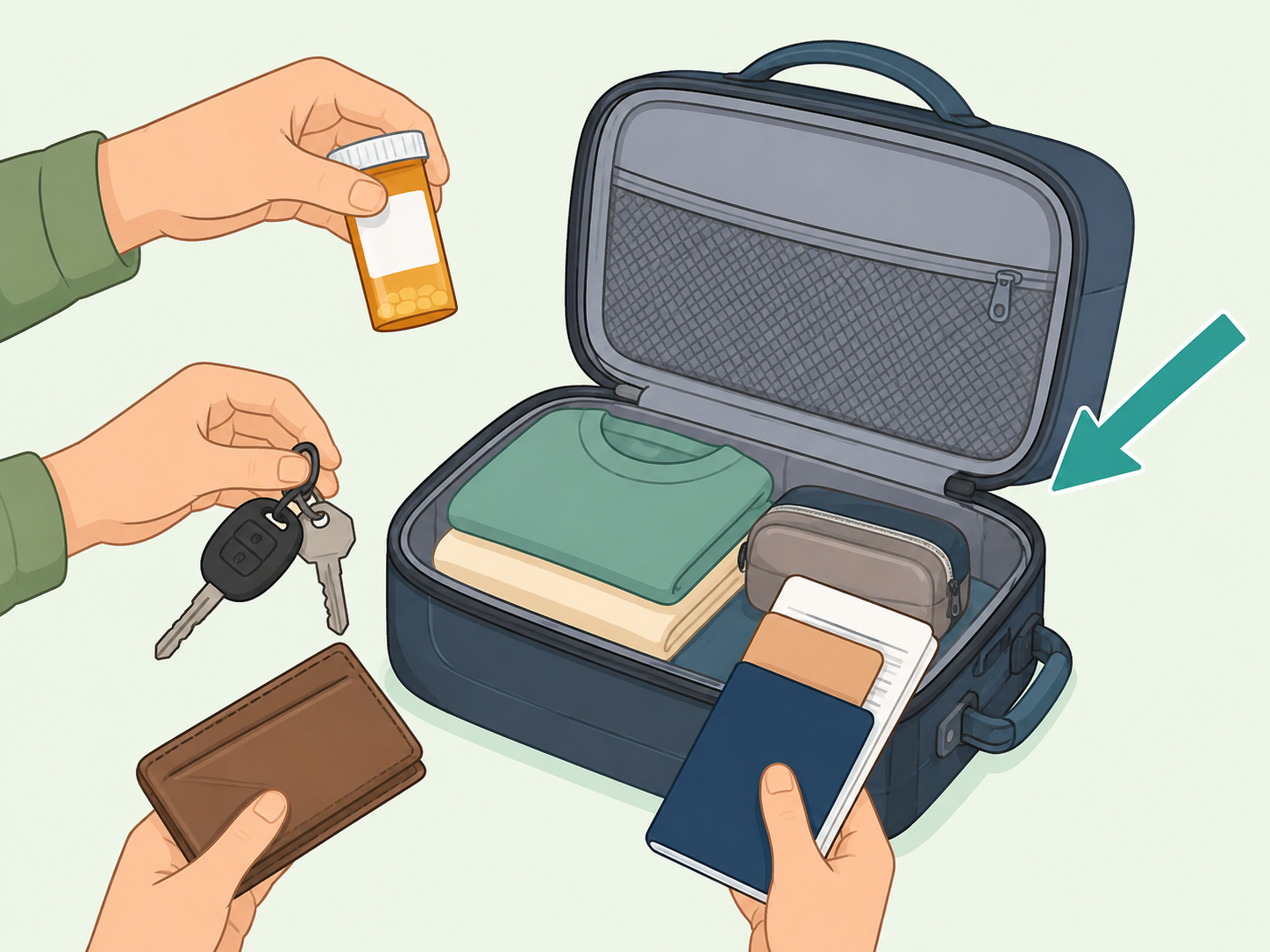
Pack essentials in your carry-on
Even a well-prepared checked bag can be delayed, so keep medication, keys, valuables, travel documents, and the first day’s basics with you. DOT advises carrying important and irreplaceable items onboard and packing first-24-hour essentials in a carry-on in its checked baggage tips.
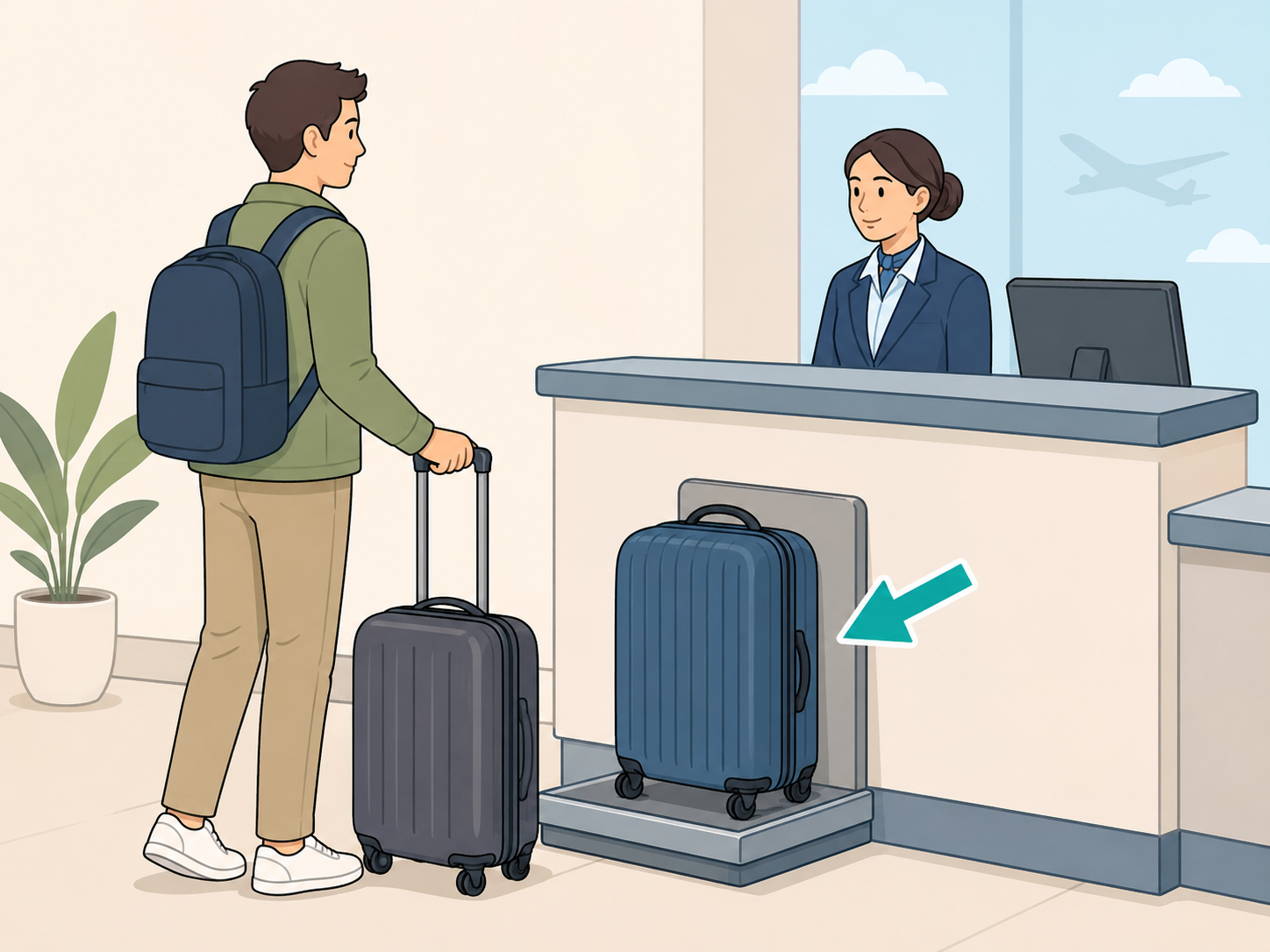
Give your bag time to make the flight
Arrive early enough to check your bag before your airline’s cutoff, especially during busy travel periods. DOT warns that checking in at the last minute can mean your bag misses the flight even if you make it onboard, so build in extra time for tagging, screening, and baggage transfer.
Summary
The bottom line: skip loose ribbons and dangling decorations on checked luggage. A clear airline barcode, sturdy ID tags, a distinctive case, and good packing habits help your bag stay identifiable without making it harder to process.
Frequently Asked Questions
- Why do baggage handlers warn against tying ribbons to suitcases?
The concern is that loose ribbons can get in the way of barcode scanning or snag during baggage handling. The safer approach is to use flat, secure identifiers that do not dangle from the bag.
- Is a luggage ribbon banned at airports?
Usually no. The issue is not that ribbons are universally banned, but that they can create avoidable delays or handling problems on checked bags.
- What is the safest way to make a black suitcase stand out?
Use a bright, sturdy luggage tag, a fitted cover, a distinctive handle wrap, or a suitcase with a bold color or pattern. Keep anything you add flat, tight, and away from the airline barcode tag.
- Should I remove old baggage stickers before every trip?
Yes. Old airline tags and stickers can create confusion, so remove them before checking the bag for a new flight.
- Can I use an electronic tracker in checked luggage?
Many small luggage trackers use lithium batteries, so check your airline’s policy and FAA guidance before you fly. Smart bags with larger removable batteries may have stricter rules.
- What contact information should I put on my luggage tag?
Use enough information for an airline to contact you, such as your name, phone number, email address, and destination contact details. A covered or privacy-style tag keeps that information from being fully visible to passersby.
References
Reliable references aided in composing and refining this content.
- https://www.travelandleisure.com/why-you-shouldnt-tie-ribbon-on-your-luggage-12004401
- https://www.aircanada.com/content/aircanada/ch/en/aco/home/plan/baggage/checked.html
- https://www.transportation.gov/airconsumer/plane-talk-tips-avoiding-baggage-issues
- https://www.faa.gov/hazmat/packsafe/baggage-with-lithium-batteries
- https://www.iata.org/en/publications/manuals/baggage-reference-manual