
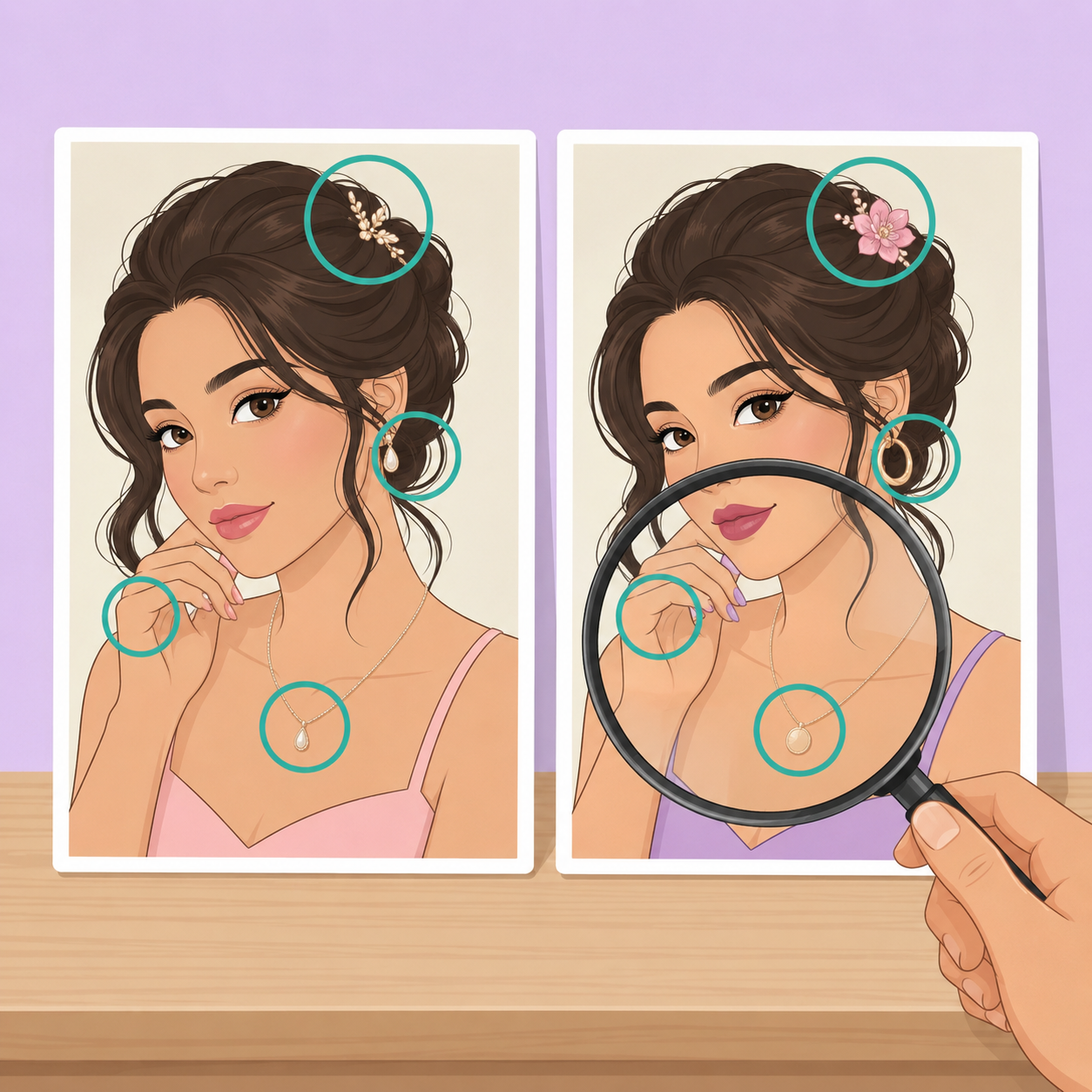
 Pin it
Spot-the-difference puzzles are easier when you search calmly instead of jumping around the whole image. A beauty-themed puzzle often hides changes in small details like hair, makeup, jewelry, nails, or background items. This guide shows a practical way to find all 5 differences without treating the “IQ 140” claim as a real measure of intelligence.
Ignore the IQ claim and focus on the task
Treat the “only people with an IQ of 140” line as puzzle wording, not a real assessment of intelligence. Research on commercial brain games cautions that puzzle performance should not be treated as proof of broad cognitive ability, and the National Institute on Aging notes that strong claims about online games improving thinking need good evidence.
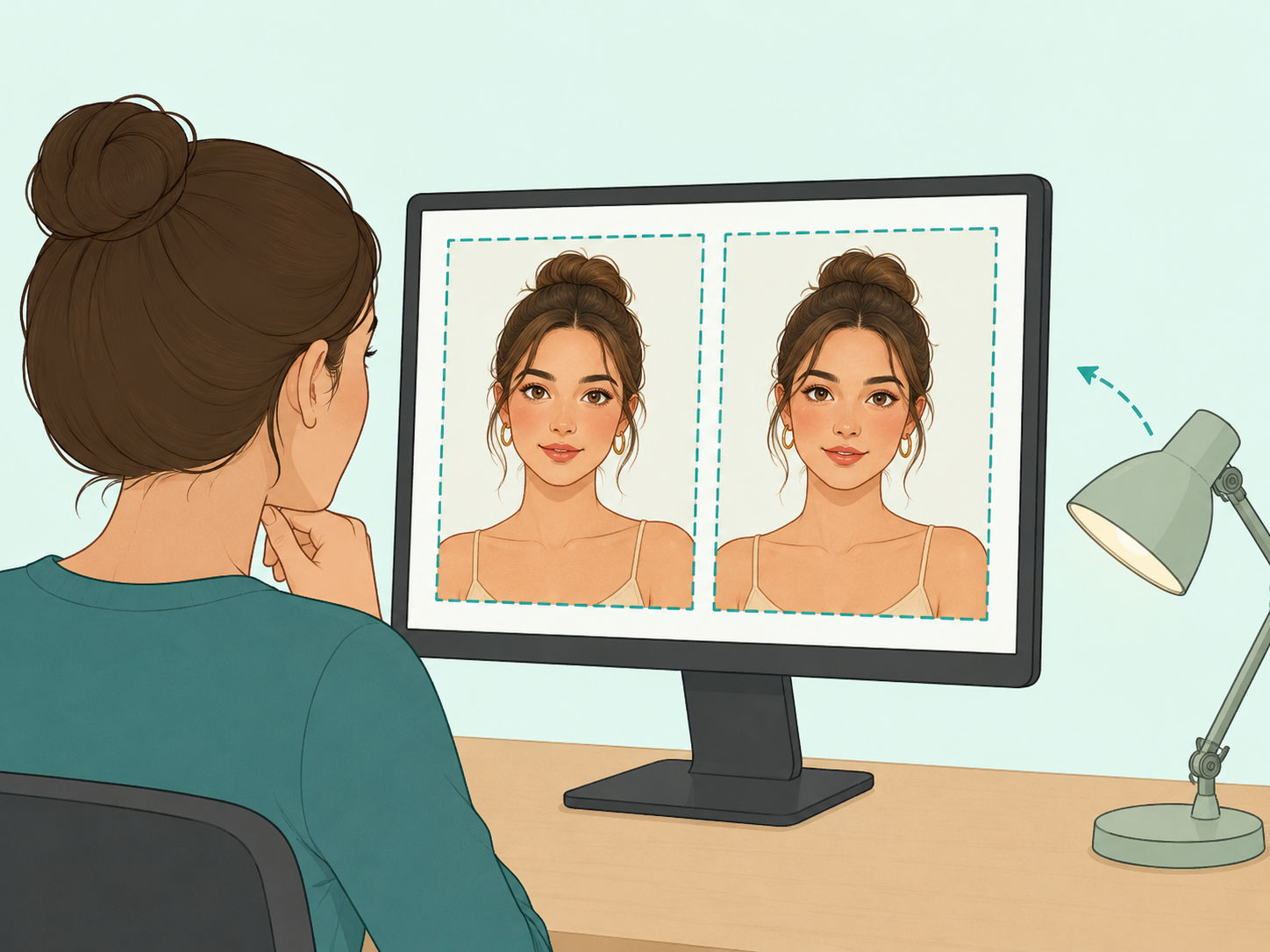
Place the two images side by side
Make both images the same size, with good lighting and no glare on your screen. This reduces unnecessary visual work because digital glare, poor contrast, and long periods of focus can contribute to digital eye strain.
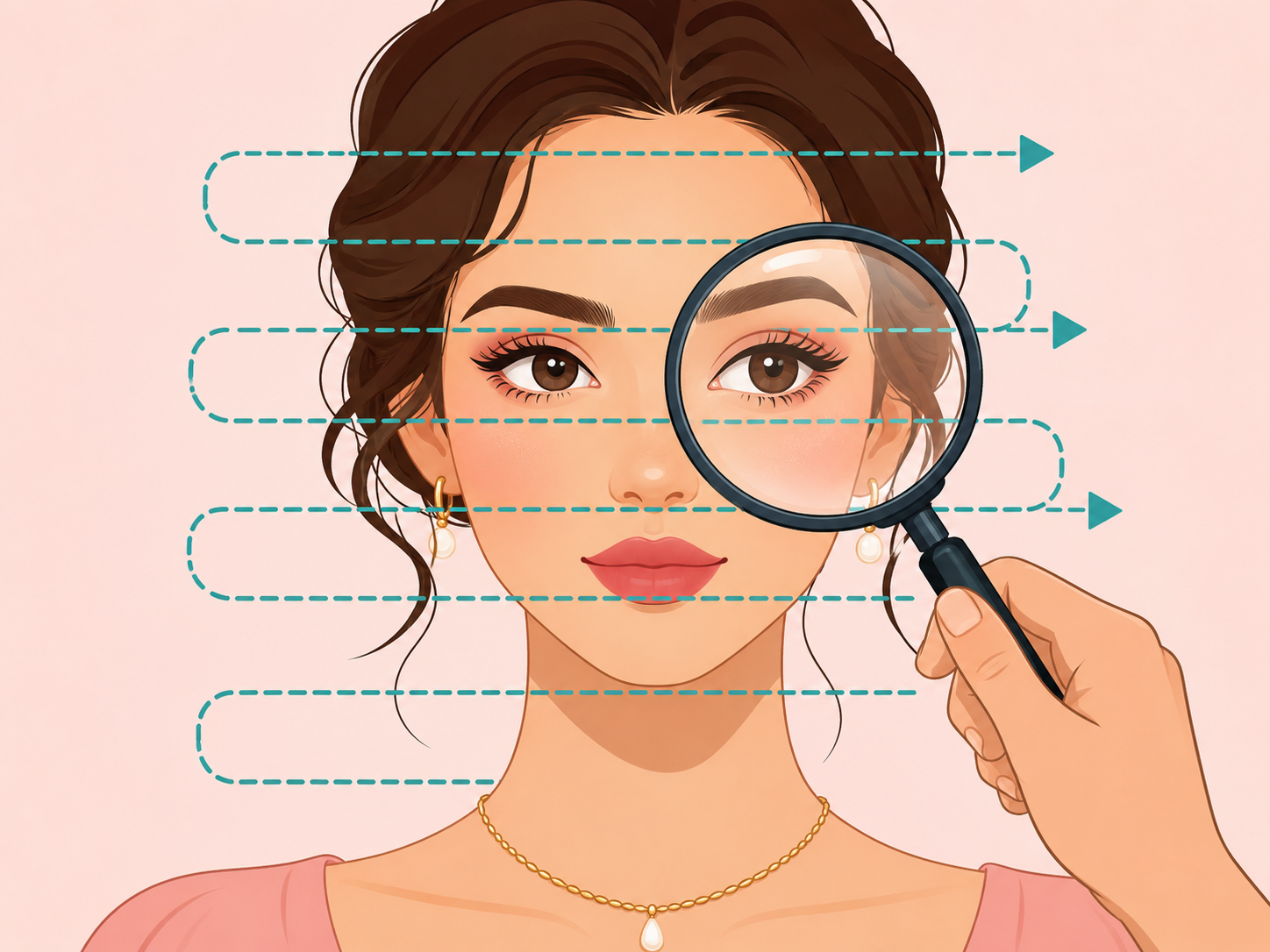
Scan the picture in a fixed order
Start at the top left, move across the image, then drop down and repeat like reading lines on a page. Visual search is guided by attention rather than by noticing everything at once, and research summarized in NIH-hosted visual search research explains that people direct attention toward promising objects and locations.
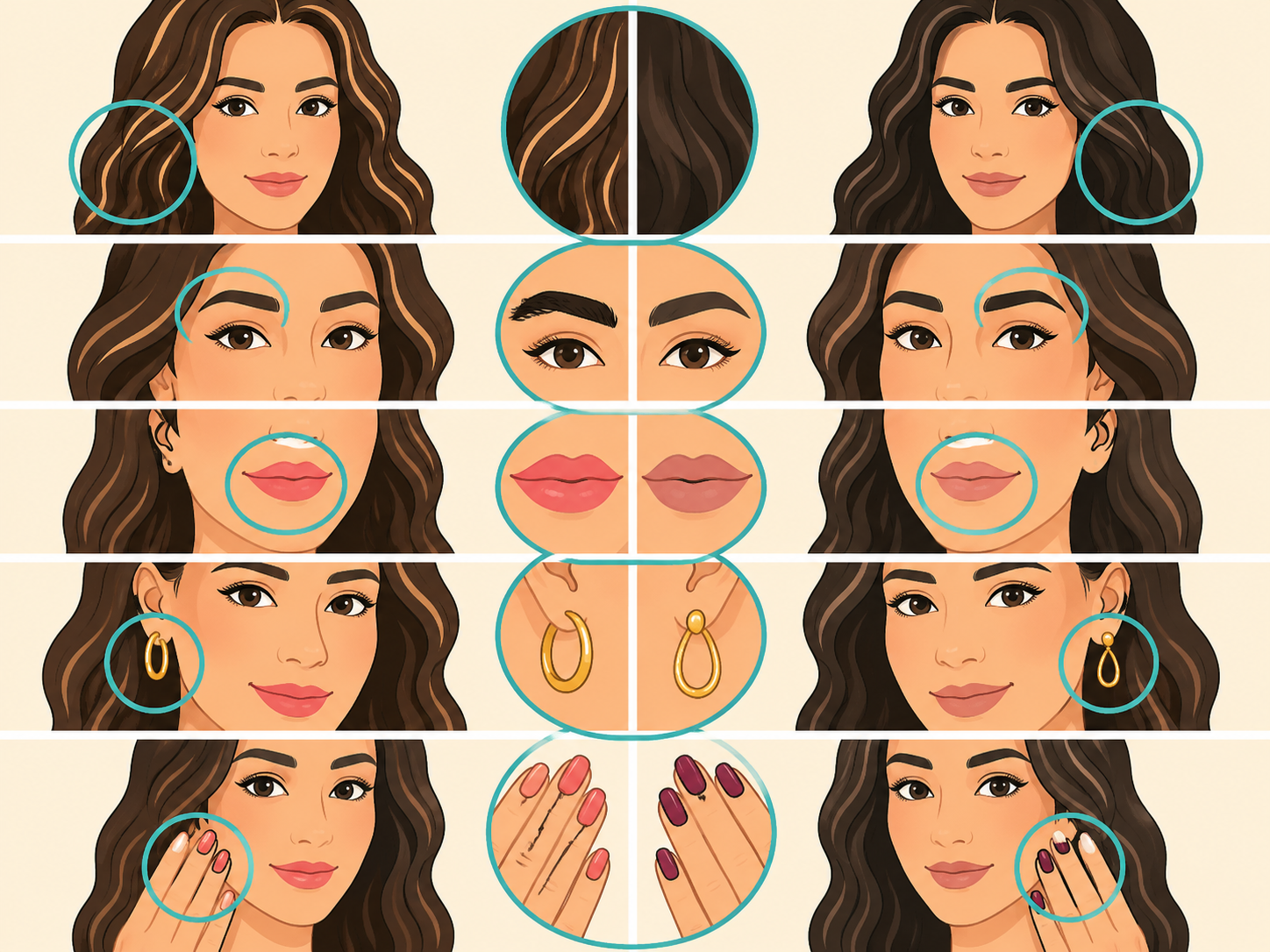
Compare one beauty feature at a time
Check the hair first, then eyebrows, eyes, lips, earrings, clothing, nails, and tools such as brushes or mirrors. Looking for one type of detail at a time gives your attention a clear target, which is more effective than trying to compare every part of the image at once.
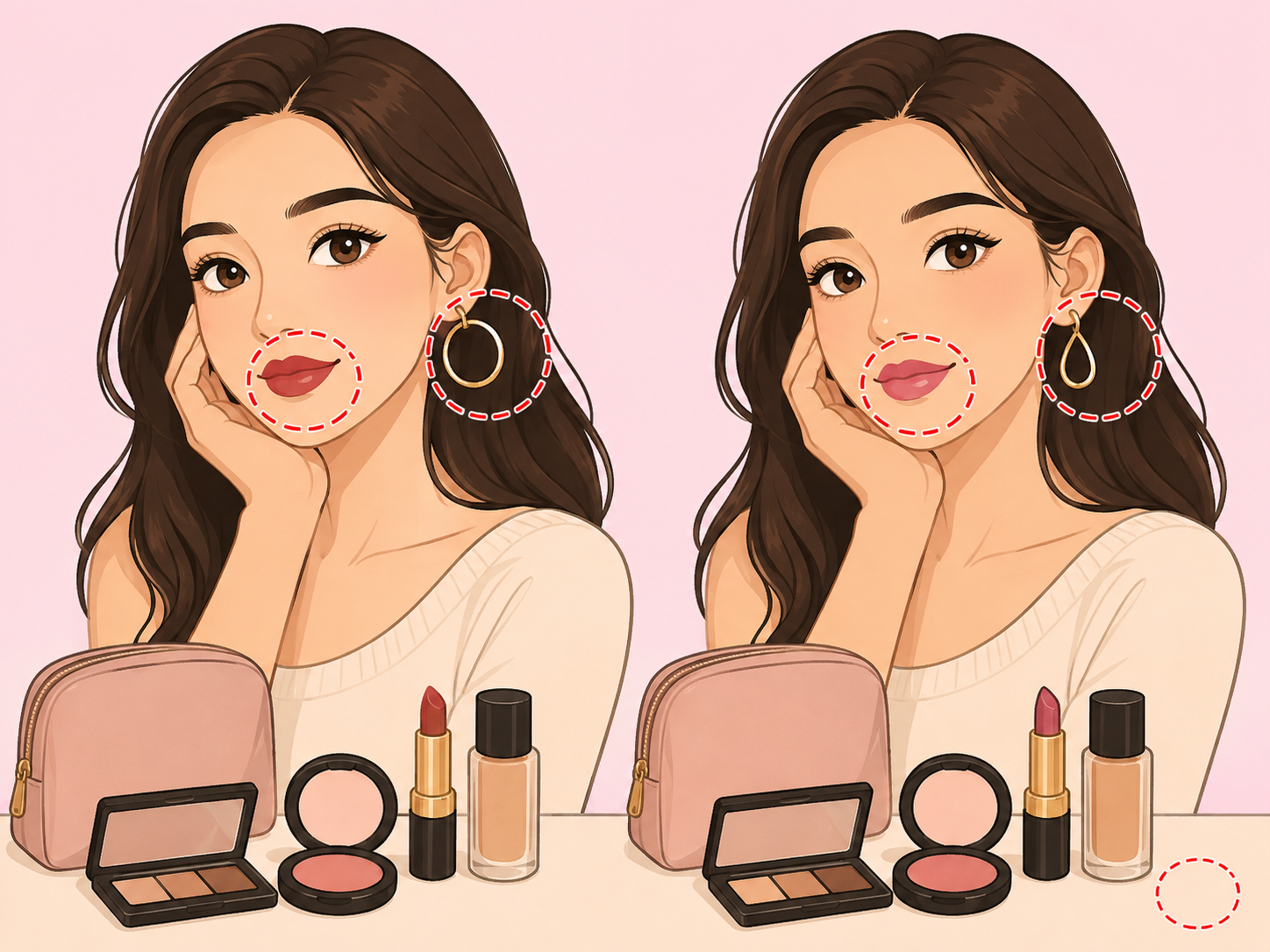
Look for color, shape, and missing-item changes
Many puzzle differences are small edits: a lipstick shade changes, an earring disappears, a curl flips direction, or a compact mirror changes shape. Change-detection research describes how people can miss even visible edits when attention is elsewhere, a pattern known as change blindness.
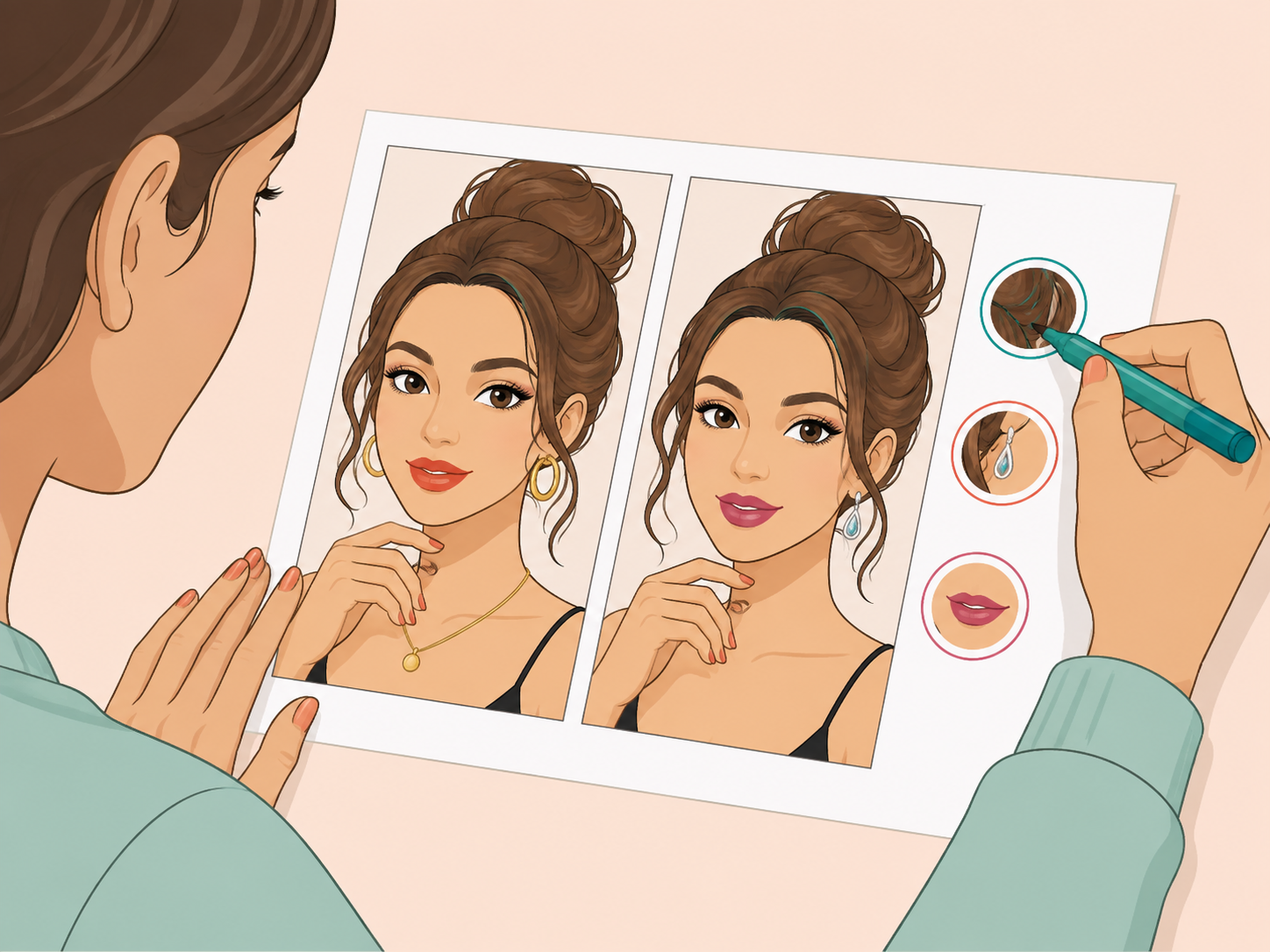
Mark each difference as soon as you find it
Use a fingertip, cursor, or small note to keep track of every confirmed difference. Marking found changes keeps your working memory clear and helps you avoid rechecking the same lipstick, necklace, or hairstyle detail over and over.
Take a short break if your eyes feel tired
If your eyes feel dry, blurry, irritated, or tired, pause before continuing. Cleveland Clinic recommends breaks during visually intense tasks and describes the 20-20-20 rule: every 20 minutes, look about 20 feet away for 20 seconds.
Seek eye care if symptoms are new or persistent
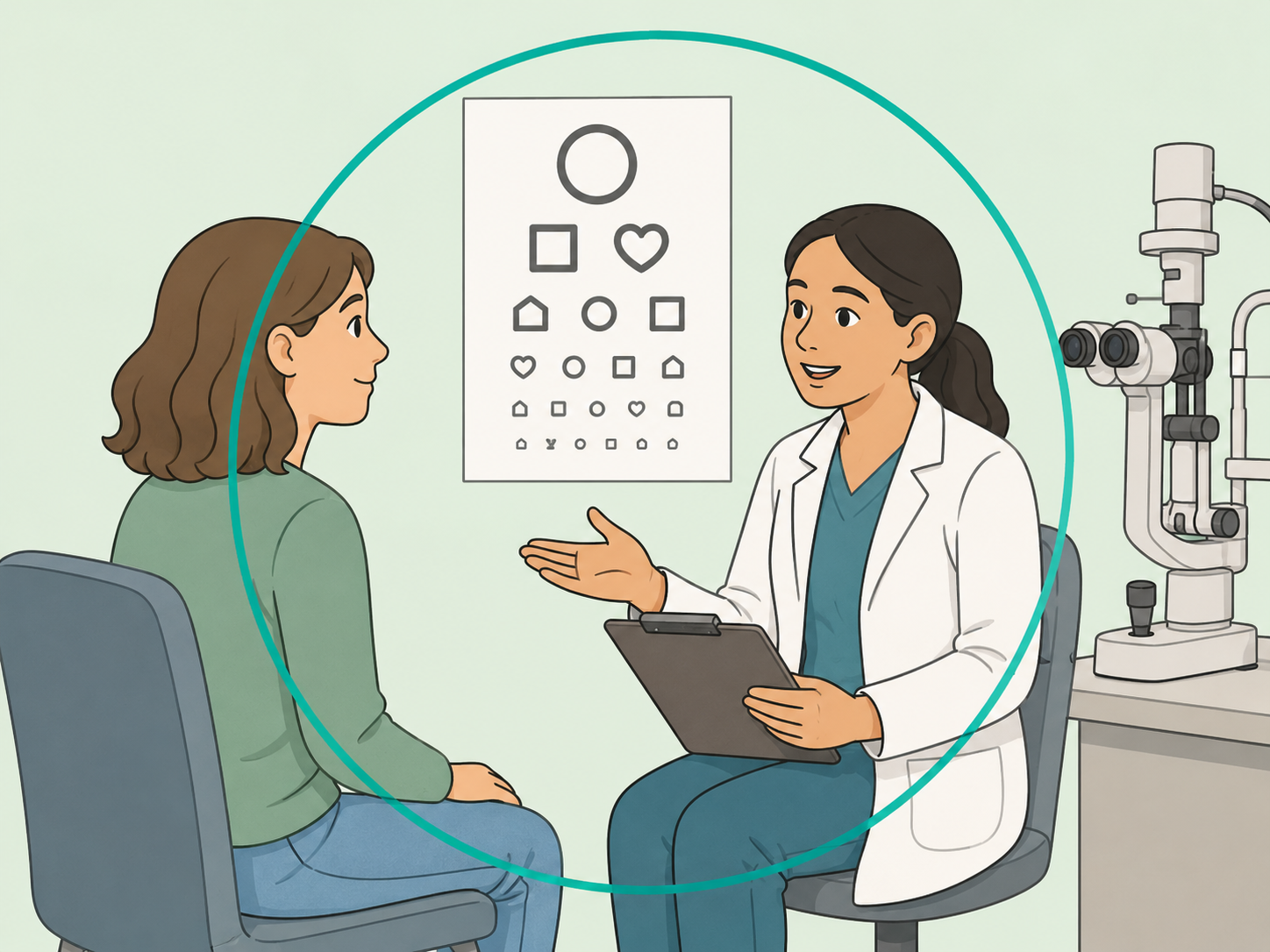
A puzzle should not cause lasting discomfort. If you notice new vision changes, worsening eye strain, sudden eye pain, or sudden vision loss, follow medical guidance and contact an eye care professional; the National Eye Institute explains that eye exams can check for vision problems and eye disease.
Summary
The bottom line: finding the 5 differences is mostly about method, not IQ. Set up the images clearly, scan in order, compare beauty details one category at a time, mark what you find, and stop if your eyes become uncomfortable.
Frequently Asked Questions
- Does solving the puzzle prove I have a high IQ?
- No. A spot-the-difference puzzle can be fun and challenging, but it is not a valid IQ test. Treat the IQ wording as a headline, not a real score.
- What details should I check first in a beauty puzzle?
- Start with the face and hair, then move to makeup, jewelry, nails, clothing, beauty tools, and background objects. Small beauty details are common hiding places for changes.
- Why do I keep missing an obvious difference?
- Your attention may be jumping around the image too quickly. Slow down, scan in a fixed order, and compare one category of detail at a time.
- Is it better to zoom in?
- Zooming in can help if the image is small or crowded, but keep both pictures at the same zoom level. After zooming, scan the whole image again so you do not miss changes near the edges.
- How long should I spend before checking the answer?
- Try a few focused passes through the image first. If you feel frustrated or your eyes feel tired, take a break and come back before looking at the answer.
- Can spot-the-difference puzzles hurt my eyes?
- Brief puzzle solving is usually fine, but staring for too long can make your eyes feel tired, dry, or blurry. Take breaks and seek eye care if symptoms are new, severe, or do not go away.
References
Reliable references aided in composing and refining this content.
- https://www.nia.nih.gov/health/cognitive-health-and-older-adults
- https://pmc.ncbi.nlm.nih.gov/articles/PMC9879335
- https://pubmed.ncbi.nlm.nih.gov/11752486
- https://my.clevelandclinic.org/health/diseases/21059-eye-strain
- https://my.clevelandclinic.org/health/diseases/24802-computer-vision-syndrome
- https://www.nei.nih.gov/eye-health-information/healthy-vision/finding-eye-doctor/get-dilated-eye-exam