
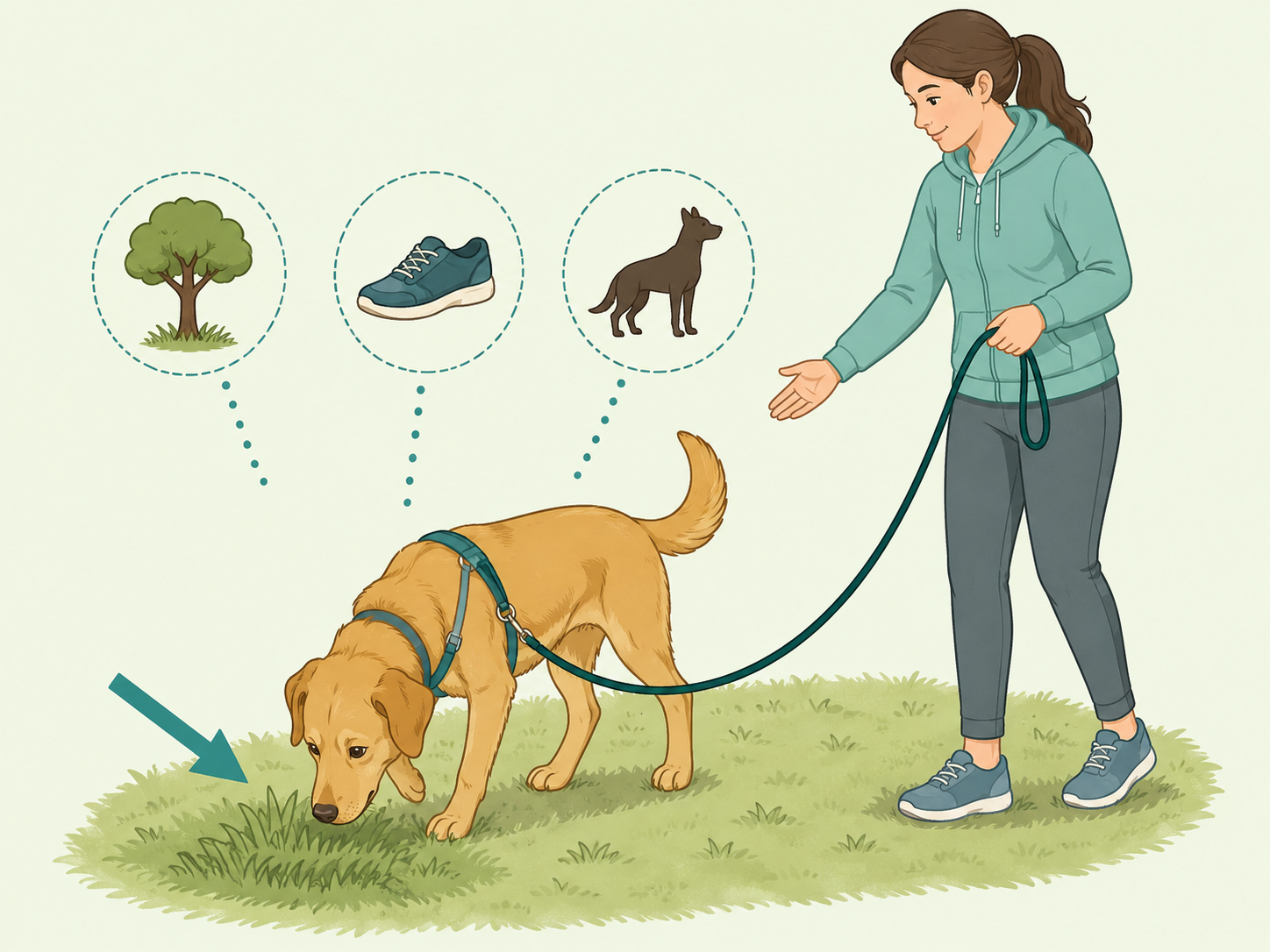
 Pin it
Dogs experience much of the world through scent, so sniffing places that seem awkward or surprising to people is usually normal canine behavior. Rear ends, crotches, urine spots, grass, and furniture can all carry scent information that interests a dog. This guide explains what the behavior means, how to manage it politely, and when sniffing may signal a health concern.
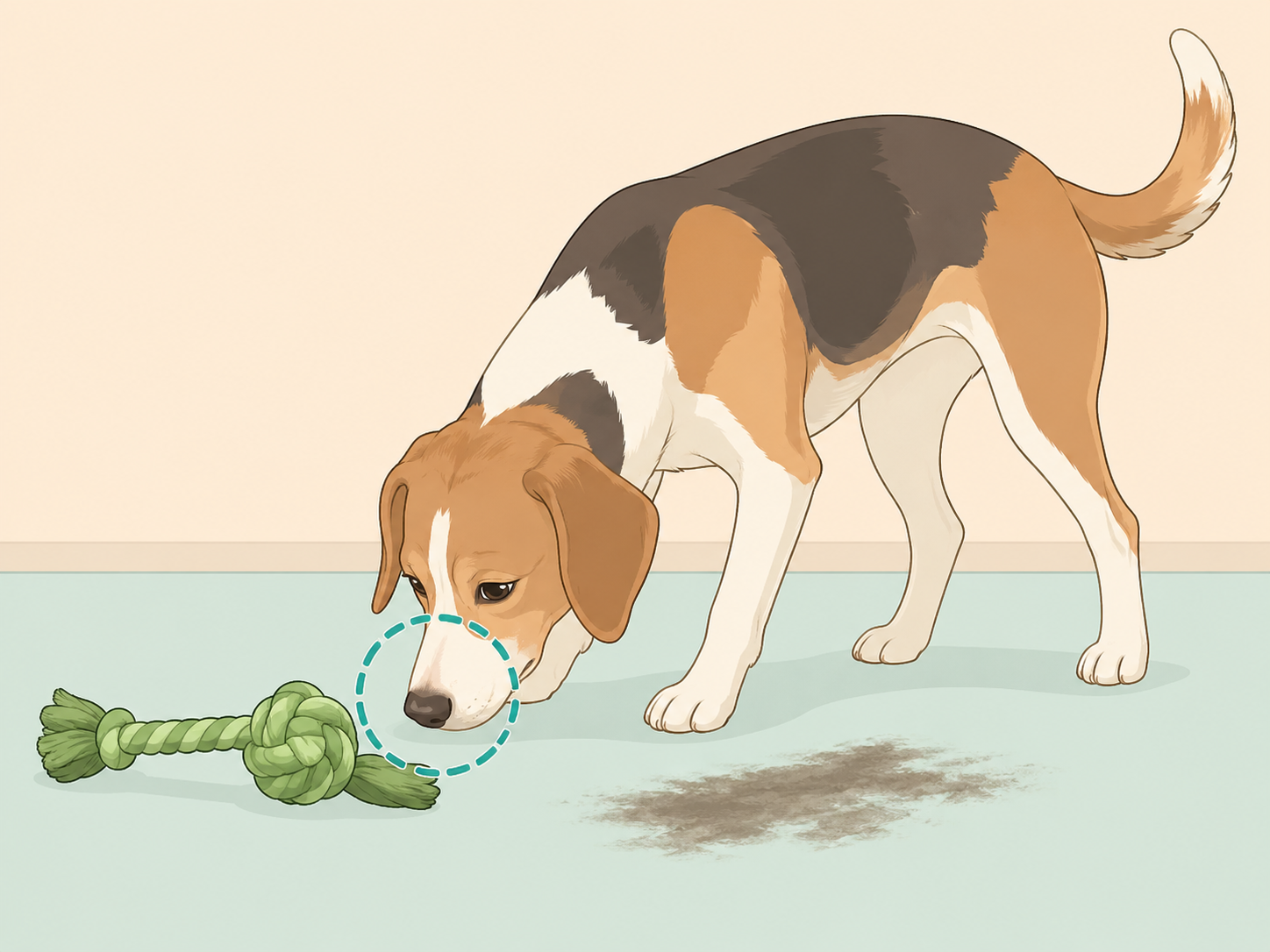
Remember that sniffing is your dog’s main way to gather information
Dogs rely heavily on smell to understand their surroundings, and the American Kennel Club explains that scent gives dogs details people usually miss. They also have a vomeronasal organ, sometimes called Jacobson’s organ, that helps them process pheromone-like chemical signals. In other words, sniffing is not misbehavior by itself; it is a normal way for a dog to investigate.
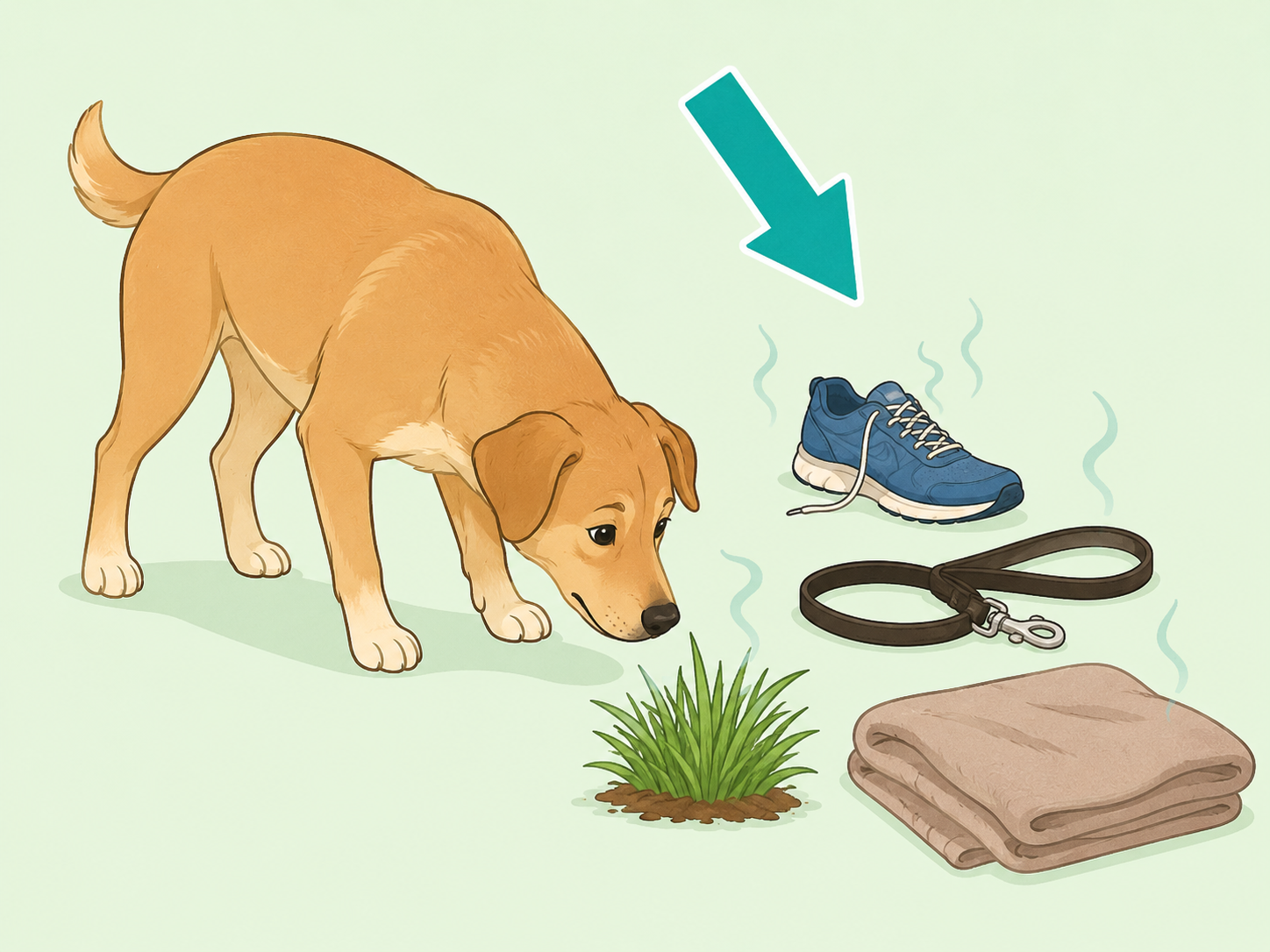
Notice which scent-rich areas attract your dog
Dogs often focus on areas with strong biological scent, such as another dog’s rear end, a person’s crotch, urine-marked grass, or recently worn clothing. The AKC notes that apocrine glands are concentrated around human armpits and genitals, which can make those areas especially interesting to a dog. Treat this as information-seeking first, then decide whether you need to redirect it for manners or privacy.
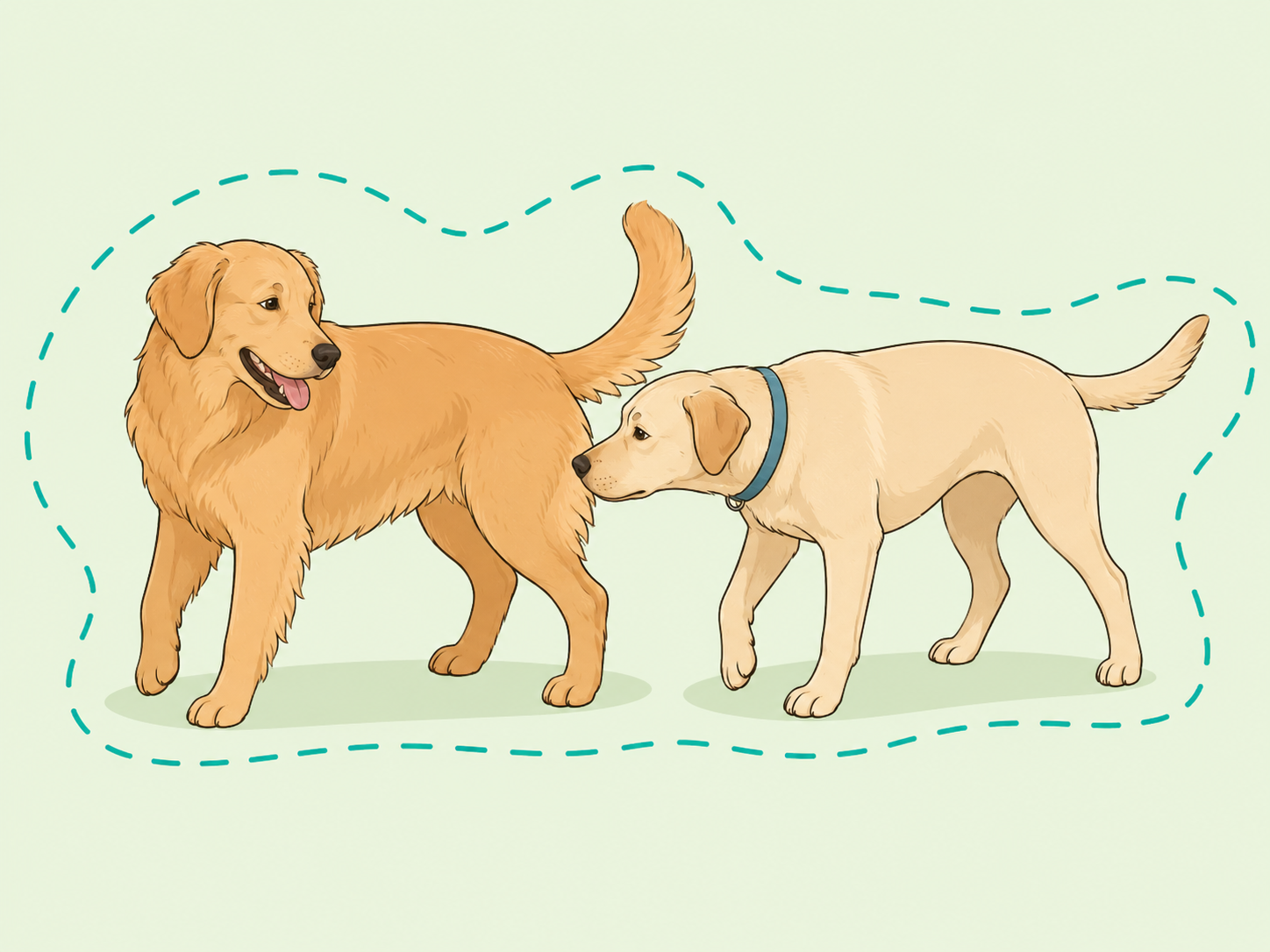
Let dogs sniff each other only when both are relaxed
Rear-end sniffing is a common dog greeting because anal sac odors can carry individual scent information, according to AKC guidance on dog scent communication. Allow a brief sniff if both dogs have loose bodies, soft faces, and room to move away. If either dog stiffens, tucks the tail, pins the ears back, freezes, or growls, calmly lead your dog away and give both dogs space.
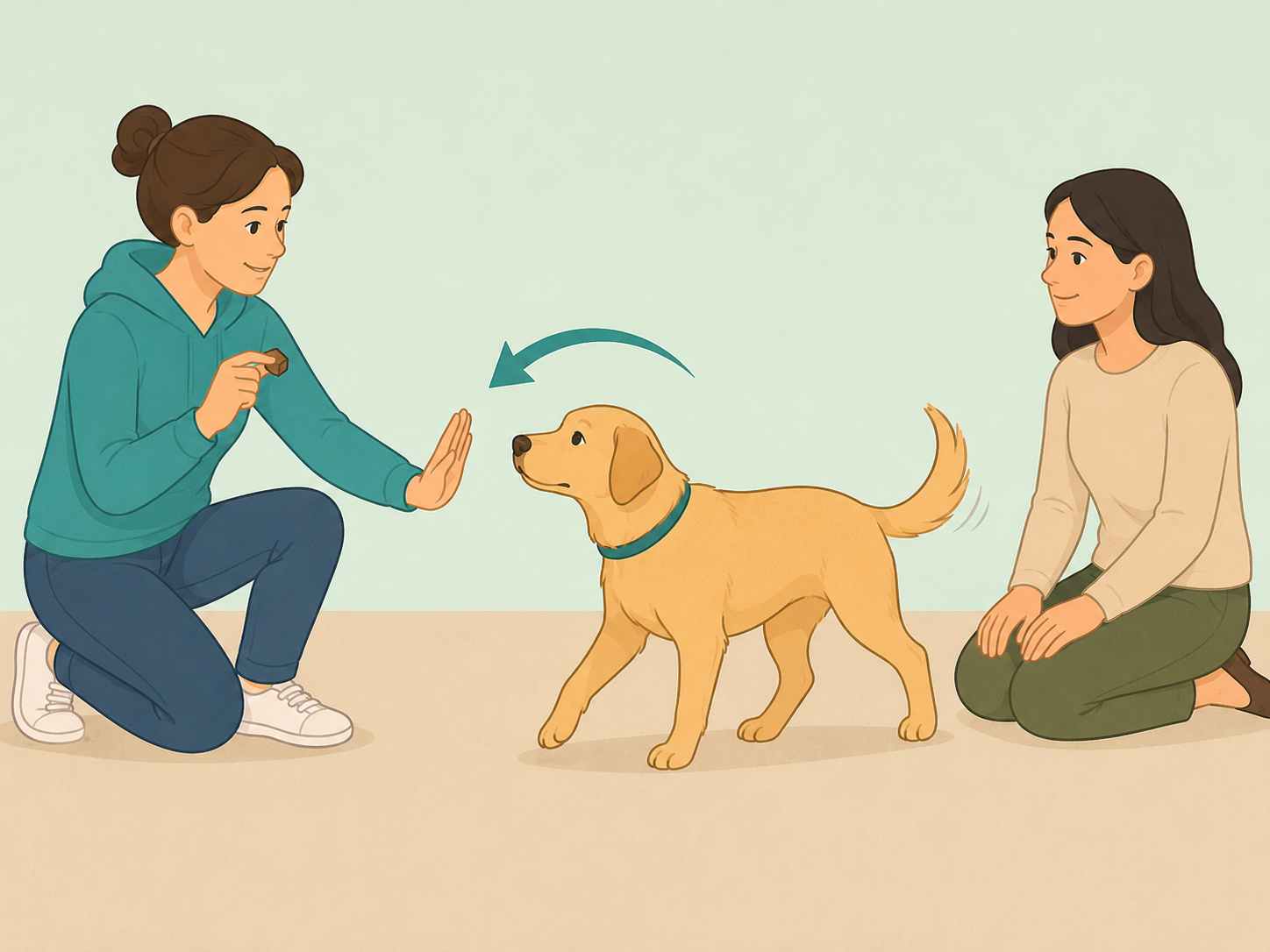
Redirect crotch sniffing politely
If your dog sniffs guests’ private areas, interrupt early without scolding or yanking. Ask the guest to offer a closed fist at the dog’s nose level, then cue your dog to sit or touch your hand so the greeting has a clear alternative. Reward the calmer choice with a treat, praise, or a chance to sniff an appropriate object nearby.
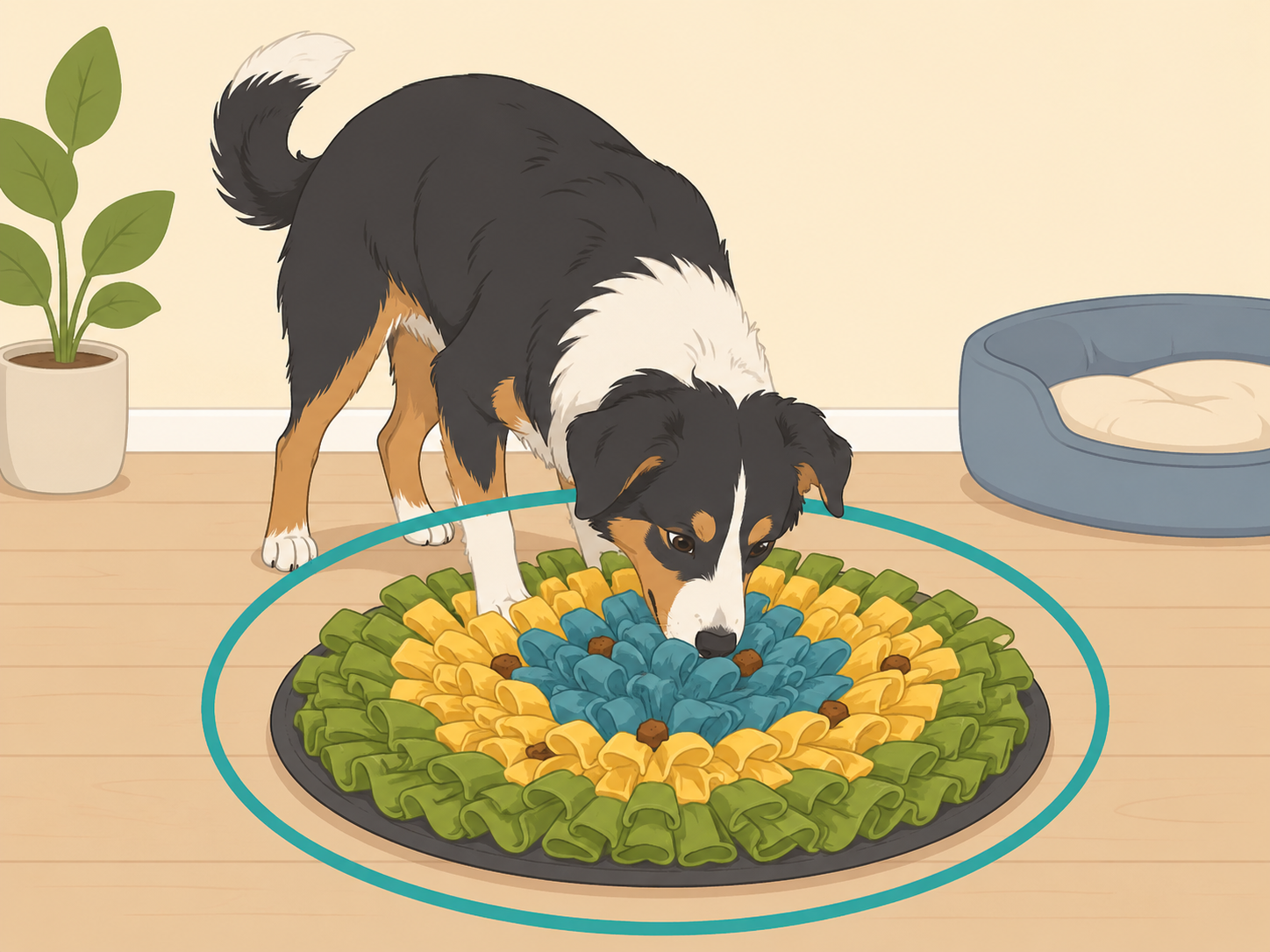
Give your dog legal sniffing outlets
Build sniffing into walks instead of expecting your dog to march past every tree, post, or patch of grass. Short “go sniff” breaks give your dog mental enrichment, and the AKC describes sniffing as an important part of how dogs take in the world. At home, hide treats in a snuffle mat, towel fold, or simple scent game so your dog has an acceptable place to use their nose.
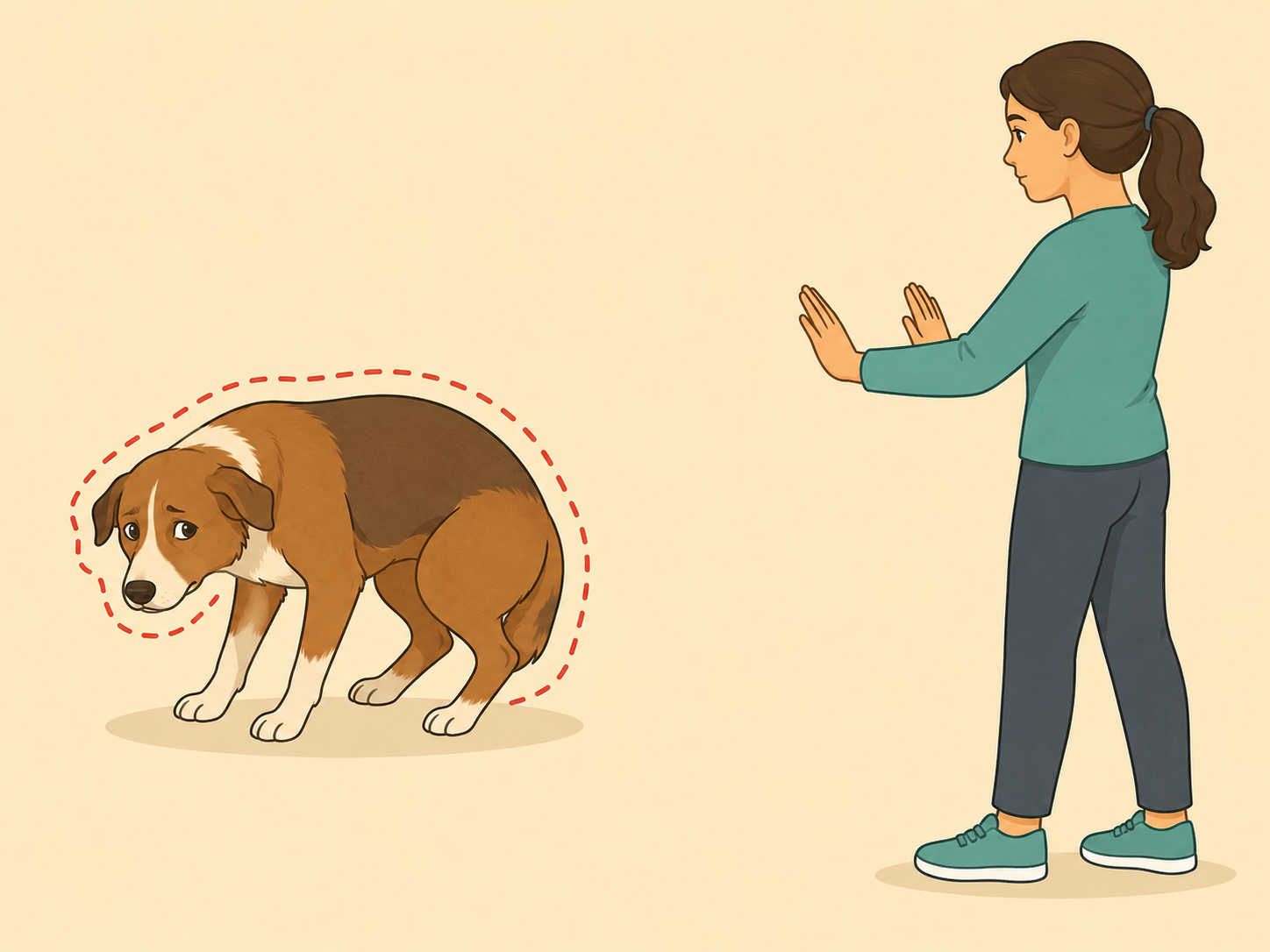
Watch for signs the sniffing is stress or overstimulation
Some sniffing is exploratory, but sudden frantic sniffing can also appear when a dog is unsure or trying to avoid conflict. VCA Animal Hospitals lists body-language clues such as yawning, nose licking, lowered posture, tucked tail, and avoiding eye contact as signs a dog may be cautious or stressed. If you see those signals, reduce pressure, increase distance, and let your dog settle.
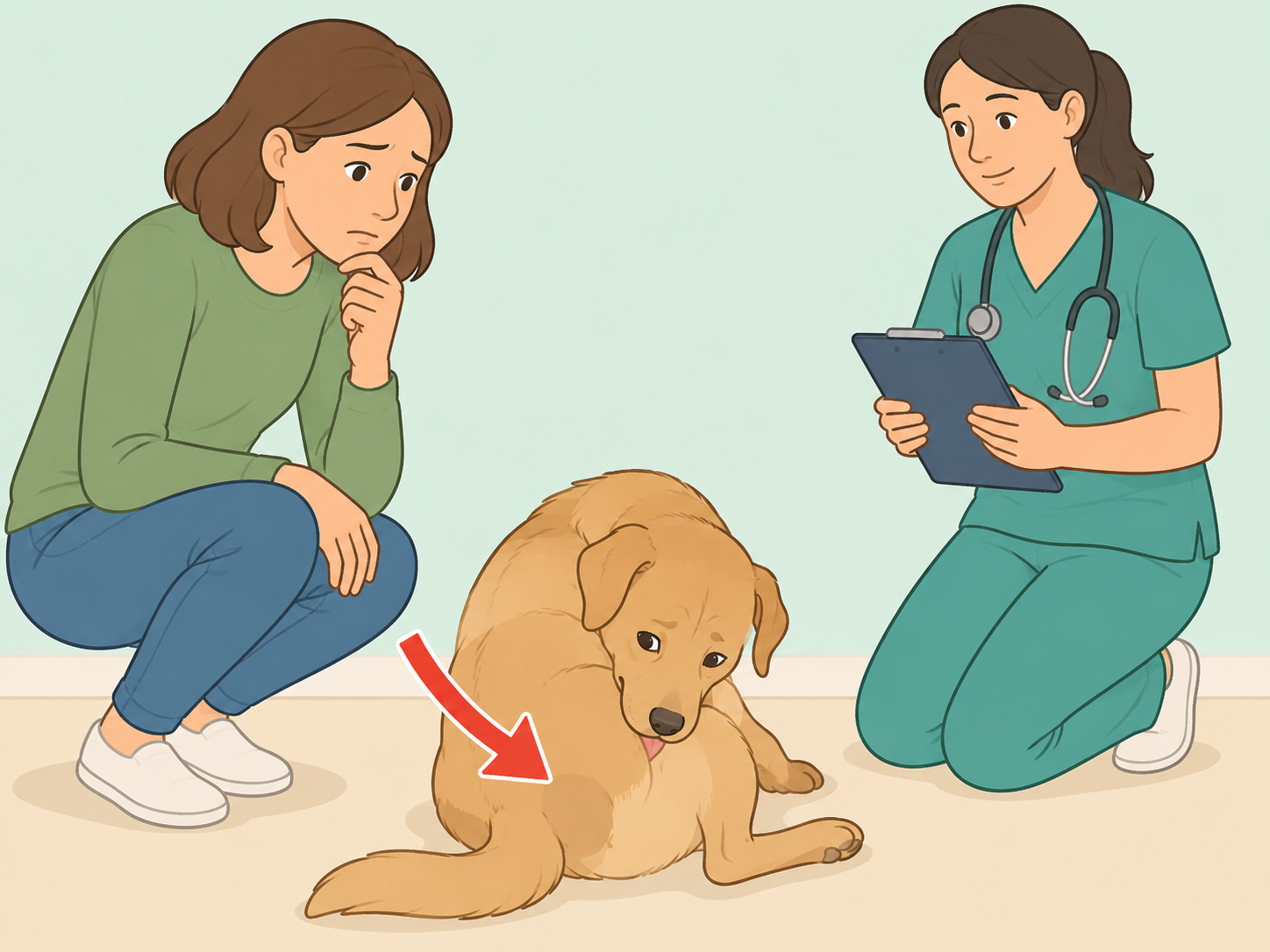
Call a veterinarian if sniffing comes with discomfort
Frequent rear-end sniffing, licking, scooting, a fishy odor, painful defecation, swelling, blood, or discharge can point to an anal sac or rectal problem rather than normal curiosity. Cornell’s canine health center says anal sacs can become impacted or infected, and the MSD Veterinary Manual notes that diagnosis usually involves a veterinary exam. Do not try repeated home treatment if your dog seems painful, unwell, or suddenly obsessed with the area.
Keep hygiene simple without punishing normal behavior
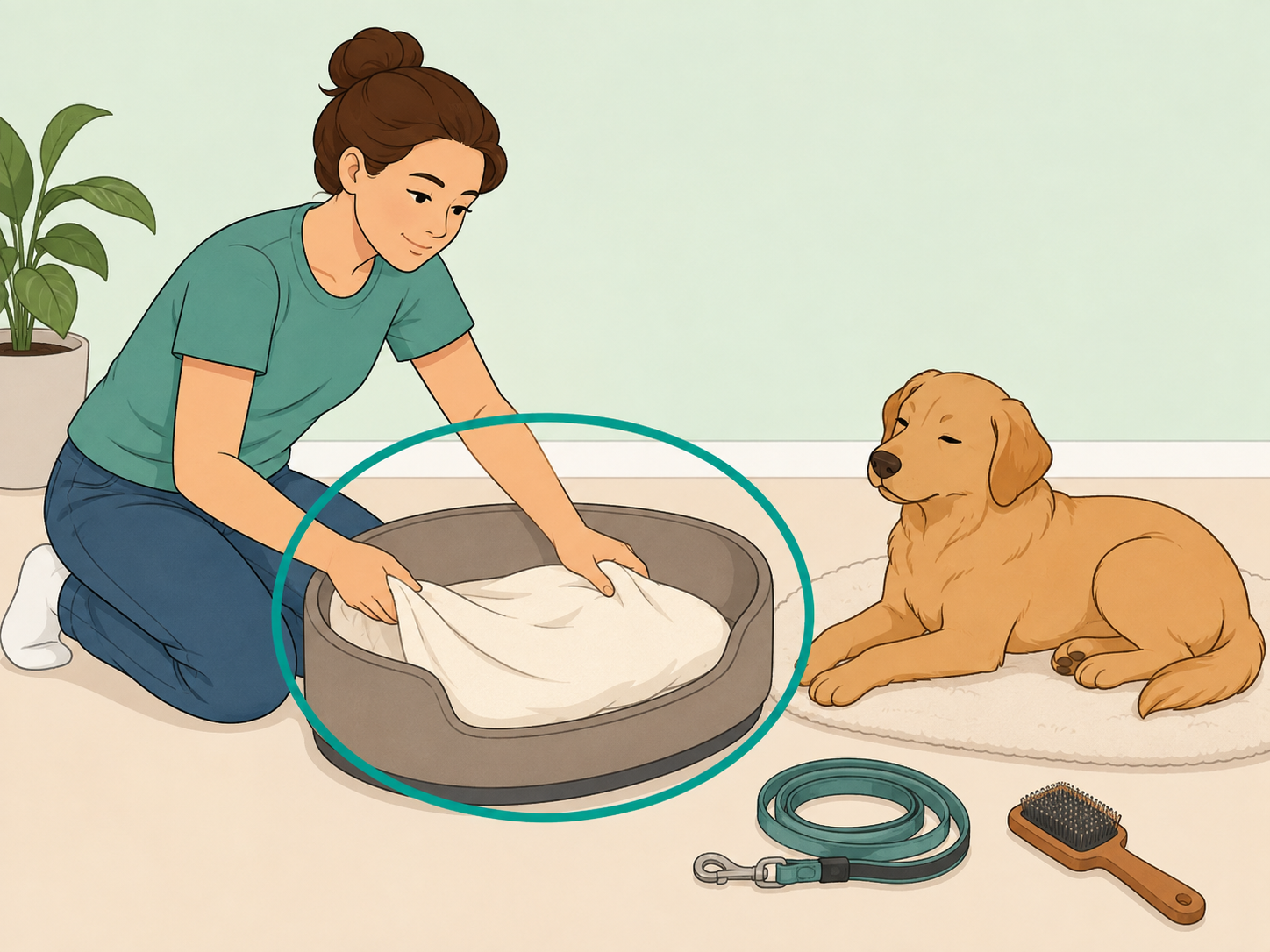
Regular bathing, clean bedding, and prompt cleanup of accidents can reduce lingering odors that invite repeated sniffing. Avoid punishing a dog for sniffing, because punishment can increase stress and does not teach the dog what to do instead. Use calm management, distance, and reward-based redirection so your dog learns polite boundaries while still meeting a normal scent need.
Summary
The bottom line: dogs sniff certain areas because scent is a major source of information for them. Let safe, relaxed sniffing happen, redirect intrusive greetings with a clear alternative, and get veterinary help if sniffing is paired with pain, scooting, discharge, odor, or sudden obsessive behavior.
Frequently Asked Questions
- Why do dogs sniff people’s private areas?
Dogs are drawn to strong body scents, and human groin areas contain concentrated scent glands. It is usually curiosity and greeting behavior, not rudeness or aggression.
- Should I let my dog sniff other dogs’ rear ends?
Brief sniffing is a normal dog greeting when both dogs are relaxed. Step in calmly if either dog looks tense, freezes, tucks the tail, pins the ears back, or tries to move away.
- Can dogs smell hormones or illness?
Dogs can detect many scent changes, but a pet dog’s sniffing should not be treated as a diagnosis. If you are worried about your health or your dog’s health, contact the appropriate medical or veterinary professional.
- How do I stop my dog from sniffing guests?
Redirect before the dog reaches the guest’s body. Ask for a sit, hand target, or treat scatter, and give the dog an appropriate object or hand to sniff instead.
- Why does my dog sniff one patch of grass for so long?
Grass, posts, and sidewalks can hold urine, animal scent, food odor, and environmental smells. To a dog, one small patch may contain a lot of information.
- When is sniffing a reason to call the vet?
Call a veterinarian if sniffing or licking is sudden, obsessive, or paired with scooting, pain, swelling, blood, discharge, a strong fishy odor, appetite changes, or trouble passing stool.
References
Reliable references aided in composing and refining this content.
- https://www.akc.org/expert-advice/advice/why-does-my-dog-sniff-everything
- https://www.akc.org/expert-advice/advice/dog-love-sniffing-human-crotches
- https://www.akc.org/expert-advice/training/why-do-dogs-sniff-butts
- https://www.vet.cornell.edu/departments-centers-and-institutes/riney-canine-health-center/canine-health-information/anal-sac-diseases
- https://www.msdvetmanual.com/dog-owners/digestive-disorders-of-dogs/disorders-of-the-rectum-and-anus-in-dogs
- https://vcahospitals.com/know-your-pet/canine-communication---interpreting-dog-language?hl=en_US