
 Pin it
Viral posts that say an older celebrity looks “frail” can make you curious, but they can also spread rumors or send readers toward unsafe links. A single photo is not enough to judge someone’s health, especially at an older age. This guide shows you how to respond carefully, verify what is real, and protect yourself online.
Pause before you click the comment link
Posts that say “see who it is in the first comment” are designed to make you act before you think. The FTC warns that scams commonly start on social media, including posts and ads that push people toward outside pages. Wait a moment and decide whether the link is worth trusting.

Check whether the source is reputable
Look for the same claim on a known news site, the celebrity’s verified account, or an official representative’s statement. If the only source is a recycled post, a vague caption, or a page full of pop-ups, treat it as unconfirmed. The FTC advises using websites and contact information you know are trustworthy instead of relying on unexpected links.
Separate facts from health guesses
It may be factual that an 87-year-old actor was photographed in New York, but it is not factual to diagnose them from one image. Words like “frail,” “sick,” or “near the end” can turn a public sighting into unsupported health speculation. Keep your own comments limited to what is actually known.
Understand what frailty can involve
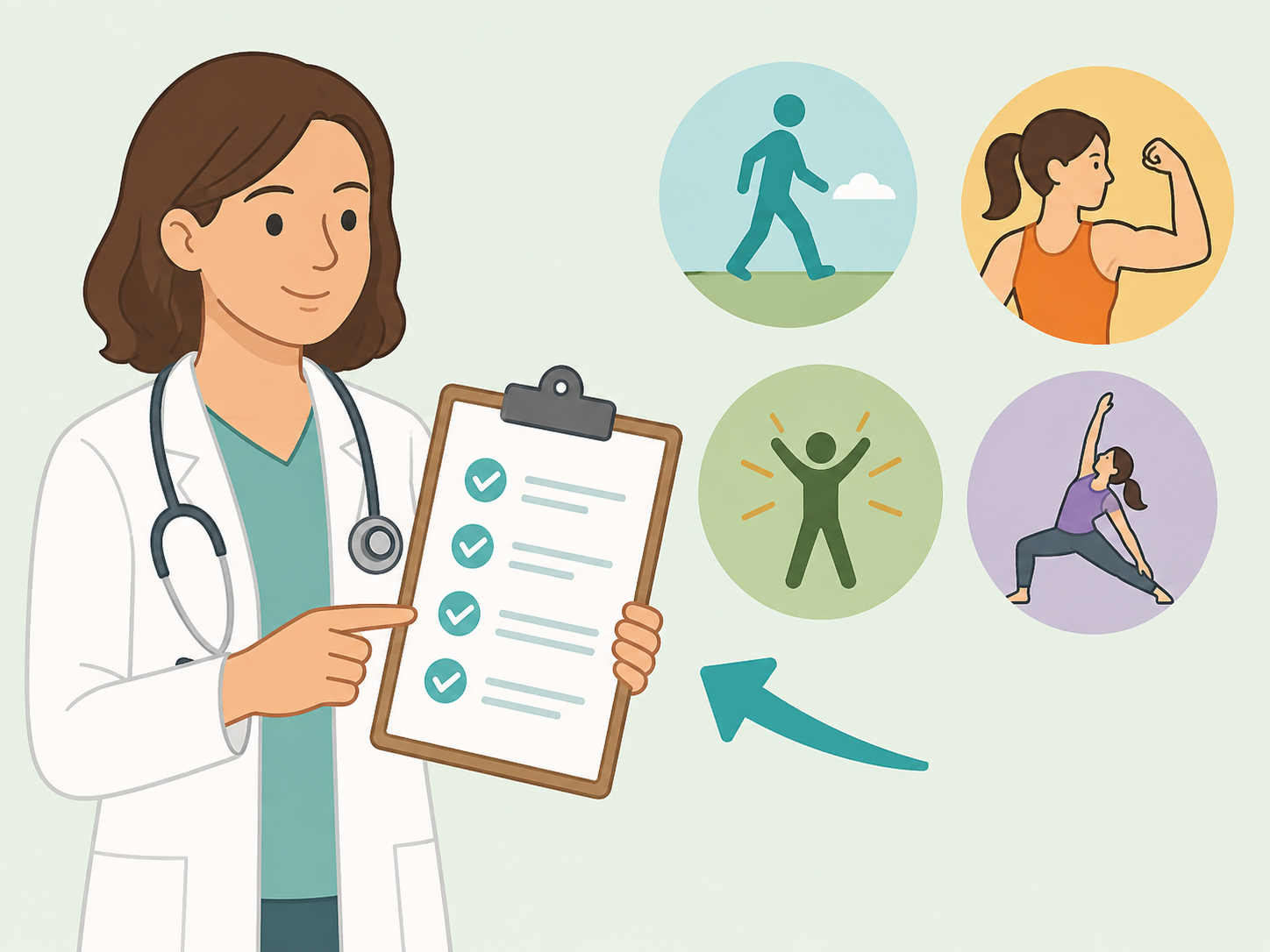
Frailty is more than “looking old”; clinical discussions of frailty often include patterns such as weakness, slower walking, exhaustion, low activity, and unintended weight loss. A medical guideline available through NIH’s PubMed Central describes frailty as something that should be identified and managed through proper assessment. That is why guessing from a street photo is unreliable.
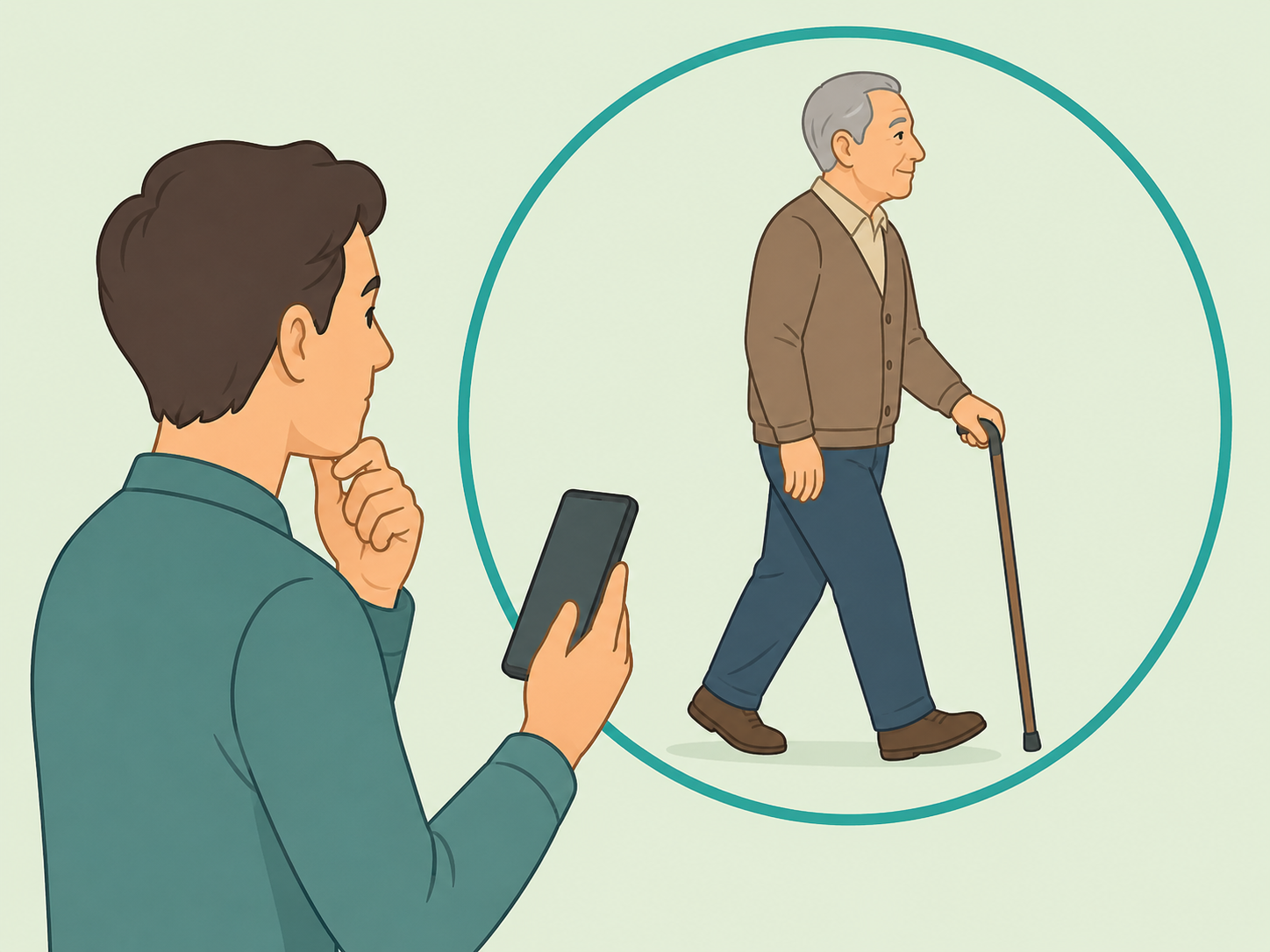
Avoid turning normal aging into a rumor
Older adults can have changes in energy, movement, weight, and posture for many different reasons. The National Institute on Aging explains that fatigue may come from sleep, stress, medications, chronic conditions, or other causes. A single public appearance cannot tell you which, if any, applies.
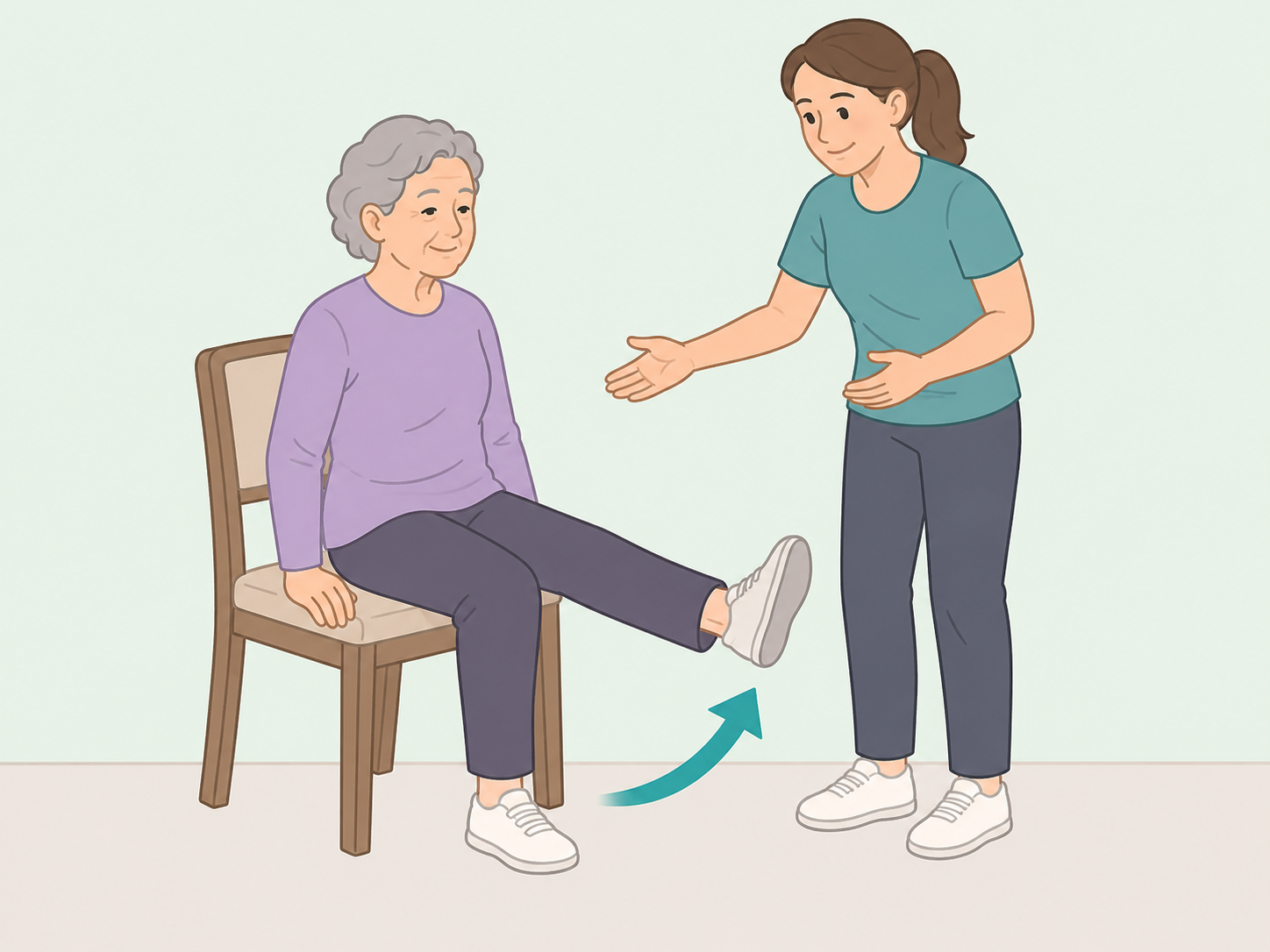
Use real health guidance for your own concerns
If the post makes you think about your own health or an older loved one’s health, shift from gossip to practical care. The National Institute on Aging says physical activity can support healthy aging, including strength, balance, sleep, and daily function. Ask a health professional before starting a new exercise plan if there are medical concerns.

Protect your personal information
Do not enter login details, payment information, or personal data on a page reached through a sensational post. The FTC warns that unexpected messages and links can be used to collect money or personal information. Close the page if it asks you to sign in, download something, or pay to keep reading.
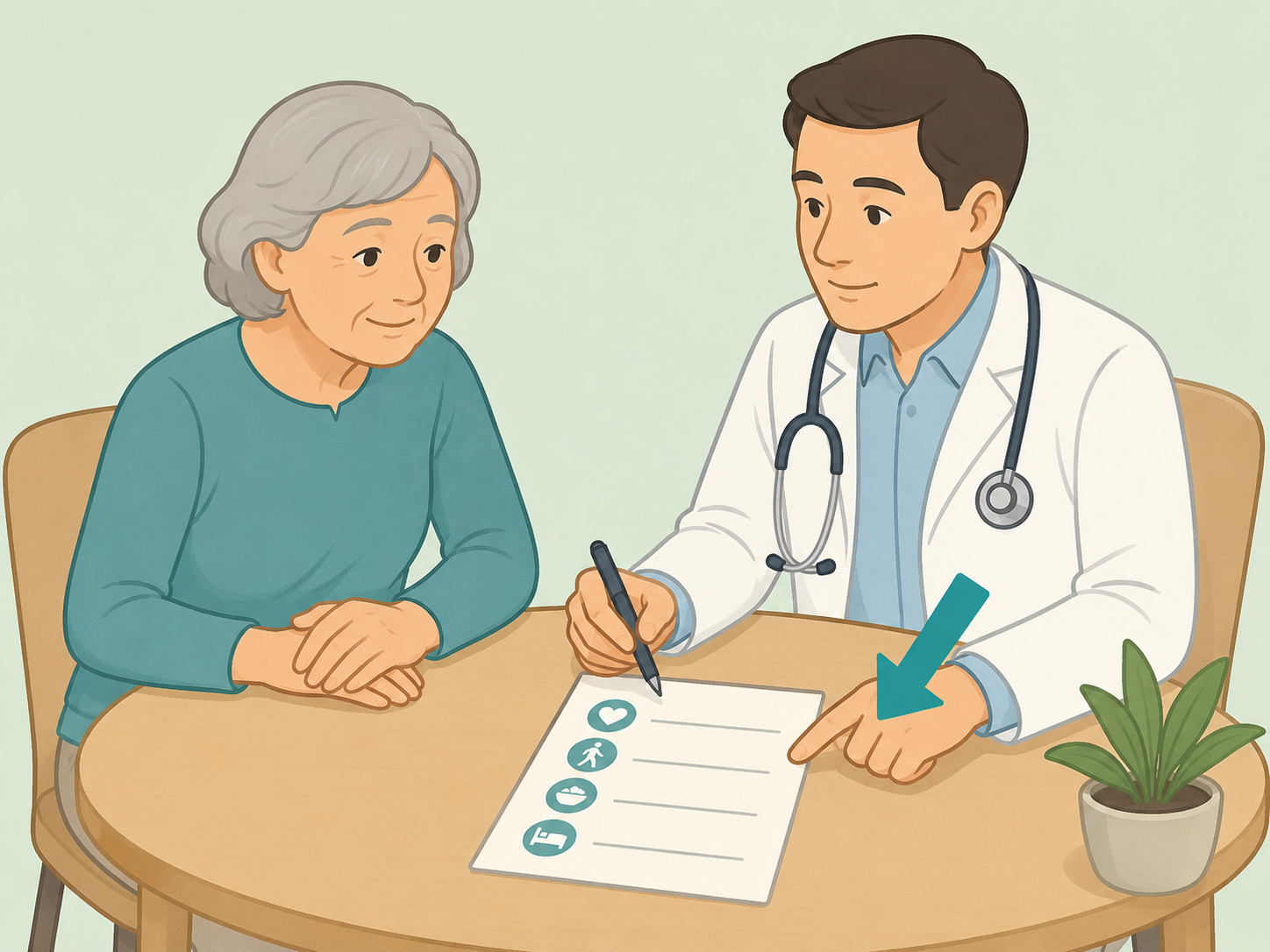
Seek medical help for real warning signs
If you or someone in your care has ongoing fatigue, new weakness, repeated falls, or unexplained weight loss, contact a doctor instead of searching for answers in celebrity posts. Mayo Clinic advises seeing a health professional for unexplained weight loss of more than 5% of body weight over 6 to 12 months. The right next step is a personal medical assessment, not online guessing.
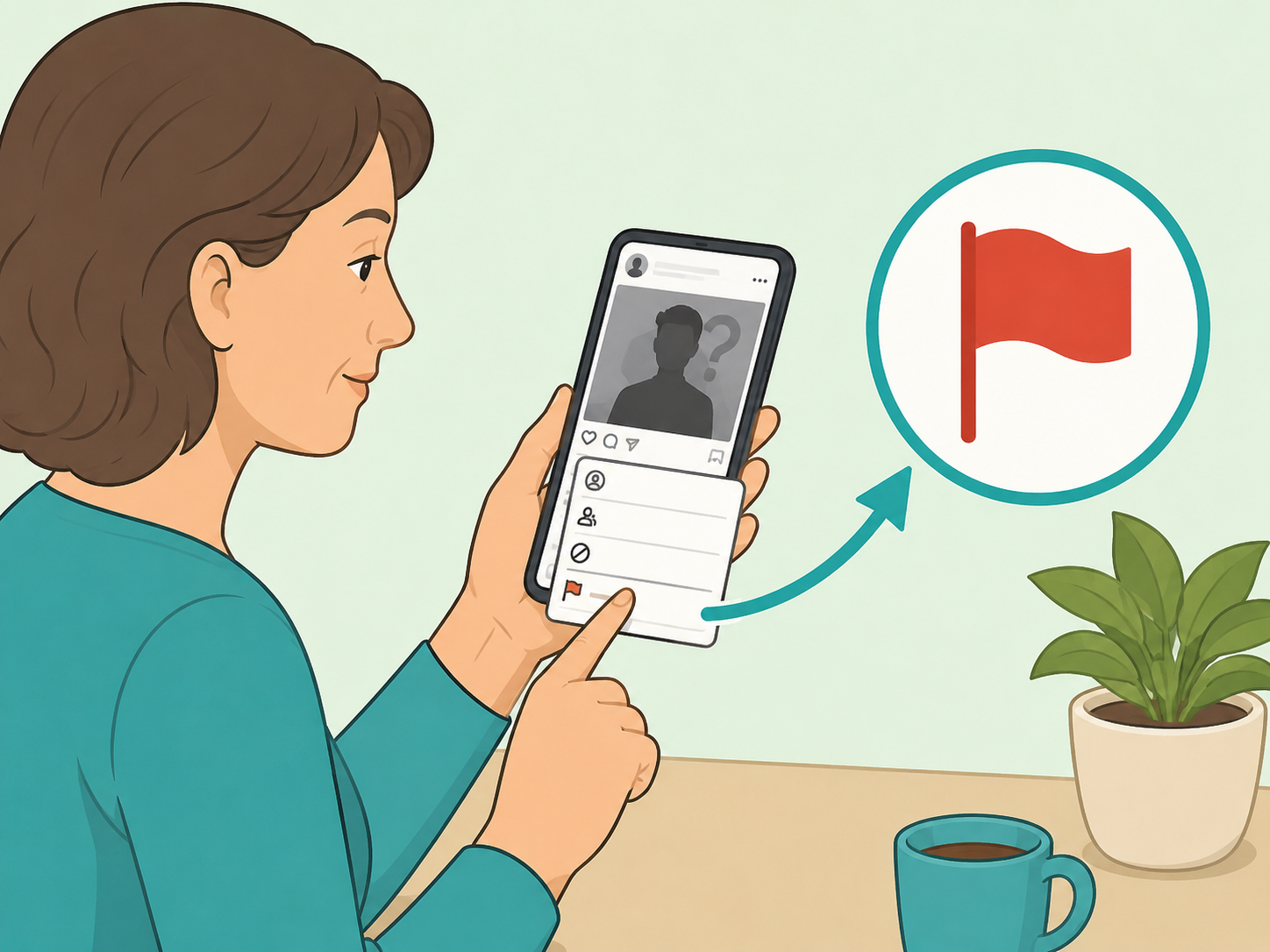
Report suspicious posts and move on
If the post looks deceptive, report it to the platform and avoid sharing it further. The FTC recommends reporting scams through official fraud-reporting channels when a social media post appears to be part of a scam. Moving on without clicking or commenting also reduces the chance that similar posts keep appearing in your feed.
Summary
The bottom line: do not diagnose anyone from a photo or reward bait-style posts with clicks. Check reputable sources, protect your personal information, and use real health guidance only for yourself or someone you are responsible for.
Frequently Asked Questions
- Can you tell who a celebrity is from a blurred viral photo?
Sometimes, but it is easy to be wrong. Treat mystery-photo posts as unverified until a reputable entertainment outlet, official account, or clear original source confirms the identity.
- Does looking thin or tired mean someone is frail?
No. A photo can show posture, lighting, clothing, or a brief moment, but it cannot diagnose frailty. Frailty is a health issue that should be assessed by qualified professionals, not guessed from social media.
- Is it safe to click a link in the first comment?
Be cautious. Posts that push you to the comments or an outside site can lead to low-quality pages, fake ads, or scams. Verify the story elsewhere before clicking.
- What should I do if a celebrity post asks me to log in or pay?
Close the page. Do not enter passwords, payment details, Social Security numbers, or banking information through a link that came from a viral post.
- When should an older adult talk to a doctor about frailty concerns?
An older adult should contact a health professional about persistent fatigue, unexplained weight loss, new weakness, repeated falls, or a clear change in daily function.
- Can exercise help older adults stay stronger?
Physical activity can support strength, balance, sleep, mood, and daily function for many older adults. Anyone with health concerns should ask a doctor what activities are safe for their situation.
References
Reliable references aided in composing and refining this content.
- https://consumer.ftc.gov/consumer-alerts/2026/04/how-spot-top-scams-started-social-media
- https://consumer.ftc.gov/features/pass-it-on/impersonator-scams/business-impersonator-scams
- https://consumer.ftc.gov/articles/how-avoid-scam?linkId=202651137
- https://www.nia.nih.gov/health/fatigue/fatigue-older-adults
- https://www.nia.nih.gov/health/exercise-and-physical-activity/health-benefits-exercise-and-physical-activity
- https://www.mayoclinic.org/symptoms/unexplained-weight-loss/basics/causes/sym-20050700
- https://pmc.ncbi.nlm.nih.gov/articles/6800406