
 Pin it
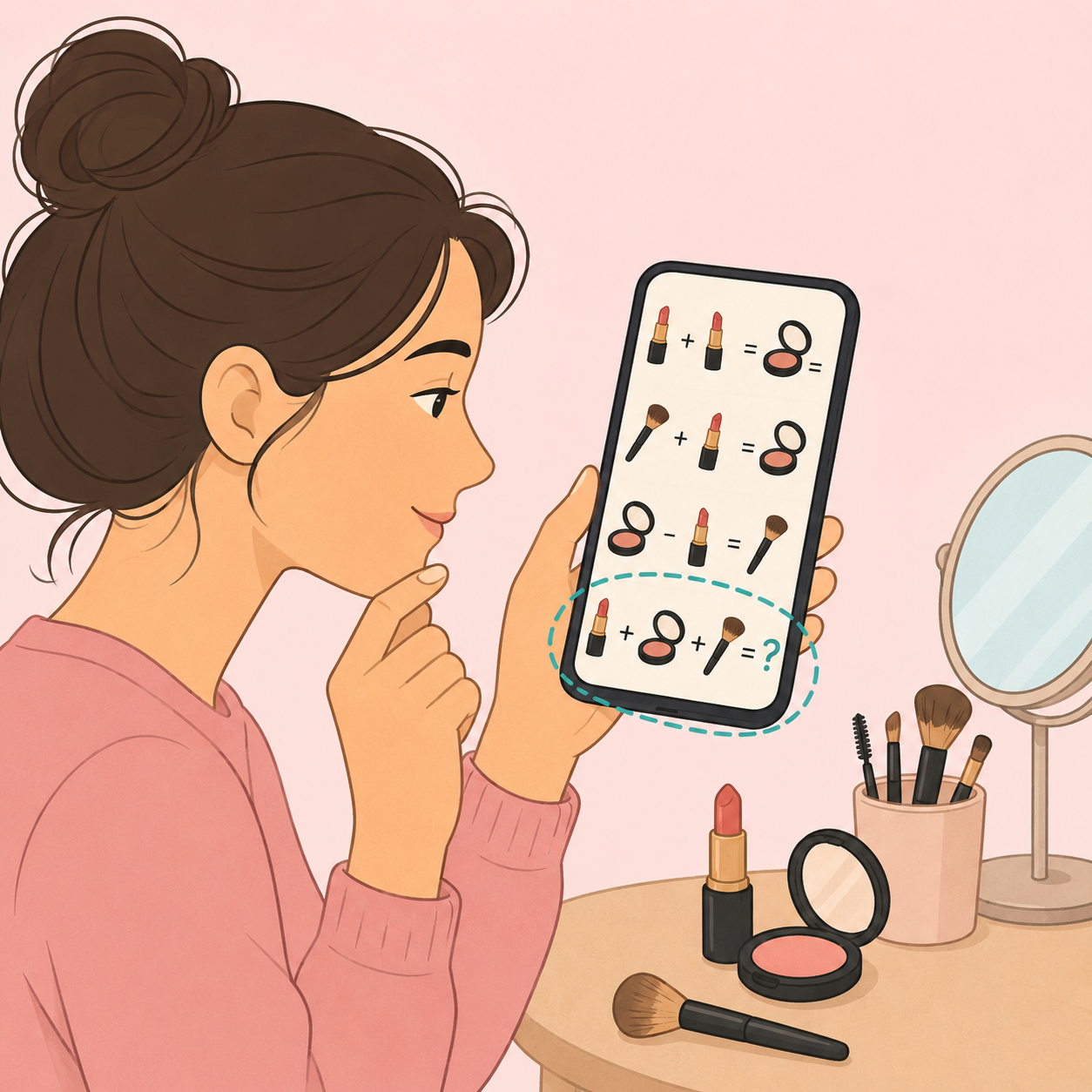
Viral beauty math puzzles often look simple because they use familiar icons like lipstick, brushes, or palettes instead of a normal equation. The trap is usually not the beauty theme; it is the order in which you do the operations. This guide shows you how to slow down, apply the standard order of operations, and check your answer before sharing it.
Read the whole puzzle before answering
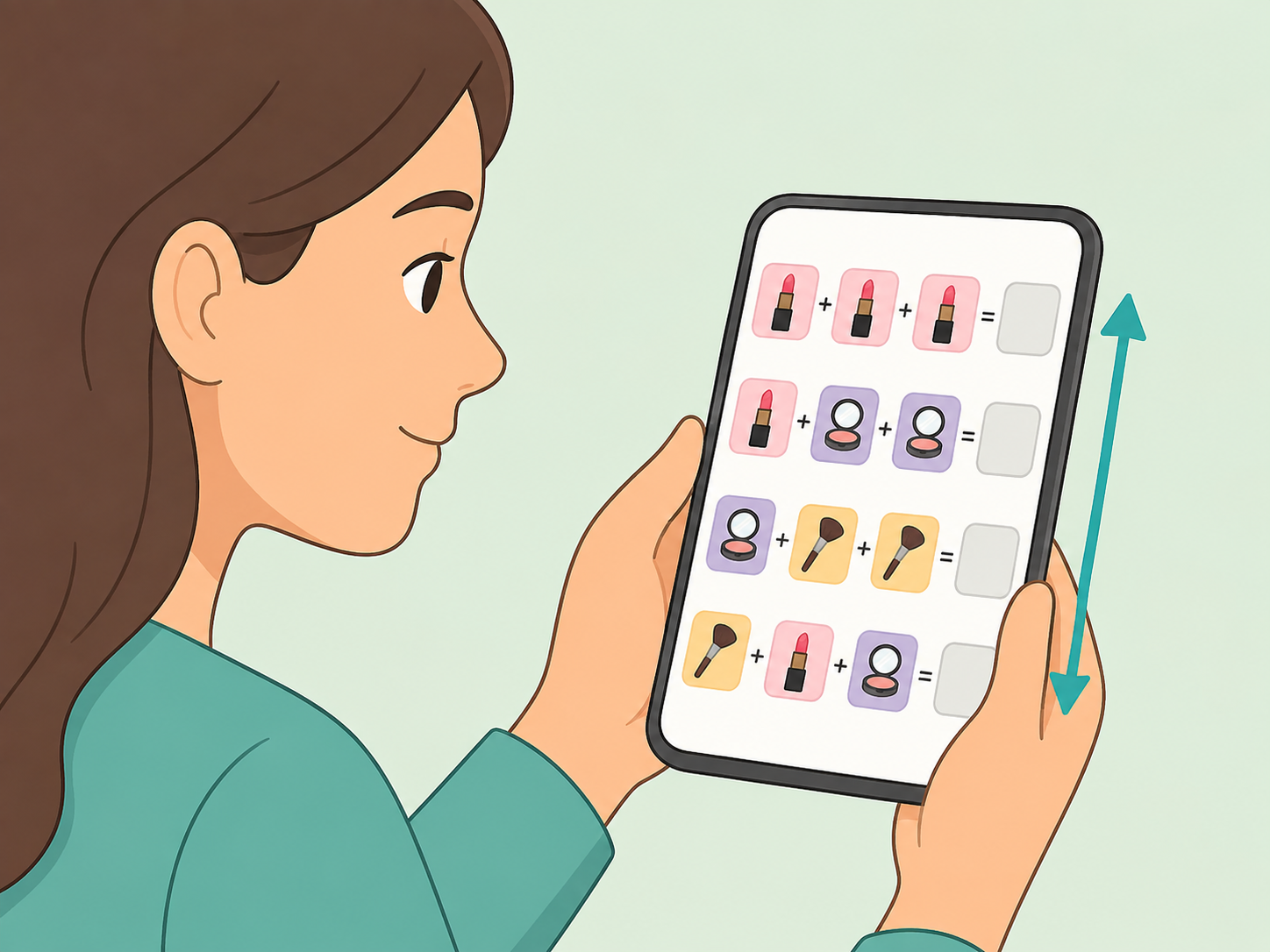
Look at every line, not just the final question. Viral beauty puzzles often establish the value of a lipstick, brush, or palette in earlier lines, then combine those symbols in the last line. Treat the final line as a normal math expression once the symbol values are clear.
Replace each beauty symbol with its value
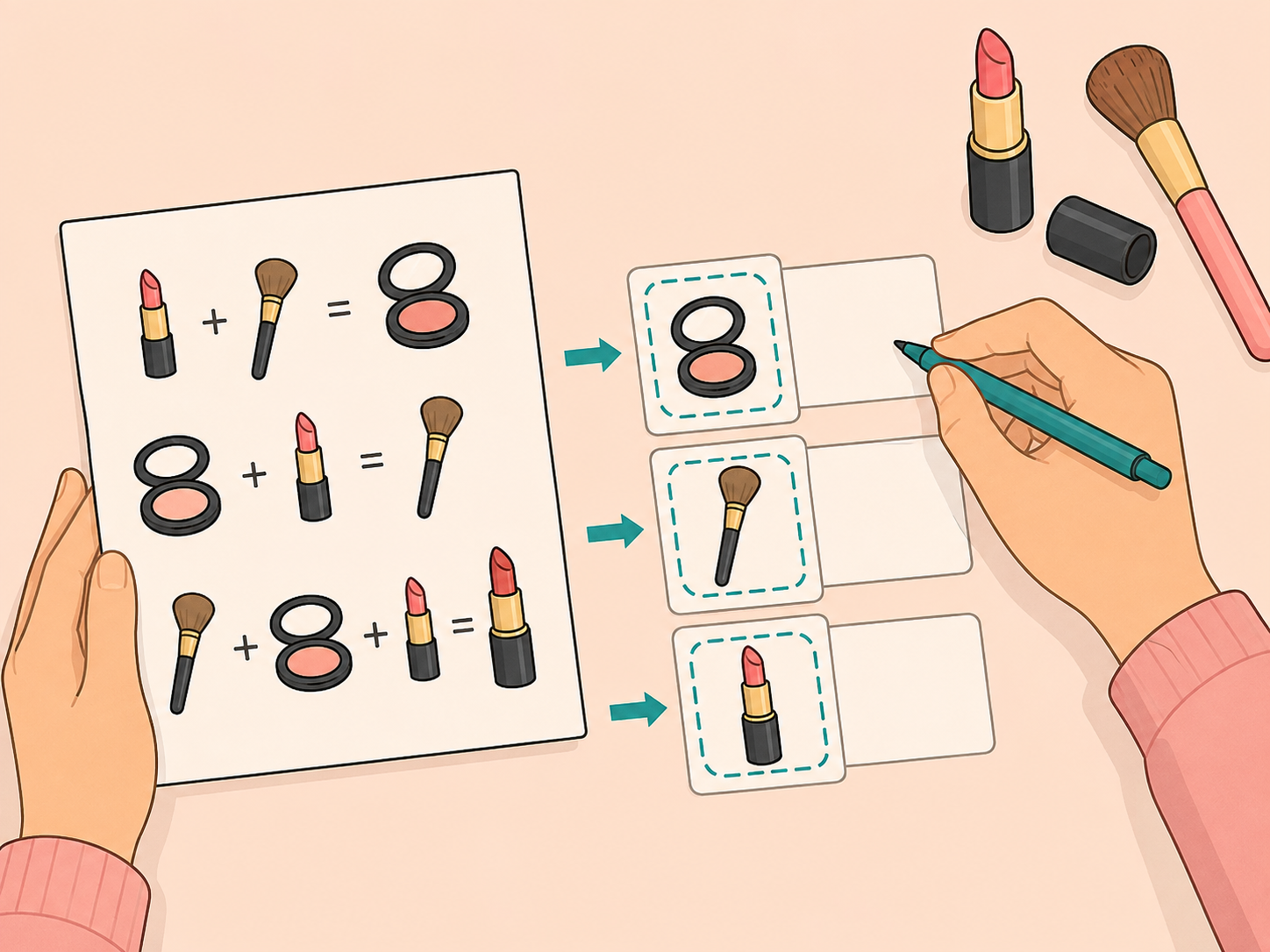
Write the number value under each symbol before you start calculating. If the puzzle shows a changed symbol, such as two brushes instead of one, account for that difference instead of copying the old value blindly. Rewriting the line makes it easier to apply the standard order of operations.
Do anything inside grouping symbols first
Parentheses, brackets, fraction bars, and similar grouping marks tell you what to simplify first. University of Nebraska-Lincoln math materials explain that you should start with the innermost grouping symbols and work outward. Do not multiply, divide, add, or subtract outside the group until the group is simplified.
Handle exponents before multiplying
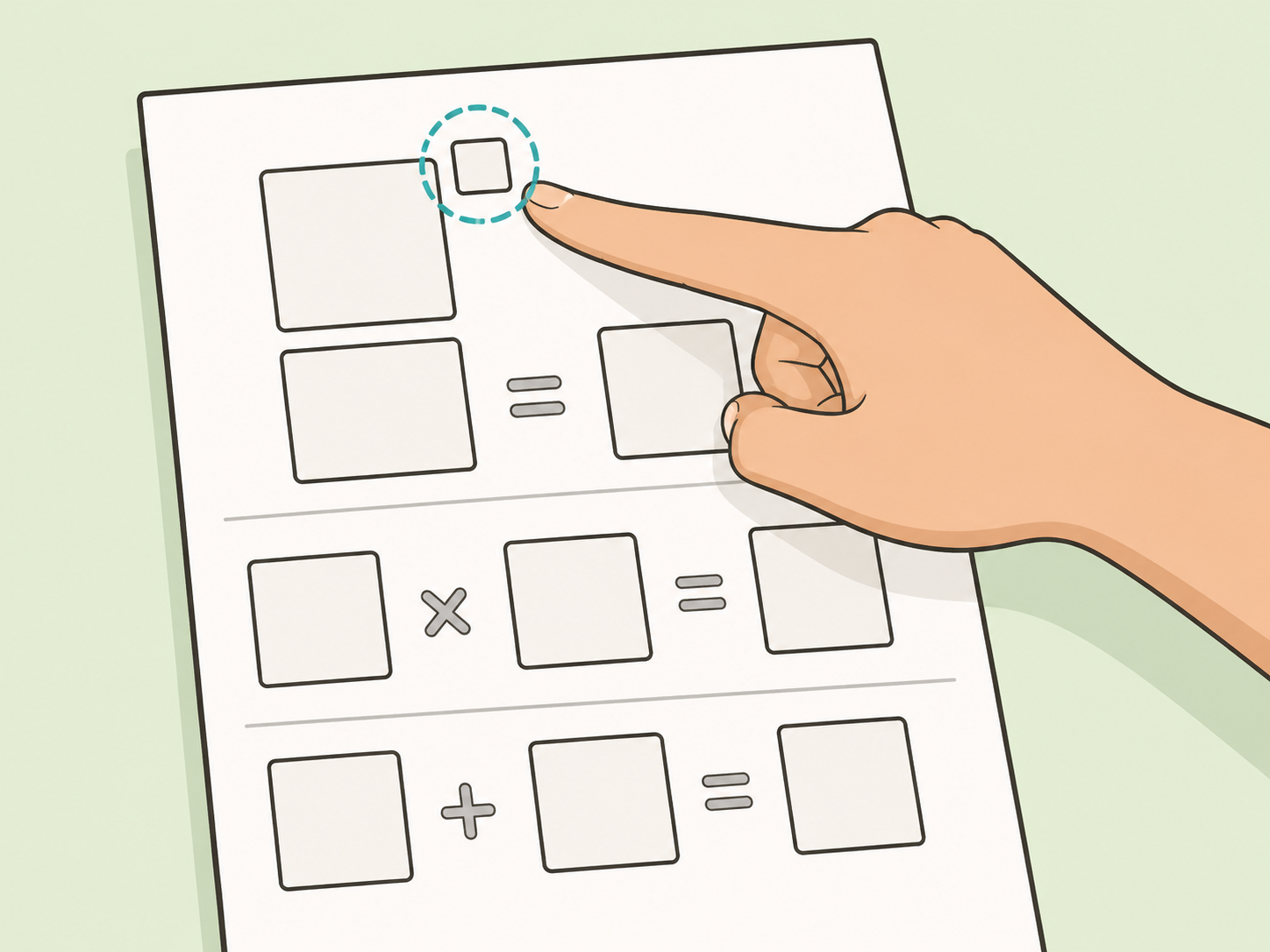
If the puzzle includes a power, square, or root, simplify that part before multiplication, division, addition, or subtraction. Math Is Fun summarizes PEMDAS as parentheses first, then exponents, then multiplication or division, then addition or subtraction. Skipping this step is a common reason a short viral expression gets several different answers.
Work multiplication and division from left to right
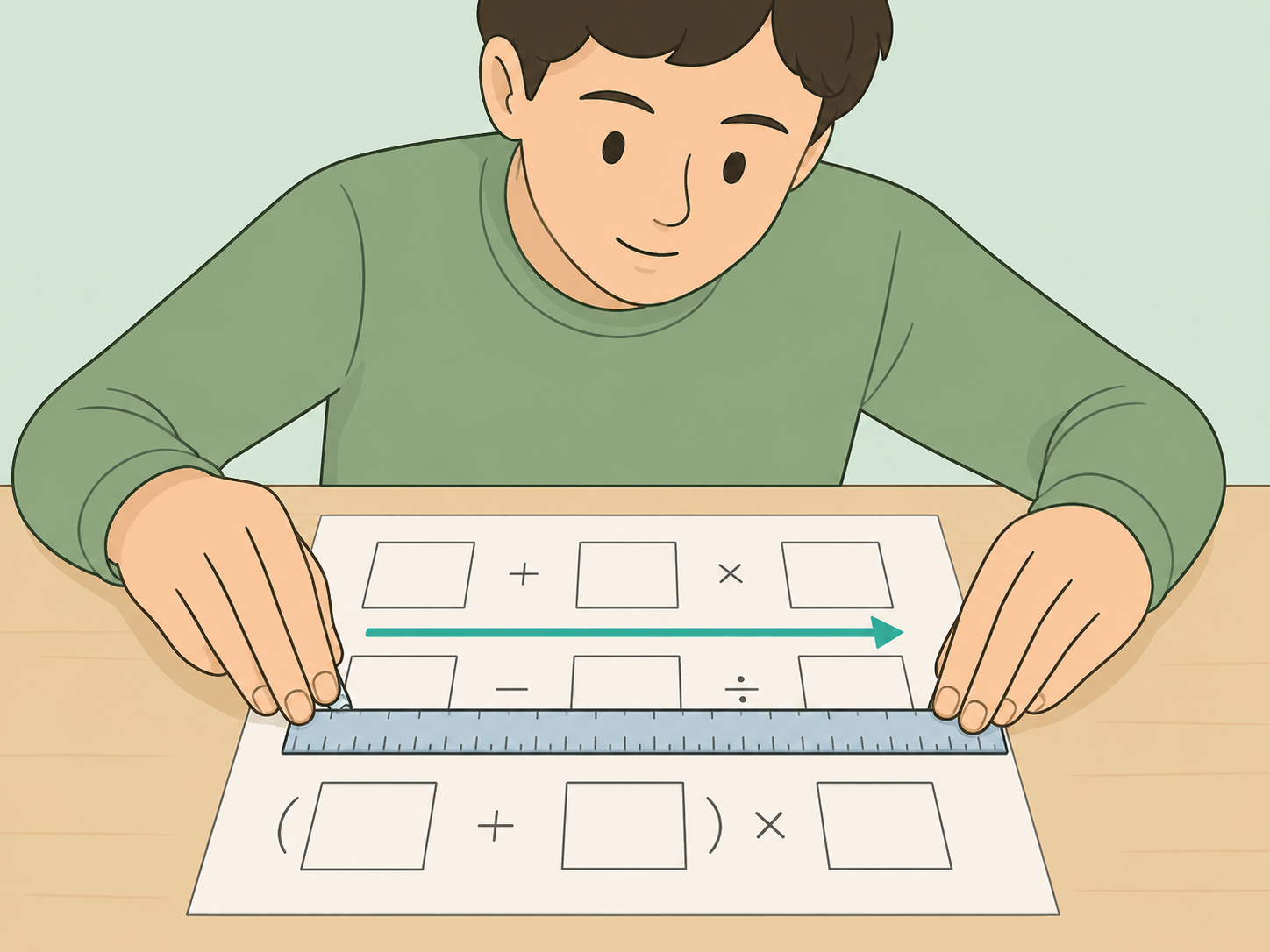
Do not treat multiplication as automatically more important than division. Khan Academy notes that multiplication and division sit on the same level, so you solve them in the order they appear from left to right. This is the classic PEMDAS trap in many viral posts.
Work addition and subtraction from left to right
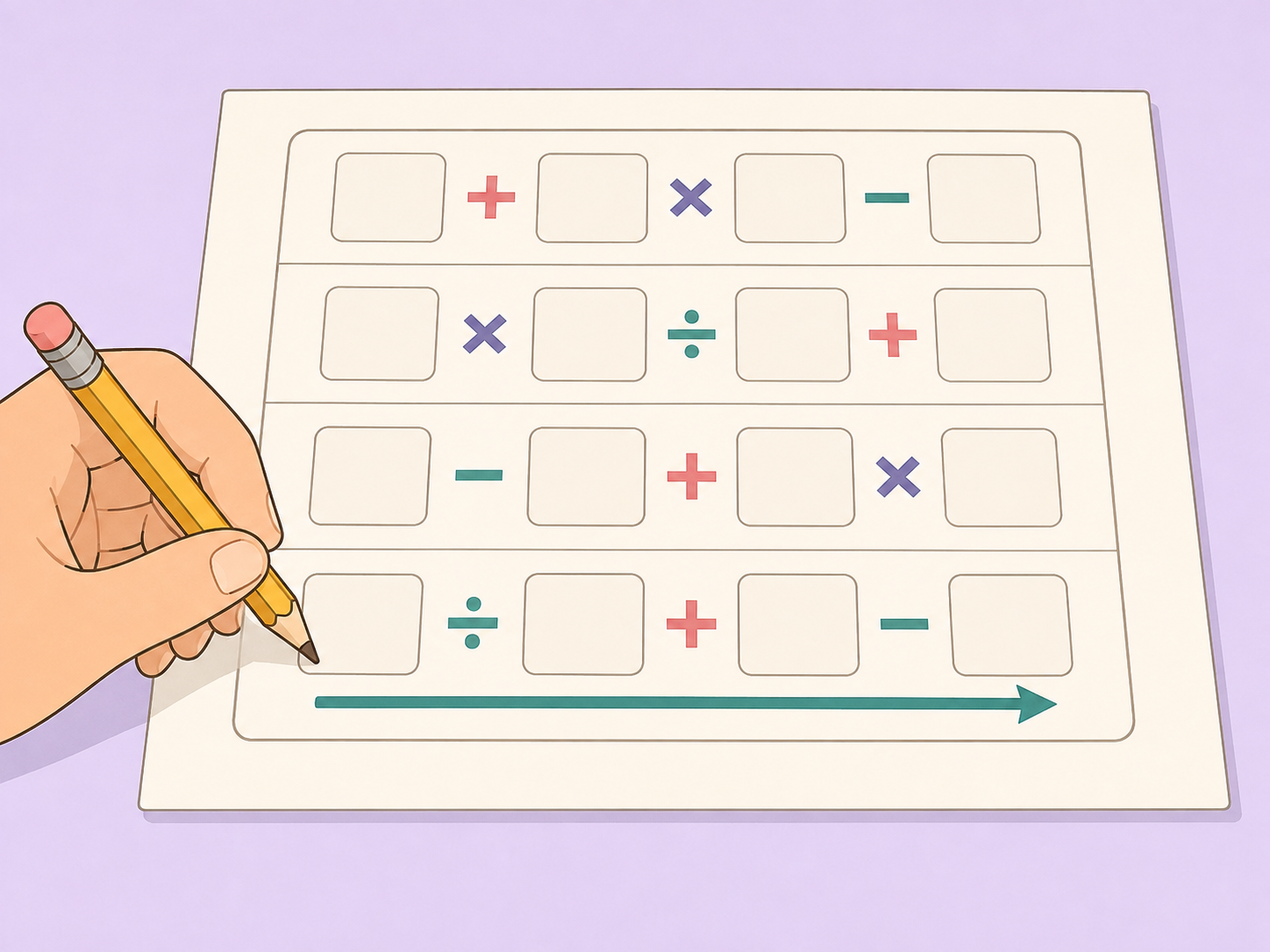
After grouping symbols, exponents, multiplication, and division are done, finish with addition and subtraction from left to right. These two operations also have equal priority, as shown in OpenStax order-of-operations examples. If you subtract before an earlier addition just because the minus sign looks more important, you can change the answer.
Be careful with implied multiplication
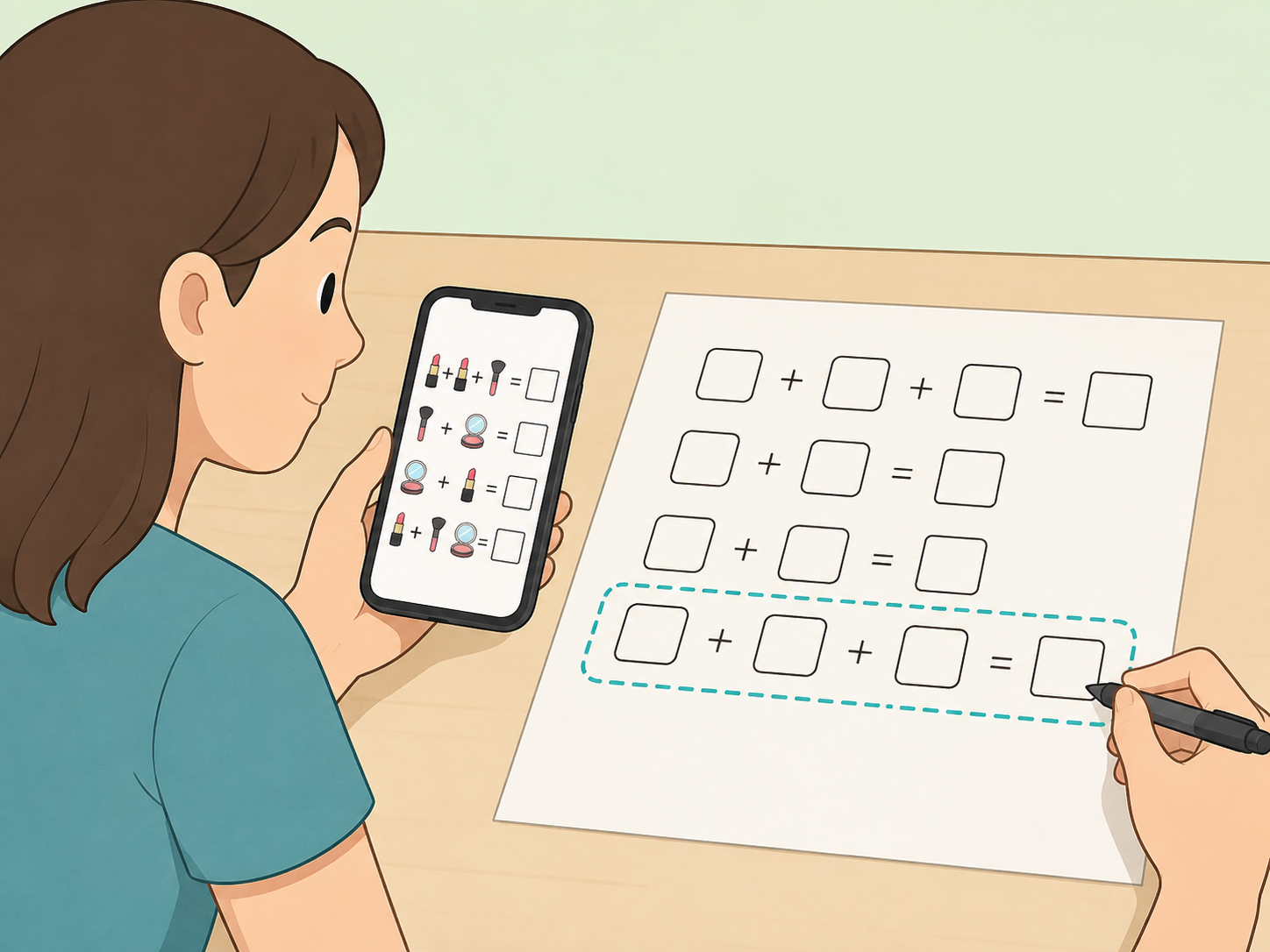
Some viral puzzles place a number next to a group or icon without a visible multiplication sign. In standard notation, parentheses can be used to show an operation that should happen before the usual order, and OpenStax explains that grouping symbols take priority. If the post is unclear about whether two symbols mean one item or a multiplied pair, state your interpretation when you answer.
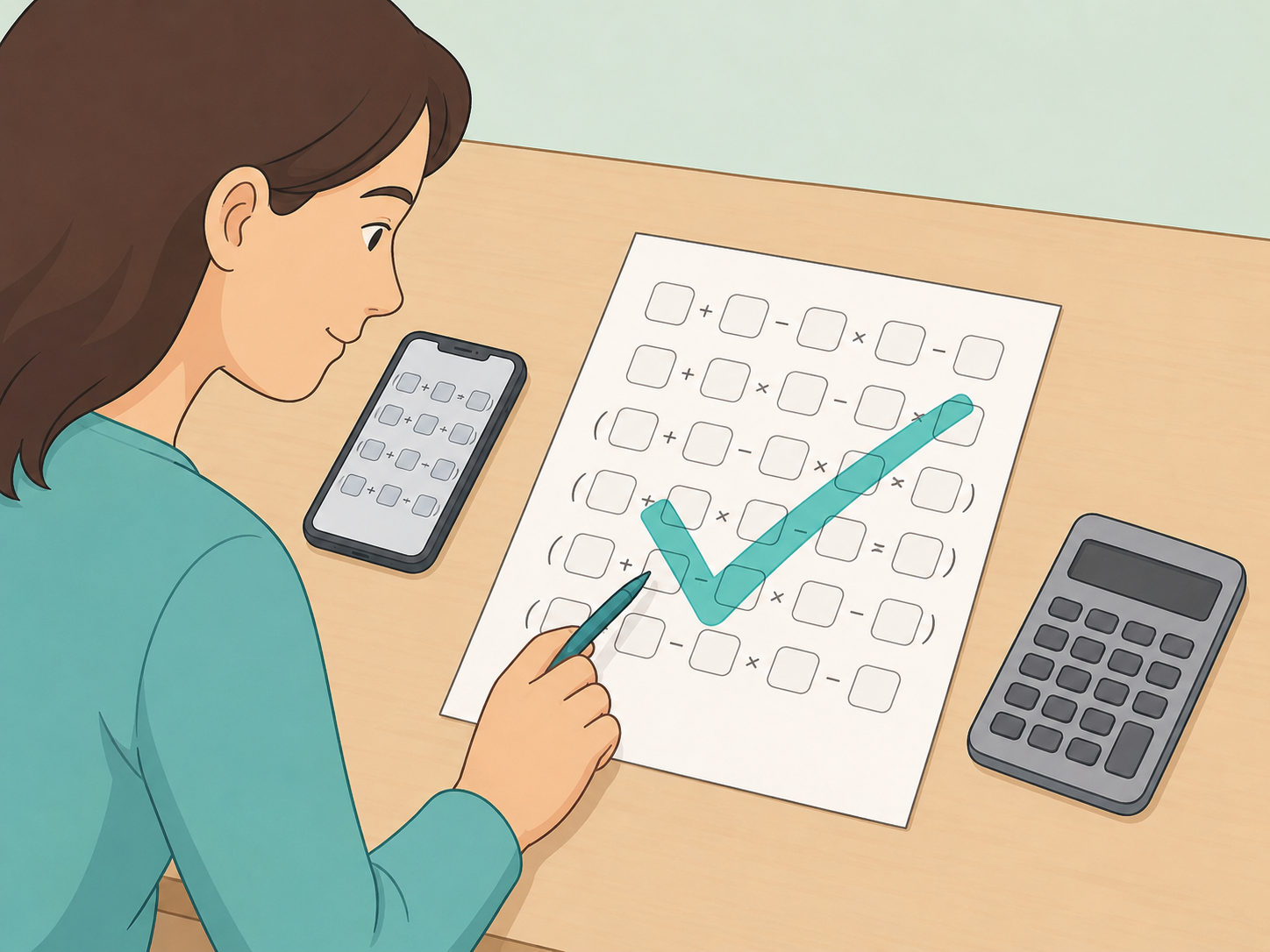
Check the answer before you post it
Run through the expression one final time and make sure each line uses only one operation step at a time. If you used a calculator, confirm that you entered the same grouping symbols and order the puzzle intended. A calm recheck matters because, as UNL notes, using different operation orders can lead to very different results.
Summary
The bottom line: treat the viral puzzle like any other arithmetic expression. Identify what each symbol means, follow grouping symbols and order of operations, and work left to right when operations have the same priority.
Frequently Asked Questions
- Why do people get different answers to the same viral math puzzle?
- Most wrong answers come from doing the operations in a different order or reading a crowded expression differently. OpenStax explains that a shared order of operations keeps the same expression from producing several answers.
- Does PEMDAS mean multiplication always comes before division?
- No. Multiplication and division have the same priority, so you do whichever one appears first as you move left to right. The same idea applies to addition and subtraction.
- What should I do if the puzzle uses beauty icons instead of numbers?
- First find or solve for the value of each icon, then rewrite the final line with numbers. Once the icons are replaced, use normal order of operations.
- Are brackets and parentheses the same for these puzzles?
- For basic arithmetic puzzles, both are grouping symbols. Work inside the innermost grouping symbols first, then move outward before handling the rest of the expression.
- Can a calculator settle the answer?
- A calculator can help, but only if you enter the expression exactly as intended. If the original puzzle is visually ambiguous, rewrite it with clear parentheses before checking it.
- What is the fastest way to avoid the trap?
- Before calculating, circle grouping symbols, underline multiplication and division, and mark addition and subtraction last. This short pause catches most viral puzzle mistakes.
References
Reliable references aided in composing and refining this content.
- https://www.mathsisfun.org/operation-order-pemdas
- https://mathbooks.unl.edu/PreCalculus/Numbers-and-Operations.html
- https://openstax.org/books/algebra-and-trigonometry/pages/1-1-real-numbers-algebra-essentials
- https://openstax.org/books/contemporary-mathematics/pages/3-3-order-of-operations
- https://www.khanacademy.org/math/pre-algebra/pre-algebra-arith-prop/pre-algebra-order-of-operations/v/order-operations-intro