
 Pin it
Posts that say old classmates are now famous can be fun, but they can also be mislabeled, edited, or shared without context. Before you repost a viral photo, take a few minutes to check where it came from and whether the claim is supported. This guide shows you how to verify the image, the caption, and the people named in it.
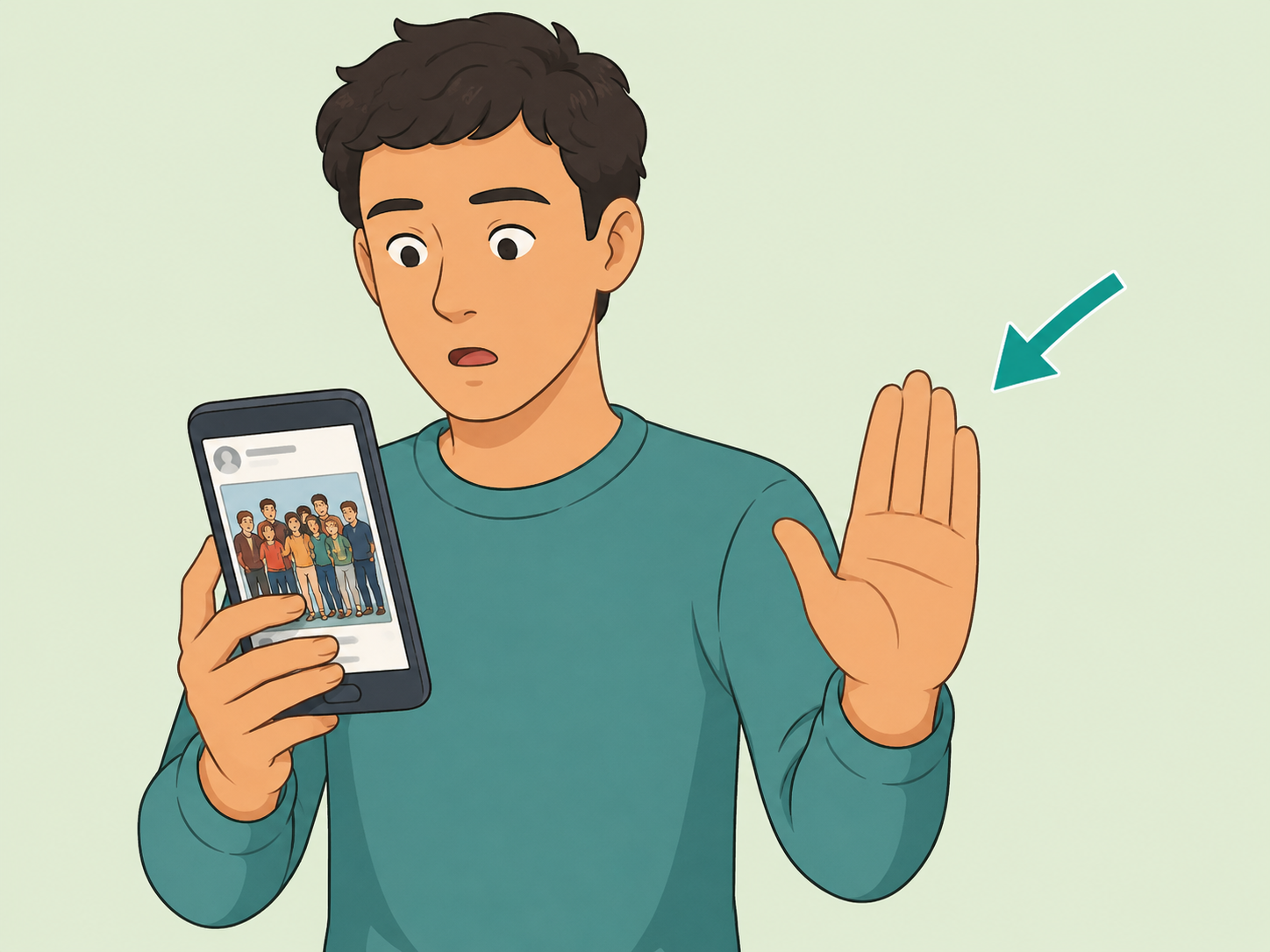
Pause before reacting to the caption
Read the post as a claim, not as proof. Stanford’s digital literacy guidance recommends noticing emotional reactions and using verification skills when online claims feel surprising or manipulative, especially with viral images and headlines. Start by asking what the post wants you to do, a question the FTC recommends for judging media messages: think critically about the message.
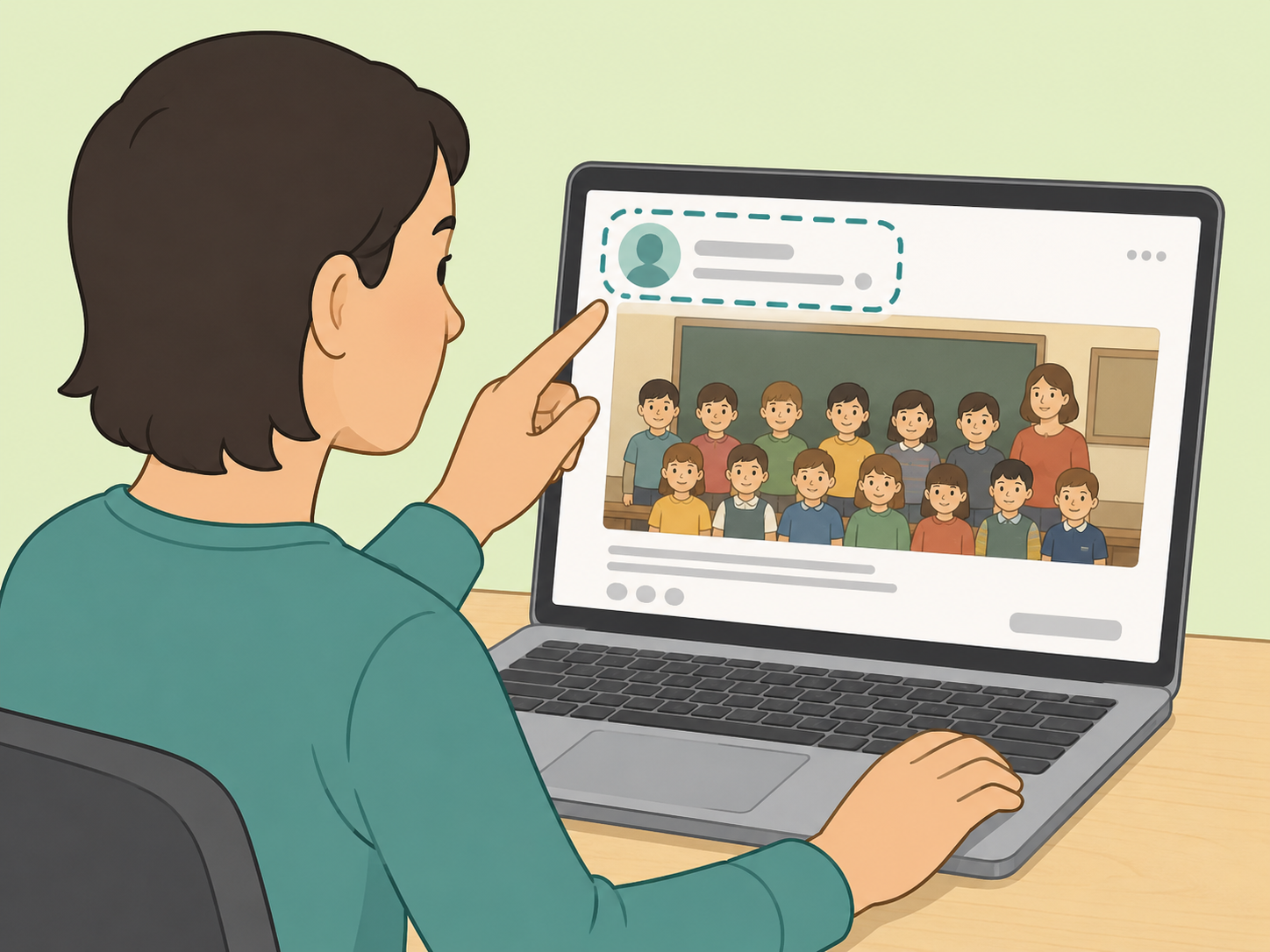
Find the earliest version you can access
Open the post, image page, or account that first shared it instead of relying on a screenshot. Check the date, caption, comments, tags, and whether the uploader gives a school name, event, year, or source. The FTC reminds readers that online photos and messages can affect people’s privacy and reputation, so slow down before you repost a claim about real people from an old photo: stop and think before you share.
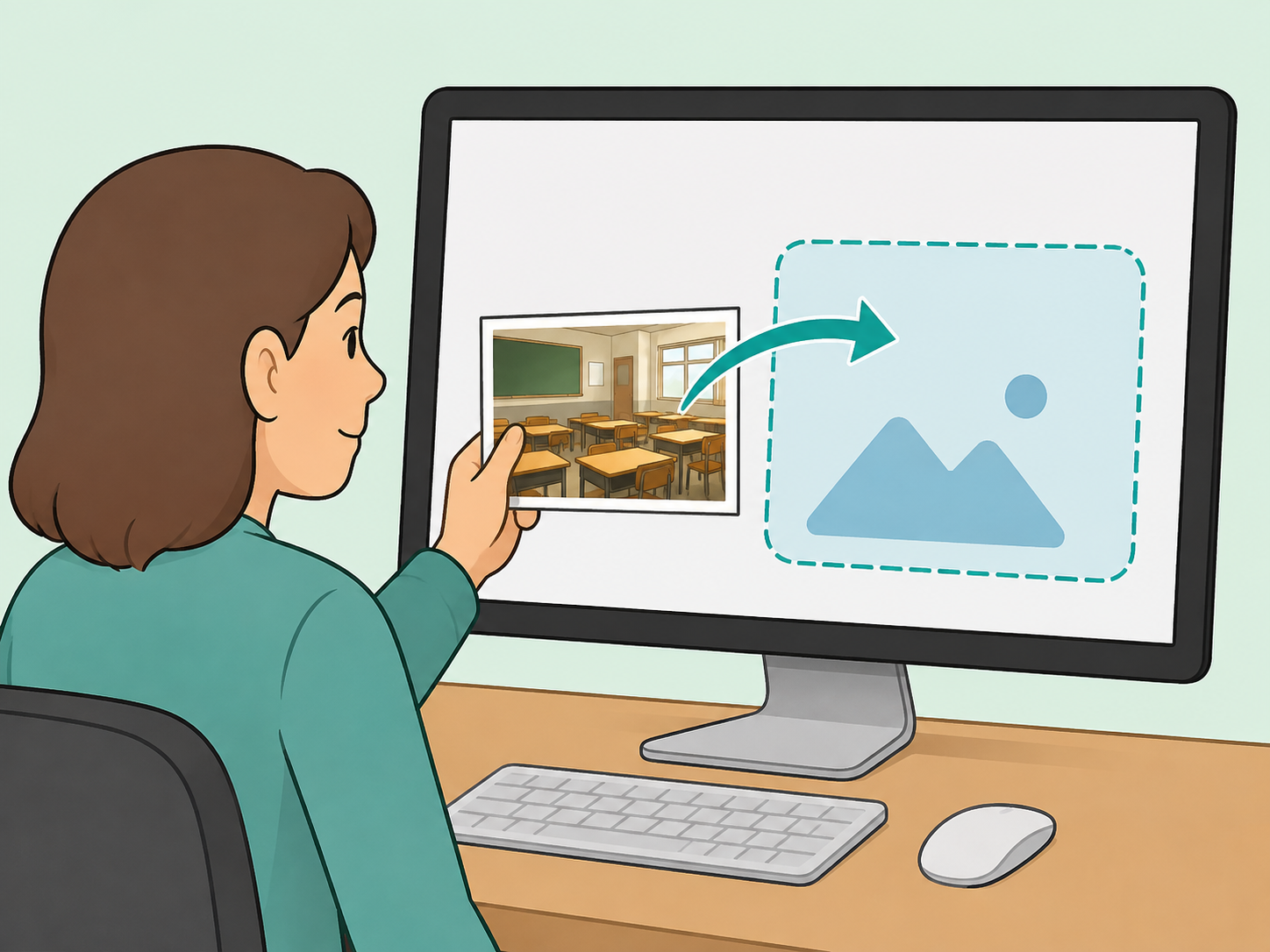
Run a reverse image search
Use Google Lens or another reverse image tool to search with the picture instead of typing only the caption. Google explains that image search results may show websites with the same or similar image, related objects, and other visual matches: search with an image on Google. If possible, search both the full image and a cropped version focused on the faces or setting.
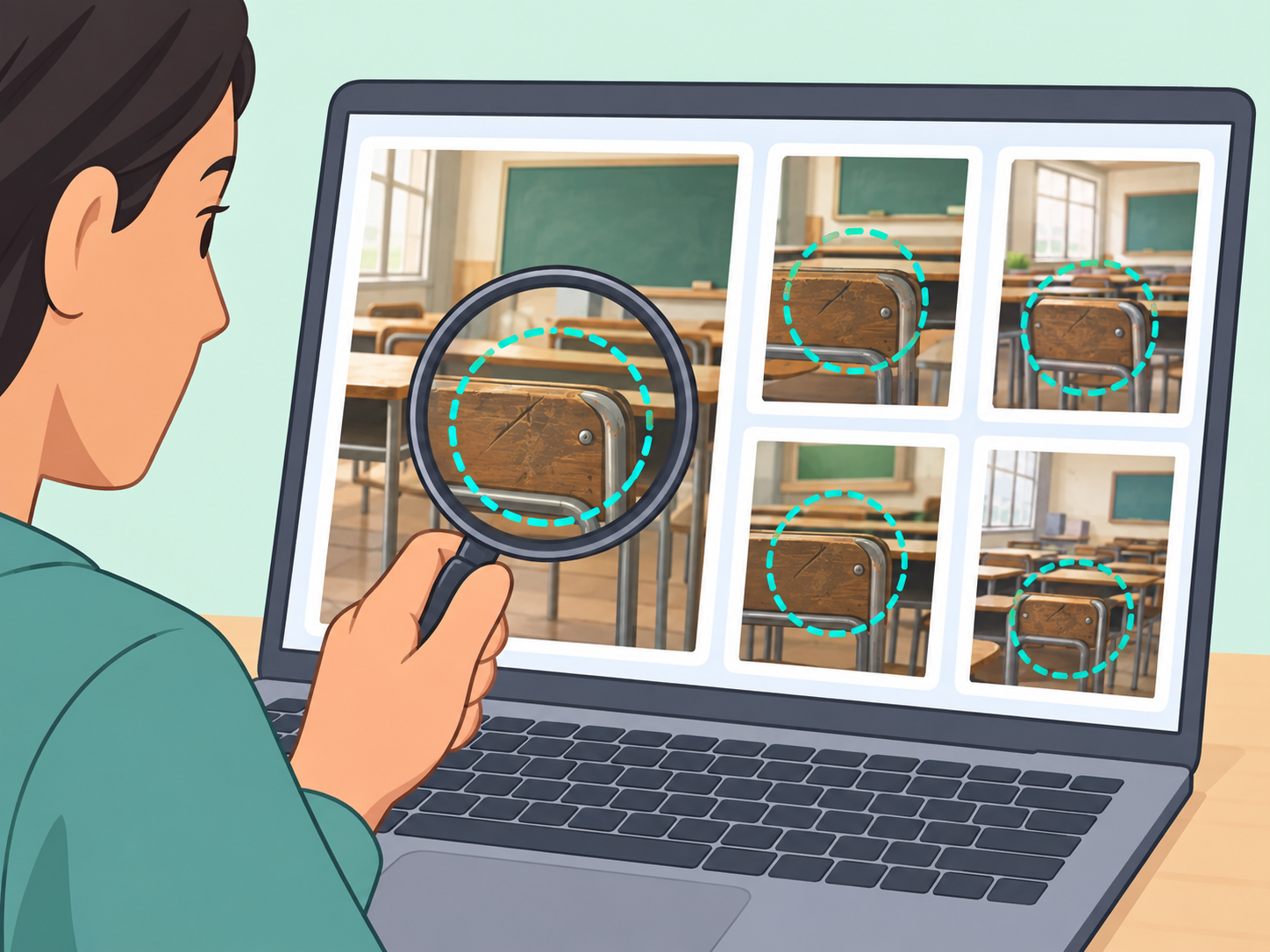
Compare matching results carefully
Look for matches that have clearer captions, higher resolution, or older publication dates. TinEye explains that reverse image search can help find where an image came from, how it has been used, and whether modified versions exist: search for copies of an image online. Do not assume the first result is the original; compare several matches before deciding.
Read laterally about the source
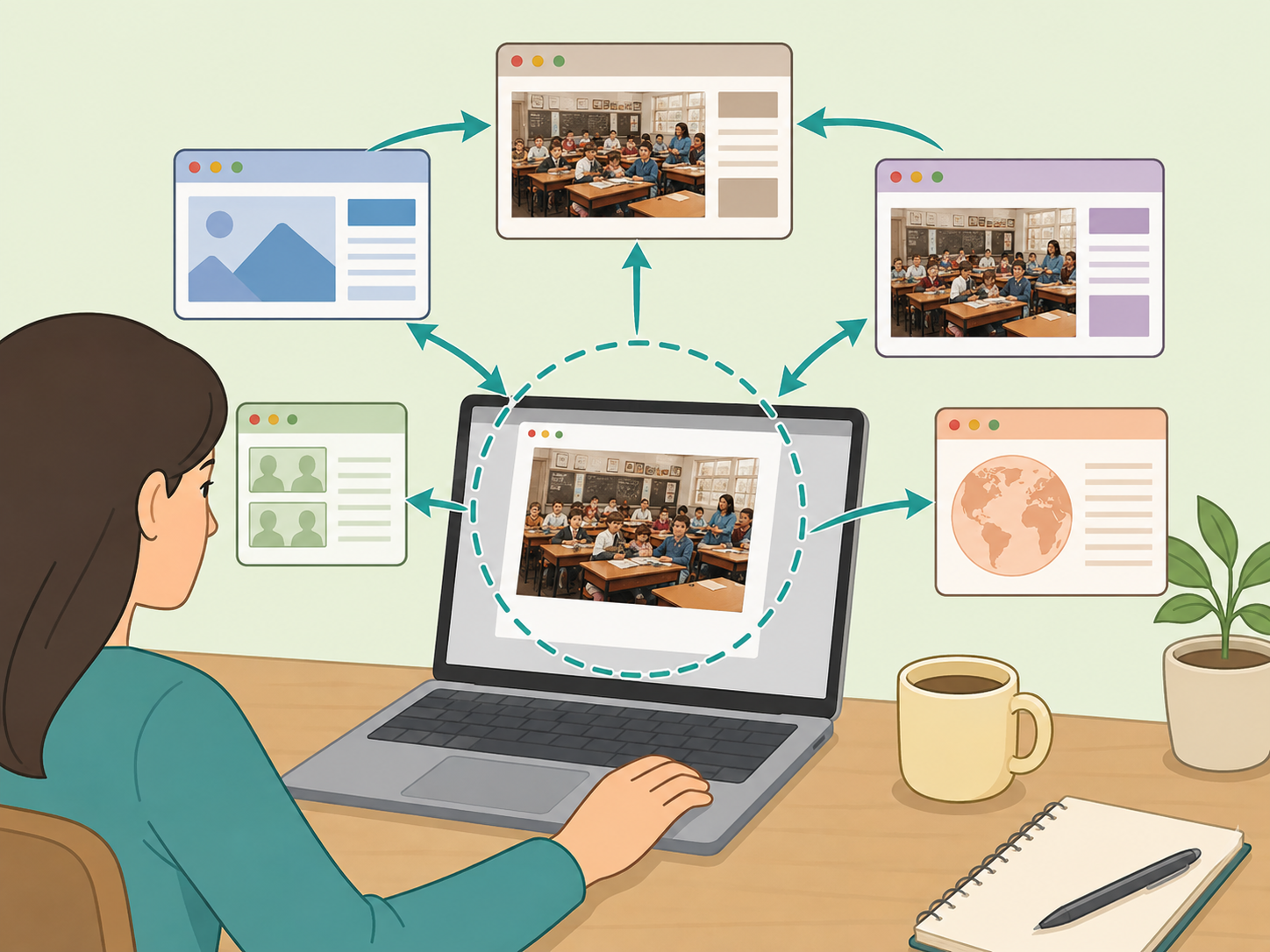
Open new tabs and search for the account, website, or page that shared the photo. Stanford describes lateral reading as checking a source by comparing it with outside sources, rather than staying only on the original page: use lateral reading. If the source often posts recycled, misleading, or unattributed celebrity content, treat the caption with caution.
Check names against reliable coverage
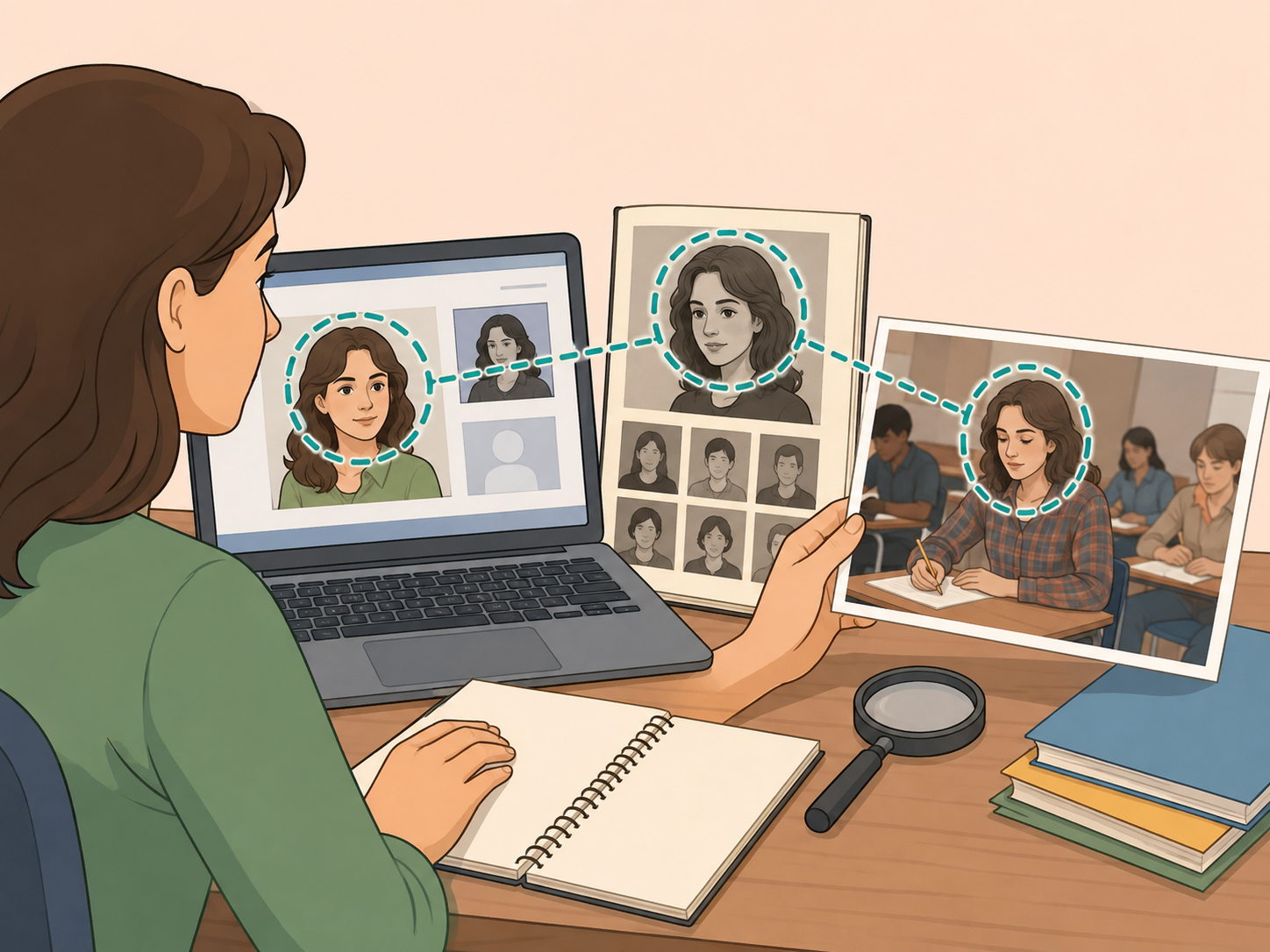
Search the named people plus details from the photo, such as the school, city, year, or event. Stanford’s research on online credibility found that professional fact-checkers often opened additional tabs and sought outside context instead of trusting surface details like a polished site or official-looking name: evaluate credibility with outside context. Prefer official biographies, interviews, archives, school publications, or reputable news coverage over anonymous reposts.
Look for editing or context problems
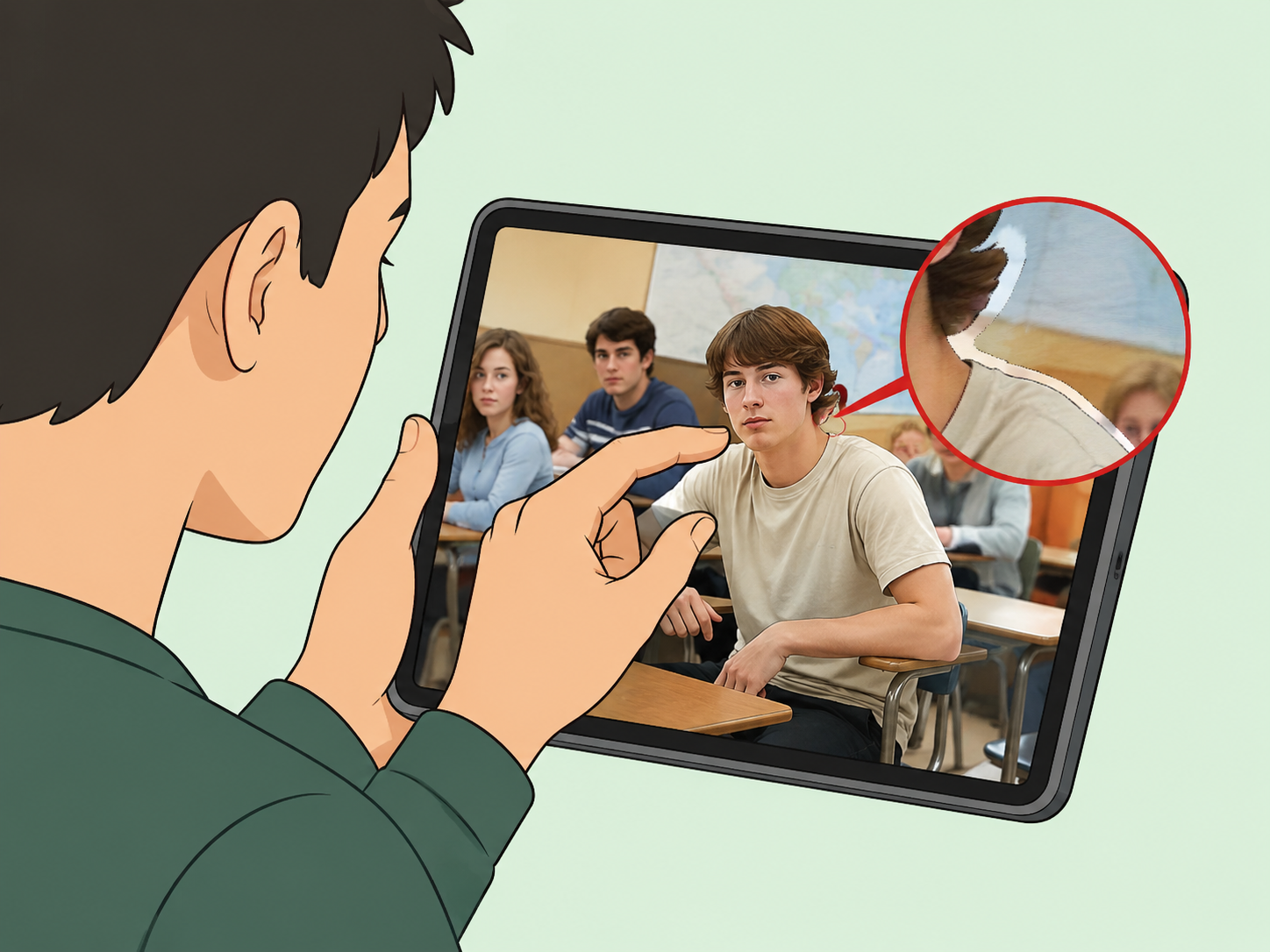
Zoom in on edges, lighting, faces, uniforms, and background details that may show cropping, compositing, or a different setting than the caption claims. Stanford’s guidance on spotting questionable online information highlights click restraint and corroboration, which means scanning results thoughtfully and checking whether other sources support or refute the claim: corroborate questionable information. If the names, dates, or location do not line up, do not repeat them as fact.
Respect privacy before you share
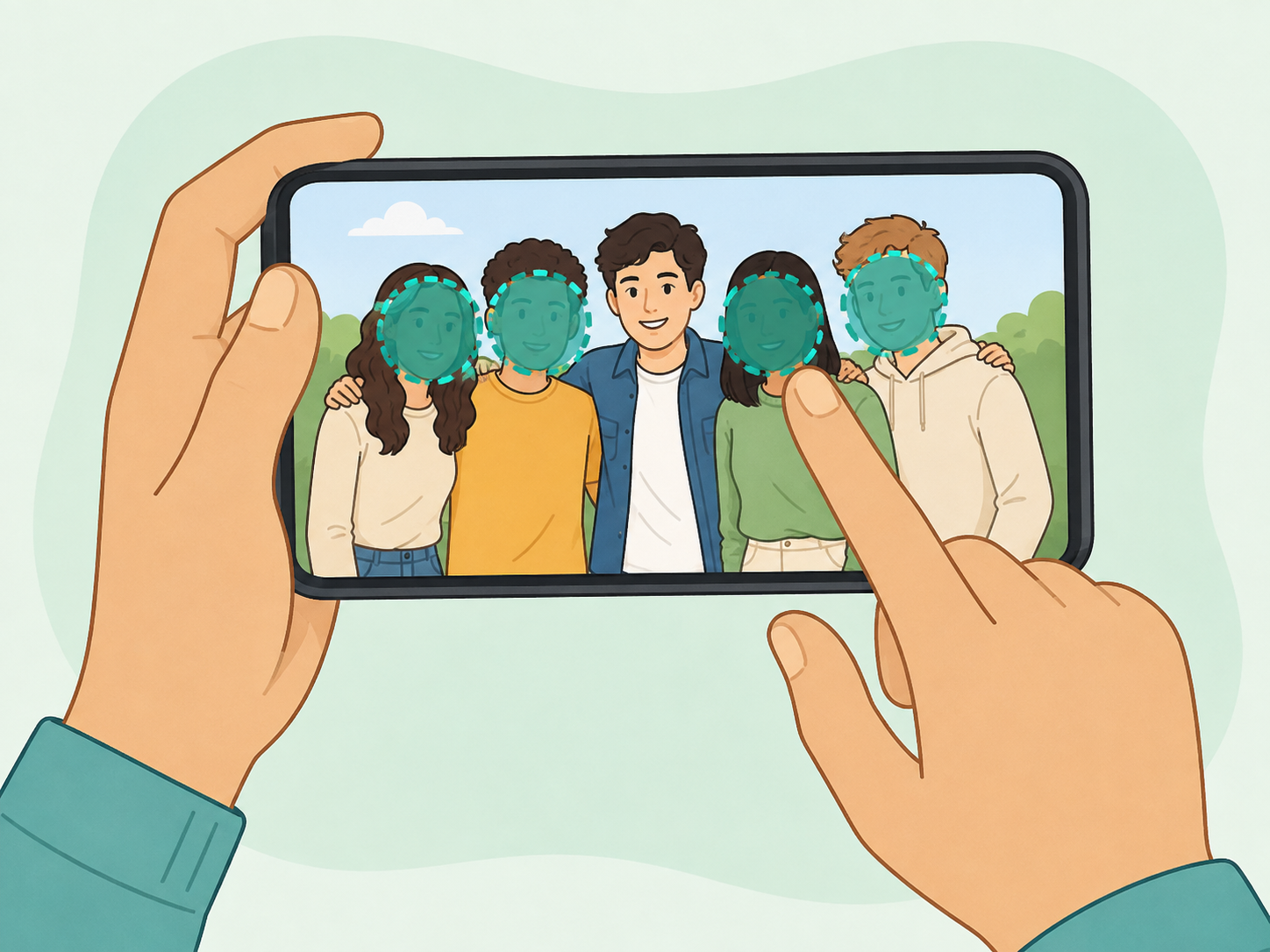
Even if the famous person is correctly identified, the other classmates in the photo may be private individuals. The FTC advises getting permission before posting photos or videos of other people because sharing can affect their privacy and reputation: share photos with care. Blur, crop, or skip sharing if the image exposes minors, private people, school details, or embarrassing context.
Decide whether to share, correct, or skip
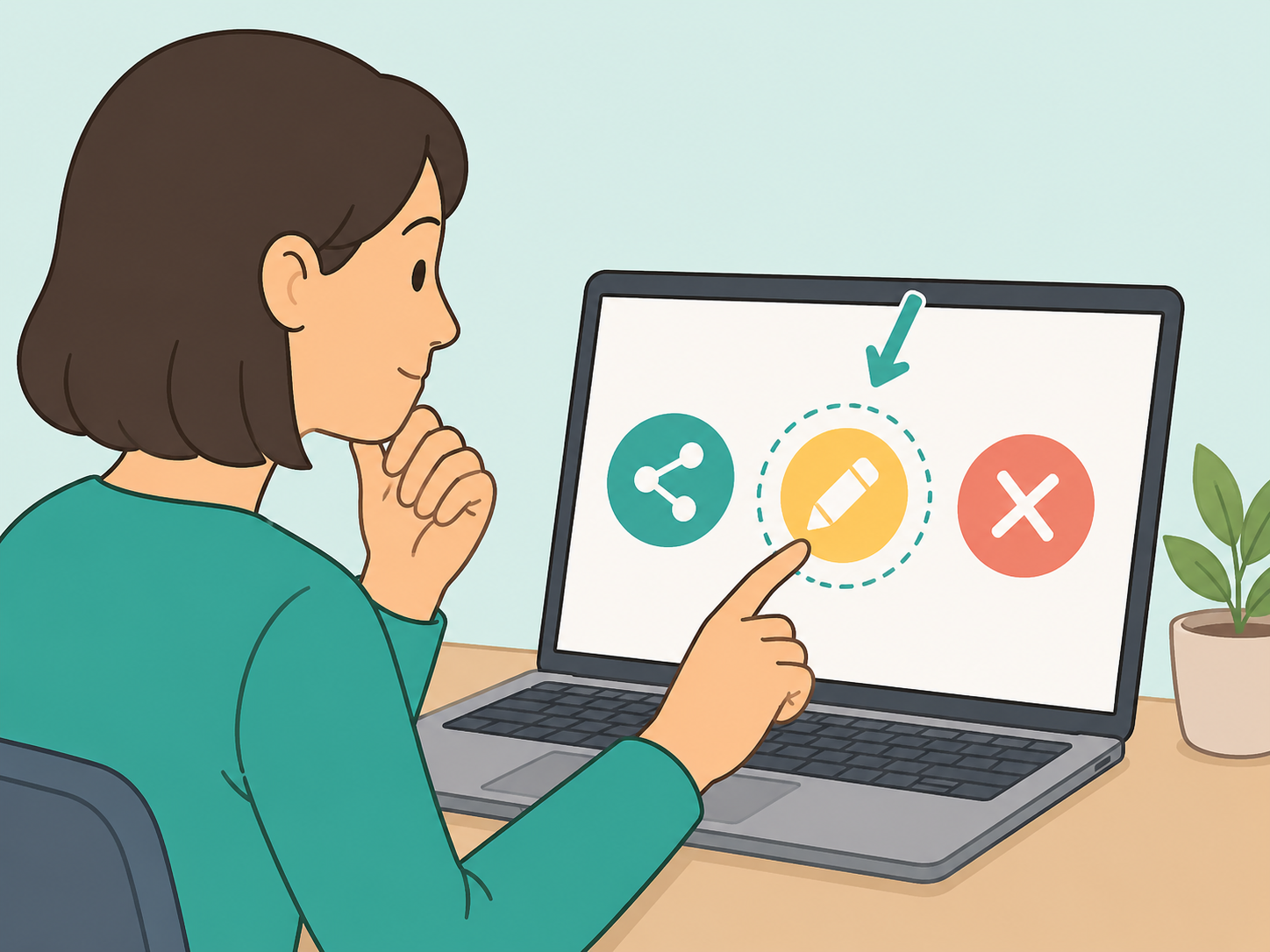
Share only if the image, caption, and source all check out. If the claim is unverified, say that plainly or avoid reposting it; if you already shared a false version, correct it where your audience will see the update. A careful correction is better than letting a misleading celebrity-classmate claim keep spreading.
Summary
The bottom line: treat viral celebrity-classmate photos as claims, not facts. A quick pause, reverse image search, lateral reading, and privacy check can help you avoid spreading a misleading or unfair post.
Frequently Asked Questions
- Can a reverse image search prove who is in a photo?
- Not by itself. Reverse image search can show where the same or similar image appears online, but you still need reliable captions, original sources, or credible reporting to confirm who the people are.
- What if the same photo appears on many websites?
- That can mean the image is widely shared, but it does not prove the caption is true. Look for the earliest credible source, the clearest version, and whether reliable outlets identify the people the same way.
- Is an old upload date the same as the date the photo was taken?
- No. An upload or search-engine index date only shows when a service found or posted the image. The actual photo may have been taken much earlier.
- Should I trust a post just because it has thousands of shares?
- No. Popularity is not the same as accuracy. Viral posts often spread because they are surprising, emotional, or nostalgic, so check the source before treating the caption as fact.
- What should I do if I shared a false classmates photo?
- Edit or delete the post if you can, and add a short correction where people are likely to see it. If you named real people incorrectly, avoid repeating the mistake in the correction.
- Is it okay to repost school photos of people who are now famous?
- Use judgment. Public figures may have widely published official childhood photos, but private classmates or old schoolmates still deserve privacy. Avoid sharing identifying details about nonpublic people without permission.
References
Reliable references aided in composing and refining this content.
- https://sml.stanford.edu/digital-strength/digital-strength-tools-training
- https://ed.stanford.edu/news/stanford-scholars-observe-experts-see-how-they-evaluate-credibility-information-online
- https://ed.stanford.edu/news/how-spot-fake-news-online
- https://consumer.ftc.gov/articles/heads-up
- https://consumer.ftc.gov/articles/0308-go-ahead-be-critical
- https://support.google.com/websearch/answer/1325808
- https://help.tineye.com/article/265-tineye-tutorial
- https://help.tineye.com/article/248-what-does-tineye-first-found-on-mean